Comprehensive Guide to Chemical Used in Dyeing – Sustainability and Innovation in Textiles
Understanding Chemical Used in Dyeing: Why It Matters Globally
When you think about the colors you see every day—bright clothes, vibrant fabrics, intricate patterns—the unsung hero is the chemical used in dyeing. These chemicals shape not only fashion and textiles but touch industries from automotive interiors to home furnishings. Worldwide, billions of meters of fabric are dyed annually, making the choice and quality of dye chemicals a crucial factor for environmental safety, economic efficiency, and product durability.
Why care about these chemicals on a global scale? Well, dyeing processes consume enormous water volumes and often involve substances with potential toxic impacts if mishandled. Understanding the types, applications, and innovations of chemicals used in dyeing can lead to more sustainable production, reduce pollution, and create textiles that last longer, consume less, and feel better. Plus, in regions reliant on textile exports, this knowledge is a key for boosting trade competitiveness.
The Global Context: The Rising Importance of Dyeing Chemicals
The chemical used in dyeing sector is a critical piece of the $1 trillion global textile industry. According to the United Nations Environment Programme (UNEP), the textile dyeing industry ranks among the top polluters, responsible for discharging an estimated 17–20% of industrial water pollution worldwide (1).
Many countries in Asia, like China, India, and Bangladesh, dominate textile production — regions where water treatment infrastructure often lags. This mismatch creates challenges in managing dye effluents but also presents opportunities for eco-friendly chemicals and cleaner technologies. The World Bank estimates over 30 billion cubic meters of water are consumed annually in global textile dyeing, underscoring why innovations in dyeing chemicals are closely tied to sustainability efforts.
But it's not just about pollution. Advanced chemicals now help textile producers meet fast fashion demands with quicker turnaround times, high-quality color fastness, and fabric performance. Without these tailored substances, the vibrant wardrobes of millions simply wouldn’t exist.
What Exactly Is 'Chemical Used in Dyeing'?
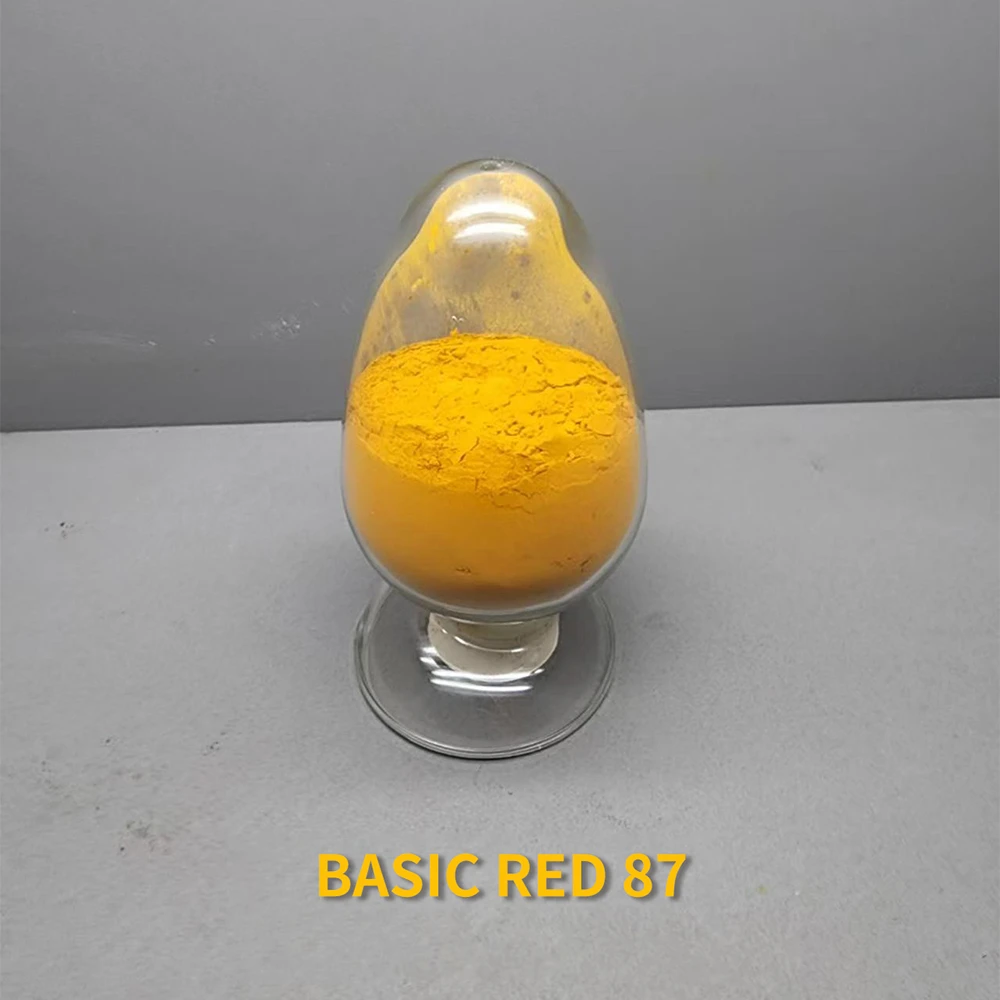
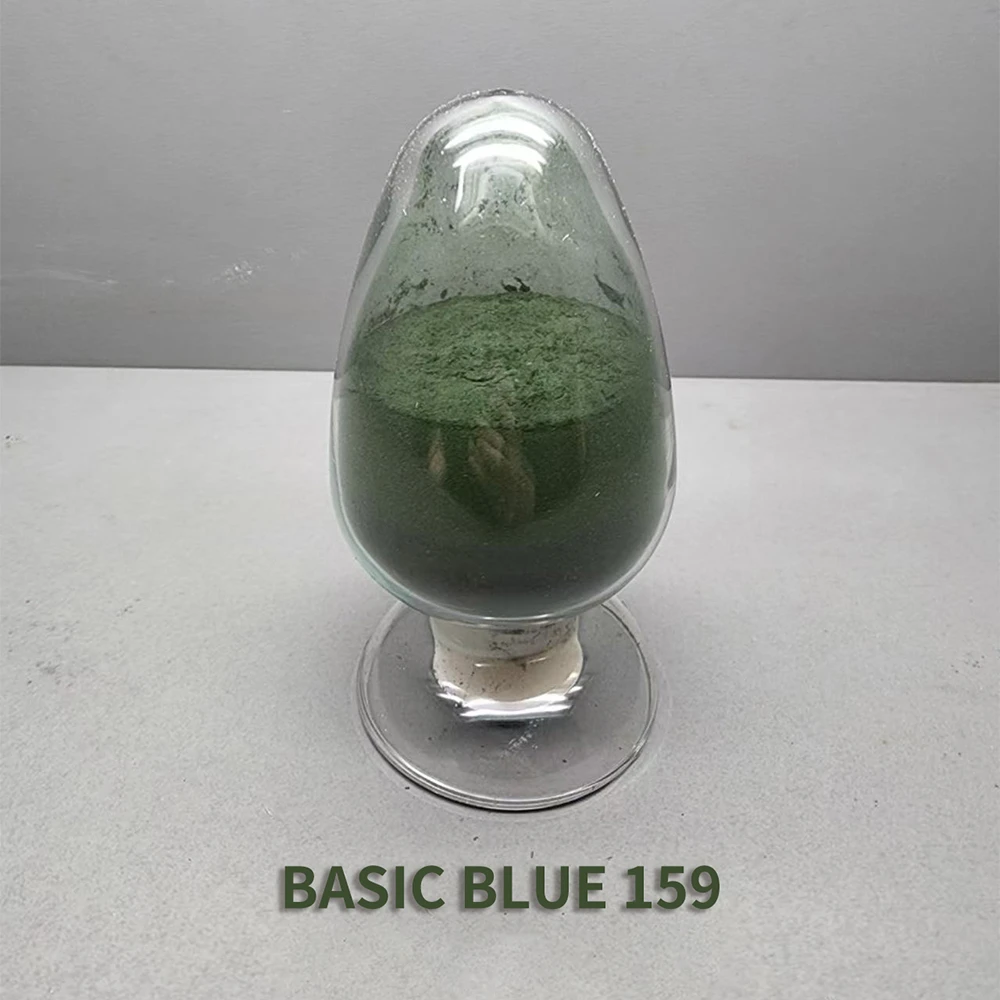
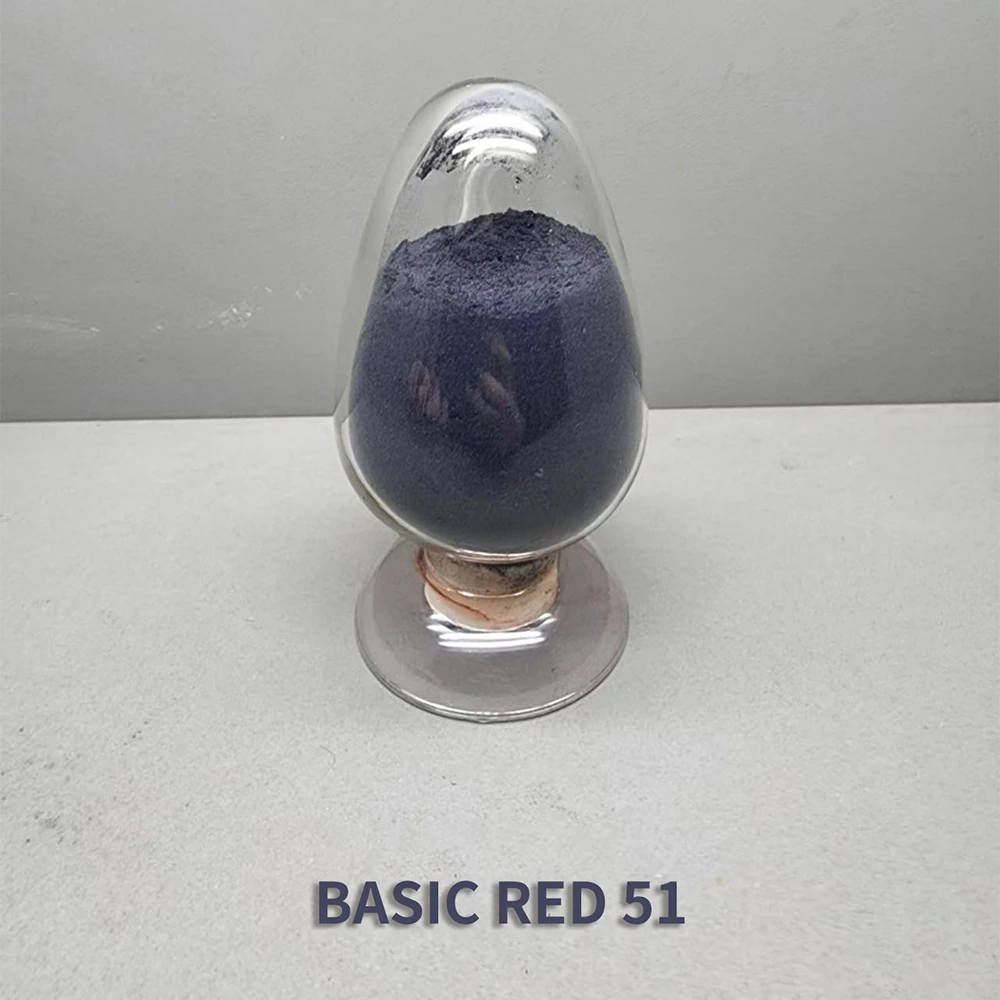
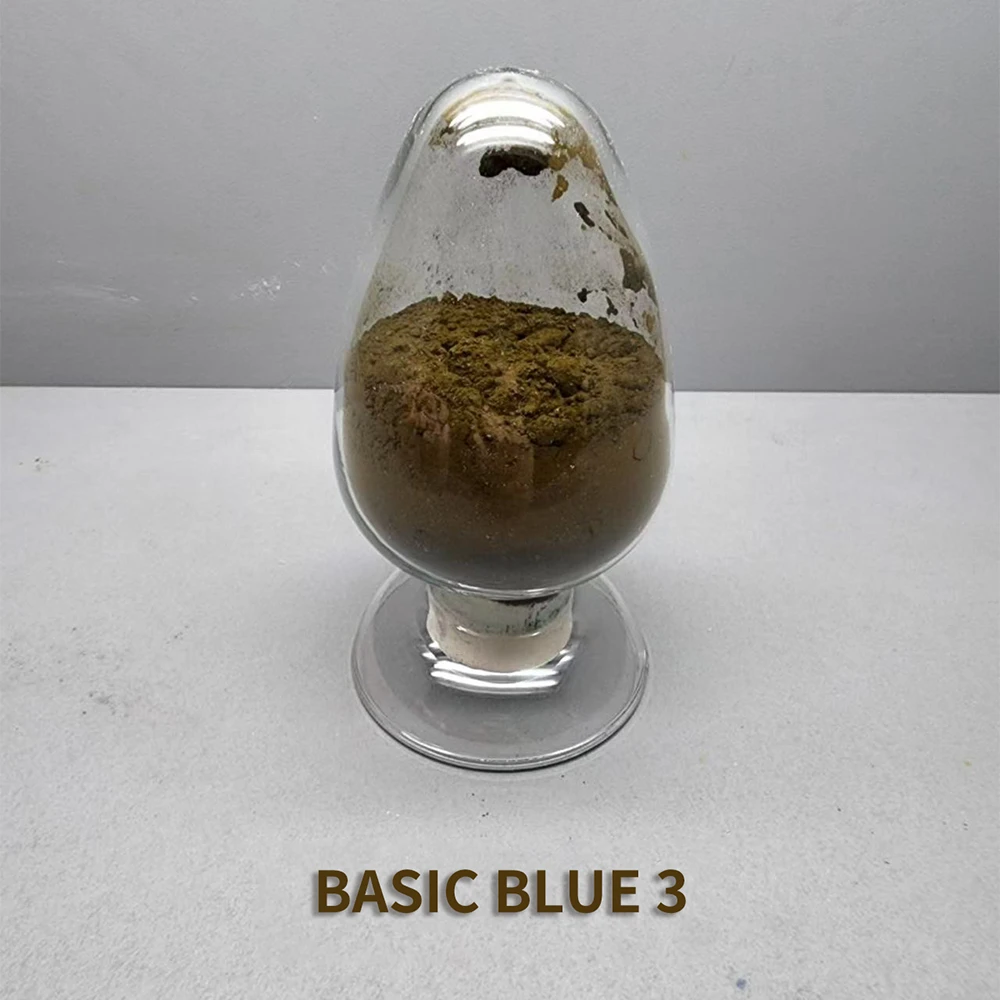
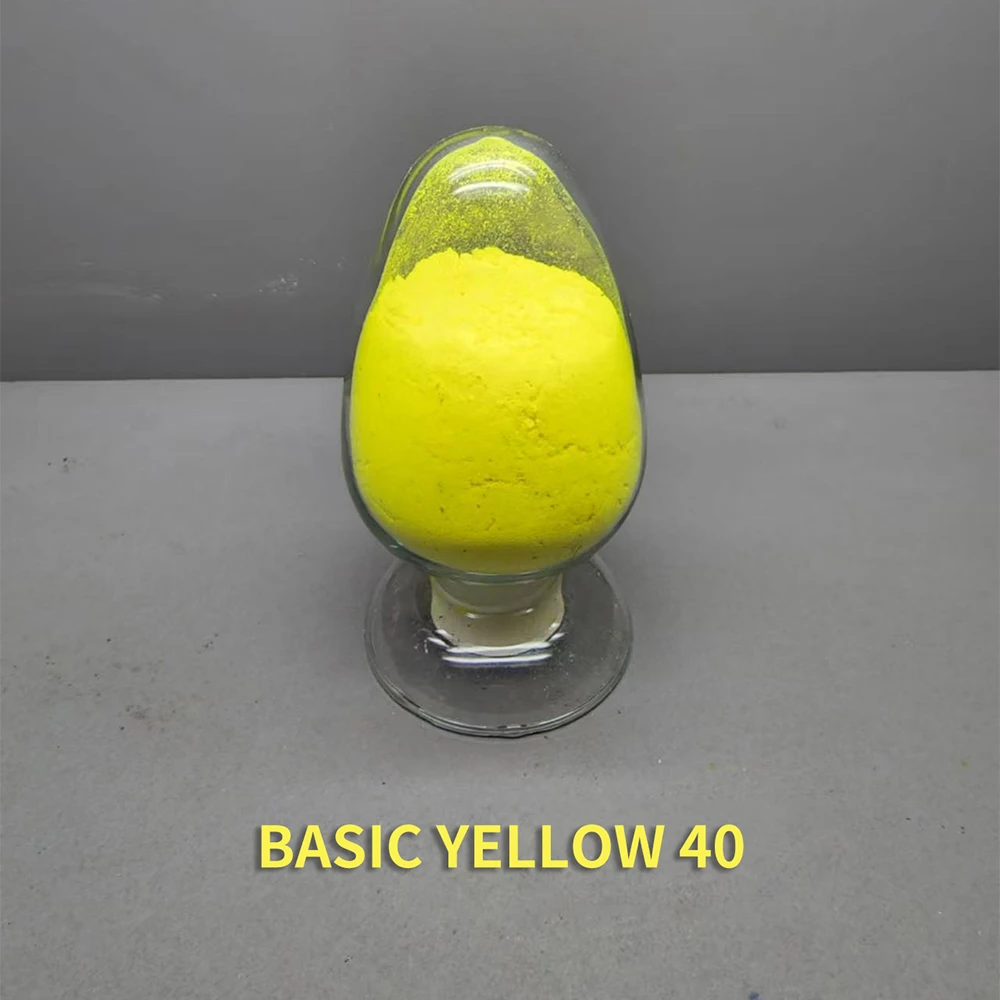
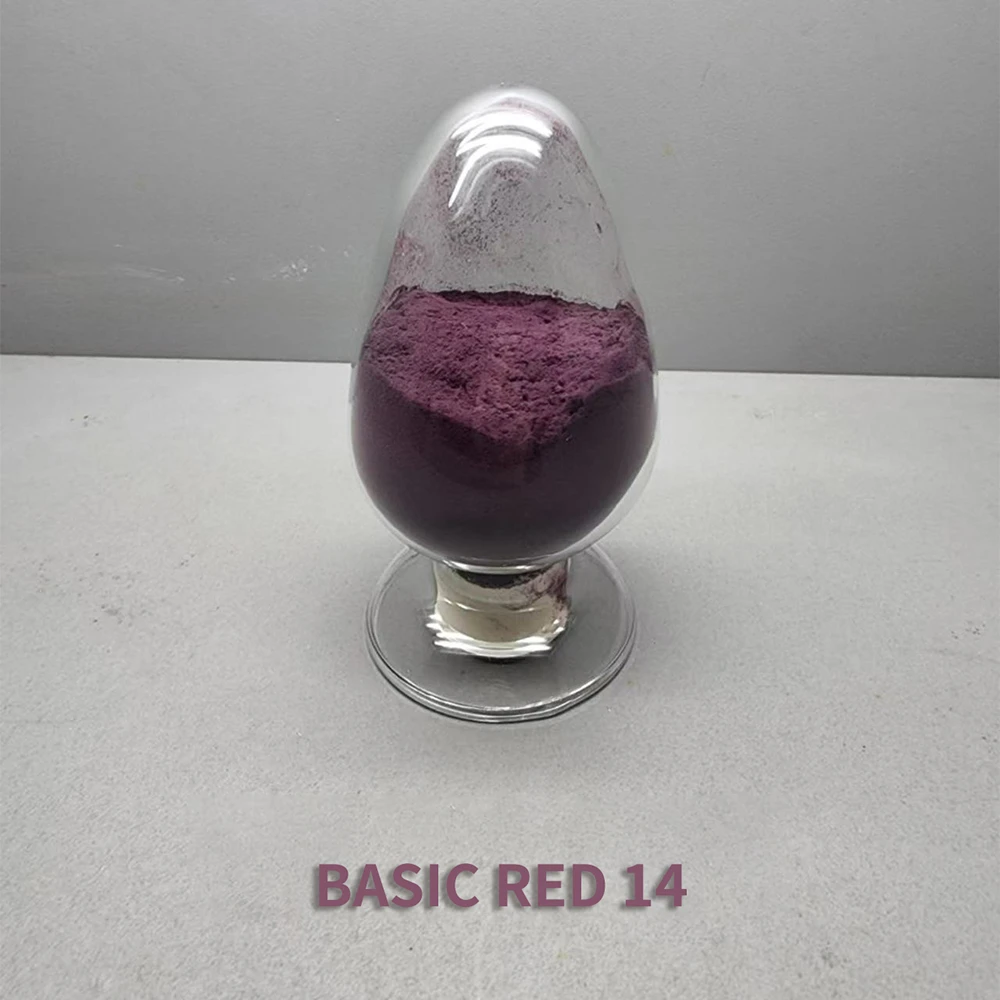
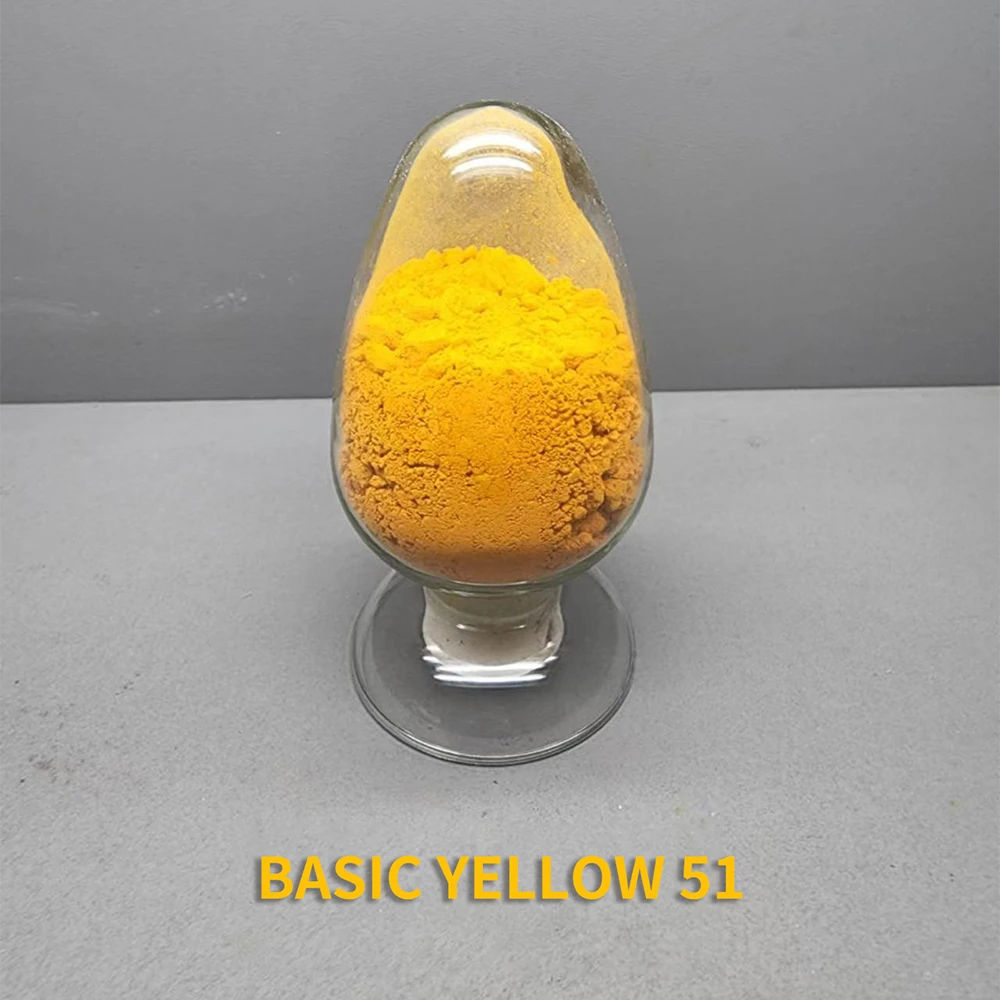
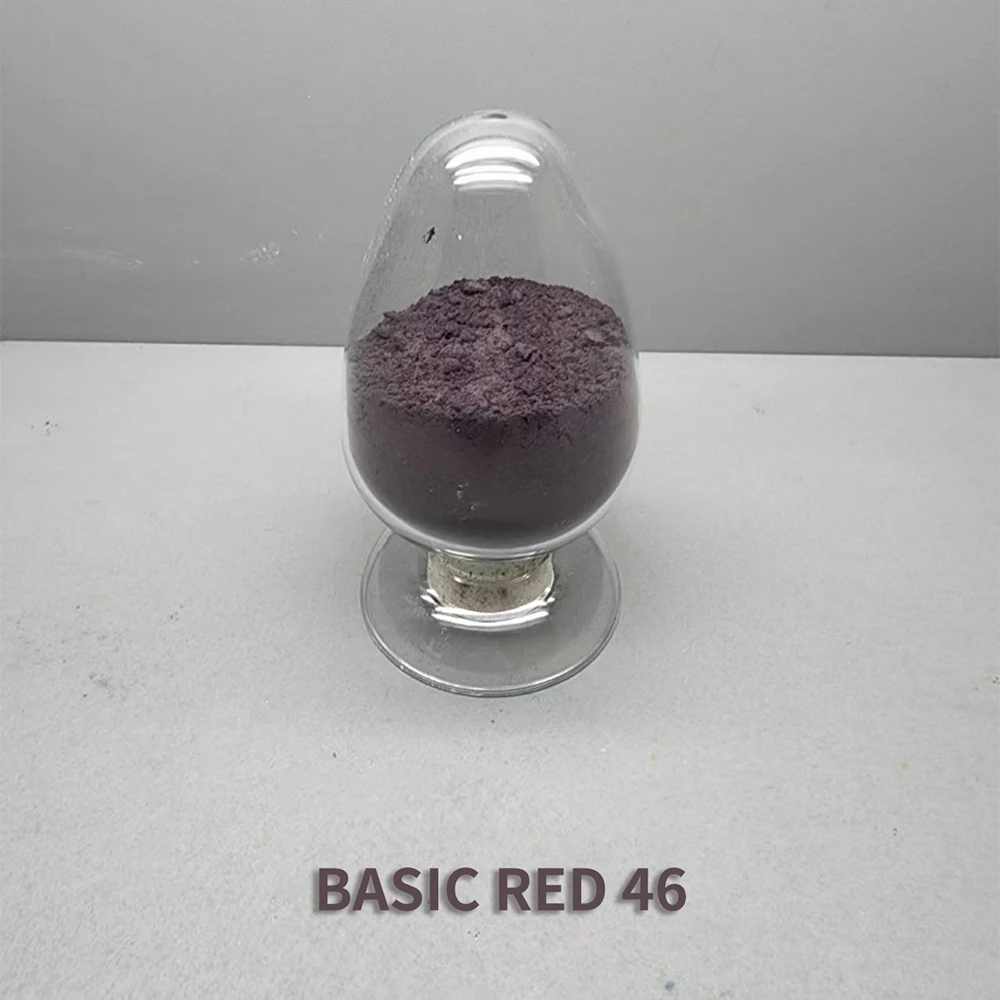
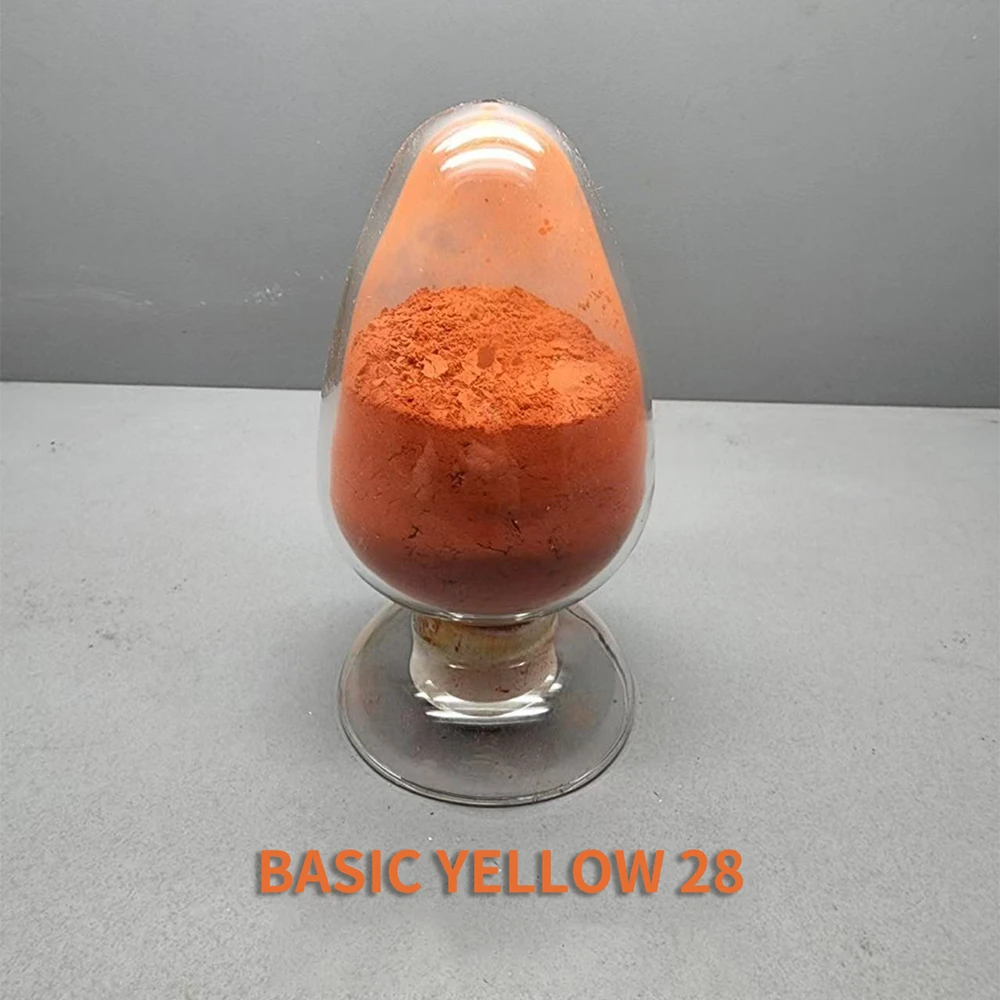
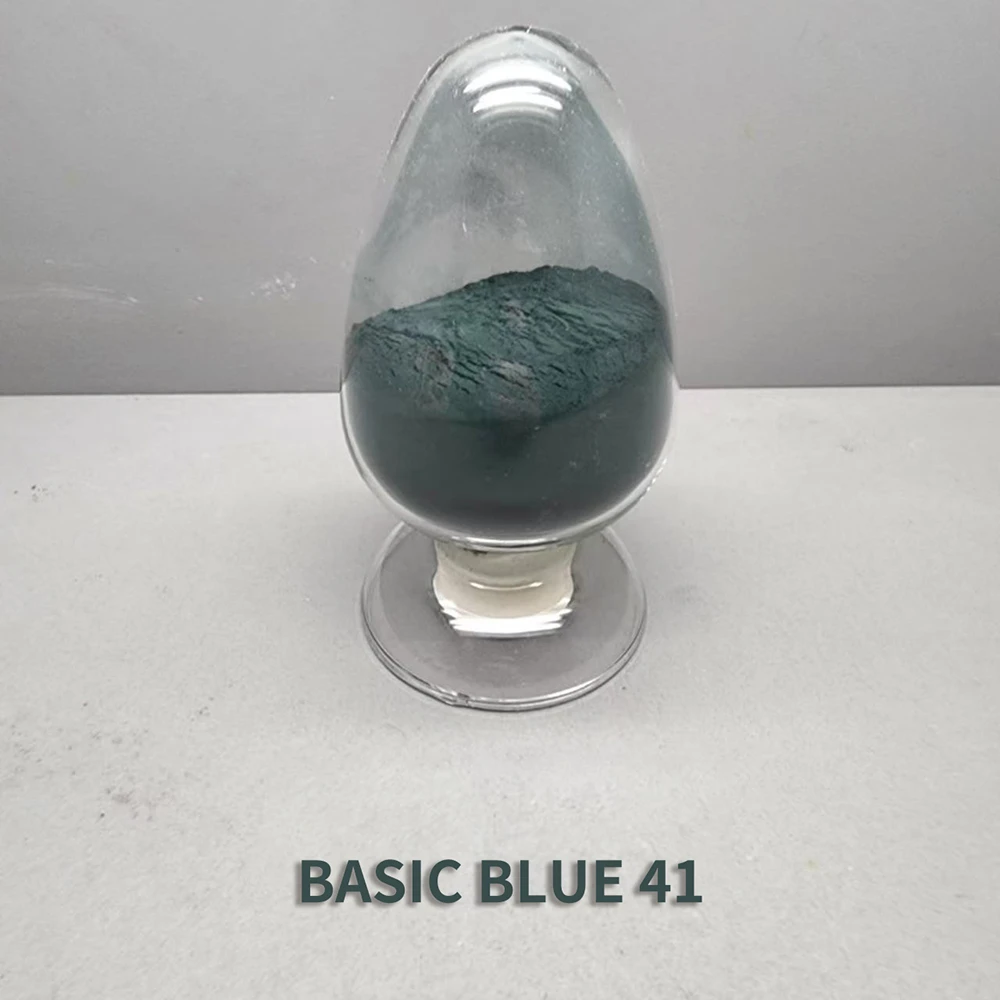
Simply put, the phrase "chemical used in dyeing" encompasses any substance added during the dyeing process to color textiles. These include colorants such as reactive dyes, direct dyes, acid dyes, disperse dyes; as well as auxiliaries like mordants, leveling agents, and fixatives that improve dye uptake and color durability.
In real terms, these chemicals bind color molecules to fabric fibers — the exact chemistry varies by fiber type (cotton, wool, polyester). Modern dyeing chemicals have become highly engineered, maximizing efficiency while reducing waste and sometimes enhancing fabric properties, like UV resistance or antimicrobial activity.
On a humanitarian note, these chemicals enable economic opportunities in developing areas through textile manufacturing jobs, but also demand careful management to prevent health risks among workers and communities.
Key Factors in Choosing Chemicals Used in Dyeing
1. Colorfastness and Durability
The main goal? Long-lasting color. Chemicals must ensure the dye bonds firmly to fabrics to resist washing, sunlight, and rubbing without fading. Otherwise, clothes lose appeal quickly. Many engineers say that choosing the right reactive or acid dye routine can double the life span of dyed textiles.
2. Environmental Impact
Water and soil pollution from dye chemicals are major concerns. This puts pressure on developing low-impact or biodegradable dye auxiliaries and advanced wastewater treatment. Eco-conscious producers increasingly prefer dyes with less heavy metal content or those that require lower water volumes.
3. Cost Efficiency
Dye chemistry directly affects processing speed and utility costs. Chemicals that allow dyeing at lower temperatures or reduce re-dyeing cut operational expenses. This is especially crucial for large-scale mills where even small savings per kilogram accumulate rapidly.
4. Scalability and Consistency
Industrial textile production demands repeatable results batch after batch. Chemical formulations must maintain uniform performance whether dyeing a hundred kilograms or a thousand — without quality dips or surprises.
5. Compliance and Safety
Chemicals used in dyeing must meet strict safety and environmental standards, such as ISO certifications and regulations like REACH in Europe or EPA rules in the U.S. Compliance ensures worker safety and minimizes legal risks.
Real-World Applications of Dyeing Chemicals
Dyeing chemicals affect multiple sectors beyond fashion — from automotive upholstery and medical textiles to industrial filters and even art conservation. The textile hubs across Asia use innovative dye sets that reduce water use by up to 50%, improving regional water stress.
For example, after the 2010 Pakistan floods, disaster relief efforts included fabric materials dyed with UV-resistant, antimicrobial chemicals to help in harsh conditions. Similarly, remote industrial zones benefit from low-temperature dyes that cut energy consumption drastically where power is scarce.
A Snapshot of Chemical Used in Dyeing: Typical Specifications
| Specification | Typical Range / Type | Notes |
|---|---|---|
| Dye Class | Reactive / Acid / Direct / Disperse | Selected by fiber type |
| pH Range | 4.0 – 11.0 | Varies by chemical and fabric |
| Temperature | 60–130°C | Lower-temp dyes save energy |
| Water Usage | 30–150 L/kg fabric | Depends on chemical & process |
| Heavy Metal Content | Environmental & safety concern |
Comparing Leading Vendors of Dyeing Chemicals
| Vendor | Product Range | Green Tech Integration | Global Reach | Price Range |
|---|---|---|---|---|
| YanHong Chemicals | Reactive, Acid, Disperse Dyes | Offers low-impact formulations | Asia, Europe, Americas | Mid-tier competitive |
| Dystar | Wide range of specialty dyes | Strong focus on sustainable tech | Global, heavy in Europe, Asia | Premium pricing |
| BASF | Innovative dye and auxiliary chemicals | Pioneers in green chemistry | Worldwide | Higher-end market |
Advantages and Long-Term Value of Smart Dyeing Chemicals
- Cost Savings: Less water, energy, and chemical waste reduce operational costs drastically.
- Sustainability: Eco-friendly dyes help reduce pollution footprint, favoring long-term ecosystem health.
- Product Quality: Enhanced dye fixation leads to richer, longer-lasting colors—an essential for brand reputation.
- Social Impact: Safer chemicals improve worker health conditions and community water quality.
- Innovation Edge: New dye chemistries enable textile functionalities like odor control or fire resistance.
Emerging Trends & Innovations
The future of chemicals used in dyeing is closely tied to sustainability and automation. Companies are exploring bio-based dyes derived from natural sources to replace synthetic substances completely. Digital printing technologies that use less water are reshaping dye application, demanding specially formulated chemicals.
Moreover, the adoption of AI in chemical formulation predicts dye behavior for custom fabrics without costly trial and error. Governments worldwide are strengthening regulations, pushing vendors to innovate ‘greener’ products or face fines.
Challenges and Forward-Thinking Solutions
Despite advances, challenges persist. A major issue remains the high water consumption and chemical discharge in dyeing. Inadequate wastewater treatment infrastructure exacerbates environmental damage, especially in developing textile hubs. Also, many green dyes still struggle with matching the vividness and durability of traditional formulas.
Solutions? Integrating circular economy approaches—like recycling dye baths and sludge—offers promise. Investment in cutting-edge treatment plants and leaner chemical formulations gradually lessen ecological footprint. Plus, collaborative industry standards can harmonize safer chemical use worldwide.
FAQ: Frequently Asked Questions About Chemical Used in Dyeing
Q1: What makes reactive dyes popular for cotton fabrics?
Reactive dyes create covalent bonds with cotton fibers, making colors vibrant and wash-resistant. Their ability to bond permanently leads to excellent colorfastness, which other dyes often struggle to match on cellulose fibers.
Q2: Are eco-friendly dye chemicals as effective as traditional ones?
It depends. Many sustainable dyes now rival traditional chemicals in color quality but sometimes require different processing conditions or cost more. However, ongoing research is closing this gap rapidly.
Q3: How can textile producers reduce water use when dyeing?
Using low liquor ratio dyeing machines, flow dyes, and more efficient chemicals that fix dye quickly can cut water consumption drastically. Also, recycling and treating wastewater onsite help tackle the problem.
Q4: What safety measures are essential when handling dye chemicals?
Proper personal protective equipment (PPE), ventilation, employee training, and adherence to chemical handling guidelines minimize health risks. Regular monitoring of effluents is also crucial for environmental safety.
Q5: How do dye chemicals impact textile recycling?
Some chemicals can complicate fiber recycling, especially synthetic dyes that alter fiber properties. Innovations in biodegradable and easily removable dyes are improving recyclability prospects.
In Summary: Why Knowing About Chemicals Used in Dyeing Is Worth Your Time
So, whether you’re a textile professional, an environmental enthusiast, or someone curious about how your colorful clothes come to life, understanding chemicals used in dyeing is enlightening. It’s a story of chemistry meeting craft, sustainability challenges, and global economics all woven together.
Fascinatingly, these chemicals are evolving fast — nudging the textile industry closer to a future where beautiful colors don’t cost the earth but bring lasting value for people and planet alike.
For detailed specs, sourcing, and the latest in dye tech, you might want to check out YanHong’s extensive range of chemical solutions: https://www.yanhongchem.com.
References:
1. United Nations Environment Programme (UNEP), "Textiles and the Environment."
2. World Bank, "Water Use in Textile Industry," 2022.
3. ISO Standards for Textile Dyeing Chemicals.
-
Durable Terracotta Fabric Dye for Industrial Use | Yanhong ChemicalNewsDec. 11, 2025
-
China Basic Dye Factory: High-Purity Dyes, Fast DeliveryNewsDec. 13, 2025
-
What Are Basic Dyes? A Quick Look at Their Industrial UseNewsDec. 13, 2025
-
Classification Of Cationic DyesNewsAug. 05, 2025
-
High-Quality Synthetic Fabric Dye for Industrial Applications | Yanhong ChemNewsDec. 03, 2025
-
Rhodamine B Cationic Dye - Industrial Grade & Reliable SuppliersNewsDec. 03, 2025