Chemical Dyes Examples: Global Insights, Applications, and Innovations
Exploring Chemical Dyes Examples: A Global Perspective
When you think about the colors in your clothing, the paint on your walls, or even the inks in your favorite books, chemical dyes are often behind those vivid hues. Understanding chemical dyes examples is not just about appreciating color—it’s about recognizing a cornerstone of modern industry and everyday life. This fascinating topic matters globally because these dyes impact manufacturing, environmental management, and even health standards across many sectors.
Introduction: Why Chemical Dyes Matter Globally
The global chemical dyes market has steadily grown over the past decades, reflecting booming textile, plastics, and food industries worldwide. According to the International Dye Industry Association, the market was valued at over $30 billion in 2023, with Asia-Pacific regions leading production and consumption. Oddly enough, as we chase vibrancy and variety in products, significant environmental and health challenges also rise due to these synthetic dyes. That’s why exploring chemical dyes examples gives us valuable insight into balancing innovation with sustainability.
What Are Chemical Dyes? A Simple Definition
Chemical dyes are colored substances with an affinity to the substrate they color—in simple terms, they’re chemicals used to add color to materials like textiles, leather, paper, and plastics. They are often synthetic compounds designed to bind with materials firmly, providing long-lasting color. These dyes have revolutionized industries from fashion to food packaging by enabling consistent, vibrant colors that natural dyes simply can’t match in scale or performance. For humanitarian needs, such as in medical supplies and emergency shelter materials, the right dye can be critical for safety and durability.
Key Aspects of Chemical Dyes
1. Durability
Durability—or colorfastness—is crucial. Dyes that fade quickly under light or washing are impractical for most industries. For example, textile manufacturers often prefer azo dyes for their rich colors and reasonable resistance to fading.
2. Scalability
Mass production needs dyes that can be synthesized at scale affordably and safely, without losing quality. That’s where synthetic dyes really shine compared to many natural alternatives.
3. Environmental Impact
Unfortunately, many chemical dyes are linked with pollution concerns. Wastewater from dyeing processes often contains hazardous compounds. So, newer classes of dyes aim to reduce toxicity and improve biodegradability.
4. Cost Efficiency
Lower manufacturing costs mean cheaper products. Chemical dyes vary in price—some are premium (like reactive dyes used for fine fabrics), others are cost-effective basics (like basic dyes for packaging).
5. Application Versatility
Many dyes are designed for specific materials, thanks to different chemical affinities, enabling manufacturers to pick dyes optimal for textiles, plastics, or even inks.
Common Chemical Dyes: Examples & Specifications
| Dye Type | Common Use | Color Fastness | Environmental Notes |
|---|---|---|---|
| Azo Dyes | Textiles, leather | High | Some concerns over carcinogenic byproducts |
| Reactive Dyes | Cotton and cellulose fibers | Excellent | Lower toxicity, wash off residues need careful treatment |
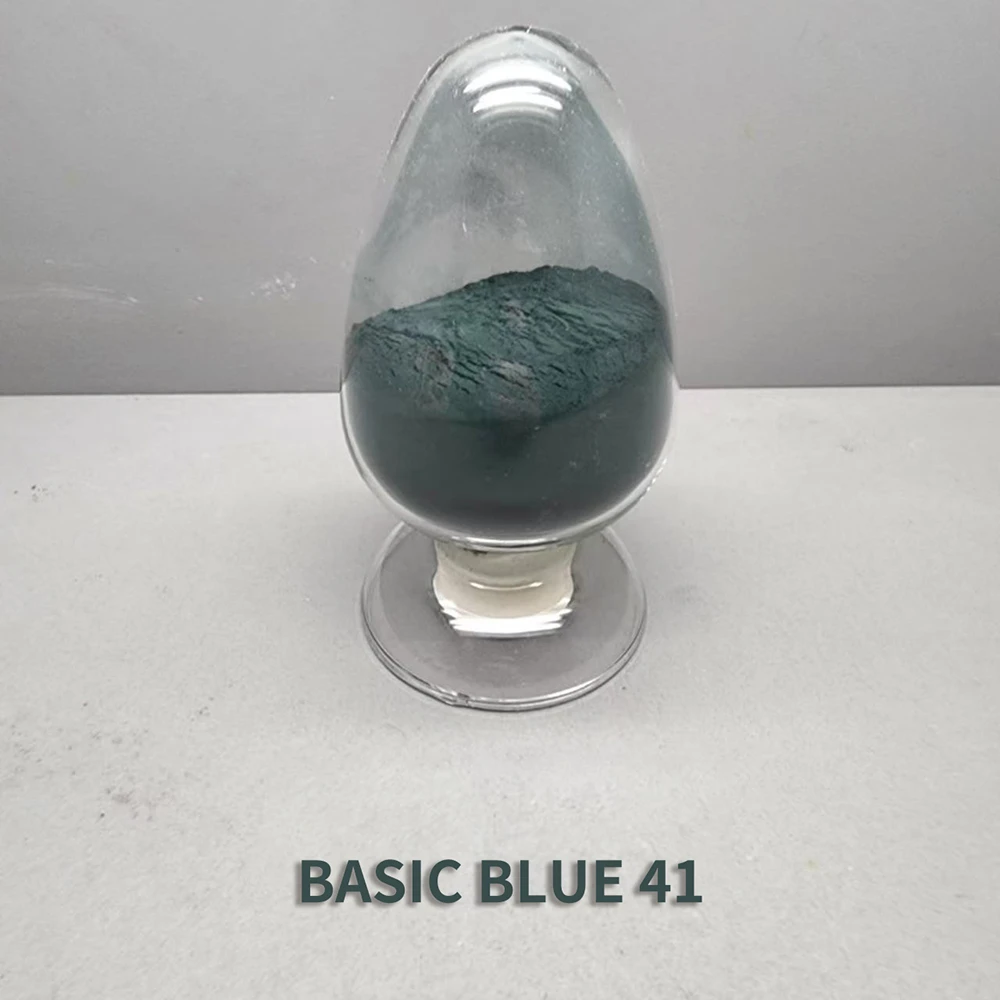
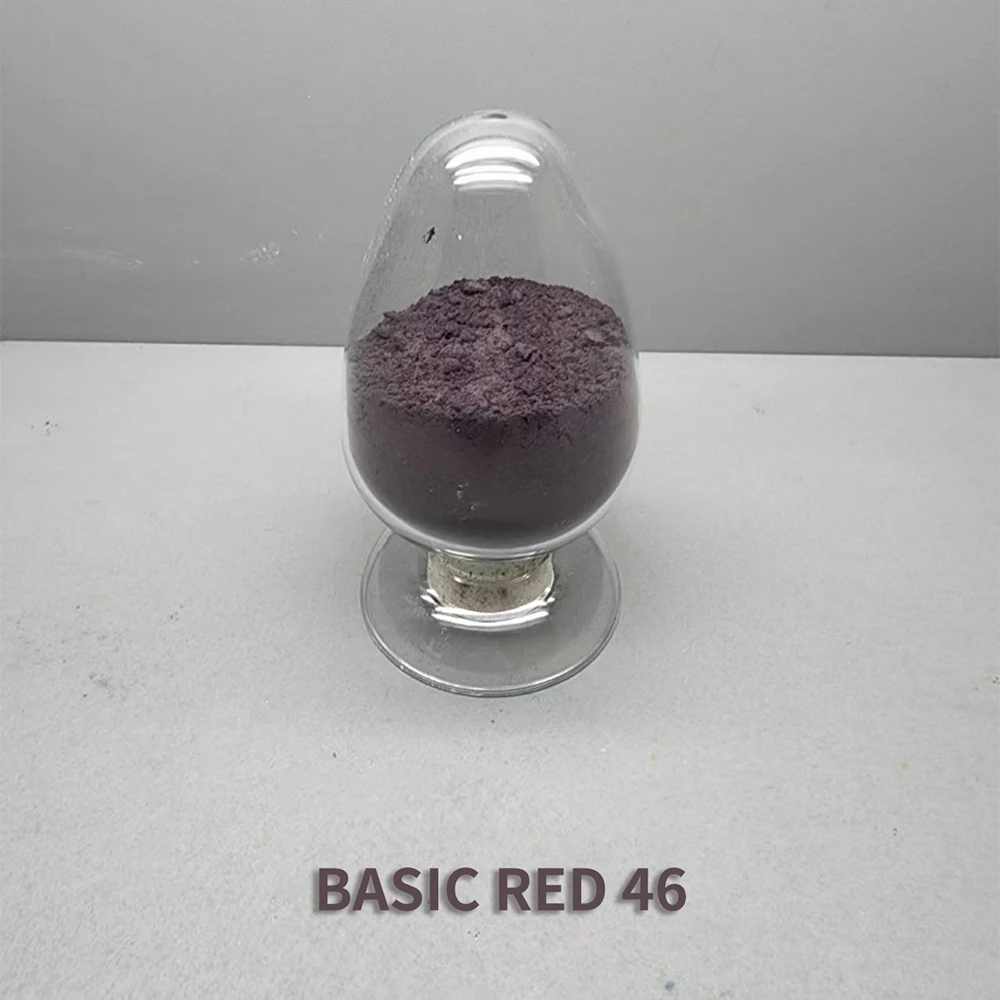
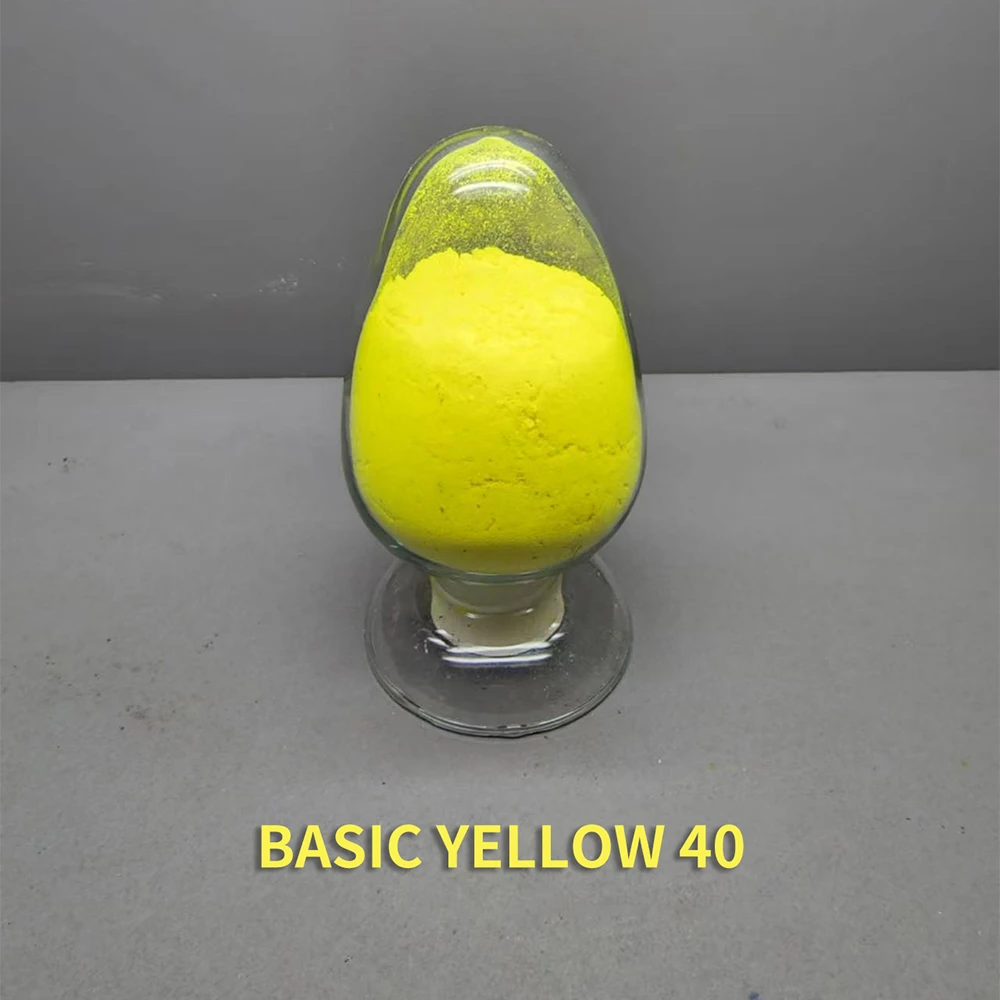
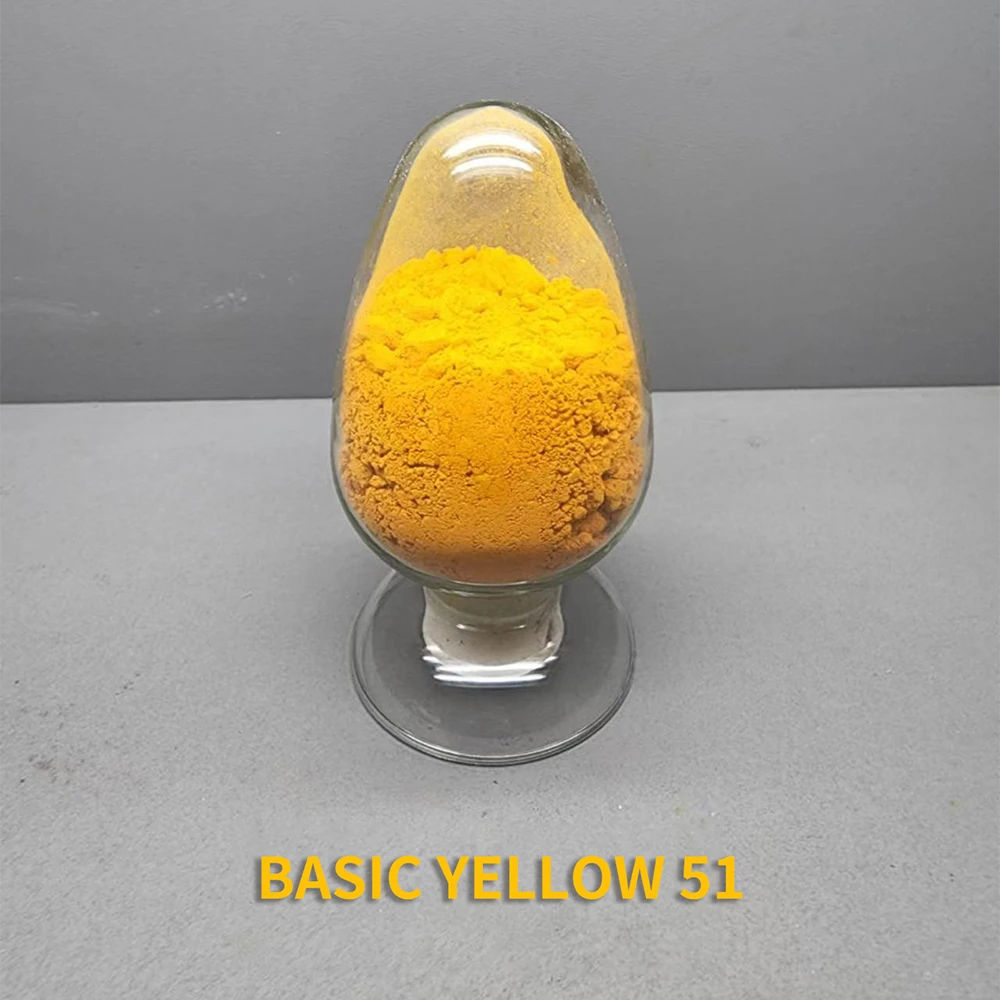
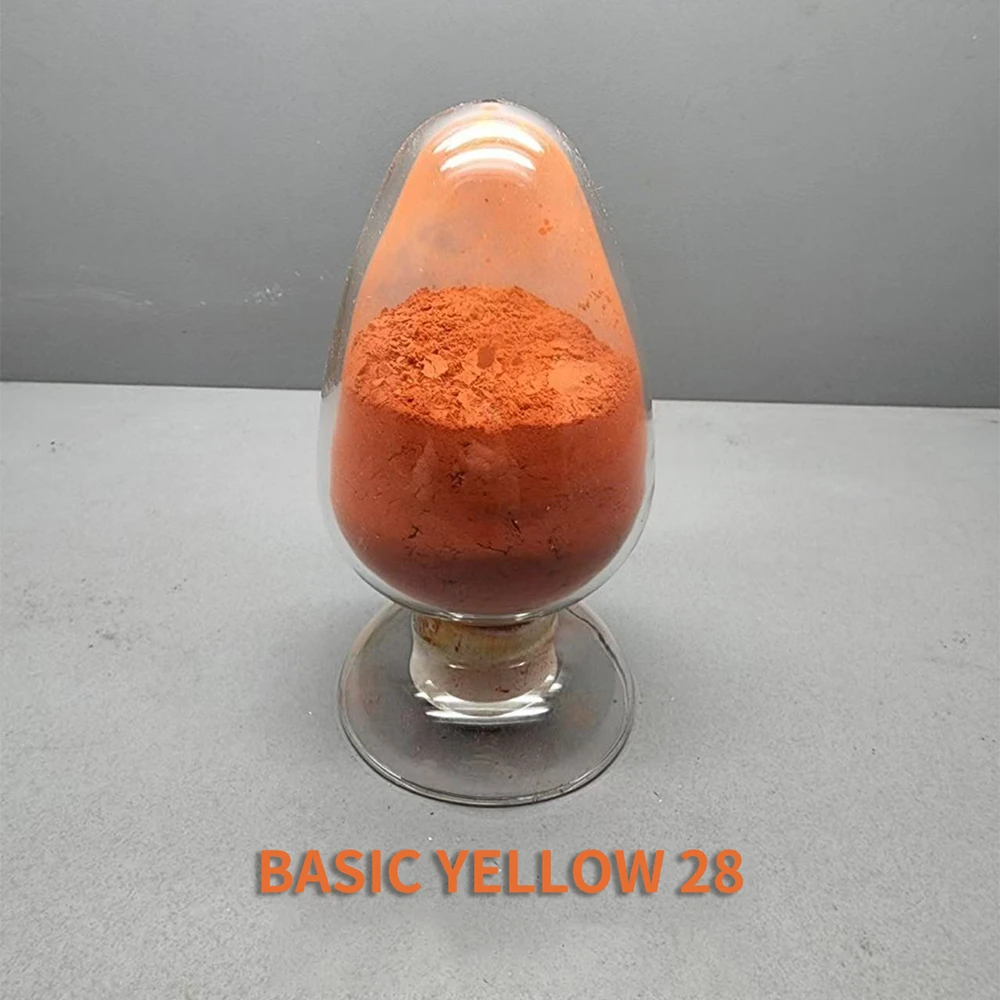
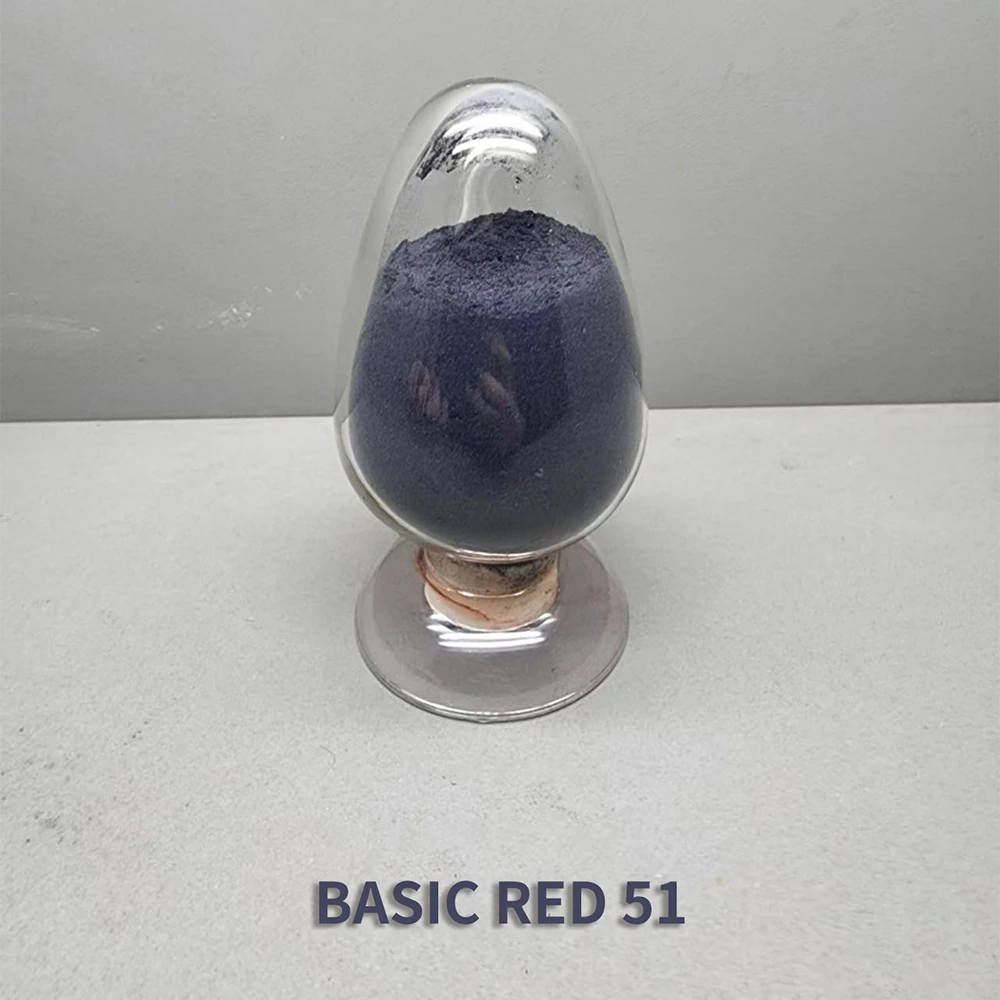
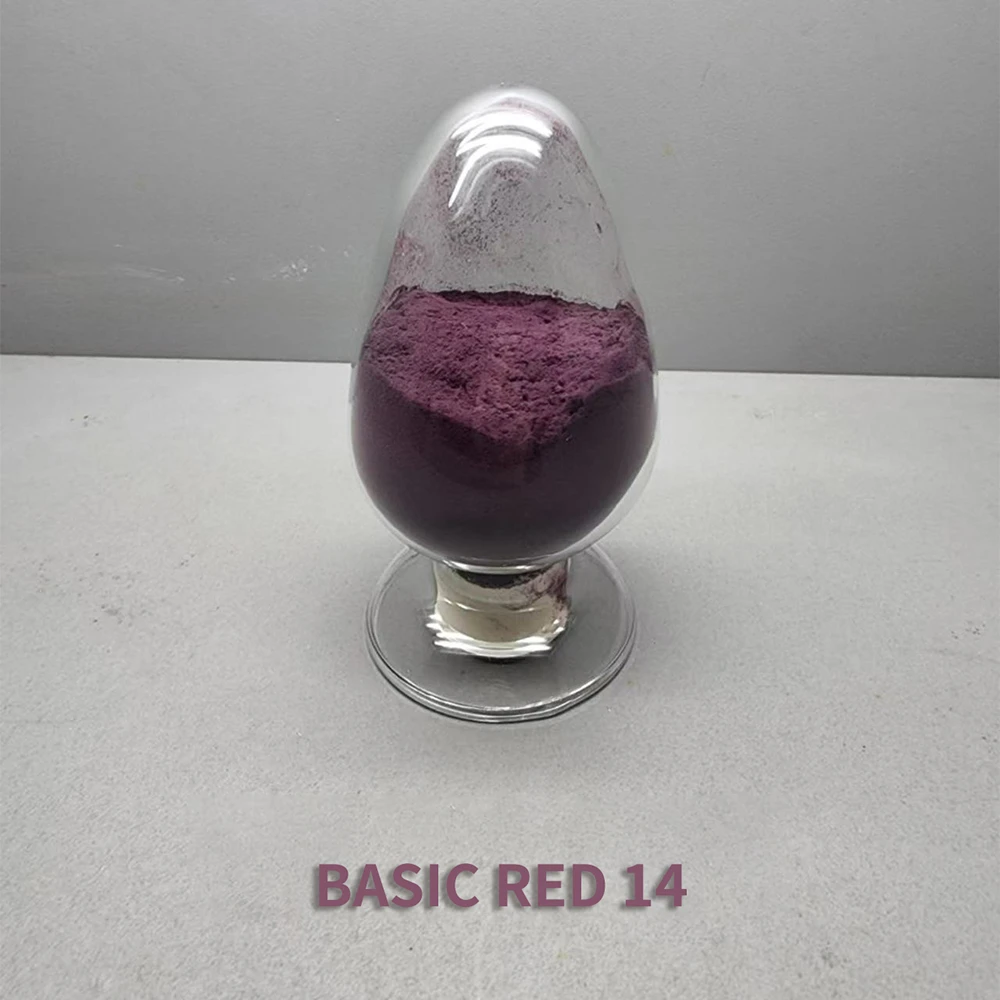
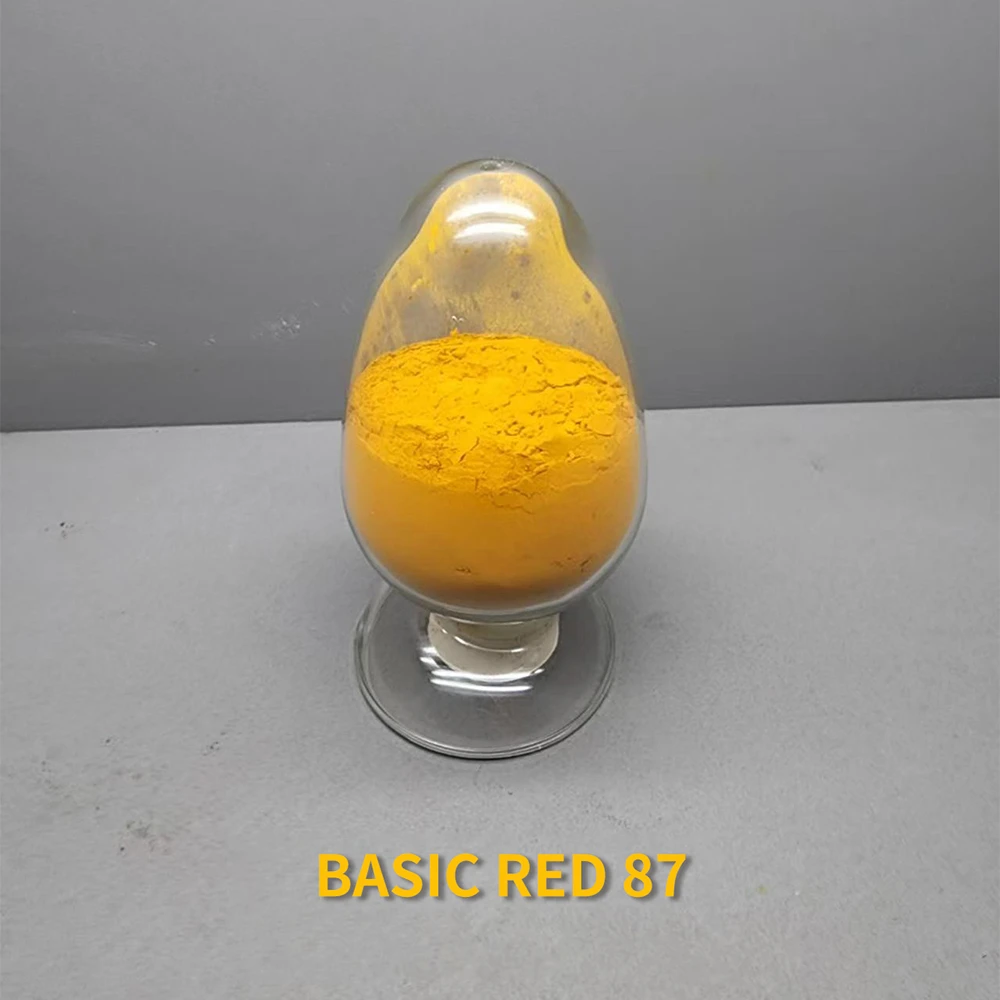
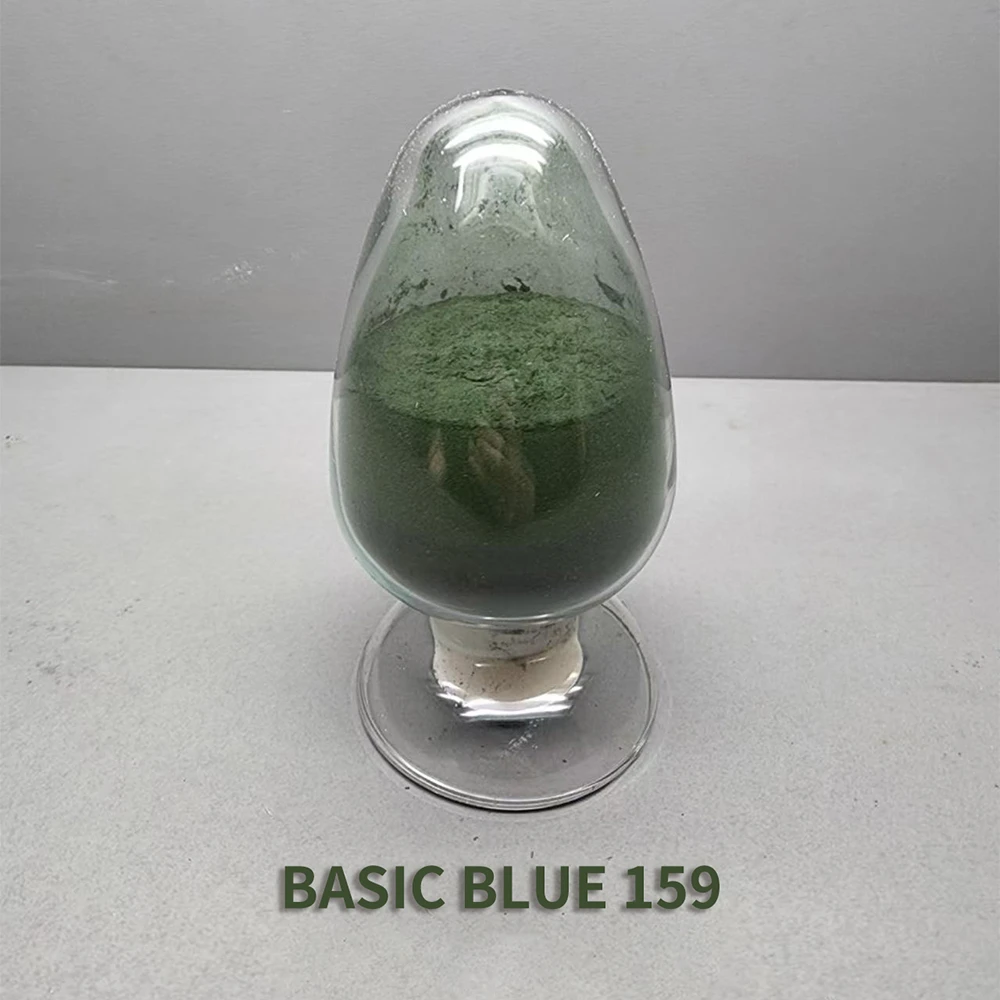
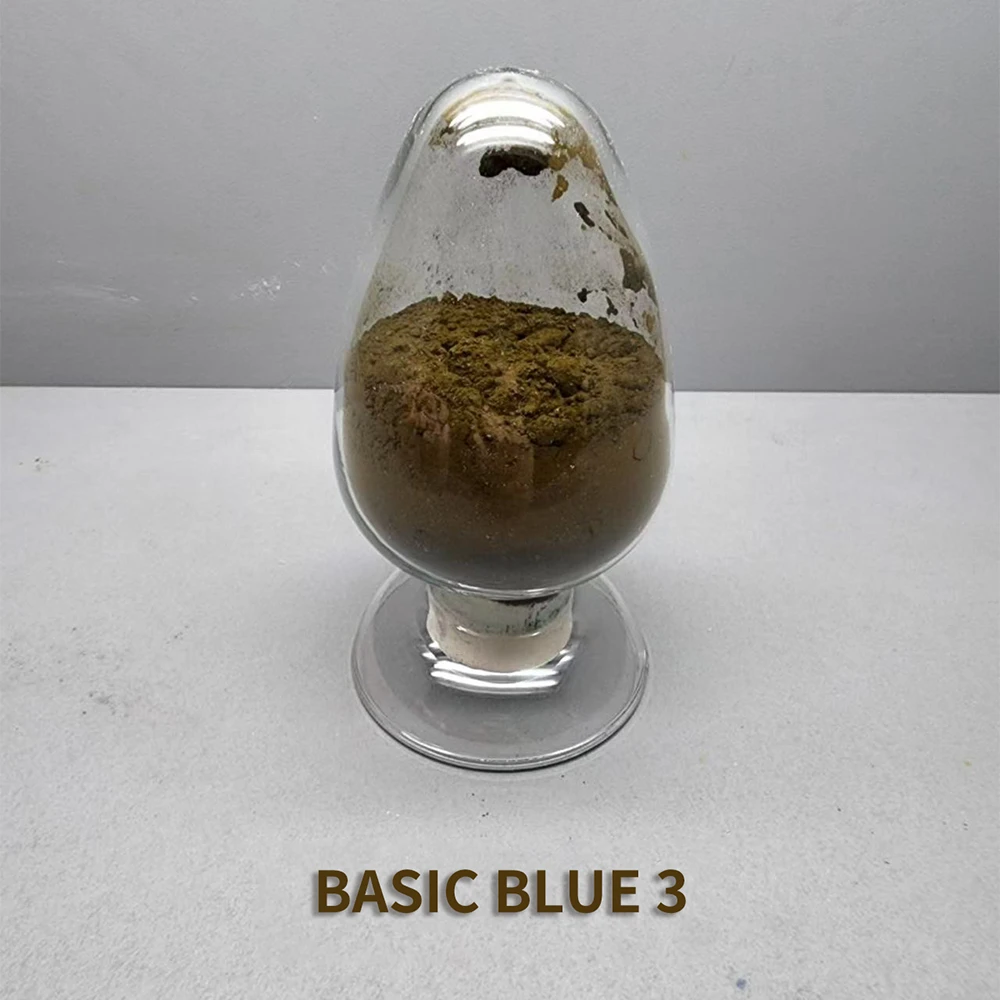
| Basic Dyes | Paper, acrylic fibers | Moderate | Relatively toxic, persistent |
| Vat Dyes | Denim, heavy fabrics | Very high | Complex synthesis, moderate environmental impact |
Mini takeaway: Chemical dyes come in various families, each bringing unique advantages and challenges in durability, cost, and environmental footprint.
Global Applications & Use Cases for Chemical Dyes Examples
Chemical dyes permeate many industries worldwide. Consider textile hubs in South Asia and China, where billions of garments are dyed annually, supporting local economies and global fashion chains alike. In post-disaster relief operations, brightly colored tarps and plastic sheeting often use vat or reactive dyes for their weather resistance, aiding in faster setup and visibility.
In food packaging, dyes add appealing visuals and brand identity, with regulations pushed by bodies like the ISO to ensure safety. Even in remote industrial zones in Africa, the durability of chemical dyes in tools and machinery coatings can impact operational lifespan dramatically.
Vendor Comparison: Chemical Dye Suppliers
| Supplier | Product Range | Sustainability Efforts | Global Reach | Pricing Level |
|---|---|---|---|---|
| Dyeco Ltd. | Azo, Reactive | Eco-certified wastewater management | Asia, Europe, Americas | Mid-range |
| Chromax Chemicals | Vat, Basic | In-progress zero-discharge initiative | Europe, Africa | Premium |
| YanHong Chem | Full spectrum: Azo, Reactive, Vat, Basic | Advanced green chemistry protocols | Global, with focus on Asia-Pacific | Competitive |
chemical dyes examples vendors show varied approaches to sustainability and pricing, reflecting the complexity of balancing cost and ecology.
Advantages & Long-Term Value of Chemical Dyes
On the face of it, chemical dyes add value by producing vivid, long-lasting colors cheaply and reliably. But beyond the balance sheet, they impact social dimensions: ensuring garment colors remain true maintains brand trust; durable colors on emergency materials help with quick identification and safety. There's a dignity factor in the quality appearance of clothes or packaged goods, which may be understated but truly matters in consumer psychology.
Moreover, the move towards eco-friendlier dyes, supported by governments and NGOs, offers a hopeful outlook where innovation intersects with sustainability goals. We’re seeing more bio-based dyes entering development—though it’s a slow march.
Future Trends & Innovations
- Green Chemistry: Innovations in biodegradable dyes aiming to reduce water pollution.
- Digital Printing: More precise dye application methods reducing waste.
- Automation & AI: Enhanced quality control during dye synthesis and application.
- Biohybrid Dyes: Combining synthetic and natural components for optimized performance.
Challenges & Solutions
No discussion is complete without acknowledging that dye effluents traditionally contain harmful chemicals, posing challenges to water systems. Cost pressures also mean some manufacturers cut corners, risking quality or safety. That said, advanced filtration techniques, government emissions standards, and innovations in molecular dye design are the bright spots pushing the needle forward. Frankly, it’s a slow but steady pivot.
FAQ: Frequently Asked Questions About Chemical Dyes Examples
Q1: What types of chemical dyes are best for cotton fabrics?
A1: Reactive dyes are most commonly used for cotton due to their strong molecular bond with cellulose fibers, offering bright hues and excellent wash fastness. They’re efficient and reasonably priced, making them a go-to choice.
Q2: Are chemical dyes harmful to the environment?
A2: Some traditional chemical dyes, especially azo dyes, can produce harmful byproducts if mishandled. However, ongoing advances focus on producing eco-friendly dyes and treating dye wastewater to minimize environmental impact.
Q3: How can manufacturers ensure color consistency with chemical dyes?
A3: Consistency depends on quality control in dye manufacture, precise application processes, and standardizing textile preparation. Automation and spectrophotometry are increasingly used to maintain consistent color matching.
Q4: Can natural dyes replace chemical dyes?
A4: Natural dyes offer sustainability benefits but often lack the durability, scalability, or range of colors chemical dyes provide. Many industries use them selectively, but full replacement isn’t yet practical at scale.
Conclusion
In summary, understanding chemical dyes examples unlocks a deeper appreciation of how essential these substances are across industries—offering durability, consistency, and aesthetic value worldwide. As technology advances, balancing vivid colors with environmental responsibility remains the key challenge. If you want to explore high-quality and innovative chemical dye options, I highly recommend visiting YanHong Chem for more insights and products.
Mini takeaway: Chemical dyes are more than just color—they’re part of a complex, evolving story of science, industry, and sustainability.
References
-
Fabric Dyes: Global Insights, Sustainability & Industry TrendsNewsDec. 03, 2025
-
Durable Terracotta Fabric Dye for Industrial Use | Yanhong ChemicalNewsDec. 11, 2025
-
Comprehensive Guide to Choosing the Best Ivory Dye for Clothes and FabricsNewsMar. 24, 2026
-
Gray Fabric Dye Solutions | Durable & Sustainable Textiles by YanhongChemNewsDec. 10, 2025
-
Understanding Synthetic Dye Black Applications Sourcing and Emerging TrendsNewsMar. 10, 2026
-
Rhodamine B Cationic Dye - Industrial Grade & Reliable SuppliersNewsDec. 03, 2025