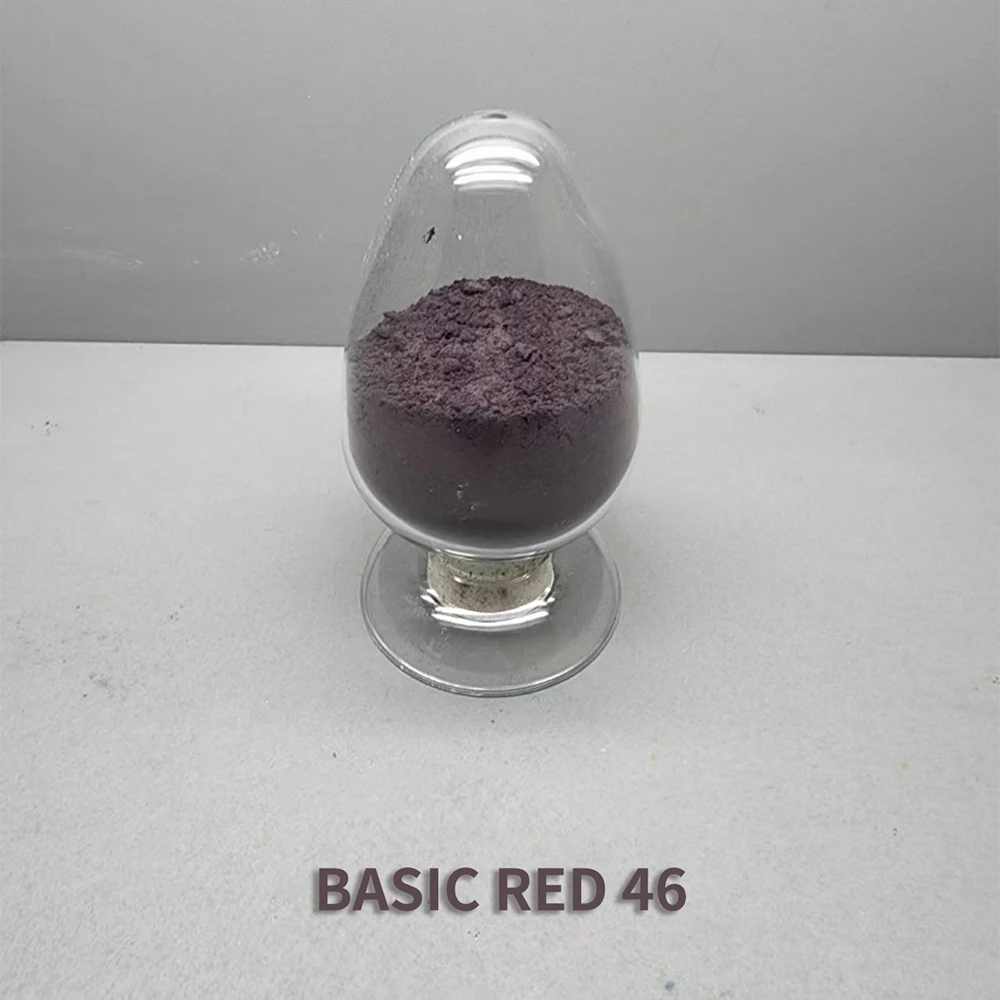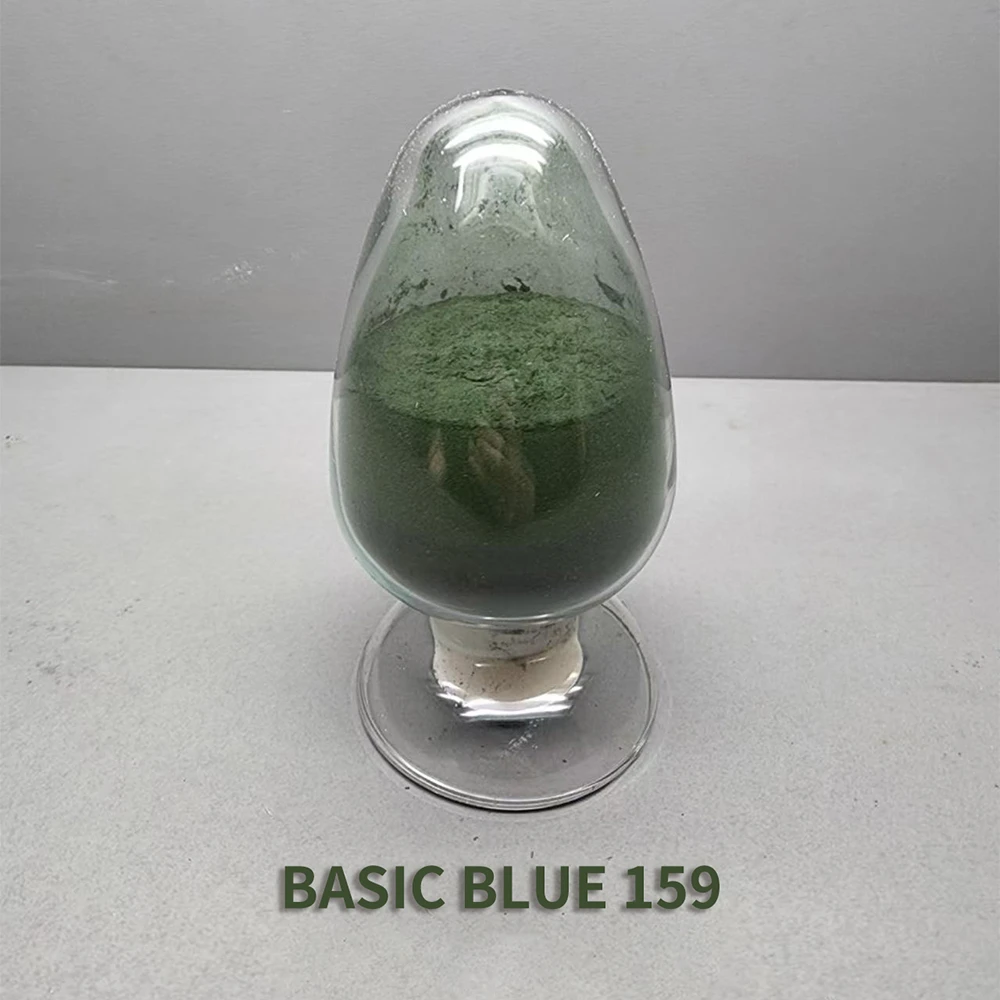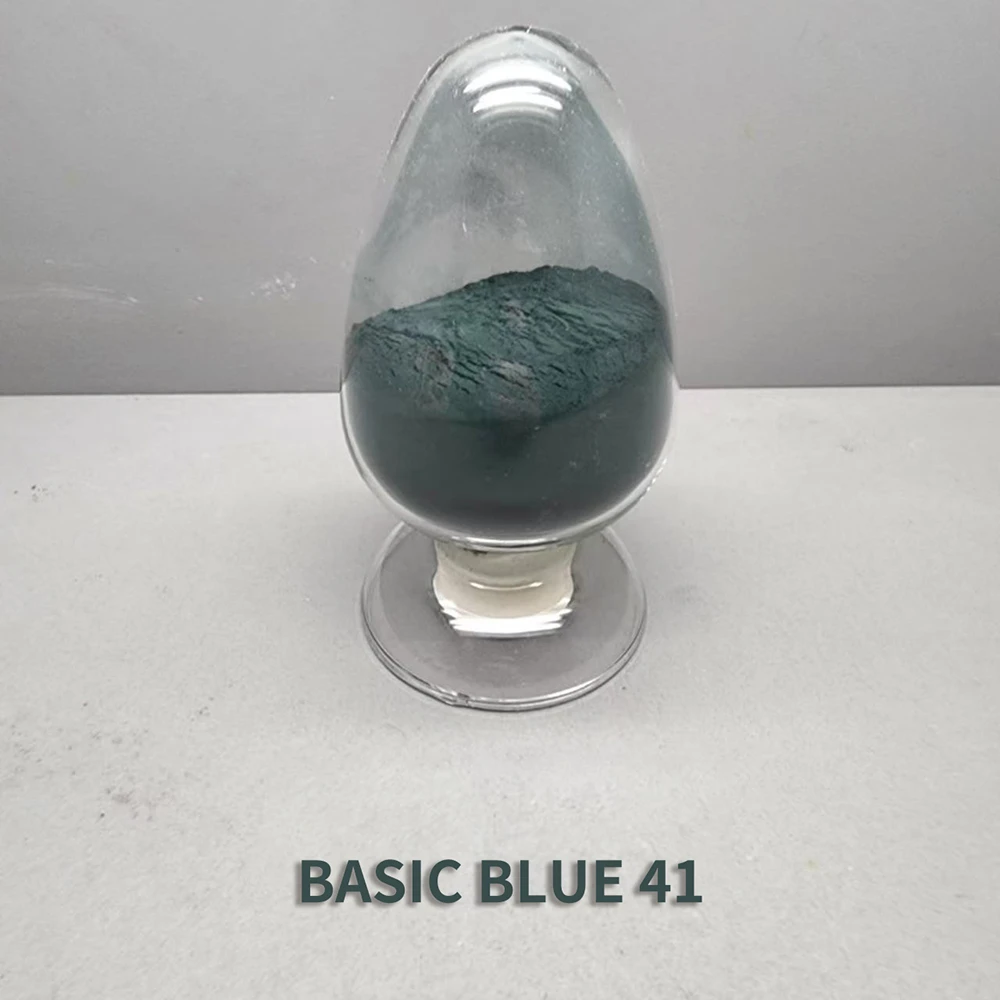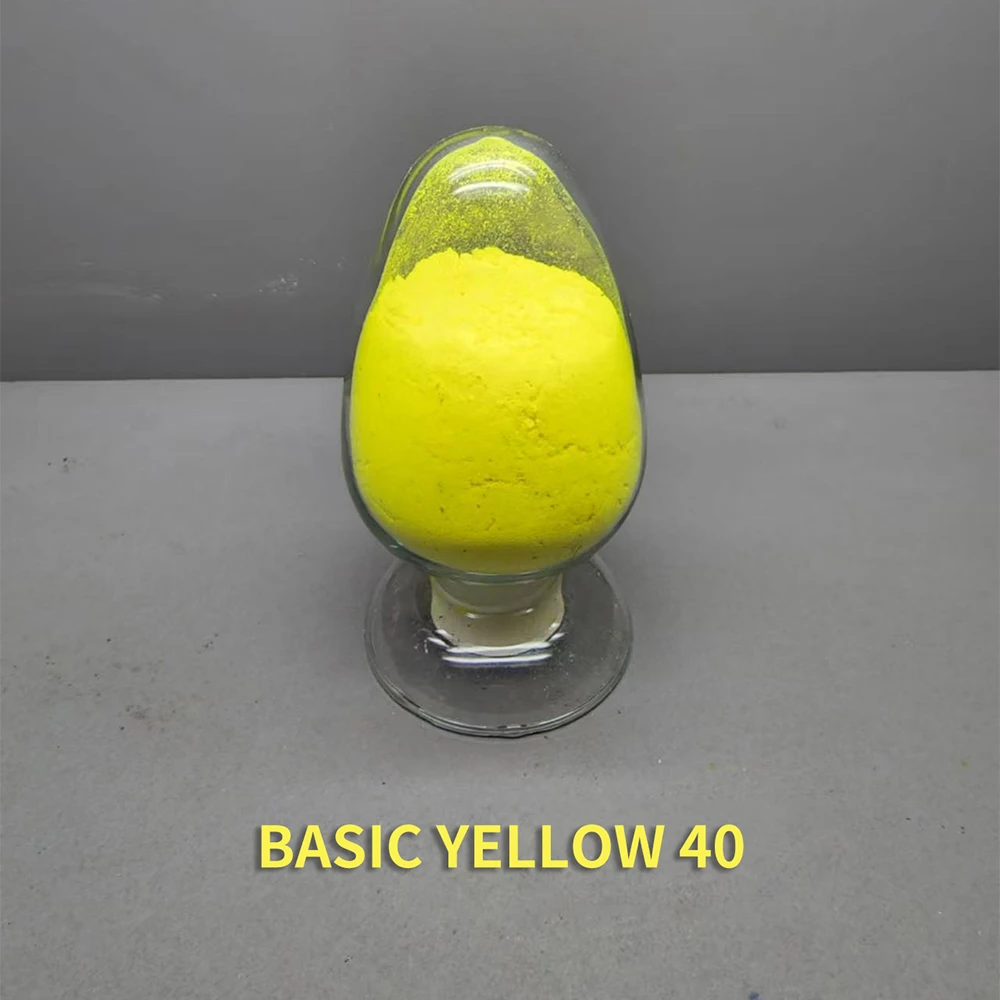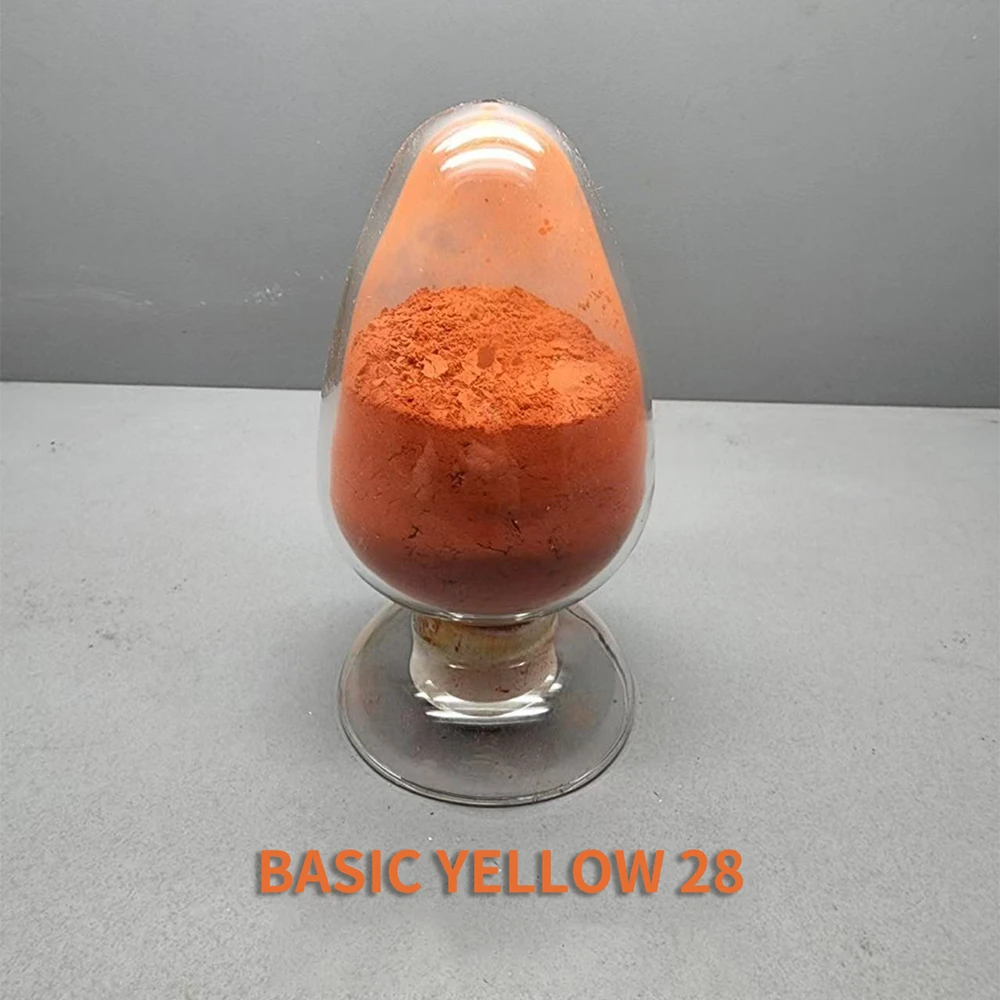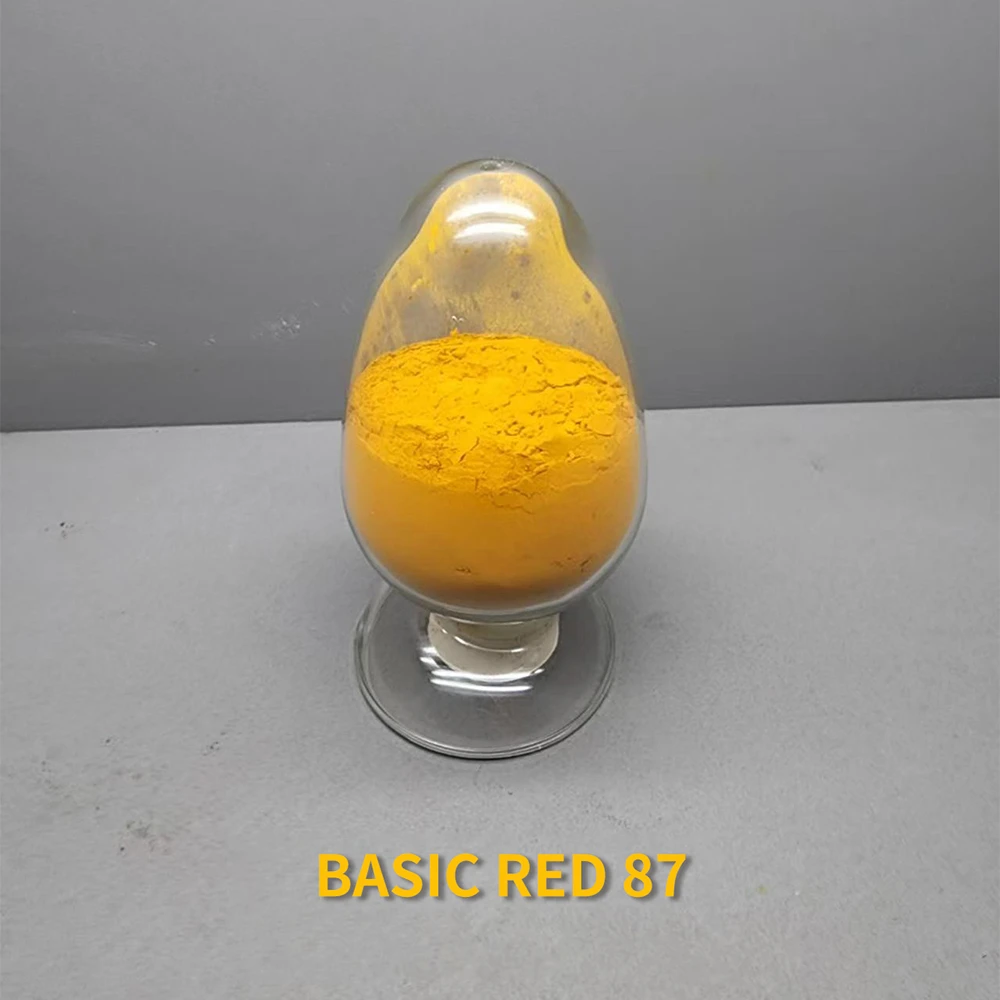
Chemicals Used for Tie and Dye - Sustainable Dyes & Mordants for Vibrant Fabrics
What Exactly Are Chemicals Used for Tie and Dye — and Why Should You Care?
At first glance, tie and dye feels like a colorful craft hobby, something you did in summer camp or on a lazy afternoon. But the chemicals used for tie and dye are far from childish fun—they're vital agents shaping textile industries across the globe. These chemicals enable vibrant, enduring color patterns without compromising fabric quality or durability. Understanding them isn't just for textile scientists; it touches sustainable fashion, economic growth, and artistic expression worldwide.
As you’ll see below, these chemicals sit right at the crossroads where tradition meets modern sustainability goals. Tie and dye isn’t just about flair; it’s about innovation and global impact.
Global Context: Why Chemicals Used for Tie and Dye Matter on the World Stage
Tie and dye textile production is no small player in the global fabric market. According to the International Textile Manufacturers Federation, natural fiber textiles make up over half of global textile production, with tie and dye being a highly popular custom treatment especially in countries like India, Indonesia, and parts of Africa.
However, behind the beautiful colors lies a challenge: the dyes and chemicals involved can generate environmental pollution if handled poorly. The United Nations Environment Programme (UNEP) estimates that textile dyeing and treatment contribute up to 20% of industrial water pollution worldwide. This reality has spurred intense research into safer, less toxic, and more sustainable chemicals.
Simply put, chemicals used for tie and dye are not just coloring agents — they are catalysts for sustainable industry transformation that touches ecology, economy, and culture.
Mini Takeaway
As global textile demand rises, so does the need for better, safer chemicals that minimize environmental impact while keeping fabrics vibrant and durable.
Defining Chemicals Used for Tie and Dye — What Are They, Really?
In the simplest terms, the chemicals used for tie and dye include dyes, mordants, fixatives, auxiliaries, and sometimes oxidizing or reducing agents. These components work together during the process where fabric is twisted, knotted, or folded (the “tie”) and then dyed to create unique, multicolored patterns.
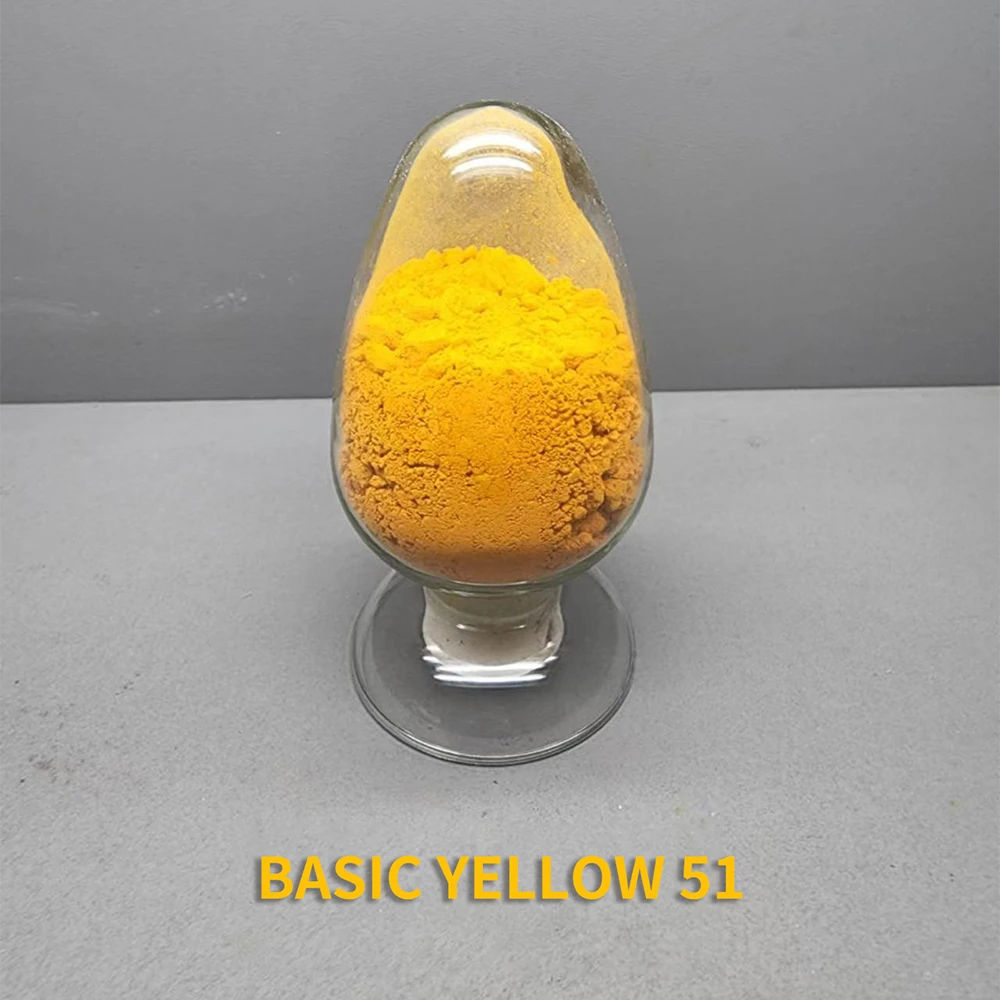
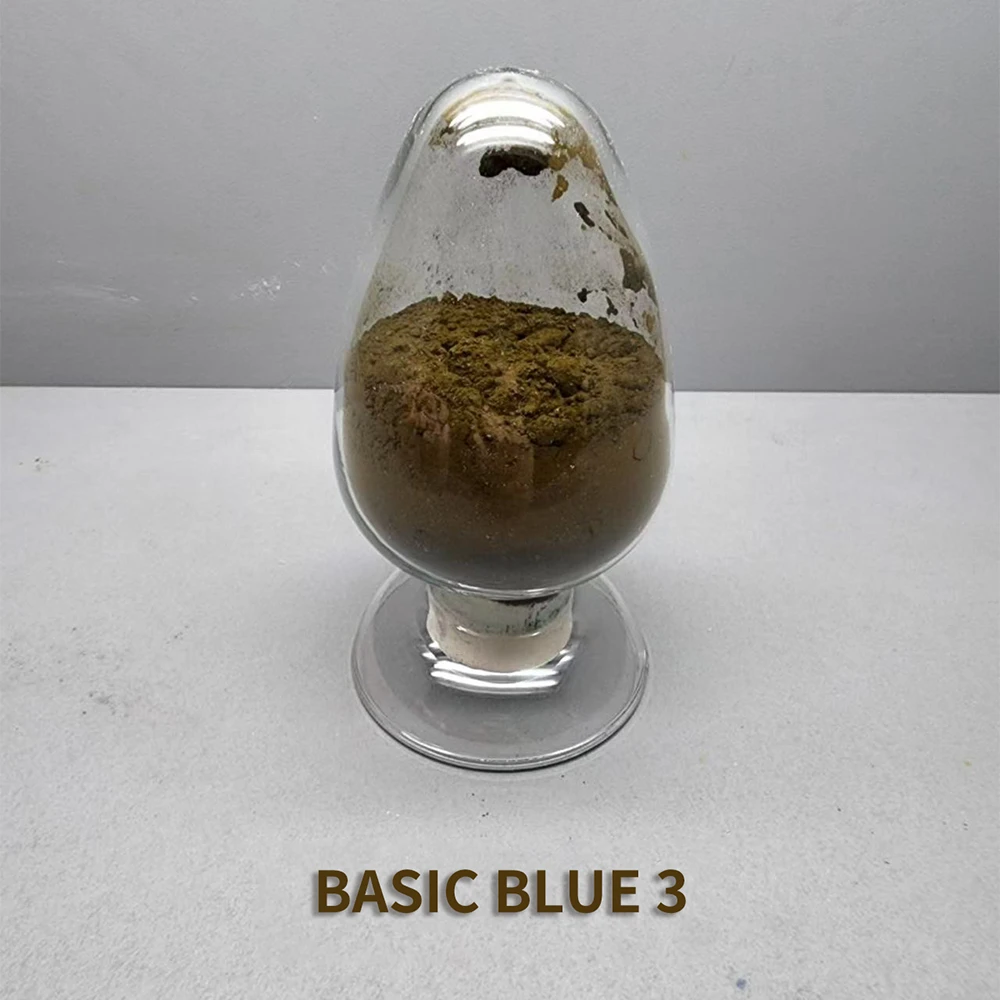
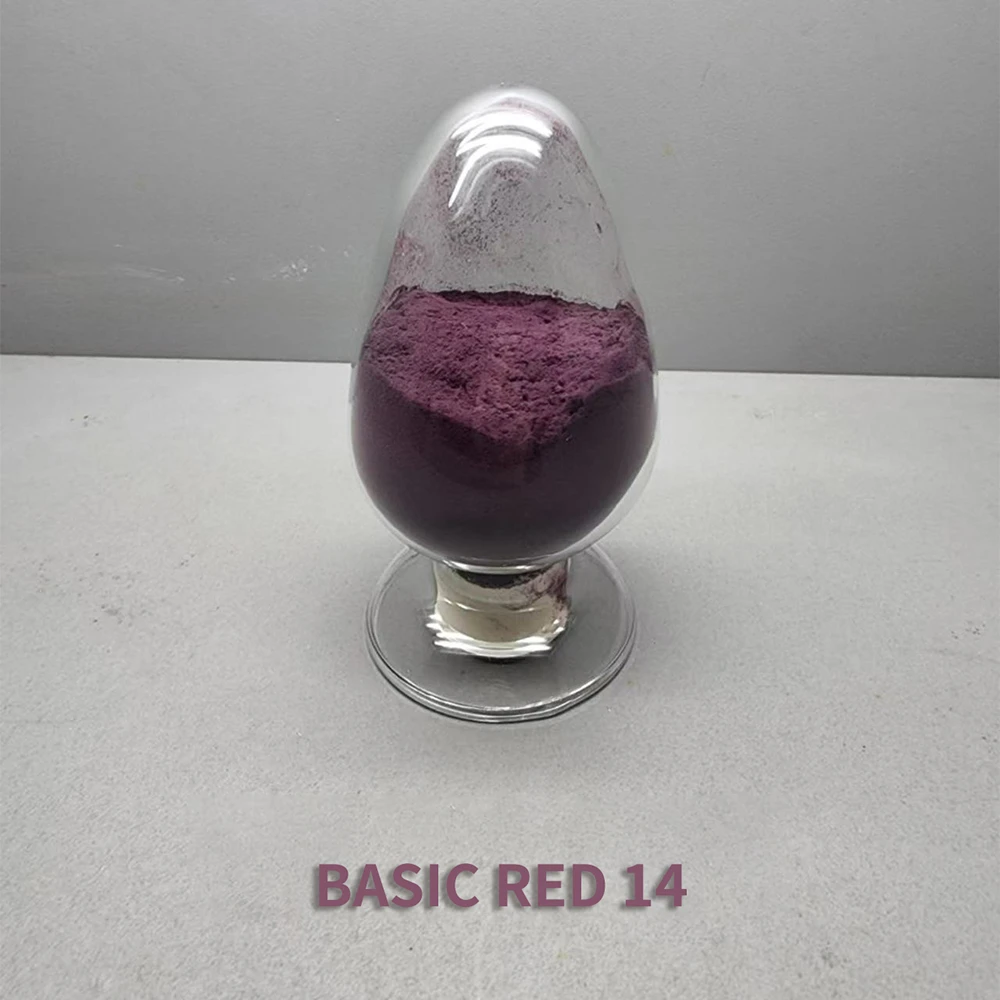
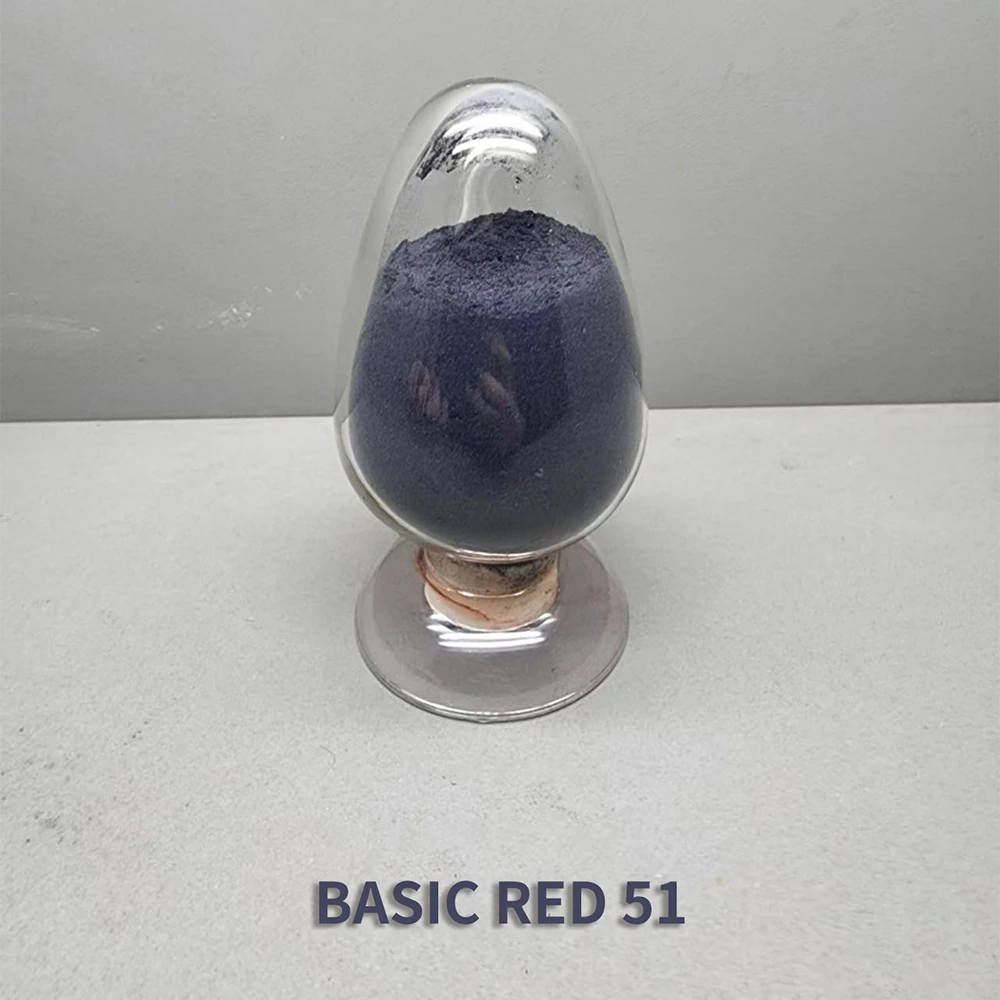
- Dyes: The direct colorants often based on either natural or synthetic compounds.
- Mordants: Substances like alum or tannins that fix dyes permanently onto the fibers.
- Auxiliaries: Assistants that improve spreading, penetration, or color fastness.
Interestingly, these chemicals have travelled from centuries-old traditional recipes to modern industrial formulations, enabling mass production and enhanced quality control.
So, whether you're a fashion designer, a sustainable manufacturing engineer, or simply an enthusiast curious about textiles, these chemicals connect global artistry with industrial know-how.
Key Components Behind Effective Tie and Dye Chemicals
1. Color Durability
One of the top priorities with tie and dye chemicals is ensuring that colors don't wash out or fade quickly. The mordants and fixatives are crucial here. For example, alum-based mordants enhance dye fiber adherence, leading to garments that stay vibrant even after multiple washes.
2. Environmental Safety
This might be the elephant in the room. Chemicals must pass environmental checks to avoid toxic runoff. More and more brands are pushing for chemicals used for tie and dye that meet ISO environmental standards, reducing harmful heavy metals and azo dyes banned by the EU.
3. Scalability and Cost Efficiency
Traditional tie and dye processes were artisanal by nature, but today's industrial demand means chemicals have to be produced consistently, in volume, while keeping costs reasonable. This has led to innovations like synthetic azo-free dyes that provide vivid colors at scale.
4. Compatibility with Fibers
Not all fabrics respond the same. Cotton, silk, wool, and polyester each have different chemical affinities. Selecting the right chemical blend is essential for achieving quality results without damaging the fabric.
5. Ease of Application
In manufacturing contexts, chemicals should integrate easily with automated or manual processes, considering safety, drying time, and workflow efficiency.
Mini Takeaway
Choosing the right chemical package means balancing color brightness, environmental impact, cost, and process speed — a juggling act manufacturers continuously refine.
Global Applications of Chemicals Used for Tie and Dye
Where do you see these chemicals in action? Practically everywhere textiles get their personality:
- Fashion Industry: Especially vibrant in seasonal collections, streetwear, and artisanal luxury brands.
- Home Furnishing: Tie and dye patterns adorn curtains, upholstery, and bedding fabrics globally.
- Craft and Cultural Preservation: In countries like India or Japan, tie and dye methods support local artisans sustaining heritage and local economies.
- NGO & Humanitarian Use: Oddly enough, some post-disaster relief kits include colorful fabrics produced with these chemicals — a small comfort for dignity amidst hardship.
In real terms, the chemicals' influence extends beyond fashion, touching social and economic facets worldwide.
Advantages and the Enduring Value of Tie and Dye Chemicals
It’s not just about being pretty. There are some very practical benefits worth celebrating:
- Durability: Enhanced with chemical mordants ensuring clothing lasts longer.
- Economic Impact: Affordable dyes empower small-scale artisans and large manufacturers alike.
- Social & Cultural Identity: Colors and patterns foster community pride and identity.
- Environmental Efforts: Slowly moving toward biodegradable and non-toxic dye alternatives.
Emotional value also plays a part. Wearing a tie and dye garment made with care feels like a small statement of trust — in craft, sustainability, and style.
Product Specifications Table: Typical Tie and Dye Chemical Characteristics
| Parameter | Typical Range | Notes |
|---|---|---|
| pH Range | 5.5 – 9.0 | Ensures chemical stability and fiber compatibility |
| Color Fastness (Wash) | 4 – 5 (ISO scale) | Good resistance to fading |
| Drying Time | 30 – 45 minutes | Depends on fabric and application method |
| Toxic Elements | Meets ROHS environmental standards | |
| Application Temperature | 20°C – 40°C | Room to moderate temp. conditions ideal |
Comparing Top Vendors of Chemicals Used for Tie and Dye
| Vendor | Product Range | Sustainability Focus | Price Range (per kg) | Global Reach |
|---|---|---|---|---|
| DyeCorp Solutions | Natural & Synthetic Dyes | Certified Low Toxin | $12 – $25 | North America, Europe, Asia |
| EcoColor Technologies | Biodegradable Dyes | Strong Emphasis on Green Chemistry | $18 – $30 | Europe, India, Africa |
| YanHong Chemicals | Synthetic Dyes & Mordants | ISO Certified Eco-Friendly Products | $10 – $22 | Global (Asia focus) |
The Future of Chemicals Used for Tie and Dye: Innovation on the Horizon
Innovation in tie and dye chemicals is fascinating to watch. The industry increasingly incorporates bio-based dyes derived from algae and plants, which promise reduced environmental footprints. Digital printing technologies are also shaking things up by reducing the quantity of chemicals needed and enabling precise pattern placement.
Automation and AI-assisted color formulation are gradually replacing cumbersome trial-and-error processes — meaning more consistent colors without wasting water or chemicals.
Then there’s the sustainability push: policies at the ISO and UN level increasingly mandate low-impact manufacturing, pushing companies like YanHong Chemicals to innovate rapidly.
Challenges and Bright Solutions in Tie and Dye Chemicals
The challenges tend to orbit around wastewater management and chemical toxicity. Many dye chemicals still rely on complex synthetic compounds that pose environmental stress unless rigorously treated.
Experts suggest adopting closed-loop water systems, enzymatic or microbial dye treatments, and stricter regulation enforcement. It feels like a work-in-progress, kind of like stitching together old methods with ultra-modern tech.
Frequently Asked Questions About Chemicals Used for Tie and Dye
- Q: Are natural dyes always better than synthetic for tie and dye?
- A: Natural dyes are often more environmentally friendly but can be less colorfast and more expensive. Synthetic dyes offer consistent bright colors and scalability but must be chosen carefully to avoid toxins.
- Q: How can small-scale artisans ensure their tie and dye chemicals meet safety standards?
- A: By sourcing from reputable vendors who provide safety data sheets and certifications like ISO or OEKO-TEX, artisans can ensure safer practices and better product quality.
- Q: What is the impact of tie and dye chemicals on wastewater?
- A: Wastewater from dyeing can contain harmful compounds, so proper treatment systems and use of eco-friendly dyes are critical to minimize environmental damage.
- Q: Can tie and dye chemicals be used on synthetic fabrics like polyester?
- A: Yes, but the chemicals and dyes must be specifically designed for synthetic fibers, as they interact differently compared to natural fabrics like cotton or silk.
- Q: How does YanHong Chemicals support sustainable tie and dye solutions?
- A: YanHong Chemicals offers ISO-certified eco-friendly dyes and mordants, actively working with industry partners to reduce environmental impact while maintaining high quality.
Conclusion: The Colorful Future of Tie and Dye Chemicals
These chemicals are more than just functional tools. They represent a vibrant link between centuries-old dyeing traditions and the modern push for sustainable, scalable textile innovation. Whether you’re a manufacturer, artisan, or consumer, knowing about chemicals used for tie and dye means appreciating the complexity behind the fabric’s beautiful surface.
Feeling inspired to explore top-quality, eco-conscious tie and dye chemicals? Visit https://www.yanhongchem.com to discover products that suit your needs — from natural dyes to cutting-edge mordants.
References
-
Cationic Dyed Polyester: Revolutionizing Sustainable Textile Dyeing WorldwideNewsDec. 03, 2025
-
Exploring the Creative World of Fabric Dye on Wood for Stunning FinishesNewsFeb. 26, 2026
-
Fabric Dye For Tie Dye – Durable, Vibrant Solutions for Textile Industries | YanhongchemNewsJan. 03, 2026
-
Neon Pink Fabric Dye – Vibrant, Durable, and Sustainable Textile Solutions | YanhongChemNewsDec. 12, 2025
-
Durable Car Fabric Dye Solutions for Automotive Industry | YanhongchemNewsJan. 04, 2026
-
Unlock Vibrant Hues with Expert Mint Fabric Dye Techniques and OptionsNewsFeb. 11, 2026