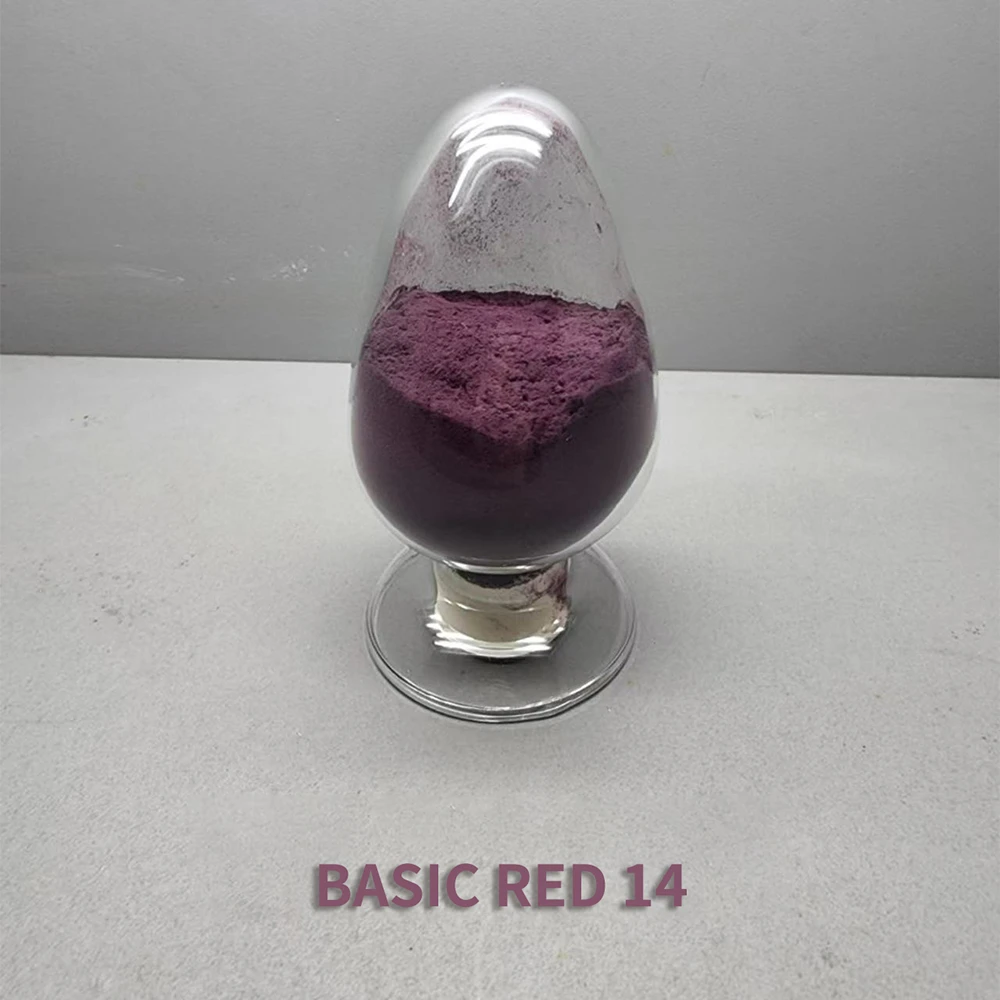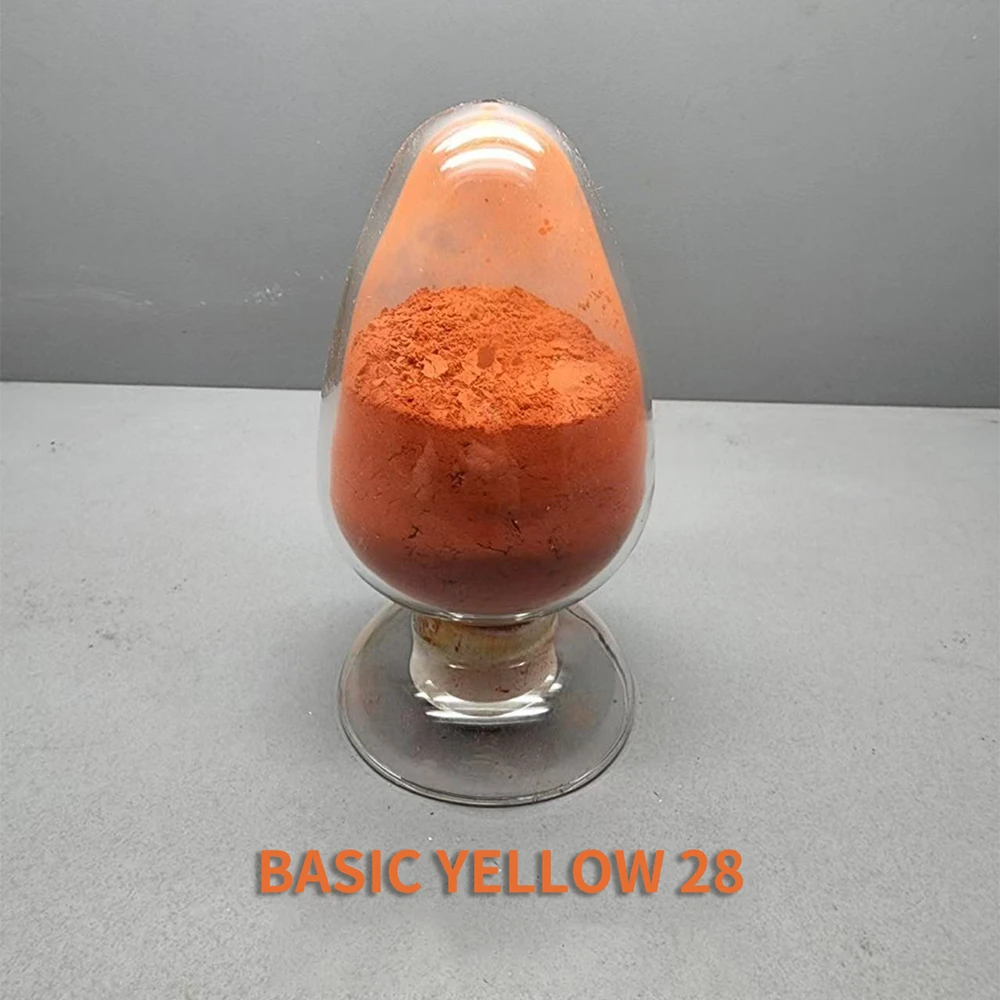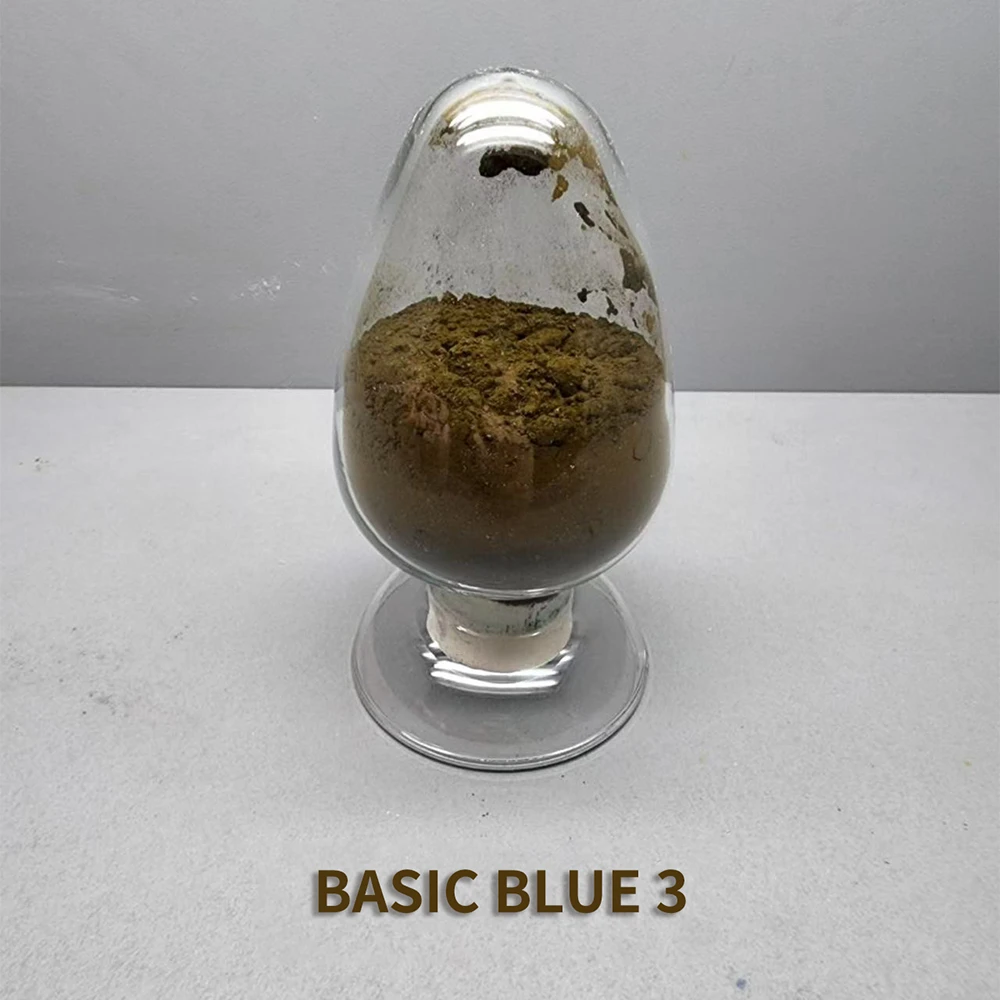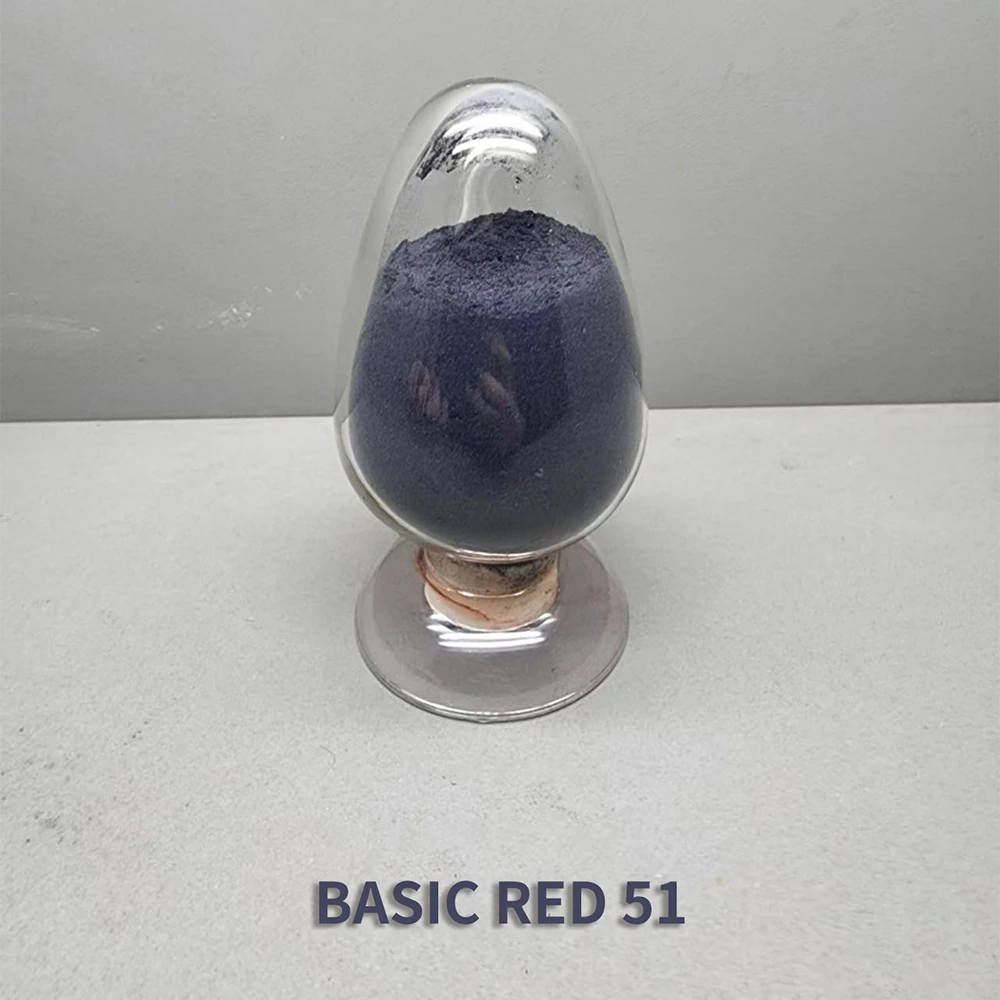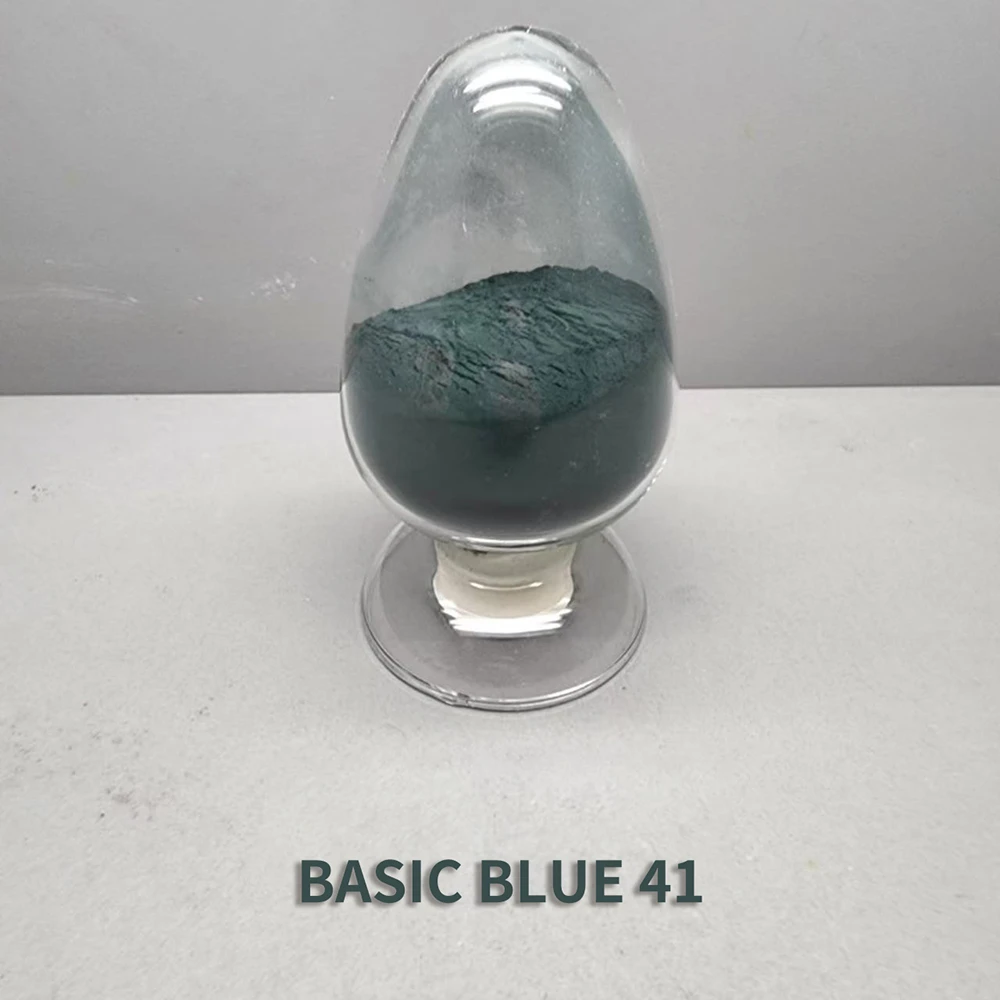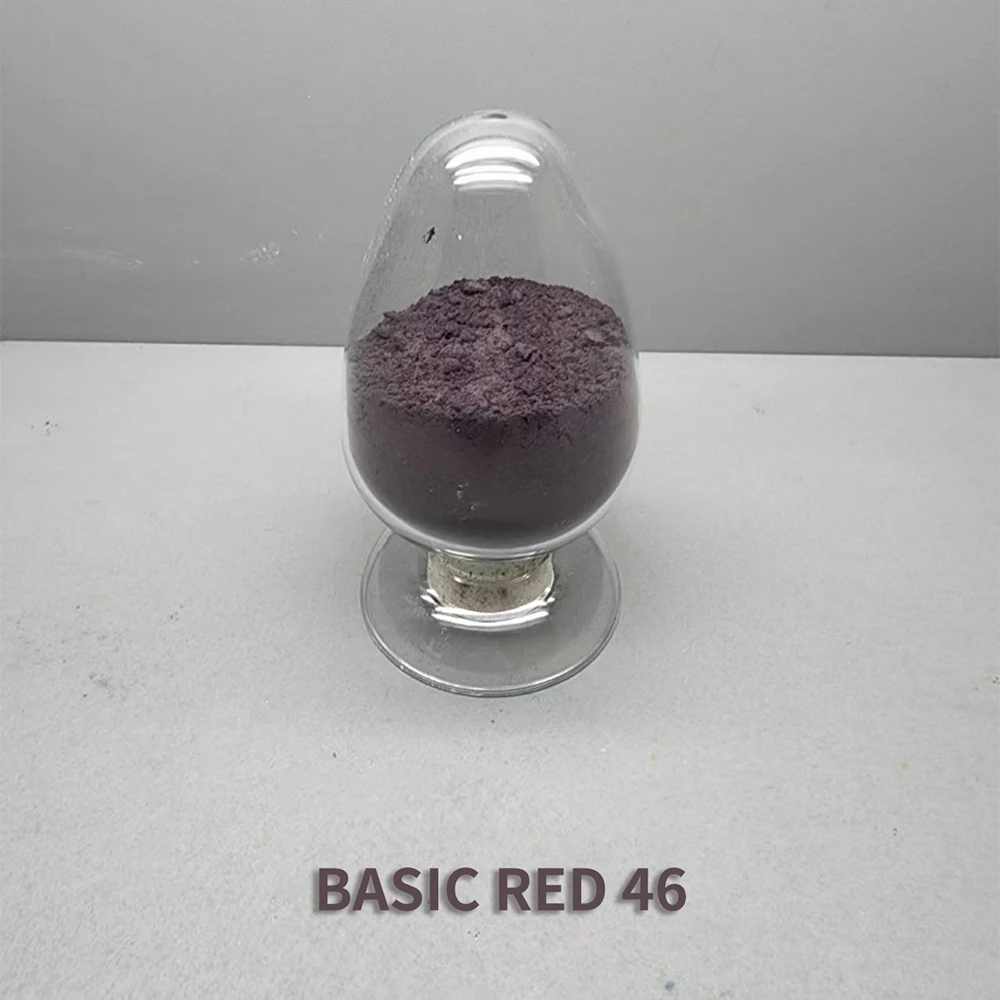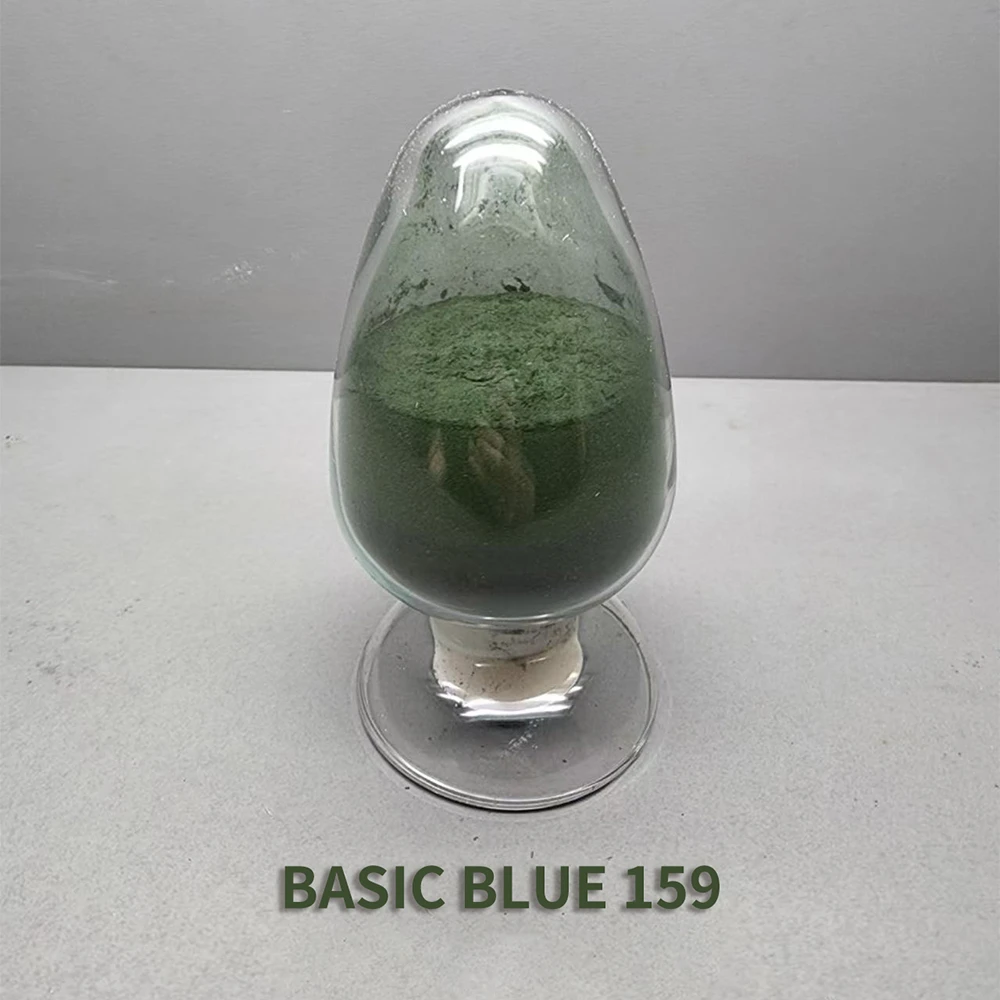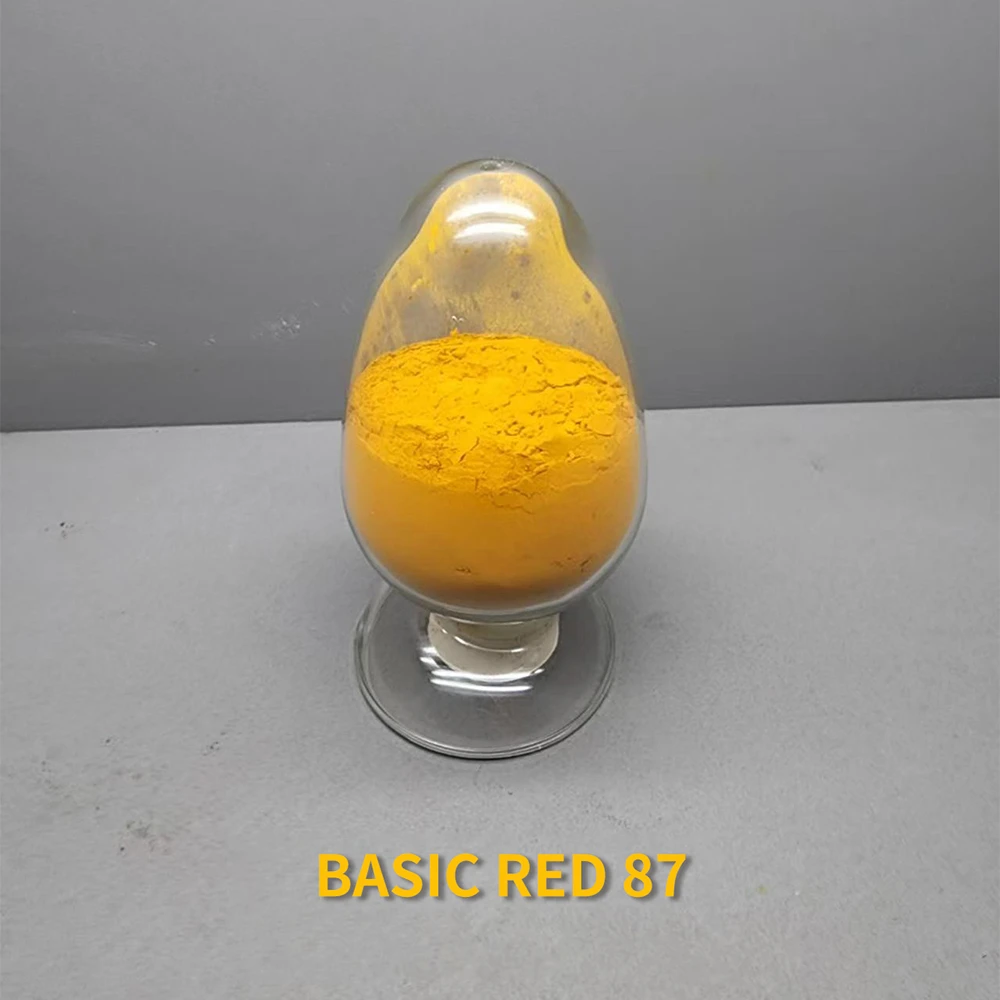
Cationic Dyestuff: The Essential Guide to Vibrant, Sustainable Textile Solutions
Cationic Dyestuff: A Colorful Revolution in Textile and Beyond
Before diving deep, let’s sketch a quick picture. Cationic dyestuff isn’t just a fancy term tossed around textile labs; it’s a remarkably important class of dyes positively charged and prized worldwide for coloring synthetic fibers like acrylic. Why does this matter? Because color defines countless products, from clothes to carpets to automotive interiors, impacting economy, culture, and even sustainability. Understanding how cationic dyestuffs work unlocks smarter production, better environmental outcomes, and that perfect shade that just “feels right.”
1. Introduction: Global Importance of Cationic Dyestuff
Here’s a fact: globally, the synthetic fiber market is projected to surpass $120 billion by 2025, and a big slice of that owes thanks to vibrant, stable dyeing techniques.1 Cationic dyestuff plays a starring role, especially in acrylic fiber dyeing, accounting for a significant pigment share in textile finishing across Asia, Europe, and the Americas. Yet challenges persist: the environmental footprint of dye manufacture, wastewater treatment, and ensuring lasting color fastness under industrial conditions. It’s a tough balancing act—achieving vivid colors without sacrificing sustainability or profitability.
Industries demand better chemistry, and cationic dyes provide it. That’s why this topic deserves your attention as it touches on technological innovation, global trade, and even responsible manufacturing.
2. What Exactly Is Cationic Dyestuff?
Put simply, a cationic dyestuff is a dye molecule that carries a positive charge (cationic = positively charged ion). Why is that important? It means these dyes are especially attracted to fibers with a negative charge; that electrostatic bond improves dye uptake and color fastness. Think of it as a magnetic tug-of-war between dye particle and fiber, where cationic dyes usually win over synthetic acrylic or modacrylic fibers that are negatively charged.
Modern industry benefits because these dyes are highly water-soluble, brighter, and generally safer than some alternatives. Humanitarian needs for durable textiles in shelters and uniforms also rely on reliable, vibrant dyeing — that’s where cationic dyestuff shines.
3. Core Components and Key Factors in Cationic Dyestuff Use
Durability & Fastness
Cationic dyes are known for excellent wash and light fastness, especially on acrylic fibers. Roughly, this means colors remain vivid even after long-term exposure to sunlight or repeated laundering — critical for fabrics exposed to harsh environments or commercial use.
Cost-Efficiency
While not the cheapest dyes on the market, their high uptake means less dye is wasted, which translates to lower overall cost in large-scale production. Many manufacturers report up to 30% savings due to better uptake and less effluent treatment — that’s a big deal for high-volume textile mills.
Scalability and Versatility
Cationic dyestuffs adapt well to batch, continuous, or even pad-dry processes. They also work with several synthetic fibers besides acrylic, such as modacrylic blends. This flexibility helps factories tailor their operations to market changes quickly.
Environmental Impact & Sustainability
Because of their water solubility and reduced need for heavy metal mordants, many cationic dyes are considered more environmentally friendly compared to earlier dye classes. That said, manufacturers still must manage dye effluent carefully to prevent pollution.
Color Range & Innovation
The palette cationic dyes cover has expanded dramatically with modern organic chemistry techniques. From deep blues and brilliant reds to soft pastels, the selection helps brands stay trendy and consumers happy.
Mini Takeaway:
Cationic dyestuffs marry chemistry, economics, and environmental science — a vibrant trifecta enabling the textile industry’s contemporary demands.
4. Global Applications & Use Cases
Across continents and industries, cationic dyes color our lives — but with nuance.
- Textile Industry: Predominantly for acrylic fiber textiles such as sweaters, socks, and carpets, with a notable manufacturing concentration in China, India, and Turkey.
- Automotive Interiors: Upholstery and trim materials benefit from stable, fade-resistant colors made possible via cationic dyes.
- Post-Disaster Relief: Durable fabric supplies for temporary shelters use acrylic blends colored with cationic dyestuffs to ensure textiles remain serviceable despite rough use.
- Decorative Applications: Rugs, upholstery, and curtains often rely on these dyes for their bright colors that endure sun exposure in hot climates.
For instance, in remote industrial zones, vibrant workwear colored with cationic dyes enhances visibility — a small but effective safety gain.
5. Advantages and Long-Term Value
Beyond immediate vibrance, cationic dyes provide robust endurance, helping textiles hold their character for years. That means less replacement waste, more consumer trust, and improved brand value — all vital in sustainable manufacturing narratives.
Emotionally speaking, the vibrant colors convey joy, identity, and reliability — think about that favorite sweater you’ve had for years without fading. Technologically, these dyes reduce resource consumption, aiding corporate social responsibility commitments. And, logically, their proven fastness reduces returns and complaints, saving behind-the-scenes headaches.
6. Product Specification Table: Typical Cationic Dyestuff Attributes
| Property | Typical Value | Impact |
|---|---|---|
| Molecular Weight | ~250 - 800 g/mol | Affects penetration & binding |
| Water Solubility | High (10-100 g/L) | Ease of dye bath preparation |
| Ionic Charge | Positive (+1 to +3) | Strong affinity to acrylic fibers |
| Wash Fastness | Rating 4-5 (ISO 105-C06) | Color retention after washing |
| Light Fastness | Rating 5-7 (ISO 105-B02) | Resistance to sun fading |
7. Vendor Comparison: Leading Cationic Dyestuff Suppliers
| Supplier | Range of Colors | Environmental Certifications | Pricing Tier |
|---|---|---|---|
| Yanhong Chemical | Broad (30+ shades) | ISO 14001, OEKO-TEX | Competitive |
| Dystar | Extensive | Bluesign® Certified | Premium |
| Huntsman | Moderate | OEKO-TEX, GOTS | Mid-range |
8. Future Trends and Innovations in Cationic Dye Technology
What’s next? The buzz is around eco-innovation — think biodegradable dyestuffs and bio-based raw materials. Companies are investing heavily in digital spectrophotometry to precisely control dye shades and reduce waste. Furthermore, the rise of automation in dyeing processes promises consistency and cost savings, while green chemistry is leading to dyes that degrade harmlessly after use.
Oddly enough, the pursuit of richer pigment intensity also goes hand in hand with less water use. The conversation is shifting from just vibrant fashion to protecting water resources and lowering chemical pollution. That’s frankly a win-win for the planet and industry alike.
9. Challenges & Expert-Led Solutions
Despite many strengths, cationic dyes have some hurdles. For example, managing wastewater remains tricky due to their water solubility, sometimes necessitating advanced treatment. Color migration during mixed-fiber washes can also be a pain for consumers.
Experts suggest combining cationic dyestuff use with novel dye-fixing agents and advanced filtration systems to reduce effluent impact. Some mills implement closed-loop water systems, recycling dye baths to minimize waste — a challenging but rewarding practice.
10. FAQ: Frequently Asked Questions About Cationic Dyestuff
- Q: What fibers work best with cationic dyes?
- A: Primarily acrylic and modacrylic fibers, which carry a negative charge that attracts the positive cationic dyes, ensuring excellent color uptake and fastness.
- Q: Are cationic dyestuffs eco-friendly?
- A: Generally, yes. Compared to older dye classes, they require less mordanting and are highly water-soluble, making wastewater treatment more manageable, but proper effluent control is still essential.
- Q: Can cationic dyes be used in continuous dyeing processes?
- A: Absolutely. Their solubility and affinity make them versatile for batch, semi-continuous, and continuous processes, giving manufacturers flexibility.
- Q: How do I select a supplier for cationic dyestuffs?
- A: Look for comprehensive color ranges, environmental certifications like ISO 14001 or OEKO-TEX, and competitive pricing. Vendor reputation and technical support also matter.
- Q: Is there a way to reduce dye migration in blends?
- A: Yes, using specialized fixation agents and optimizing dye bath pH can minimize migration effects during washing.
11. Conclusion and Next Steps
Wrapping it all up: cationic dyestuff combines chemistry, environmental responsibility, and practical industrial function in a way that’s enabling modern textile and material manufacturing to keep pace with demand — all while caring more about sustainability than ever before.
Whether you’re a manufacturer, designer, or sustainability officer, diving into the world of cationic dyestuff offers practical benefits and a strategic edge. Feeling curious? Check out our detailed product pages and industry insights, or get in touch for a discussion about your next project.
References:
- International Textile Manufacturers Federation Report, 2023
- ISO Standards on Textile Dye Testing (ISO 105 Series)
- United Nations Environment Programme – Water Pollution and Textile Industry, 2022
-
Light Blue Fabric Dye: Industrial Guide & Vendor InsightsNewsDec. 12, 2025
-
A Comprehensive Guide to Choosing the Best Pastel Fabric Dye for Your ProjectsNewsJan. 27, 2026
-
Teal Fabric Dye: Durable Industrial Solutions for Textile ApplicationsNewsDec. 07, 2025
-
Green Fabric Dye: Industrial Insights & Eco-Friendly SolutionsNewsDec. 03, 2025
-
Dark Blue Fabric Dye | Expert Guide & Vendor ComparisonNewsDec. 11, 2025
-
Comprehensive Guide to Black Textile Dye Selection and ApplicationsNewsMar. 12, 2026