Understanding Cationic Dye: Applications, Benefits, and Global Impact
The World of Cationic Dye: Why It Matters Globally
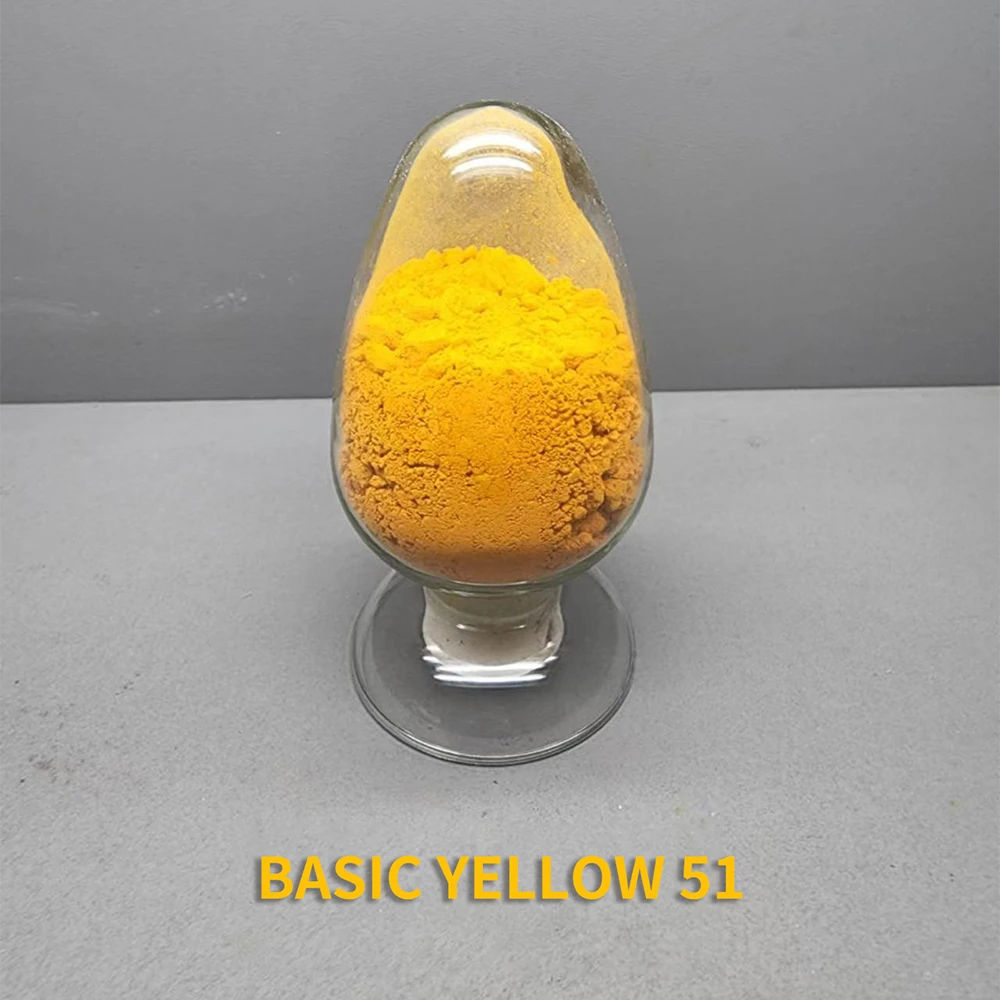
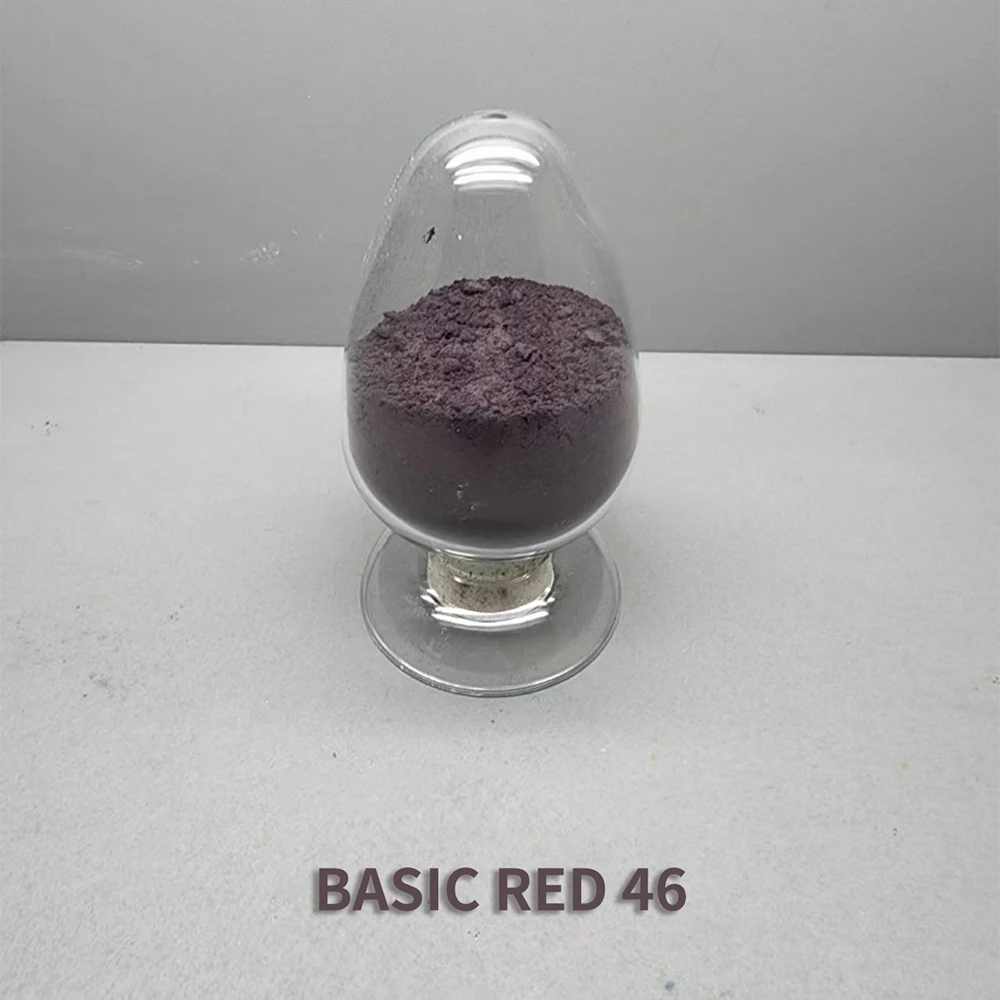
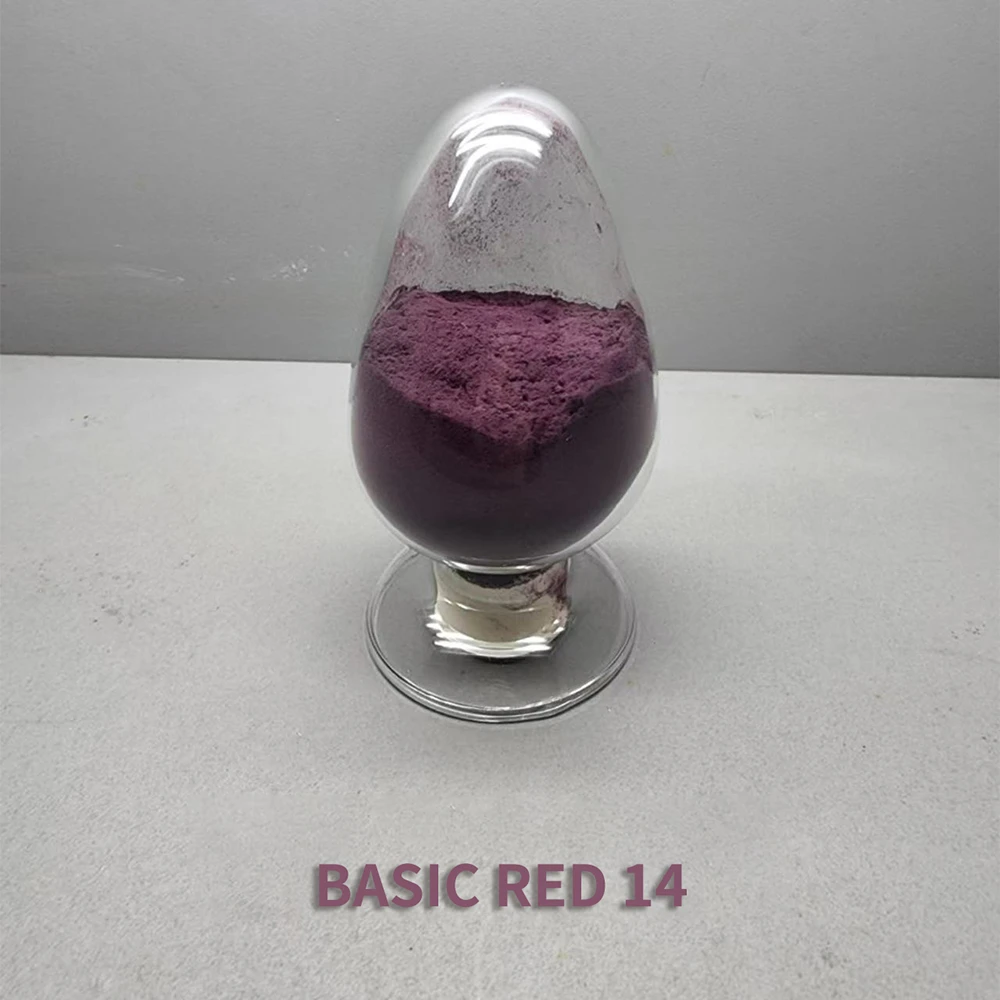
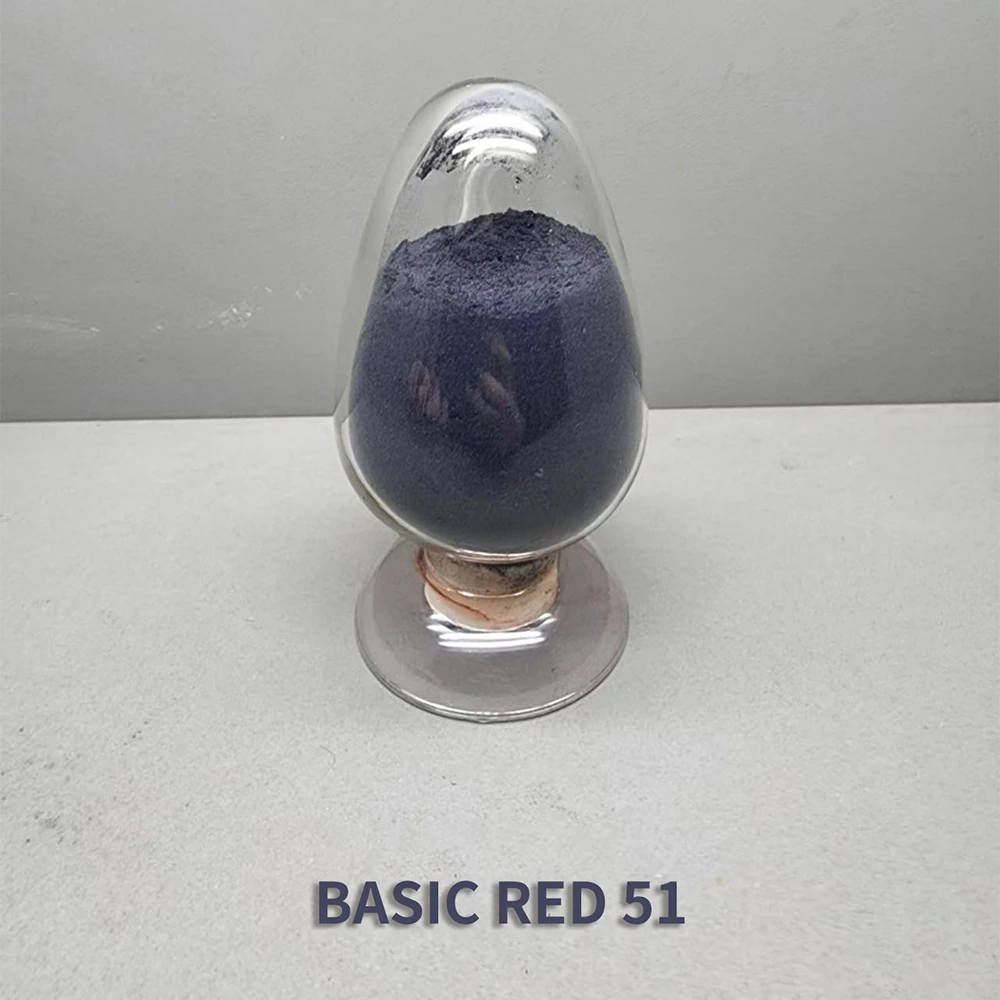
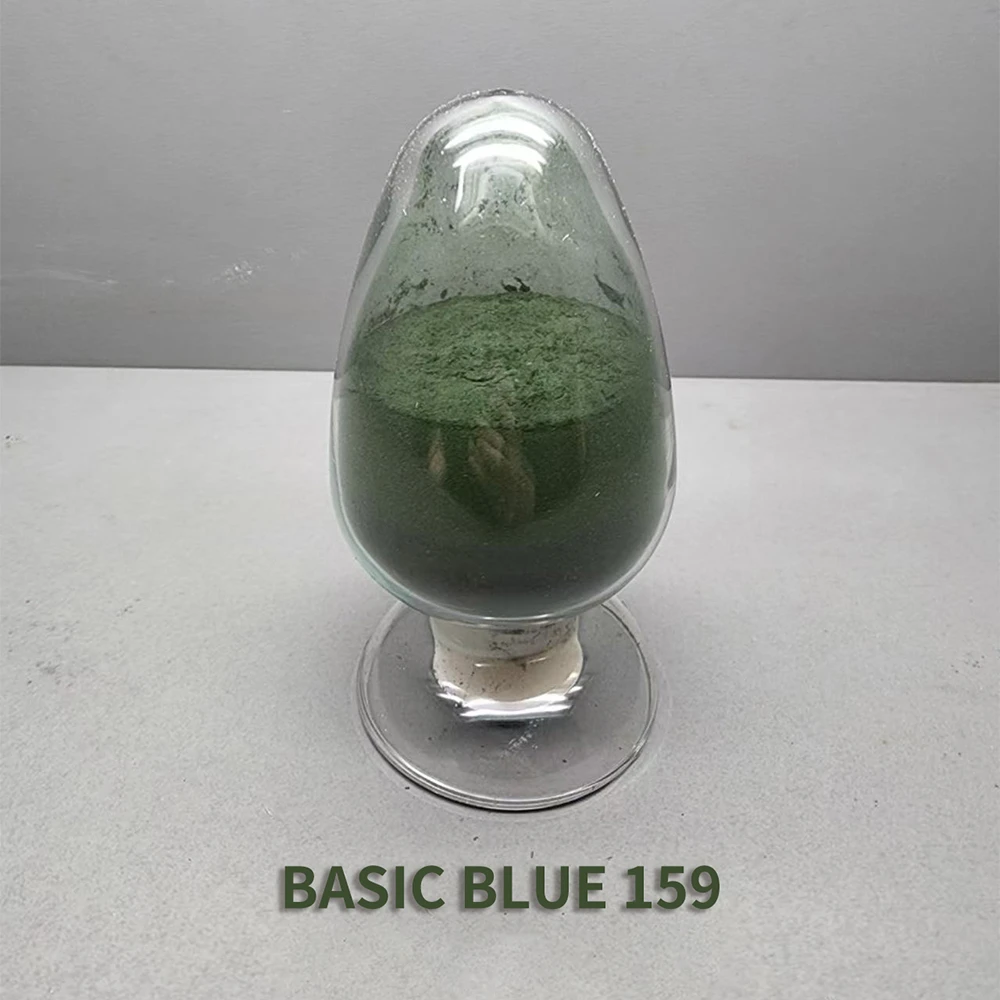
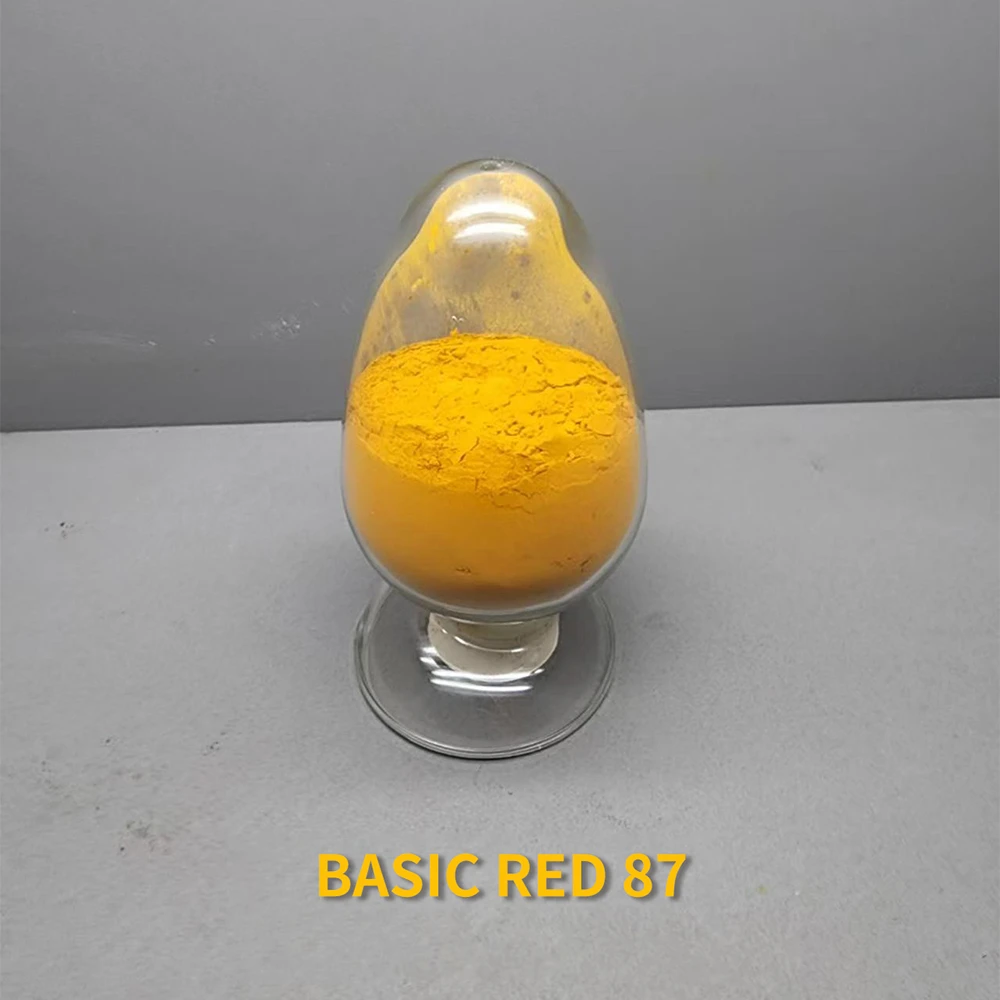
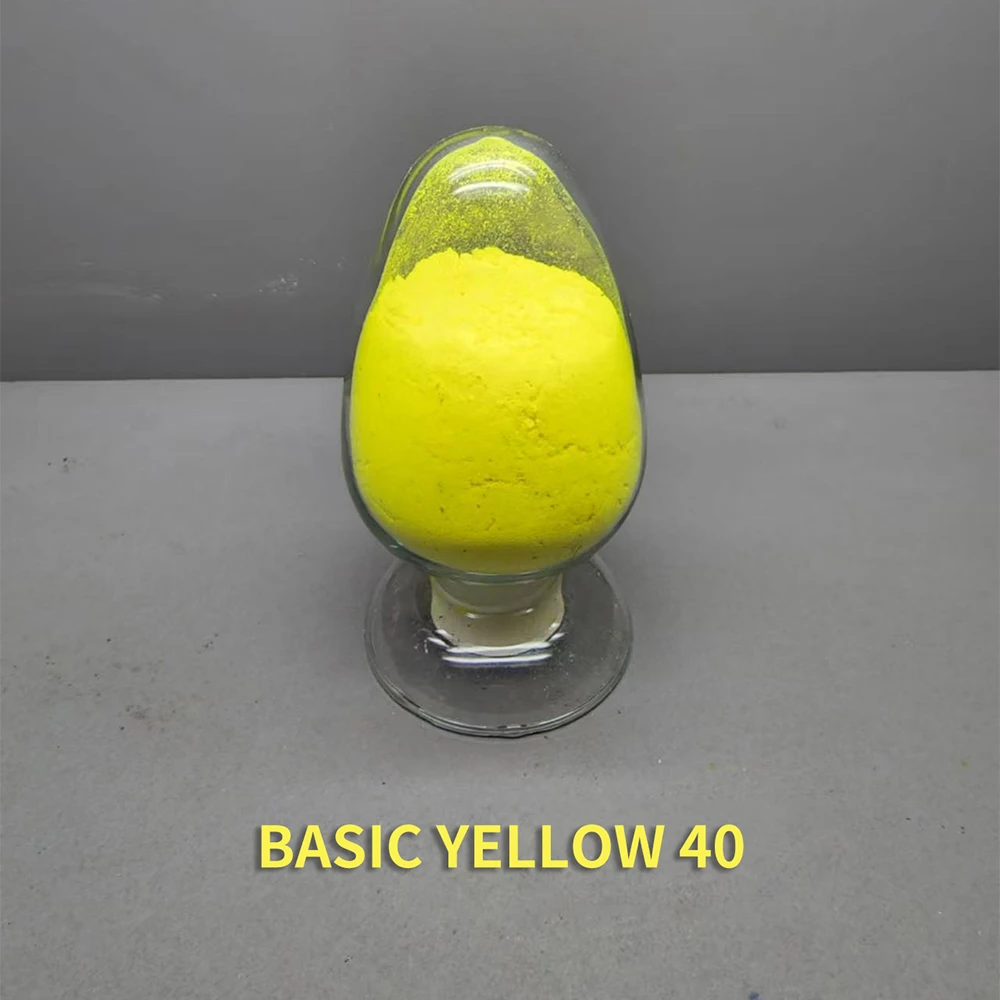
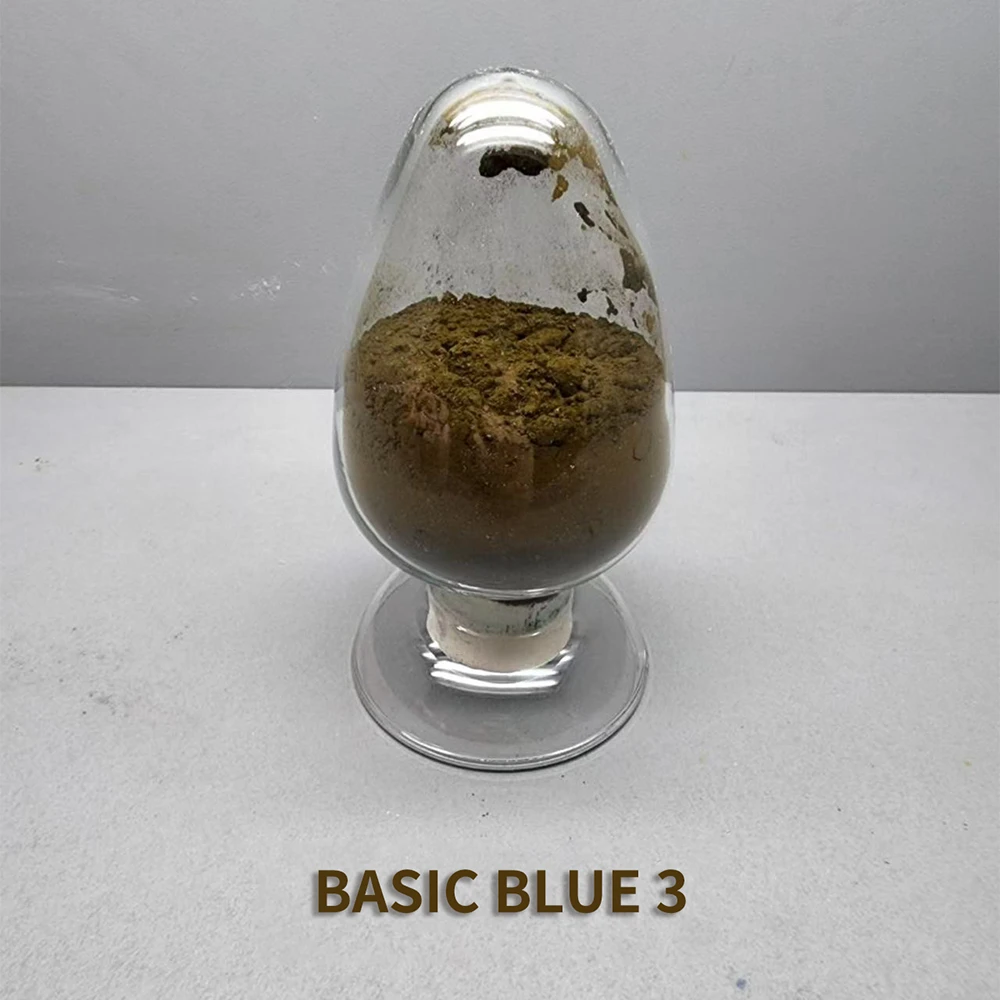
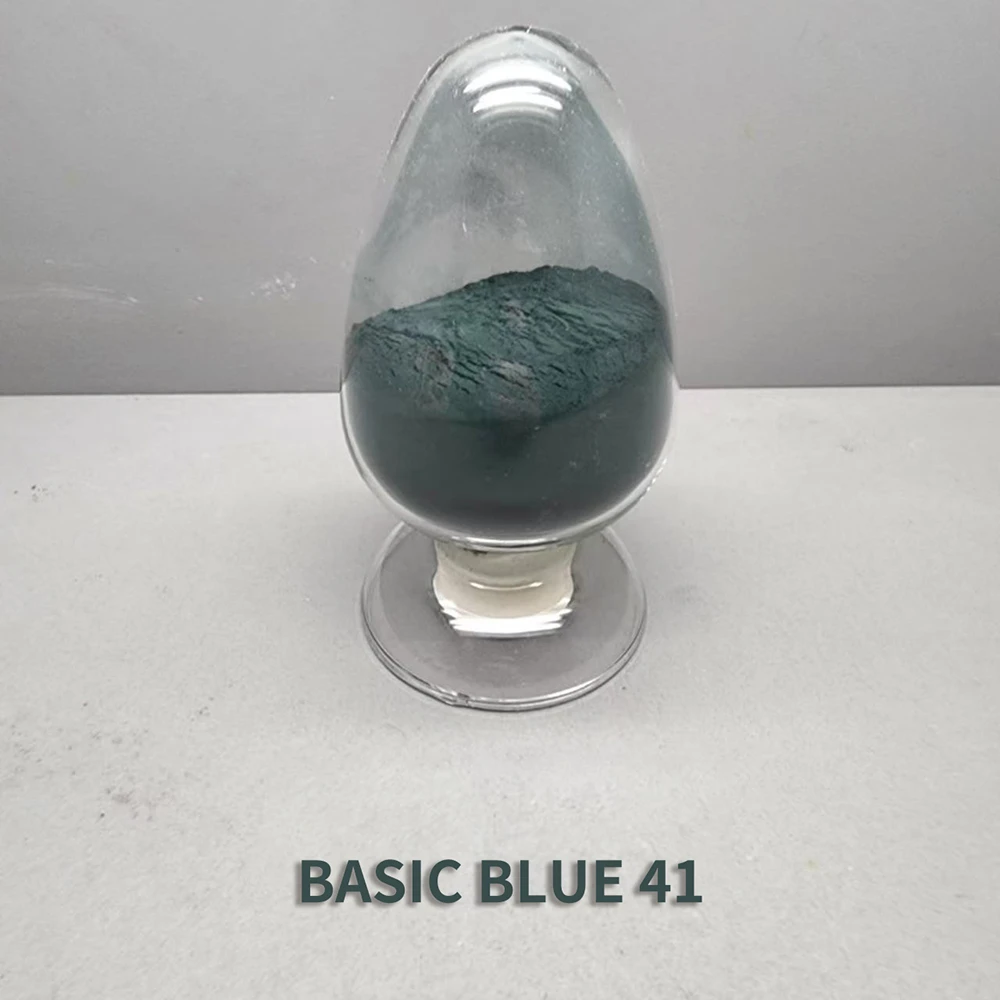
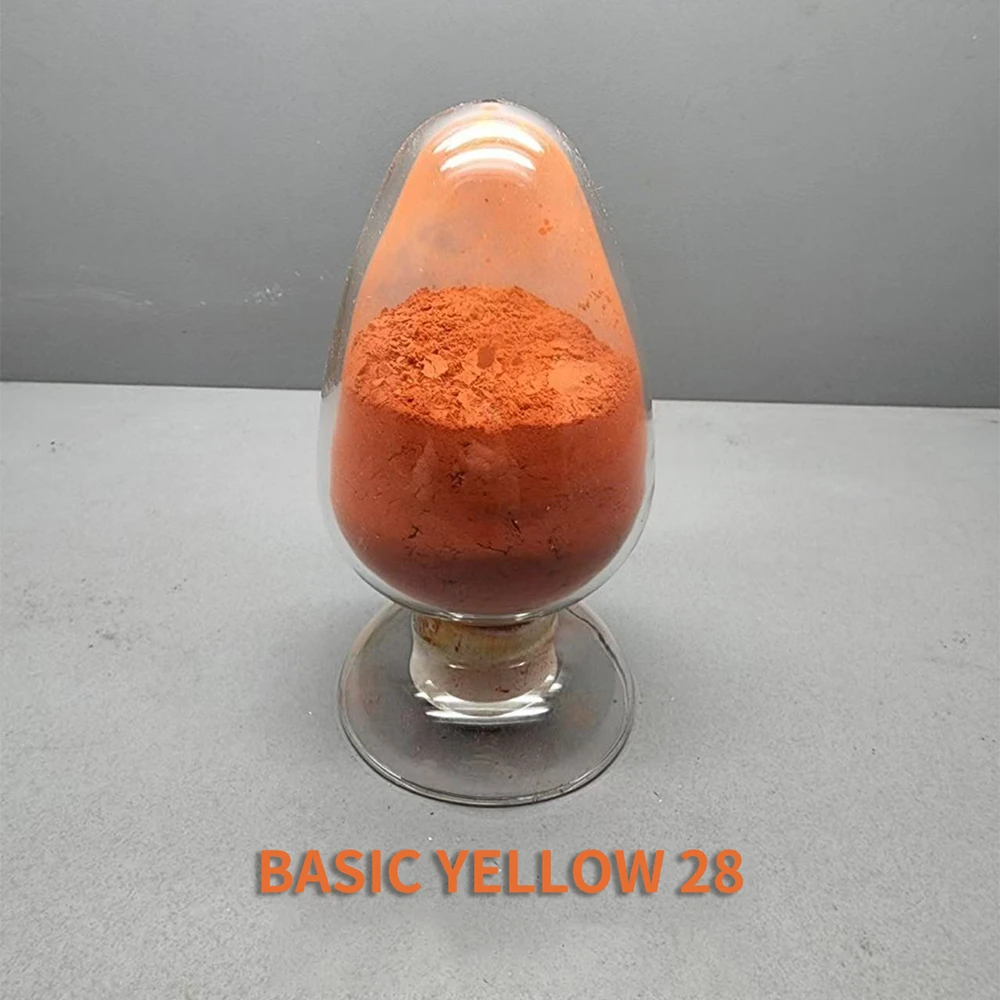
Imagine a color that not only brightens textiles but also solves some thorny industrial challenges — that’s where cationic dye steps in. Cationic dyes, sometimes called basic dyes, carry a positive charge and have a special knack for bonding with negatively charged materials. This simple electrostatic attraction means dyes cling tighter, colors pop brighter, and durability improves. Globally, understanding cationic dyes is a game changer for industries ranging from textile manufacturing to wastewater treatment, all while offering better sustainability profiles.
Why does this matter to the big picture? Well, the fashion and textiles industry alone accounts for roughly 10% of global carbon emissions — an often overlooked but massive impact 1. Cationic dyes provide pathways to more efficient color fixation, reducing water and energy consumption in dyeing processes worldwide. Plus, in an age craving sustainable chemistry, these dyes help create products that last longer and function better. That's a win for companies and consumers, whether in sprawling urban centers or remote factory towns.
Global Context: The Industrial Pulse Behind Cationic Dye
The worldwide textile market is huge — valued near $1.2 trillion in 2023 and expected to grow steadily 2. Most textiles require vibrant, durable dyeing. Cationic dyes fill that critical niche, particularly for acrylic fibers, paper, and leather products. But it doesn’t stop there: they’re highly valued in water treatment, as their positive charges bind pollutants, clearing water for millions.
A big challenge? Traditional dyes often waste massive water volumes or leave toxic residues. According to the United Nations Industrial Development Organization (UNIDO), wastewater from dyeing processes can be heavily polluting if untreated 3. Cationic dyes' efficient bonding cuts down chemical waste, a crucial step in cleaner production globally — especially in textile hubs like India, Bangladesh, and China.
What Exactly Is a Cationic Dye?
Simply put, a cationic dye is a colored chemical compound that carries a positive charge (a cation). This positive charge allows it to bind strongly to negatively charged surfaces, like fibers in fabrics or particles in wastewater. Because of this feature, cationic dyes are mostly used on materials such as acrylic fibers, which naturally have negative charges to attract these dyes.
But the story doesn’t end with textiles. These dyes play an important role in products used in everyday life: from vibrant apparel and upholstery to specialty inks and even in the purification of contaminated water. Their strong affinity for various substrates means better colorfastness and less fading, which translates into higher quality and longer-lasting goods — something consumers often desire but rarely think about.
Core Components and Key Characteristics of Cationic Dyes
1. Durability and Colorfastness
The chemical structure of cationic dyes offers excellent resistance to washing and sunlight exposure. This makes the dyed product more durable, which frankly is a huge selling point in textiles designed for heavy use or outdoor wear.
2. Cost Efficiency
While sometimes perceived as pricier upfront, the ability of cationic dyes to bond more efficiently with fibers reduces dye wastage and reprocessing. Lower amounts are needed to achieve vibrant color, bringing overall savings.
3. Environmental Compatibility
With the rise of green chemistry, many manufacturers prefer cationic dyes because their fixation rates mean less dye runoff polluting water systems — a non-trivial improvement for eco-conscious brands.
4. Versatility
These dyes are not only for textiles but also for paper, leather, and even coloration in biological staining. The broader range expands their market and technological appeal.
5. Scalability
Thanks to their stable nature, scaling up production processes involving cationic dyes tends to be straightforward, which makes them attractive for large manufacturing setups.
Product Specifications: Typical Cationic Dye Attributes
| Specification | Typical Range | Notes |
|---|---|---|
| Molecular Weight | 300 - 500 g/mol | Depends on dye family |
| Charge | Positive (Cationic) | Ensures fiber affinity |
| Solubility | Water-soluble | Ideal for aqueous dye baths |
| Application Method | Pad, Exhaust, or Printing | Flexible for different industries |
| Typical Fibers | Acrylic, Wool, Silk (limited) | Best results on acrylic |
Global Applications and How Industries Benefit
Across continents, cationic dyes have become indispensable. In Asia, where textile manufacturing thrives, these dyes allow for vibrant colors with less environmental footprint. In Europe, they’re essential in specialty paper manufacturing, offering brilliant hues for packaging or decorative uses. The tertiary market—water treatment plants and research labs—relies on cationic dyes to identify and treat pollutants effectively.
One practical example: after heavy flooding in Southeast Asia, local NGOs used textiles colored with cationic dyes that resisted washing out easily — handy for producing high-quality tents and emergency gear that remain vibrant and strong despite rough use. Meanwhile, some manufacturers in North America experiment with digital printing inks based on cationic dyes to combine environmental benefits with customization trends.
Vendor Comparison: Leading Cationic Dye Providers
| Vendor | Product Range | Eco-Friendly Options | Global Reach | Technical Support |
|---|---|---|---|---|
| Yanhong Chemical | Broad (Acrylic Dyes, Specialty) | High - Greener Formulations | Asia, Europe, Americas | 24/7 Onsite & Remote |
| DyStar | Wide (Diverse dye classes) | Moderate | Global | Business Hours |
| Huntsman | Selective Range | High | North America, Asia | Dedicated Tech Teams |
Why Choose Cationic Dyes? Advantages & Long-Term Value
It’s not just a matter of making things colorful — cationic dyes bring economic, environmental, and social benefits. They reduce chemical consumption and water waste in dyeing processes. Plus, improved colorfastness means garments don’t fade as fast, extending product life and consumer satisfaction (a bit measurable by repeat sales).
On a deeper level, these dyes can contribute to safer workplaces by limiting hazardous chemical emissions. It’s innovation with a heart — a framework for industry practices that respect our planet and people alike.
Looking Ahead: Innovations and Trends in Cationic Dye Technology
The future’s bright — literally. Researchers are working on bio-based cationic dyes harvested from natural raw materials, aiming to invent colors that minimize environmental harm even further. Digital and automation-driven dyeing techniques also integrate cationic dyes for precision and less waste.
Green chemistry, tighter regulations, and socially conscious brands will push cationic dyes into even more sectors. Expect developments around improved lightfastness and special functional dyes with antimicrobial or UV-protective properties — perfect for next-gen textiles.
Challenges & Solutions: What’s Holding Back Wider Adoption?
One challenge is that cationic dyes generally suit limited fiber types, mostly acrylics, so expanding to new materials can be tricky. There’s also the occasional cost premium, especially when shifting to greener formulations. But technology advances — like hybrid dyes and improved fiber treatments — are bridging these gaps.
Moreover, industry players are collaborating to introduce better wastewater treatment systems that can reuse dye solutions, cutting costs and pollution even more. So, while challenges exist, they’re actively tackled.
FAQs: Quick Answers About Cationic Dye
- Q: What fibers work best with cationic dyes?
- A: Acrylic fibers are the primary compatible substrate due to their negative charge. They provide excellent color uptake and fastness. Wool and silk can accept cationic dyes but with more limited results.
- Q: Are cationic dyes eco-friendly?
- A: Yes, many are designed to have high fixation rates, which reduce dye runoff and water pollution. Newer, greener cationic dyes also use less hazardous chemicals, making them better for sustainable textile production.
- Q: Can cationic dyes be used for digital printing?
- A: Absolutely. Their water solubility and vibrant colors make them ideal for specialized digital textile printers, allowing precise, low-waste designs.
- Q: How can companies source high-quality cationic dyes?
- A: Trusted chemical manufacturers like Yanhong Chemical provide extensive product lines and technical support, ensuring proper application and sustainability compliance.
Wrapping Up: Why Cationic Dye Still Shines Bright
On the surface, cationic dyes might seem like just another chemical in a sea of many. But dig a little deeper, and you see their important role in making manufacturing smarter, greener, and more efficient worldwide. Whether you’re an engineer seeking reliable textile coloration, a brand focused on sustainability, or an environmentalist watching pollution levels, the benefits of cationic dyes reveal themselves clearly over time.
To explore more or secure your supply of advanced cationic dyes, visit our website and discover how these vibrant compounds can brighten your products and your impact.
Thanks for sticking with me through this colorful journey — who knew chemistry could be so bright and meaningful?
References:
- UN Fashion Industry Carbon Emission Report, 2022.
- Global Textile Market Overview, Statista, 2023.
- UNIDO Industrial Wastewater Management Guide, 2021.
-
Fabric Dye For Furniture: Durable, Sustainable Solutions for B2B ManufacturersNewsDec. 08, 2025
-
Bulk Fabric Dye: Quality and Choices for Industrial Textile ProcessingNewsDec. 03, 2025
-
Basic Red Dye – Lab-Grade Basic Fuchsin Stain & SolutionNewsDec. 12, 2025
-
Thermochromic Fabric Dye for Industrial Textiles | Yanhong ChemicalNewsDec. 31, 2025
-
Photochromic Fabric Dye: Innovative Textile Solutions for B2B Professionals | YanHongChemNewsJan. 06, 2026
-
Fabric Dye On Human Hair | Durable, High-Performance Dye Solutions from Yanhong ChemNewsDec. 03, 2025