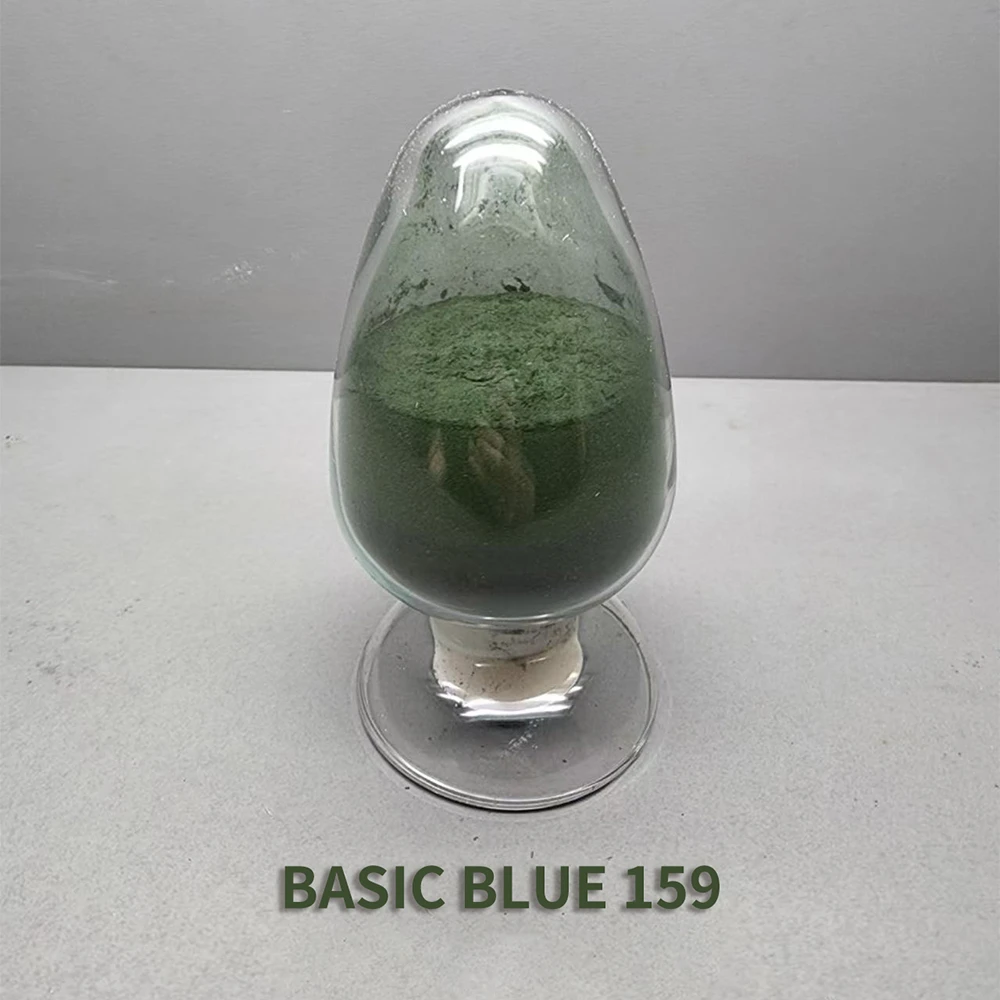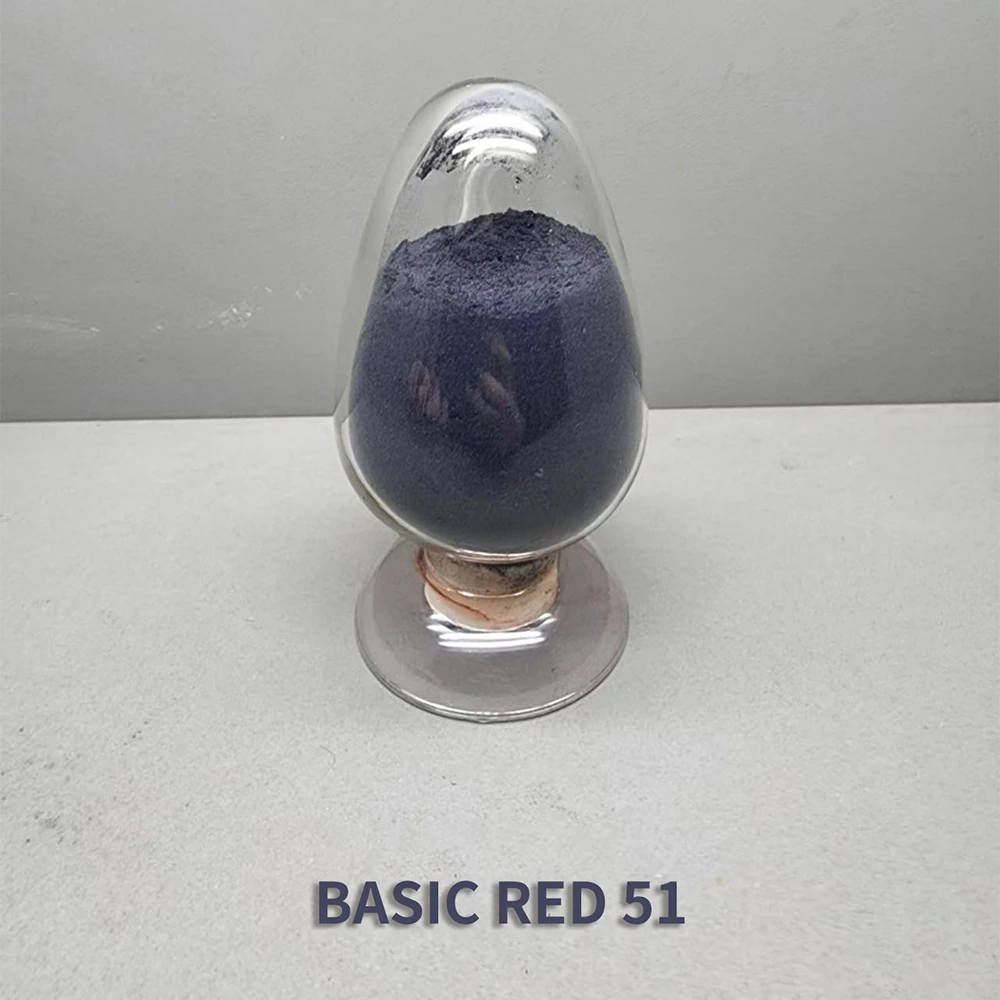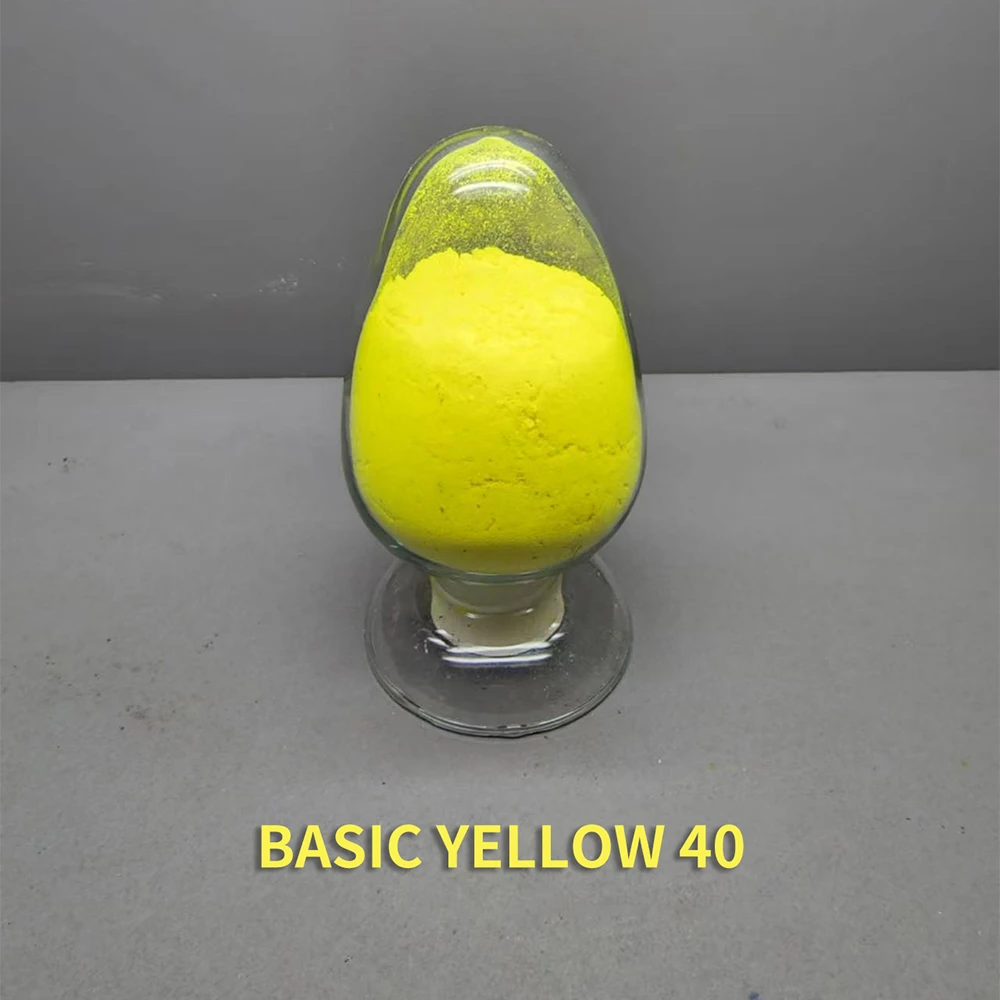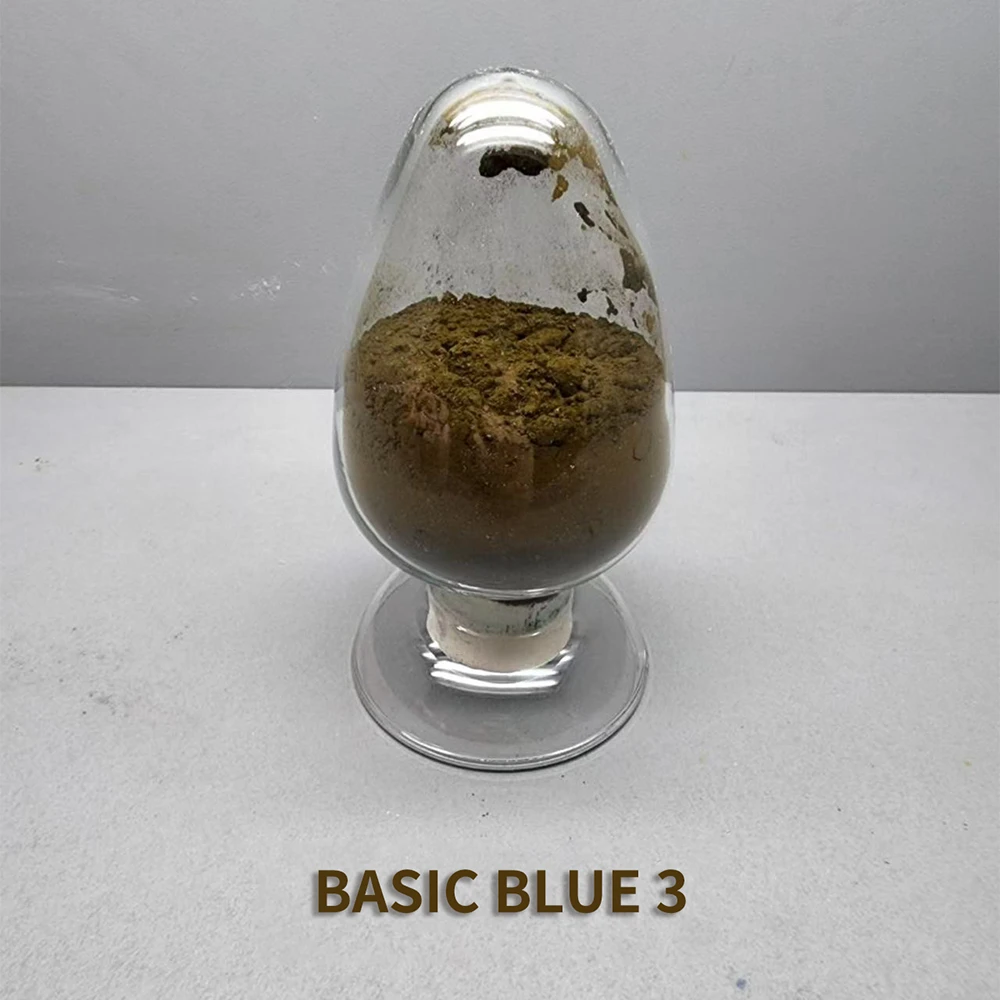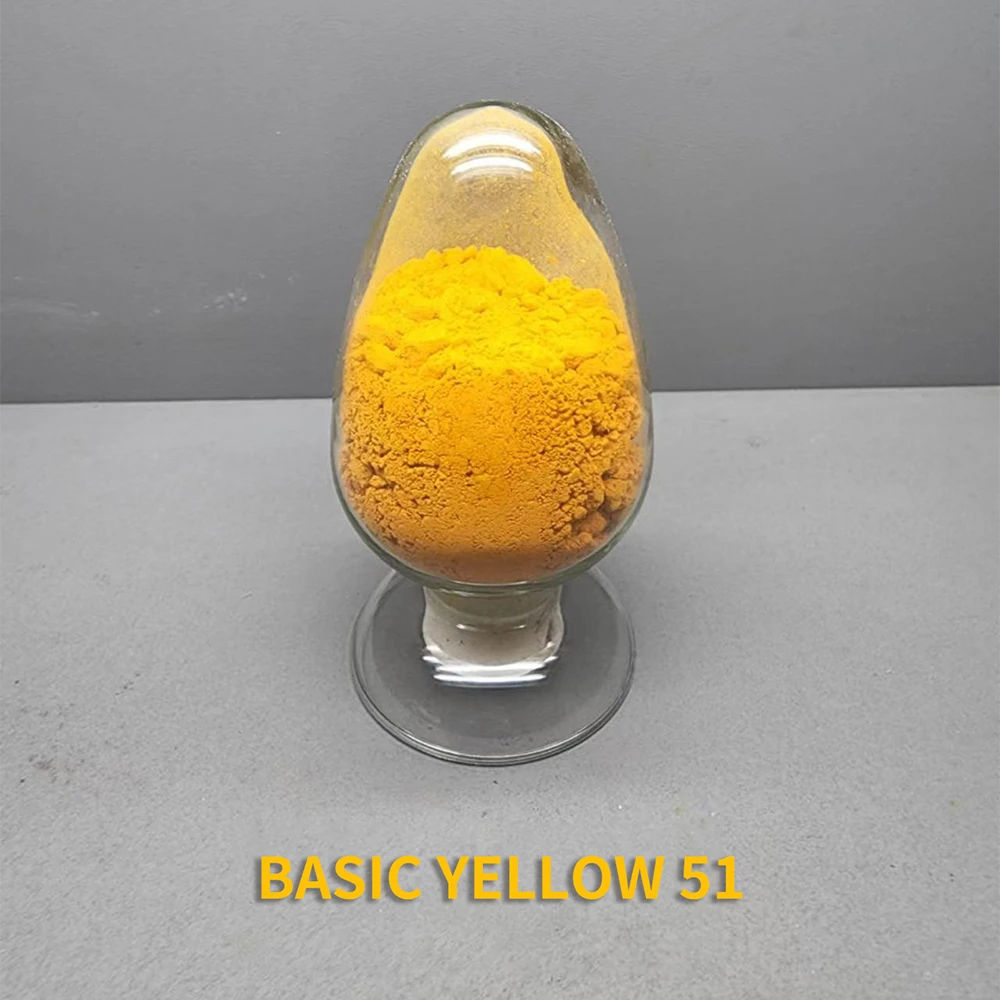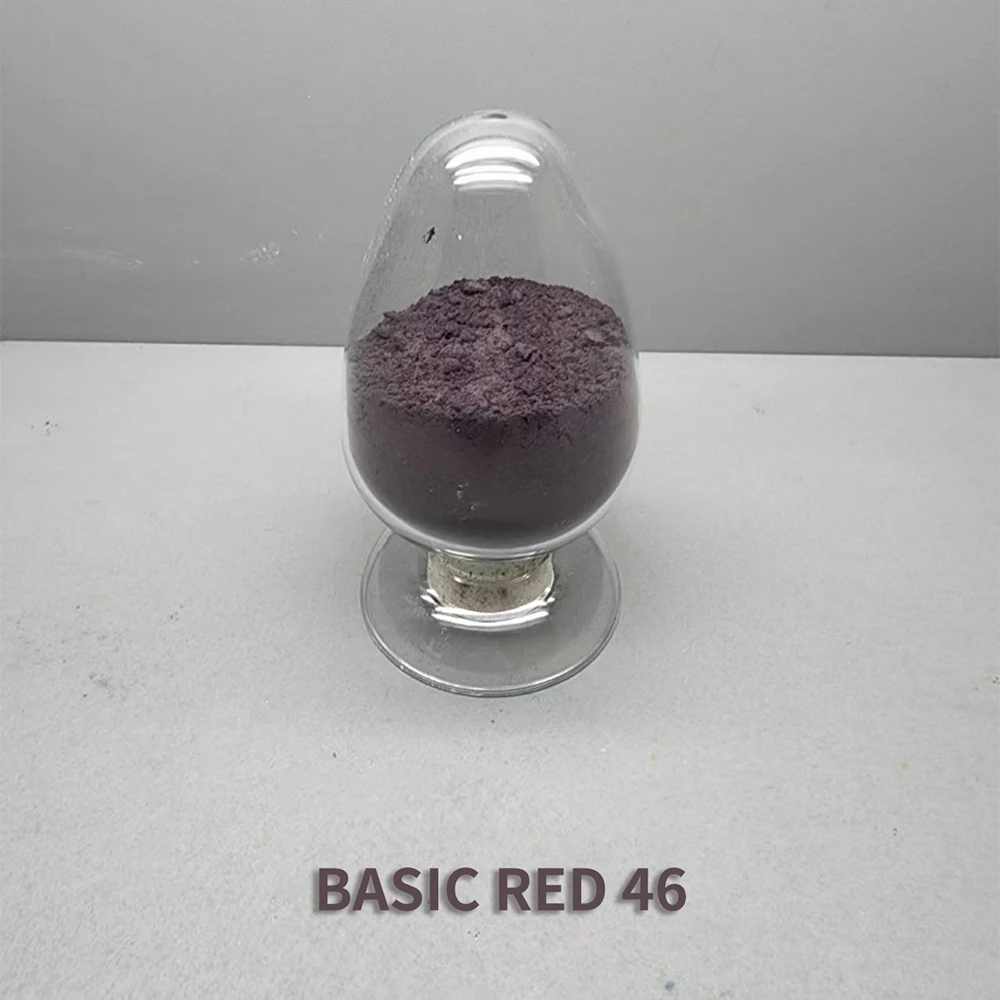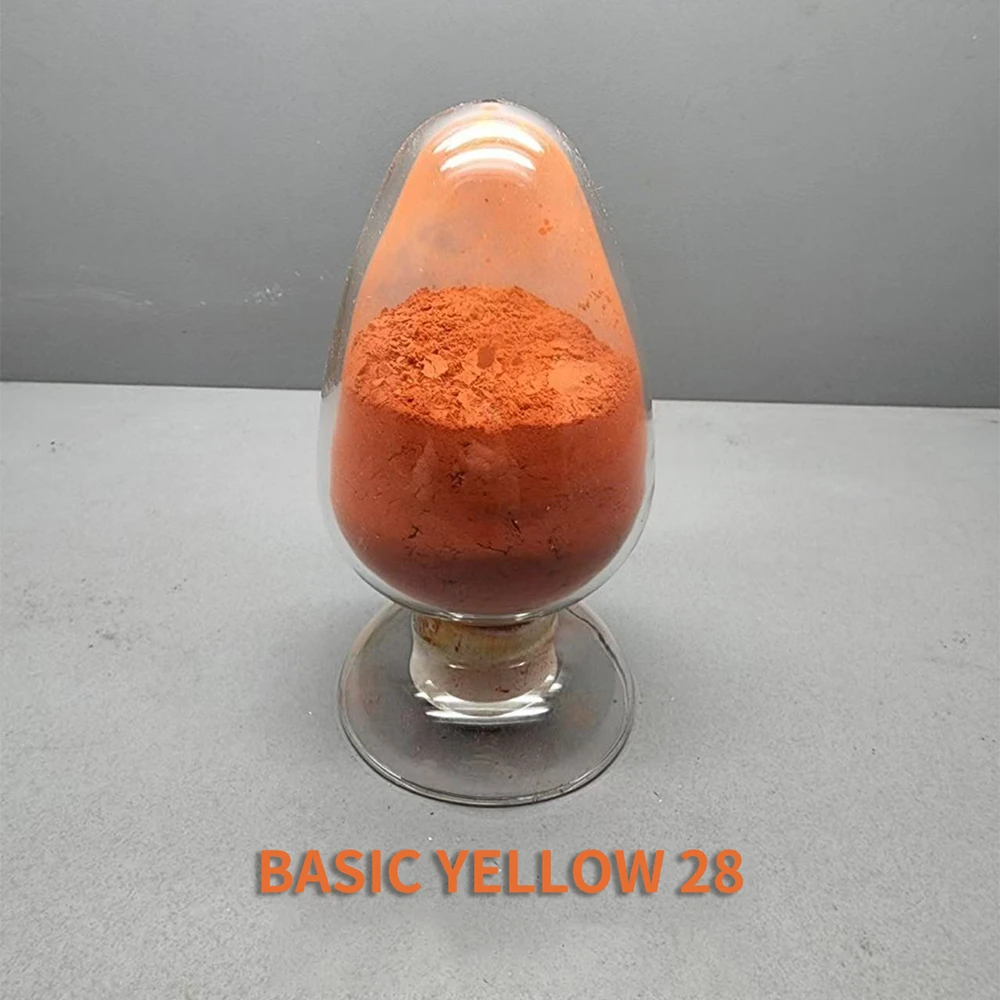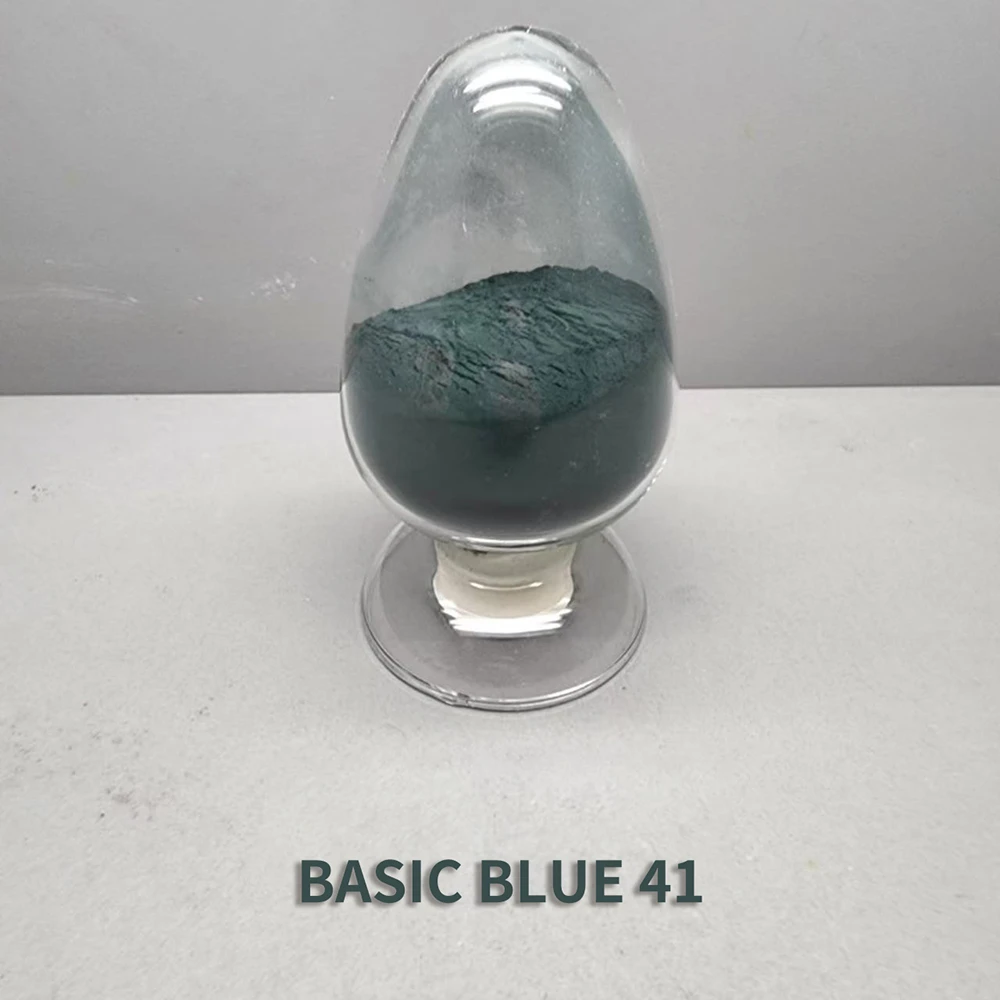
Acrylic Dyeing with Basic Dyes | Durable, Sustainable Textile Solutions
Understanding Acrylic Dyeing with Basic Dyes: Why It Matters Globally
When you think about the textile industry, it's easy to overlook the critical role that specific dyeing processes play in everything from fashion to industrial applications. One technique that often flies under the radar but is incredibly important is acrylic dyeing with basic dyes. It’s a niche topic, sure — but mastering it really matters on a global scale for manufacturers, designers, and even humanitarian organizations. The reason? It allows for vibrant colorfast products that don’t just look good, but resist fading and wear in tough conditions. Given the volume of acrylic fibers produced worldwide (increasingly so every year), understanding how these fibers interact with basic dyes is essential.
Whether you’re involved in high-end garment production or sourcing materials for emergency shelters, knowing about acrylic dyeing with basic dyes can influence everything from cost-efficiency to environmental impact. And if you’re curious about how it works or why it's chosen over other dyeing methods, buckle up — this one’s a fascinating blend of chemistry, industry needs, and innovation.
Setting the Stage: Global Relevance and Industry Challenges
Globally, acrylic fibers constitute roughly 2% to 3% of the total man-made fiber production, with millions of tons dyed annually (source: ISO reports). The reason basic dyes are so relevant in this space is twofold: they bind strongly with the cationic sites on acrylic fibers, and they exhibit brilliant hues that remain stable under various environmental conditions.
But here’s the argument many textile experts raise: how do you maintain intense coloration without sacrificing environmental sustainability or inflating costs? Not an easy ask in today’s world where resource management has global repercussions. Plus, industries face challenges like inconsistent dye uptake, harmful effluents, and the pressure to innovate eco-friendlier processes.
Acrylic dyeing with basic dyes addresses some of these points neatly, making the process both efficient and reliable in various production settings worldwide.
What’s Acrylic Dyeing with Basic Dyes, Anyway?
Put simply: acrylic dyeing with basic dyes involves imparting color to synthetic acrylic fibers using a class of dyes that are cationic (positively charged). These dyes form strong ionic bonds with the fibers, leading to vibrant, lasting colors. Acrylic fibers, which are polymers primarily made from polyacrylonitrile, have chemical groups that attract these basic dyes selectively, which explains the high affinity and durability.
This method isn’t just a quirk of chemistry but solves very practical needs — think durability in performance wear, colorfastness in upholstery, or sharp branding on outdoor fabrics used by humanitarian agencies. The result is consistent, vivid, and dependable color application, something that industries from sportswear manufacturing to disaster relief logistics value deeply.
Core Components of Successful Acrylic Dyeing with Basic Dyes
1. Durability
One of the selling points is how well the dyes resist fading from sunlight, washing, or abrasion. Durability translates directly into longer product life and less waste — which feels like a big win for sustainability-conscious brands.
2. Color Brilliance
Basic dyes produce incredibly bright shades unreachable with many other dye types. This brilliance is especially prized for safety gear or outdoor textiles, where visibility matters.
3. Process Efficiency
The dyeing process is generally quicker and more reproducible, thanks to the strong ionic attraction between dye and fiber, reducing processing time and energy use.
4. Cost-Effectiveness
Basic dyes and the dyeing setups are relatively affordable compared to some reactive or disperse dyes, enabling scalable production without prohibitive expense, which makes it attractive for mass production.
5. Environmental Considerations
Though acrylic dyeing with basic dyes historically posed ecological concerns due to effluents, newer treatment methods and dye formulations are improving sustainability, which is critical given today’s environmental regulations.
Acrylic Dyeing in Action: Where and How It’s Used Worldwide
The applications of acrylic dyeing with basic dyes span a surprising variety of contexts:
- Sports and Outdoor Apparel: Given their durability and vivid colors, brands worldwide use these dyes to manufacture performance fabrics resisting difficult weather conditions.
- Home Furnishings: Upholstery and carpeting in hotels and public spaces rely on acrylic fibers dyed with basics for long-lasting, stain-resistant textiles.
- Humanitarian Aid: In post-disaster relief operations, durable, brightly colored acrylic fabrics help produce temporary shelters and protective gear that last through harsh conditions and are easy to spot.
- Industrial Applications: Acrylic fibers dyed via basic dyes go into filtration materials and insulation, requiring stable colors that don't compromise structural integrity.
Regions like Southeast Asia and Eastern Europe have witnessed rapid adoption in manufacturing due to cost advantages and access to quality dye materials. Organizations involved in sustainable textile manufacturing increasingly integrate this method to curb environmental footprints.
Advantages & Long-Term Impact of Using Basic Dyes on Acrylic
We’re talking benefits that cover the gamut from economics to ethics:
- Economic Savings: Faster processing time and durable results reduce rework and fabric waste.
- Ecological Wins: Advanced effluent treatment and the natural longevity of color help cut down water and energy usage.
- Social Impact: Bright, durable fabrics contribute to safety (think high-visibility gear) and dignity in humanitarian scenarios — something that isn’t discussed often but feels important.
- Reliability: When you order products dyed this way, you know the color story won’t fade or change unpredictably.
Product Specification Table: Typical Acrylic Dyeing Process Parameters
| Specification | Typical Range | Unit |
|---|---|---|
| Dye Concentration | 1.5 - 3.5 | g/L |
| Dye Bath Temperature | 80 - 95 | °C |
| pH Value | 4.5 - 6.0 | pH |
| Dyeing Time | 30 - 60 | minutes |
| Water Usage | 10 - 20 | L/kg fabric |
Vendor Comparison Table: Leading Suppliers of Basic Dyes for Acrylic Fibers
| Supplier | Dye Range | Eco Compliance | Price Level | Global Reach |
|---|---|---|---|---|
| Yanhong Chemicals | Extensive (100+) | ISO 14001 Certified | Moderate | Asia, Europe, America |
| BASF | Wide | High | High | Worldwide |
| Clariant | Moderate | Certified Green | Moderate-High | Europe, Americas |
What’s Next? Trends and Innovations Shaping the Industry
Some savvy manufacturers and labs are already racing ahead to develop greener basic dyes, combining bio-based raw materials with digital process monitoring — which honestly blew my mind when I learned it. Imagine specifying color electronically, with less trial and error, and less chemical load on the environment.
Other advances include low-temperature dyeing techniques, automated dye bath recycling systems, and integration with Industry 4.0 production lines. All this means fewer spills, waste, and unexpected color shifts — basically a cleaner, smarter dyeing future that feels overdue.
Challenges & How Industry Experts Are Tackling Them
Of course, the world isn’t perfect. Ever encountered a pesky patchy dye job? Or wrestled with waste treatment costs? Acrylic dyeing with basic dyes shares those headaches:
- Effluent Management: Basic dyes are water-soluble, making wastewater treatment tricky without proper systems.
- Colorfastness Variations: Inconsistent washing or light fastness sometimes occurs, demanding strict process control.
- Environmental Regulations: New policies worldwide push for lower chemical usage and stricter emissions.
Industry vets recommend investing in state-of-the-art effluent treatment plants, routine process monitoring, and ongoing R&D collaborations. Frankly, those who innovate here tend to reap ongoing cost savings and market goodwill.
FAQ: Your Practical Questions on Acrylic Dyeing with Basic Dyes
Q1: What makes basic dyes particularly suited for acrylic fibers?
A: Basic dyes are cationic, meaning they carry a positive charge, which matches the negatively charged sites on acrylic fibers. This strong ionic bond results in vibrant colors that cling tightly, offering better durability than many alternatives.
Q2: How is environmental sustainability addressed in acrylic dyeing?
A: Modern processes integrate advanced wastewater treatment, recycling of dye baths, and use dyes with lower ecological footprints. Many suppliers also offer ISO 14001-certified products to align with environmental standards.
Q3: Can acrylic dyeing with basic dyes be easily scaled from small to large production?
A: Yes, the method is highly scalable due to its relatively short dyeing times and simpler chemical requirements, making it adaptable from boutique to industrial textile manufacturing.
Q4: Are there any specific industries that rely heavily on this dyeing technique?
A: Definitely. Aside from apparel and upholstery, sectors like sports goods, protective clothing, and even certain industrial fabrics depend on these dyes for their excellent colorfastness and durability.
Q5: Where can I learn more about acrylic dyeing with basic dyes?
A: For a deep dive, I recommend visiting resources like acrylic dyeing with basic dyes and checking ISO textile standards databases for the latest in dyeing protocols.
Wrapping It Up: Why Investing in Acrylic Dyeing with Basic Dyes Pays Off
In real terms, choosing acrylic dyeing with basic dyes is more than a technical decision — it's a strategic one. It harmonizes cost, quality, and sustainability in a way few alternatives can match today. Whether you’re a manufacturer aiming for consistent production or an NGO needing reliable, durable fabrics at scale, the benefits add up quickly.
If you’re intrigued or want to explore the best dye products and solutions, don’t hesitate to check out Yanhong Chemicals, a leader in this space with an extensive catalog and expert support.
Thanks for sticking with me — acrylic dyeing might not be dinner table chat, but it’s quietly shaping what we wear, sit on, and rely on in remarkable ways.
Mini takeaway: Acrylic dyeing with basic dyes offers vibrant, durable color with growing environmental sensitivity — a classic example of chemistry meeting real-world needs smartly.
References
-
Neon Pink Fabric Dye – Vibrant, Durable, and Sustainable Textile Solutions | YanhongChemNewsDec. 12, 2025
-
What Is Basic Green Color? Properties, Applications & Vendor GuideNewsDec. 03, 2025
-
Basic Principles And Production Process Parameters Of Cationic DyesNewsAug. 05, 2025
-
Comprehensive Guide to Khaki Green Dye for Clothes and Textile ApplicationsNewsMar. 17, 2026
-
China Basic Dye Factory | Colorfast, Eco-Friendly, OEMNewsDec. 13, 2025
-
Unlock Vibrant Hues with Expert Mint Fabric Dye Techniques and OptionsNewsFeb. 11, 2026