
Comprehensive Guide to Khaki Green Dye for Clothes and Textile Applications
Khaki Green Dye for Clothes: A Comprehensive Guide
Khaki green has become a versatile and increasingly popular color choice in the fashion industry, appreciated for its earthy tones and ability to complement a wide range of styles. Achieving the perfect khaki green shade for clothing requires high-quality khaki green dye. This article delves into the world of khaki green dyes, exploring types, applications, factors influencing color, and provides insights to help you select the best dye for your textile projects. We’ll focus on the science behind the color and practical considerations for successful dyeing.
Understanding Khaki Green Dye Types
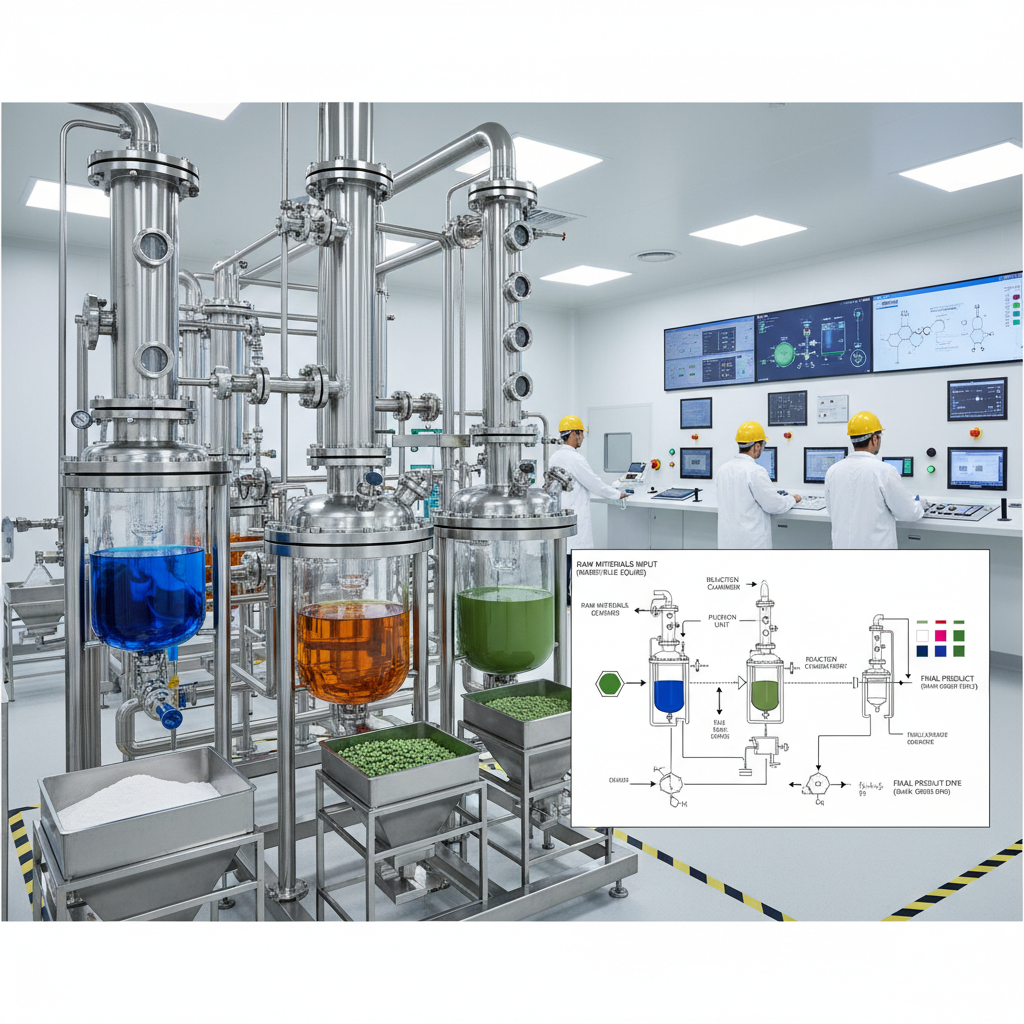
Various dye types are available to create khaki green shades on different fabrics. These include direct dyes, reactive dyes, vat dyes, and disperse dyes. Direct dyes are cost-effective and easy to use, suitable for cotton, linen, and rayon. Reactive dyes form a chemical bond with the fiber, resulting in excellent wash fastness, ideal for cellulosic fibers. Vat dyes offer exceptional colorfastness and are often used for workwear and durable fabrics. Disperse dyes are specifically designed for synthetic fibers like polyester. The choice of dye depends on the fabric composition and desired performance characteristics.
Key Highlights: Selecting the right dye type is crucial for achieving the desired shade and ensuring the longevity of the color. Consider fabric composition, wash fastness requirements, and environmental impact when choosing a dye.
Achieving the Perfect Khaki Green Shade
The final khaki green shade is influenced by several factors, including the dye concentration, dyeing temperature, pH level, and the specific fabric being dyed. Dye concentration directly affects the intensity of the color. Higher concentrations result in deeper shades. Temperature impacts dye absorption; generally, higher temperatures enhance dye uptake. pH levels can significantly alter the color. Careful control of these parameters is crucial for consistent results. YanHongChem offers technical support to optimize dyeing processes for specific fabrics and desired colors.
Factors Influencing Khaki Green Dye Results:
• Dye Concentration
• Dyeing Temperature
• pH Level
• Fabric Type & Preparation
Khaki Green Dye for Different Fabrics: A Comparison
Different fabrics require different dye types and dyeing processes. Here’s a comparison of suitable dyes for common fabric types:
YanHongChem: Your Trusted Partner for Khaki Green Dye
At YanHongChem, we specialize in providing high-quality khaki green dyes for a diverse range of textile applications. Our dyes are rigorously tested to ensure consistent color, excellent fastness properties, and environmental compliance. We offer a comprehensive selection of dye types and provide expert technical support to help you achieve optimal dyeing results. We are committed to sustainability and responsible manufacturing practices.

Product Specifications: Khaki Green Dye – YH-KG001
Below are the specifications for our popular Khaki Green Dye – YH-KG001:
Conclusion: Achieving Stunning Khaki Green with YanHongChem
Selecting the right khaki green dye is essential for achieving the desired color and quality in your textile projects. With our comprehensive range of dyes, expert technical support, and commitment to sustainability, YanHongChem is your trusted partner for all your dyeing needs. Explore our catalog today and let us help you bring your creative vision to life.
Frequently Asked Questions (FAQs)
What is the best dye type for dyeing cotton khaki green?
For cotton, reactive dyes are generally considered the best option for achieving a vibrant and wash-fast khaki green. Reactive dyes form a strong chemical bond with the cotton fibers, resulting in excellent colorfastness and durability. Direct dyes can also be used, but they typically offer lower wash fastness. The choice depends on the specific requirements of the end product, such as frequency of washing and exposure to sunlight. Consider the intensity of the shade you wish to achieve – reactive dyes allow for greater control.
How do I prevent uneven dyeing when using khaki green dye?
Uneven dyeing can occur due to several factors, including inadequate fabric preparation, insufficient dye circulation, and inconsistent temperature control. Ensure the fabric is thoroughly scoured and bleached before dyeing to remove impurities. Maintain constant agitation throughout the dyeing process to ensure even dye distribution. Monitor and maintain a consistent dyeing temperature. Using a leveling agent can also help promote even dye uptake. Always follow the dye manufacturer’s instructions carefully.
Is khaki green dye environmentally friendly?
The environmental impact of dyes varies significantly. Reactive dyes, while offering excellent colorfastness, can produce wastewater containing unfixed dye. However, modern reactive dye formulations and wastewater treatment technologies can minimize this impact. At YanHongChem, we prioritize sustainable practices and offer dyes that meet stringent environmental standards. We also offer guidance on responsible dye usage and wastewater management. Look for dyes certified by recognized environmental organizations.
What are the best storage conditions for khaki green dye?
To maintain the quality and effectiveness of khaki green dye, it should be stored in a cool, dry, and well-ventilated area, away from direct sunlight and heat sources. Keep the dye in its original, tightly sealed container to prevent moisture absorption and contamination. Avoid storing dye near strong oxidizing agents or other chemicals that could react with it. Proper storage will ensure the dye remains stable and performs optimally when used.
-
Classification Of Cationic DyesNewsAug. 05, 2025
-
Bulk Fabric Dye: Quality and Choices for Industrial Textile ProcessingNewsDec. 03, 2025
-
Color Changing Dye for Fabric – Innovative Textile SolutionsNewsJan. 01, 2026
-
Comprehensive Guide to Achieving Brilliant White Colour Dye for ClothesNewsMar. 26, 2026
-
A Comprehensive Guide to Achieving Beautiful Pastel Dye for ClothesNewsApr. 07, 2026
-
Cationic Dyed Polyester: Revolutionizing Sustainable Textile Dyeing WorldwideNewsDec. 03, 2025












