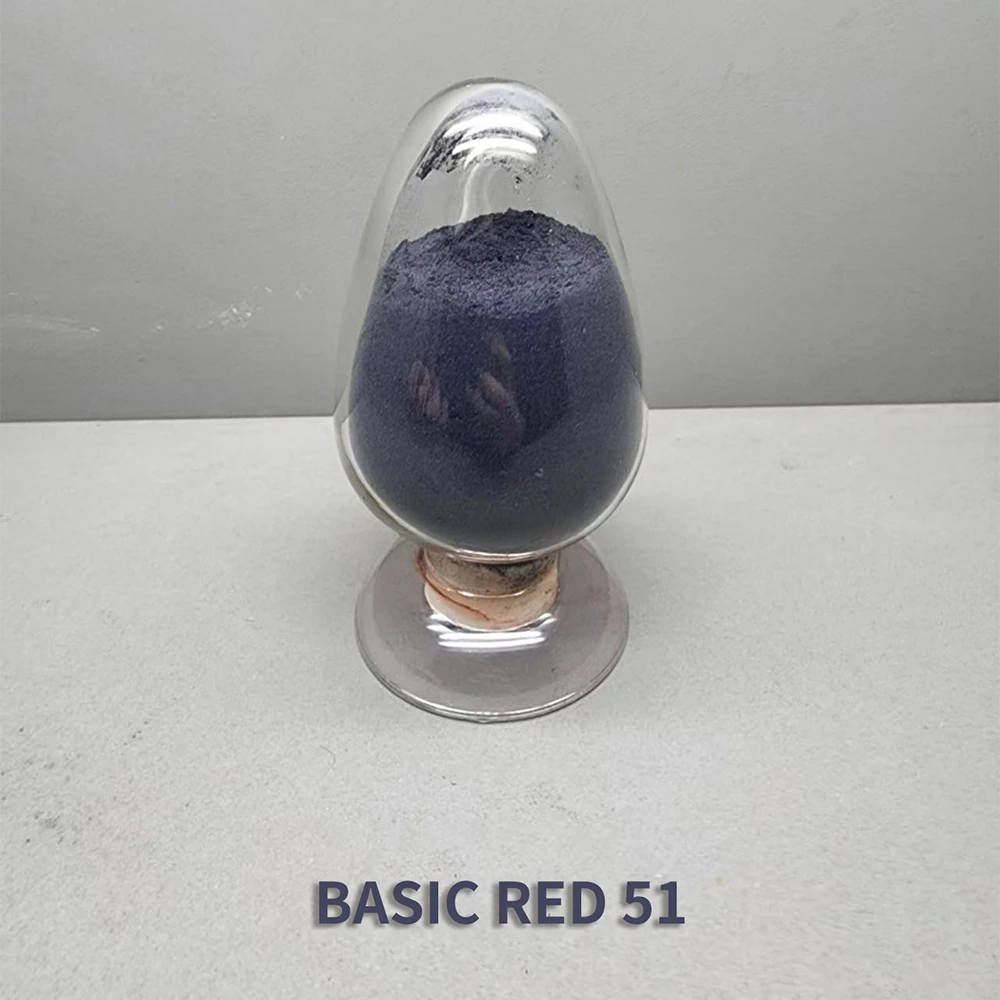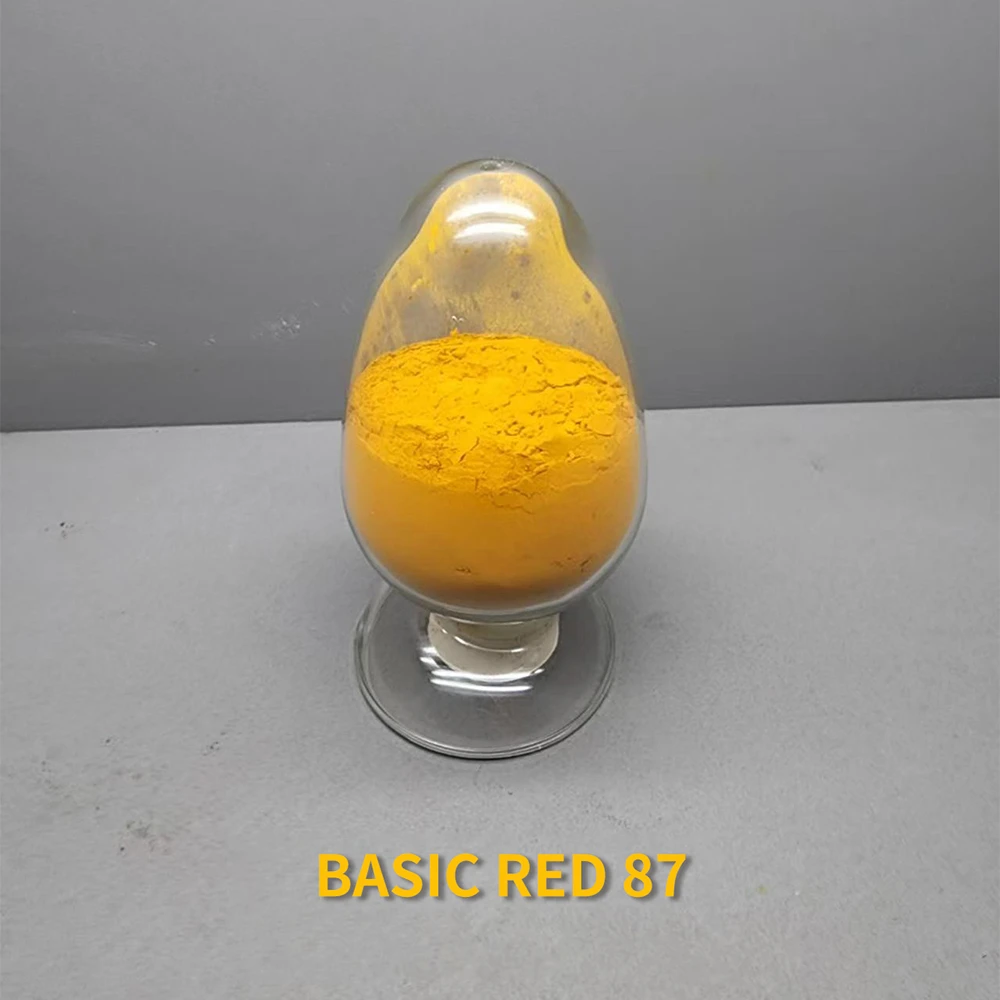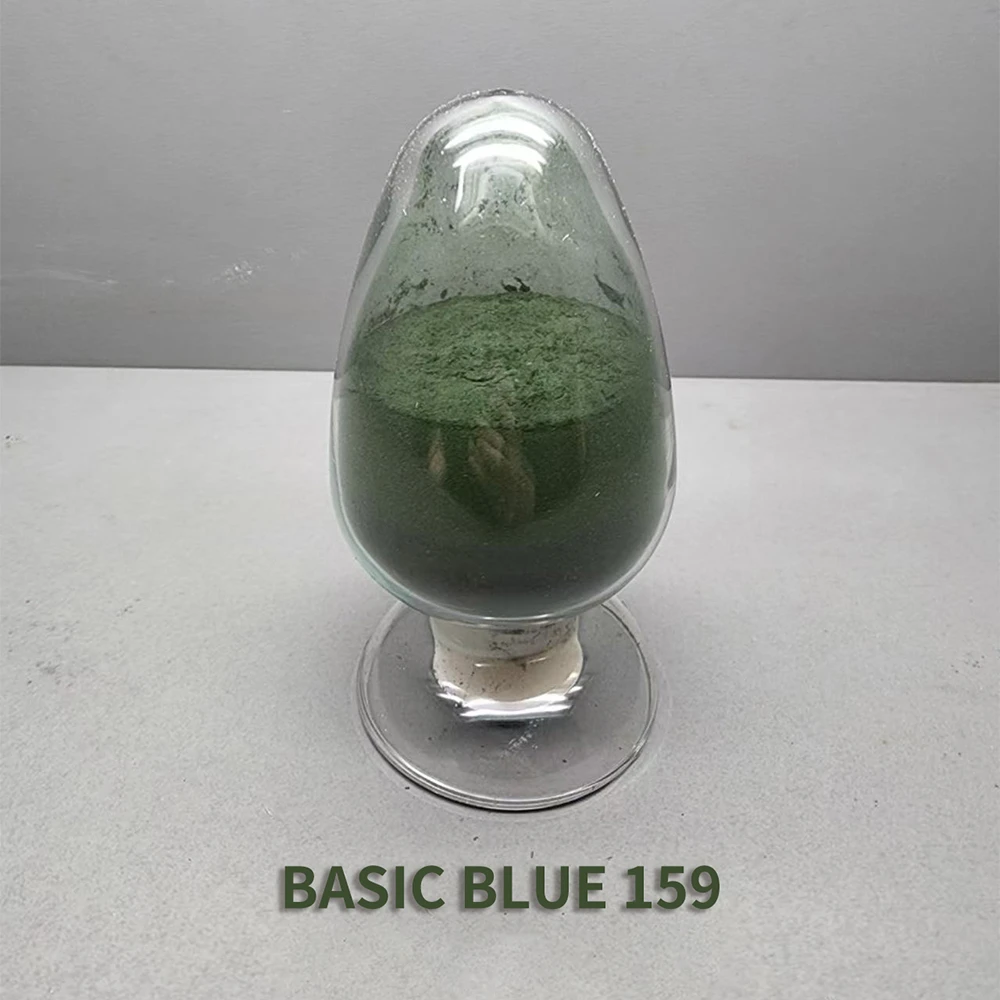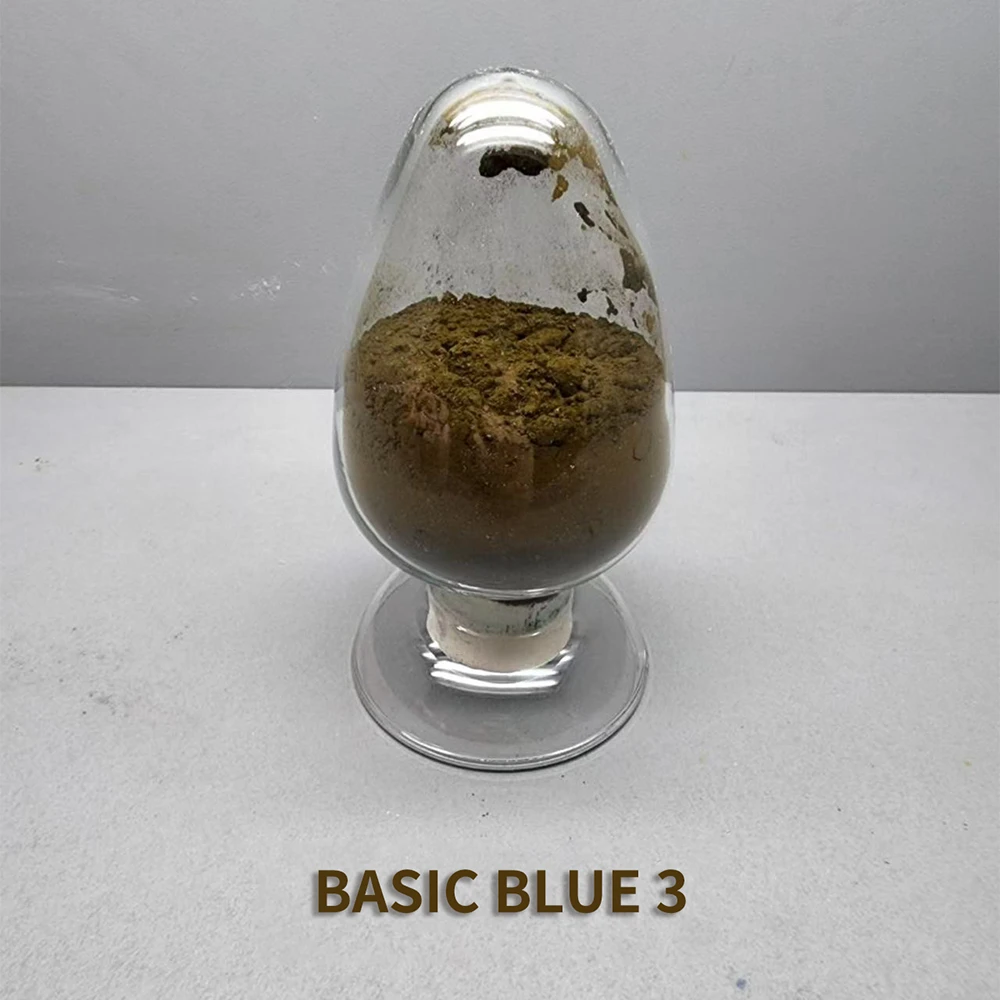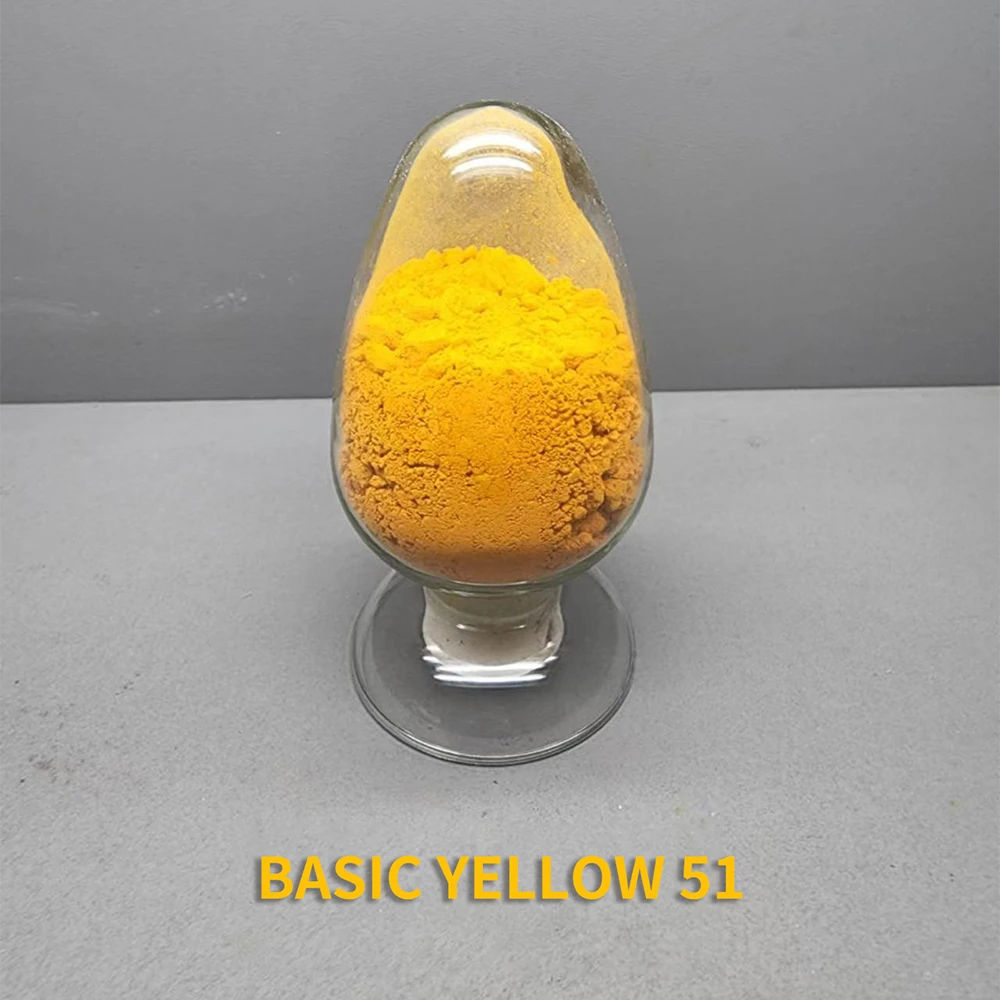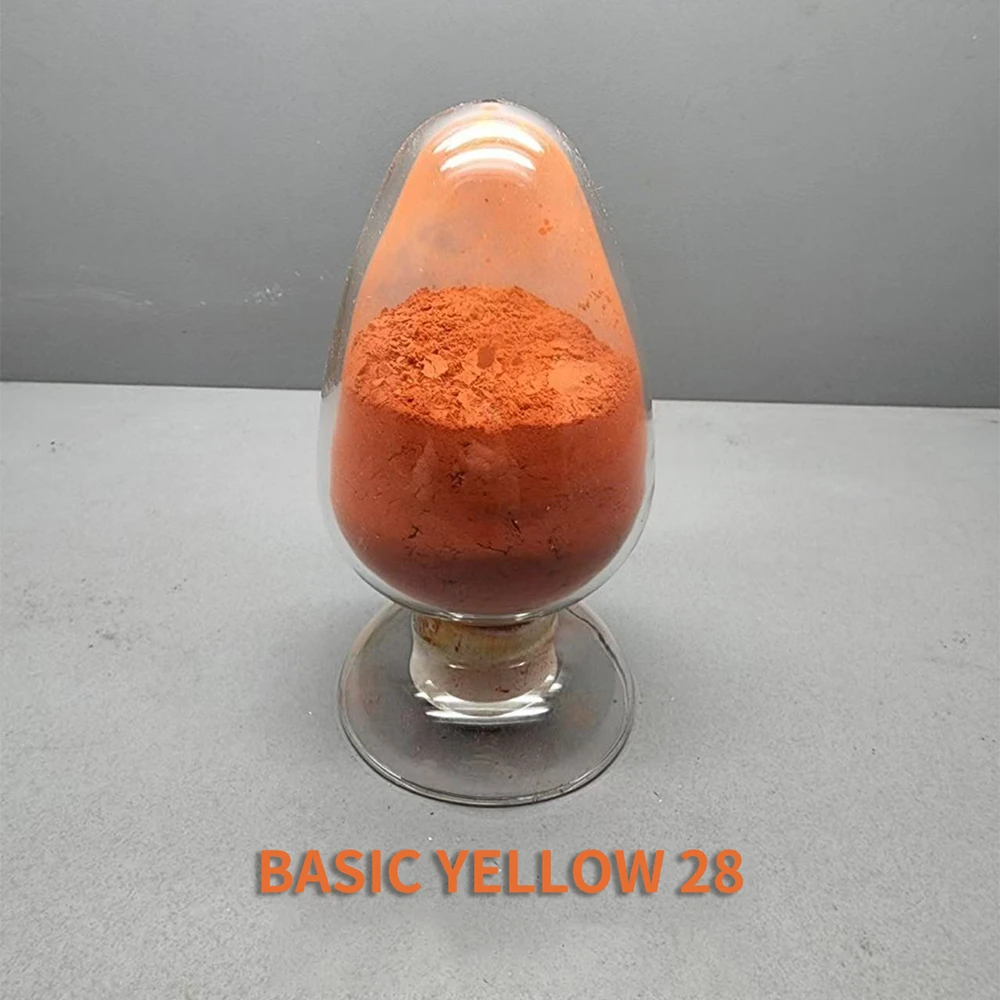
Basic Yellow Dyes: Industry Applications, Benefits, and Future Trends
Understanding Basic Yellow: More Than Just a Color in Industry
At first glance, basic yellow might sound like just a hue in the vast palette of dyes and pigments. Yet, its significance stretches well beyond mere aesthetics. Globally, basic yellow dyes play an essential role in industries ranging from textiles and printing to water treatment and even advanced biomedical applications. Why does this seemingly simple color matter? Well, understanding basic yellow and its uses can unlock better manufacturing methods, environmental sustainability, and unmistakable safety markers across countless sectors.
In fact, the global dye industry, according to market research derived from ISO and UN trade data, surpasses billions of dollars, with basic dyes comprising a significant slice of this. The demand shows no signs of slowing, especially as innovations atomize supply chains and push for eco-friendly alternates. Grasping what basic yellow entails explains a lot about our interconnected economy and sustainability efforts.
Global Context: Why Basic Yellow Matters Now More Than Ever
Imagine that the textile industry alone consumes roughly 1 million tons of dyes annually — a vast proportion of which includes basic dyes like basic yellow. The color is preferred for its vibrant tint and strong adherence properties. According to the World Bank, industries in Asia-Pacific and Europe lead consumption, underpinning textiles, food packaging, and even sanitation-related products.
However, alongside booming demand comes challenges — chemical waste management, environmental toxicity, and fluctuating raw material costs. It's in this interplay of growth and responsibility that basic yellow lurks as both a solution and a potential hazard. For instance, several UN environmental reports highlight the need for treating dye effluents, urging industries to adopt less-polluting alternatives or recycling techniques.
The environmental pressure, the rise of green chemistry, and pressure for corporate social responsibility increasingly shape how basic yellow is used and refined. Frankly, it’s a delicate balancing act — using this dye enough to meet demand but not so much as to spoil ecosystems or human health.
What Exactly is Basic Yellow?
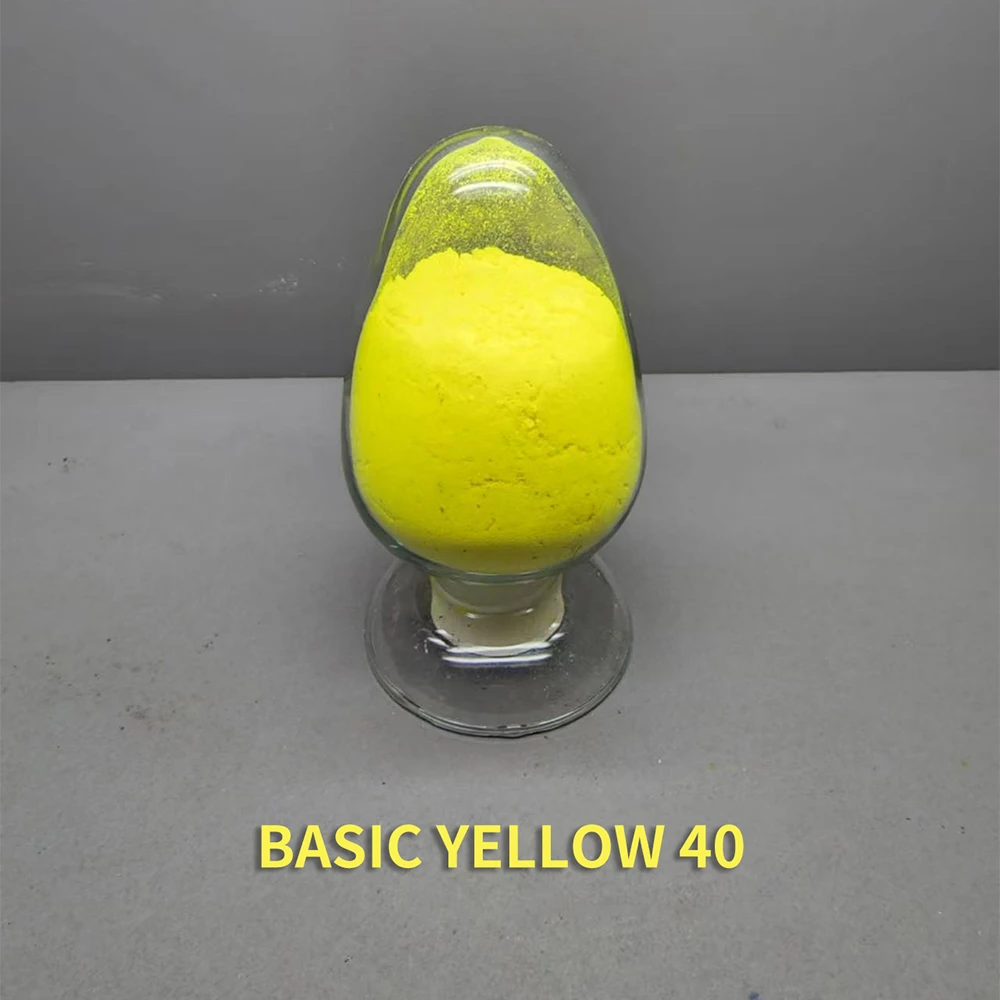
Simply put, basic yellow refers to a category of cationic (positively charged) dyes known for their vivid yellow color. Its molecular structure typically involves heterocyclic rings, making it highly soluble in water and excellent at binding with materials that carry a negative charge, such as acrylic fibers or paper.
In the industrial world, basic yellow dyes are prized not only for their intense color but for their rapid uptake and brightness, making them suitable for a variety of materials that demand quick drying and brilliant finishes. Oddly enough, beyond textiles, they appear in medical applications, such as staining tissues to highlight cell structures, and in sanitation products for indicating contamination.
So, when you hear "basic yellow," envision a class of bright, versatile dyes that connect chemistry with art, health, and industry.
Crucial Attributes of Basic Yellow That Matter Most
1. Brightness and Colorfastness
Basic yellow dyes deliver a sharp, vivid shade that remains stable even after prolonged exposure to light or washing. This makes them ideal for products that need a long-lasting, eye-catching color.
2. Water Solubility
Its excellent solubility allows for efficient application in aqueous dye baths or solutions, facilitating faster and more uniform dyeing processes.
3. Affinity for Certain Fibers
Basic yellow has a high affinity for synthetic fibers like acrylics, enabling superior coloration compared to direct or reactive dyes.
4. Ease of Application
Manufacturers appreciate its capacity for rapid uptake, reducing energy costs and speeding up production cycles — a big deal in fast-paced settings.
5. Environmental Considerations
While effective, the disposal of unused dye can present ecological risks if untreated; hence, greener processing alternatives are becoming industry standards.
Basic Yellow Around the World: Real-Life Applications
Industries and organizations worldwide harness the power of basic yellow. For example:
- Textile manufacturing: Countries like India, Bangladesh, and China utilize it heavily for acrylic garments, uniforms, and safety gear.
- Paper and printing: Japan and Germany lead in producing high-gloss paper treated with basic yellow pigments for packaging.
- Medical diagnostics: Labs in the US and Europe rely on basic yellow dyes for staining cells to detect diseases.
- Water treatment marking: Several NGOs use it in sanitation kits deployed in African and Southeast Asian regions to indicate contamination visually.
Additionally, post-disaster relief units appreciate brightly colored materials for rapid identification and safety marking, where basic yellow’s visibility can be life-saving.
Advantages and Long-Term Value of Using Basic Yellow
Cost-wise, basic yellow dyes strike a balance between economic efficiency and quality, allowing manufacturers to avoid expensive alternatives while maintaining product durability. Socially, the use of vivid yellow hues improves workplace safety — think reflective vests or warning labels that must stand out in chaotic environments. This means greater trust from consumers and regulators alike.
On an emotional level, colors trigger feelings of warmth and alertness; basic yellow embodies this, signaling caution but also energy and optimism, which brands appreciate.
Product Specification Table for a Typical Basic Yellow Dye
| Specification | Details |
|---|---|
| Chemical Type | Cationic (Basic) dye |
| Solubility | Water-soluble |
| Application | Textiles (acrylics), paper, biological staining |
| Color Hue | Bright, intense yellow |
| Lightfastness | Moderate to good |
| Typical pH Range | 4-7 (optimal) |
Vendor Comparison: Top Basic Yellow Suppliers
| Vendor | Product Range | Price Range (per kg) | Sustainability Commitment | Lead Time |
|---|---|---|---|---|
| ColorChem Inc. | Basic Yellow 2G, 4G | $8–$12 | Certified ISO 14001, eco-packaging | 2–3 weeks |
| YanHong Chemicals | Basic Yellow BL, Basic Yellow 11 | $7–$10 | Wastewater treatment tech, green synthesis | 1–2 weeks |
| SunDye Industries | Basic Yellow 11, Basic Yellow 4RB | $9–$13 | Carbon-neutral goals by 2030 | 3–4 weeks |
Future Trends: Where is Basic Yellow Headed?
Industry experts and chemists suggest the future of basic yellow will focus heavily on sustainability. This includes biodegradable dye formulations and closed-loop manufacturing to minimize wastewater impact. Plus, with digital textile printing on the rise, dyes like basic yellow are being reformulated for compatibility with inkjet technology — fulfilling the demand for fast, customized production with less environmental footprint.
Automation in textile plants means more precise dosage and mixing, which reduces waste and energy. Meanwhile, policy shifts from bodies like the UN Environmental Programme urge tighter regulations, steering suppliers toward green certifications.
I noticed that certain startups are experimenting with nanotechnology to enhance dye adhesion naturally, possibly surpassing traditional synthetic routes in a decade or so. These developments make it worth keeping an eye on the industry ...
Common Challenges and How Experts Are Tackling Them
- Environmental impact: Untreated dye effluent can pollute waterways. Solution? Advanced wastewater treatments and enzyme-based dye degradation.
- Regulatory compliance: Varied global standards require adaptable production. Larger vendors increasingly focus on ISO certifications.
- Color degradation: Some batches fade faster than desired; thus, chemical tweaks and stabilizers improve longevity.
- Raw material fluctuations: Alternative bio-based precursors are being explored to reduce dependency on petroleum derivatives.
Experts agree that partnerships between manufacturers, governments, and consumers are key to overcoming these obstacles, alongside continued R&D funding.
FAQ: Frequently Asked Questions About Basic Yellow
Q1: Is basic yellow safe for use in food packaging?
A1: Generally, basic yellow dyes used in food packaging must meet strict regulatory norms such as FDA or EFSA approval. Some variants are approved for indirect contact but always verify specific certification for your product.
Q2: How long does basic yellow typically last on textiles?
A2: When applied correctly, basic yellow dyes offer moderate to good lightfastness, often lasting months or years depending on exposure conditions and fabric type.
Q3: Can basic yellow dyes be recycled or reused?
A3: While direct reuse is uncommon, sophisticated filtration and water treatment techniques can recover dye compounds, reducing waste and environmental discharge.
Q4: How does humidity affect basic yellow dye application?
A4: High humidity can slow drying but doesn't usually impact color intensity. Controlled environments improve consistency in industrial settings.
Q5: Are there eco-friendly alternatives to basic yellow dyes?
A5: Yes, bio-based natural dyes and recent green syntheses aim to replace traditional cationic dyes, although they may not yet match brightness or cost efficiency fully.
Wrapping Up: Why Basic Yellow Should Be on Your Radar
In this palette of industrial dyes, basic yellow stands out not only for its vibrant hue but its broad applicability, economic value, and role in a sustainable future. Whether you're a manufacturer, supplier, or just a curious industry enthusiast, understanding the dye’s specifications, challenges, and innovation pathways opens doors to smarter, safer practices.
Feeling inspired? Dig deeper with basic yellow products and solutions that blend chemistry with environmental care.
References:
-
Magenta Fabric Dye for Industrial Textile Solutions | YanhongChemNewsJan. 02, 2026
-
Comprehensive Guide to Fabric Dye Price Factors and Optimization StrategiesNewsFeb. 27, 2026
-
Mustard Fabric Dye: Durable & Sustainable Color Solutions for Industrial Fabrics | YanhongchemNewsJan. 05, 2026
-
Fabric Dye On Human Hair | Durable, High-Performance Dye Solutions from Yanhong ChemNewsDec. 03, 2025
-
What You Should Know About Basic Dye Manufacturers: Industry Insights & TrendsNewsDec. 03, 2025
-
Comprehensive Guide to Effectively Setting Dye in Fabric for Lasting ColorNewsMar. 03, 2026