Magenta Fabric Dye for Industrial Textile Solutions | YanhongChem
Magenta Fabric Dye is a key solution in the industry, specifically within textile manufacturing and industrial dyeing sectors. This article explores how https://www.yanhongchem.com supports professionals with durable, high-performance products, and explains why this product is an ideal choice for businesses in these sectors.
Table of Contents
- Magenta Fabric Dye Overview
- Benefits & Use Cases of Magenta Fabric Dye
- Cost, Maintenance & User Experience
- Sustainability & Market Trends
Magenta Fabric Dye Overview
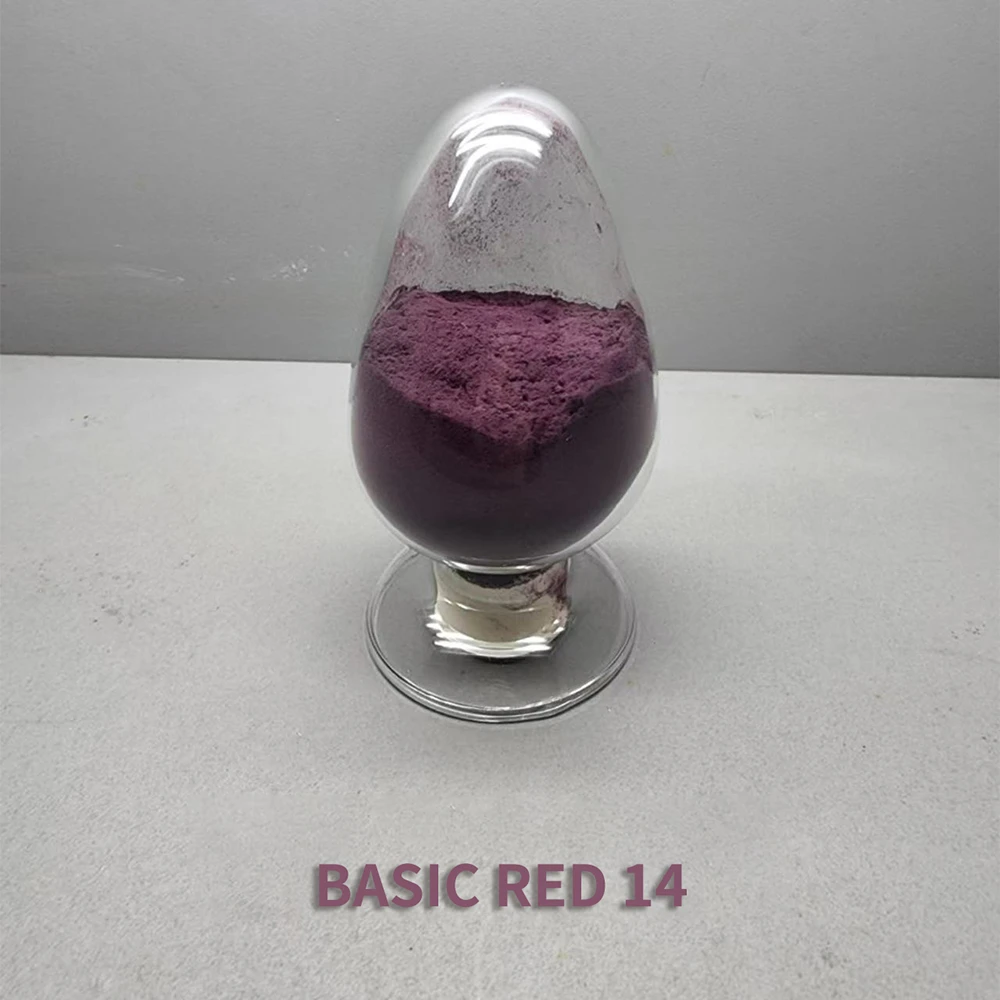
Magenta Fabric Dye, essentially a vivid, reliable pigment solution, plays an indispensable role in modern textile dyeing applications. It’s a synthetic dye renowned for its bright, lasting color and compatibility with various fabric types, from cotton to synthetics. Frankly, in the world of industrial dyeing, having a dye that can deliver consistent, vibrant magenta hues without compromising durability feels like a great win. The chemistry behind this dye offers excellent fastness properties, meaning it resists fading even after repeated washing or exposure to sunlight.
- Magenta Fabric Dye is composed of reactive and acid dye components, designed for a range of fibers with great affinity.
- Technical specs include high color strength (up to 350%), excellent wash and light fastness ratings, as well as low toxicity ingredients compliant with industry safety standards.
| Specification | Value |
|---|---|
| Color Strength | 350% ± 10% |
| Wash Fastness | Grade 4-5 (ISO 105-C06) |
| Light Fastness | Grade 6 (ISO 105-B02) |
| Applicable Fabrics | Cotton, Polyester, Nylon |
| Toxicity | OEKO-TEX Certified, Non-toxic |
Benefits & Use Cases of Magenta Fabric Dye
In real terms, Magenta Fabric Dye stands out because it can be applied easily across a variety of textile products — think apparel, upholstery, uniforms, and even technical textiles like outdoor gear. Its bright, consistent shade is particularly prized in fashion and branding, where color precision isn’t just nice, it’s essential. Plus, the dye’s fastness qualities ensure the color won’t bleed or fade quickly, which frankly saves money and reputation in the long run.
- Widely used in bulk textile production lines for garments and industrial fabrics.
- Offers excellent wash and light fastness superior to many legacy dyes, reducing reworks and returns.
- Compatible with automated dyeing equipment, helping businesses optimize workflow efficiency.
- Environmentally friendlier formulation compared to older azo-based magenta dyes.
Cost, Maintenance & User Experience
When evaluating total cost of ownership, Magenta Fabric Dye proves its worth. Yes, the upfront price might be slightly above generic dyes, but durability means fewer replacements or quality complaints. So, the ROI—return on investment—is generally better than one would expect. Many users report satisfaction not just with the performance but with easier maintenance, since garments dyed with this product handle industrial laundering without noticeable damage.
- Durability reduces frequency of re-dyeing or product failure.
- Customer feedback highlights consistent shade reproduction across batches—a big deal for brand integrity.
- Lower maintenance costs in the supply chain due to resistance to washing out or fading.
Vendor Comparison Table
| Feature | YanhongChem | Competitor A | Competitor B |
|---|---|---|---|
| Color Fastness | Grade 5 | Grade 4 | Grade 3-4 |
| Environmental Certification | OEKO-TEX | None | ISO 14001 |
| Application Ease | High (automated ready) | Medium | Low |
| Price Level | Mid | Low | High |
Sustainability & Market Trends
Oddly enough, sustainability in dyes is increasingly in the spotlight, and Magenta Fabric Dye options from suppliers like YanhongChem emphasize eco-friendly formulations. They target not only regulatory compliance—such as REACH in Europe and EPA norms in the US—but also growing industry pressure to reduce toxic byproducts. Using dyes with low environmental impact, and certified safe for consumers, is fast becoming the baseline requirement. Furthermore, the market for quality fabric dyes, especially those offering reliable performance with greener credentials, is projected to expand steadily, driven by textile producers’ commitments to sustainable operations.
- Regulatory frameworks are tightening, encouraging adoption of non-toxic, biodegradable dyes.
- Consumer demand for eco-friendly textiles adds pressure on manufacturers to use sustainable dyes.
- Technological innovations in dye chemistry continuously improve environmental profiles without sacrificing quality.
Frequently Asked Questions about Magenta Fabric Dye
- What is Magenta Fabric Dye and how does it work?
- Magenta Fabric Dye is a synthetic coloring agent specifically formulated to impart vivid magenta hues on various textile substrates. It works by chemically binding with fiber molecules, either through covalent bonds in reactive dyes or ionic interactions in acid dyes, which ensures long-lasting colorfastness and brightness.
- What are the main benefits of using Magenta Fabric Dye in industrial applications?
- Key advantages include exceptional color durability under washing and sunlight, compatibility with a wide range of fibers, and reduced environmental footprint compared to some older dyes. This leads to cost savings on product returns and better consumer satisfaction.
- How does Magenta Fabric Dye compare to traditional alternatives?
- Compared to traditional pigment or azo dyes, Magenta Fabric Dye offers higher color fastness, safer chemical composition, and greater application flexibility. Its technological improvements mean less environmental impact and improved process efficiency.
- What industries can benefit most from Magenta Fabric Dye implementation?
- Textile apparel manufacturers, furniture upholstery producers, technical fabric suppliers, and uniform makers are some of the primary beneficiaries. For instance, corporate uniform suppliers appreciate the dye for preserving brand colors over long service periods.
Conclusion on Magenta Fabric Dye from china
In summary, Magenta Fabric Dye offers an excellent balance of durability, vibrancy, and environmental responsibility that makes it a valuable asset for industrial textile operations. If your business values consistency in color quality alongside sustainability, it’s certainly worth a look. Did I mention you can visit their website for detailed specs and inquiries? It’s all there, ready for decision makers who want efficiency plus peace of mind.
- Reliable, high-performance Magenta Fabric Dye tailored for industry needs.
- Visit our website: https://www.yanhongchem.com
Reference List:
1. ISO Textile Fastness Standards, International Organization for Standardization.
2. OEKO-TEX Certification for Textile Chemicals.
3. Market Research on Sustainable Textile Dyes, Textile World Journal, 2023.
-
Fabric Dye For Furniture: Durable, Sustainable Solutions for B2B ManufacturersNewsDec. 08, 2025
-
Fabric Dye for Bleach Stains – Restore and Recolor Textiles EasilyNewsJan. 06, 2026
-
Professional Fabric Dye for Industrial Use - Yanhong ChemNewsDec. 31, 2025
-
Basic Red 46 Dye - High-Purity, Bright Shade, Fast DeliveryNewsNov. 13, 2025
-
Outdoor Fabric Dye: Durable & UV-Resistant Options for IndustryNewsDec. 09, 2025
-
Fabric Dye Solutions for B2B Textile Industry | YanhongChemNewsDec. 03, 2025