Basic Dye in Microbiology: Essential Tools for Health and Science
Understanding Basic Dye in Microbiology: A Vital Tool in Science and Medicine
At first glance, the term basic dye in microbiology might sound like specialized jargon reserved for lab coats and microscopes. But in reality, this simple tool touches many aspects of global health, research innovation, and even industrial processes. Basically, it’s all about making tiny microbes visible — which is essential to diagnosing diseases, ensuring hygiene, and even advancing biotechnology in a sustainable way.
Why does this matter globally? Because every year millions suffer from infections or food contamination that could be detected earlier if we used better staining techniques. Basic dyes help illuminate bacteria or pathogens that are otherwise invisible, playing a silent but critical role in public health and quality control worldwide.
The Global Relevance of Basic Dyes in Microbiology
According to the World Health Organization (WHO), infectious diseases remain a leading cause of death in low- and middle-income countries, where microbiological diagnostics are often challenged by limited infrastructure. Here, basic dyes serve as inexpensive, reliable reagents to quickly reveal critical microbial details under the microscope.
An ISO report on microbiological safety also highlights how stain quality greatly affects laboratory accuracy, a subtle factor with immense stakes for governments battling outbreaks or years-long contamination problems. But oddly enough, despite their importance, basic dyes have received little attention outside research circles. That’s why today’s spotlight is well deserved.
Challenges persist — from the availability of quality dyes to environmental concerns tied to chemical disposal — but the benefits outweigh drawbacks, especially when paired with new sustainable practices.
Mini takeaway: Basic dyes are quietly foundational to global health diagnostic efforts, especially in resource-limited settings.
What Is a Basic Dye in Microbiology?
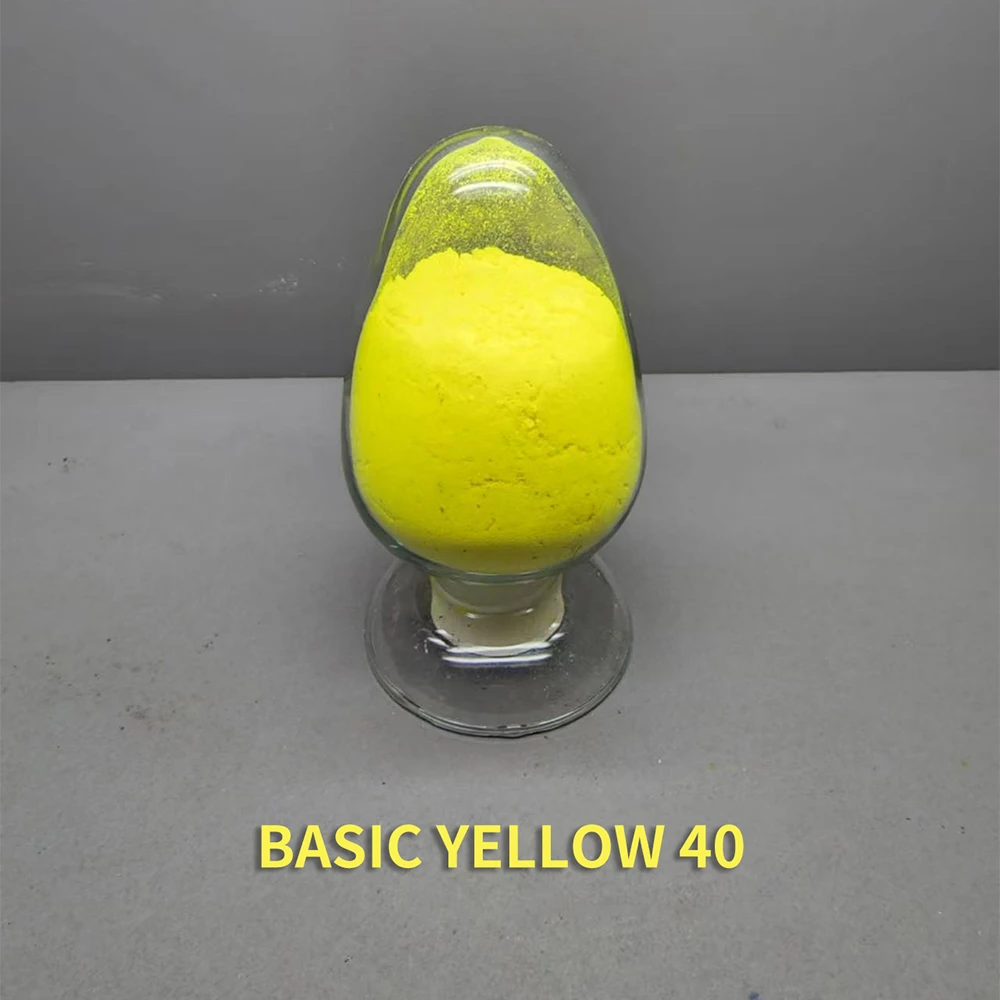
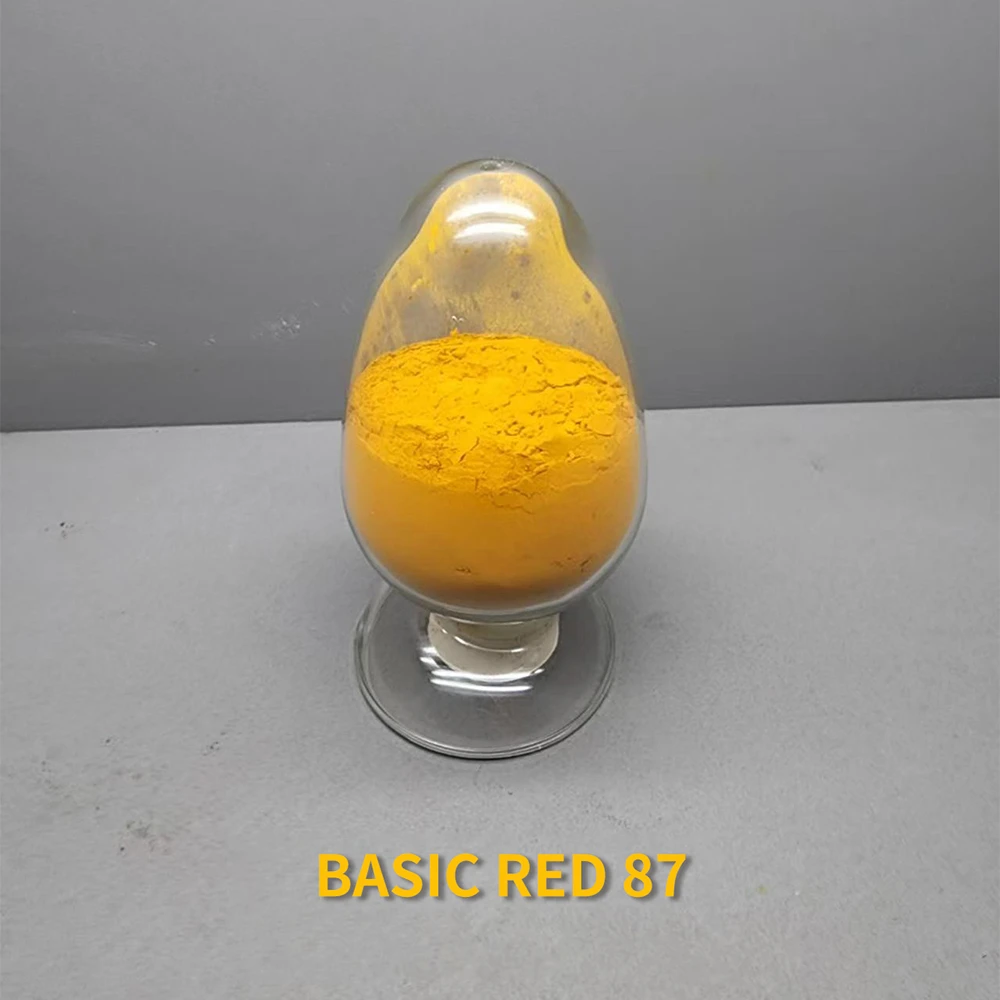
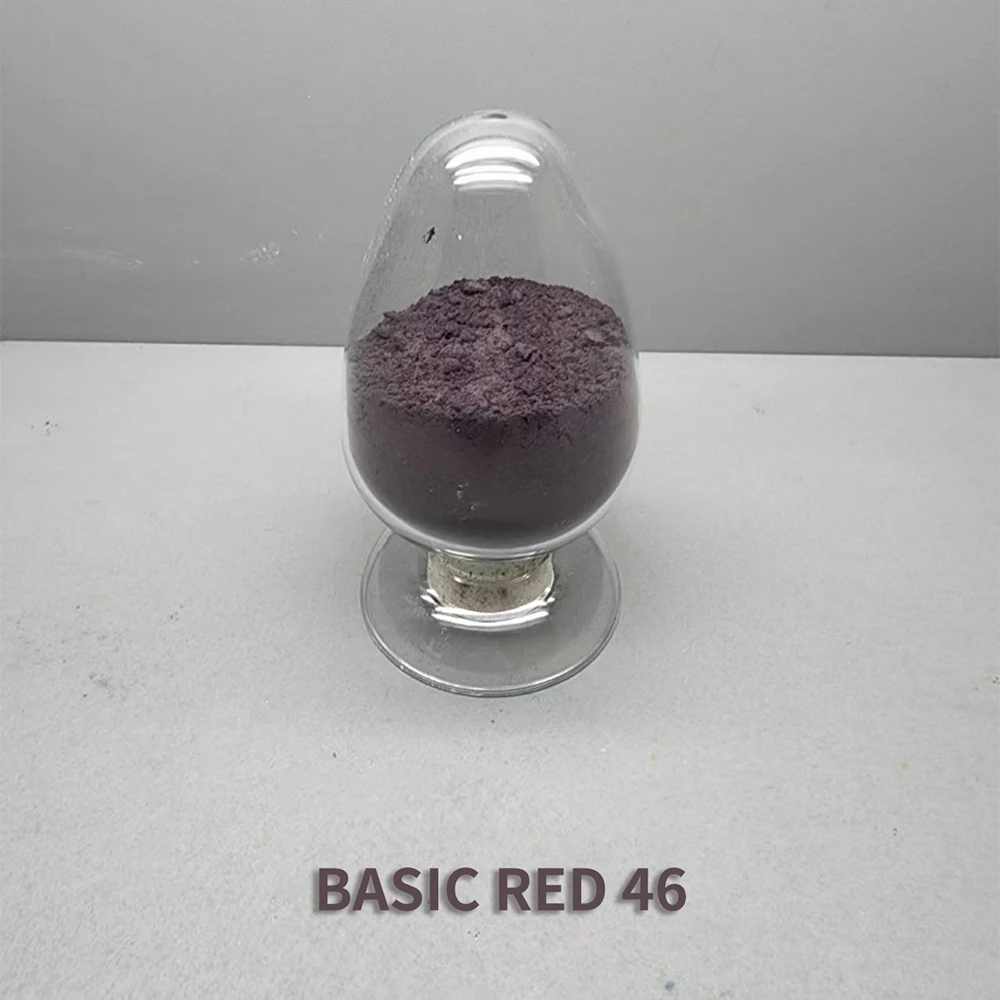
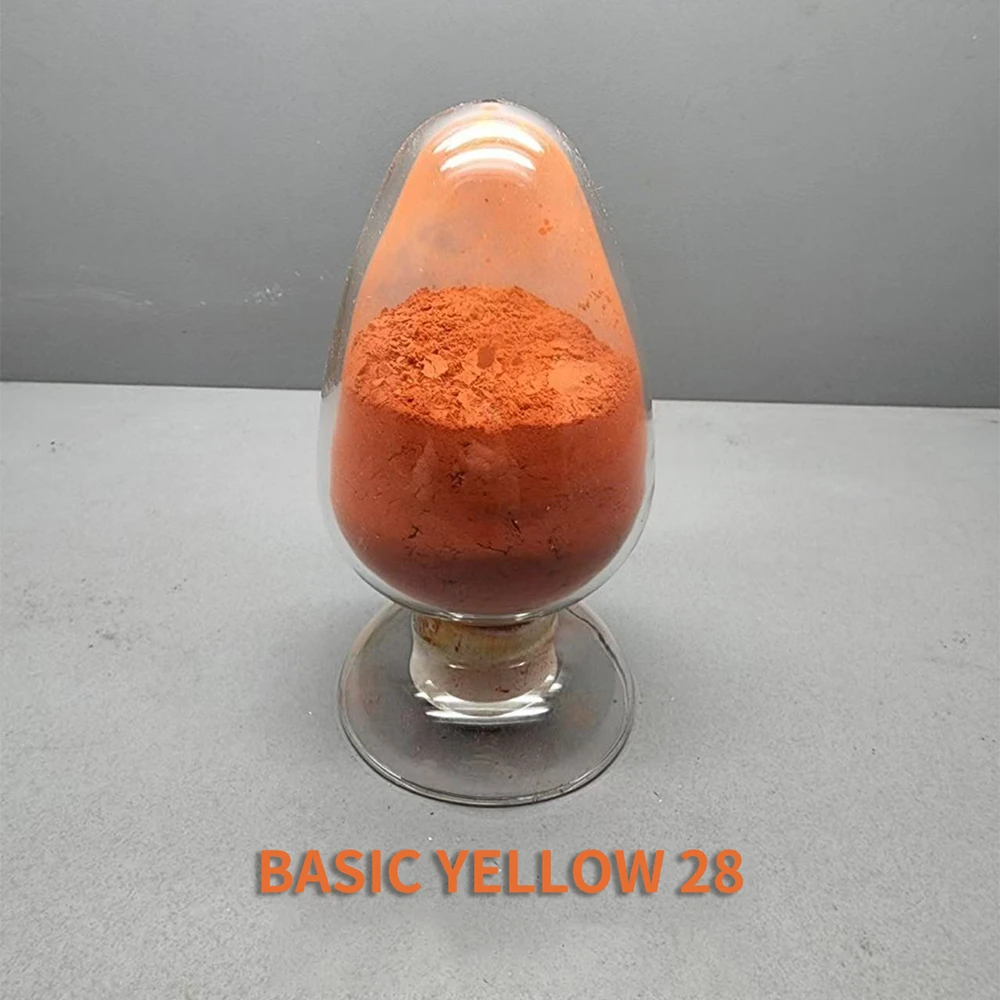
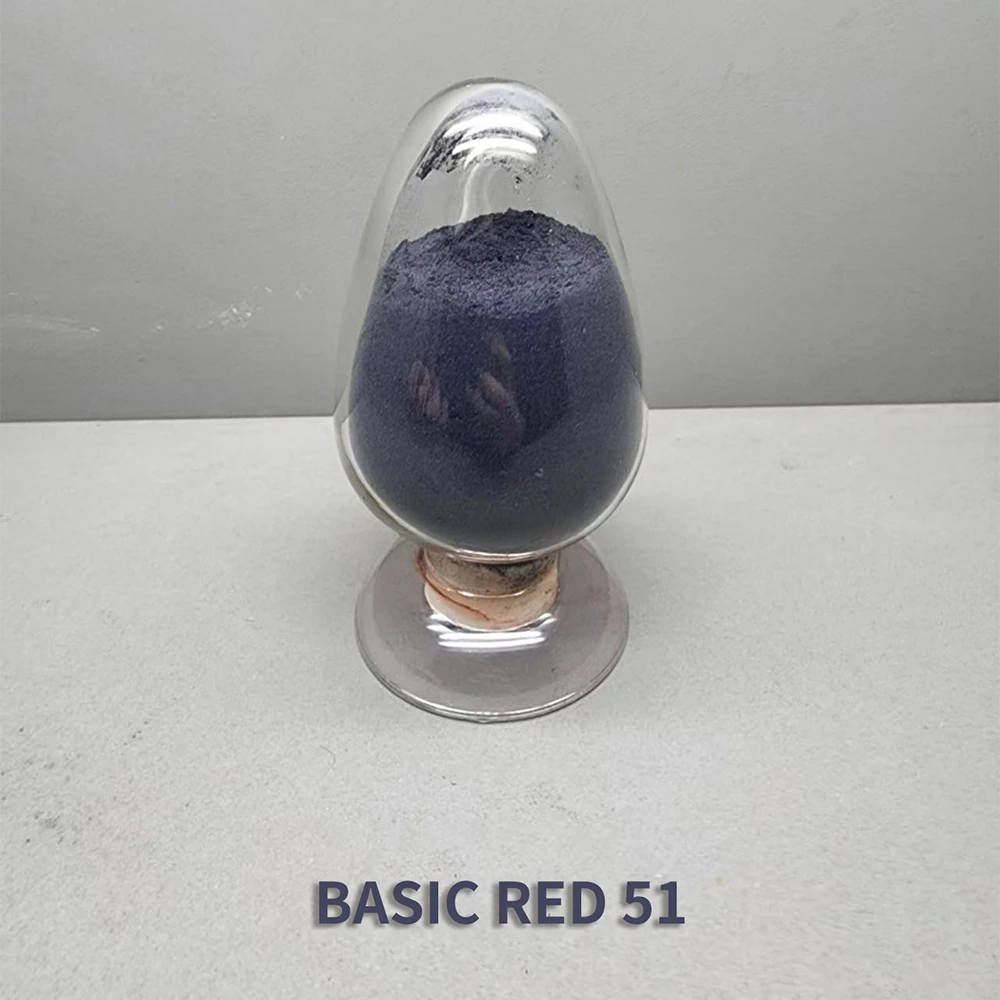
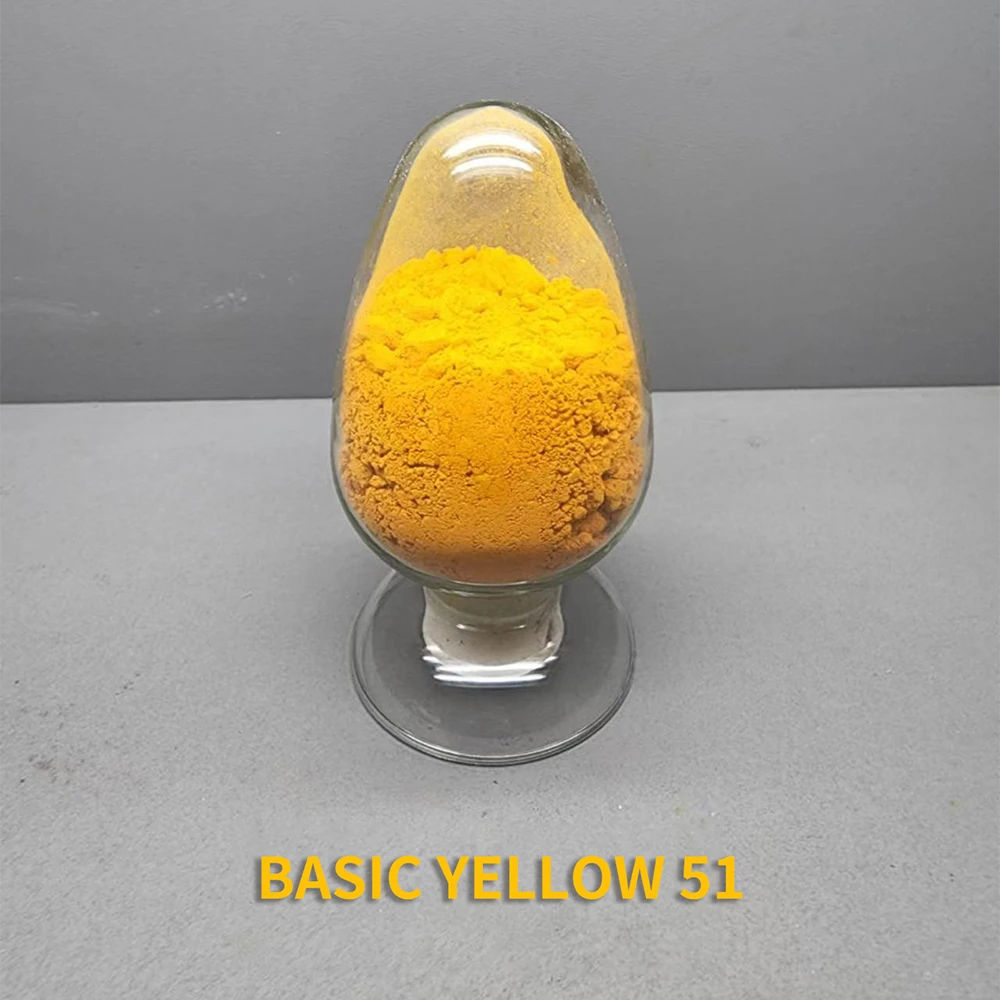
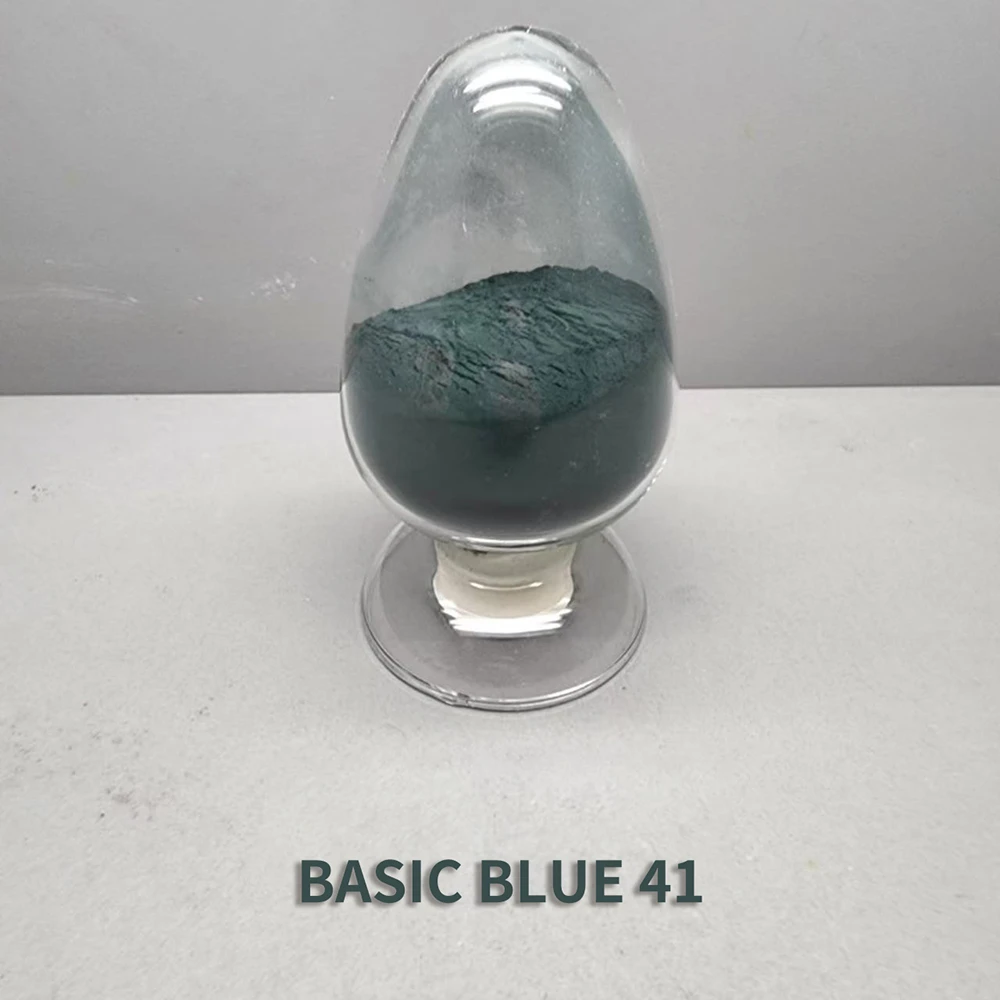
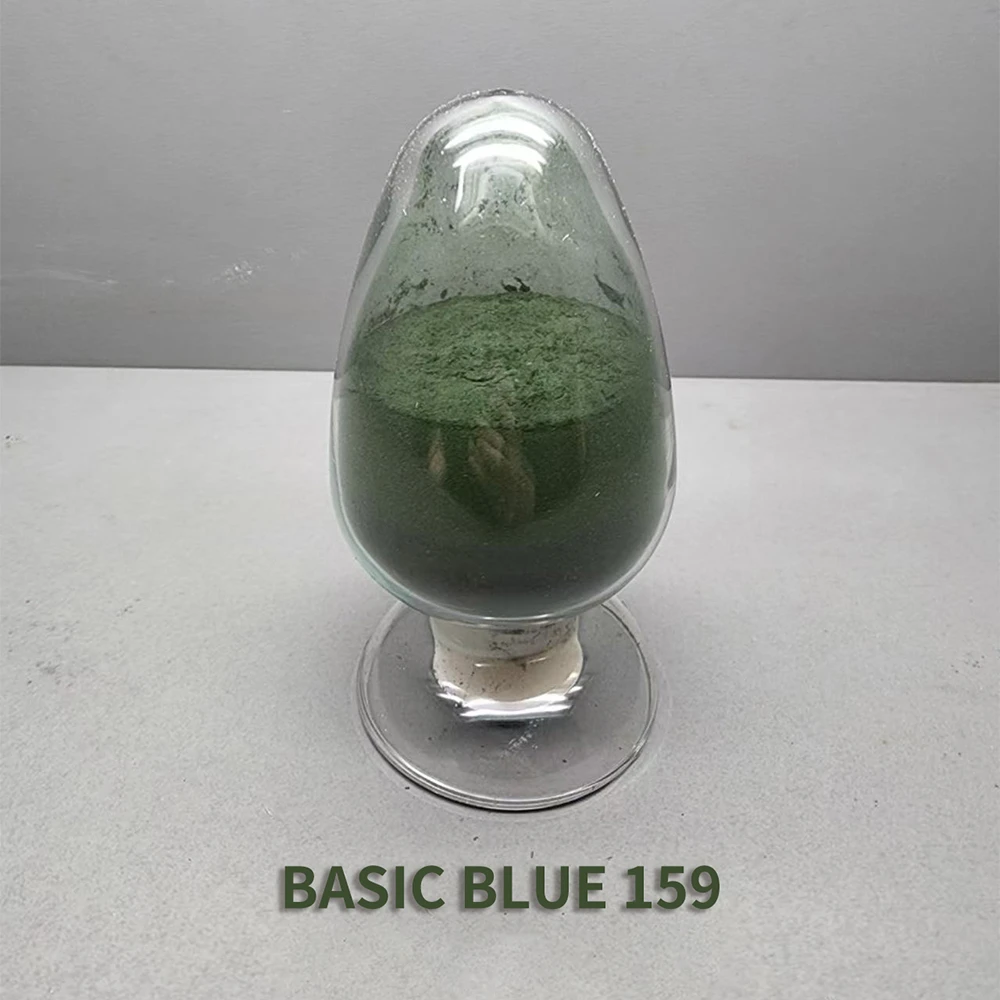
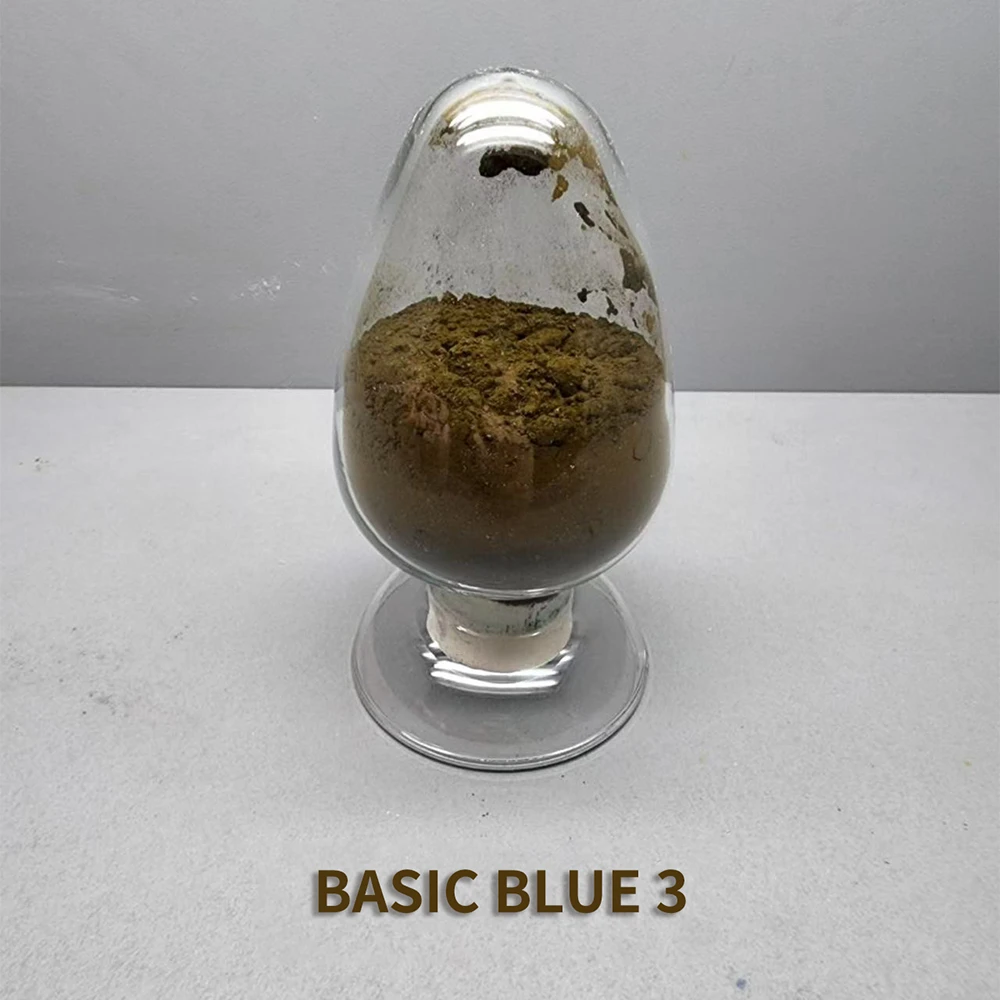
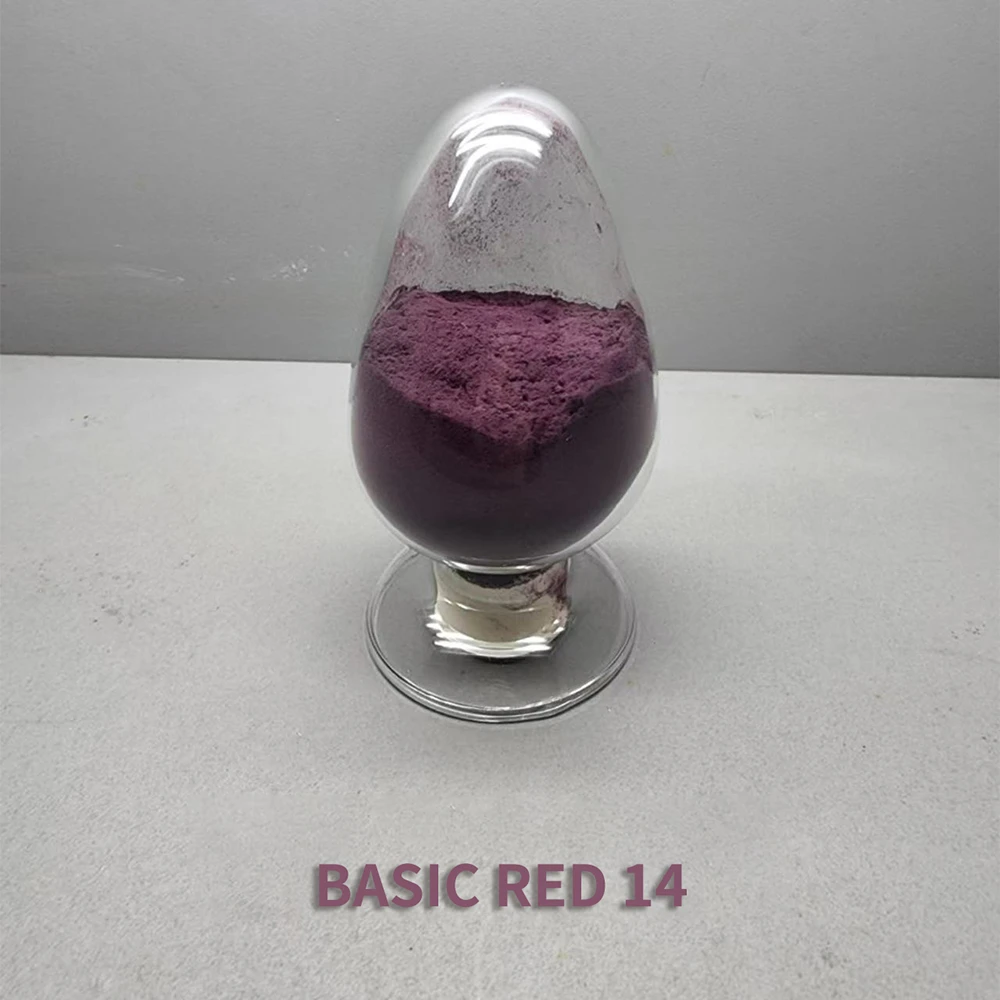
Put simply, a basic dye is a positively charged (cationic) dye used to stain negatively charged components of microbial cells — typically their cell walls or nucleic acids. The attraction between opposite charges makes microbes brightly visible against a dull or clear background under light microscopes.
The connection to modern industry is actually pretty direct. In clinical labs, these dyes help identify bacteria type quickly; in food processing, they ensure contamination-free products; and they’re increasingly used in environmental monitoring to detect biofilms or pollutants. You might like to check out basic dye in microbiology resources for deeper insights on their chemical nature.
So, it's a bridge between microscopic details and practical treatments or interventions.
Key Factors That Define Basic Dyes in Microbiology
1. Affinity & Selectivity
Basic dyes are designed to bind selectively to negatively charged microbial surfaces. That's why methylene blue or crystal violet work well — they reliably highlight structures you want to see without unnecessary background noise. A bit like tuning a radio to just the right station.
2. Stability and Shelf Life
The dyes must be stable under various storage conditions — humidity, temperature, and light exposure affect their usability. Labs often encounter degraded dyes, which can mess up staining results and force extra sample prep.
3. Cost Efficiency
Since many labs function on tight budgets, cost-effective dyes that don’t compromise quality are useful. The balance is essential: too cheap, and you risk false negatives; too expensive, and accessibility drops.
4. Environmental Impact
The disposal of dyes and their waste streams poses environmental questions. Modern research is pushing toward biodegradable or less toxic versions, especially to comply with evolving global standards.
5. Ease of Use & Protocol Adaptability
A dye’s compatibility with standard staining protocols (Gram, Acid-fast) matters a lot. This adaptability makes it suitable both for academic research and routine medical diagnostics.
Mini takeaway: The best basic dyes mix strong affinity, good stability, affordability, and eco-friendliness — not always easy to find all in one.
Where Are Basic Dyes Making a Difference Globally?
From bustling hospitals in Europe to field labs in sub-Saharan Africa, basic dyes are indispensable. For example:
- Healthcare: Used to quickly diagnose tuberculosis through Acid-Fast staining or detect bacterial infections via Gram staining.
- Food Industry: Ensures microbial contamination is spotted before products hit supermarket shelves.
- Environmental Monitoring: Detects and tracks microbial pollution in rivers and soil.
- Education & Research: Fundamental in teaching microbiology and developing novel microbial assays worldwide.
In remote industrial zones, simple staining can guide sanitation efforts; in post-disaster relief health clinics, quick tests using basic dyes speed up infection control.
Mini takeaway: Basic dyes are a silent backbone across vastly different sectors, from raw food safety to lifesaving diagnostics.
Advantages of Using Basic Dye in Microbiology
The benefits are both straightforward and profound:
- Cost-Effective: Basic dyes are generally inexpensive, enabling widespread use.
- Reliable Visualization: They provide clear, reproducible staining results vital for accurate diagnosis.
- Speed: Quick staining procedures help make real-time decisions possible.
- Support Sustainability: Advances in green chemistry are making dyes less harmful, impacting ecological footprints positively.
- Social Impact: Empowering resource-limited labs with accessible tools improves community health and dignity.
The trust placed in these basic chemical stains is, frankly, a small miracle. They turn invisible lifeforms into clear answers and save countless lives in the process.
Product Specification: Typical Basic Dyes Used in Microbiology
| Dye Name | Chemical Formula | Primary Use | Color | Solubility |
|---|---|---|---|---|
| Methylene Blue | C16H18ClN3S | Nucleic acid staining | Blue | Water-soluble |
| Crystal Violet | C25H30ClN3 | Gram staining | Purple | Alcohol-soluble |
| Safranin | C20H19ClN4 | Counterstain in Gram staining | Red | Water-soluble |
Vendor Comparison: Popular Basic Dye Suppliers
| Vendor | Product Range | Pricing (per 100g) | Eco-Friendly Options | Global Shipping |
|---|---|---|---|---|
| Yanhong Chemical | Full range of basic & acid dyes | $45-$60 | Yes | Worldwide |
| Sigma-Aldrich | Widest scientific catalog | $50-$100 | Limited | Worldwide |
| Thermo Fisher | High-purity specialty dyes | $70-$120 | Yes | Worldwide |
Emerging Trends and Innovations
The world of basic dyes is evolving. Researchers are developing nano-formulated dyes to improve staining precision and reduce dye amounts. Green chemistry is pushing formulations free of heavy metals or carcinogenic residues. Digital microscopy combined with fluorescent versions of basic dyes is speeding up microbial detection in automated, AI-powered labs.
Policies worldwide, especially within the EU, are encouraging manufacturers to audit chemical footprints, so future dyes could be greener, safer, and perhaps even biodegradable. These innovations might redefine how microbiology labs run in the next decade.
Challenges and Smart Solutions
Let’s be honest: basic dyes aren’t perfect. Sometimes staining results vary because of dye batch inconsistencies or user error. Disposal can be tricky, especially for dyes with heavy metals. Also, in harsh environments, dyes degrade faster.
However, quality certifications (like ISO 9001) and rigorous supplier audits, such as those offered by producers like Yanhong Chemical, mitigate these issues. Training users and standardizing protocols help labs avoid common pitfalls — a relatively simple improvement with outsized impact.
FAQ: What You Might Want to Know About Basic Dye in Microbiology
- What is the main difference between basic and acidic dyes in microbiology?
- Basic dyes carry a positive charge and bind to negatively charged cell components, like nucleic acids, coloring the cells themselves. Acidic dyes, negatively charged, generally stain the background instead, providing contrast. Both are essential but used differently in staining procedures.
- How long do basic dyes typically last in storage?
- When stored properly—usually in a cool, dark place—basic dyes can last from one to two years without significant loss of staining ability. However, factors like humidity and container integrity affect this, so regular quality checks are advisable.
- Can basic dyes be safely disposed of in regular lab waste?
- Not usually. Since some basic dyes contain toxic components, disposal requires following local hazardous waste guidelines. Some suppliers offer take-back programs or suggest neutralization treatments to minimize environmental harm.
- Are there eco-friendly basic dyes available?
- Yes, a number of manufacturers now offer dyes formulated under green chemistry principles, reducing harmful solvents and additives. Choosing these environmentally safer options helps labs comply with stricter regulations and supports sustainability goals.
In Conclusion: The Quiet Power of Basic Dye in Microbiology
Basic dye in microbiology — simple, yet profoundly impactful — helps us see the invisible world with clarity and confidence. For anyone involved in diagnostics, research, or quality control, having reliable dyes isn’t a luxury; it’s a lifeline. Plus, with global health challenges and environmental priorities growing, the dye industry is adapting fast.
If you want to explore high-quality, sustainable basic dyes that can transform your lab’s effectiveness, feel free to visit our website: https://www.yanhongchem.com. There's a wealth of resources waiting for you.
References:
-
Magenta Fabric Dye for Industrial Textile Solutions | YanhongChemNewsJan. 02, 2026
-
Fabric Dye for Bleach Stains – Restore and Recolor Textiles EasilyNewsJan. 06, 2026
-
Dark Grey Fabric Dye – Durable Industrial Textile Solutions | Yanhong ChemicalNewsDec. 10, 2025
-
Comprehensive Guide to the Cationic Dyeable Polyester Process: Sustainability and InnovationNewsDec. 03, 2025
-
China Basic Dye Factory: High-Purity Dyes, Fast DeliveryNewsDec. 13, 2025
-
Purple Fabric Dye: Durable, Sustainable, and Vibrant Textile SolutionsNewsDec. 05, 2025