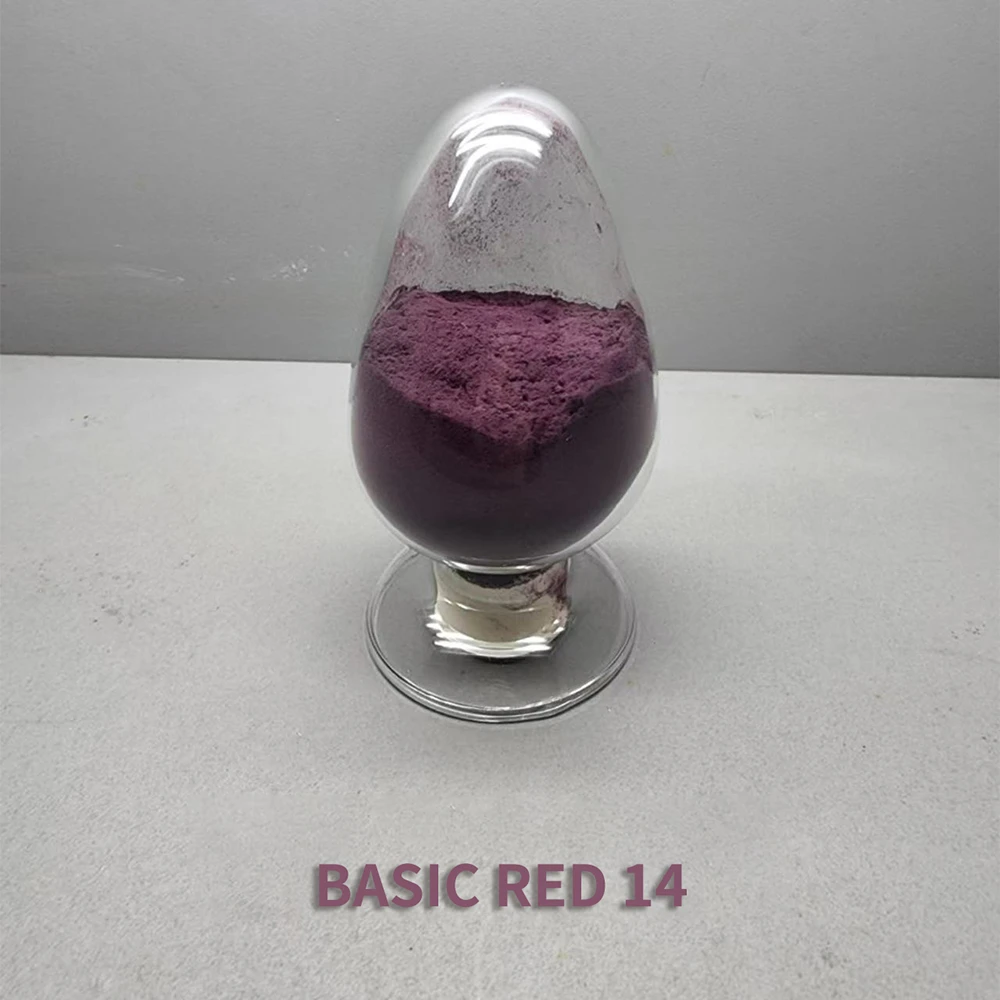
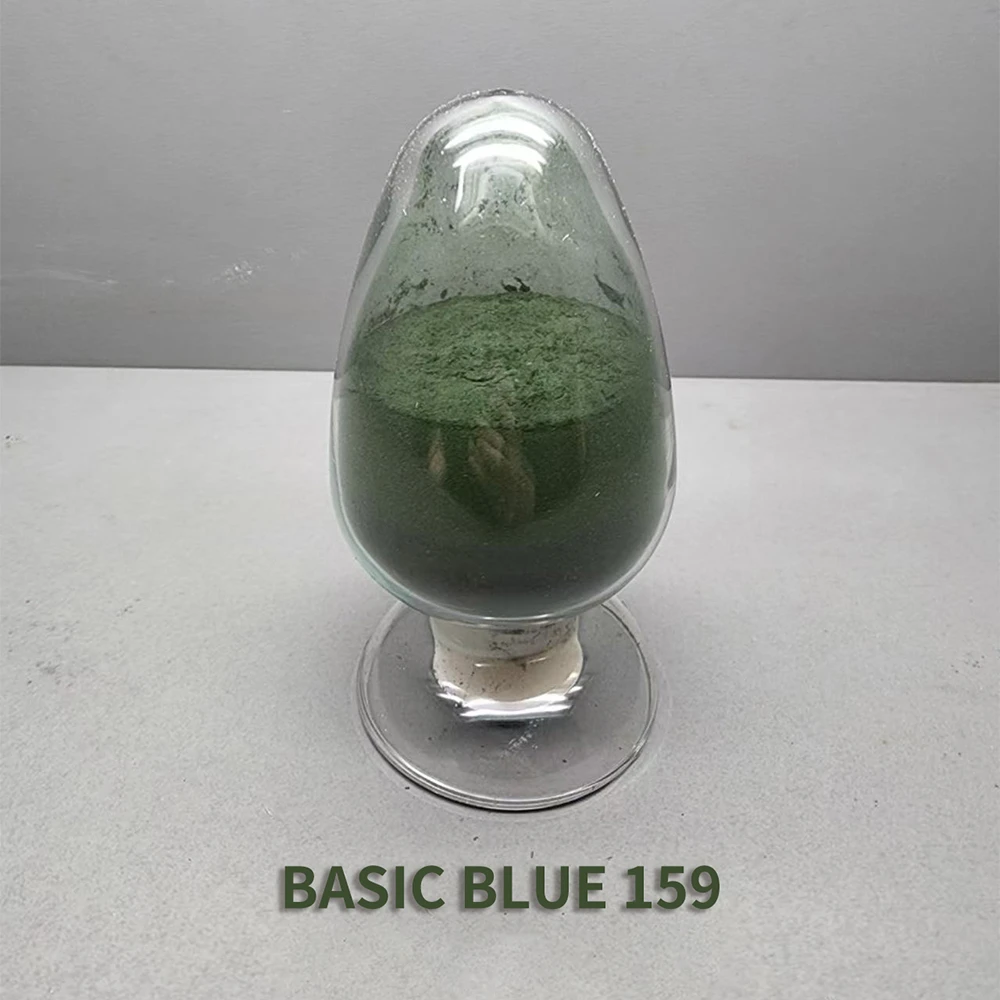
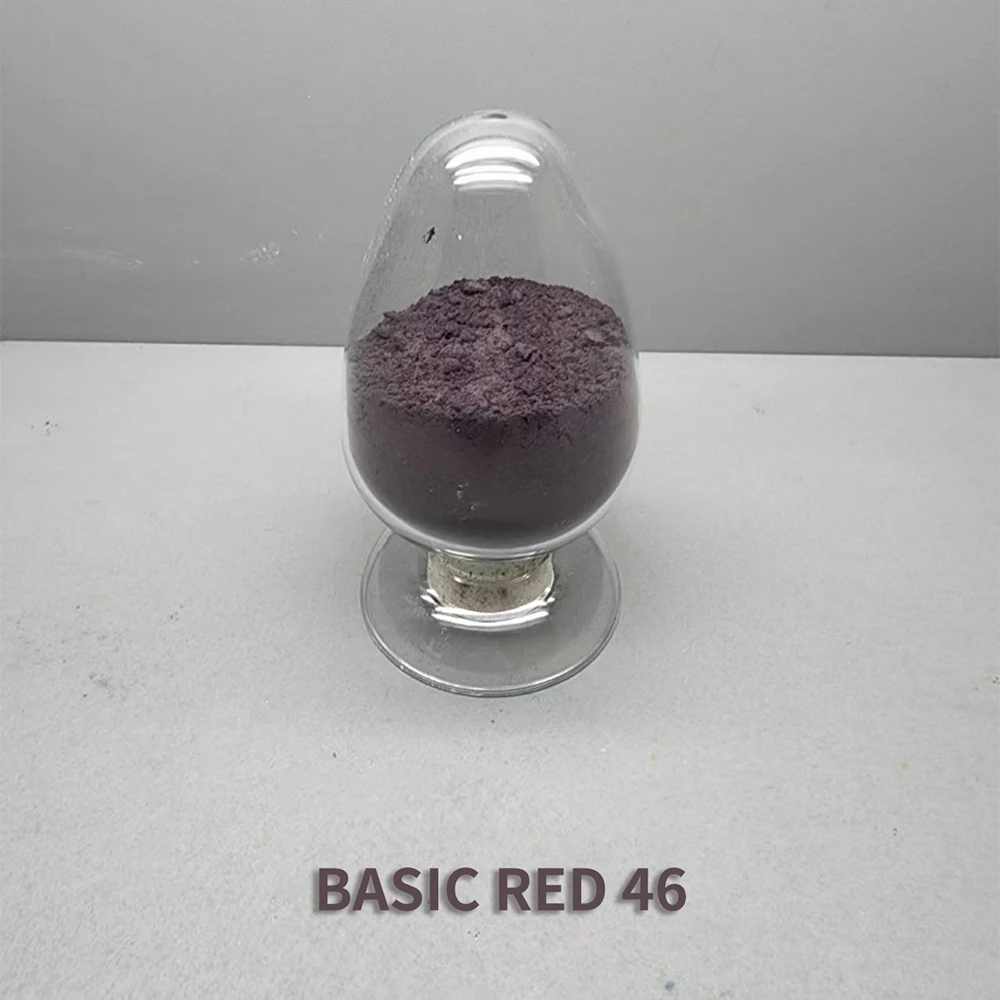
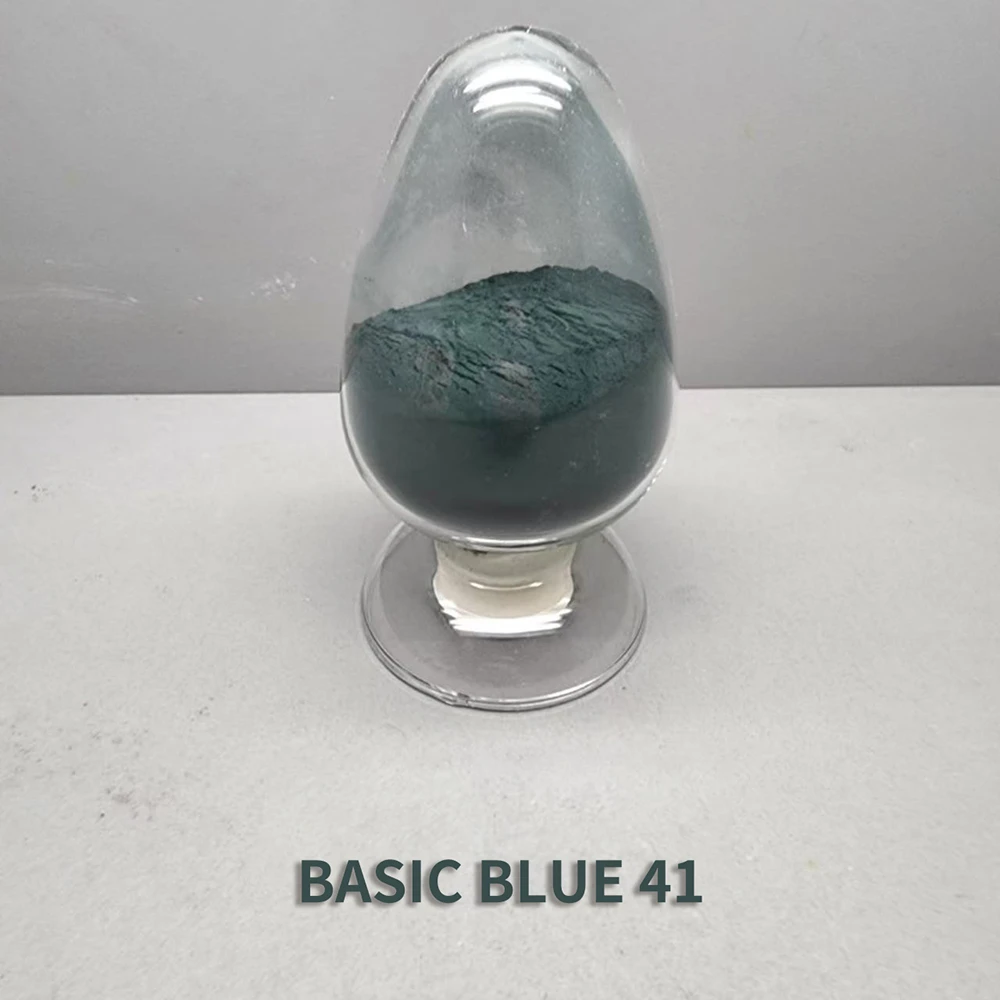
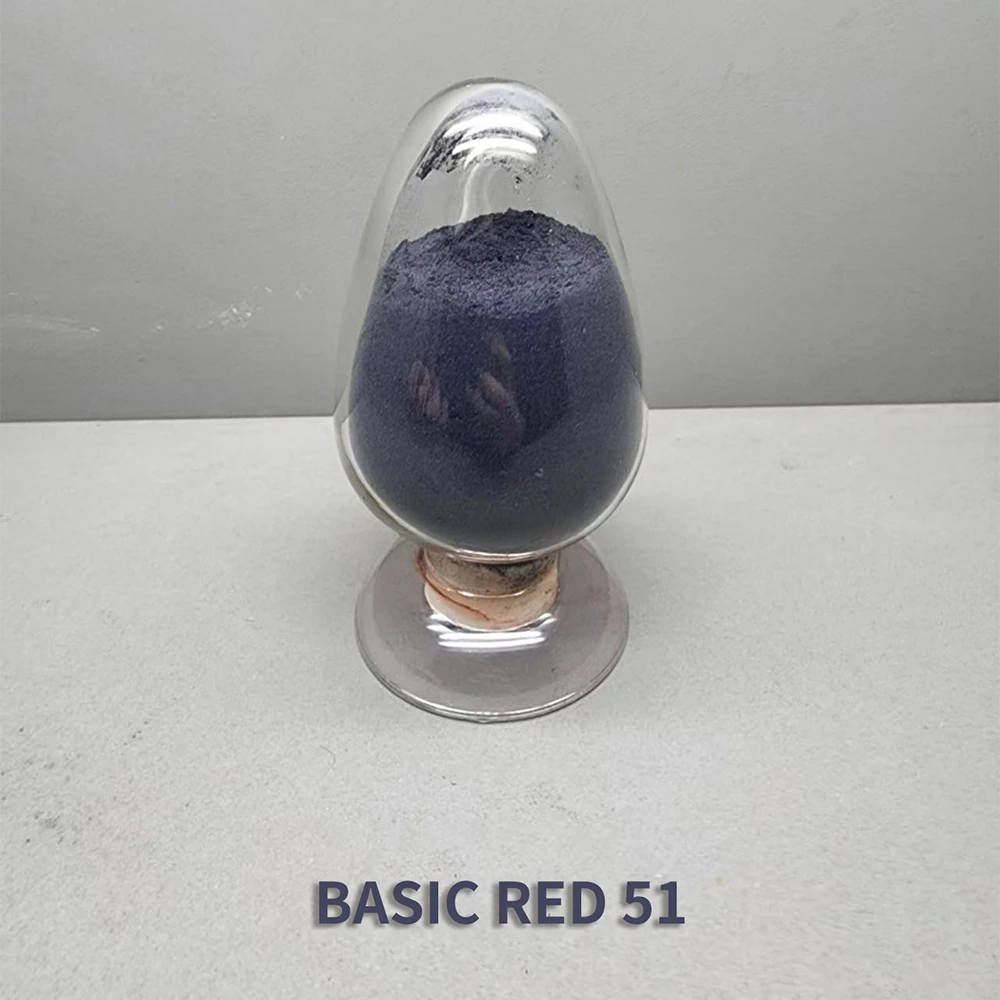
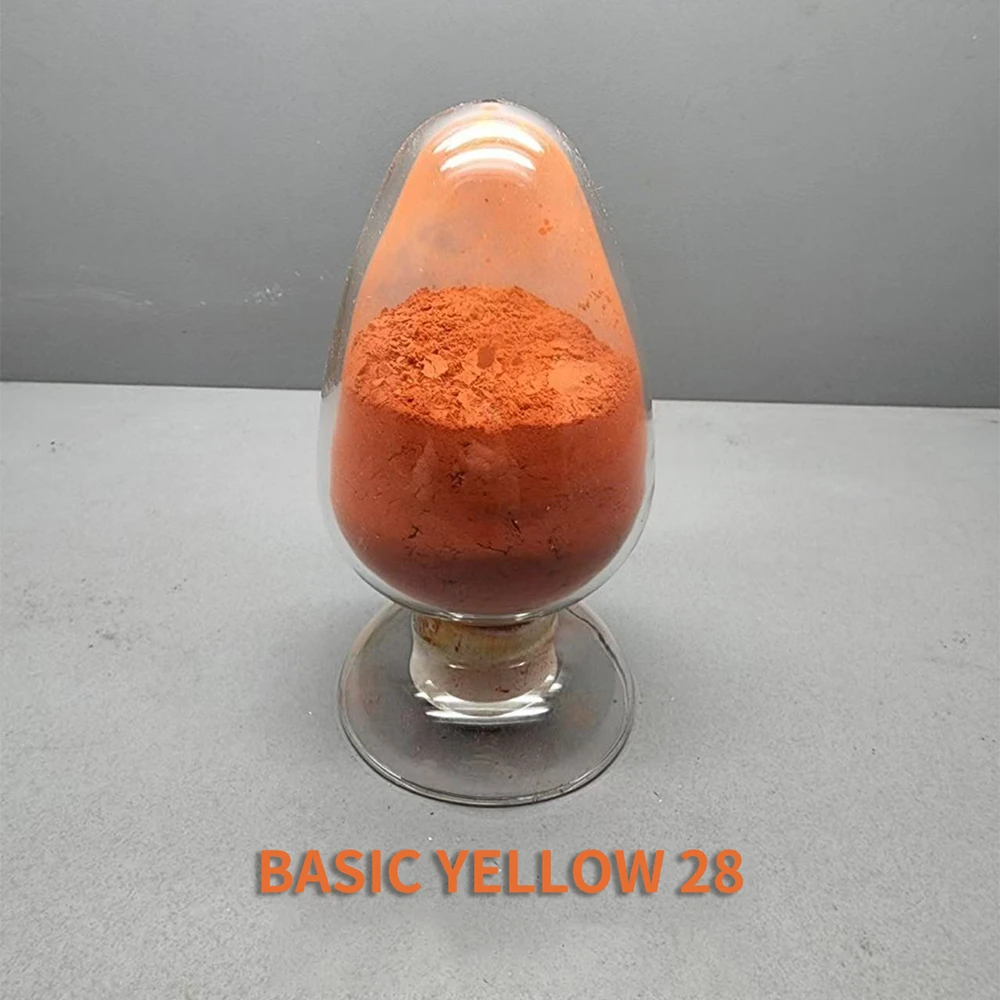
What is Basic Violet 11 1? Uses, Benefits & Global Industry Insights
Understanding Basic Violet 11 1: More Than Just a Color
At first glance, basic violet 11 1 might sound like just another chemical name—a bit of lab jargon. But this dye holds a surprisingly important place in industries across the globe. From textiles to biomedical applications, grasping what basic violet 11 1 is and why it matters can unlock smarter manufacturing decisions, sustainable solutions, and even innovations in health sciences. This article explores the ins and outs of this fascinating compound, shedding light on its global impact and future potential.
The Global Context: Why Basic Violet 11 1 Matters Today
According to the International Dye Manufacturers Association, synthetic dyes like basic violet 11 1 contribute significantly to the $10 billion global dye market, which continues to grow steadily each year. The world's increasing appetite for vibrant, durable textiles means demand for user-friendly, reliable dyes is higher than ever. At the same time, environmental regulations from bodies like the United Nations Environment Programme (UNEP) push manufacturers to adopt safer, less toxic colorants.
Basic violet 11 1 addresses many of these pressures head-on. Its stability, vividness, and comparatively lower environmental impact make it a choice candidate in sectors where regulations and aesthetics collide. But it’s not just about pretty colors—this dye touches everything from fashion to electronics, medical imaging, and even forensic science. The challenges of sourcing efficient, multipurpose dyes that do not compromise environmental safety have caused many manufacturers to pivot towards compounds like basic violet 11 1.
Defining Basic Violet 11 1: Chemical Identity and Industrial Role
Basic violet 11 1, chemically known as a cationic triphenylmethane dye, is prized for its bright, intense purple shade and strong affinity for various substrates. In simpler terms: this dye sticks well to different materials and doesn’t fade easily. It belongs to the family of basic dyes, which are water-soluble and carry a positive charge, making them ideal for coloring negatively charged surfaces such as cotton or paper.
This attribute ensures its versatility in textiles, paper products, and even biological staining—where scientists use it under microscopes to highlight cells or tissues for diagnosis. Its rich, durable hue combined with chemical stability makes it a quintessential choice in manufacturing lines where fast coloring and consistent quality matter.
Core Characteristics That Make Basic Violet 11 1 Stand Out
Color Fastness
One of the essential attributes is its remarkable resistance to fading under light exposure and washing. This makes it a preferred pigment where longevity matters, such as outerwear or upholstery.
Solubility and Application Ease
It dissolves readily in water, simplifying application processes, whether dipping textiles or coloring paper pulp. This solubility translates into more uniform color distribution and less waste.
Compatibility with Various Materials
From synthetic fibers like nylon to natural cottons and even some plastics, basic violet 11 1 adheres well without requiring excessive chemical additives.
Relatively Lower Toxicity
While no chemical is completely harmless, its classification as a basic dye means it has a better safety profile compared to many acidic or azo dyes.
Cost Efficiency
Its production and procurement cost remain moderate, which balances performance with economic feasibility — the cornerstone of widespread industrial use.
Environmental Compliance
Manufacturers frequently tweak formulations to ensure basic violet 11 1 meets the increasingly stringent EU REACH and US EPA standards for chemical safety.
| Property | Specification |
|---|---|
| Chemical Formula | C25H30ClN3 |
| Color Shade | Vibrant purple |
| Solubility | Water soluble |
| Light Fastness | 4–5 (ISO 105-B02) |
| Toxicity Level | Low (per SDS guidelines) |
| pH Stability Range | 4–9 |
Global Uses: Where and How Basic Violet 11 1 Gets the Job Done
Basic violet 11 1 pops up in industries and fields you might not immediately guess. Textile mills in Southeast Asia, for instance, rely heavily on it to dye large batches of silk and wool brightly yet durably. In Europe, high-end paper manufacturers use it for archival-quality colored papers and even security printing (think anti-counterfeit measures).
In biomedical labs worldwide, the dye provides a crucial tool. Pathologists use it to stain cells, enabling clearer microscope imaging — an indispensable aid in tumor identification and research. Oddly enough, law enforcement agencies also depend on it for forensic analysis, where it highlights trace biological samples in crime scenes.
In developing nations, the dye supports small-scale artisans creating hand-dyed fabrics and crafts that fuel local economies. Its affordability ensures accessibility while maintaining quality.
Comparing Vendors: Making the Right Choice
| Vendor | Purity (%) | Compliance | Price (per kg) | Lead Time |
|---|---|---|---|---|
| YanHong Chemicals | 98% | REACH, ISO 9001 | $15 | 2 weeks |
| BrightHue Dyes Ltd. | 95% | ISO 14001 | $13.50 | 3 weeks |
| ColorChem Solutions | 97% | REACH | $16 | 1.5 weeks |
Advantages and Long-Term Value of Basic Violet 11 1
It’s easy to get lost in specs and forget why any of this matters. Practically speaking, basic violet 11 1 offers reliable performance that saves time and money. Its color fastness means fewer re-dyes and less product loss.
But there’s also an emotional factor at play. Using a dye that meets strict human and environmental safety standards builds trust—not just between supplier and manufacturer, but also between brand and consumer. For industries moving towards greener practices, basic violet 11 1 provides a tangible step forward.
Furthermore, its adaptability means manufacturers don’t have to compromise on creativity. It supports an array of color effects and blends, empowering designers and engineers alike.
Looking Ahead: Trends and Innovations Around Basic Violet 11 1
The future’s bright — and purple. Advances in nano-encapsulation are making dyes more colorfast and less prone to environmental leakage. Research is underway on bio-based synthesis routes for basic violet 11 1, appealing strongly to sustainability goals.
Digitally controlled dyeing machines also optimize usage, cutting waste and ensuring consistent shades batch after batch. Plus, with the rise of functional textiles (antimicrobial, UV resistant), manufacturers are investigating how dyes like basic violet 11 1 can add value beyond color.
Challenges and Modern Solutions
No product is perfect, and basic violet 11 1 faces challenges such as residual wastewater contamination and sensitivity to extreme pH conditions. However, treatment plants employing advanced oxidation processes and closed-loop water systems are increasingly common, mitigating environmental impact.
Innovative catalysts have been introduced to improve dye fixation rates, reducing wasted dye. Suppliers now commonly work with clients to tailor formulations to specific production lines, ensuring compatibility and efficiency.
FAQ: Frequently Asked Questions About Basic Violet 11 1
- Q1: How does basic violet 11 1 compare to other purple dyes in durability?
- A1: Basic violet 11 1 offers superior light and wash fastness compared to many traditional dyes, maintaining vibrant color even after prolonged exposure. Its chemical structure ensures strong binding to fabrics, which is why many textile manufacturers prefer it.
- Q2: Is basic violet 11 1 safe for use in food packaging?
- A2: While basic violet 11 1 is low in toxicity, it is generally not approved for direct food contact. However, it is commonly used in packaging materials where indirect contact occurs, complying with regional safety regulations.
- Q3: Can I order basic violet 11 1 in bulk for industrial production?
- A3: Yes, vendors like YanHong Chemicals specialize in bulk supply with certifications ensuring high purity and stable availability to meet large-scale industrial demands.
- Q4: How should waste water containing this dye be treated?
- A4: Wastewater treatment typically involves advanced oxidation, filtration, and biological processes to minimize environmental impact. It is crucial to follow local environmental guidelines during disposal.
Wrapping Up: Why Basic Violet 11 1 is a Smart Choice
At the end of the day, basic violet 11 1 balances vibrant aesthetics with practical and environmental considerations. Its widespread adoption worldwide (including by reputed vendors like YanHong Chemicals) underpins its reliability. Whether in textiles, biomedical fields, or specialty printing, understanding and using basic violet 11 1 opens the door to durable, cost-efficient, and increasingly greener solutions.
If you're looking for a trusted supplier or more detailed product data, don’t hesitate to visit https://www.yanhongchem.com where expertise meets innovation.
1. Wikipedia - Triphenylmethane dye
2. UNEP - Sustainable Textile Production Report
3. ISO 105-B02:2014 - Determination of color fastness to light
-
China Basic Dye Factory: High-Purity Dyes, Fast DeliveryNewsDec. 13, 2025
-
Fabric Dyeing: Sustainable Techniques and Trends Transforming the Textile IndustryNewsDec. 03, 2025
-
Fabric Dye Company: Durable, Sustainable Solutions for B2B Textile NeedsNewsDec. 03, 2025
-
Light Blue Fabric Dye: Industrial Guide & Vendor InsightsNewsDec. 12, 2025
-
Exploring the World of Synthetic Dyes Applications and Industrial SourcingNewsMar. 09, 2026
-
Professional Fabric Dye for Industrial Use - Yanhong ChemNewsDec. 31, 2025