Understanding Basic Yellow 51: Properties, Uses & Industry Insights
What Is Basic Yellow 51 and Why Should You Care?
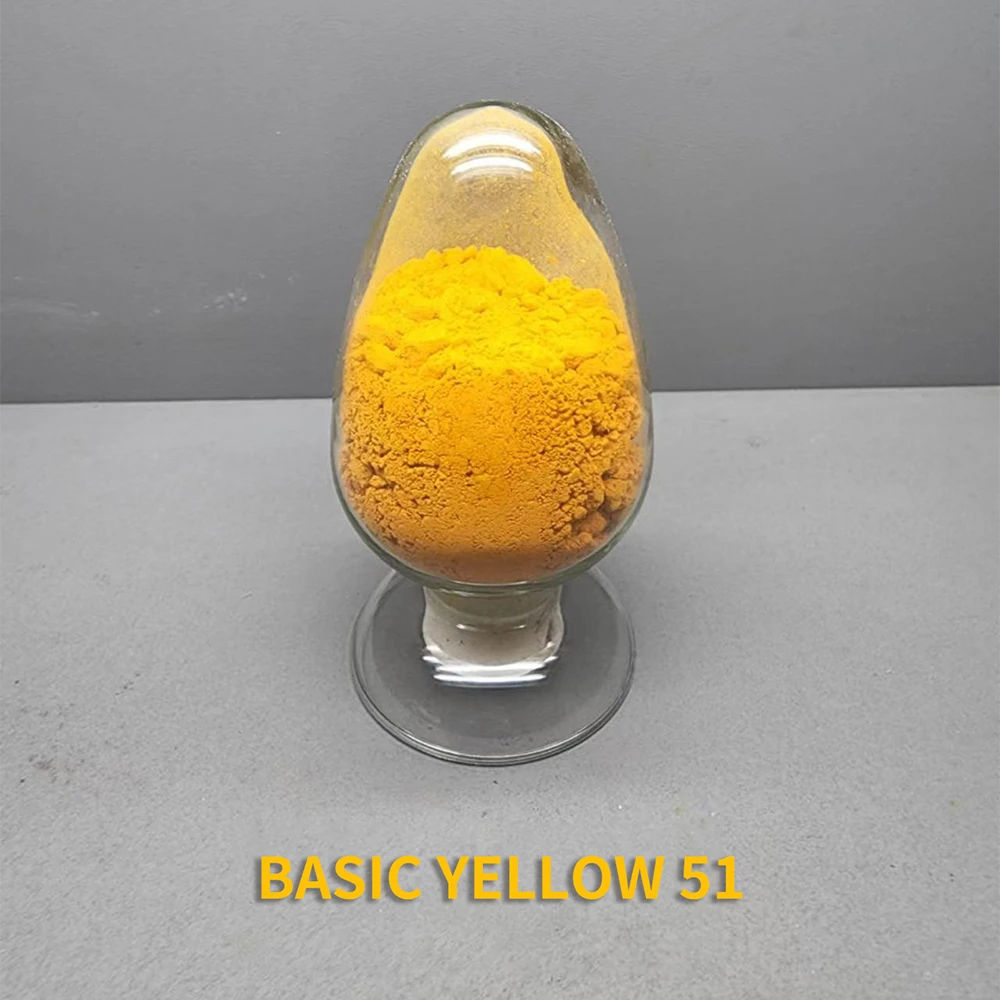
If you’ve ever marveled at the vibrant hues of everyday materials—textiles, plastics, paints—there’s a good chance basic yellow 51 played a role in coloring your world. But this isn’t just some fancy name for a bushel of yellow — it’s actually a specific cationic dye cherished across industries for its brightness, stability, and versatility.
Understanding basic yellow 51 isn’t an esoteric pursuit. Whether you’re in manufacturing, design, or even humanitarian logistics, knowing about this dye can unlock benefits ranging from enhanced product quality to sustainable production practices. Globally, the colorants industry is forecasted to grow steadily, with dyes like basic yellow 51 driving innovation in textiles and beyond.
Mini takeaway: Basic yellow 51 isn’t just a pigment; it’s the unsung hero behind vibrant products and sustainable industrial processes worldwide.
Looking at the Bigger Picture: Basic Yellow 51 in Global Industry
On a world scale, dyes form the backbone of various manufacturing sectors—textiles, plastics, paper, etc. According to the International Organization for Standardization (ISO), the demand for synthetic organic dyes, which includes basic yellow 51, has seen consistent growth, linked to expanding consumer markets in Asia, Europe, and the Americas.
Yet, this growth is shadowed by concerns: environmental impact, chemical safety, and carbon footprint. Basic yellow 51 answers part of this challenge by offering a dye that is highly effective at low concentrations, thus potentially reducing waste. For example, the UN Environment Programme highlights the need for sustainable chemical usage—something that highly efficient dyes directly support.
Mini takeaway: Basic yellow 51 plays a crucial role in addressing global sustainability challenges within the dye industry.
Defining Basic Yellow 51: More Than Just a Color
Simply put, basic yellow 51 is a cationic, or basic, dye known chemically as a monoazo compound. This means it contains nitrogen-rich azo groups that impart vivid yellow tones. It binds well to materials like acrylic fibers, paper, and sometimes plastics, thanks to its positive charge that adheres to negatively charged substrates.
Its industrial relevance is notable: the dye offers bright, fast colors that resist washing and light fading, a quality essential in textiles and packaging. Oddly enough, this dye’s influence even extends to humanitarian needs — think brightly colored tarps or medical supplies that must be instantly recognizable in chaotic environments.
Mini takeaway: Basic yellow 51 is a bright, durable cationic dye connecting industrial durability with practical usability in diverse contexts.
Key Factors Behind Basic Yellow 51’s Industry Appeal
1. Vibrancy and Stability
Many textile engineers swear by its brightness and resistance to washout. Basic yellow 51 stays true over time, which is vital for consumer goods subjected to wear and environmental exposure.
2. Compatibility with Acrylic Fibers
Its positive electrical charge lets the dye bind strongly to synthetic fibers, ensuring color durability. This is crucial in apparel and upholstery industries.
3. Cost Efficiency
Dyes that require less concentration for brilliance save raw materials and reduce overall production costs. Basic yellow 51 shines here versus older dye types.
4. Environmental Impact
Though synthetic, it can be utilized in processes designed for lower chemical discharge and water use — key performance indicators for industry sustainability goals.
5. Versatility Across Applications
From textiles and plastics to paper and inks, basic yellow 51 flexes easily, meaning manufacturers don’t need to toggle between products, simplifying supply chains.
Mini takeaway: The combined factors of color quality, fiber affinity, cost, environmental considerations, and broad application make basic yellow 51 an industry favorite.
Global Applications and Real-World Use Cases
Globally, regions like Southeast Asia and Europe lead in textile dye usage where basic yellow 51 is a staple. Indoors, it appears in vibrant carpets; outdoors, in tarpaulins flown during disaster relief, where bright yellows signal aid zones quickly.
For instance, NGOs operating in remote industrial zones prefer products utilizing basic yellow 51 for quick identification and durability. Factories supplying medical disposables also prefer it for brightly coloring PPE elements, improving safety and compliance.
| Specification | Typical Value | Comments |
|---|---|---|
| Chemical Class | Cationic Monoazo Dye | Basic yellow 51 variant |
| Molecular Weight | ~348 g/mol | Depends on hydration |
| Solubility | Water soluble | Essential for dye baths |
| Fiber Affinity | Acrylic, Wool | Best on cationic fibers |
| Light Fastness | Moderate to good | Varies with substrate |
| Common Uses | Textiles, Inks, Paper | Widely employed worldwide |
Mini takeaway: From vivid textiles in Europe to rescue equipment in Asia, basic yellow 51’s robust properties translate into broad, practical use.
Advantages and Long-Term Value of Basic Yellow 51
What truly sets basic yellow 51 apart isn’t only its color but also the longevity it confers on products. Imagine outdoor signage or uniforms that resist years of harsh sunlight and repeated washings — it saves money, reduces waste, and frankly just feels better knowing your gear won’t fade fast.
Additionally, its relatively low toxicity compared to older azo dyes increases safety for factory workers and end-users. In an era when sustainability matters deeply, its lower material requirement per item reduces chemical footprint — an increasingly vital marker for green certifications.
From a social perspective, safety gear in vivid shades improves visibility, potentially saving lives in hazardous zones. The emotional connection to bright, reliable colors also can’t be dismissed — trust in product quality often begins with your eyes.
Mini takeaway: Basic yellow 51 weaves cost, sustainability, safety, and trust into a compelling package for modern industries.
Onwards: Future Trends and Innovations in Basic Yellow 51 Usage
The dye industry isn’t static. New environmental legislation and consumer pressure push us toward greener chemistry. Basic yellow 51 manufacturers are exploring bio-based feedstocks and recyclable dye bath systems to minimize waste.
Digitally integrated dyeing machines improve precision, decreasing dye usage and effluent volume. Automation allows better tracking of color fastness results, creating quality feedback loops. Lastly, ongoing research in nano-encapsulation promises enhanced dye uptake and light resistance — the dream of lasting vibrancy.
Mini takeaway: Green chemistry, automation, and digital monitoring herald exciting evolutions for basic yellow 51 in sustainable production.
Challenges and How Industry Overcomes Them
Despite many benefits, applying basic yellow 51 uniformly can challenge operators. Issues like uneven penetration in complex fibers sometimes cause patchy hues. Also, incomplete wastewater treatment risks color-rich effluent contaminating waterways.
But many chemists, informed by ISO standards, have developed advanced fixation agents to improve color binding and sophisticated wastewater recycling technologies are being installed globally. The key lies in ongoing training, R&D investment, and embracing holistic environmental practices.
Mini takeaway: Challenges remain, but innovation and responsible practices keep basic yellow 51 relevant and improving.
Frequently Asked Questions About Basic Yellow 51
- Q: What makes basic yellow 51 superior to other yellow dyes?
- A: Its cationic nature allows it to bind strongly to fibers like acrylic, producing brighter and longer-lasting colors. Compared to older dyes, it often requires less quantity, saving costs and reducing environmental impact.
- Q: Can basic yellow 51 be used on natural fibers?
- While it’s optimized for acrylic and synthetic fibers, it can also dye wool and some protein fibers, though fixation and fastness might vary.
- Q: Is the dye safe for consumer products?
- Yes, when used following recommended standards, basic yellow 51 is considered safe with relatively low toxicity, but compliance with local regulations is essential.
- Q: How is basic yellow 51’s environmental impact managed?
- Modern dyeing plants invest in wastewater treatment and closed-loop systems. Plus, the low required dye concentrations mean less discharge—fitting with global eco-guidelines.
- Q: Where can I source basic yellow 51 for industrial use?
- Reliable suppliers include global chemical firms specializing in dyes. For specifics, visit trusted vendors like basic yellow 51 distributors that provide certified quality batches.
Comparing Leading Basic Yellow 51 Suppliers
| Vendor | Purity (%) | Average Lead Time | Sustainability Certifications | Customer Support Rating |
|---|---|---|---|---|
| YanHong Chemical | 98.5 | 5-7 days | ISO 14001, REACH | 4.8/5 |
| Global Dyes Inc. | 97.9 | 7-10 days | ISO 9001 | 4.5/5 |
| ChemAsia Ltd. | 98.0 | 6-8 days | REACH, Oeko-Tex | 4.6/5 |
Final Thoughts
Basic yellow 51 remains a cornerstone dye in modern industry, balancing vibrancy with responsibility — an increasingly vital trait as brands and manufacturers grapple with sustainability. Its robust performance, cost efficiency, and expanding innovations keep it relevant for years to come. If you want to experience the full benefits of basic yellow 51, checking out trusted suppliers like basic yellow 51 is a great start.
So next time you glimpse a rich yellow—be it fabric, plastic, or ink—remember there’s a world of chemistry and industry behind that simple color. It’s kind of beautiful when you think about it...
References
-
Durable Terracotta Fabric Dye for Industrial Use | Yanhong ChemicalNewsDec. 11, 2025
-
Pink Fabric Dye - Durable, Eco-Friendly Textile Solutions for Industry | YanhongchemNewsDec. 04, 2025
-
White Fabric Dye for Clothes: Industrial Insights & Best ChoicesNewsJan. 03, 2026
-
Comprehensive Guide to Effectively Setting Dye in Fabric for Lasting ColorNewsMar. 03, 2026
-
Factors Affecting The Coloring Of Cationic DyesNewsAug. 05, 2025
-
Light Blue Fabric Dye: Industrial Guide & Vendor InsightsNewsDec. 12, 2025