Basic Yellow 57 – Bright, Durable & Sustainable Industrial Dye | Yanhong Chemical
Understanding Basic Yellow 57: A Vital Dye in Modern Industry
Basic yellow 57 might sound like just another chemical name tossed around in the lab, but its significance stretches far beyond test tubes. This dye, known widely in textile and industrial circles, plays an essential role in coloring, manufacturing, and even environmental considerations worldwide. Grasping what basic yellow 57 is and how it integrates into various sectors helps businesses optimize processes, reduce waste, and innovate responsibly.
Why the World Cares About Basic Yellow 57
Globally, the dye industry is a multi-billion-dollar market with essential ties to fashion, packaging, and manufacturing economies. According to the International Dye Industry Association (IDIA), approximately 70% of all synthetic dyes stem from basic dyes — of which basic yellow 57 is a leading example. The World Bank reports that textile and chemical manufacturers increasingly focus on eco-friendly dyes, making basic yellow 57’s role pivotal amid rising sustainability demands.
One problem industries face is the environmental impact of traditional dyeing methods — wastewater contamination, chemical spills, and hazardous emissions have pushed innovators to rethink dye chemistry. Basic yellow 57’s chemical properties address some of these challenges by allowing more efficient dye uptake and reducing the need for harmful auxiliaries.
Mini takeaway: basic yellow 57 isn’t just a color — it’s a key player in tackling the environmental footprints of modern industries.
So, What Exactly Is Basic Yellow 57?
At its core, basic yellow 57 is a synthetic cationic (positively charged) dye predominantly used to color acrylic fibers, paper, and sometimes leather. Its bright, vibrant yellow shade is prized for durability and strong adherence to substrate materials. While “basic” here refers to the dye’s chemical nature as a base dye, the number 57 identifies its unique molecular structure within the yellow dye family.
Industrially speaking, it’s part of the “basic dyes” class — water-soluble, easy to apply, and often used where fast coloration and lightfastness are required. The humanitarian angle? Its use in safety gear, reflective materials, and other high-visibility applications helps enhance worker safety, particularly in hazardous or low-light conditions.
Mini takeaway: basic yellow 57 blends chemistry with utility, transforming industries from textiles to safety equipment.
Key Characteristics That Make Basic Yellow 57 Stand Out
1. Brightness & Color Fastness
This dye yields a vivid yellow hue that remains stable under light and washing conditions — critical for apparel and industrial fabrics. It doesn’t fade easily, which kind of justifies why many manufacturers keep it in their standard palette.
2. Compatibility & Application
Basic yellow 57 is highly compatible with acrylic fibers but also dyes paper and some synthetic leathers effectively. That versatility makes it a favorite in varied manufacturing lines.
3. Environmental Profile
While many dyes involve toxic byproducts, basic yellow 57 can be applied with lower-impact methods. This isn’t perfect green chemistry, but it’s a leap ahead of several older dyes notorious for pollution.
4. Stability in Diverse Conditions
Industries appreciate that this dye resists chemical changes during exposure to heat or moisture, meaning the end-products hold color longer — quite meaningful in harsh industrial environments.
5. Cost Efficiency
Affordability combined with performance means it’s a practical choice for large-scale production without sacrificing aesthetics or function.
| Specification | Typical Value |
|---|---|
| Chemical Type | Cationic Basic Dye |
| CAS Number | 2437-29-8 |
| Solubility | Water-Soluble |
| Lightfastness | Level 5 (Good to Excellent) |
| Recommended Use | Acrylic fibers, paper, synthetic leather |
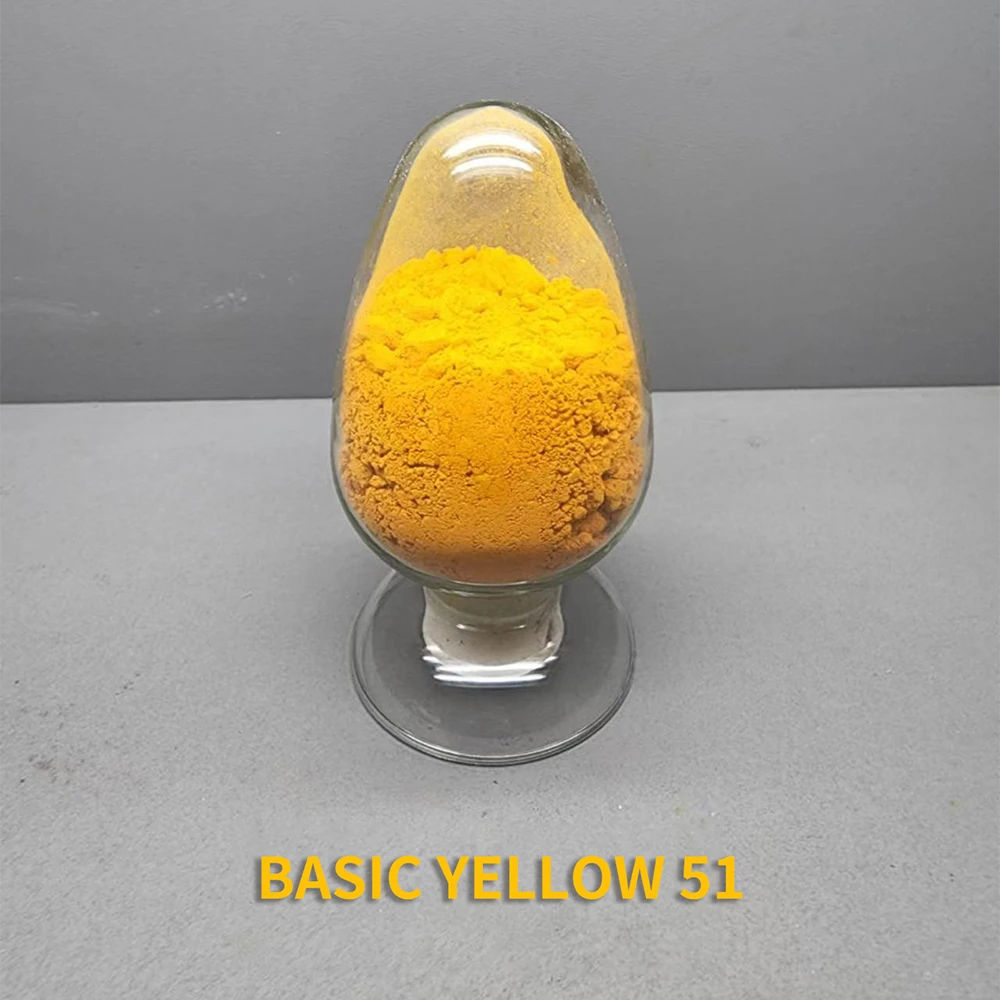
| Typical Shade | Bright Yellow |
Where Does Basic Yellow 57 Fit Globally?
From Europe’s advanced textile industries to Asia’s massive manufacturing yards, basic yellow 57 is ubiquitous. In countries like India and China, it colors millions of meters of acrylic fabric monthly. European makers rely on it for niche high-performance sportswear and safety gear. In North America, its role extends into packaging and printing sectors, especially for warning labels and visual indicators where vibrancy and durability are critical.
Interestingly, humanitarian organizations have employed products dyed with basic yellow 57 in high-visibility vests and equipment for disaster relief teams in areas like Southeast Asia after typhoons. The dye’s reliability in poor lighting and rough conditions materially benefits rescue operations.
Mini takeaway: basic yellow 57 is more than a pigment — it contributes globally to safety, commerce, and environment-conscious manufacturing.
Advantages and Long-Term Value of Using Basic Yellow 57
- Cost-effective sustainability: Balancing affordability and eco-compatibility gives producers a market edge.
- Consistent quality: Enhanced light- and wash-fastness means longer-lasting products, translating to customer satisfaction and fewer returns.
- Safety and social responsibility: High-visibility textiles using basic yellow 57 support occupational safety worldwide.
In real terms, manufacturers investing in this dye report reduced wastage and smoother compliance with environmental standards, which frankly, is a win in any industry.
Spotlight on Future Trends in Dye Chemistry
Looking ahead, basic yellow 57 is under investigation for enhanced formulations to fit the “green chemistry” mold better — lower energy dyeing processes, bio-based auxiliaries, and even digital printing compatibility. Automation in textile dyeing and real-time quality monitoring means fabrics can be dyed faster, with less resource use.
In synchronization with global sustainability goals, industries focusing on basic yellow 57 innovations hope to cut emissions and water use drastically by 2030 — ambitious but necessary.
Challenges and How Industry Tackles Them
No solution is perfect. One challenge is that basic yellow 57, while better than many older dyes, still requires careful wastewater treatment. Some plants have integrated advanced filtration or enzymatic treatment to handle residues. Another hurdle is ensuring uniform dye uptake on newer synthetic blends, prompting research into modified dye variants or hybrid processes.
| Supplier | Product Grade | Environmental Compliance | Bulk Pricing | Global Shipping |
|---|---|---|---|---|
| Yanhong Chemical | Premium Industrial | ISO 14001 Certified | Competitive | Yes (Worldwide) |
| DyeMaster Inc. | Standard Grade | Partial Compliance | Moderate | Regional Only |
| EcoDyes Ltd. | Eco-Safe | Highly Compliant, OEKO-TEX | Higher Cost | Selective Markets |
Frequently Asked Questions About Basic Yellow 57
1. What makes basic yellow 57 different from other yellow dyes?
Basic yellow 57 is a cationic dye, making it highly soluble in water and excellent for acrylic fibers. Its superior lightfastness and bright shade distinguish it from azo or direct dyes, giving longer-lasting color in demanding applications.
2. Is basic yellow 57 safe for the environment?
While not entirely free from environmental concerns, basic yellow 57 performs better than many older dyes in terms of biodegradability and toxicity when applied with modern wastewater treatments. Compliance with ISO 14001 and OEKO-TEX certifications ensures its usage aligns with environmental safety standards.
3. Can it be used in digital printing on textiles?
Currently, basic yellow 57 is mainly used in traditional dyeing techniques but ongoing R&D suggests adaptations for digital textile printing. This would allow more precise applications, minimizing waste and solvent usage.
4. How can businesses source basic yellow 57 reliably?
Leading suppliers like basic yellow 57 manufacturers provide global distribution and quality assurances. Evaluating vendor environmental compliance and price helps maintain steady supply while meeting sustainability goals.
5. What industries benefit most from basic yellow 57?
Acrylic textile manufacturers, paper producers, and safety equipment fabricators are key beneficiaries. Its bright, durable yellow ensures visibility and aesthetic appeal across apparel, packaging, and signage.
Wrapping It Up
Basic yellow 57 encapsulates a blend of tradition and innovation in coloring materials. Its widespread use and adaptability offer manufacturers a trustworthy solution with growing environmental considerations. For businesses looking to stay ahead, integrating such reliable dyes is a wise step. Curious to explore basic yellow 57 in your production line? Head over to learn more and jump-start your sustainability journey.
Mini takeaway: Choosing the right dye, like basic yellow 57, means picking durability, cost-efficiency, and ecological responsibility rolled into one bright package.
References
Article © 2024 Yanhong Chemical. All rights reserved.
-
Beige Fabric Dye Solutions for Sustainable and Durable Textile Coloring | YanhongchemNewsDec. 09, 2025
-
Gray Fabric Dye Solutions | Durable & Sustainable Textiles by YanhongChemNewsDec. 10, 2025
-
Comprehensive Guide to Black Textile Dye Selection and ApplicationsNewsMar. 12, 2026
-
Cold Water Fabric Dye: Sustainable & Efficient Textile SolutionsNewsDec. 13, 2025
-
Jacquard Fabric Dye - Expert Insights & Industrial SolutionsNewsJan. 05, 2026
-
Guide to Choosing the Best black color dye for clothesNewsApr. 09, 2026