Understanding Basic Yellow 96: Industrial Uses, Benefits & Trends
What Is Basic Yellow 96 and Why It Matters Globally
Basic yellow 96 might sound like a bland industrial code, but this synthetic dye plays an unexpectedly vibrant role in industries across the globe. From textiles to paper, and even in water treatment, the applications are surprisingly diverse — yet it’s often overlooked outside expert circles. Understanding basic yellow 96 matters because its impact touches supply chains worldwide, influencing environmental footprints, product quality, and regulatory compliance.
In a world where sustainability and efficiency are king, knowing how such chemical compounds operate offers a curious glimpse into industrial evolution and ongoing innovation.
Introduction: The Global Context of Basic Yellow 96
The demand for bright, fast-drying, and reliable dye compounds like basic yellow 96 continues to grow robustly. According to the World Bank, the global textile industry is expected to keep expanding strong through at least 2030. With textiles accounting for roughly 20% of global water pollution, the choice of dyes intensifies environmental concerns.1
Basic yellow 96 addresses part of this puzzle by offering excellent lightfastness and water solubility, reducing some treatment burdens downstream. Yet, challenges remain, notably in waste management and regulatory shifts especially in Europe under REACH and similar frameworks.
Oddly enough, the balance between performance and safety keeps pushing research deeper every year.
Defining Basic Yellow 96: A Bright Yellow Dye in Industry
At its core, basic yellow 96 is a cationic or basic dye — meaning it carries a positive charge and bonds easily with negatively charged substrates like acrylic fibers or paper. Its official chemical name is 1,4-diamino-2-methoxybenzene hydrochloride (CAS number 10116-18-8), but that’s a mouthful.
The dye’s brilliant yellow hue and affinity for fibers make it a popular choice in various manufacturing sectors. It’s water-soluble, which means it’s easier to use in aqueous dye baths. Also, it holds up well to light exposure, which is crucial for consumer products expected to maintain color over time.
What often surprises newcomers is how fundamental such dyes are to everyday products — from high-visibility safety apparel to packaging inks.
Key Factors Behind Basic Yellow 96's Performance
1. Color Vibrancy & Stability
The bright yellow tone is intense yet doesn’t fade quickly when exposed to sunlight or mild chemical treatments. This property ensures items dyed with basic yellow 96 look great longer.
2. Water Solubility
Because it dissolves well in water, processing basic yellow 96 is cleaner compared to some hydrophobic dyes, reducing risk in factory environments.
3. Affinity to Substrates
The positive charge anchors it onto negatively charged fibers, providing an excellent bond. This means less dye washout and better durability, a boon for manufacturers.
4. Cost Efficiency
Basic yellow 96 isn’t the cheapest dye on the block, yet its longevity and reduced need for re-dyeing balance out costs in the long run. Plus, suppliers have scaled production efficiently enough for widespread availability.
5. Regulatory Compliance
With increasingly stringent chemical controls worldwide, this dye’s compliance with environmental and safety regulations keeps it in demand — though ongoing monitoring is essential.
Mini Takeaway: Basic yellow 96 blends vibrant color with practical chemistry balancing cost and compliance remarkably well.
Global Uses of Basic Yellow 96: Real-World Application Examples
In Europe, the dye finds extensive use in textiles apparel, especially denim and activewear where bold colors and durability go hand in hand. Asia’s booming packaging industry also embraces it for food-safe inks — yes, color influences appetite as much as taste.
Oddly enough, in North American water treatment plants, derivatives of basic yellow 96 assist in detecting contaminants through colorimetric analysis — a neat example of industrial chemistry meeting environmental care.
Post-disaster relief operations have even leveraged the dye for marking equipment or safety vests due to its bright visibility — subtle, but important.
| Specification | Detail |
|---|---|
| Chemical Name | 1,4-Diamino-2-methoxybenzene hydrochloride |
| CAS Number | 10116-18-8 |
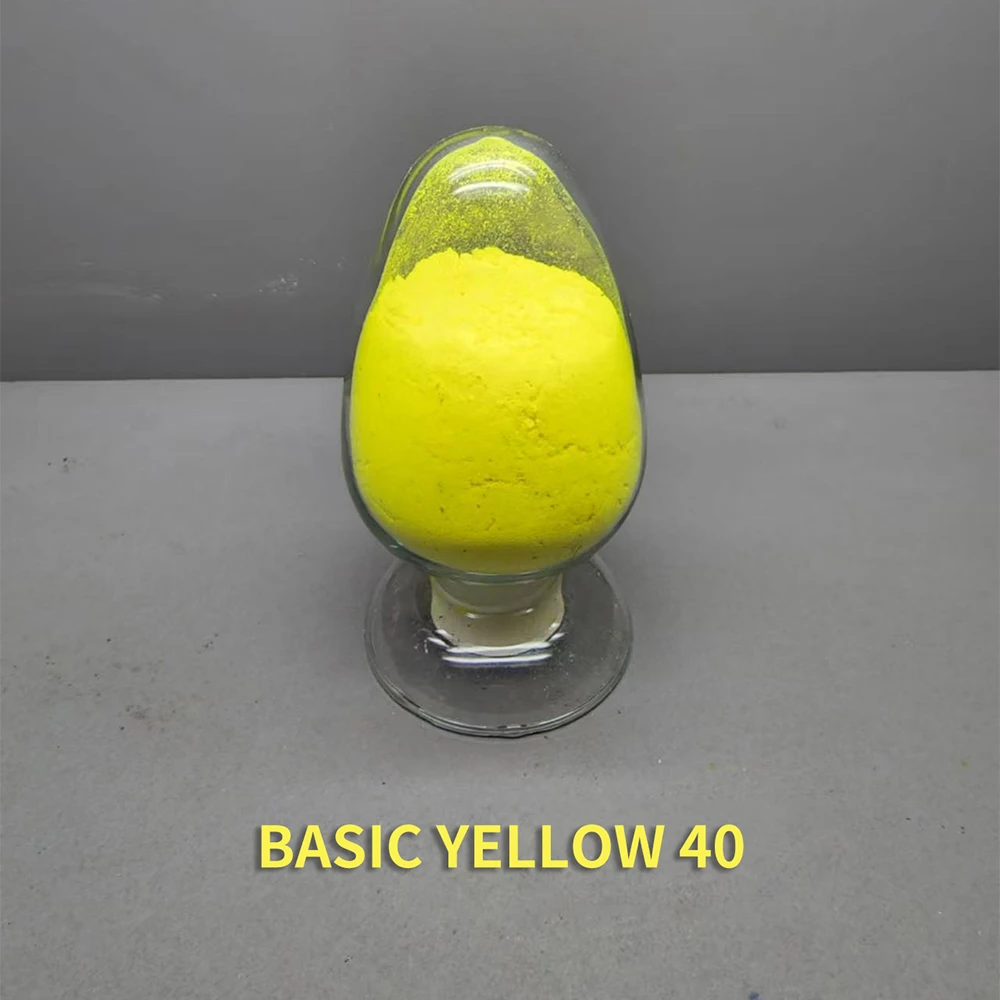
| Appearance | Bright yellow powder or granules |
| Solubility | Water soluble |
| pH Range (in solution) | 4–7 (mildly acidic) |
| Lightfastness | Good (Grade 6 on Blue Wool Scale) |
Advantages & Long-Term Value of Using Basic Yellow 96
- Durability: Less frequent reprocessing saves time and energy.
- Sustainability: Water solubility leads to easier waste treatment.
- Safety: Meets stringent chemical safety standards, reducing worker exposure.
- Brand Trust: Ensures products maintain aesthetic appeal and consumer satisfaction.
Manufacturers often find it easier to innovate around materials dyed with basic yellow 96 — whether incorporating recycled fibers or new synthetic blends.
Emerging Trends and the Future of Basic Yellow 96
Automation and digital dyeing methods are starting to reshape how basic yellow 96 is applied. Instead of traditional vats, computer-controlled processes can measure dye quantities precisely, reducing waste.
Moreover, green chemistry initiatives seek to tweak the dye’s molecular structure to enhance biodegradability without sacrificing color fastness.
“Smart textiles” embedded with sensors also open doors for reactive dyes — and basic yellow 96 derivatives are being evaluated for such next-gen roles.
Challenges and Modern Solutions
Despite its merits, basic yellow 96 faces some concerns around wastewater discoloration and residual toxicity in high doses. Factories are responding with improved effluent treatment technologies such as membrane filtration and enzymatic breakdown.
Also, supply chain transparency is a challenge — sourcing ethically and avoiding counterfeit dyes requires advanced authentication techniques, including spectroscopy and blockchain tracking.
Innovative partnerships between manufacturers and NGOs aim to close these gaps, ensuring safer, more responsible production.
Frequently Asked Questions About Basic Yellow 96
- Q: How does basic yellow 96 compare to other yellow dyes in textile durability?
- A: Basic yellow 96 tends to offer superior lightfastness and bonding strength, especially on acrylic fibers, making it more durable than many direct or acid yellow dyes.
- Q: Is basic yellow 96 safe for consumer products like clothing and packaging?
- A: Yes, when used in accordance with regulatory limits, it is deemed safe. Manufacturers also perform rigorous testing to ensure no harmful residues remain post-dyeing.
- Q: Can basic yellow 96 be used in environmentally sensitive areas?
- A: While it is water soluble and easier to treat, waste management is crucial. Facilities near sensitive ecosystems adopt advanced water treatment to prevent contamination.
- Q: How do I import basic yellow 96 for industrial use?
- A: Importers must comply with international chemical regulations (REACH, TSCA, etc.) and often require documentation from suppliers, including safety data sheets and certificates of analysis.
Vendor Comparison: Leading Suppliers of Basic Yellow 96
| Supplier | Purity (%) | Typical MOQ | Delivery Time | Price Range (per kg) |
|---|---|---|---|---|
| YanHong Chemicals | ≥ 99% | 500 kg | 2-3 weeks | $15-$18 |
| DyeTech Inc. | 98.5% | 1000 kg | 3-4 weeks | $14-$17 |
| ChemColor Ltd. | ≥ 99.5% | 250 kg | 1-2 weeks | $20-$22 |
Conclusion: Why Basic Yellow 96 Remains Essential
It’s easy to underestimate components like basic yellow 96 — they’re tucked away in supply chains and rarely get fanfare. But in real terms, this dye blends chemical savvy with practical benefits spanning vibrancy, durability, and eco-consciousness. Suppliers like YanHong Chemicals stand ready to serve manufacturers aiming for quality with sustainability.
As the world pushes towards greener industrial practices, dyes like basic yellow 96 will need to evolve. Yet their fundamental role in color science and product reliability isn’t going anywhere—if anything, it’s growing.
So next time you spot a vibrant yellow garment or a well-printed package, there’s a good chance basic yellow 96 helped make it happen. Worth a little thought, don't you think?
References
-
Comprehensive Guide to CI 42520: Industrial and Humanitarian ApplicationsNewsDec. 03, 2025
-
China Basic Dye Manufacturer | High Purity & Eco OptionsNewsDec. 13, 2025
-
Basic Principles And Production Process Parameters Of Cationic DyesNewsAug. 05, 2025
-
Basic Red 46 Dye - High-Purity, Bright Shade, Fast DeliveryNewsNov. 13, 2025
-
Top Insights on Cotton Fabric Dye for Industrial Use | Yanhong ChemNewsDec. 12, 2025
-
China Basic Dye Manufacturer | Eco-Friendly, High FastnessNewsNov. 13, 2025