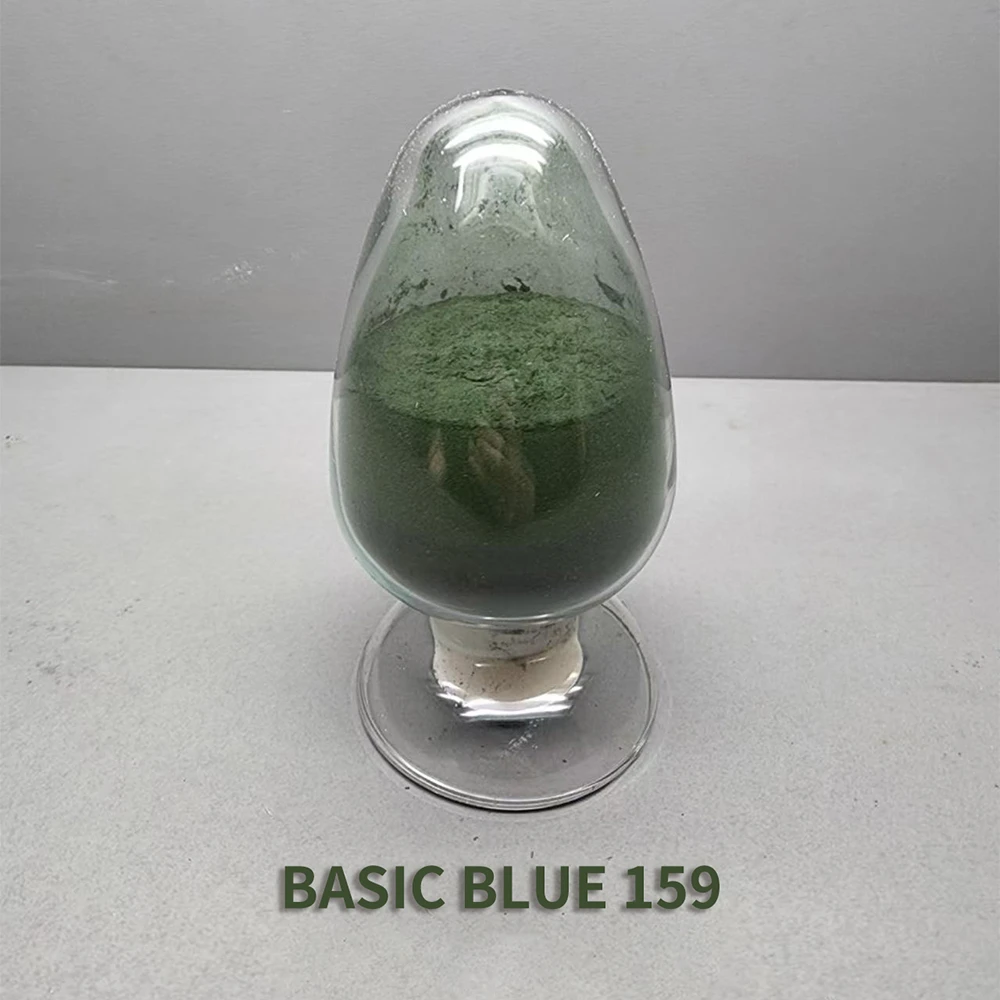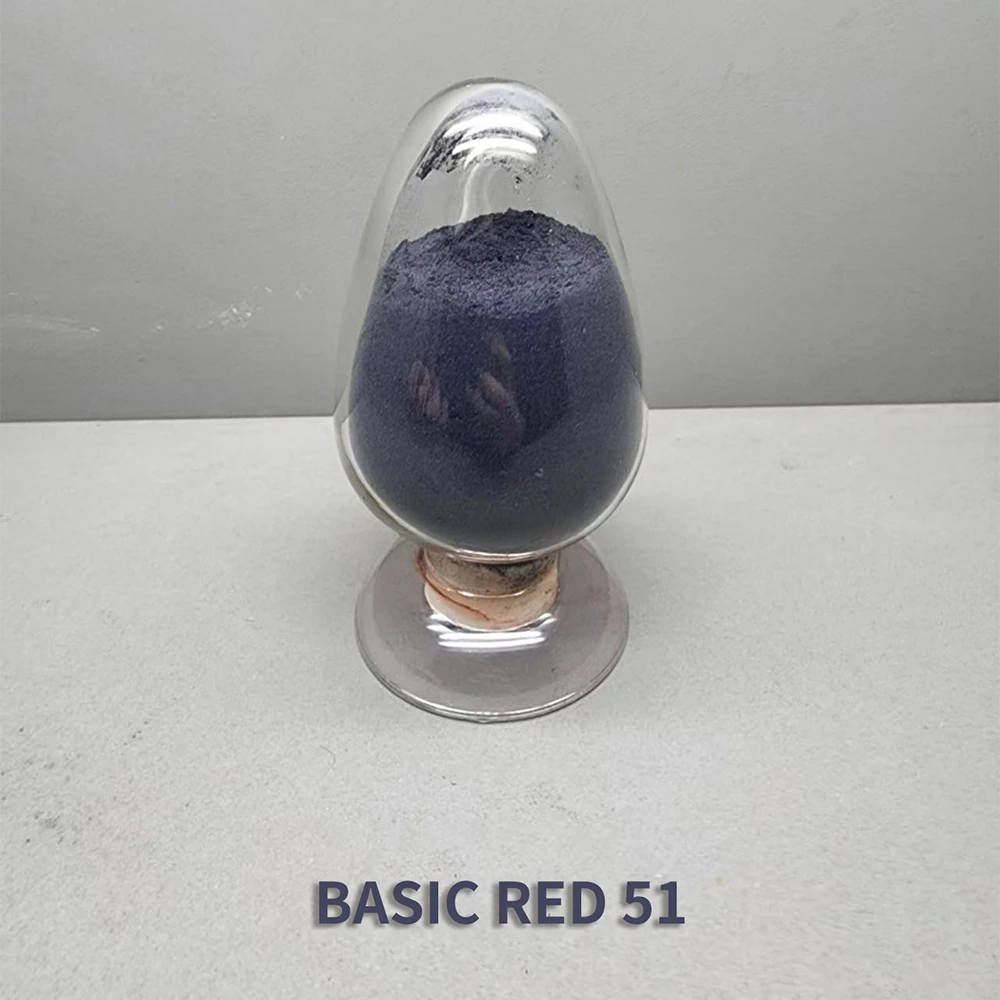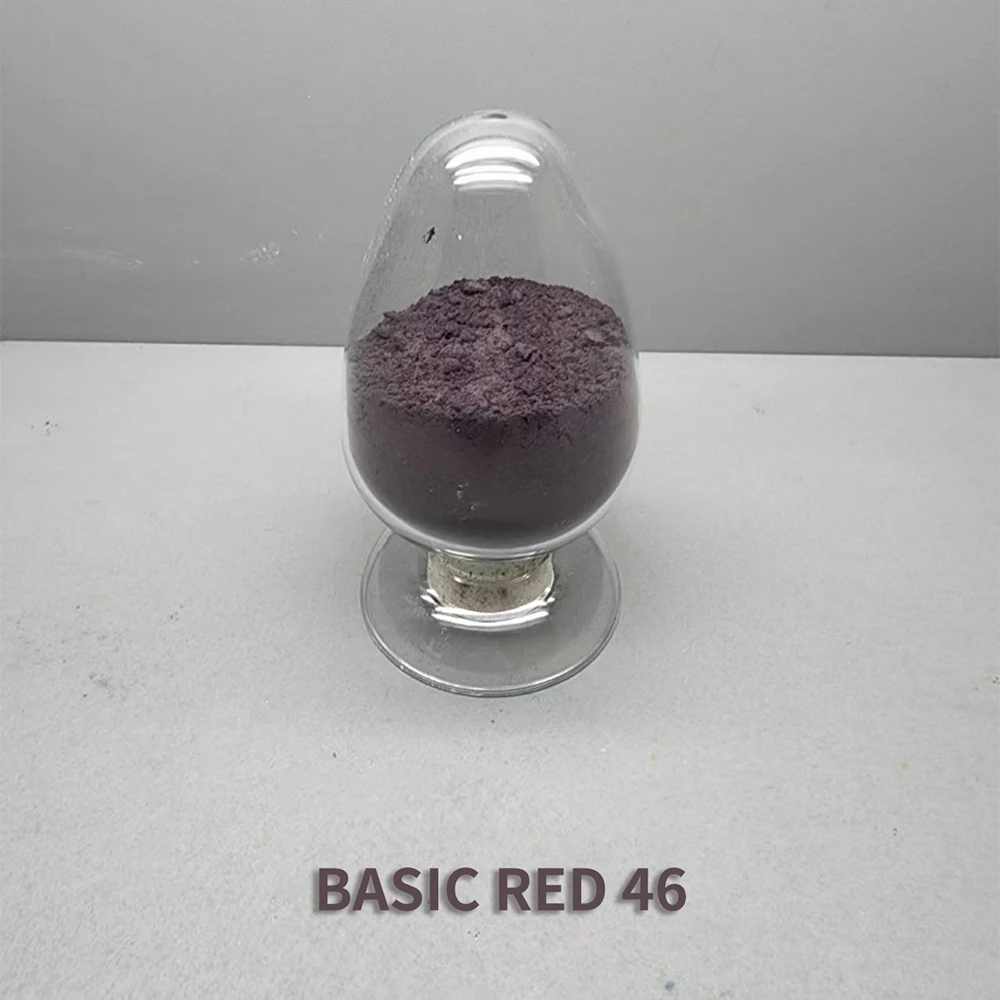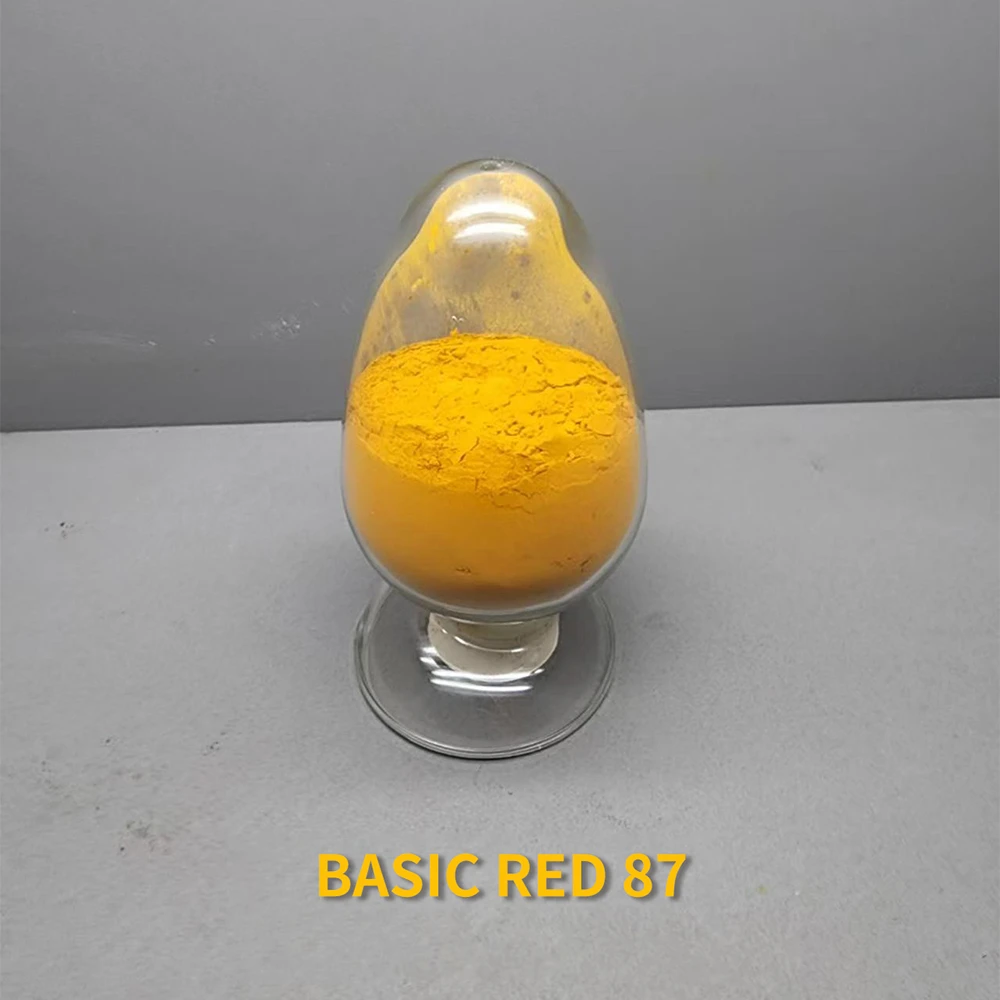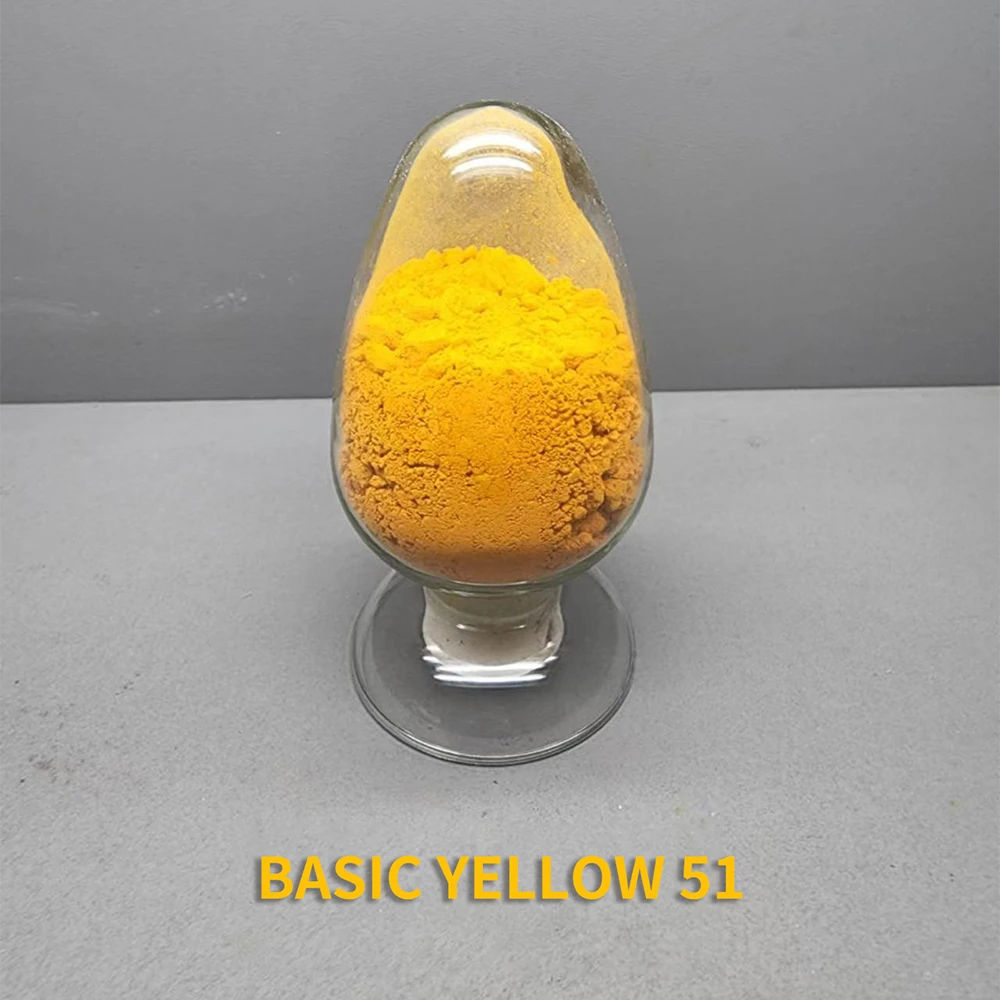
Basic Yellow Dye: Durable, Eco-Friendly Solutions for Vibrant Industry Colors
What’s the Big Deal About Basic Yellow Dye?
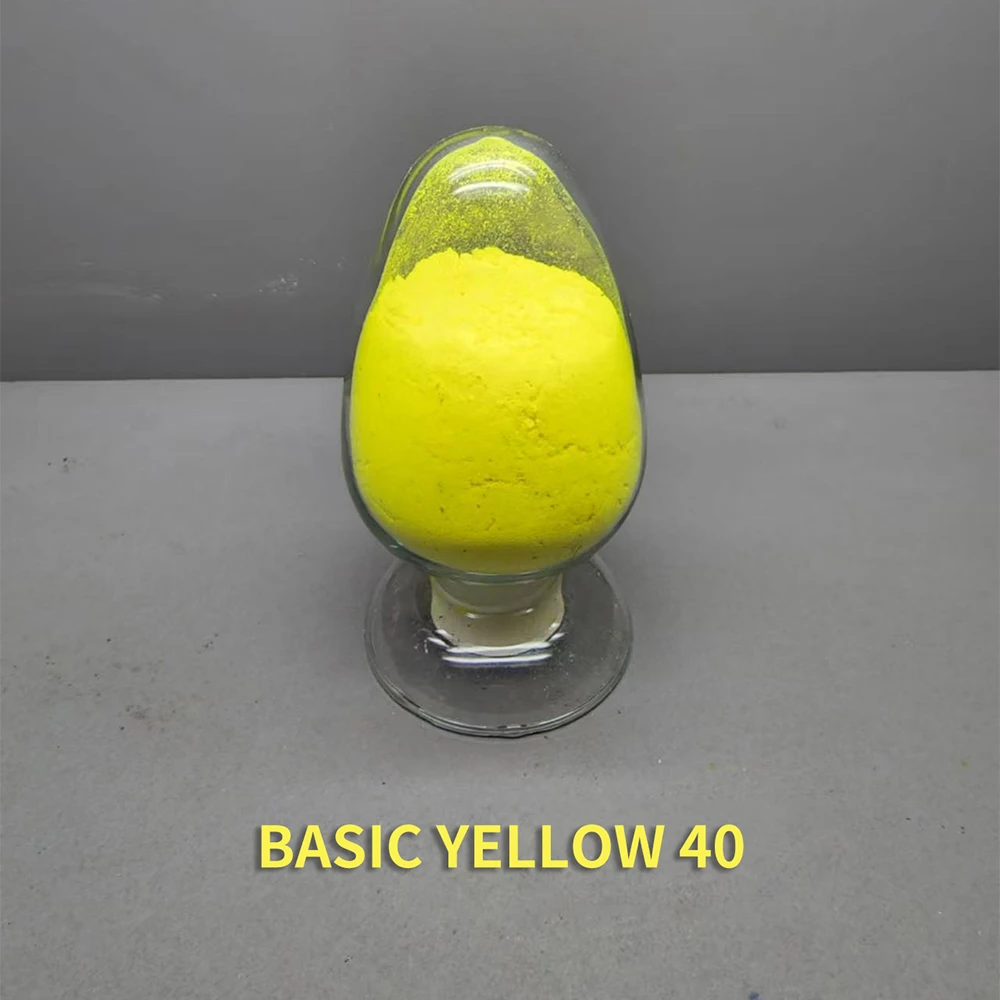
At first glance, “basic yellow dye” might sound like something that’s just about pretty colors — thrown onto fabrics or plastics to jazz them up. But, frankly, it's a bit more than that. Basic yellow dyes are a vital pillar in industries ranging from textiles to printing and even in specialized industrial applications. Their unique properties and broad usability speak to something bigger: reliable, vibrant coloring solutions that support global manufacturing efforts, humanitarian logistics, and eco-conscious product design.
Knowing how these dyes work, their impact on sustainability, and the way they’re evolving globally can help businesses make smarter choices while consumers appreciate the story behind the colors on their shirt or packaging. Plus, basic yellow dyes showcase how chemistry and innovation combine to meet the challenge of fast-moving markets that want brilliant, durable, and cost-effective colorants.
basic yellow dye will pop up a lot — which makes sense, since it’s the star of the show.Basic Yellow Dye in a Global Context: Colors That Matter
Raw numbers show just how widespread yellow dyes (including basic yellow) are worldwide — the global dye and pigment market is expected to exceed $40 billion by 2027, according to industry reports and ISO standards slated for sustainable textile production. Yellow dyes account for a sizable chunk here, given their indispensable role in everything from fashion to packaging.
Why? Well, yellow is a universally recognized color that’s often tied to warnings, vitality, and conspicuous branding. Industries rely on its strong visual cues; even small shifts in dye quality ripple through supply chains. However, conventional dyeing faced challenges like environmental toxicity or fading — quite a raw deal for a color that’s supposed to brighten up lives. Enter basic yellow dye with improved formulations compliant with stricter environmental rules, particularly in manufacturing hotspots like China and India.
In humanitarian work, this dye’s bright, durable tint aids in producing clear, visible equipment and signage — crucial after disasters where communication clarity equals lives saved. The chemistry of these dyes is pivotal in meeting such demands efficiently.
Breaking Down Basic Yellow Dye: What Is It Exactly?
In the barest terms, basic yellow dye belongs to the class of cationic dyes. These dyes carry a positive charge, allowing them to bind strongly to fibers like acrylics, nylon, and polyester. Their brightness and longevity come from chemical structures that resist fading and washing out under challenging conditions — properties prized in industrial and commercial uses.
Oddly enough, this dye’s “basic” isn’t about being simple; it refers to its base (alkaline) nature during production and dyeing processes. Its molecular structure is designed to attach firmly to fibers, resulting in vibrant yellows that stay put. From industrial flags marking dangerous zones, to yellow high-visibility workwear fabric, the dye’s role is both practical and visual. Beyond fashion, it fits into sectors needing reliable identification and safety standards.
Linkages between basic yellow dye and modern industry are direct — textile mills, packaging producers, and electronics manufacturers all depend on it for consistent color output. Plus, its deployment in humanitarian textiles and gear means it plays a part in the broader social fabric.
Key Factors That Make Basic Yellow Dye Stand Out
Durability: Colors That Don’t Quit
The hallmark of a good dye is how it handles stress — washing, sunlight, abrasion. Basic yellow dye’s molecular resilience means colors last longer without muting. This means less frequent replacements and a solid return on investment.
Environmental Compatibility
The dye’s synthesis and application increasingly conform to stricter environmental regulations — think: reduced heavy metal content and better wastewater profiles. This makes it easier for factories and brands to maintain green credentials without sacrificing vibrancy.
Cost Efficiency
Compared to some specialty dyes, basic yellow is relatively low cost, balancing quality and economics in neat harmony. This is why it’s popular in mass-market textiles and packaging.
Scalability & Consistency
Manufacturers can produce it on a large scale with consistent quality, an essential factor for supply chains needing dependable stock without surprises.
Versatility of Application
From acrylic fibers to plastics and paper, the dye’s broad substrate compatibility extends its usability. This variety also helps companies consolidate suppliers and streamline procurement.
Global Applications and Real-World Use Cases
It’s a color that pops in diverse industries worldwide:
- Textile Manufacturing: Producing vibrant workwear, high-viz safety jackets, and everyday consumer apparel that demands wash-and-wear color fastness.
- Packaging Industry: Boosting brand appeal while meeting regulatory standards for food, cosmetics, and pharmaceuticals.
- Humanitarian Relief: Used in tents, signs, and clothing ensuring clear visibility, helping emergency workers and displaced persons stay safe.
- Electronics & Plastics: Permanent color for housings and components that require both style and functionality.
- Art Supplies: As pigments in inks and paints, offering bright yellow hues favored by artists worldwide.
In Southeast Asia, a hotbed of textile and packaging enterprises, the shift toward eco-friendly versions of basic yellow dye is well underway. In industrial areas of Europe and the U.S., demand is driven by rigorous environmental and safety standards requiring sustainably sourced ingredients — yet with no compromise on hue or performance.
Product Specification: Basic Yellow Dye at a Glance
| Property | Typical Value | Description |
|---|---|---|
| Chemical Type | Cationic Basic Dye | Positively charged dye molecules |
| Molecular Weight | ~350 g/mol | Moderate size dye molecule |
| Solubility | Water-soluble | Facilitates easy dyeing processes |
| Light Fastness | 5 (Moderate to Good) | Resists fading under sunlight |
| Application Range | Acrylic fibers, plastics, paper | Versatile substrate affinity |
| Environmental Standards | OEKO-TEX 100 Compliant | Safe to use in textiles for consumer contact |
Comparing Leading Basic Yellow Dye Vendors
| Vendor | Price per Kg | Quality Grade | Sustainability Credentials | Global Shipping Options |
|---|---|---|---|---|
| Yanhong Chemicals | $12.50 | Premium | ISO 14001, OEKO-TEX Certified | Worldwide |
| DyeWorks Ltd | $11.00 | Standard | Partial Green Compliance | Asia, Europe |
| EcoDysons | $14.00 | Premium, Eco | Fully Green, Biodegradable Formula | Limited (Europe, NA) |
Advantages & Enduring Value of Basic Yellow Dye
The straightforward benefits tend to combine practical with emotional value:
- Cost savings: Long-lasting colors mean fewer returns, less waste, and better bottom lines.
- Environmentally sound usage: Compliant dyes reduce hazardous discharge and fit corporate sustainability strategies.
- Trust & Safety: Bright yellows improve visibility in safety gear and signage—a simple but powerful lifesaver in risky workplaces.
- Innovation-friendly: Chemistry tweaks keep improving quality and expand potential applications.
Put together, these advantages create a kind of quiet confidence in products colored this way. It’s the kind of reliability that engineers, designers, and consumers grow to expect — maybe take for granted — until it’s missing. And then you notice, very quickly, just how important it was.
Emerging Trends & Innovations in Basic Yellow Dye
The future for basic yellow dye is bright — both figuratively and literally. Much of the R&D effort focuses on “greener” dye technologies, reducing reliance on polluting chemicals and developing biodegradable variants. Look for increased integration with digital textile printing technologies, allowing smaller, custom batches with less waste and more color accuracy.
Automation and AI-driven formulation testing are starting to play a role, too, meaning faster iteration and better optimization for environmental and performance parameters. Oddly enough, these high-tech back-ends are making the humble yellow dye smarter and more adaptable to niche markets and startup brands that want the same quality without the old resource costs.
Policies and consumer demand both push the trend toward transparency — vendors increasingly provide detailed chemical sourcing info and eco-ratings, reflecting a new accountability era in dyes.
Challenges & Solutions in Using Basic Yellow Dye
No solution is perfect. Issues sometimes arise:
- Light fading: While improved, yellow dyes can still degrade faster than some other colors under harsh UV exposure.
- Wastewater treatment difficulties: Without good wastewater management, effluents can impact local ecosystems.
- Supply chain volatility: Global raw material fluctuations occasionally lead to price spikes or quality inconsistency.
Experts suggest combining new dye formulations with advanced fiber finishes to boost lightfastness, and adopting closed-loop dyeing systems to minimize environmental impact. On the supply side, working with vendors who prioritize sustainability and logistics reliability (like Yanhong Chemicals) helps mitigate risks.
FAQ: Practical Questions About Basic Yellow Dye
- What makes basic yellow dye better than other yellow dyes for textile use?
- Basic yellow dye’s cationic nature means it bonds strongly to certain fibers, resulting in vibrant and durable colors. This typically outperforms direct or acid yellow dyes on acrylics and polyester blends, especially in wash and light fastness.
- Is basic yellow dye environmentally safe to use?
- Many modern formulations comply with environmental standards like OEKO-TEX and ISO 14001. However, safety depends on vendor compliance and wastewater treatment during production — so choose certified suppliers to ensure eco-friendly practice.
- Can basic yellow dye be used for non-textile applications?
- Absolutely. Its bright, stable color works well in plastics, paper printing, inks, and certain industrial coatings. It’s a versatile option beyond just fabrics.
- How do manufacturers ensure color consistency with basic yellow dye?
- Quality producers use standardized production protocols, rigorous batch testing, and partner with labs for precise chemical controls. This results in consistent shades that match customer specifications across different runs.
- Where can I buy reliable basic yellow dye in bulk?
- Look for vendors such as Yanhong Chemicals that provide quality certifications, global shipping, and technical support for bulk purchase to fit your manufacturing needs.
Conclusion: Why Basic Yellow Dye Deserves Your Attention
In the grand tapestry of industry and innovation, basic yellow dye is like that dependable painter who never lets you down. It’s an economical, durable, and increasingly sustainable way to infuse color across countless applications — a vibrant thread tying together textiles, packaging, safety, and even humanitarian aid.
As global standards rise and new technologies evolve, this classic dye continues adapting, proving that sometimes the brightest colors come from timeless chemistry given a fresh twist. Interested in exploring reliable, eco-friendly basic yellow dye for your projects? Visit our website to discover more about our products and services tailored for today’s dynamic markets.
References
-
Basic Yellow 2 Dye - High Purity, Bright Shade, FastnessNewsDec. 13, 2025
-
Comprehensive Guide to Dark Green Fabric Dye: Sustainability and Durability in TextilesNewsDec. 07, 2025
-
Durable Fabric Dye for Outdoor Cushions – UV & Water Resistant SolutionsNewsDec. 09, 2025
-
Basic Red 46 Dye - High-Purity, Bright Shade, Fast DeliveryNewsNov. 13, 2025
-
Dark Brown Fabric Dye – Industrial Quality and Supplier ComparisonNewsDec. 12, 2025
-
Jacquard Basic Dye: Durable, Vibrant Textile Solutions from Yanhong ChemicalsNewsDec. 03, 2025