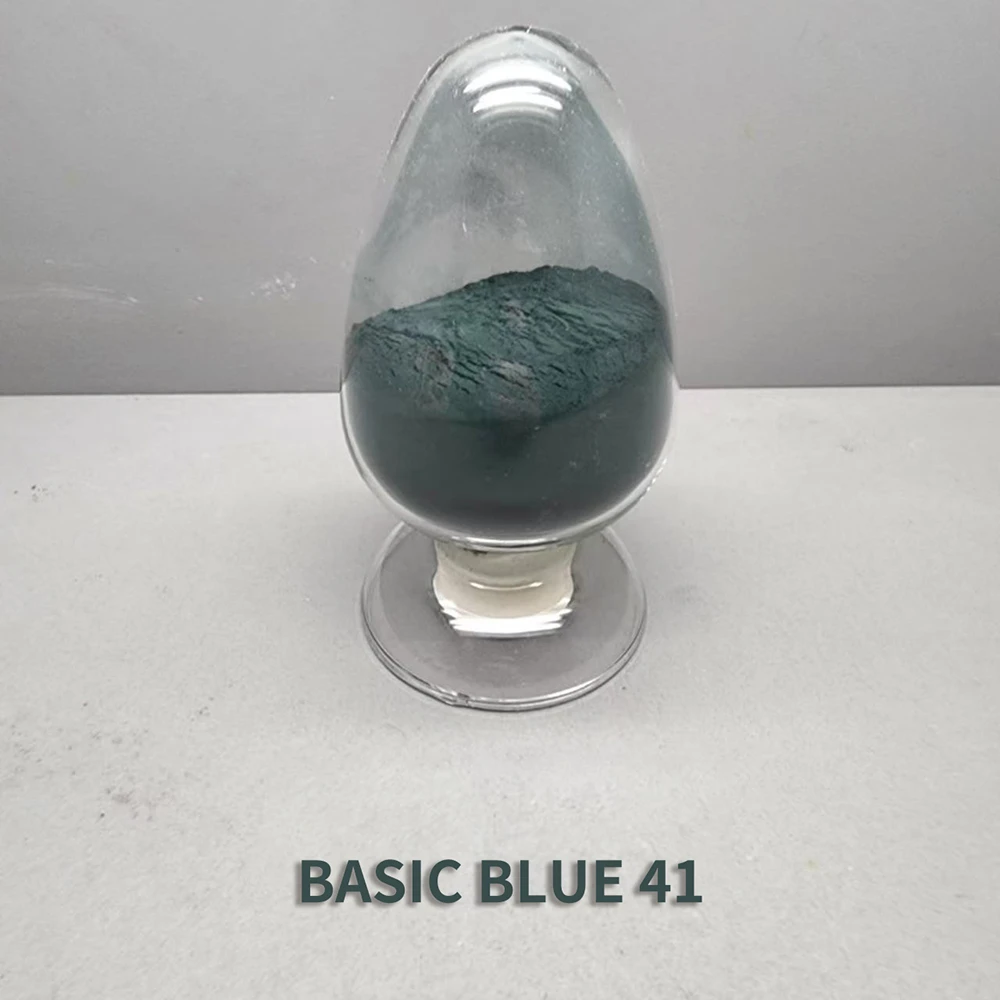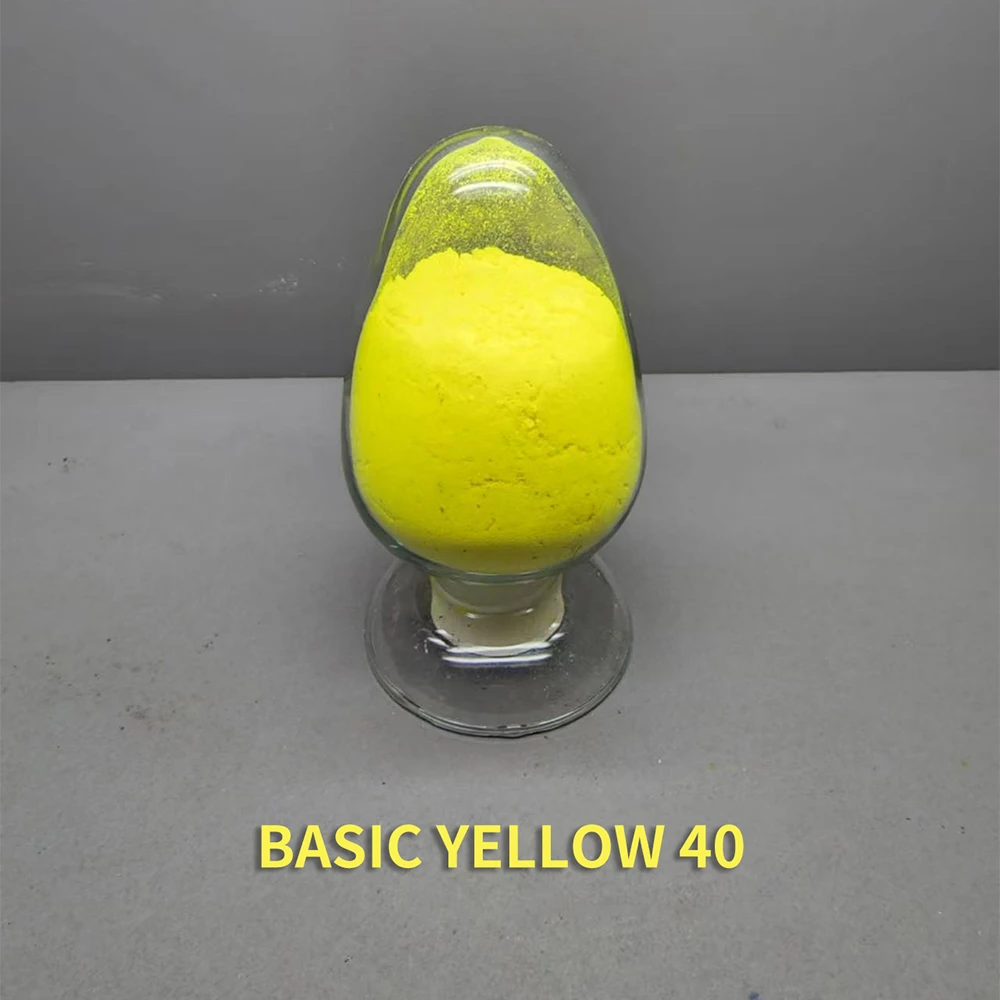
Understanding Basic Dye Colors: Vibrant Solutions for Industry and Sustainability
Unpacking Basic Dye Colors: Why They Matter in a Vibrant World
At first glance, basic dye colors might seem just a niche topic for chemists or textile pros. Yet, these vibrant compounds ripple across industries — from fabric to biomedical imaging, and even water treatment. Understanding basic dye colors is more than academic; it’s about unlocking reliable, scalable, and often affordable coloring technology that powers global manufacturing and humanitarian efforts.
In fact, the significance of these dyes ties directly into challenges like sustainable material usage and meeting fast-growing demand for vivid, durable colors worldwide. As consumers and industries alike ask for brighter, safer, and more eco-conscious solutions, basic dye colors offer an intriguing answer.
The Global Relevance of Basic Dye Colors
Here’s a quick fact: Textile production and dyeing account for roughly 20% of global industrial water pollution (UN Environment Programme). This makes the choice of dye technology critical not just for aesthetics but for environmental impact. Basic dye colors contribute a substantial share to the millions of tons of dye produced yearly, especially in Asia and Europe.
Globally, fast fashion and burgeoning medical diagnostics have placed increasing demand on dyes with consistent color fastness and minimal harmful residues. The industry faces a significant dilemma — how to maintain brilliant shades while reducing environmental footprints.
Basic dye colors help tackle this challenge by offering bright, synthetic colorants that bind well to synthetic fibers and other substrates. They often require simpler, less energy-intensive processes compared to natural dyes— a key advantage in energy-conscious production decades into the 21st century.
What Exactly Are Basic Dye Colors?
Simply put, basic dyes are synthetic dyes that carry positive charges, allowing them to form strong bonds with negatively charged surfaces like textiles (particularly acrylics and wool). Their “basic” in name refers not to pH level but their chemical character as cationic (positively charged) dyes.
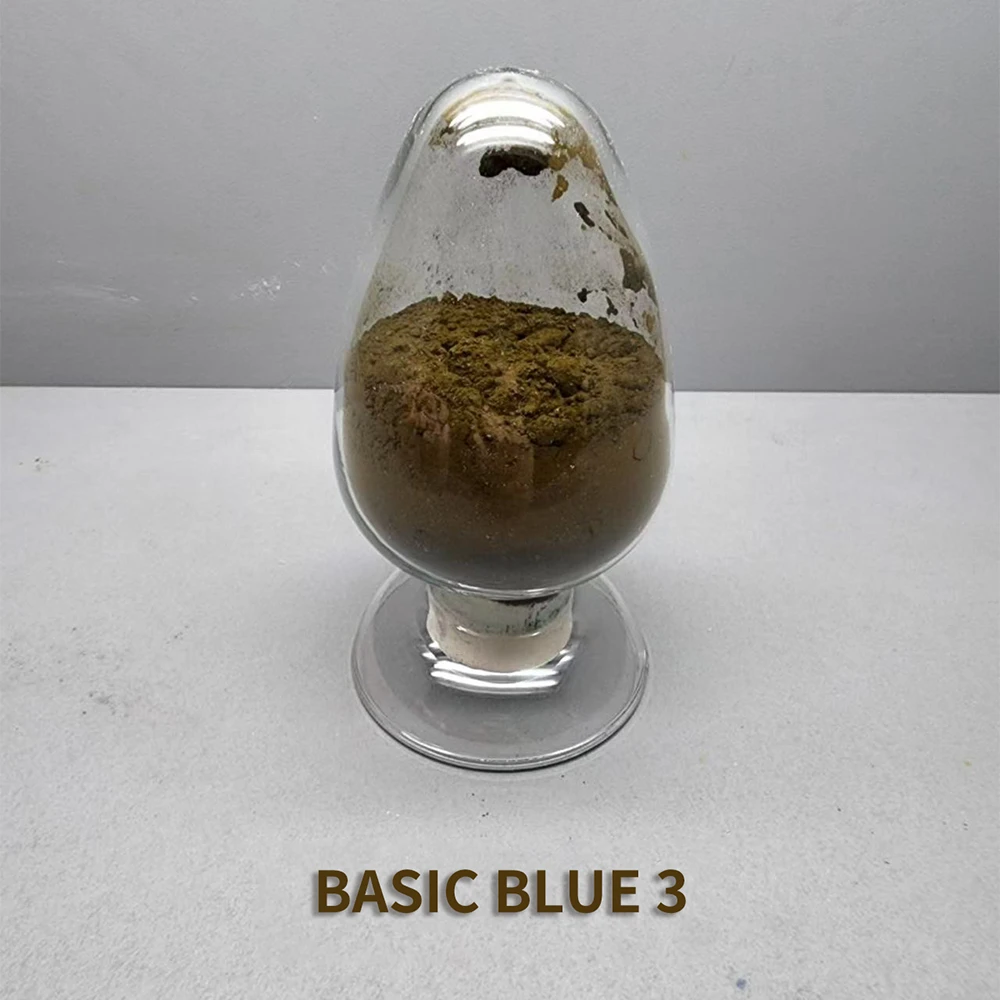
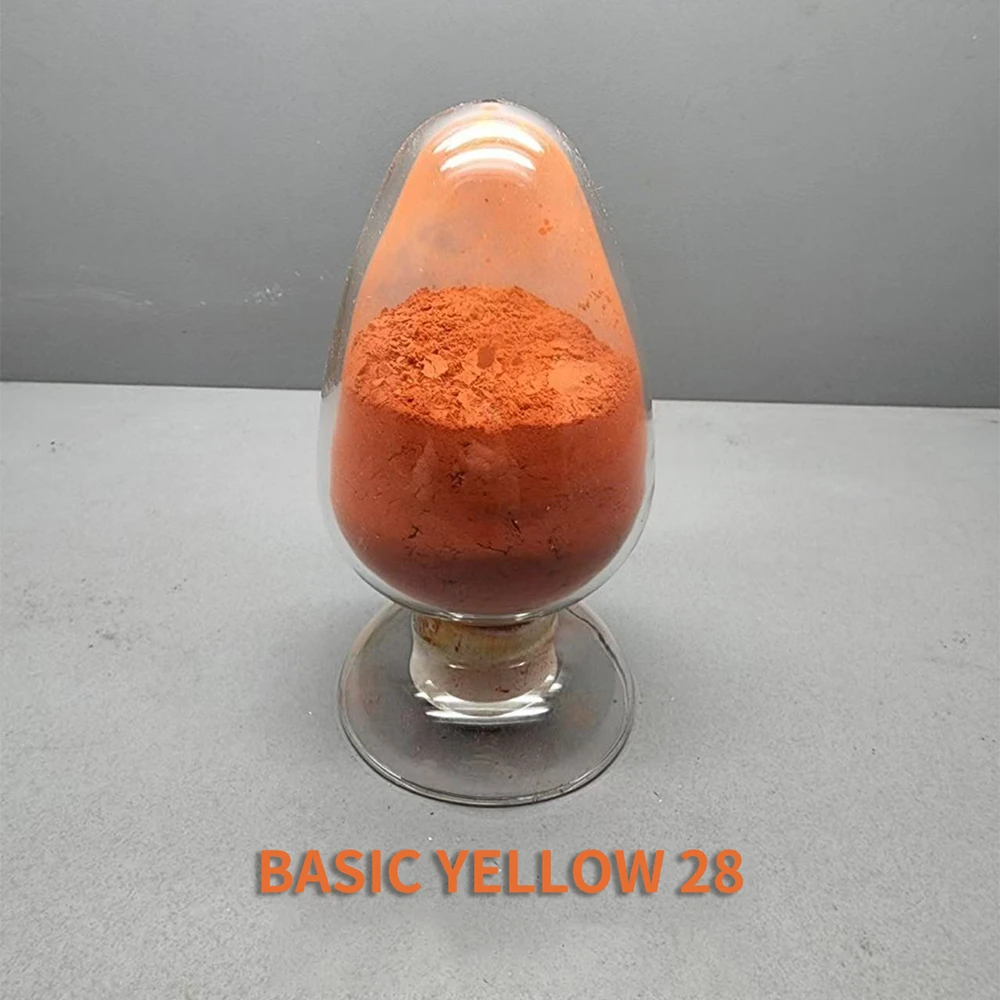
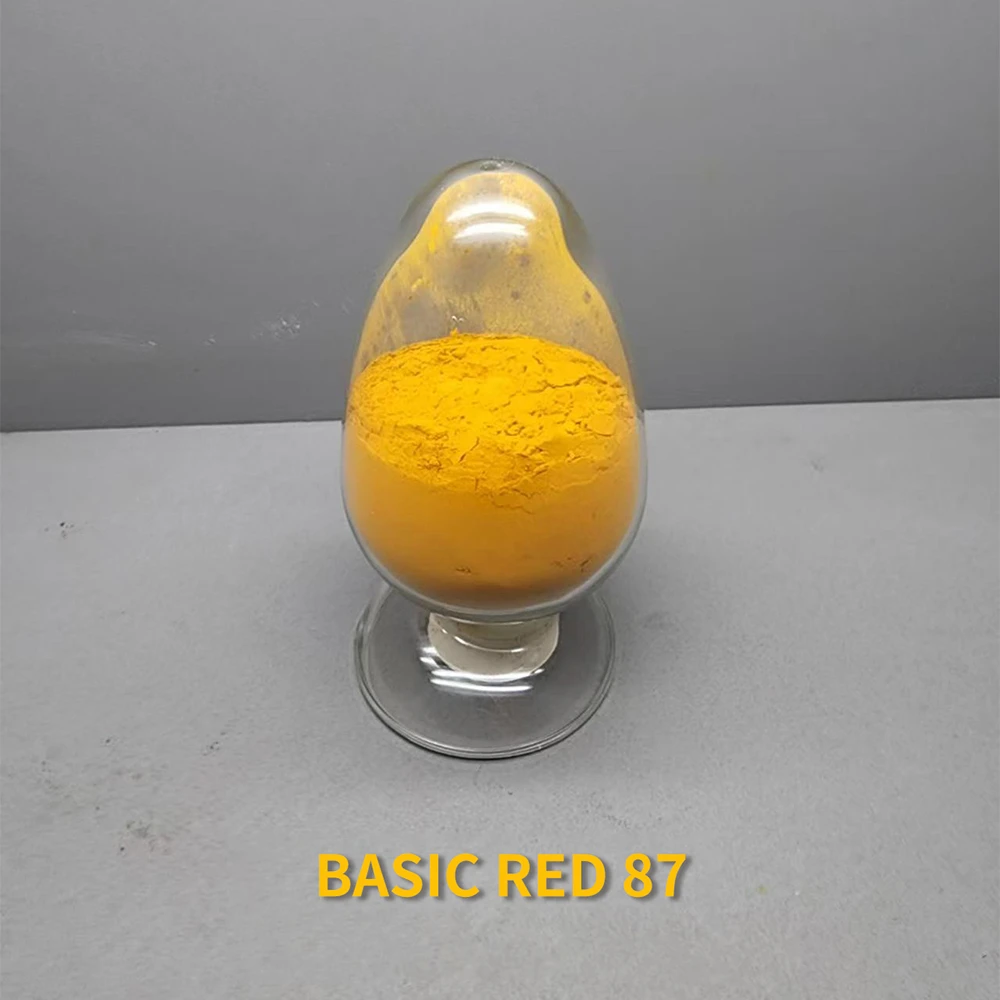
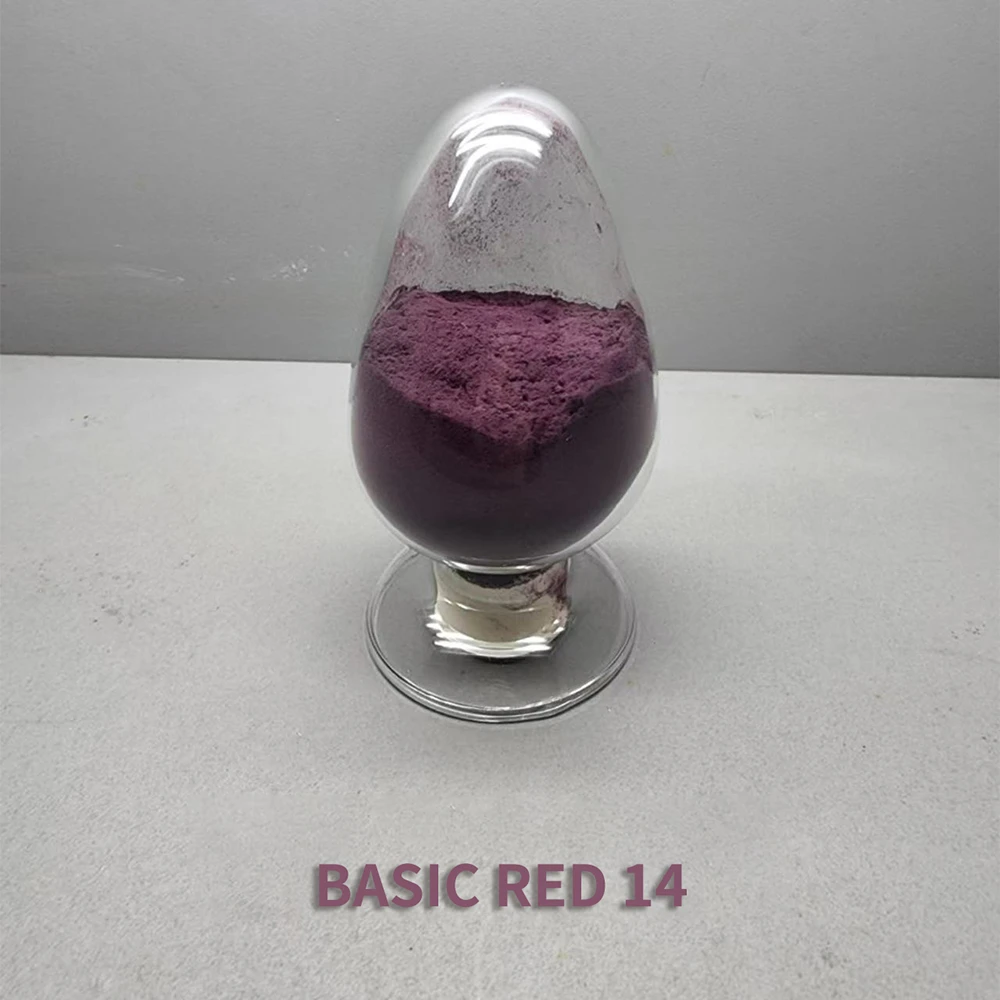
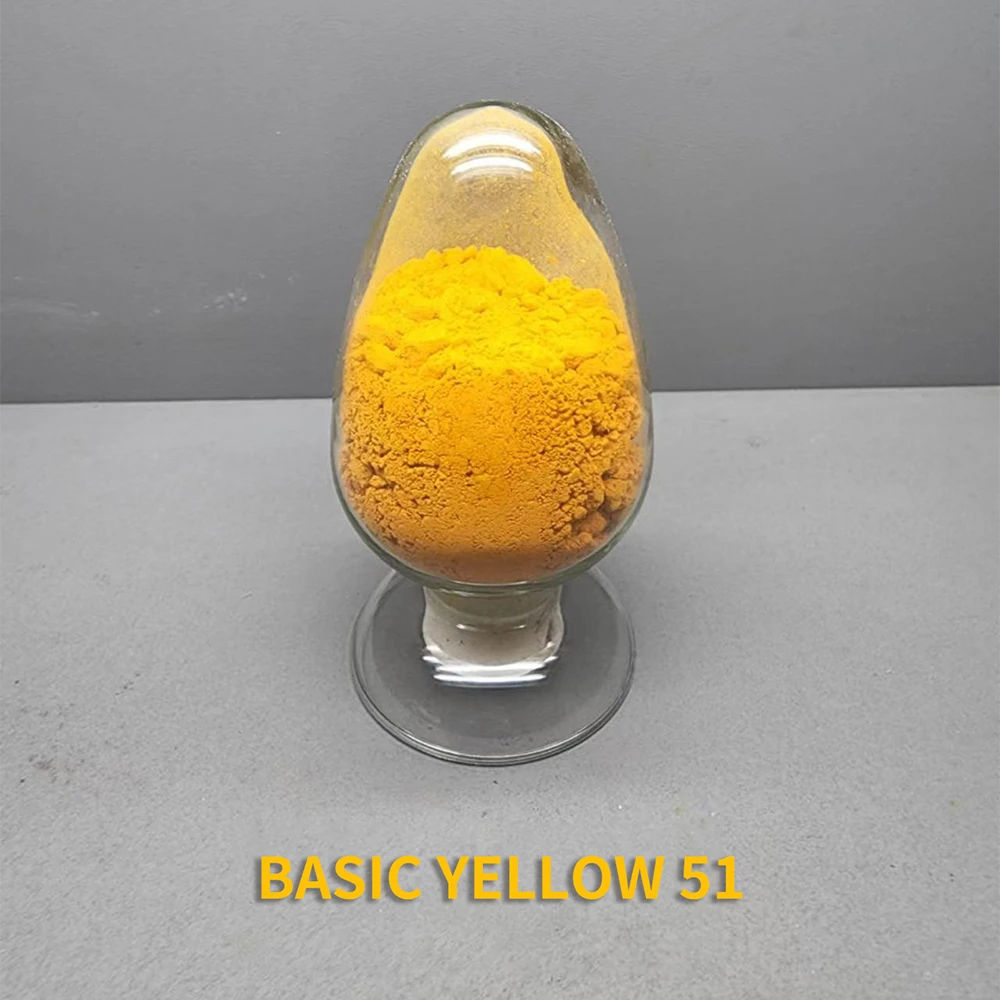
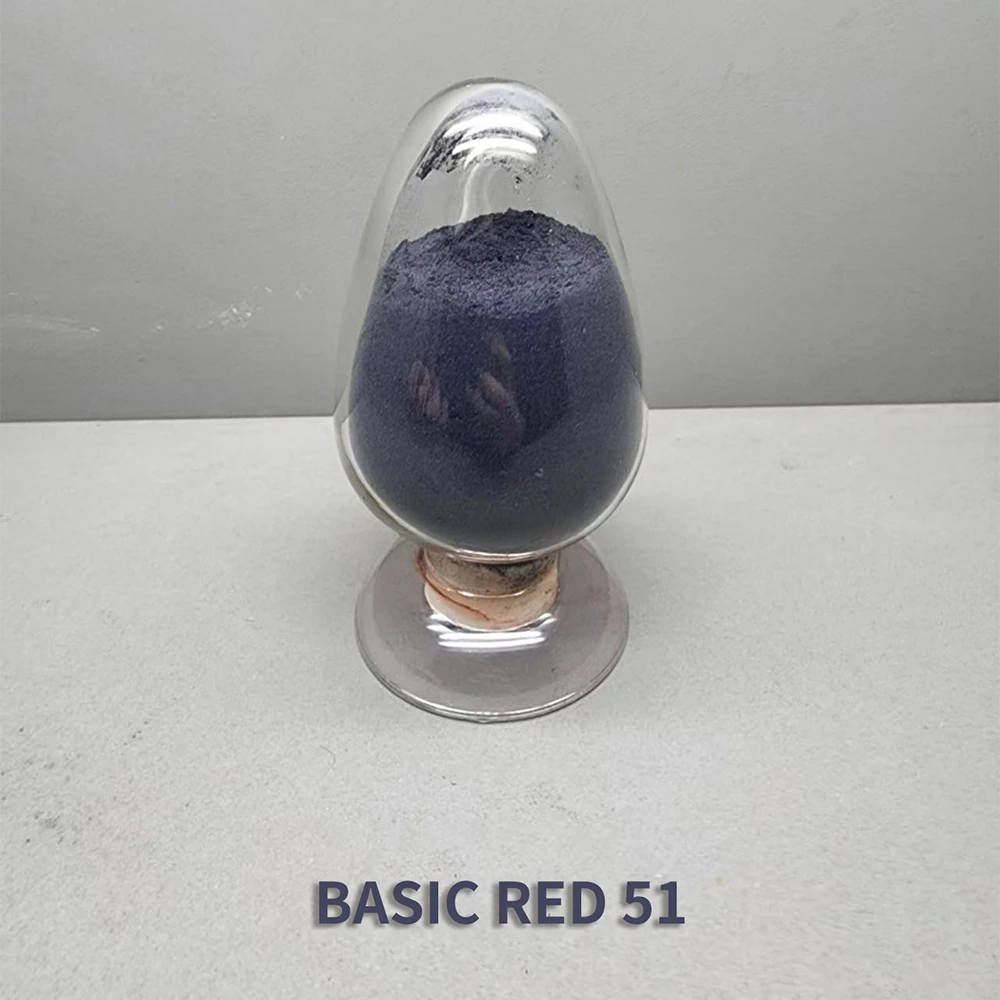
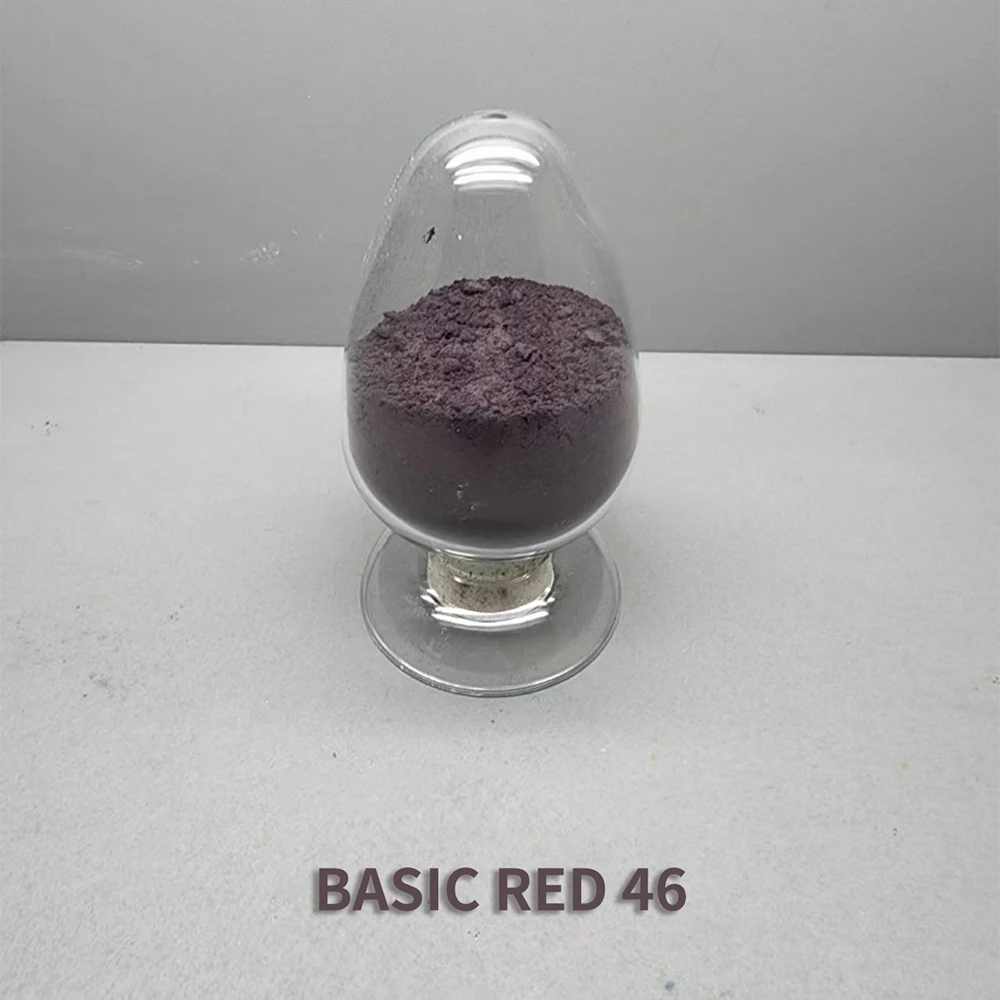
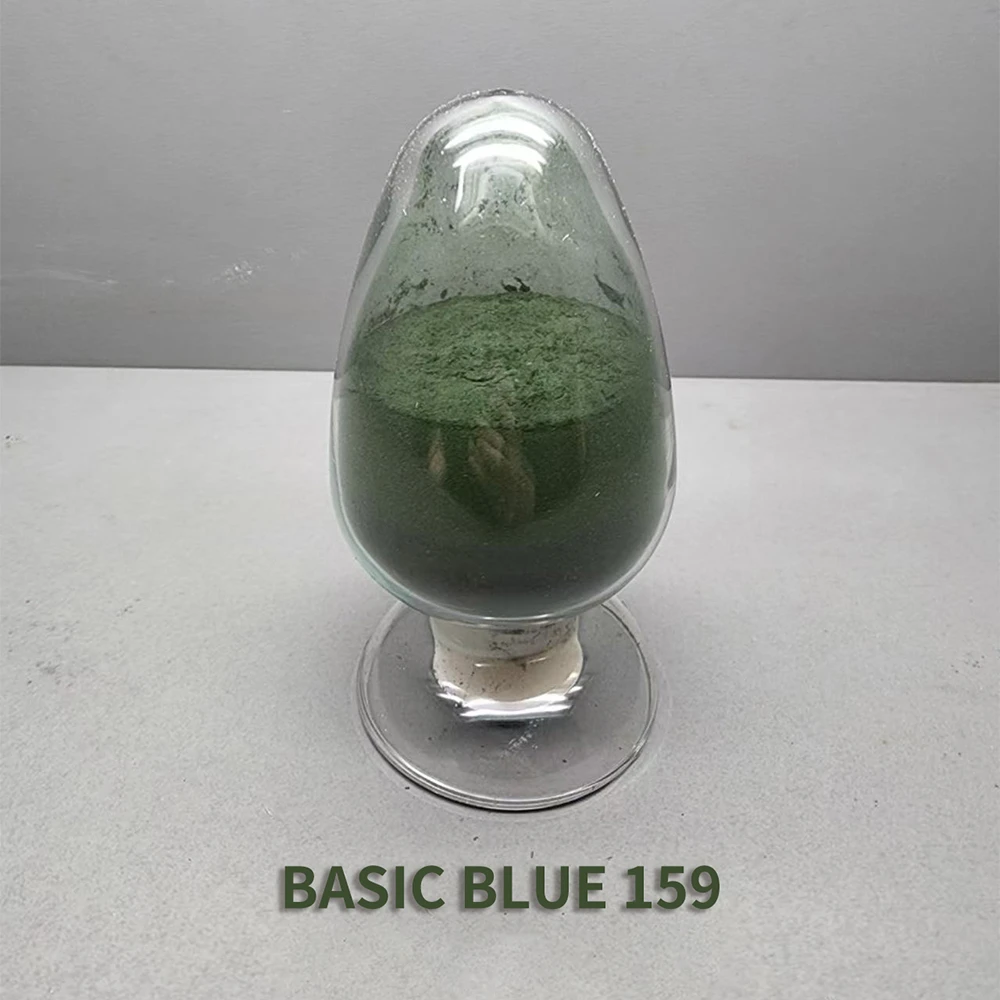
They are known for their vibrant hues — think deep blues, reds, and purples — and have found uses in industrial textiles, paper, leather, and even in vital medical applications such as staining cells in microscopy.
This connection to both industrial and humanitarian contexts is fascinating. For example, in post-disaster zones, quick-deploy medical kits benefiting from sharply contrasting basic dye stains speed diagnosis and cure—a tiny technical detail with outsized real-world impact.
Core Features Driving Their Use in Industry
1. Color Vibrancy and Range
Basic dye colors are prized for their brilliance. Unlike many natural dyes that fade quickly, these dyes maintain bold, eye-catching vibrancy, even after repeated washing or exposure to light.
2. Affinity with Synthetic Fibers
Because of their positive charge, basic dyes have excellent affinity for negatively charged synthetic fibers such as acrylics. This makes them indispensable in industries reliant on polyester blends and acrylic yarns, where color durability matters.
3. Application Versatility
Besides textiles, their broad solubility in water and compatibility with different substrates make basic dye colors valuable for leather coloring, paper printing, inks, and biomedical stains.
4. Cost Efficiency
Compared to many specialty dyes, basic dyes tend to be less expensive due to straightforward synthesis and established production pipelines. For manufacturers balancing cost and quality, this often represents a sweet spot.
5. Environmental Considerations
While some basic dyes have had a checkered history for environmental safety, ongoing innovations are creating more eco-friendly formulations with less toxic intermediates and better biodegradability profiles.
Mini takeaway:
Basic dye colors pack a punch in industrial coloring due to their vivid shades, fiber affinity, broad usability, and increasingly sustainable design. Knowing these core features helps in choosing materials that fit your project’s needs.
Basic Dye Colors in Action: Real-World Uses Across Regions and Industries
Asian markets, notably India and China, dominate the production and export of basic dye colors, fueling local textile industries as well as global supply chains. Europe’s strong regulatory frameworks push manufacturers toward greener formulations, and in North America, biomedical applications of these dyes have grown rapidly.
Some case examples:
- Post-disaster relief: Basic dyes in rapid diagnostic kits allow frontline medics to quickly identify infections and treat wounds effectively.
- Industrial textiles in cold climates: Durable acrylic clothing dyed with basic dyes resists fading in harsh weather, which is critical for workers’ safety and comfort.
- Paper and printing industries: High-contrast inks derived from basic dyes are used in currency printing and secure document production.
Product Specification Table: Representative Basic Dyes
| Dye Name | Color | Fiber Affinity | Fastness Properties | Typical Use |
|---|---|---|---|---|
| Methylene Blue | Deep Blue | Acrylics, Wool | Good wash and light fastness | Biomedical staining, textiles |
| Basic Fuchsin | Vivid Magenta | Nylon, Acrylics | Moderate fastness | Textiles, paper printing |
| Crystal Violet | Purple | Acrylic fibers mainly | Fair to good light fastness | Textiles, bio-markers |
Vendor Comparison Table: Leading Basic Dye Suppliers
| Supplier | Typical Purity (%) | Price Range (USD/kg) | Eco Certifications | Lead Time |
|---|---|---|---|---|
| Yanhong Chemicals | >98% | 2.50 - 5.00 | ISO 14001, REACH | 2 Weeks |
| GlobalDyestuffs Inc. | >95% | 3.00 - 6.00 | OEKO-TEX | 3-4 Weeks |
| EcoColors Ltd. | >99% | 4.00 - 7.00 | GOTS, REACH | 1 Week |
The Many Advantages and Long-Lasting Impact
Basic dye colors offer more than just flash on a fabric or paper — they translate into tangible benefits across sectors:
- Cost savings: Their relatively low cost means affordable end products without sacrificing quality.
- Reliability: Consistent, vivid coloration ensures brand quality and user satisfaction.
- Social good: In medical fields, these dyes contribute to faster diagnosis and treatment.
- Environmental strides: Emerging greener formulations reduce ecological harm while maintaining potency.
- Innovation driver: Being staple chemicals, they’re platforms for future dye chemistry advancements.
On a personal note, many engineers I've met swear by basic dyes for balancing fast delivery and reliable results; it’s a dependable kind of chemistry in a fast-changing world.
Looking Forward: Trends and Innovations Shaping Basic Dye Colors
Looking ahead, several trends promise to shake up how we think about basic dye colors. Green chemistry initiatives are retooling production lines to minimize use of hazardous substances and improve biodegradability.
Meanwhile, advances in digital textile printing and nanotechnology are enabling ultra-precision dye placement, optimizing color usage and reducing waste. The integration of AI-driven quality control helps manufacturers meet ever-tightening sustainability standards without compromising on vibrancy.
And frankly, the rise of bio-based dyes (some mimicking the properties of classics like basic dyes) could complement the traditional market, giving buyers more eco-friendly options without losing performance.
Challenges and How Industry Tackles Them
No product is without its bumps. Basic dye colors sometimes show limited wash fastness on natural fibers and have historically faced scrutiny for aquatic toxicity from untreated effluent.
Yet, industry responses have been robust: from tweaking molecular structures to developing advanced wastewater treatment— solutions that balance functionality and responsibility.
In the end, it feels like a slow but sure march toward safer pigments, blending old-school reliability with green ambition.
FAQ: What You Want to Know About Basic Dye Colors
- Q: Are basic dye colors suitable for all fabric types?
- A: Generally, they work best with acrylics, wool, and nylon due to their affinity for negatively charged fibers. Cotton and polyester might require different dyes or treatment.
- Q: How environmentally friendly are basic dyes today?
- A: Modern formulations have improved, especially under ISO and REACH regulations, but wastewater management remains crucial to avoid pollution.
- Q: Can basic dyes be used in biomedical applications?
- A: Yes, many basic dyes like Methylene Blue are standard in staining cells and tissues, enabling critical diagnostics.
- Q: How do I source reliable basic dye colors for industrial use?
- A: Look for suppliers with ISO and REACH certifications— like Yanhong Chemicals — and verify their lead times and purity specs to fit your production needs.
- Q: Are basic dyes cost-effective compared to natural alternatives?
- A: Typically, yes. They offer consistent performance at lower costs, especially important for large-scale manufacturing.
Wrapping Up
Whether you’re an industrial buyer, technician, or curious mind, basic dye colors reveal a world of vibrant possibilities that blend chemistry, sustainability, and practical performance. Their ongoing evolution mirrors wider trends in manufacturing — balancing bold aesthetics with green responsibility.
If you want to explore trusted sources and a wide range of basic dye colors, a good starting point is our website. Dive into the shades that literally color the future.
References
-
Exploring the Creative World of Fabric Dye on Wood for Stunning FinishesNewsFeb. 26, 2026
-
Basic Red Dye – Lab-Grade Basic Fuchsin Stain & SolutionNewsDec. 12, 2025
-
High-Performance Yellow Fabric Dye Solutions for Industrial Textiles | YanhongchemNewsDec. 08, 2025
-
Light Pink Fabric Dye – Precision & Quality from Yanhong ChemicalNewsJan. 05, 2026
-
Off White Fabric Dye – Industry-Trusted Quality and DurabilityNewsDec. 30, 2025
-
Comprehensive Guide to Khaki Green Dye for Clothes and Textile ApplicationsNewsMar. 17, 2026