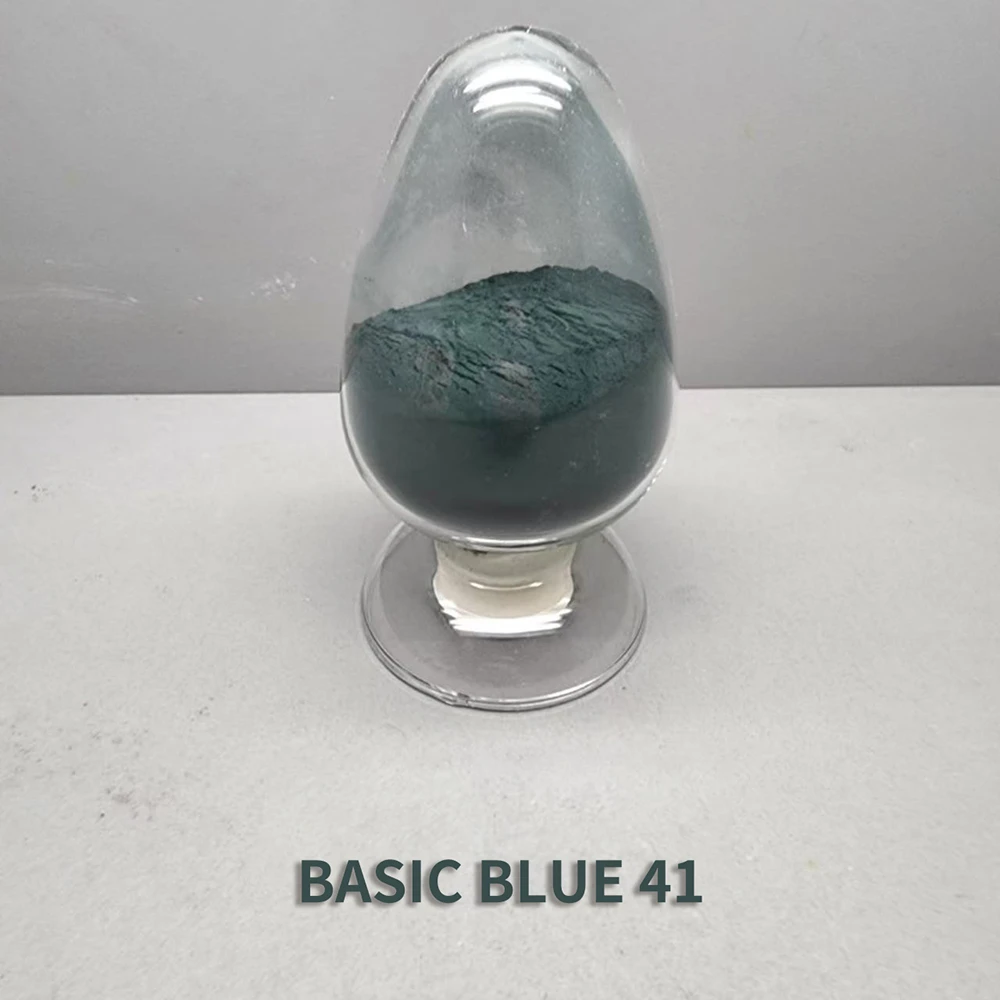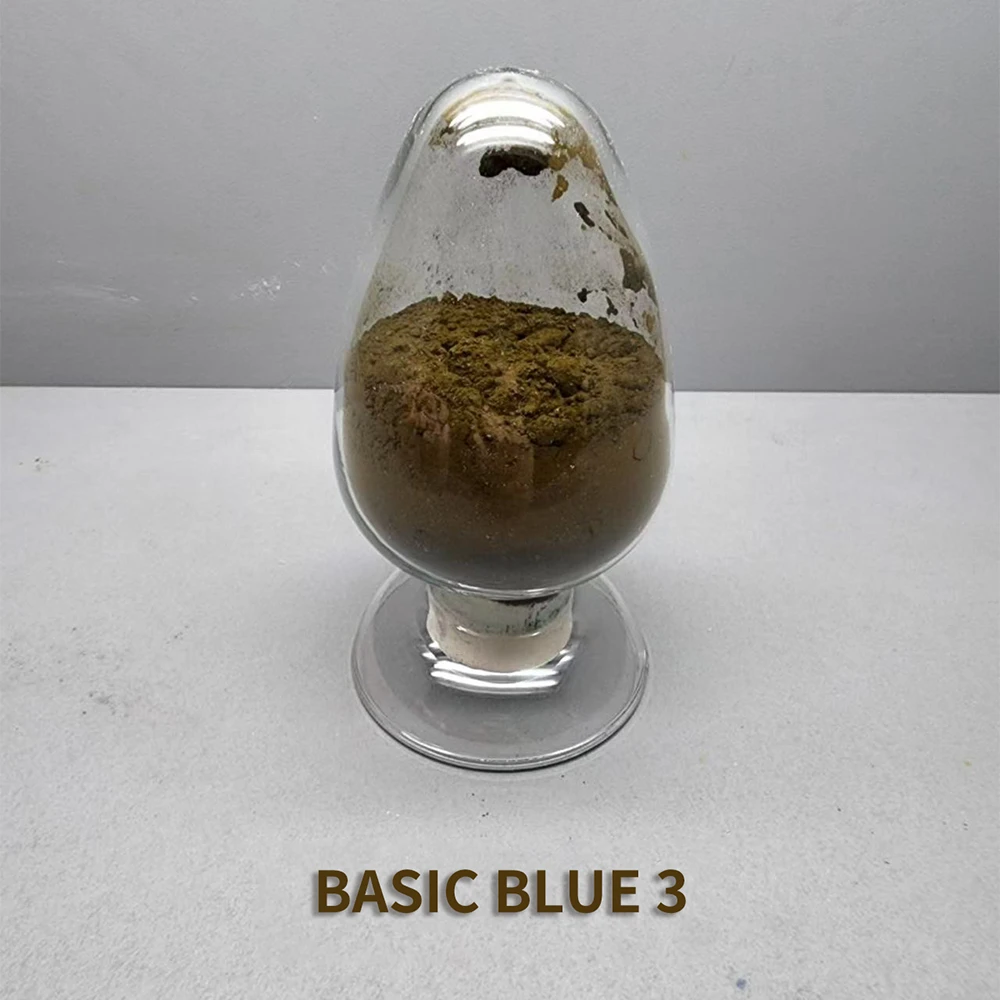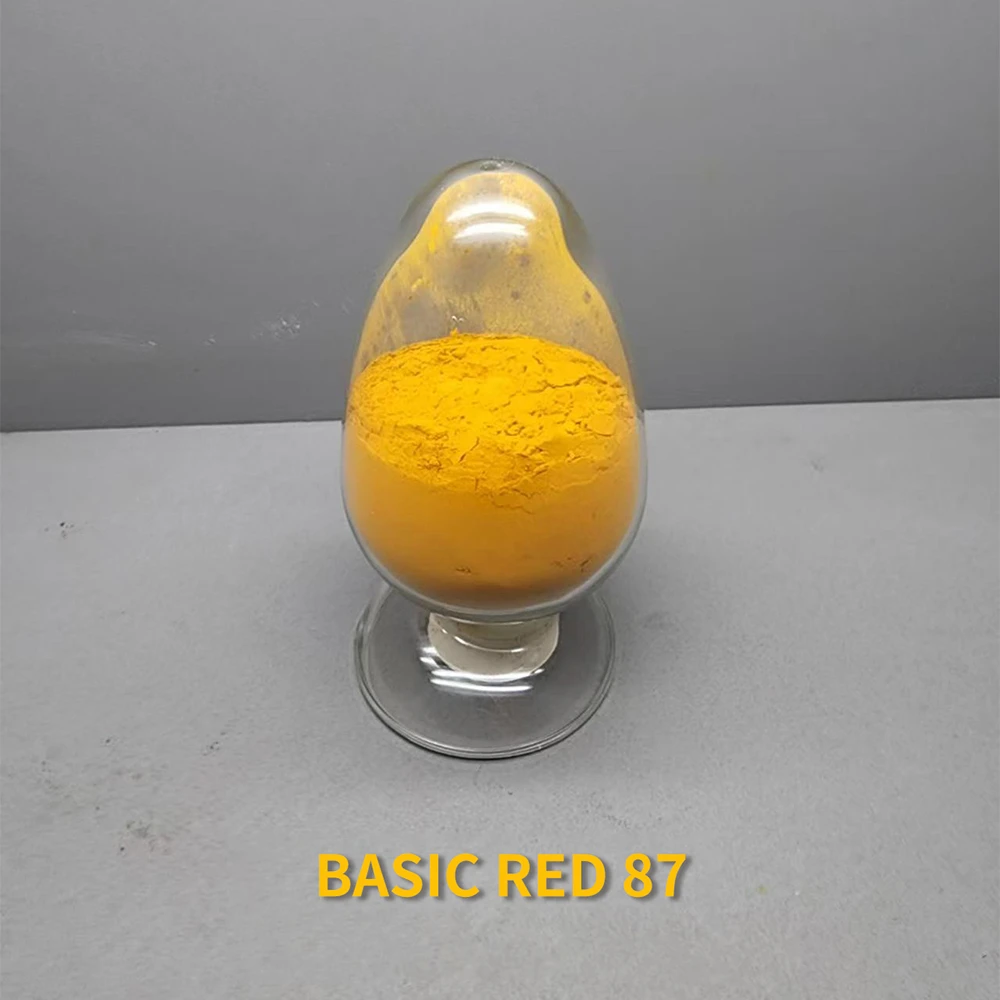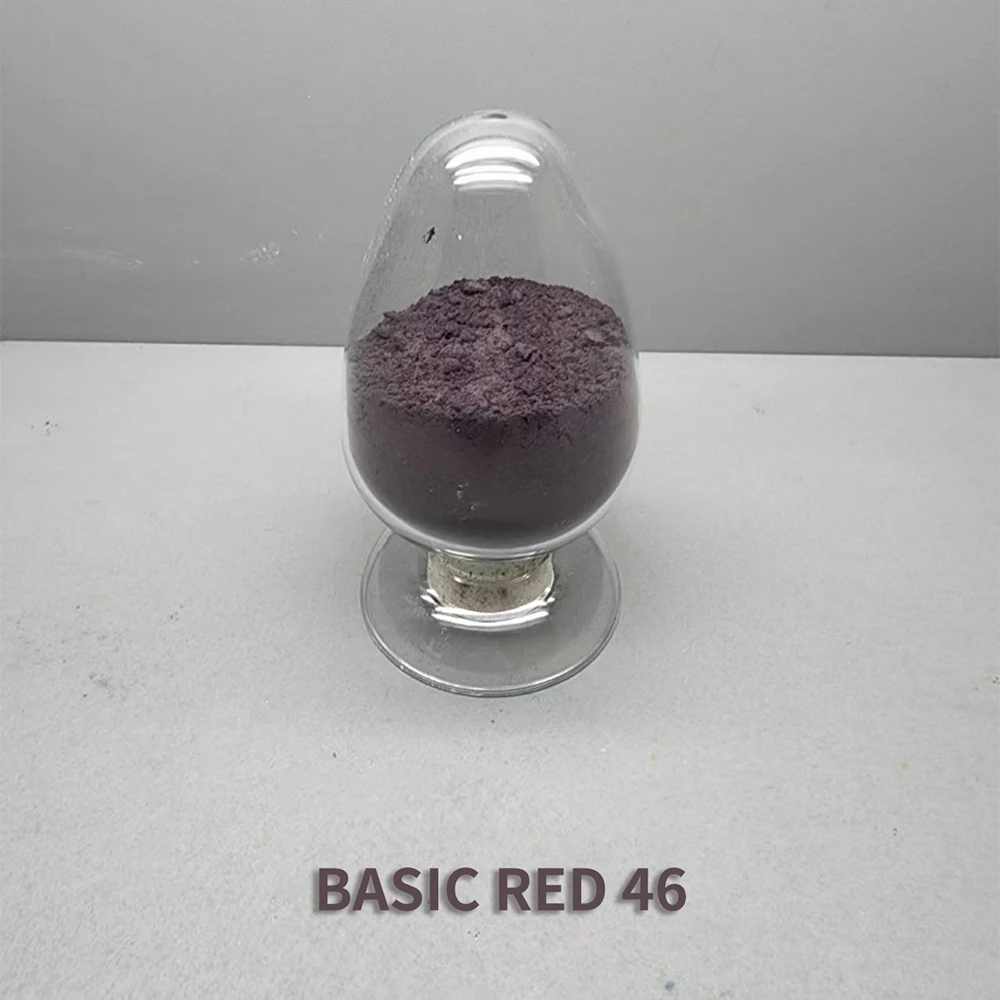
Basic Green 4 – Industrial Dye Solutions with Performance and Sustainability
Understanding Basic Green 4: Why It Matters in Today's Industry
At first glance, basic green 4 might sound like just another chemical name lost in the shuffle of industrial jargon. But, if you stop and think about it, the role this compound plays in various sectors—particularly textiles, dyes, and manufacturing—is pretty significant on a global scale. Over the last few decades, industries have been striving to balance quality, cost efficiency, and environmental responsibility, and compounds like basic green 4 have quietly helped keep that balance intact.
Why should anyone care? Well, it’s about supply chains, product quality, and, ultimately, how materials behave during production and in your everyday items. Knowing the ins and outs of basic green 4 helps businesses stay competitive and compliant. Plus, there’s a sustainability twist too—so understanding how it performs is worth the time.
The Global Stage: Where Basic Green 4 Comes Into Play
Considering the figures, the global textile industry alone was valued at over $1 trillion as recently as 2023 (according to the World Bank). A sizable chunk of production depends on dyes and colorants, where basic green 4 is widely applied. Now, the challenge: many dyes traditionally came with environmental or health drawbacks. Enter basic green 4 as a somewhat greener, cost-effective alternative.
In fact, ISO certifications have been pushing manufacturers to adopt safer, more sustainable colorants. This has pushed awareness—and usage—to newer heights. For industries spanning Asia, Europe, and parts of the Americas, the integration of basic green 4 into dyeing processes offers an opportunity to meet strict regulatory standards while maintaining vibrant coloration in fabrics and papers.
But the big question remains: How can something so “basic” keep evolving amid tightening regulations and changing market demands?
What Exactly Is Basic Green 4?
Simply put, basic green 4, also known as Malachite Green, is a synthetic dye belonging to the triphenylmethane family. It’s famed for its distinctive bright green color and is water-soluble, which makes it highly versatile for textile dyeing and paper coloring. But unlike older heavy-metal dyes, basic green 4 is used in lower concentrations and often formulated to reduce harmful environmental effects.
This chemical isn't just a color punch. Its antibacterial properties have meant it’s been used in aquaculture and medical equipment disinfection. Though controversial for some uses, its modern industrial role is integral—helping to produce colored materials that meet aesthetic and functional needs, from fashion to packaging.
Key Characteristics of Basic Green 4
1. Intense Coloration and Stability
One of the reasons manufacturers love basic green 4 is its brilliant, long-lasting green hue. It doesn’t fade easily under light or washing, which is critical for products like fabrics and coated papers. Some experts suggest that variations in the synthesis route can even tailor this stability.
2. Water Solubility and Application Ease
Since basic green 4 dissolves well in water, it fits seamlessly into standard dyeing processes without requiring harsh solvents. This means it’s easier to work with on industrial levels, leading to less downtime and fewer environmental risks from volatile organic compounds (VOCs).
3. Antimicrobial Properties
Although primarily a dye, this compound exhibits antimicrobial effects, making it useful in niche applications like treating aquaculture ponds to reduce pathogens or sterilizing surfaces. It’s an extra layer of function that makes basic green 4 stand out.
4. Environmental Considerations
It’s not all rosy. Basic green 4 must be handled correctly because its breakdown products can sometimes be toxic if released untreated. Responsible manufacturers now incorporate wastewater treatment and biodegradation strategies to minimize impact. The sustainability story here is ongoing.
Mini Takeaway:
- Basic green 4 balances strong performance with relatively safer environmental profiles.
- Its stability and antimicrobial traits widen how industries use it.
- Environmental care is key to responsible use.
Global Applications and Real-World Use Cases
From the factories in India’s bustling textile hubs to paper mills in Germany, basic green 4 has become a go-to dyeing agent. For example, in Bangladesh, where the garment industry is a backbone of the economy, basic green 4 is prized for its cost efficiency and consistent vibrancy, important for mass production.
Moreover, humanitarian organizations use materials dyed with basic green 4 in relief kits—think plastic tarps or color-coded packaging—to ensure durability and clear communication in disaster zones. Oddly enough, these everyday life-saving efforts hinge on chemicals you might never have heard of.
On the industrial side, basic green 4 dyes are also common in lab filtration membranes and inks, proving its versatility in both consumer goods and technical fields alike.
Advantages & Long-Term Value of Basic Green 4
It’s a mix of practical advantages that make basic green 4 persist: price competitiveness compared to natural dyes; reliable brightness; and that antimicrobial edge, which opens doors beyond just coloring. Plus, the dye’s water solubility cuts down on hazardous solvent use, nudging industries toward greener processes.
On a social level, industries reliant on basic green 4 contribute to jobs in emerging markets, supporting whole communities. The trust in quality it brings also means better end products—clothes, papers, packaging—that consumers appreciate daily.
Looking Ahead: Trends & Innovations
Industries aren’t standing still. Newer formulations of basic green 4 aim to improve biodegradability and reduce any toxic residue. Combining it with digital inkjet technologies or blending with bio-based binders is opening fresh possibilities.
Additionally, advances in wastewater treatment, often certified by global standards (like ISO 14001), help industries safely use such dyes. As automation and green chemistry evolve, we may see more responsible production pipelines — keeping basic green 4 relevant but cleaner.
Challenges & Practical Solutions
The main worries revolve around environmental impact, regulatory scrutiny, and public perception. Basic green 4, historically linked to some toxicology concerns, requires careful processing to comply with evolving laws.
Experts recommend adopting closed-loop dyeing systems and investing in advanced oxidation processes for effluent treatment. Some manufacturers are exploring bio-augmentation techniques too—using microbes to break down residual chemicals more effectively.
In short, smart use and innovation can keep basic green 4 not only viable but sustainable.
Basic Green 4 FAQ: Quick Answers for Curious Minds
- Is basic green 4 safe for use in textiles?
- When used properly and under regulatory guidelines, basic green 4 is considered safe for textile applications. Wastewater must be treated to avoid environmental contamination, ensuring compliance with global standards.
- Can basic green 4 be used in food packaging?
- Generally, it’s not recommended for direct food contact due to toxicity concerns. However, it’s common in external packaging elements where there’s no direct food exposure.
- How does basic green 4 impact sustainability?
- Its water solubility reduces VOC emissions, and ongoing improvements in wastewater treatment mitigate environmental risks, but careful handling and disposal remain essential.
- Where can I buy high-quality basic green 4?
- Trusted suppliers with ISO certifications, such as yanhongchem.com, are a good place to start—ensuring product quality and compliance.
Product Specification Table
| Specification | Details |
|---|---|
| Chemical Name | Basic Green 4 (Malachite Green) |
| Molecular Formula | C23H25ClN2 |
| Appearance | Dark green powder or crystals |
| Solubility | Water soluble |
| Typical Usage Concentration | 0.1-0.5% in textile dyes |
| Stability | Light and wash fastness: Medium to high |
Vendor Comparison for Basic Green 4 Suppliers
| Vendor | ISO Certifications | Price (per kg) | Global Shipping | Customer Support |
|---|---|---|---|---|
| Yanhong Chem | ISO 9001, ISO 14001 | $15.50 | Yes (worldwide) | 24/7 Multilingual |
| ChemSource Ltd. | ISO 9001 | $16.20 | Limited | Business hours only |
| GreenDyes Corp. | ISO 14001 | $14.80 | Yes (restricted) | Limited support |
Wrapping It Up: Why Basic Green 4 Still Makes Sense
So, we’ve seen basic green 4 isn’t just some “old-school” dye—its role in modern industry remains strong thanks to performance, adaptability, and ongoing improvements in environmental management.
If you’re in textiles, packaging, or even specialized industrial fields, this compound can mean the difference between dull, unreliable color and a bright, lasting finish with bonus antimicrobial perks. And that trustworthiness, I’d argue, is priceless in manufacturing.
If you want to learn more about sourcing or specifics, a good place to start is yanhongchem.com. They offer quality, certifications, and global availability. It feels like the kind of partner you want when working with something as fundamental as basic green 4.
References & Further Reading
-
Classification Of Cationic DyesNewsAug. 05, 2025
-
Comprehensive Guide to Fabric Dye Price Factors and Optimization StrategiesNewsFeb. 27, 2026
-
Fabric Dye Solutions for B2B Textile Industry | YanhongChemNewsDec. 03, 2025
-
Reliable China Fabric Dye Manufacturers - Quality & Custom SolutionsNewsDec. 03, 2025
-
Fabric Dyeing: Sustainable Techniques and Trends Transforming the Textile IndustryNewsDec. 03, 2025
-
China Fabric Dye Manufacturers: Sustainable & High-FastnessNewsDec. 12, 2025