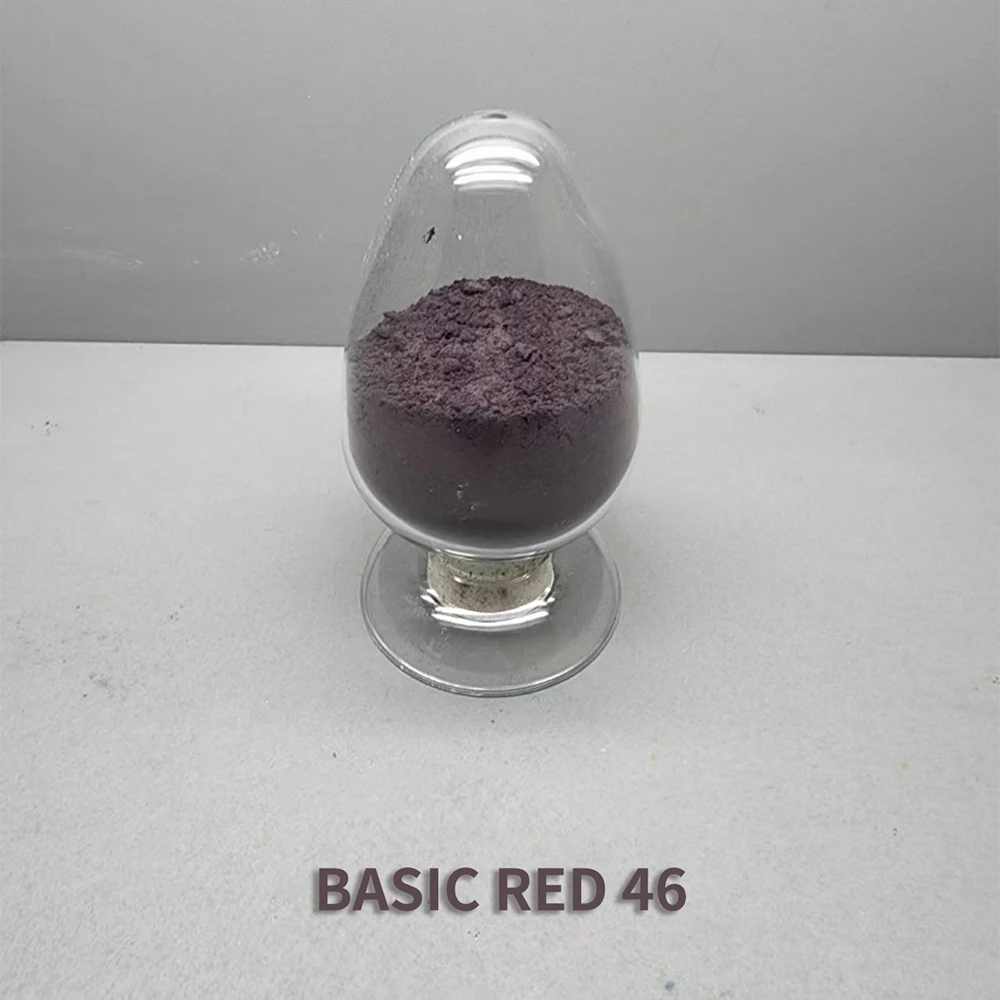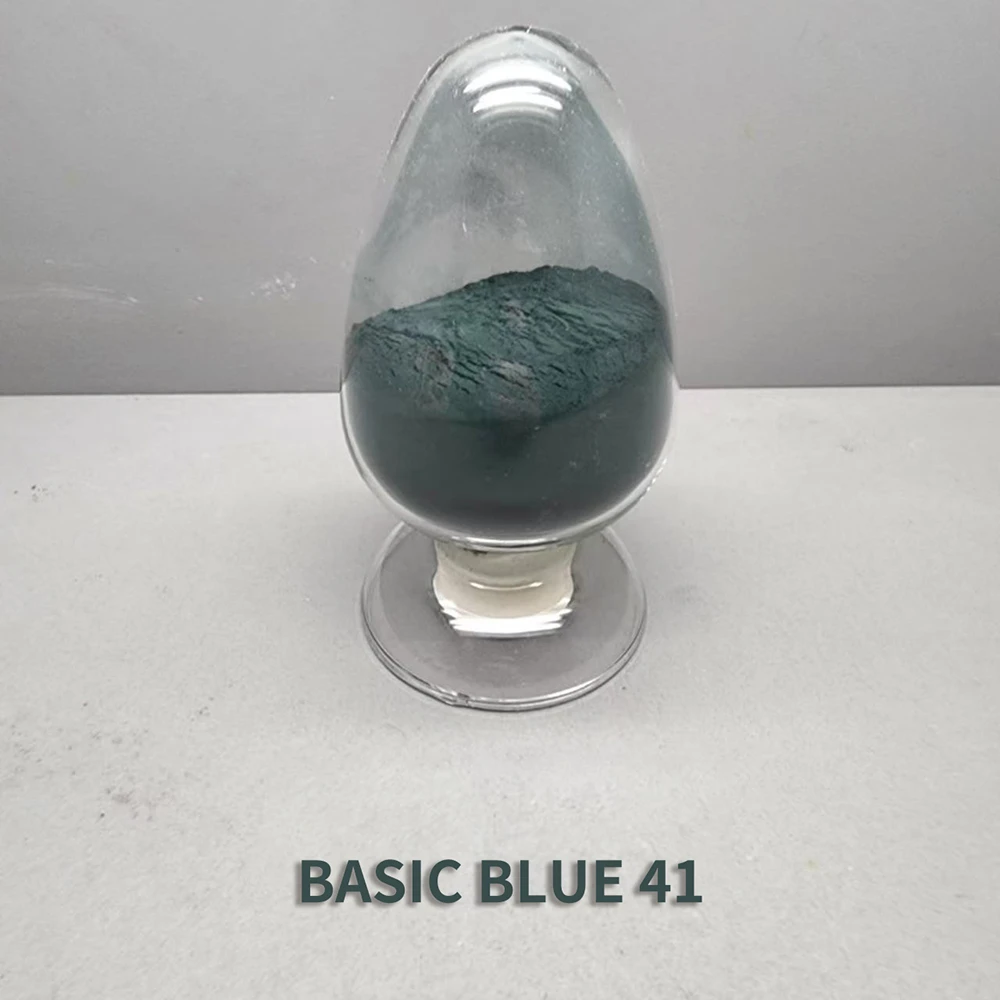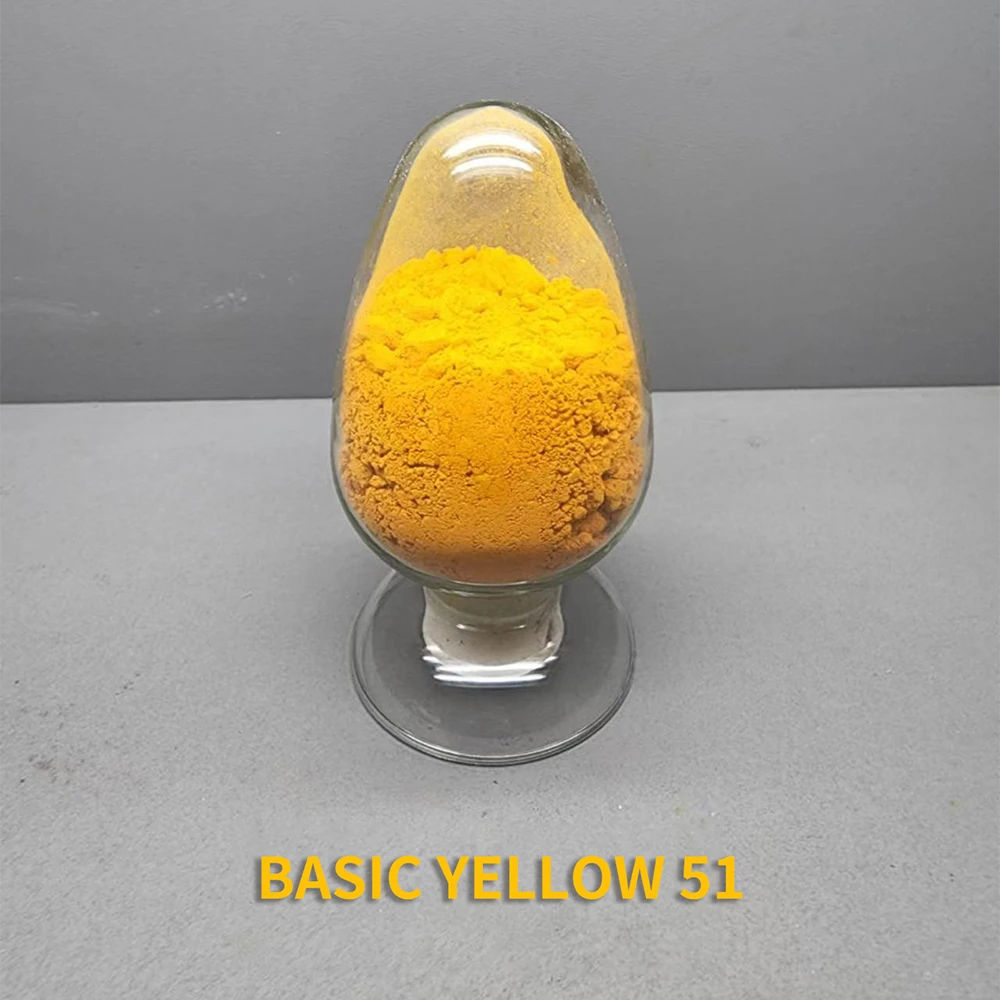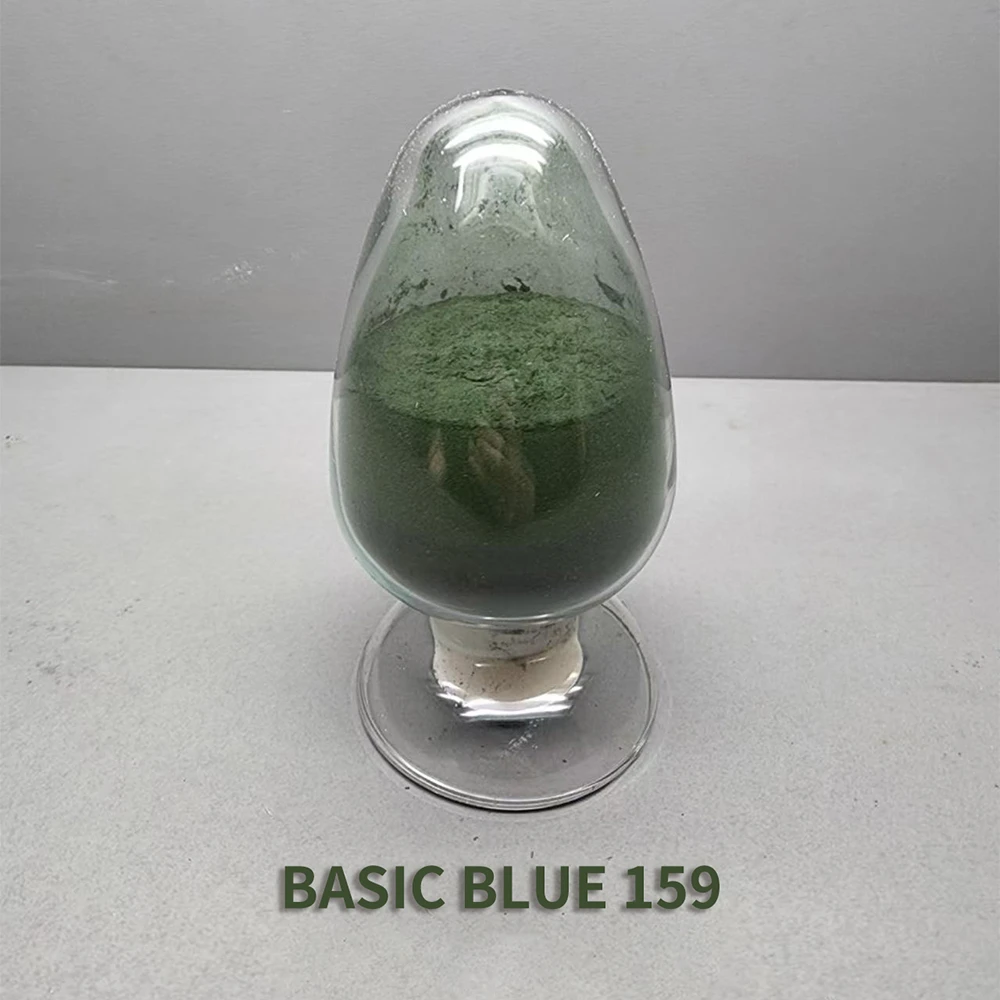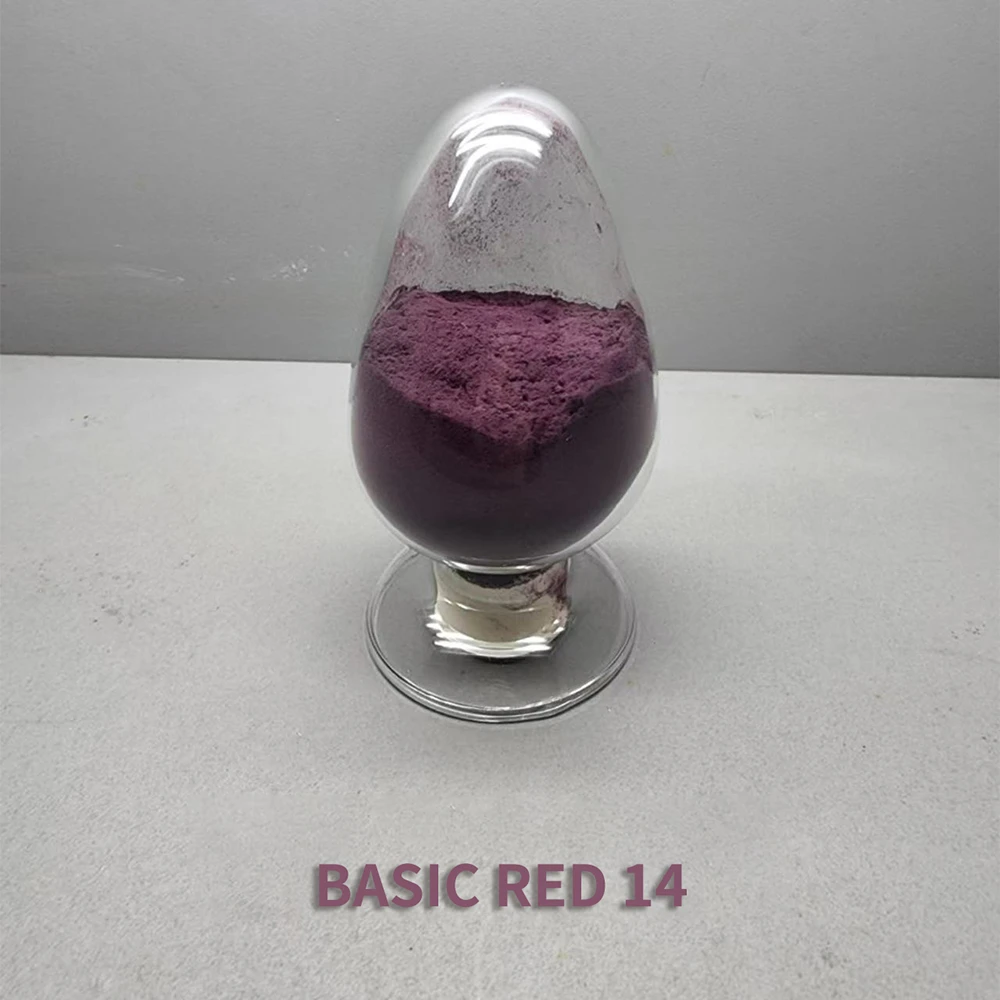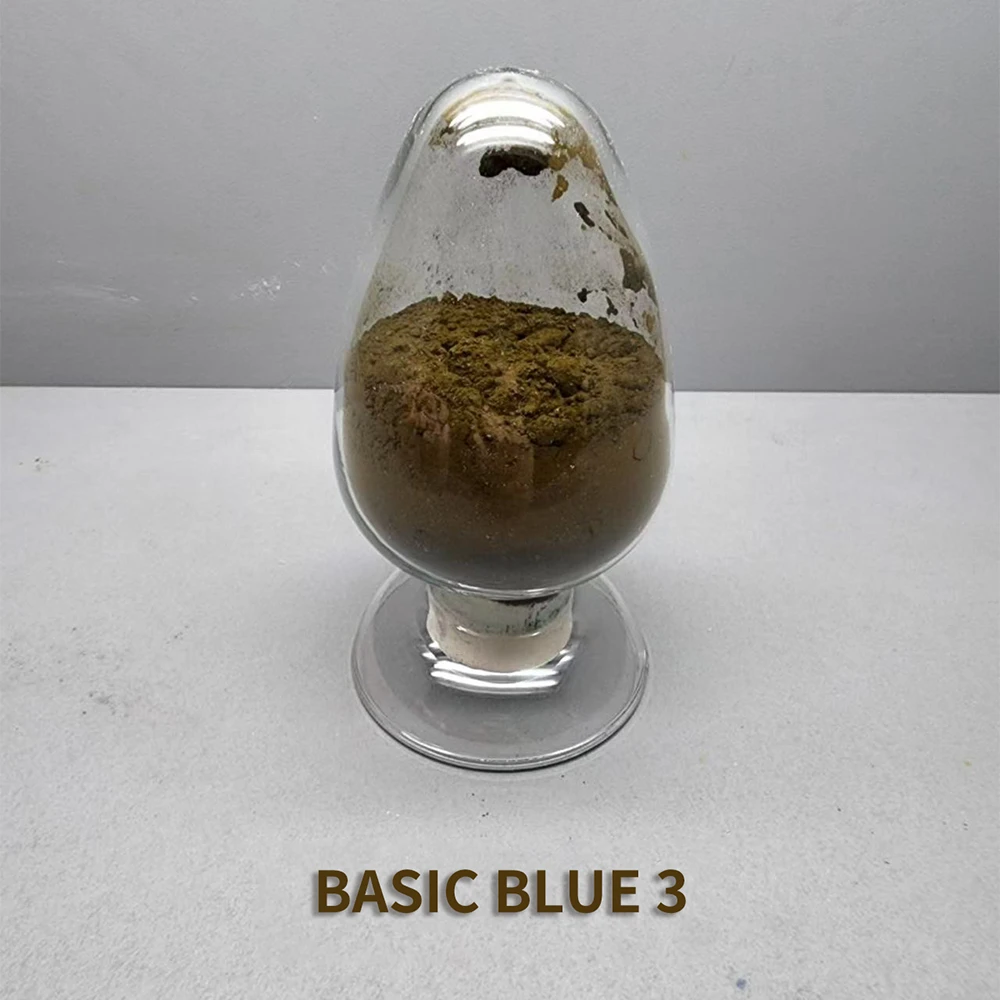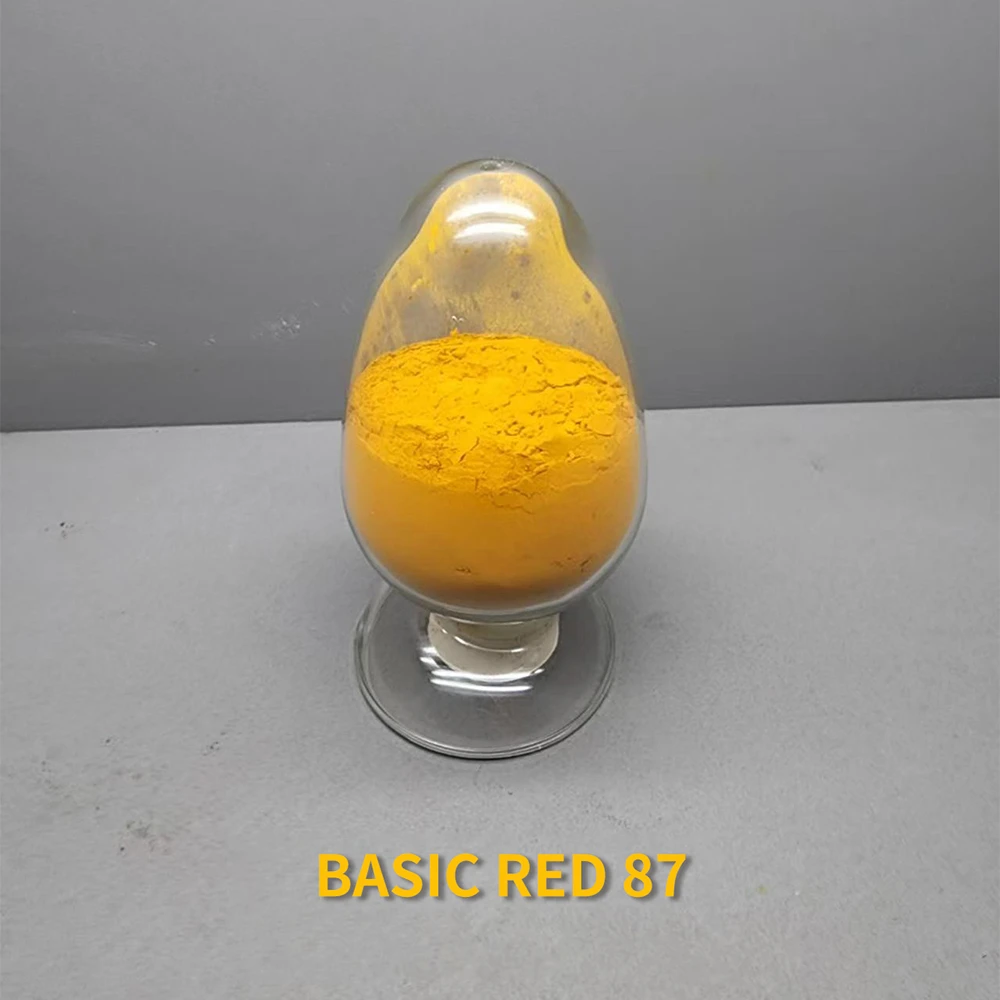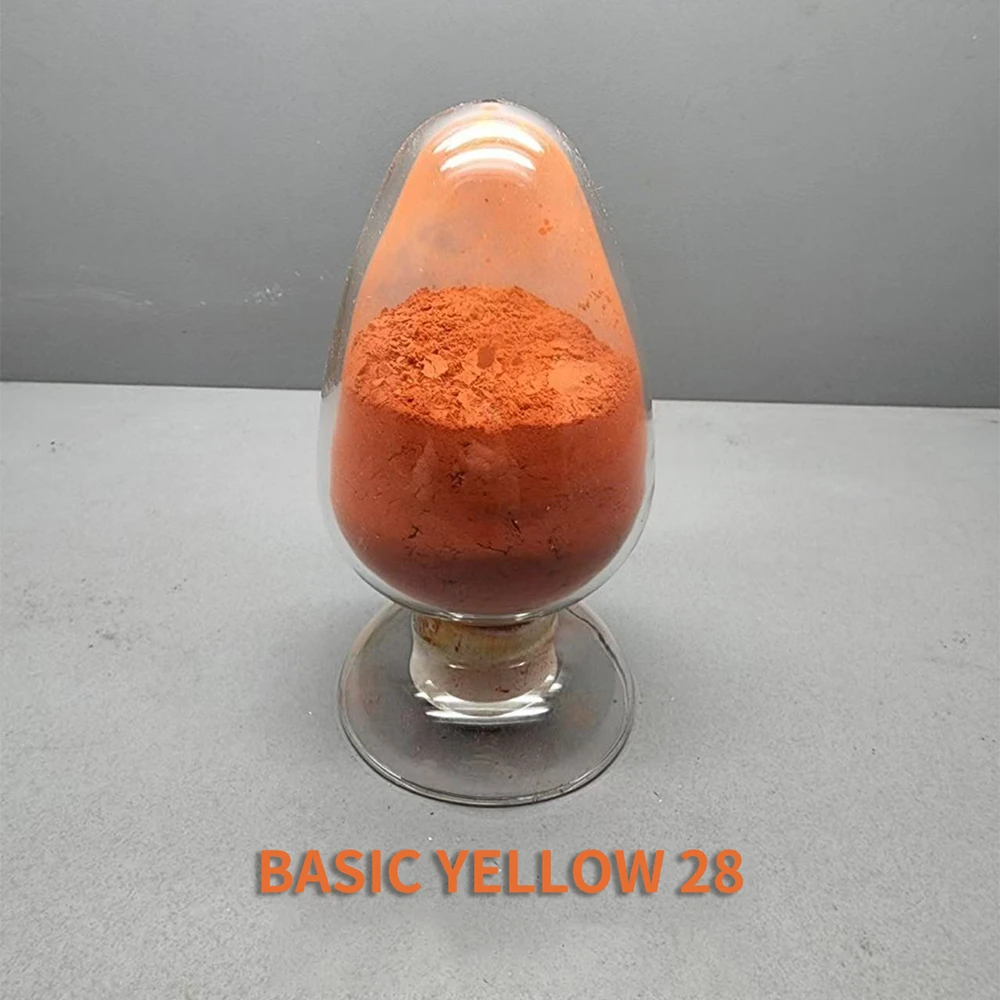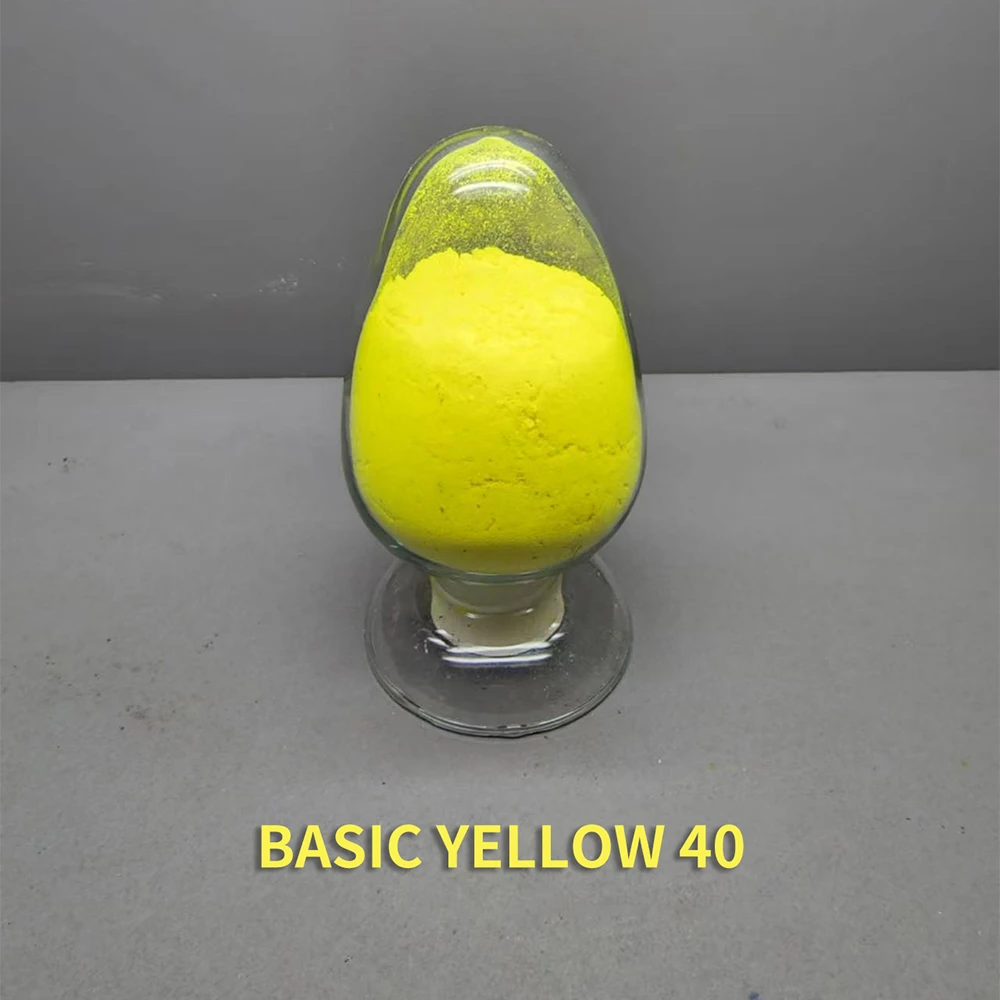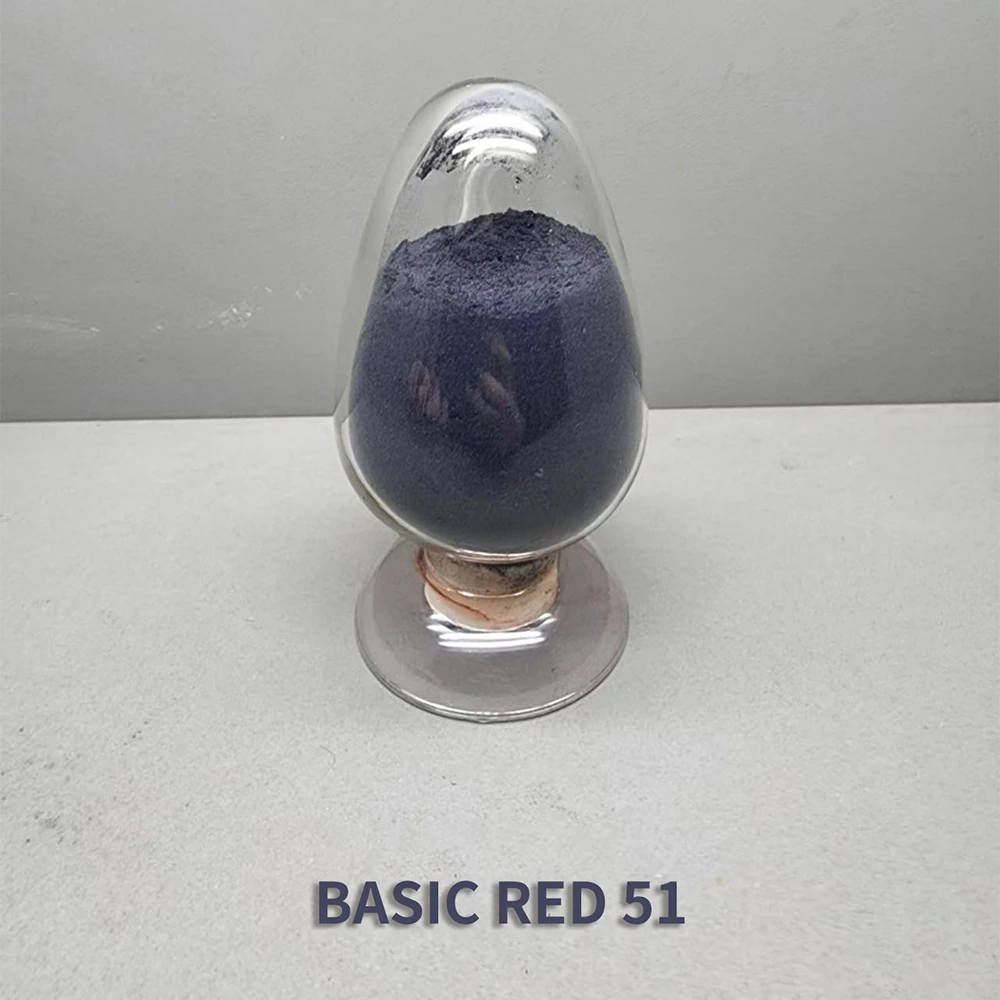
Textile Chemical Dyes: Sustainable Solutions for a Vibrant Future
Why Textile Chemical Dyes Matter: A Quick Overview
Textile chemical dyes are more than just pigments for fabrics; they're a global cornerstone for industries ranging from fashion to technical textiles. Understanding them means unlocking benefits in sustainability, durability, and cost effectiveness. Simply put, knowing your dyes can drastically affect how textiles perform—whether in a medical gown, an outdoor shelter, or a high-end fashion piece.
Globally, these dyes touch millions of lives daily, whether through clothing, upholstery, or industrial uses. Grasping their significance helps businesses innovate smarter and consumers choose better.
Global Context: Why Textile Chemical Dyes Are Critical Today
In a world producing roughly 100 billion garments annually (Statista, 2023), textile chemical dyes are at the heart of that massive production. The United Nations Industrial Development Organization (UNIDO) highlights that the textile industry is among the top five sectors polluting water resources, mostly due to dyeing processes.
Challenges like environmental contamination and rising raw material costs put pressure on manufacturers to rethink dye use. Climate-conscious consumers and regulators are pushing for textile chemical dyes that are eco-friendly yet perform well under rigorous use. Frankly, the industry is at a crossroads where innovation must meet responsibility.
Defining Textile Chemical Dyes
So, what exactly are textile chemical dyes? At their core, they are chemical compounds designed to bind with textile fibers to impart color. Unlike natural dyes derived from plants or insects, chemical dyes offer consistency, a broad palette, and scalability.
These dyes are crucial in sectors that demand precision, durability, and fast turnaround. Think mass production of uniforms or technical fabrics needing exact shades and long-lasting color — that’s where chemical dyes shine.
Key Factors When Choosing Textile Chemical Dyes
Durability and Colorfastness
Durability often tops the list. The dye’s ability to withstand washing, sunlight, and abrasion ensures textiles look good and last longer. This is pivotal for workwear or outdoor fabrics.
Environmental Impact
With concerns about water contamination, many manufacturers now demand dyes that minimize hazardous chemicals or require less water during processing. “Low-impact dyes” are gaining traction as a greener option.
Cost Efficiency
Balancing quality with expenses is always tricky. The price per kilo of dye affects the final fabric cost, so industries evaluate how much dye is needed for adequate coverage without waste.
Application Versatility
Dyes differ in their affinity for cotton, polyester, nylon, or blends. Versatile dyes reduce inventory needs and complex processing lines.
Scalability of Production
Manufacturers often require dyes that can be scaled easily for batch variations without losing consistency, especially in fast fashion or industrial supplies.
Mini Takeaway:
Choosing the right textile chemical dyes means balancing durability, eco-consciousness, and cost with real-world textile applications — quite the juggling act, but worth it.
Global Applications and Use Cases for Textile Chemical Dyes
Industries worldwide rely on these dyes. In Asia, where textile production is massive, efficient dyes reduce waste and improve quality. European companies often focus on eco-friendly and regulatory-compliant dyes, aligning with strict EU environmental laws.
NGOs working in textile chemical dyes incorporated fabrics use them to produce durable tents and uniforms for disaster zones. Oddly enough, even space agencies use specially dyed textiles for certain equipment insulation materials — color stability under extreme conditions matters.
In the US, sportswear brands leverage innovative chemical dyes to ensure vibrant, fade-resistant apparel suited for diverse climates.
Advantages and Long-Term Value of Textile Chemical Dyes
- Cost Savings: Efficient dye usage reduces waste and energy consumption.
- Sustainability: Emerging low-impact dyes minimize environmental footprint.
- Social Impact: Durable, safe colored fabrics support workers’ dignity and end-user trust.
- Innovation: New dye technologies open doors to smart textiles and responsive clothing.
- Reliability: Consistent, high-quality color ensures brand integrity over time.
It feels like every improvement in dyes echoes through supply chains, benefiting producers and consumers alike — even if it’s not always obvious.
Recent Innovations and Future Trends in Textile Chemical Dyes
The future is green, digital, and automated. Innovations like digital inkjet dyeing reduce water and chemical use drastically. Biotechnology is also pushing boundaries — enzyme-based dyes that biodegrade completely are on the horizon. Meanwhile, AI-driven color matching software makes production faster and less wasteful.
Sustainability initiatives encourage circular textiles where dyes can be broken down and recycled. Some companies are experimenting with solar-powered dye reactors, showing that green energy can unite with textile production, even in remote locations.
Challenges and Practical Solutions
Of course, challenges persist: toxicity of certain azo dyes, waste water treatment complexity, and uneven dye uptake are classic issues. To tackle these, many firms adopt rigorous testing and shift to certified low-impact dye suppliers.
Emerging solutions include closed-loop dyeing systems that recycle water and chemicals, plus transparent supply chains that enable better regulation and auditing.
Product Specification Table: Typical Textile Chemical Dyes
| Parameter | Range / Example | Notes |
|---|---|---|
| Color Fastness (Washing) | 4–5 (ISO 105-C06) | Excellent color retention after washing |
| Fiber Compatibility | Cotton, Polyester, Nylon | Depends on dye chemistry |
| Toxicity Level | Low to Moderate (varies) | Regulated under REACH/EPA |
| Water Usage | 30-50 L/kg fabric | Lower for digital dyes |
| Price per kg | $10 - $50 | Varies by type and supplier |
Vendor Comparison: Leading Textile Chemical Dye Suppliers
| Supplier | Key Strengths | Environmental Focus | Global Reach |
|---|---|---|---|
| YanHong Chemicals | Wide portfolio, technical support | Strong eco-compliance, low-impact dyes | Asia, Europe, Americas |
| Dystar Group | Specialized in sustainable solutions | Leading in water-saving technology | Worldwide |
| Archroma | Advanced digital dyeing tech | Pioneers in biodegradable dyes | Global |
Frequently Asked Questions about Textile Chemical Dyes
Q1: How do textile chemical dyes impact the environment?
A1: Traditional dye processes can use large volumes of water and produce hazardous waste. However, innovations like low-impact dyes and closed-loop recycling are reducing environmental footprints significantly (Wikipedia).
Q2: Can textile chemical dyes be used on all types of fabrics?
A2: Most chemical dyes are designed for specific fibers—cotton, polyester, nylon have different affinities. Manufacturers select dyes based on fiber compatibility to ensure durability and colorfastness.
Q3: What is the typical lifespan of dyed textiles?
A3: Lifespan depends on dye quality and usage conditions. Good chemical dyes with proper fixation can keep fabrics vibrant for several years, especially when washed appropriately and protected from harsh UV exposure.
Q4: Are there certifications verifying the safety of textile dyes?
A4: Yes, standards like GOTS (Global Organic Textile Standard) and certifications under REACH and OEKO-TEX ensure dyes meet safety and environmental criteria.
Q5: How can manufacturers reduce dye waste?
A5: Techniques such as digital printing, proper dye selection, and effluent treatment help minimize waste, improve efficiency, and reduce costs.
Final Thoughts and Where to Go from Here
Textile chemical dyes are at the crossroads of art, science, and sustainability. Choosing the right dye isn’t just about color—it’s about environmental responsibility, social impact, and future-ready innovation. Whether you’re in manufacturing or designing, weaving sustainability into your dye strategy pays dividends.
For deeper insights on eco-conscious and high-performance textile chemical dyes, visit our website: YanHong Chemicals.
References
-
Comprehensive Guide to Choosing the Best Ivory Dye for Clothes and FabricsNewsMar. 24, 2026
-
Fabric Dyes: Global Insights, Sustainability & Industry TrendsNewsDec. 03, 2025
-
Cationic Dyed Polyester: Revolutionizing Sustainable Textile Dyeing WorldwideNewsDec. 03, 2025
-
Upholstery Fabric Dye: Durable, Customizable, and Environmentally CompliantNewsDec. 11, 2025
-
Understanding Dye Fabric Colour for Optimal Textile Production and QualityNewsFeb. 24, 2026
-
Hot Pink Fabric Dye: Vibrancy and Performance for Industrial TextilesNewsDec. 08, 2025