Sustainable Light Pink Dye for Clothes | Soft, Durable Fashion Colors
What’s the Deal with Light Pink Dye for Clothes? A Stitch in Global Fabric
Light pink dye for clothes is more than just a pretty shade on your shirt or dress—it's an essential thread woven into the fabric of global textile industries and human expression. Why does this matter on a worldwide scale? Well, color impacts everything from cultural identity to supply chain dynamics, and understanding the nuances behind light pink dyes can mean better quality clothing, more sustainable production, and even improved humanitarian aid through recognizable apparel.
Light Pink Dye for Clothes: A Global Perspective
Globally, the textile industry is a colossal player. According to the United Nations Industrial Development Organization (UNIDO), the global textile market is worth over $1 trillion, with color and dyeing processes crucial to marketability and brand identity. Light pink dye, with its soft, approachable hue, has become increasingly popular not just for fashion but also for uniforms, community garments, and promotional apparel. Yet, the environmental and logistical challenges of producing consistent and sustainable light pink shades remain a sticking point.
For example, the World Bank highlights that dyeing processes contribute up to 20% of industrial water pollution. That’s a problem when demand for gentle, pastel hues, including light pink dye, is booming—especially in developing regions. The challenge? How to produce gorgeous, safe colors fast and green.
Light pink dye for clothes is answering that call with innovative chemistry and eco-minded practices.
Defining Light Pink Dye for Clothes: Beyond the Color Swatch
In straightforward terms, light pink dye for clothes is a class of dyes formulated to achieve a pale pink coloration on textiles. These dyes are selected or engineered to have low toxicity, good colorfastness, and compatibility with different fabric types—cotton, silk, polyester, you name it. But beyond the chemical mix, this dye embodies an intersection of art, science, and sustainability.
Industries use light pink for everything from fashion collections to hospital scrubs, often relying on consistent batch formulation to ensure the wearer’s confidence and wearer comfort. In some humanitarian contexts, light pink garments provide a subtle yet reassuring presence, symbolizing care and calm.
Core Components of Great Light Pink Dye
Durability
Durability isn’t just about holding color under harsh conditions but how a dye withstands repeated washing and sunlight exposure. A high-quality light pink dye won’t fade into an embarrassing mess or wash out too quickly, which is vital for clothes used in both everyday wear and long-term use.
Scalability
It sounds boring but is actually critical: can the dye be produced en masse with consistent quality? For big manufacturers or relief organizations needing hundreds of thousands of items, slight color shifts can lead to costly rejections.
Cost Efficiency
Balancing quality and expense can be tricky. Many dyes are chemically simple but require expensive treatment to be safe for skin contact and the environment. Cost-effective dyes enable brands to offer affordable products without cutting corners.
Sustainability
With increasing pressure from regulators and consumers, environmentally responsible dyes—those that minimize water use, avoid heavy metals, and biodegrade safely—are making light pink an ethical choice, not just a fashion one.
Versatility
Some dyes work only on cotton, others on synthetics. The best light pink dyes bridge this gap or are adaptable via formulation tweaks.
Mini takeaway:
Choosing the right light pink dye involves more than “looks pretty.” It’s about harmony between durability, scalability, cost, and green credentials that keeps the industry humming and consumers happy.
Light Pink Dye in Action: Real-World Uses
Around the world, light pink dyes for clothes find homes in diverse settings:
- Fashion Capitals: Designers in Milan and Tokyo mass-produce light pink collections each spring, leveraging advanced dye technologies for pastel perfection.
- Healthcare Uniforms: Hospitals increasingly favor soft pink uniforms to soothe patient anxiety—light pink dye is fundamental here.
- Humanitarian Relief: In post-disaster zones, aid agencies use light pink-dyed garments for women and children to signify safe spaces or medical volunteers.
- Industrial Uniforms: Factories and warehouses in Southeast Asia adopt light pink dyed uniforms to stand out for safety and branding.
These examples highlight the dye’s versatility—no small achievement given the wildly varied demands.
Advantages & Long-Term Value of Light Pink Dye for Clothes
Beyond sheer color, the benefits touch multiple dimensions:
- Cost Savings: Reliable, fast-setting dyes reduce failed batches.
- Sustainability: Eco-conscious dyes reduce water pollution and waste.
- Emotional Impact: The color pink, especially light pink, fosters calm and approachability.
- Social Responsibility: Safer dyes help brands avoid scandals and meet international standards.
- Market Differentiation: A distinctive, lasting light pink shade helps brands stand out.
Frankly, this all adds up to trustworthiness—crucial in an industry sometimes plagued by fast fashion woes.
Product Specification Table: Typical Light Pink Dye Characteristics
| Characteristic | Value/Range |
|---|---|
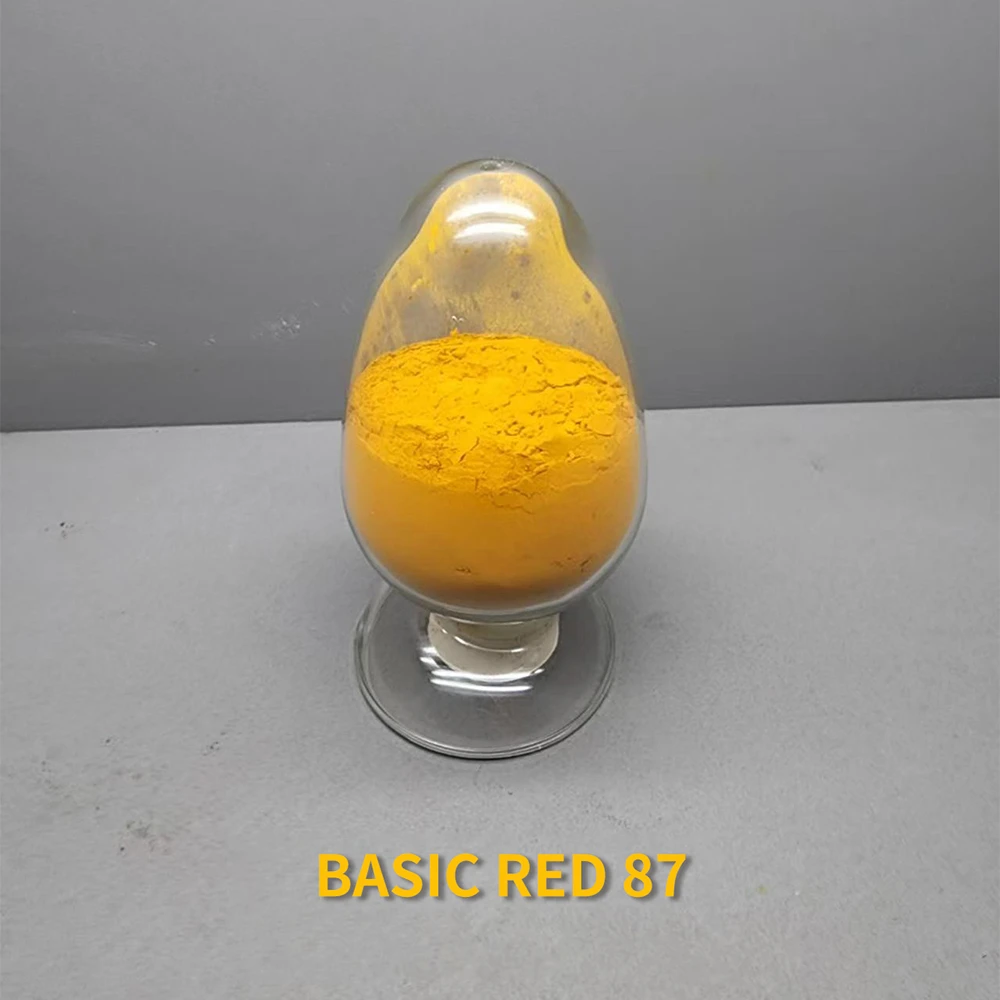
| Color Shade (CI Number) | CI Acid Red 87 (Light Pink) |
| Suitable Fabrics | Cotton, silk, polyester blend |
| Colorfastness to Washing | Grade 4 (ISO standard) |
| Water Usage per Kg of Fabric | ~100 liters (recycled water possible) |
| Toxicity Level | Non-toxic, complies with REACH & OEKO-TEX |
| Production Cost | $12 - $20 per kg dye (bulk pricing) |
Vendor Comparison: Popular Light Pink Dye Suppliers
| Supplier | Sustainability Certifications | Lead Time | Customization Options | Typical Clients |
|---|---|---|---|---|
| Yanhong Chemical | ISO 14001, OEKO-TEX | 2 weeks | Shade tuning, fabric-specific formulas | Apparel brands, NGOs, hospitals |
| DyeMasters Ltd. | GOTS certified | 3-4 weeks | Limited shade shifts | Boutique designers, textile mills |
| EcoDye Solutions | Bluesign, REACH Compliant | 1-2 weeks | Custom biodegradable dyes | Sustainable fashion brands |
Looking Forward: Trends and Innovations in Light Pink Dye
There’s a tangible buzz around greener chemistry and smarter dyeing automation. Nanotechnology offers precise color layering—with light pinks that don’t fade, bleach out, or lose vibrancy. Meanwhile, biodegradability standards tighten globally, forcing brands and suppliers alike to innovate fast.
Digital color matching, powered by AI, is making bespoke light pink hues achievable even at scale. Plus, solar-powered dyeing facilities (oddly enough) are popping up in India and China—pushing emissions way down.
Challenges and How They’re Met
Let’s be real: producing consistent light pink dye at scale isn't without hiccups. Water pollution remains a concern despite eco advances. Color consistency can vary with raw material changes. Supply chain disruptions also cause delays sometimes.
Innovative fix? Recirculating dye baths and real-time spectral analysis help maintain color quality and reduce waste. Also, modular dyeing units near production hubs shorten lead times, a trend we’ll likely see grow.
FAQ: Light Pink Dye for Clothes
- Is light pink dye safe for sensitive skin?
- Yes. High-quality light pink dyes, like those meeting OEKO-TEX or REACH standards, are non-toxic and dermatologically tested for safety, making them suitable even for baby or medical garments.
- How long does light pink dye last on cotton fabrics?
- With proper care, light pink dye offers colorfastness rated around ISO Grade 4 for washing, meaning colors typically last several years without significant fading.
- Can light pink dye be used on synthetic materials?
- Absolutely. Modern dyes can be formulated or modified for polyester, nylon, and blends, though the dyeing process conditions differ from natural fibers.
- Are eco-friendly light pink dyes more expensive?
- Initially yes, due to advanced materials and processes. But as demand rises, costs are declining, and long-term savings come from less waste and regulatory compliance.
- Where can I source reliable light pink dye in bulk?
- Trusted suppliers like Yanhong Chemical offer bulk options with customization, fast lead times, and eco certifications—ideal for large-scale operations.
A Final Word — Soft Hues, Strong Impact
Light pink dye for clothes is much more than a trend. It’s at the crossroads of fashion, technology, and ecology, stitching together consumer desires and industry duties in soft pastel threads. From the chic catwalks to the pragmatic halls of hospitals, light pink hues carry stories, meaning, and promise.
If you want to dive deeper into sustainable, high-quality light pink dyes or source your next batch, don’t hesitate to visit Yanhong Chemical. Because sometimes, the lightest colors can make the biggest statement.
References:
-
Understanding Cationic Dyes in Textile Industry: Applications, Benefits & Future TrendsNewsDec. 03, 2025
-
China Basic Dye Factory: High-Purity Dyes, Fast DeliveryNewsDec. 13, 2025
-
China Fabric Dye Manufacturers: Sustainable & High-FastnessNewsDec. 12, 2025
-
Comprehensive Guide to Choosing the Best Dye for Clothes Black and Achieving Optimal ResultsNewsMar. 14, 2026
-
Exploring the Creative World of Fabric Dye on Wood for Stunning FinishesNewsFeb. 26, 2026
-
China Basic Dye Manufacturer | High Purity & Eco OptionsNewsDec. 13, 2025