Sage Green Fabric Dye: Sustainable, Durable & Stylish Textile Solutions
Why Sage Green Fabric Dye Matters in Today’s Textile World
When you think about fabric dyes, it's easy to overlook their global footprint or the subtle impact of a color like sage green. Yet, sage green fabric dye isn’t just about aesthetics — it reflects deeper trends in sustainability, cultural significance, and evolving industry demands across continents. Oddly enough, the choice of hues, especially natural or muted tones such as sage green, ties into environmental concerns and consumer preferences for eco-friendly textile solutions. Understanding this dye and its applications unlocks insights into everything from ethical fashion to industrial production.
The Global Context of Sage Green Fabric Dye
The textile industry, according to the United Nations Environment Programme (UNEP), is among the top polluters worldwide. Dyes contribute significantly to water contamination, so natural and carefully formulated fabric dyes are crucial in reducing industrial harm. Globally, demand for muted earth tones like sage green has risen by nearly 20% in the last five years (source: World Bank textile trade data). Why? Because such colors convey calm, natural living—a response to increasingly hectic urban lifestyles and environmental anxieties.
However, the challenge lies in delivering sage green fabric dye that’s vibrant yet sustainable, affordable, and versatile enough for diverse textiles across continents, from high fashion runways in Europe to community tailoring workshops in Southeast Asia.
So, What Exactly is Sage Green Fabric Dye?
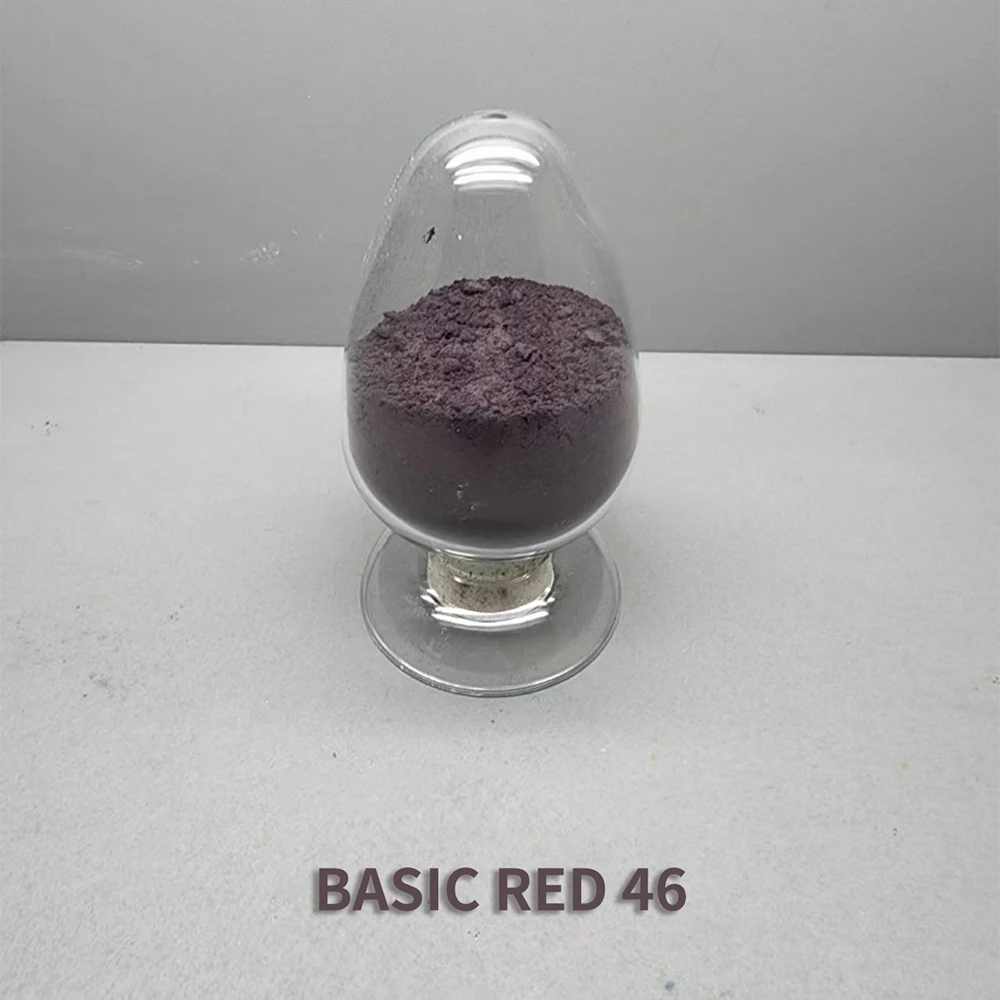
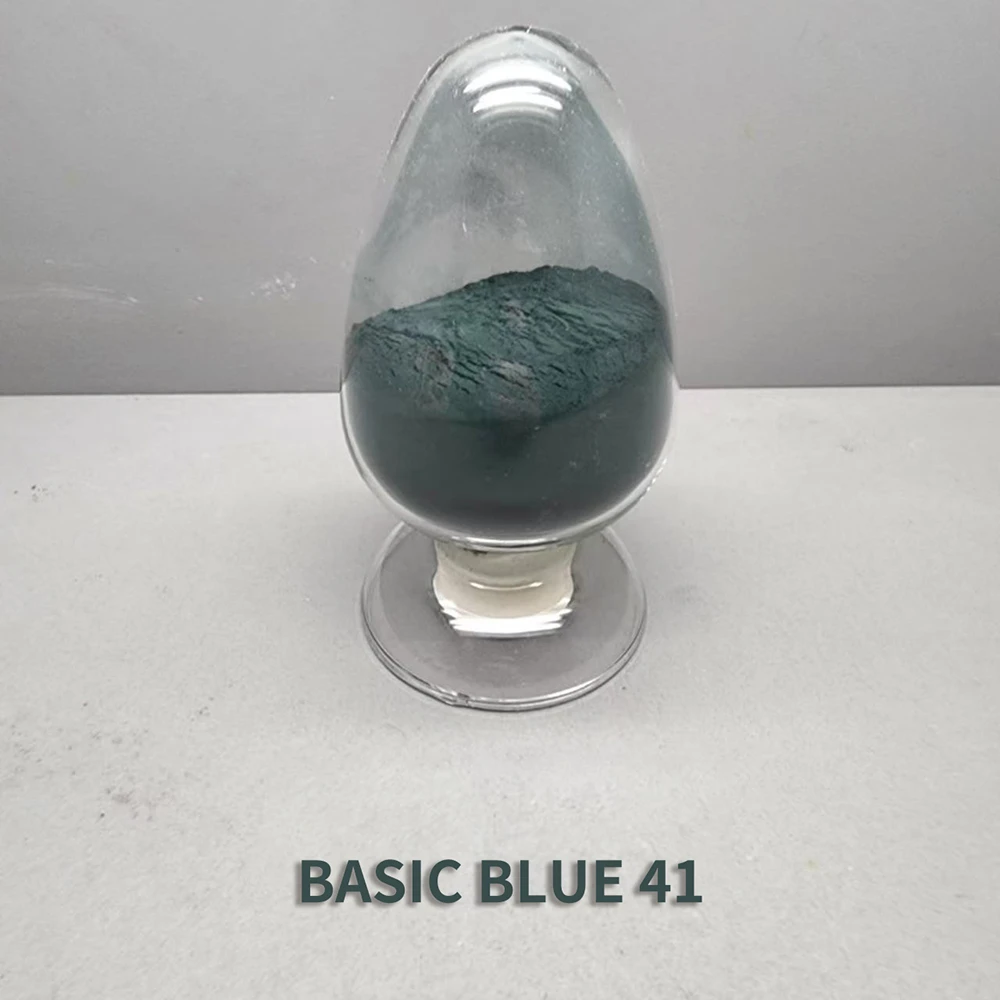
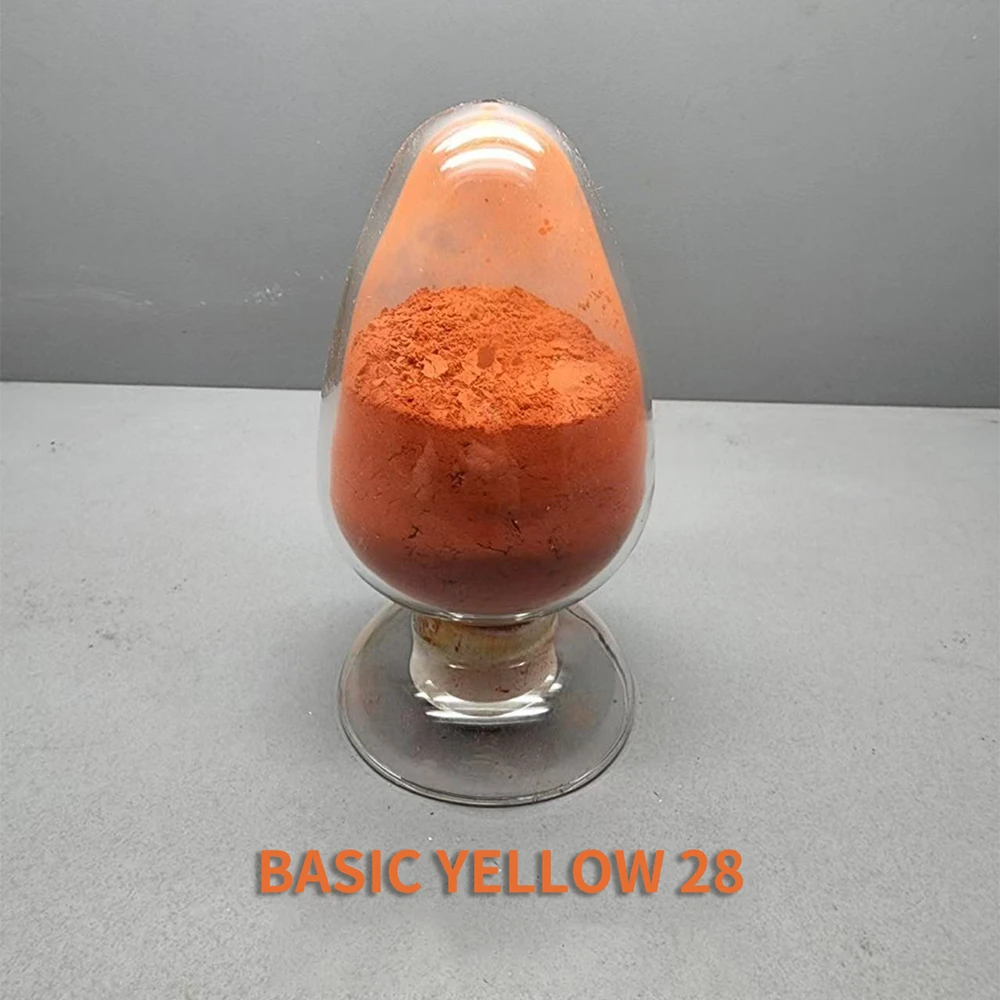
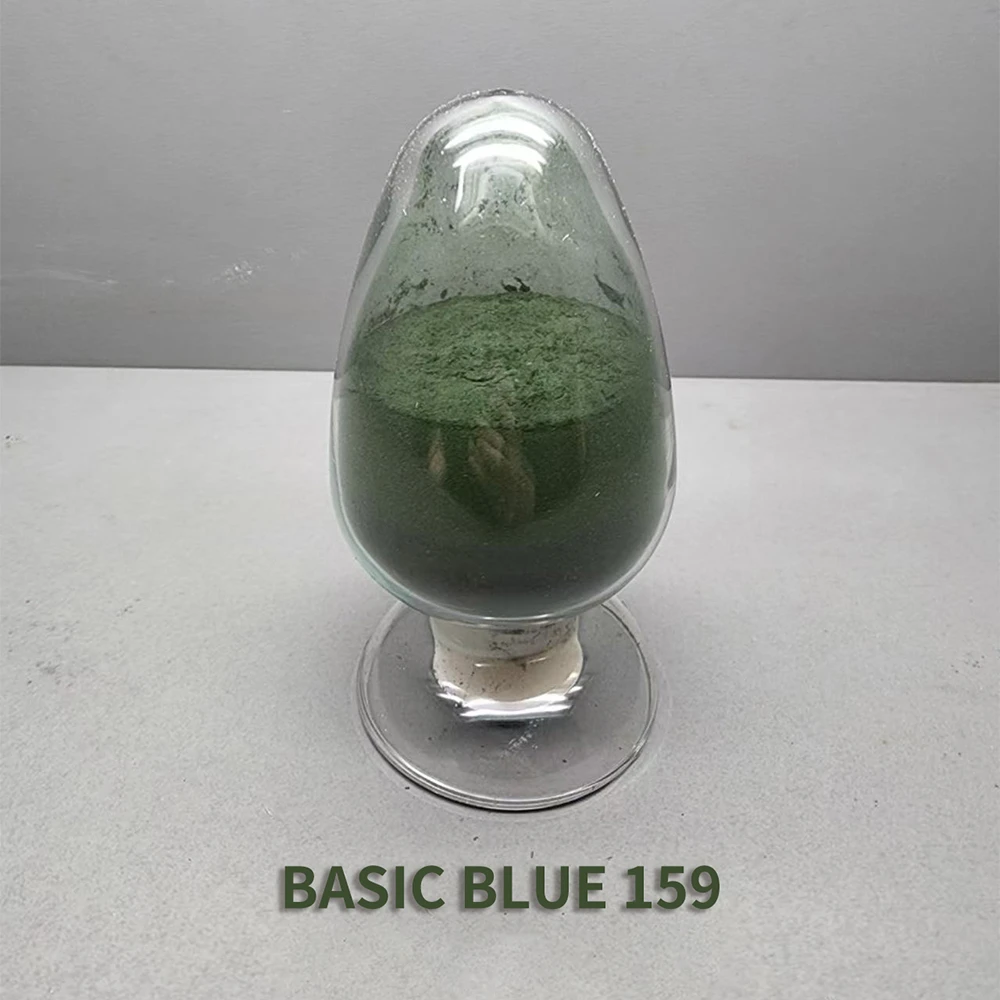
Simply put, sage green fabric dye is a pigment or chemical formulation that imparts a soft grayish-green hue, reminiscent of the familiar sage herb leaf. It usually comes in powder, liquid, or paste form and is used in textile manufacturing to color cotton, silk, polyester, and blends.
Importantly, many modern synthetic and natural formulations are now designed to be eco-conscious, using less water, fewer harsh chemicals, and biodegradable ingredients. This connects the humble dye to larger humanitarian and industrial goals—like reducing toxic effluents in developing regions or creating timeless clothing that consumers cherish rather than discard.
Key Characteristics of Sage Green Fabric Dye
1. Durability
One major factor in fabric dye is how well it resists fading from laundering or sunlight exposure. Sage green dyes generally offer medium to high durability depending on their composition. For fabrics used outdoors or in workwear, enhanced UV resistance is often added.
2. Eco-Friendliness
Many producers now focus on low-impact dyes, including plant-based dyes or those complying with international green certifications (like OEKO-TEX® or GOTS). Sage green dyes that meet these standards reduce water pollution, carbon emissions, and chemical toxins.
3. Compatibility with Materials
The ability to work on both natural fibers (like organic cotton or linen) and synthetics (like polyester) is a boon, allowing brands and manufacturers flexibility. Some dye profiles are optimized for specific fibers, providing richer colors and less resource waste.
4. Cost Efficiency
While premium eco-friendly dyes might carry a higher upfront cost, their long-term savings through reduced water treatment and stronger consumer appeal often outweigh these expenses, especially in sustainable fashion segments.
5. Scalability
For industrial textile mills, the capacity to produce consistent sage green dye batches at scale is crucial. Advances in digital dyeing and automation have improved this considerably.
Real-World Applications of Sage Green Fabric Dye
Industries around the globe capitalize on sage green fabric dye in fascinating ways:
- Apparel and Fashion: Designers embrace sage green for its calming neutrality and easy pairing with other colors, ideal for year-round collections.
- Military & Outdoor Gear: Its muted tone is suitable for camouflage and tactical uniforms, especially in environments with green vegetation.
- Home Textiles: Curtains, upholstery, and linen featuring sage green evoke natural settings, improving aesthetic and psychological comfort.
- Community Programs: NGOs in disaster-prone regions use sage green-dyed fabric to produce durable, respectful relief clothing and supplies, balancing cost and longevity.
For example, in post-flood Southeast Asia, a local cooperative used sage green fabric dye to produce resilient school uniforms that resisted fading through multiple wash cycles—helping families economically and fostering dignity among children.
The Advantages and Long-Term Benefits of Choosing Sage Green Dyes
Sustainability and style aren't mutually exclusive, and sage green fabric dyes illustrate this perfectly. Tangibly, their use reduces textile waste due to their durability and timeless appeal, lowering the “fast fashion” impact.
Moreover, emotionally, this color choice evokes calmness and trust, essential for increasing brand loyalty and social responsibility. Buyers feel good wearing something both beautiful and ethically produced—an often underestimated factor in product success. I've noticed this particularly with millennials and Gen Z clients, who put a premium on values over mere cost.
Where is the Industry Headed? Trends in Fabric Dye Innovation
Future innovations lean heavily toward biosynthetic dyes, harnessing microorganisms and plant extracts to produce pigments like sage green with minimal ecological damage.
Digital printing and AI-assisted color matching now allow manufacturers to create precise sage green shades with less waste and faster turnaround. Meanwhile, regulations push companies to meet tougher environmental protocols (ISO 14001 and others).
Plus, circular economy principles encourage dye recycling and fabric repurposing—imagine garments dyed in sage green that can be remanufactured seamlessly!
Common Challenges and How to Overcome Them
Of course, there are hurdles. Achieving consistent shades remains tricky given natural dye ingredient variability. Also, production costs for eco dyes can be higher, which some manufacturers shy away from.
Experts suggest blending traditional knowledge with modern tech — like enzyme pre-treatments or digital dye recipes — to balance cost-efficiency and quality. Also, partnerships across supply chains help scale sustainable solutions affordably.
Frequently Asked Questions About Sage Green Fabric Dye
Q1: Is sage green fabric dye safe for sensitive skin?
Yes, many modern sage green dyes, especially those certified organic or OEKO-TEX®, are hypoallergenic and free from heavy metals or harsh chemicals, making them suitable for sensitive skin.
Q2: Can sage green fabric dye be used on synthetic fibers?
Absolutely. While traditionally made for natural fibers, specialized dye formulations and digital dyeing technologies now allow sage green hues to be applied beautifully and durably on synthetics like polyester or nylon.
Q3: How long does the color last after repeated washing?
Durability varies by dye type but generally, quality sage green fabric dyes maintain color for 30-50 wash cycles under recommended care settings. Enhanced UV-resistant formulations can extend outdoor use life.
Q4: Are there environmental certifications I should look for?
Look for OEKO-TEX®, GOTS, Bluesign®, or ISO 14001 certifications to ensure the dye and its production follow recognized sustainability standards.
Q5: Where can I source reliable sage green fabric dye?
Suppliers like Yanhong Chemical offer extensive ranges of eco-conscious sage green fabric dyes with global shipping and technical support.
Product Specification Table: Typical Sage Green Fabric Dye
| Specification | Details |
|---|---|
| Color Shade | Sage Green (Pantone 15-0318) |
| Form | Liquid concentrate / powder |
| Fiber Compatibility | Cotton, silk, wool, polyester blends |
| Eco Certifications | OEKO-TEX®, GOTS available |
| Wash Fastness | ISO 105-C06 Rating 4-5 |
| UV Resistance | Optional enhanced formula |
| Typical Application Temp. | 80-100°C (176-212°F) |
Vendor Comparison: Leading Sage Green Fabric Dye Suppliers
| Supplier | Certification | Price Range (per kg) | Sustainability Claims | Global Reach | Support & Customization |
|---|---|---|---|---|---|
| Yanhong Chemical | OEKO-TEX®, GOTS | $15 - $25 | Low water usage, biodegradable | Asia, Americas, Europe | Full technical support, custom blends |
| EcoDye Solutions | Bluesign® | $18 - $28 | Plant-derived, minimal waste | Europe, North America | Consulting & batch testing |
| GreenHue Ltd. | ISO 14001 | $12 - $22 | Recyclable packaging, eco solvents | Asia, Africa | Standard offers, limited customization |
Wrapping Up: Why Sage Green Dyes Are a Smart Choice
Choosing sage green fabric dye is more than embracing a subtle, stylish shade—it’s aligning with sustainability, industry innovation, and social responsibility. Whether you’re a manufacturer seeking lower environmental impact or a designer craving timeless hues, sage green offers both practical and emotional dividends.
Curious to explore detailed options, certifications, and bespoke blends? Visit our website at https://www.yanhongchem.com and discover how sage green fabric dye can infuse your projects with color and conscience.
Mini Takeaway:
Sage green fabric dye quietly merges nature-inspired hues with cutting-edge eco-tech, proving that even the smallest color choice can ripple globally—economically, environmentally, and creatively.
References
-
Jacquard Fabric Dye - Expert Insights & Industrial SolutionsNewsJan. 05, 2026
-
Achieving the Perfect Pastel Shade with Light Pink Dye for ClothesNewsApr. 04, 2026
-
Rye Fabric Dye: Sustainable Textile ColoringNewsJan. 26, 2026
-
Tulip Fabric Dye – Durable, Eco-Friendly Textile Color SolutionsNewsDec. 07, 2025
-
Leading Fabric Dye Companies: Insights and ComparisonsNewsDec. 03, 2025
-
Understanding Synthetic Dye Black Applications Sourcing and Emerging TrendsNewsMar. 10, 2026