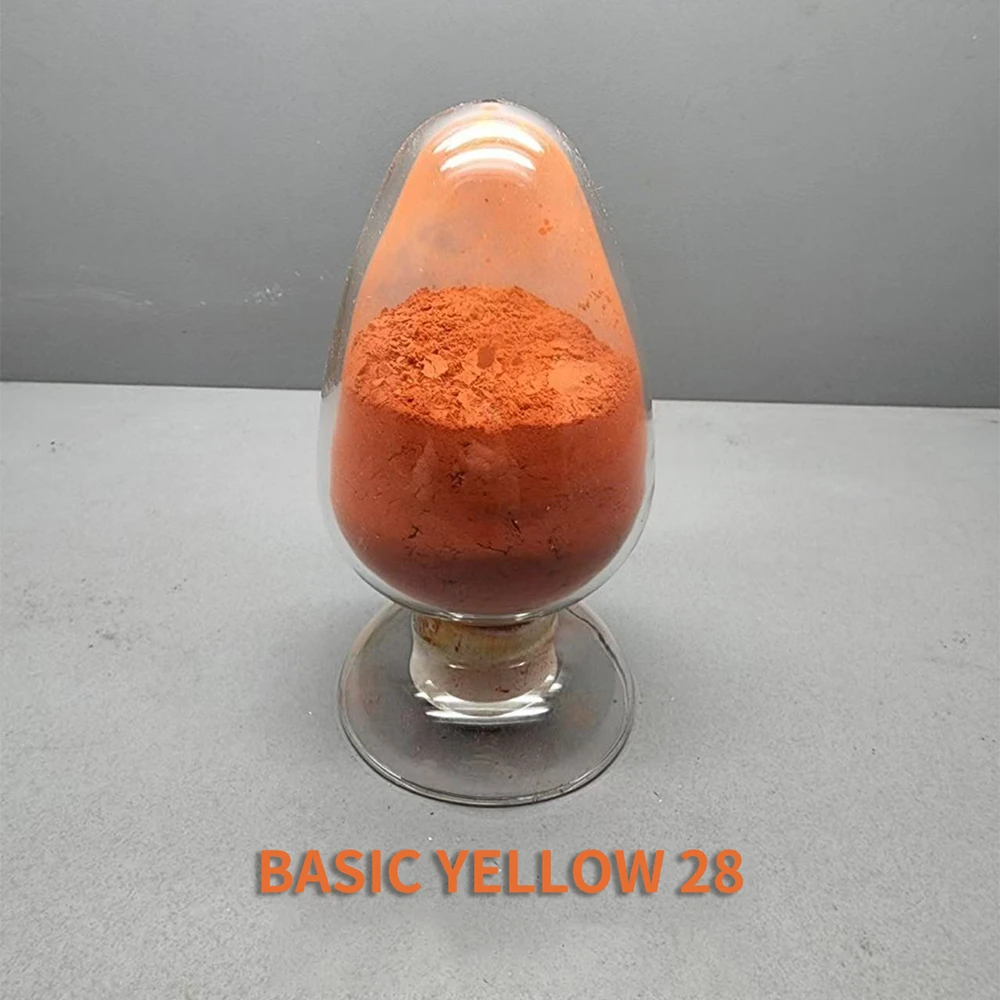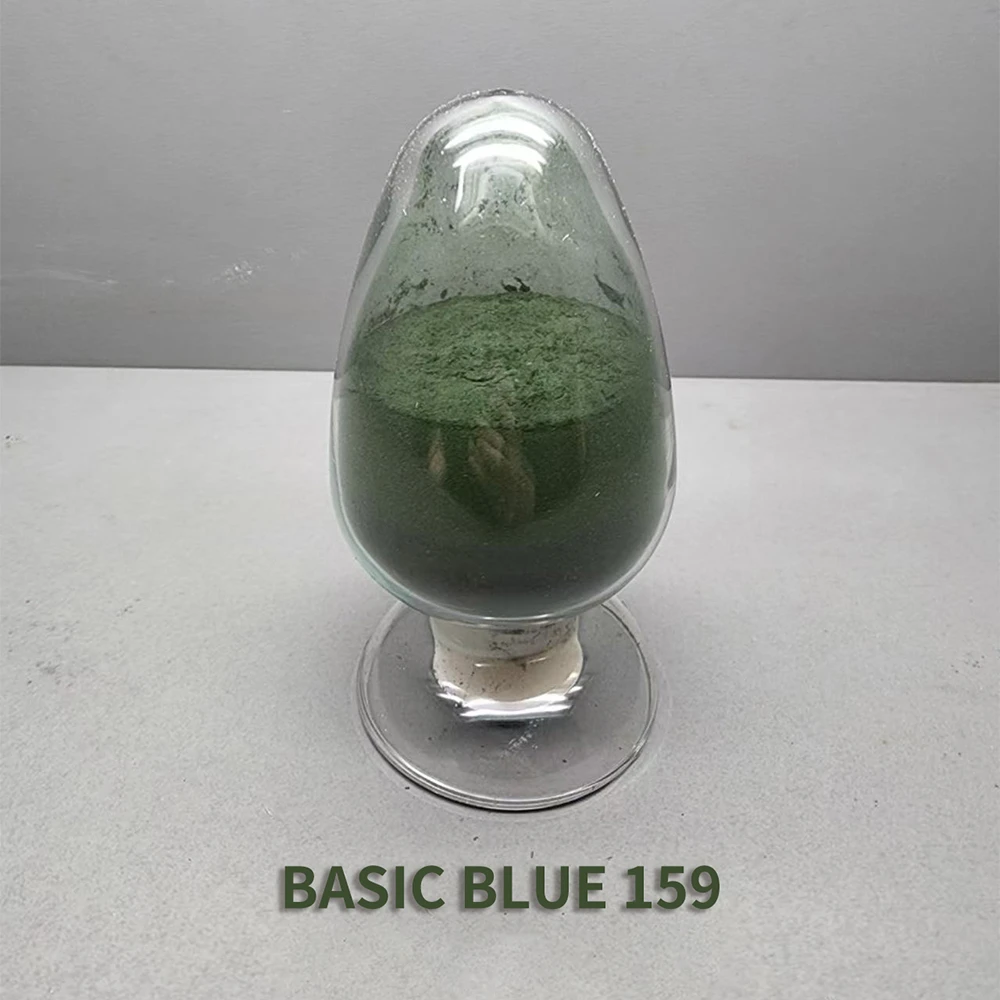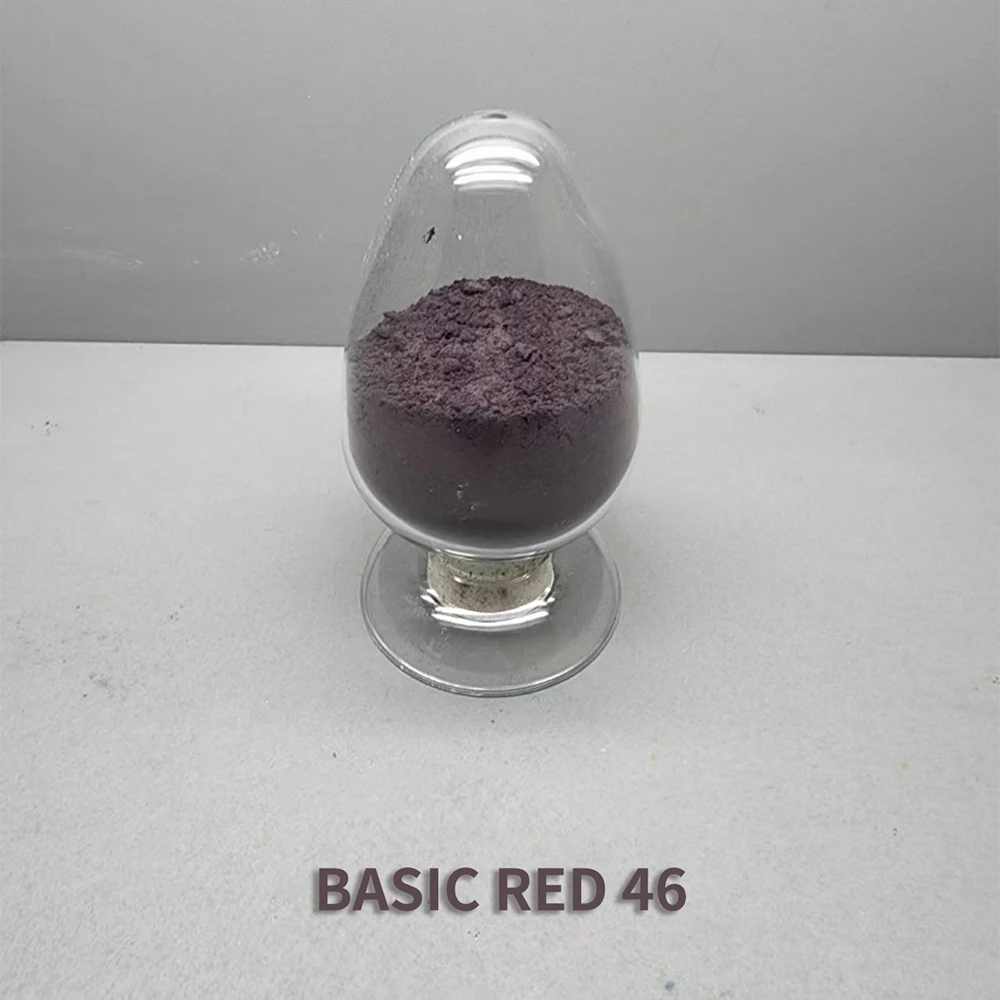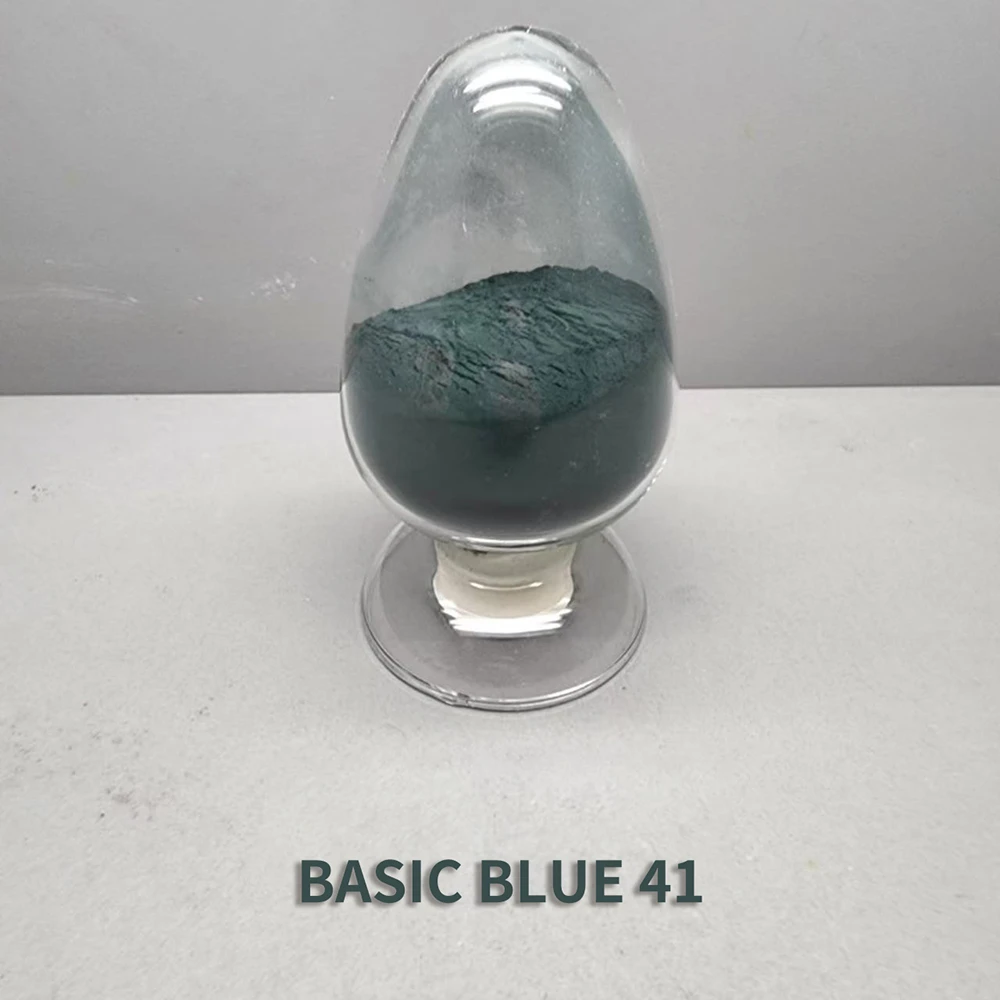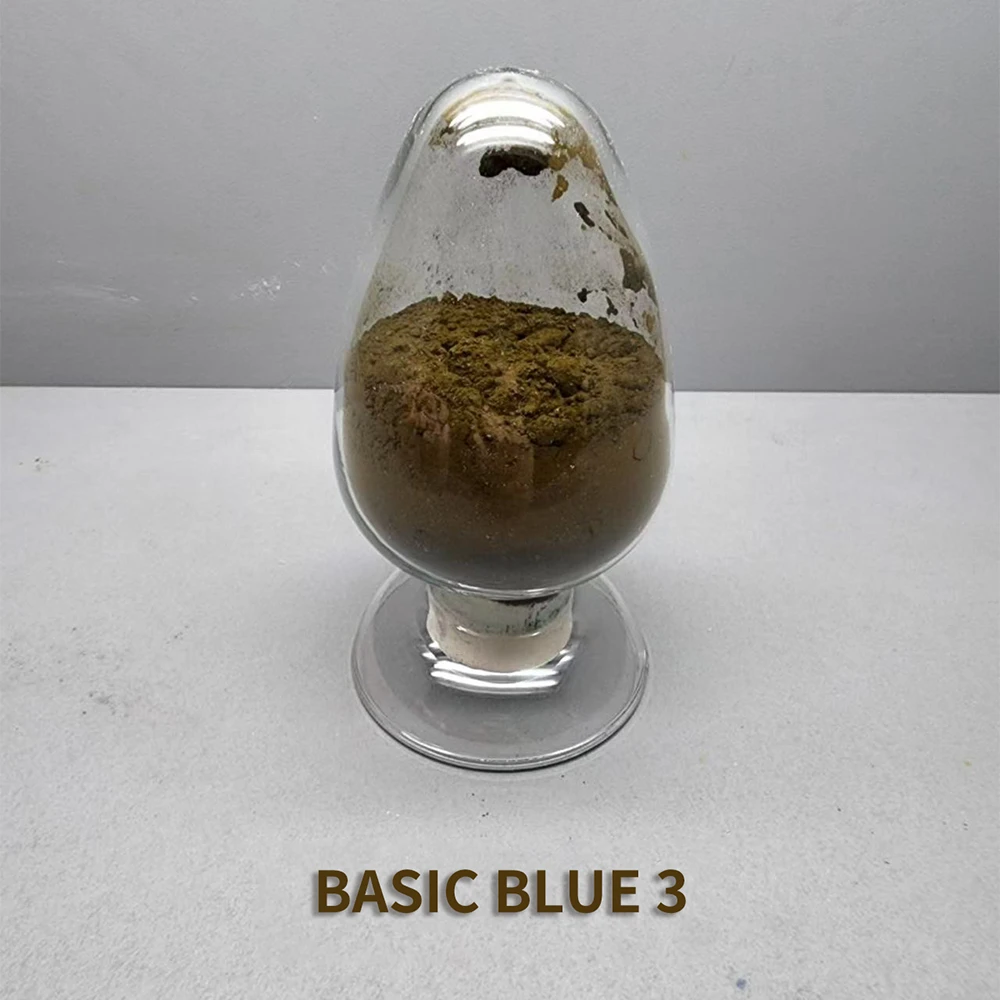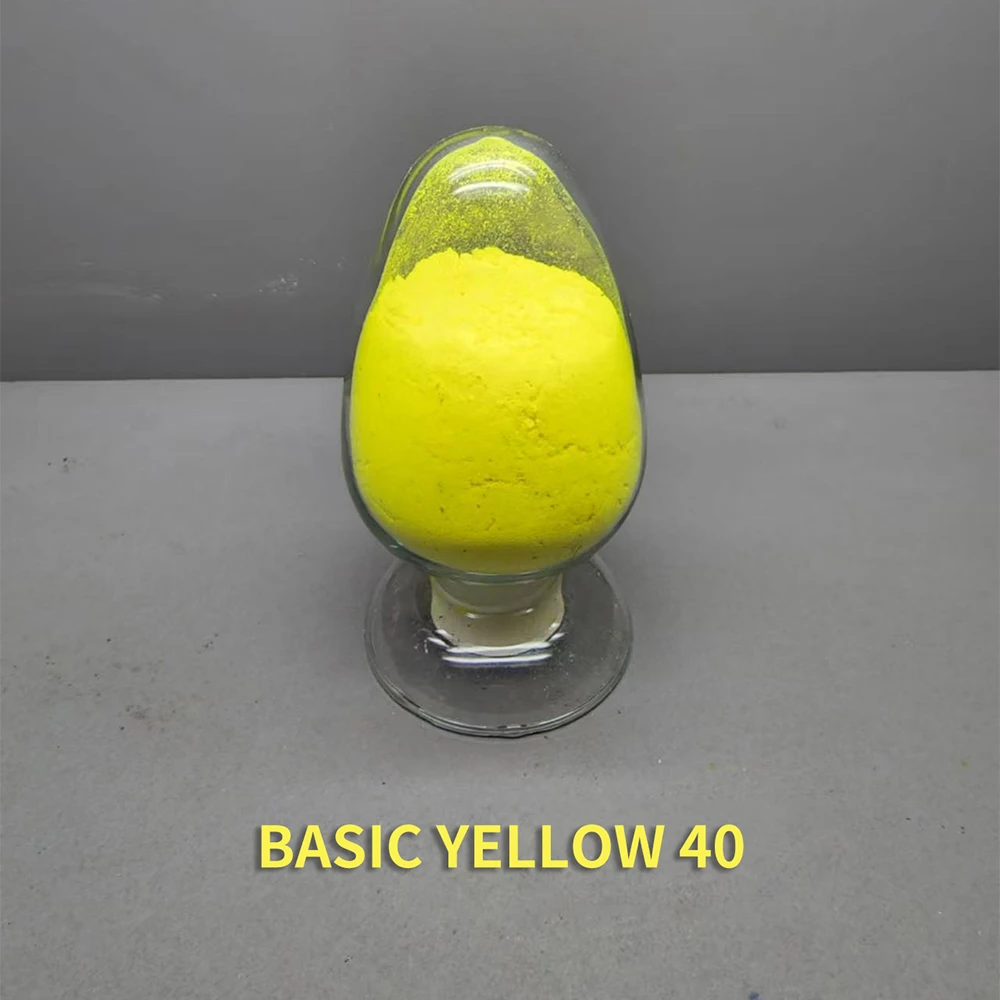
Fabric Color Dye: Sustainable, Durable Textile Coloring Solutions
Exploring Fabric Color Dye: More Than Just a Splash of Color
Fabric color dye might sound straightforward, but it’s a fascinating world where chemistry, industry, and culture converge. Globally, the way fabric color dyes are designed, produced, and used shapes not only fashion but also industrial efficiency and sustainable practices. Understanding fabric color dye and its evolution helps industries reduce waste, cut costs, and meet rising demands for eco-friendly products.
Why Fabric Color Dye Matters on a Global Scale
Did you know the global textile dyeing industry is valued at over $30 billion as of recent estimates? According to the World Bank and the International Dye Federation, approximately 10-20% of industrial water pollution comes from textile dyeing. This environmental challenge underlines why smarter, greener fabric color dyes are essential. Beyond pollution, dyes influence supply chains, consumer health, and even cultural expression worldwide.
Many manufacturers face an ongoing dilemma: how to balance cost, vibrancy, and environmental safety. Fabric color dye is right at the heart of that conversation. When the right dye is chosen, it can cut energy use, water waste, and improve a garment’s lifespan. Frankly, that’s why a deeper look at this subject isn’t just for chemists or textile enthusiasts—it’s a vital business and ecological concern.
What Exactly Is Fabric Color Dye?
Simply put, a fabric color dye is a chemical substance used to add color to textiles. It penetrates fibers and creates a lasting tint, from vivid reds to subtle pastels. Unlike pigments, dyes bind chemically with fibers, making the color more durable and resistant to fading. This technical nuance plays a significant role in producing fabric that stays vibrant after multiple washes or exposure to light.
In modern industry, these dyes power everything from basic uniforms to high-end fashion. Moreover, humanitarian efforts such as disaster relief rely on color dyes for quick identification of clothing and shelter materials, which can aid logistics and safety.
Core Factors Behind Fabric Color Dyes
1. Durability
A dye’s durability isn’t just about looking fresh. It’s about withstanding sunlight, washing cycles, and mechanical wear. Durable dyes mean less textile replacement and a lower environmental impact over time.
2. Scalability
Whether you’re dyeing 100 meters or 100,000, scalability challenges include consistency and cost management. Not all dyes scale evenly, meaning sometimes smaller orders get better color fastness.
3. Cost Efficiency
Cost often dictates dye selection. However, a dye that’s cheap upfront but fades quickly hikes long-term expenses. Many industries now weigh initial costs against lifetime value — something sustainability auditors often stress.
4. Environmental Impact
With stricter global emissions standards, chemical composition and biodegradability are priority features. Companies that innovate with bio-based dyes or low-impact processes get ahead of regulations and consumer demand.
5. Color Range and Vibrancy
The versatility to produce diverse and vibrant colors keeps fashion fresh and practical textiles distinguishable. Achieving a brilliant, true color without toxic byproducts isn’t trivial but is increasingly feasible.
Fabric Color Dye Specification Table
| Specification | Description |
|---|---|
| Type | Reactive, Vat, Acid, Disperse dyes |
| Application | Cotton, Wool, Polyester, Nylon |
| Color Fastness | Grade 4–5 (scale 1–5; 5 is best) |
| Environmental Impact | Low VOC, Biodegradable options available |
| Typical Lifespan | 3–5 years for fast fashion; 7+ years for industrial textiles |
Where Does Fabric Color Dye Come into Play Around the World?
From textile mills of South Asia to Europe's sustainable fashion houses, the fabric color dye story has many chapters. In Asia — particularly India, Bangladesh, and China — dye production affects millions of livelihoods but also raises pollution concerns. Meanwhile, locales in Europe and North America increasingly focus on green chemistry solutions.
In humanitarian contexts, dyed fabrics serve critical roles. For instance, fabric color dye is used to produce durable, color-coded tents or blankets for refugee camps, improving organization and communication on the ground. In remote industrial zones, color dyes distinguish safety uniforms by role and hazard zones, reducing accidents.
Comparing Leading Fabric Dye Vendors
| Vendor | Product Range | Sustainability Features | Pricing |
|---|---|---|---|
| DyeCo Solutions | Reactive, Vat, Acid dyes | Bio-based options, low water usage | Mid-range |
| EcoTint Technologies | Disperse & acid dyes | 100% biodegradable dyes | Premium |
| Global Color Systems | Full spectrum dyes | Water recycling tech, zero VOC | Competitive |
Why Investing in Better Fabric Color Dye Pays Off
Choosing the right fabric color dye brings tangible benefits to companies and end-users alike:
- Cost Savings: Longer-lasting colors reduce replacement frequency.
- Sustainability: Environmentally friendly dyes help brands meet regulatory and consumer demands.
- Social Impact: Durable, identifiable materials are key for humanitarian organizations distributing aid efficiently.
- Brand Reputation: Vibrant, consistent colors build trust with consumers.
Emotionally, there’s comfort in colors that don’t fade unexpectedly — it feels like quality, reliability, trust.
What Lies Ahead for Fabric Color Dye?
Emerging innovations focus on green chemistry, digital dyeing technologies, and automation. For example, AI-driven precision dyeing systems minimize chemical use and wastewater. Bioengineered dyes derived from algae or plants could reduce reliance on petroleum byproducts.
The digital transformation promises not only efficiency but also near-zero waste processes. Industry 4.0 initiatives meld sensors and real-time monitoring for repeatable, error-proof color application.
Common Challenges and Smart Solutions
Despite progress, issues like cost pressure, color inconsistency, and environmental regulations persist. Some dyes need complex wastewater treatment, which can be expensive outside major urban centers. Also, certain fiber types are harder to dye sustainably without sacrificing vibrancy.
Experts suggest modular dyeing setups where processes can be customized quickly, and collaborations with chemical suppliers focusing on localizable, eco-friendly formulas. Even better, you often find that investing a bit more upfront in quality dyes mitigates headaches later.
FAQs: Practical Questions About Fabric Color Dye
- What types of fabric color dye are best for cotton?
- Reactive dyes are typically preferred for cotton due to their strong chemical bond with cellulose fibers, providing vibrant, durable colors. They also offer relatively good environmental profiles when properly managed.
- Can fabric color dye affect skin sensitivity?
- Yes, some dyes may cause allergic reactions, especially if residual chemicals remain after processing. Hypoallergenic and certified dyes reduce this risk—always check for Oeko-Tex or similar certifications.
- How do eco-friendly fabric dyes differ from traditional ones?
- Eco-friendly dyes often come from natural sources or use bio-based chemicals, reduce toxic byproducts, and employ water-saving technologies. They focus on minimizing environmental impact throughout their lifecycle.
- Is digital fabric dyeing more sustainable?
- Generally yes, digital dyeing uses less water and chemicals and targets dye application precisely, minimizing waste. However, energy usage and equipment costs can be higher initially.
- Where can I buy bulk fabric color dye for industrial use?
- Larger chemical suppliers and specialized vendors like this company often supply bulk industrial dyes. It’s wise to verify certifications, order samples, and discuss sustainability compliance before committing.
Wrapping Up: Why Fabric Color Dye Is More Than Just Color
Fabric color dye continues to evolve as a critical intersection of art, science, and sustainability. With rising pressure for eco-conscious production and vibrant, durable textiles, choosing the right dyes—and partners—makes all the difference. Whether you’re managing industrial supply chains or innovating in fashion, understanding these dynamics helps create brighter, more responsible futures.
Ready to explore advanced fabric color dye options? Visit our website at https://www.yanhongchem.com and discover solutions tailored for your needs.
References:
-
Industrial Dark Red Fabric Dye: Durable & High-Quality Textile ColorNewsDec. 31, 2025
-
China Fabric Dye Manufacturers: Eco, High-Fastness, OEMNewsDec. 13, 2025
-
Comprehensive Guide to Dark Green Fabric Dye: Sustainability and Durability in TextilesNewsDec. 07, 2025
-
Classification Of Cationic DyesNewsAug. 05, 2025
-
Rhodamine B Cationic Dye - Industrial Grade & Reliable SuppliersNewsDec. 03, 2025
-
Dark Blue Fabric Dye | Expert Guide & Vendor ComparisonNewsDec. 11, 2025