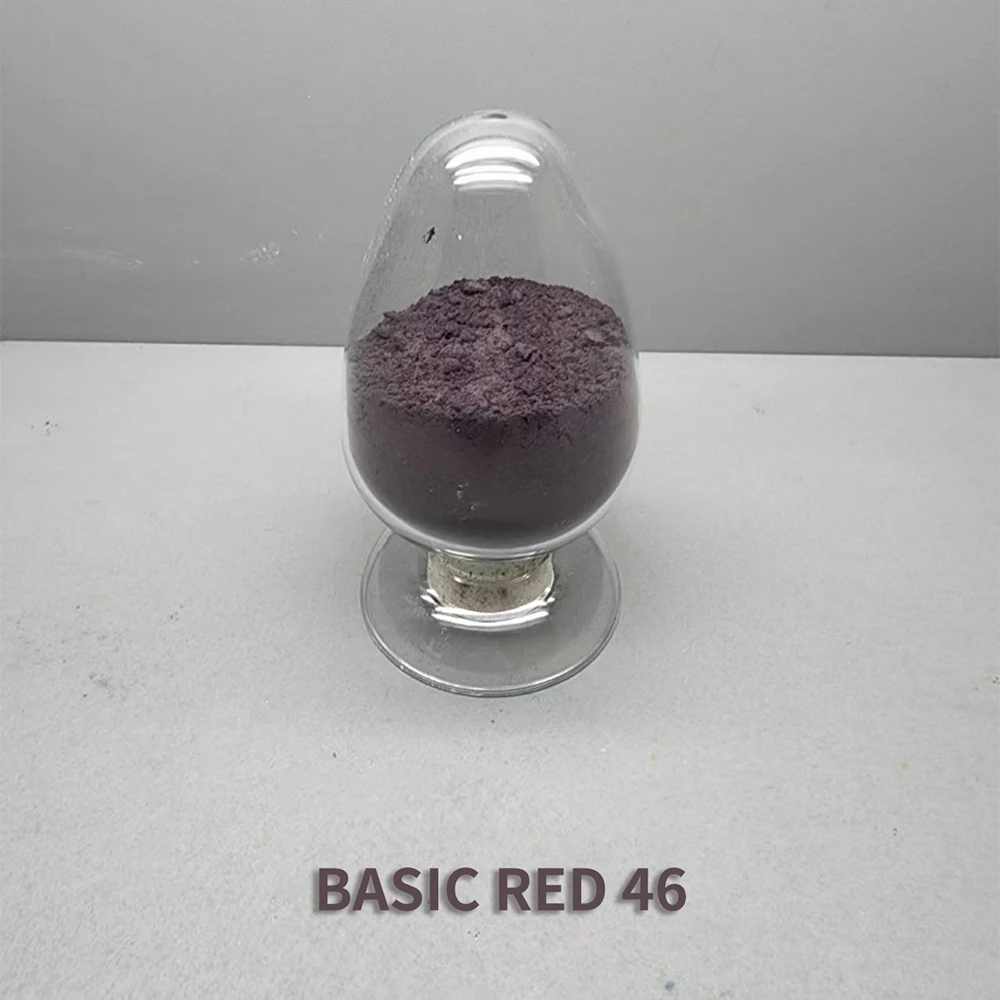
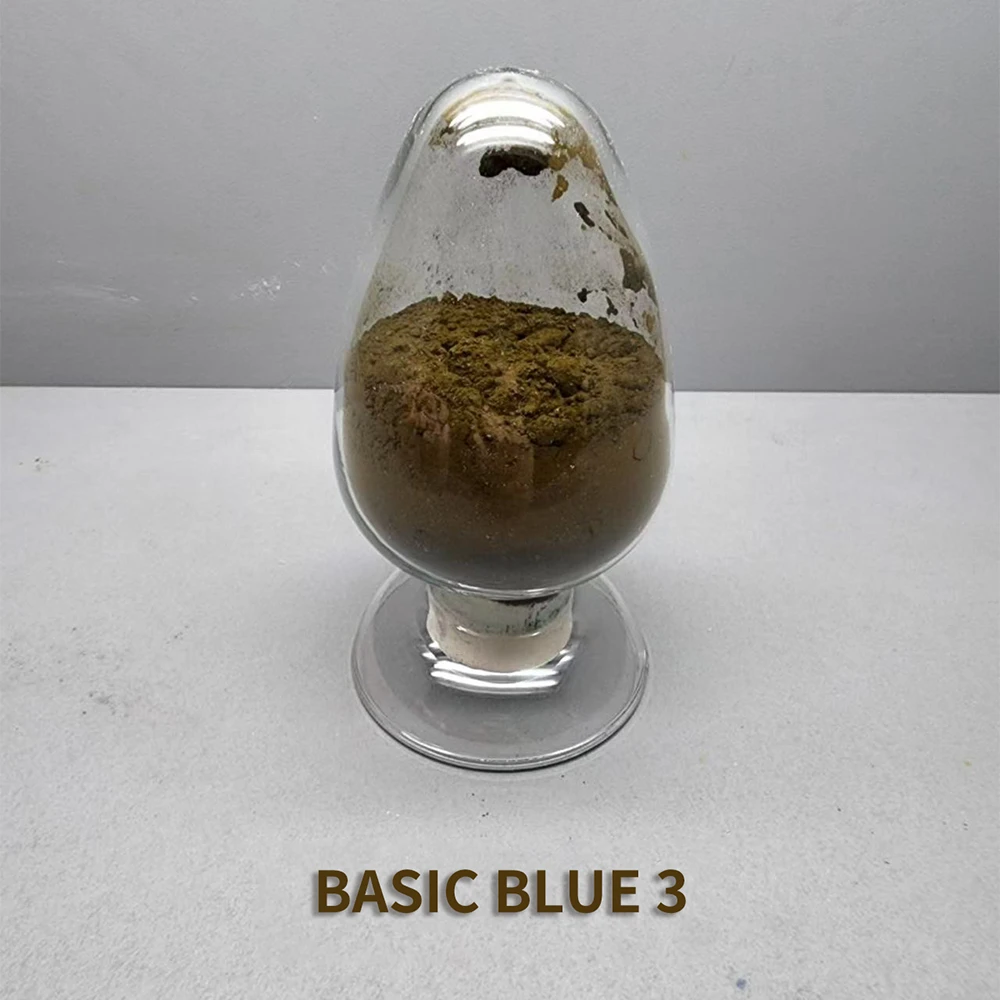
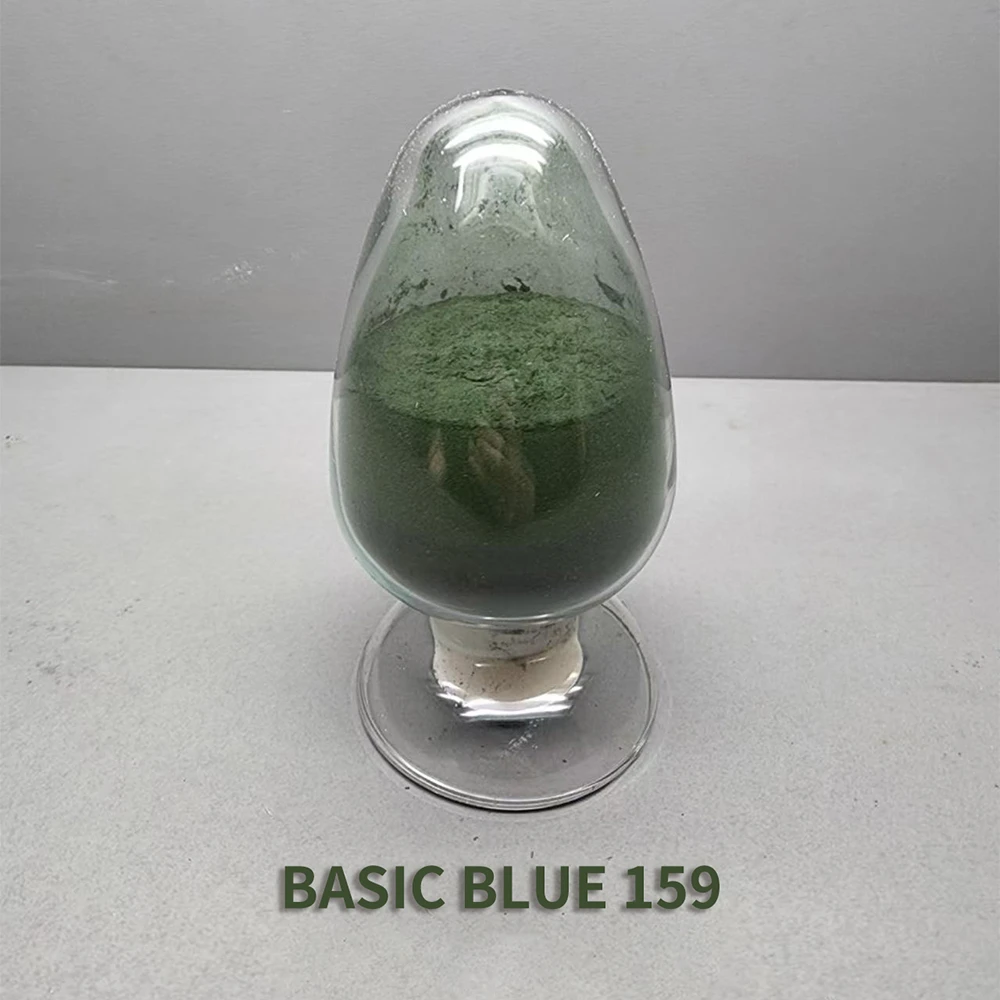
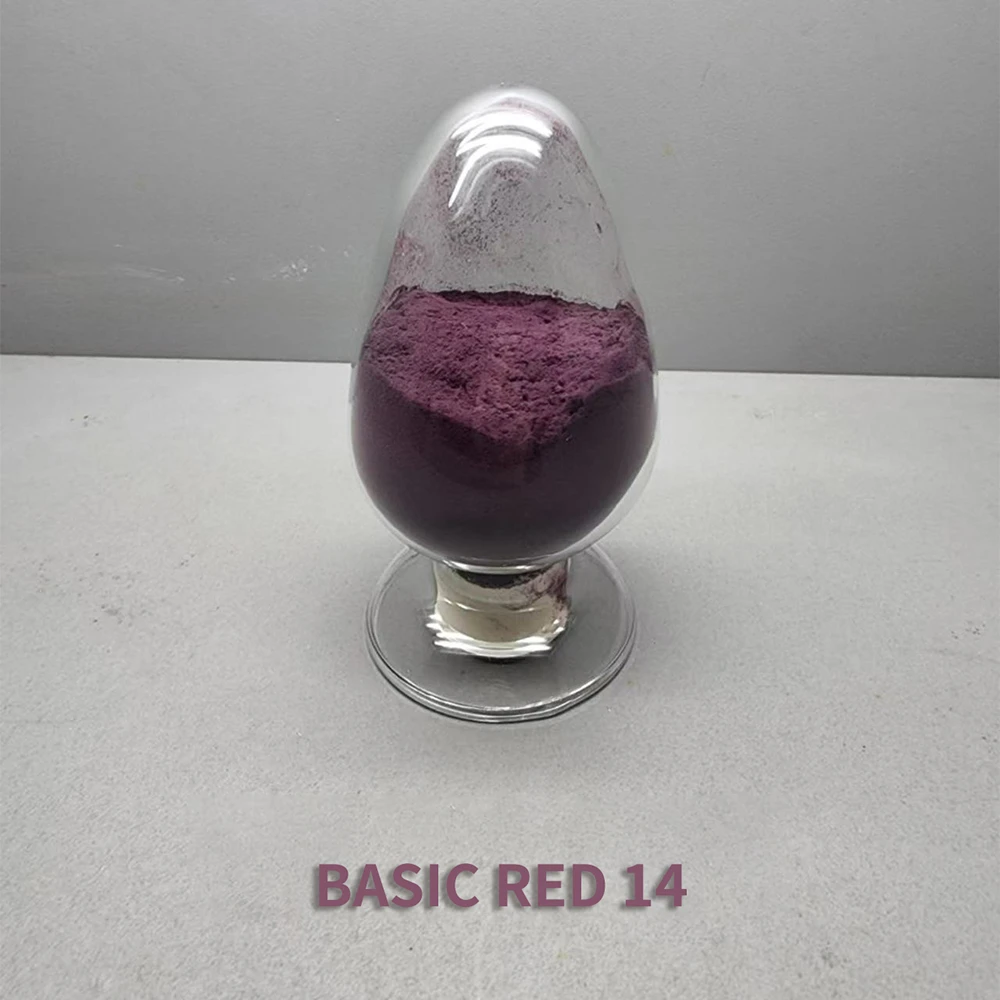
Sage Green Clothes Dye: Sustainable & Durable Textile Solutions
The Subtle Power of Sage Green Clothes Dye: Why It Matters
When you hear “sage green clothes dye,” you might first picture a refreshing shade that whispers calm and nature. But, it’s more than a pretty color—it’s part of a much bigger picture shaping fashion, sustainability, and industrial textiles worldwide. Understanding sage green clothes dye means getting to grips with how the textile industry balances aesthetics, environmental impact, and practical applications.
This dye isn’t just about style; it plays a subtle yet crucial role in reducing chemical loads in fabrics, improving durability, and sometimes even supporting humanitarian efforts through textile choices. So, why does it matter on a global scale? Because as industries try to knit together eco-conscious solutions, choosing dyes with lower toxicity and longer-lasting properties becomes a foundational step.
Mini takeaway: Sage green clothes dye blends style with sustainability, making it a color that's more than skin-deep in textile innovation.
Global Context: How Sage Green Clothes Dye Fits into Today’s Textile Challenges
The world produces over 100 billion garments annually, and nearly 20% of global industrial water pollution comes from dyeing and treatment processes (Wikipedia - Textile Industry). In this massive production line, the choice of dye can influence the environmental footprint dramatically.
More than ever, manufacturers seek options that reduce environmental damage, meet ISO safety standards, and cater to consumers’ growing demand for eco-friendly clothing. Sage green clothes dye, thanks to its roots in natural pigments and synthetic innovations, addresses these global concerns by offering a muted, durable, and less toxic alternative to harsh synthetic dyes.
One key challenge is the harmful byproducts from typical dyes that affect water bodies and workers’ health. Using sage green clothes dye can be a response in reducing this impact and fulfilling stricter regulations emerging worldwide, like the European REACH or California’s Proposition 65.
Mini takeaway: Amid rising environmental standards, sage green dye stands as a practical choice in fighting pollution and health hazards in textile manufacturing.
What Is Sage Green Clothes Dye? Understanding the Basics
Sage green clothes dye is a colorant used to impart a muted, earthy-green tone reminiscent of the sage plant leaf. This dye can be derived from natural sources like plant extracts or manufactured synthetically to meet industrial standards. It’s especially valued for its calming hue, versatility in textile applications, and relatively lower environmental toxicity.
In modern industries, this dye connects not just to fashion but also to sectors like outdoor gear, military uniforms, and humanitarian relief textiles—areas where color matters not only for aesthetics but for blending into natural or operational environments.
In humanitarian aid, for example, colored fabrics that resist fading and contamination convey dignity and safety to displaced communities. Thus, sage green clothes dye bridges functionality with social good.
Core Components of Sage Green Clothes Dye
1. Durability
If you’ve ever lost color vibrancy after a handful of washes, you know durability matters. Sage green clothes dye is often formulated to resist fading from sunlight and repeated laundering, making garments last longer both in style and wear.
2. Environmental Impact
Many variants of sage green dyes today emphasize eco-friendliness. Natural extracts or low-impact synthetic processes reduce waterborne toxins and energy consumption during production.
3. Scalability
Sage green dyes can be scaled for both small-batch artisan uses and large industrial runs, striking a practical balance that few colors manage. This scalability lets manufacturers seamlessly integrate it into existing production lines.
4. Cost Efficiency
Compared to more exotic or reactive dyes, sage green tends to be moderately priced. Its cost-effectiveness combined with quality helps brands maintain margins without sacrificing sustainability.
Mini takeaway: Sage green dye’s success rides on durability, environmental sensitivity, scalability, and budget-friendly qualities—key to industry adoption.
Real-World Applications: Where and Who Uses Sage Green Clothes Dye?
Globally, use cases for sage green clothes dye span several industries and regions:
- Outdoor apparel brands in North America and Europe use this dye for items targeting nature enthusiasts who want both style and ecological responsibility.
- Military and tactical gear manufacturers rely on muted green shades, including sage, for camouflage and uniform identification.
- Humanitarian relief organizations—such as those operating in Southeast Asia and parts of Africa—deploy sage green textiles for tents, blankets, and clothing due to its calming effect and reliability.
- Eco-conscious fashion labels incorporating sage green hues to symbolize their commitment to sustainability.
In post-disaster relief operations, for instance, fabrics colored by sage green dyes maintain dignity by providing durable, stain-masking garments and coverings that fare well in adverse environments.
Advantages and Long-Term Value of Using Sage Green Clothes Dye
What truly sets sage green clothes dye apart? Frankly, it’s a blend of tangible and intangible benefits:
- Cost Savings: Longer-lasting color means less frequent need for replacements—a win for budgets and landfills alike.
- Environmental Stewardship: Lower chemical run-offs and energy needs contribute to sustainability goals and regulatory compliance.
- Social Impact: Quality colored clothing enhances wearer confidence and dignity, especially in vulnerable populations.
- Reliability: Consistent coloration supports brand trust and product reputation.
On an emotional level, sage green represents stability, calm, and renewal—qualities that fashion and textile consumers increasingly seek in a fast-moving, often chaotic world.
Product Specifications Table
| Specification | Details |
|---|---|
| Color Shade | Sage Green (#9caf88) |
| Dye Type | Natural & Synthetic Mix |
| Colorfastness (Wash) | Grade 4/5 (ISO 105-C06) |
| Lightfastness | Grade 7 (ISO 105-B02) |
| Environmental Compliance | REACH Certified, OEKO-TEX Standard 100 |
| Suitable Fabrics | Cotton, Linen, Hemp, Blends |
Emerging Trends and Innovations in Sage Green Clothes Dye
Looking ahead, the future of sage green clothes dye leans heavily into sustainability and technology:
- Bio-engineered Dyes: Labs are developing microbial pigments that replicate the earthy sage tone without harmful chemical waste.
- Digital Dyeing Techniques: Precision jet-printing dyes drastically reduce water and energy usage versus traditional batch dyeing.
- Smart Fabrics Integration: Some projects explore embedding dye molecules that adjust color subtly based on temperature or lighting conditions.
- Closed-Loop Recycling: Innovations encourage reclaiming dye materials for multiple reuse cycles, minimizing resource depletion.
Frankly, the blending of green chemistry with automation promises not only richer sage hues but smarter production that respects earth’s limits.
Challenges and Smart Solutions
Of course, dyeing with sage green isn’t without its headaches:
- Color Consistency: Natural components can vary batch-to-batch, posing challenges for uniformity.
- Higher Initial Costs: Eco-friendly options sometimes come with upfront price tags that deter smaller brands.
- Scalability Limits: For natural extracts, sourcing enough plant materials sustainably can become tricky.
That said, many manufacturers solve these issues by blending natural and synthetic dyes and leveraging digital color calibration tools. Partnering with specialized suppliers helps too.
Vendor Comparison Table
| Vendor | Sustainability | Price per Kg | Color Range | Lead Time |
|---|---|---|---|---|
| GreenHue Textiles | 95% Organic Ingredients | $12 | Limited (15 Shades) | 3 weeks |
| EcoDye Solutions | Certified REACH & OEKO-TEX | $8 | Wide (40+ Shades) | 1 week |
| SynthColor Inc. | Partial Sustain. Certification | $5 | Extensive (60+ Shades) | 2 days |
FAQ: Frequently Asked Questions About Sage Green Clothes Dye
- Q: Is sage green clothes dye safe for sensitive skin?
- A: Yes, especially if it is certified under OEKO-TEX Standard 100 or similar standards. These dyes undergo rigorous testing to ensure they do not cause allergic reactions or skin irritation.
- Q: How long does sage green dye typically last on cotton fabrics?
- The colorfastness of sage green dyes on cotton usually rates a 4 to 5 on the ISO wash fastness scale, meaning the color remains vibrant even after multiple washes, often lasting a couple of years depending on use.
- Q: Can sage green clothes dye be used for outdoor gear?
- Absolutely. Its muted hue is ideal for outdoor apparel and tactical gear, offering good camouflage and resistance to fading under sun exposure, making it a favorite among manufacturers of hiking and military clothing.
- Q: Is natural sage green dye more expensive than synthetic options?
- Generally, yes. Natural dyes often require more raw materials and careful processing, which can drive up costs. However, blending natural with synthetic processes can offer a practical price point.
- Q: How can manufacturers ensure color consistency with natural sage green dyes?
- Using controlled extraction methods, batch testing, and digital color calibration helps manufacturers maintain consistent shades from batch to batch.
Conclusion: The Long-Term Promise of Sage Green Clothes Dye
In the end, sage green clothes dye isn’t just an aesthetic choice; it’s an emblem of textile industry efforts to harmonize beauty, durability, and environmental stewardship. As suppliers innovate and regulations tighten, its role grows more vital — offering both timeless appeal and conscious value.
If you’re exploring textile solutions that straddle sustainability and style, sage green might just be the color that fits your vision. For a deeper dive and sourcing inquiries, visit our website: sage green clothes dye.
References:
- Wikipedia. Textile industry. https://en.wikipedia.org/wiki/Textile_industry
- ISO Standards for Textiles. https://www.iso.org/committee/54902.html
- UN Environment Programme, Sustainable Textile Production. https://www.unep.org/explore-topics/resource-efficiency/what-we-do/sustainable-textiles
-
Jacquard Basic Dye: Durable, Vibrant Textile Solutions from Yanhong ChemicalsNewsDec. 03, 2025
-
China Basic Dye Factory: High-Purity Dyes, Fast DeliveryNewsDec. 13, 2025
-
Bulk Fabric Dye: Quality and Choices for Industrial Textile ProcessingNewsDec. 03, 2025
-
Rhodamine B Cationic Dye - Industrial Grade & Reliable SuppliersNewsDec. 03, 2025
-
Linen Fabric Dye Solutions for Industrial Applications | Yanhong ChemNewsJan. 07, 2026
-
Comprehensive Guide to Orange Fabric Dye for Industrial Use | YanhongchemNewsDec. 05, 2025