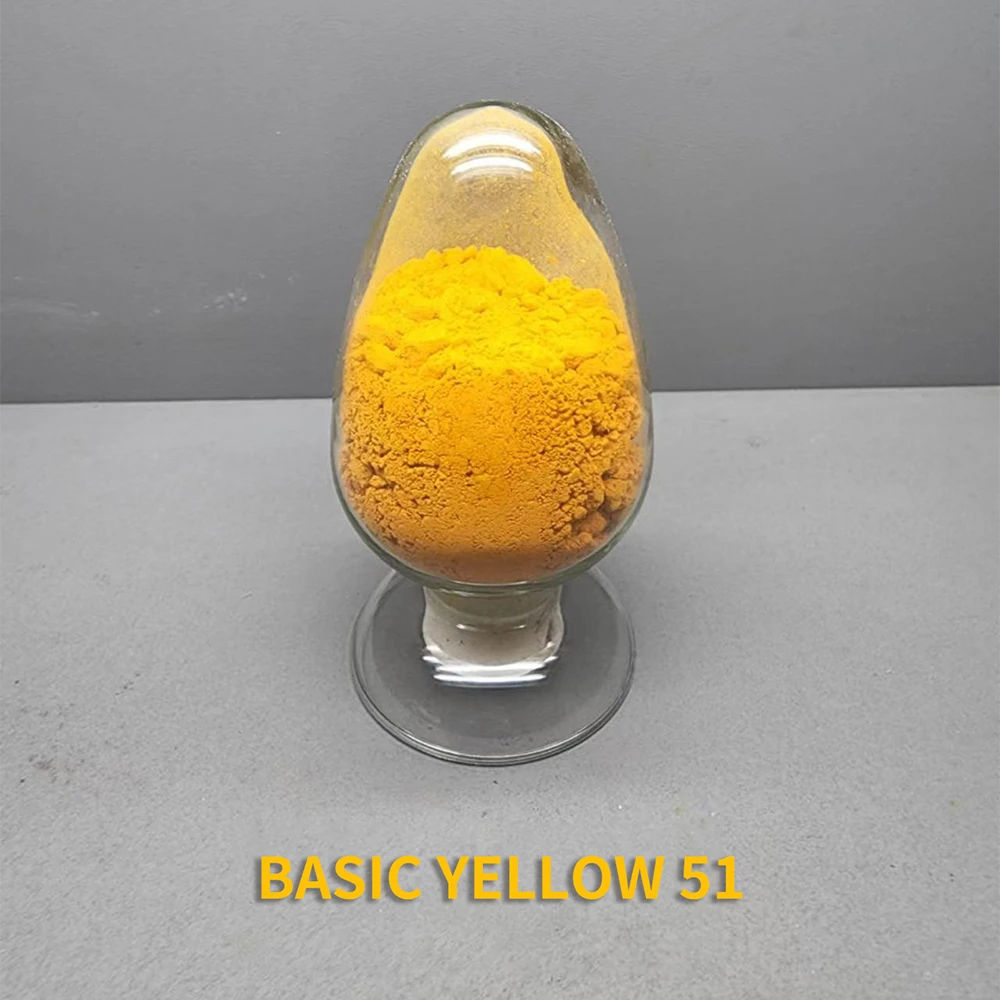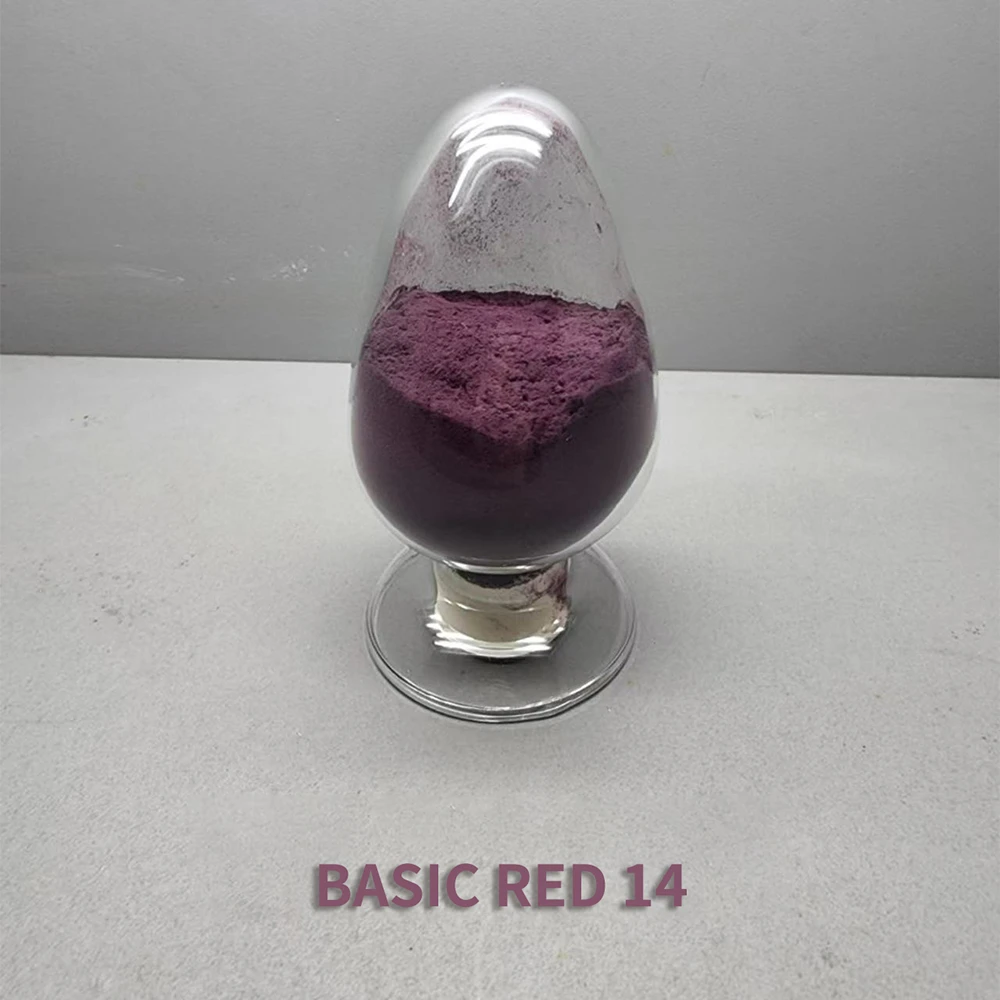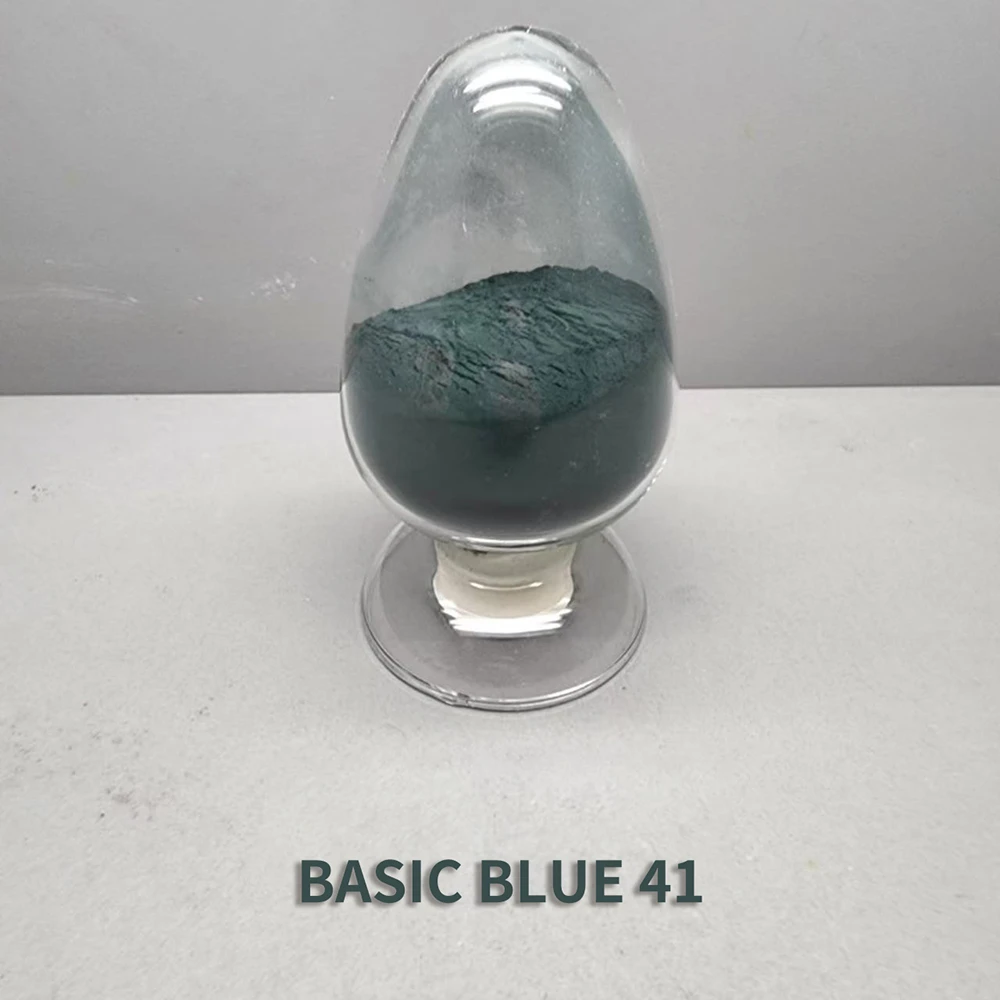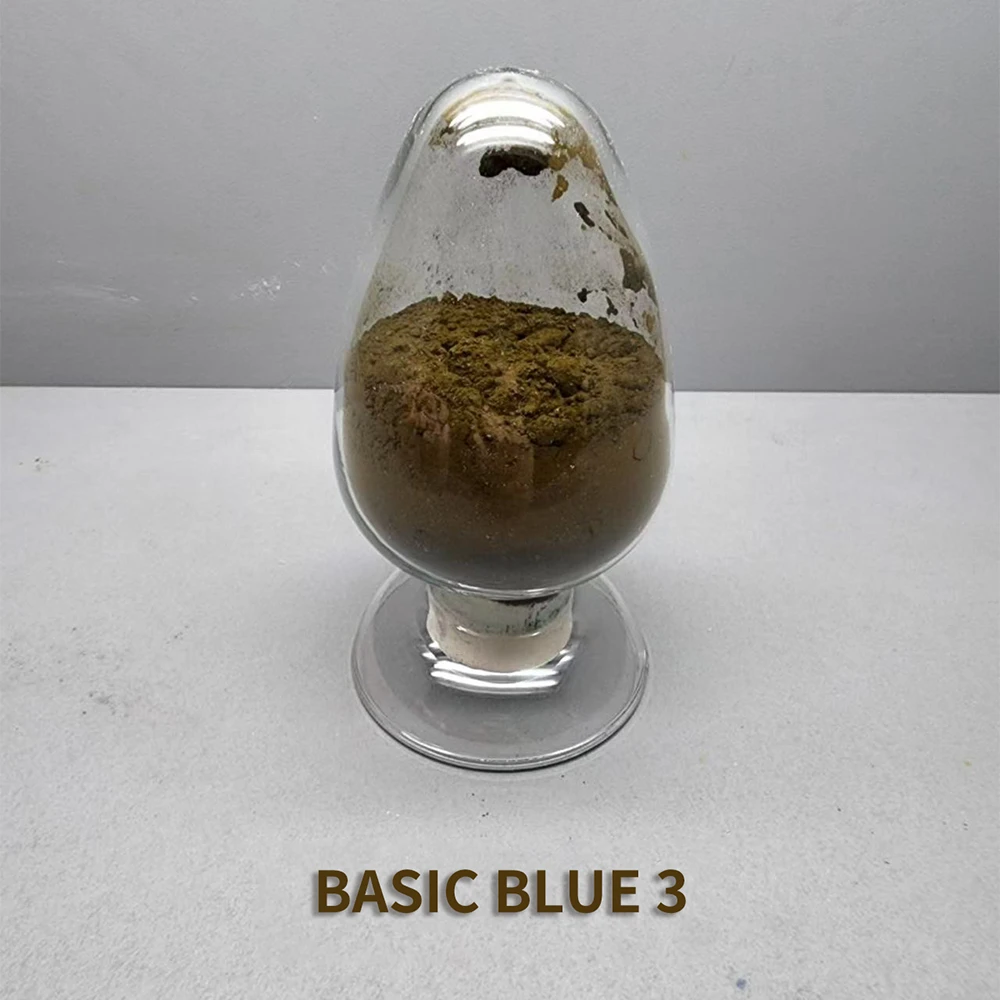
Beige Clothes Dye: Durable, Eco-Friendly Solutions for Global Textile Needs
Understanding Beige Clothes Dye: Why It Matters Worldwide
At first glance, “beige clothes dye” might sound mundane—after all, beige isn’t exactly a showstopper color. But think about the subtle power of soft, neutral tones in textiles that shimmer under sunlight, or are used in humanitarian aid, fashion, or sustainable manufacturing. Globally, beige dyeing processes play a crucial role across industries. From fashion houses in Milan opting for understated elegance to relief organizations dyeing rugged uniforms for field teams, knowing the ins and outs of beige clothes dyeing is surprisingly impactful.
Worldwide textile markets are expected to hit trillions of dollars, according to the World Bank, and colorways — especially neutral tones like beige — command huge segments. Plus, eco-conscious consumers increasingly demand dyes that align with sustainability and safety. That’s why getting comfortable with the nuances of beige clothes dye is not just about fashion but about innovation and responsibility on a global scale.
Global Context: The Role of Beige Clothes Dye in Modern Industry
According to recent ISO reports, textile industries consume nearly 25% of all synthetic dyes worldwide, and beige tones often require specific pigment blends and dyeing conditions to ensure uniformity. In countries exporting vast amounts of textiles — think China, Bangladesh, and India — beige dyeing is a key quality differentiator. Oddly enough, global climate goals also affect dye formulations: less water, lower energy consumption, and biodegradable components are standards expected almost everywhere now.
Moreover, humanitarian organizations, particularly UN bodies like UNHCR, frequently choose beige or khaki hues for relief clothing because these shades are versatile, non-stigmatizing, and practical in diverse environments. The subtlety of beige truly matters—blending durability with cultural acceptability across continents.
What Exactly Is Beige Clothes Dye?
In straightforward terms, beige clothes dye is a blend of pigments or chemicals applied to fabrics to achieve various shades of beige—ranging from light sand to deeper camel. Unlike bright, singular hues, beige often involves subtle pigment mixing, sometimes with natural tannins or synthetic components tailored for fiber type.
This dye is significant for producing fabrics that need to appear neutral or understated but maintain resistance to fading and maintain color consistency across large production batches.
Given the rise in sustainable textiles, beige dyes increasingly rely on low-impact chemicals and eco-friendly mordants (fixatives) that reduce water pollution. So beige clothes dye isn’t just about aesthetics; it’s about the intersection of chemistry, fashion, and ethics.
Core Components of Effective Beige Clothes Dye
1. Durability and Colorfastness
One key aspect is how well the beige dye holds up under washing, sunlight, and wear. Many engineers say a good beige dye must resist fading to maintain fabric appeal over time, especially in outdoor or industrial garments.
2. Scalability for Mass Production
Because beige tones are popular in large quantities—from basic tees to uniforms—manufacturers need dyes that can reliably reproduce the same shade run after run without costly corrections.
3. Eco-Friendly Formulations
Modern beige dye formulations increasingly use biodegradable components and minimal heavy metals. Reducing environmental harm is now part of practical dye selection, sometimes mandated by export regulations.
4. Compatibility With Different Fabrics
Since textiles range from cotton to polyester blends, beige dyes must adapt to various fiber chemistries, ensuring they bond well and don’t alter fabric performance.
5. Cost Efficiency
Keeping production costs manageable while achieving quality beige shades helps manufacturers remain competitive globally. This balance is often a tough nut to crack.
| Specification | Standard Range | Industry Benchmark |
|---|---|---|
| Colorfastness (Washing) | Grade 4–5 (ISO 105-C06) | Grade 4+ |
| pH Level of Dye Solution | 6.5 – 7.5 | Neutral pH |
| Water Usage per kg Dye | 15 – 30 liters | ≤ 20 liters ideal |
| Toxic Heavy Metals | Not Detected | None allowed (REACH, EU) |
| Production Cost per kg | $5 – $8 USD | Market average $6.50 |
Real-World Applications of Beige Clothes Dye
Applications of beige clothes dye stretch well beyond the fashion runway. Industries such as military and security rely heavily on beige-based camouflage and uniform colors for desert or urban missions. In humanitarian relief, neutral beige clothing ensures aid workers don’t stand out unnecessarily in sensitive zones.
In regions like North Africa, South Asia, and parts of Southeast Asia, beige and earth tones provide cultural as well as practical value. For example, beige clothes dye is used extensively in school uniforms in many developing countries due to its durability and versatile look.
Manufacturers are also innovating with beige dyes woven into organic cotton lines sold globally, marrying aesthetics with green promises. Industrial workers in remote pipelines or construction sites wear beige rugged garb because it masks wear without compromising visibility.
Advantages and Long-Term Value of Using Beige Clothes Dye
- Cost Savings: Neutral dyes like beige often minimize reprocessing costs due to easier matching and less visible wear.
- Sustainability: Eco-friendly dye formulations reduce harmful effluents and meet stricter global regulations.
- Social Acceptance: Beige is non-offensive and blends across cultures, important in international markets and aid contexts.
- Reliability: High durability improves garment lifecycle, lowering overall environmental impact.
- Innovation Potential: Compatibility with new fabrics and digital dyeing techniques enables smart textile development.
Innovation and Future, What’s Next for Beige Clothes Dye?
Moving forward, the future of beige clothes dye lies largely in green chemistry and digital textile printing. Companies are exploring dyeing methods that reduce water consumption by up to 90%, using supercritical CO2 or low-impact chemical fixes. There’s also a push to integrate AI for shade consistency, especially at scale.
Automation in dyeing, paired with real-time quality control sensors, promises reductions in waste—an interesting fact I stumbled upon during a recent industry webinar. Plus, materials science breakthroughs mean better dye uptake on recycled fibers, which is huge as circular textiles gain traction.
On the policy side, tougher environmental regulations and consumer demand for transparency will keep pushing beige dye producers to innovate responsibly.
Challenges Faced by Beige Clothes Dye Manufacturers and How They Overcome Them
Despite all progress, numerous hurdles remain. Beige shades can highlight fabric imperfections if the dye isn’t perfectly uniform. Achieving consistent colorfastness on mixed-fiber textiles remains difficult, too. Water usage and effluent management continue to be environmental concerns, especially in emerging markets.
Experts recommend adopting cutting-edge dyeing technologies, retraining skilled operators, and embracing digital color management tools. Collaboration across the supply chain—from chemical suppliers to garment manufacturers—plays a vital role.
Some pioneering companies have started pilot programs using natural dyes blended with synthetic pigments to further reduce ecological impacts, which is promising.
Beige Clothes Dye Vendors: How They Compare
| Vendor | Eco Certifications | Color Range | Tech Innovation | Price Range (per kg) |
|---|---|---|---|---|
| Yanhong Chemicals | OEKO-TEX, GOTS | Wide, custom blends | Digital dyeing, biodegradable dyes | $5–$8 |
| EcoDye Ltd. | ISO 14001, REACH | Focused on naturals | Natural-synthetic blends | $6–$10 |
| ColorTech Inc. | Global Organic Textile Standard | Medium range | AI color consistency | $4–$9 |
Frequently Asked Questions About Beige Clothes Dye
Q1: What makes beige clothes dye a popular choice for humanitarian work?
A1: Beige dyes produce neutral, non-conspicuous tones that are practical for varying environments and cultures. They support dignity and safety for field workers by blending into many backgrounds, making them ideal for relief operations.
Q2: Can beige dyes be used effectively on synthetic fabrics?
A2: Yes, modern beige dyes are formulated to bond well with both natural fibers like cotton and synthetics such as polyester blends, maintaining colorfastness and durability.
Q3: How sustainable are current beige dye formulations?
A3: Many manufacturers now offer biodegradable beige dyes with no toxic heavy metals, complying with international standards like OEKO-TEX and REACH, advancing sustainability goals.
Q4: What is the typical lifecycle of clothing dyed in beige dyes?
A4: When applied correctly, beige dyes offer excellent wash and light fastness, often extending garment life by reducing fading and wear marks, sometimes lasting multiple years depending on use.
Q5: How do manufacturers ensure color consistency for beige shades?
A5: Techniques like digital color management and AI-powered sensors help maintain consistency across batches, especially crucial for large-scale production.
Conclusion: Why Beige Clothes Dye Still Holds Its Ground
From safeguarding workers in hostile environments to coloring sustainable fashion lines, beige clothes dye wields subtle yet undeniable influence. Its complex mix of chemistry, ecology, and culture makes it endlessly fascinating. If you’re exploring textile options that balance cost, sustainability, and global appeal, beige dye is a quiet star you should keep an eye on.
For deeper insights and supply inquiries, visit our site at https://www.yanhongchem.com and explore the future of neutral-toned textiles.
1. ISO Textile standards – iso.org
2. World Bank Data on Textile Industry – worldbank.org
3. UNHCR Clothing Guidelines – unhcr.org
-
Fabric Dye For Furniture: Durable, Sustainable Solutions for B2B ManufacturersNewsDec. 08, 2025
-
Periwinkle Fabric Dye for B2B ApplicationsNewsJan. 24, 2026
-
Comprehensive Guide to Synthetic Fiber Dye Selection and ApplicationNewsMar. 11, 2026
-
Pink Fabric Dye - Durable, Eco-Friendly Textile Solutions for Industry | YanhongchemNewsDec. 04, 2025
-
Buy Dye for Clothes – Expert Tips & Reliable ProductsNewsDec. 03, 2025
-
High-Performance Yellow Fabric Dye Solutions for Industrial Textiles | YanhongchemNewsDec. 08, 2025