Premium Hot Pink Fabric Dye – Durable, Eco-Friendly & Vibrant Color Solutions
Understanding Hot Pink Fabric Dye: More Than Just a Bright Color
Hot pink fabric dye isn’t just a vibrant splash on your blouse or tote bag; it’s a shade packed with global significance. As fashion trends sway and sustainability becomes non-negotiable, understanding this dye’s nuances helps industries innovate while consumers get the bold, lasting colors they want. Worldwide, bright hues like hot pink cut through the noise — whether in safety gear, cultural textiles, or branding — delivering not only style but also functionality.
The Global Context of Hot Pink Fabric Dye
The global textile dye market is projected to hit nearly $11 billion by 2027, and hot pink fabric dye holds a special place in this colorful ecosystem. According to ISO standards and industry reports, consumers increasingly demand dyes that combine vibrancy with eco-friendly profiles. Yet challenges remain. For example, textile factories in Bangladesh or India face water pollution worries due to conventional dyes. The need for eco-conscious hot pink dyes with minimal environmental footprints is critical. Besides aesthetics, think safety vests for construction crews or humanitarian relief gear — bright colors like hot pink boost visibility and, surprisingly, morale.
What Exactly Is Hot Pink Fabric Dye?
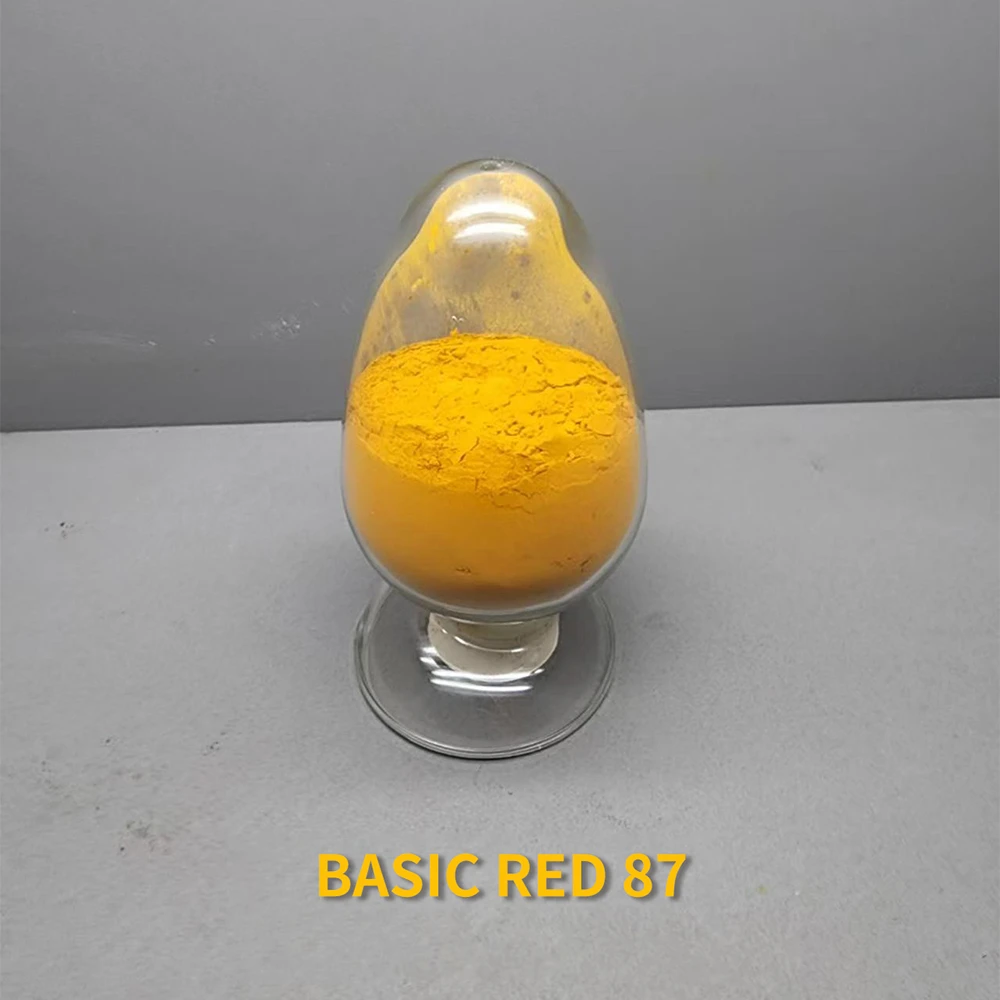
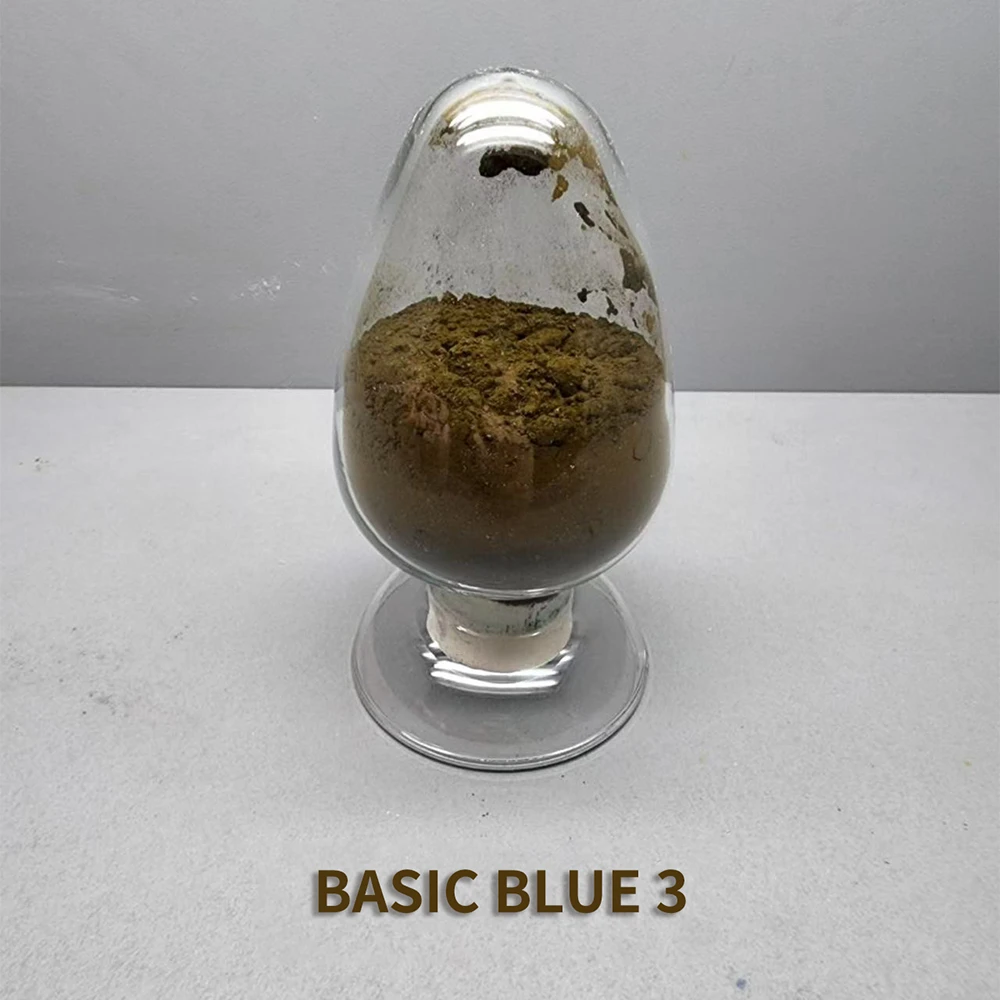
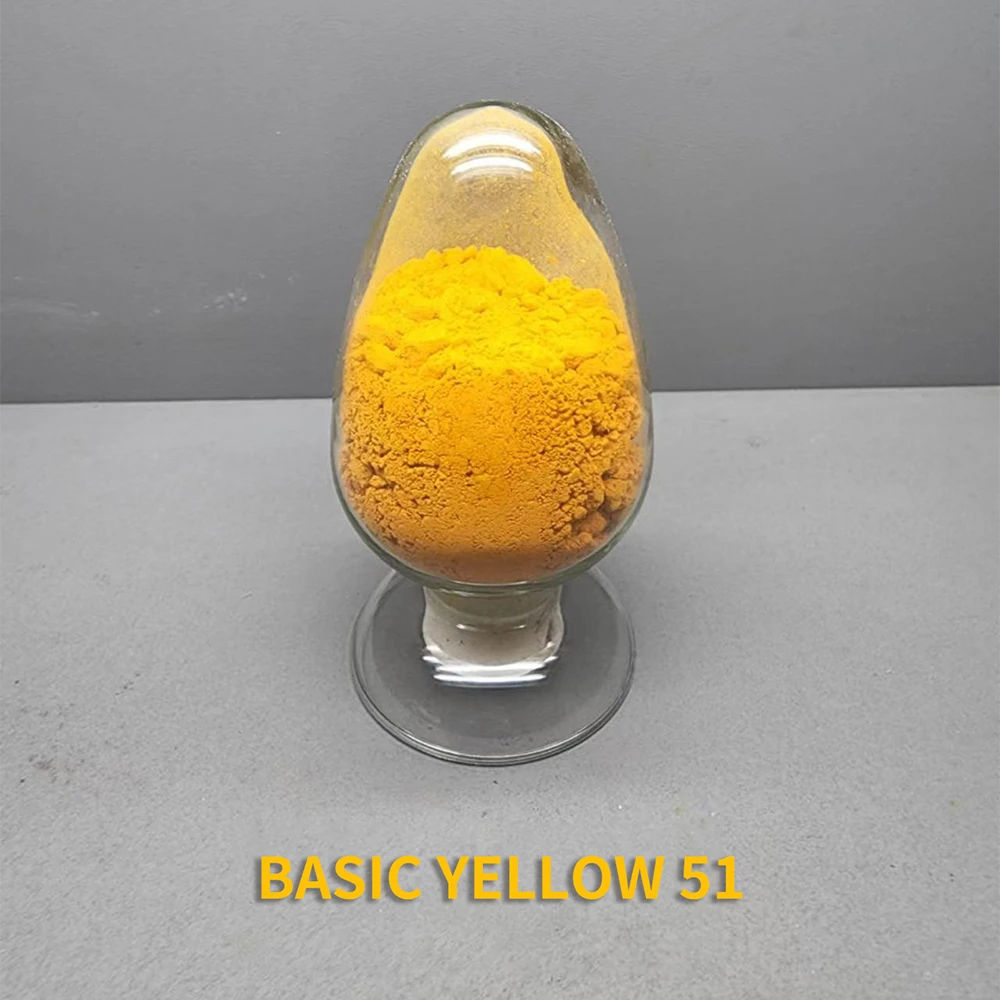
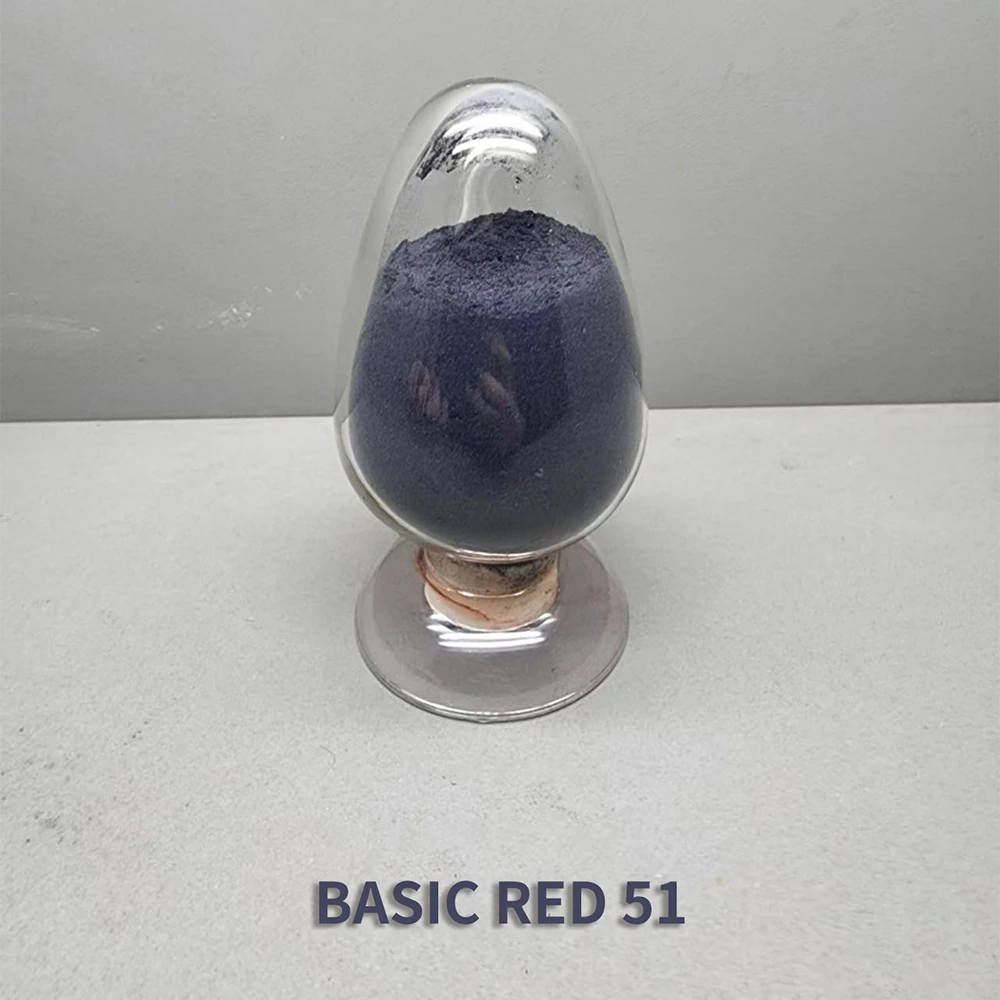
Simply put, hot pink fabric dye is a category of colorants designed to impart a vivid, saturated pink to textile fibers. These dyes can be reactive, acid, or disperse types depending on fiber content — cotton, wool, polyester, you name it. It’s a staple in fashion, but also finds its way into industrial and emergency garments. The magic lies not just in the eye-catching hue but in how it bonds with fabrics to remain colorfast under various conditions — washing, sunlight, abrasion — which is crucial for performance wear.
Mini Takeaway:
Hot pink fabric dye is more than fashion — it’s about combining vibrant color with durability and often environmental responsibility.
Key Features That Define Hot Pink Fabric Dye
1. Durability & Colorfastness
No one wants their neon t-shirt fading after a couple of washes. High-quality hot pink dyes are formulated to resist fading, running, and dulling, ensuring the garment looks fresh and bright over its lifetime.
2. Environmental Compatibility
More manufacturers are turning to azo-free and low-impact dyes. The goal? Reduce toxic effluents and water use, a real challenge in mass dyeing operations. Hot pink dye formulas today often comply with EU REACH regulations or equivalent sustainability standards.
3. Scalability & Cost Efficiency
From small designer batches to massive industrial orders, producing hot pink fabric dye that’s cost-effective and consistent is a balancing act. Many suppliers invest in advanced blending and quality controls to keep prices competitive without sacrificing quality.
4. Versatility Across Fabric Types
Whether it’s breathable cotton tees, rugged polyester safety jackets, or delicate silks, hot pink dyes need to be adaptable. This versatility is what makes the dye a winner for many industries.
Mini Takeaway:
The best hot pink fabric dyes marry durability with environmental responsibility and broad fabric compatibility — a tricky but rewarding combo.
Hot Pink Fabric Dye in Real-World Applications
Many sectors rely on the bright punch of hot pink dyes. Consider:
- Fashion & Apparel: Designers use hot pink for seasonal collections, especially spring and summer lines that crave eye-catching colors.
- Safety and Workwear: Industrial workers, construction crews, and even cyclists use high-visibility gear infused with hot pink dyes for extra attention in cluttered environments.
- Humanitarian Relief: After disasters, vivid colors aid in quick identification of aid workers or emergency tents.
- Sports & Activewear: The popularity of neon hues in fitness garments keeps hot pink in steady demand.
For instance, in remote industrial zones of Canada’s oil fields, workers' protective jackets often use hot pink patches alongside reflective strips to improve visibility during those long, gloomy winters. It’s practical but also oddly comforting — a splash of brightness amid tough conditions.
Advantages and Long-Term Value
Beyond aesthetics, hot pink fabric dye offers several tangible benefits:
- Sustainability: Eco-friendly dyes minimize chemical runoff, helping factories meet stricter environmental compliance.
- Cost Savings: Durable dyes reduce the need for frequent garment replacement, saving money and reducing waste.
- Social Impact: Bright colors like hot pink can contribute to safer work environments and enhance the psychological well-being of wearers, encouraging a sense of identity and team spirit.
- Reliability: Consistent color quality builds brand trust — no one wants unpredictable fading after a few washes.
Mini Takeaway:
Hot pink fabric dye’s appeal spans economics, environment, and emotional connection — a rare trifecta in textile chemistry.
Emerging Trends & Innovations in Hot Pink Fabric Dye
The future looks bright for hot pink fabric dye. Innovations include:
- Bio-based Dyes: Companies are creating dyes derived from natural sources like cochineal insects or beetroot, reducing reliance on petrochemicals.
- Digital Printing Advances: Digital textile printing allows for precise color application, minimizing waste and allowing complex hot pink patterns.
- Sustainable Supply Chains: The drive to trace dye ingredients and manufacturing from source to garment supports greener purchasing decisions worldwide.
- Smart Textiles: Integration of color-changing fabrics or UV-reactive hot pink dyes offers exciting safety and fashion prospects.
Common Challenges and Their Solutions
Despite gains, hot pink fabric dye has hurdles:
- Color Consistency: Small shifts in batch chemistry can alter the shade. Solution: robust quality controls and advanced spectrophotometry ensure repeatability.
- Environmental Impact: Water-intensive processes plague dyeing. Solution: innovators employ closed-loop water systems or use low-water digital printing.
- Compatibility: Some fibers resist dye uptake — especially synthetic blends. Solution: pre-treatment techniques and hybrid dyes help the color adhere better.
Specification Table of a Typical Hot Pink Fabric Dye
| Feature | Details |
|---|---|
| Color Shade | Hot Pink, Pantone 213 C equivalent |
| Type | Reactive (for cotton), Disperse (for polyester) |
| Fastness to Washing | Grade 4 (ISO standard) |
| Lightfastness | Grade 5 (excellent) |
| Environmental Compliance | OEKO-TEX® Standard 100 certified |
| Application Method | Batch or continuous dyeing; digital printing compatible |
| pH Range | 5.5–6.5 (optimal for reactive dyes) |
Vendor Comparison: Leading Hot Pink Fabric Dye Suppliers
| Supplier | Eco Certifications | Price Range (USD/kg) | Suitable Fabrics | Global Reach |
|---|---|---|---|---|
| Yanhong Chemical | OEKO-TEX®, GOTS | 12–18 | Cotton, Polyester, Nylon | Asia, Europe, Americas |
| Global Dye Co. | REACH Compliant | 10–15 | Cotton, Wool | Europe, North America |
| EcoDye Solutions | Vegan, Biodegradable | 20–25 | Organic cotton, Bamboo | Asia, Australia |
FAQs About Hot Pink Fabric Dye
Q1: How long does hot pink fabric dye typically last on cotton garments?
On well-treated cotton using high-quality reactive dyes, hot pink can remain vibrant for several years with proper washing (cold water, mild detergent) and minimal sun exposure. Expect roughly 20+ washing cycles before noticeable fading.
Q2: Are there eco-friendly options for hot pink fabric dye?
Absolutely. Many suppliers now offer azo-free, low-impact dyes and bio-based pigments that reduce environmental damage. Certifications like OEKO-TEX® or GOTS can guide eco-conscious buyers in selecting sustainable dyes.
Q3: Can hot pink dye be used on synthetic fabrics like polyester?
Yes, but you'll typically need disperse dyes designed specifically for synthetics. These dyes bond differently than reactive ones used for cotton but still offer bright, long-lasting hot pink shades.
Q4: How do manufacturers ensure consistent hot pink shades across production runs?
Through strict batch controls, spectrophotometric color matching, and maintaining stable chemical inputs, manufacturers keep shade variance minimal. Digital dyeing methods add even better precision.
Q5: Where can I learn more or purchase quality hot pink fabric dye?
Reliable vendors like Yanhong Chemical provide a range of hot pink fabric dyes designed for diverse industries. Check their certifications and product support for the best results.
Wrapping It Up: Why Hot Pink Fabric Dye Matters
Hot pink fabric dye represents a fascinating crossroads of style, safety, and sustainability. It’s a color that demands attention — and rightly so, given its broad applications from fashion runways to rescue missions. As the dye industry pushes towards greener, smarter solutions, hot pink will shine even brighter in fabrics worldwide.
Interested in bringing that vibrant tone to your textiles? Visit our website: Yanhong Chemical to explore premium hot pink fabric dye options that combine quality with responsibility.
Final Mini Takeaway:
In real terms, mastering hot pink fabric dye means balancing beauty, durability, and green practices — a goal that feels both achievable and downright exciting.
References
-
Comprehensive Guide to Grey Fabric Dye: Industry Insights & SustainabilityNewsDec. 04, 2025
-
Achieving Vibrant Color with Mint Green Dye for Clothes A Comprehensive GuideNewsMar. 31, 2026
-
Comprehensive Guide to CI Basic Violet 3 – Uses, Properties & Industry InsightsNewsDec. 03, 2025
-
Reliable Powdered Fabric Dye for Industrial Textile ApplicationsNewsJan. 04, 2026
-
Reliable China Fabric Dye Manufacturers - Quality & Custom SolutionsNewsDec. 03, 2025
-
Exploring the World of Synthetic Dyes Applications and Industrial SourcingNewsMar. 09, 2026