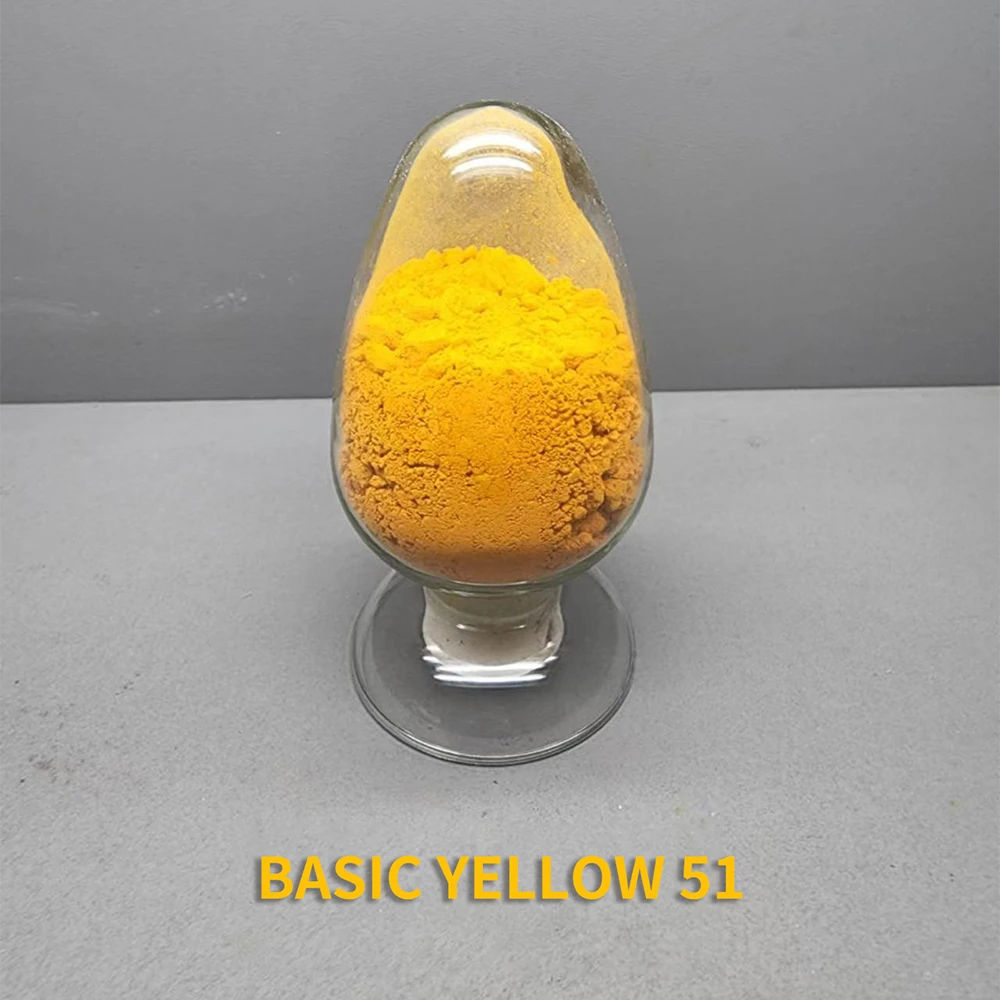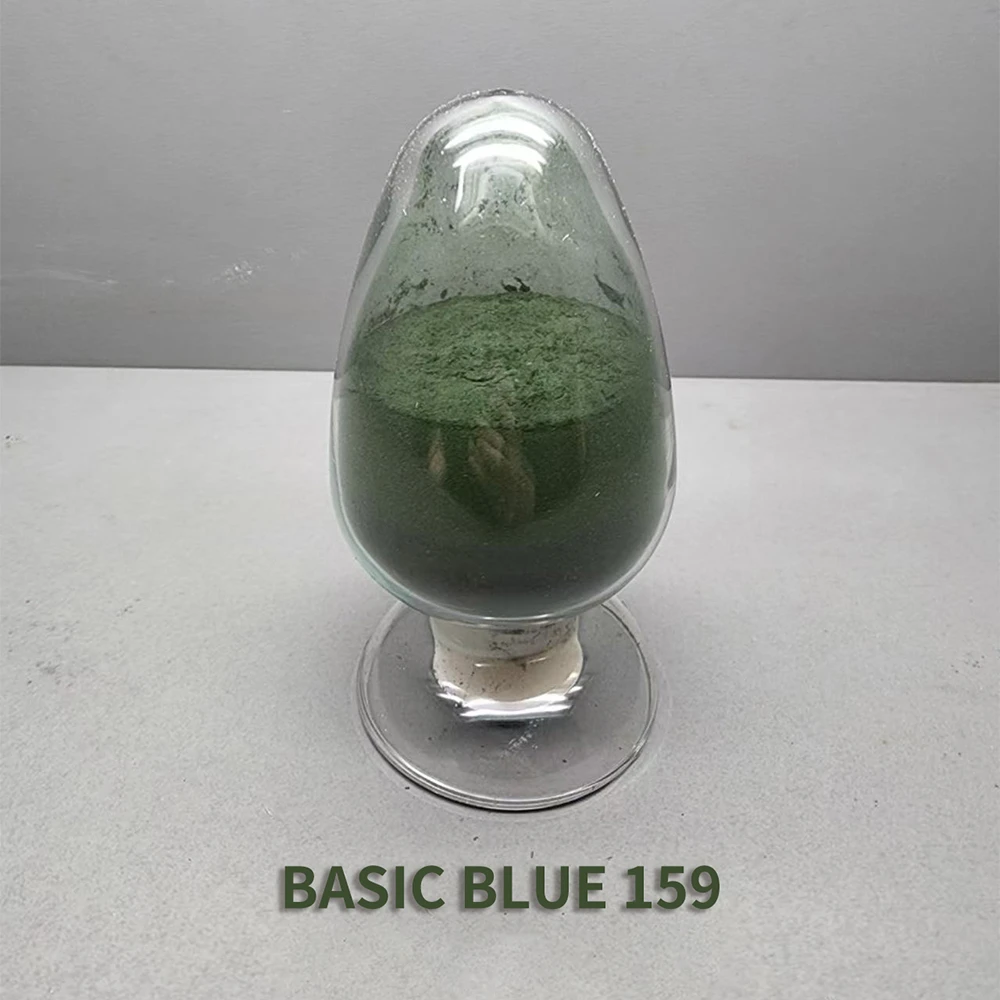
Mustard Yellow Fabric Dye – Sustainable, Durable & Versatile Textile Solutions
A Subtle Hue With Big Impact: Understanding Mustard Yellow Fabric Dye
At first glance, mustard yellow fabric dye might seem like just a charming color choice, a splash of warmth in textile production. But dig a bit deeper, and you’ll find it weaving through global fashion trends, sustainable manufacturing, and even humanitarian relief efforts — all with practical benefits and complexities. This distinct, earthy shade not only revives vintage aesthetics but also embodies a growing movement toward eco-friendly dyes that meet industrial expectations without compromising durability or vibrancy.
Why does mustard yellow fabric dye matter on a global scale? For starters, textiles rank among the largest sources of industrial pollution worldwide. According to the World Bank, fabric dyeing constitutes a significant chunk of water pollution, especially in developing countries. As markets demand bolder, longer-lasting colors without the toxic aftermath, innovations around dyes like mustard yellow — often derived from natural or low-impact synthetic processes — come under the spotlight. Understanding these dyes means understanding a crucial intersection of style, science, and sustainability.
What Exactly Is Mustard Yellow Fabric Dye?
Simply put, mustard yellow fabric dye is a colorant used to impart a distinct yellowish-brown tint to textiles. Its name evokes culinary mustard’s inviting spice notes — warm, muted, and energetic. Far from a fleeting fad, this dye’s earthy tone complements various fabric types, including cotton, wool, and synthetic blends.
This dye, increasingly, is sourced through environmentally conscious methods, such as plant-based extracts or low-impact synthetic chemicals that reduce hazardous waste. It’s also integral in sectors that benefit from durable, vivid coloring with a heritage feel: think outdoor apparel, traditional uniforms, and eco-fashion lines.
Mini takeaway:
- Mustard yellow dye blends classic appeal with a nod to sustainability.
- It serves industries looking for vibrant yet responsible color solutions.
Mustard Yellow Fabric Dye: Core Aspects That Matter
1. Durability and Colorfastness
One of the biggest concerns with any fabric dye is how well it holds up. Mustard yellow dyes often undergo rigorous testing against fading under sunlight, washing, and abrasion. Many manufacturers now offer formulations that retain intensity through dozens of wash cycles — which is crucial for uniforms or workwear.
2. Environmental Impact
Thanks to rising ecological standards like ISO 14001, producers strive to reduce toxins, wastewater, and carbon footprints associated with dyeing. Mustard yellow fabric dye increasingly shifts toward biodegradable ingredients and closed-loop systems.
3. Scalability in Production
Whether you’re dyeing a small batch of artisan scarves or thousands of meters of fabric for industrial use, mustard yellow dyes adapt well. They mix reliably, reproduce consistently, and integrate into automated dyeing lines — a real bonus for manufacturers chasing efficiency.
4. Cost Efficiency
Compared to rarer or specialty colors, mustard yellow dye formulas are fairly affordable. This balance between cost and quality makes it a darling choice for mass production without sacrificing aesthetic appeal.
5. Versatility Across Fabrics
Wool, silk, nylon, cotton, or recycled fabrics—all can absorb mustard yellow with pleasing results. Some dyes require pretreatment or binders depending on the fabric’s chemistry, but the color holds its charm in both natural and synthetics.
Mini takeaway:
- Key factors like durability and eco-friendliness shape mustard yellow dye’s growing popularity.
- Its versatility makes it practical for a broad spectrum of textile industries.
Global Impact: How and Where Mustard Yellow Fabric Dye Is Used
Mustard yellow fabric dye shows up in fascinating places worldwide — from the runways of Milan to the handwoven markets of India.
- Fashion Designers: Eclectic fashion brands incorporate mustard yellow fabric dye to evoke retro feels and earthy tones. It feels both contemporary and nostalgic.
- Uniform Manufacturing: In Asia and South America, this dye creates vivid work and safety uniforms resistant to environmental wear.
- Post-Disaster Relief: Aid organizations use mustard yellow fabrics to quickly produce tents and gear that stand out for visibility and identification.
- Home Furnishings: Upholstery and curtains adopt this color for its warm yet neutral vibe—a defined but understated statement.
In remote industrial zones, where machinery grease and sun bleaching are daily threats, mustard yellow dyes help textile products maintain visibility and longevity. It’s oddly satisfying how a color choice can make such a big difference in real-world usability.
Mini takeaway:
- Mustard yellow dye finds homes in both cutting-edge fashion and functional industrial textiles.
- From glamorous to utilitarian, its applications are surprisingly broad and global.
Advantages and Long-Term Value of Mustard Yellow Fabric Dye
There’s a sensible reason mustard yellow fabric dye gains traction. It delivers tangible benefits beyond aesthetics:
- Cost Savings: Long-lasting brightness means fewer replacements and less waste.
- Sustainability: Environmentally friendlier formulations align with carbon reduction goals.
- Social Impact: Colorful uniforms strengthen identity and morale in schools or workplaces.
- Reliability: Tested colorfastness ensures quality control across batches.
On a softer note, mustard yellow feels comforting and warm, which can boost wearer confidence or brand personality—these emotional benefits tie into purchasing decisions more than one might expect. Safety, dignity, and trust are subtle but powerful outcomes.
Mustard Yellow Fabric Dye Specification Table
| Specification | Details |
|---|---|
| Color Shade | Mustard Yellow / Pantone 14-0957 |
| Dye Type | Reactive, Vat, & Natural Extract Options |
| Fabric Compatibility | Cotton, Wool, Nylon, Polyester blends |
| Wash Fastness | 4-5 (ISO 105-C06 Scale) |
| Lightfastness | 5-6 (ISO 105-B02 Scale) |
| Environmental Compliance | OEKO-TEX® Standard 100 & Bluesign® Approved |
Comparing Mustard Yellow Fabric Dye Vendors
| Vendor | Eco-Friendliness | Price Range | Global Reach | Customization Options |
|---|---|---|---|---|
| Yanhong Chemicals | High (Bluesign® certified) | $$ | Asia, Americas, Europe | Fully customizable pigment blends |
| EcoDyes Ltd. | Very High (100% natural) | $$$ | Europe, North America | Limited blends, organic only |
| GlobalDye Corp. | Moderate (Partially synthetic) | $ | Worldwide | Standard formulations only |
Future Trends & Innovations in Mustard Yellow Fabric Dye
Looking ahead, mustard yellow fabric dye isn’t just sitting still. With ongoing digital textile printing advances, dyes are becoming more precise, enabling customized shades that respond to consumer preferences faster than ever. Meanwhile, green chemistry innovations aim to eliminate harmful solvents and fixatives entirely—many firms pursue zero water usage dyeing processes, a game-changer for sustainability.
Moreover, integration with smart textiles (those that react to heat or light) means mustard yellow isn’t just about color anymore; it can become functional. Imagine safety gear that brightens automatically or clothing that signals UV exposure—mustard yellow may soon carry new layers of purpose.
Overcoming Challenges in Mustard Yellow Fabric Dye Use
Naturally, there are bumps along the way. Some mustard yellow dyes still struggle with uniform intensity on synthetic blends, and scaling eco-friendly formulations without cost spikes remains tricky.
But solutions are emerging. Manufacturers increasingly use advanced bath ratio controls and ultrasonic dyeing techniques to ensure even penetration and intensity. Meanwhile, pilot programs for bioengineered dyes seek to stabilize natural pigment production. It’s a rough road, but the industry’s commitment feels genuine.
FAQ: Your Mustard Yellow Fabric Dye Questions Answered
- What makes mustard yellow dye a good choice for sustainable textiles?
- Mustard yellow dyes often come from low-impact or natural sources, requiring less harmful chemicals and less water, which reduces environmental footprint. They’re increasingly certified to international eco-standards.
- Can mustard yellow dye be used on synthetic fabrics like polyester?
- Yes, but it usually requires specialized dye types and process adjustments to ensure good color absorption and fastness. Manufacturers commonly use disperse dyes or combined methods to achieve vibrant mustard shades on synthetics.
- How does mustard yellow fabric dye hold up to sunlight exposure?
- Most modern formulations score highly in lightfastness tests (ISO 105-B02). This means the color resists fading for extended outdoor use, suitable for uniforms and outdoor gear.
- Are there health concerns related to mustard yellow dyes?
- Reputable vendors comply with global safety standards like OEKO-TEX®, ensuring dyes are free from harmful heavy metals and allergens, so they’re generally safe for skin contact.
- Where can I buy high-quality mustard yellow fabric dye?
- Leading manufacturers like Yanhong Chemicals offer customizable, eco-friendly products available worldwide with technical support.
In Conclusion: The Richness Behind Mustard Yellow Fabric Dye
Mustard yellow fabric dye isn’t merely a splash of color; it’s a thread tying together craftsmanship, environmental responsibility, and practicality. Whether you’re a designer seeking that warm vintage tone or a business committed to sustainable production, it offers a vibrant balance between nature and industry.
For those interested in exploring more or sourcing quality mustard yellow fabric dye, consider visiting Yanhong Chemicals — they blend expertise with eco-conscious innovation in ways that few can match.
There’s something oddly comforting about a color that’s so historic yet future-forward — kind of like a trusty old coat with a modern cut. The story isn’t over yet...
References
-
Durable Car Fabric Dye Solutions for Automotive Industry | YanhongchemNewsJan. 04, 2026
-
Comprehensive Guide to Khaki Green Dye for Clothes and Textile ApplicationsNewsMar. 17, 2026
-
Mauve Fabric Dye: Durable, Sustainable Textile Solutions | YanhongchemNewsJan. 04, 2026
-
Achieving Vibrant Color with Mint Green Dye for Clothes A Comprehensive GuideNewsMar. 31, 2026
-
Basic Dye Factory: Essential Insights on Production, Impact & InnovationNewsDec. 13, 2025
-
Dark Blue Fabric Dye | Expert Guide & Vendor ComparisonNewsDec. 11, 2025