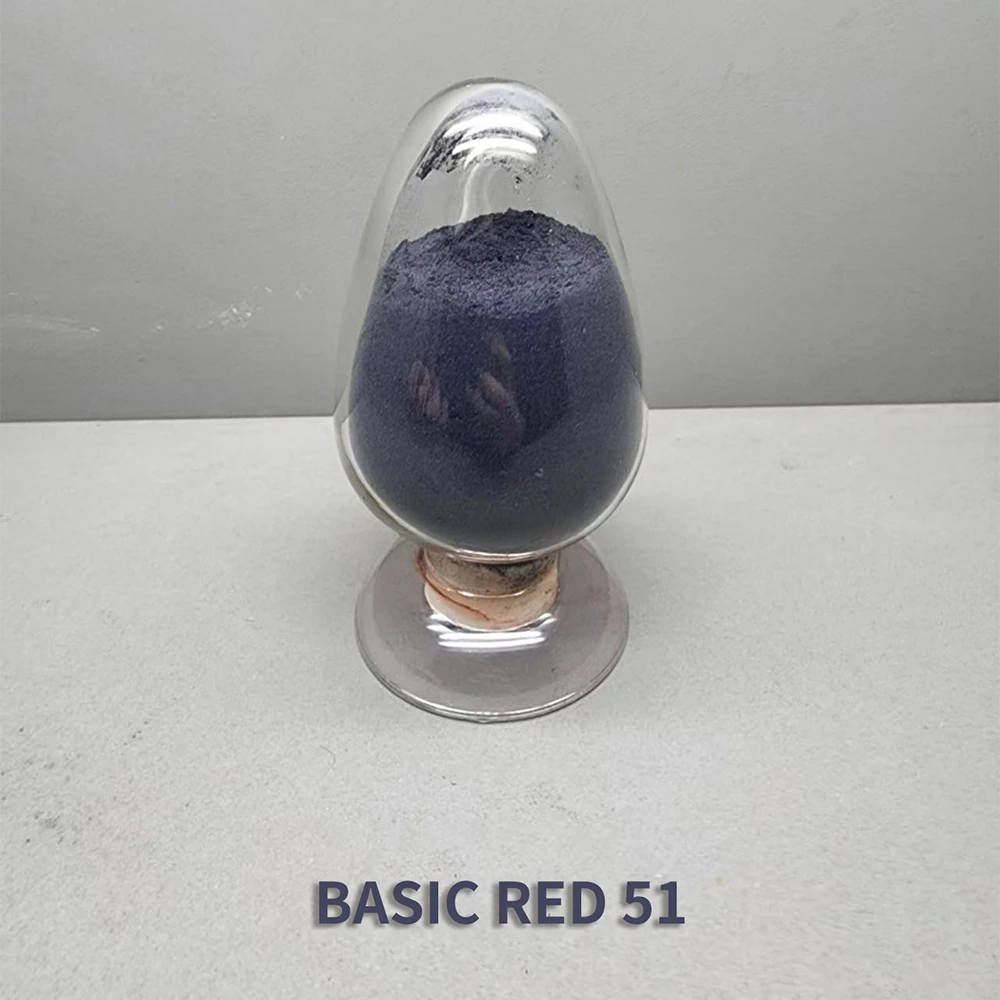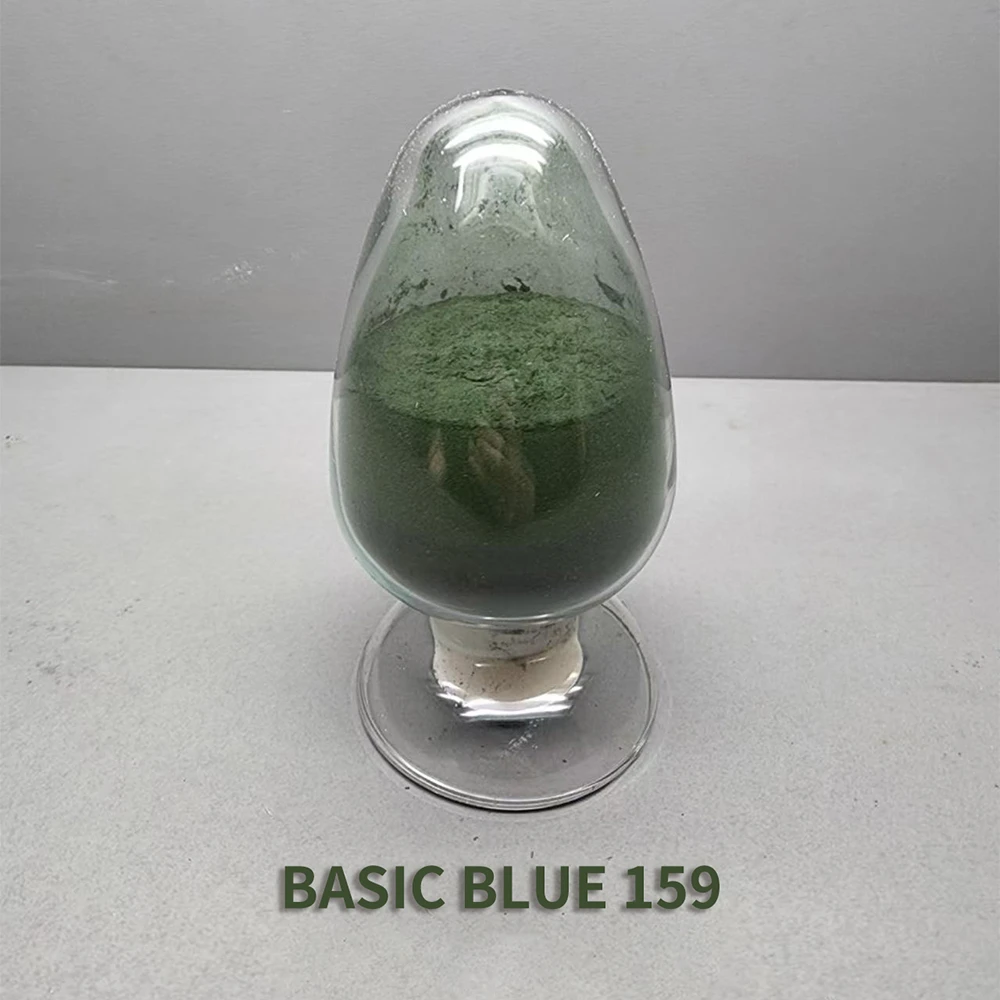
Light Grey Fabric Dye: Sustainable, Durable Textile Color Solutions
Understanding Light Grey Fabric Dye: A Subtle Yet Vital Textile Innovation
When you think about the colors we wear every day, light grey probably doesn’t scream “attention-grabbing.” Yet, this understated shade, brought to life through specific dyes, plays a massive role in various industries—from fashion to industrial textiles, and even humanitarian aid. The topic of light grey fabric dye might seem niche, but grasping its significance unlocks insights into sustainability, colorfastness, and global manufacturing trends that affect everything from your favorite shirt to protective gear used worldwide.
Why should you care? Well, light grey fabric dye isn't just about aesthetics. It’s about combining technology, environmental concerns, and economic realities in one package. And this balance is becoming increasingly crucial in global manufacturing and supply chains.
Global Perspective: Why Light Grey Fabric Dye Matters Today
Globally, the textile industry is worth over $1.5 trillion and employs hundreds of millions of people. Within this vast ecosystem, color trends and textile treatments shape consumer preferences and supply chain innovations alike.
Now, light grey—a neutral, versatile shade—has gained traction beyond its usual role in fashion basics. According to the International Organization for Standardization (ISO), consistent and eco-friendly dyeing processes are critical to reducing water use and chemical discharge. This is where the technology and chemistry behind light grey fabric dyes become central.
But there’s a hitch. Producing a durable, true light grey color without heavy environmental costs is challenging. Traditional pigments can fade quickly or require toxic chemicals, undermining sustainability goals as outlined in various UN environmental programs. So the industry faces an urgent challenge: how to achieve light grey hues that balance performance with eco-responsibility.
Mini takeaway: The journey to perfect light grey fabric dyeing is a microcosm of the broader textile industry's shift towards sustainability and quality.
What Exactly Is Light Grey Fabric Dye?
At its core, light grey fabric dye is a specialized pigment or chemical compound formulated to impart a pale gray color onto textiles. Unlike darker dyes that mask fiber texture, light grey allows fabrics to keep a subtle, almost minimalist look. It's commonly used on natural and synthetic fibers — think cotton blends, polyester, nylon, and even technical fabrics used for uniforms or gear.
In modern industry, these dyes often rely on a combination of pigment dyes and reactive or disperse dyes, chosen based on fabric type. For humanitarian purposes—like making tents, protective coverings, or uniforms—the color light grey is favored for its neutrality, somewhat heat-reflective properties, and ability to blend into diverse environments.
Key Factors Behind Light Grey Fabric Dye Performance
1. Durability and Colorfastness
One major consideration is how well the dye resists fading under sunlight, washing, or abrasion. Light grey can be tricky because any color loss shows up prominently. High-quality dyes incorporate UV stabilizers and complex bonding methods to anchor pigments into fibers.
2. Eco-Friendly Composition
Manufacturers increasingly use low-impact, non-toxic dyes to meet regulations like the OEKO-TEX® Standard 100 or GOTS (Global Organic Textile Standard). This means avoiding heavy metals and carcinogenic chemicals, reducing the environmental footprint.
3. Compatibility with Different Fibers
Because textiles can be natural or synthetic, the dye chemistry varies significantly. A dye that works well for cotton (often a reactive dye) won’t necessarily suit polyester, which typically requires disperse dyes applied under heat.
4. Scalability of Application
Whether a mill produces 100 kilograms or 100 tons of fabric, the dye process needs to be replicable and consistent, avoiding waste or batch-to-batch variation.
5. Cost Efficiency
The dye must strike a balance: affordable enough for mass production, but premium enough to ensure long-term fabric performance.
6. Aesthetic Appeal and Trends
Finally, achieving just the right "light grey" tone that pleases designers and end users is an ongoing design and chemistry challenge.
Mini takeaway: Behind the simple shade lies a complex interplay of chemistry, sustainability, and economics.
Global Applications & Real-World Use Cases
- Fashion Industry: Light grey fabrics are a staple in casual wear, sportswear, and workwear — offering neutrality and versatility.
- Industrial and Protective Clothing: Light grey is often used for uniforms and coveralls, where it balances visibility and discretion, with many manufacturers in Asia and Europe leading production.
- Humanitarian & Relief Operations: NGOs working in disaster zones often select light grey fabric for tents and coverings that are less visually intrusive yet functional, reflecting some heat and showing less dirt.
- Interior Design & Upholstery: Light grey dye allows for neutral upholstery fabrics that match various decor styles.
For example, in post-disaster relief missions in Southeast Asia, NGOs prefer light grey fabric tents to avoid heat buildup—a vital concern under tropical sun. Meanwhile, automotive interiors in Europe frequently use light grey dyed textiles for a clean yet practical look.
Advantages and Long-Term Value of Choosing Light Grey Fabric Dye
The benefits aren’t just skin-deep:
- Cost Savings: Durable, low-impact dyes reduce re-treatment and replacement costs.
- Sustainability: Fewer toxins and less water use mean a smaller ecological footprint.
- Fashion Flexibility: Light grey offers a neutral palette that’s timeless and easy to combine.
- Social Impact: Brands using eco-friendly light grey dyes gain socially conscious consumer trust.
- Safety & Comfort: Reflective properties and softness contribute to wearer comfort.
This mix of economics and ethics feels like the future of textile dyeing—and honestly, it’s reassuring to see the industry adapting.
Future Trends & Innovations in Light Grey Fabric Dyeing
Looking ahead, the textile world is buzzing with innovation:
- Green Chemistry: Advances in bio-based dyes and enzymes promise even less environmental harm.
- Digital Dyeing Technologies: Precision inkjet printing on fabrics reduces waste and opens customization doors.
- Automated Quality Control: AI-driven color matching ensures perfect light grey consistency every batch.
- Recycled Fibers: Demand for combining recycled textiles with light grey dyes is growing, helping circular fashion.
Manufacturers truly are experimenting with everything from algae-derived pigments to solar-powered dye works. It feels like we’re not far from light grey fabrics that smartly respond to weather or pollution.
Challenges and How Industry Leaders Are Tackling Them
It’s not all smooth sailing. Key hurdles remain:
- Environmental Regulations: Stricter global norms require rapid R&D adjustments.
- Batch Variation: Achieving the same light grey tone at scale can be elusive.
- Cost Pressures: Green dyes sometimes carry price premiums.
Experts advise collaborating closely with chemical suppliers and investing in lab testing. Some vendors now offer tailored dye formulations and small-run sampling to exact client needs—keeping both quality and budget intact.
Product Specification Table
| Specification | Typical Range | Notes |
|---|---|---|
| Base Dye Type | Reactive / Disperse / Pigment | Depends on fiber |
| Color Fastness to Washing | 4–5 (ISO 105-C06 scale) | High performance |
| Color Fastness to Light | 5 (ISO 105-B02 scale) | Excellent UV resistance |
| VOC Emissions | Meets environmental norms | |
| Typical Application Temperature | 60–130°C | Varies with fiber type |
Vendor Comparison for Light Grey Fabric Dye Solutions
| Vendor | Eco Certification | Price Range | Customization | Global Shipping |
|---|---|---|---|---|
| Yanhong Chem Co. | GOTS, OEKO-TEX | Mid to High | Full formulation | Worldwide |
| EcoDyeworks | OEKO-TEX Certified | Competitive | Standard shades | Limited zones |
| BrightDyes Ltd. | ISO Compliant | High-End | Custom & Bulk | Global |
FAQs: Your Top Questions About Light Grey Fabric Dye
Q1: What makes light grey fabric dye eco-friendly compared to other colors?
A: Light grey fabric dye formulations often require fewer heavy pigments and can use sustainable chemical processes, resulting in less water usage and lower toxic waste. Certifications like OEKO-TEX and GOTS ensure strict environmental standards during production.
Q2: Can light grey fabric dye be applied to both natural and synthetic fabrics?
A: Yes, but it requires different dye chemistries. Natural fibers like cotton typically use reactive dyes, while synthetic materials such as polyester use disperse dyes. Each process ensures colorfastness and fabric integrity.
Q3: How long does light grey fabric dye last before fading?
A: High-quality light grey dyes with UV stabilizers can maintain color integrity for several years under typical use and washing conditions, often rated 4-5 on ISO colorfastness scales.
Q4: Are there special care instructions for garments dyed light grey?
A: Generally, washing in cold water with mild detergents and avoiding harsh bleaching helps maintain the color. Ironing and drying should follow fabric-specific recommendations to avoid dulling the shade.
Q5: How can manufacturers ensure color consistency at scale?
A: Implementing robust quality control processes, including batch sampling and automated color measurement, helps maintain consistent light grey tones across production runs.
Final Thoughts: The Quiet Strength of Light Grey Fabric Dye
In the end, choosing light grey fabric dye is about more than just picking a color—it’s about embracing a nuanced blend of technology, sustainability, and timeless style. From everyday wear to critical humanitarian fabrics, this subtle shade is making a loud statement about innovation and responsibility.
For brands and manufacturers eager to stay ahead, tapping into quality light grey fabric dye sources is a smart move. The future looks “light grey” — and that’s a good thing.
Visit us to explore innovations: Yanhong Chem Light Grey Fabric Dye Solutions.
References
-
High-Quality Synthetic Fabric Dye for Industrial Applications | Yanhong ChemNewsDec. 03, 2025
-
Basic Black in Industrial Equipment: Timeless and ToughNewsDec. 13, 2025
-
Durable Car Fabric Dye Solutions for Automotive Industry | YanhongchemNewsJan. 04, 2026
-
A Comprehensive Guide to Choosing the Best Khaki Dye for ClothesNewsMar. 19, 2026
-
What You Should Know About Basic Dye Manufacturers: Industry Insights & TrendsNewsDec. 03, 2025
-
Black Fabric Dye For Bleach Stains – Durable Solutions from YanhongchemNewsJan. 02, 2026