Achieving a deep, vivid red on acrylic fibers is a technical challenge that requires a precise balance of chemical affinity and molecular stability. For many textile producers, the difference between a premium finish and a rejected batch often comes down to the dye's ability to penetrate the fiber uniformly without leaving streaks or uneven patches.
The modern textile landscape is shifting toward high-efficiency, high-pressure dyeing processes that demand chemicals capable of withstanding extreme conditions while maintaining color integrity. This push for industrial speed has forced textile dye manufacturers to innovate beyond basic coloring, focusing instead on "fastness"—the ability of a color to resist fading from sunlight, washing, and perspiration.
Understanding the intersection of cationic chemistry and modified fiber structures is essential for optimizing production yields. This analysis examines the technical requirements for acrylic dyeing and the specific roles that high-performance dyes play in automotive and home textile applications.


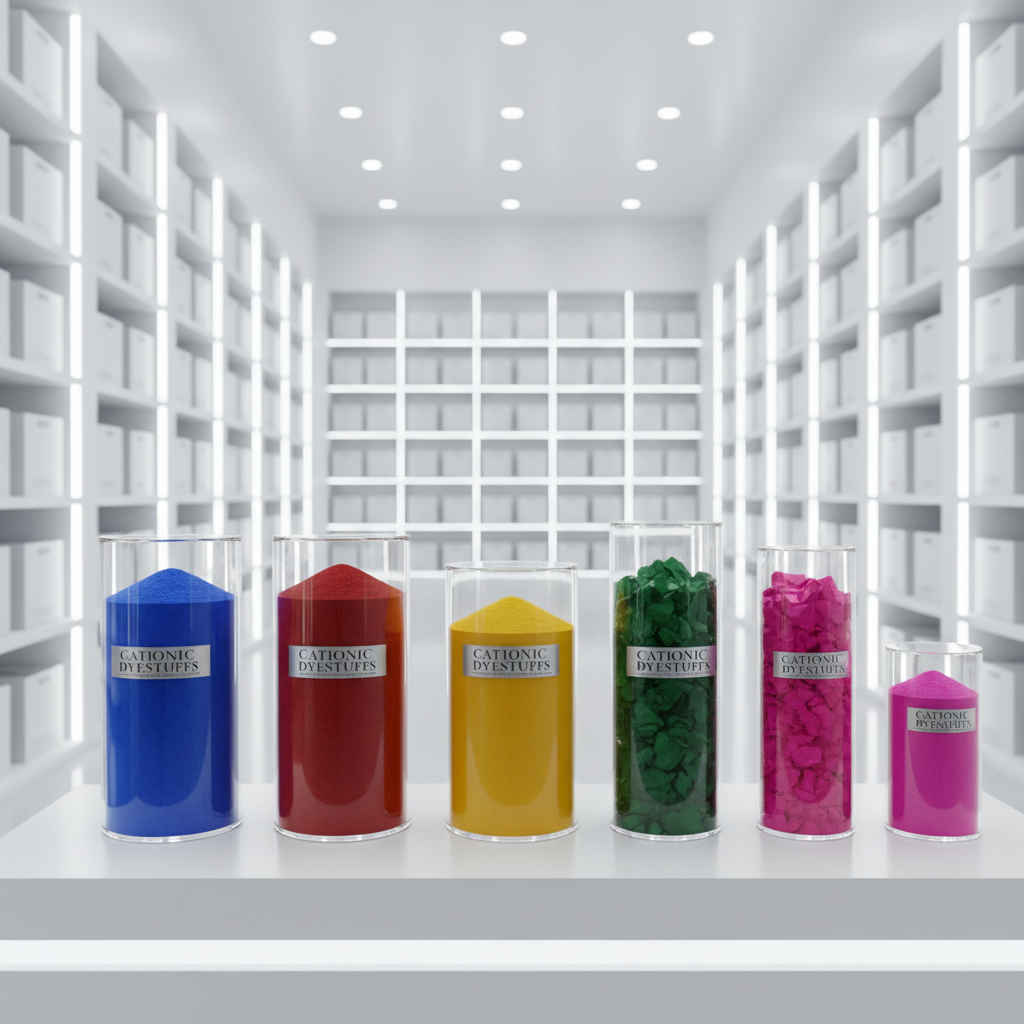
Cationic dyes, often referred to as basic dyes, operate on the principle of electrostatic attraction. Because acrylic fibers contain anionic (negatively charged) groups, the cationic (positively charged) dye molecules form a strong ionic bond with the fiber. This results in a coloration process that is significantly more durable than simple surface coating.
Xingtai Yanhong Chemical Technology Co., Ltd. has refined this process over three decades, ensuring that the molecular structure of their cationic series allows for deep penetration into the polymer matrix of acrylics and their modified variants.
When evaluating red dyes for acrylics, "brightness" is not merely an aesthetic preference but a reflection of the dye's purity and light-absorption properties. A high-performance red must maintain its saturation across different batch sizes and temperature fluctuations, avoiding the common pitfall of shifting toward orange or purple tones.
Fastness performance remains the primary benchmark for quality. This includes lightfastness, which prevents UV degradation, and wash fastness, which ensures the dye does not bleed during cleaning. For outdoor fabrics or automotive interiors, these parameters are non-negotiable due to constant exposure to sunlight and friction.
The chemical compatibility of the dye also determines the flexibility of the final product. Dyes that are highly soluble and compatible with other cationic colors allow manufacturers to create custom shades, enhancing their ability to meet specific client requirements without risking precipitate formation in the dye bath.
The tension in industrial dyeing exists between the desire for rapid cycle times and the requirement for perfect leveling. Rapid dyeing often leads to "color streaking" or "spotting," where the dye attaches to the fiber too quickly in some areas while leaving others pale.
Achieving "level dyeing" requires a dye with controlled affinity—it must penetrate the fiber quickly enough for efficiency, but slowly enough to ensure a uniform distribution across the entire fabric surface.
Cationic Red X-GRL is specifically engineered to resolve this conflict. By optimizing its mobility and permeability, it supports high-temperature and high-pressure processes without compromising the consistency of the red tone, effectively eliminating the risk of color difference between different sections of the textile.
Dye uptake rate is a critical economic and environmental metric. A high uptake rate means a larger percentage of the dye in the bath is absorbed by the fiber, reducing the amount of wasted chemical that must be treated in wastewater. This efficiency directly impacts the cost per meter of finished fabric.
When analyzing the effectiveness of different cationic dyes, we look at the relative performance across key industrial vectors: penetration, color stability, and residue reduction.
The versatility of cationic red dyes allows them to be deployed across diverse sectors. In the automotive interior industry, dyes must survive intense UV exposure on dashboards and seating; here, the high lightfastness of products like Cationic Red X-GRL is vital for maintaining a "new car" look over several years.
In home textiles and outdoor fabrics, the focus shifts toward wash and sweat fastness. Fabrics used in athletic wear or outdoor furniture must resist leaching during heavy rain or repeated laundry cycles. By utilizing dyes with strong ionic bonding, manufacturers can ensure that the vivid red tones remain saturated even in harsh environmental conditions.
The chemical industry is under increasing pressure to reduce its ecological footprint. For textile dye manufacturers, this means developing products that maximize "exhaustion"—the percentage of dye that actually enters the fiber—thereby minimizing the chemical oxygen demand (COD) in wastewater.
Sustainable production is no longer an option but a regulatory requirement. High dye uptake rates directly translate to reduced dye residues in effluent streams, allowing factories to meet green environmental standards more easily and reduce the cost of water treatment.
Moreover, the move toward rapid dyeing processes reduces the energy required to maintain high temperatures in dye baths for extended periods, contributing to a reduction in the overall carbon footprint of the textile manufacturing cycle.
Choosing the right dye requires a systematic evaluation of the fiber type, the intended end-use of the fabric, and the available machinery. A dye that performs well in a slow, atmospheric process may fail completely in a high-pressure, rapid-dyeing environment.
Manufacturers must weigh the trade-offs between initial chemical cost and long-term value. A cheaper dye that has a lower uptake rate may actually be more expensive when considering wastewater treatment costs and the risk of batch failure due to poor leveling.
The following framework provides a relative assessment of the factors that should drive the selection of cationic dyes for acrylic fibers.
| Application Scenario | Key Priority | Technical Requirement | Recommended Dye Property |
|---|---|---|---|
| Automotive Interiors | UV Resistance | Extreme Lightfastness | High-stability Cationic Red |
| Outdoor Furniture | Weathering | Water & Sweat Fastness | Strong Ionic Affinity |
| Fast-Fashion Acrylic | Cycle Speed | Rapid Dyeing Adaptability | High Mobility/Penetration |
| High-End Home Textile | Color Depth | Excellent Leveling | Uniform Penetration Power |
| Modified Acrylics | Compatibility | Diverse Fiber Affinity | Broad Spectrum Solubility |
| Eco-Certified Lines | Sustainability | Low Effluent Residue | Maximum Dye Uptake Rate |
Cationic dyes are primarily designed for fibers that possess anionic groups, most notably acrylic fibers and their various modified versions. Because the dye molecules are positively charged, they form an extremely strong ionic bond with the negative sites on the acrylic polymer, resulting in colors that are far more vivid and durable than those achieved with standard dyes on similar materials.
Preventing streaks requires a dye with a balanced affinity. If the dye attaches too quickly, it creates uneven patches. You should select dyes specifically engineered for "level dyeing" properties, such as Cationic Red X-GRL, which have improved permeability and mobility, allowing the color to distribute evenly across the fiber surface even during high-temperature or high-pressure rapid cycles.
Yes, high-quality cationic dyes are designed for excellent solubility and compatibility. This allows manufacturers to blend different primary cationic dyes (like reds, blues, and yellows) to achieve precise personalized color schemes. The key is ensuring all dyes in the mix have similar affinity and fastness profiles to avoid "two-tone" fading over time.
Dye uptake rate refers to how much of the dye in the water bath actually moves into the fabric. A low uptake rate leaves a high concentration of chemicals in the waste water, increasing pollution and treatment costs. Dyes with high uptake rates reduce this residue, making it easier for factories to comply with strict green production standards and lower their ecological impact.
The three most critical tests are lightfastness (resistance to UV fading), wash fastness (resistance to bleeding during laundry), and perspiration fastness (resistance to chemicals in sweat). For high-performance applications like automotive interiors, these tests are performed under accelerated aging conditions to ensure the color remains stable for the product's entire lifecycle.
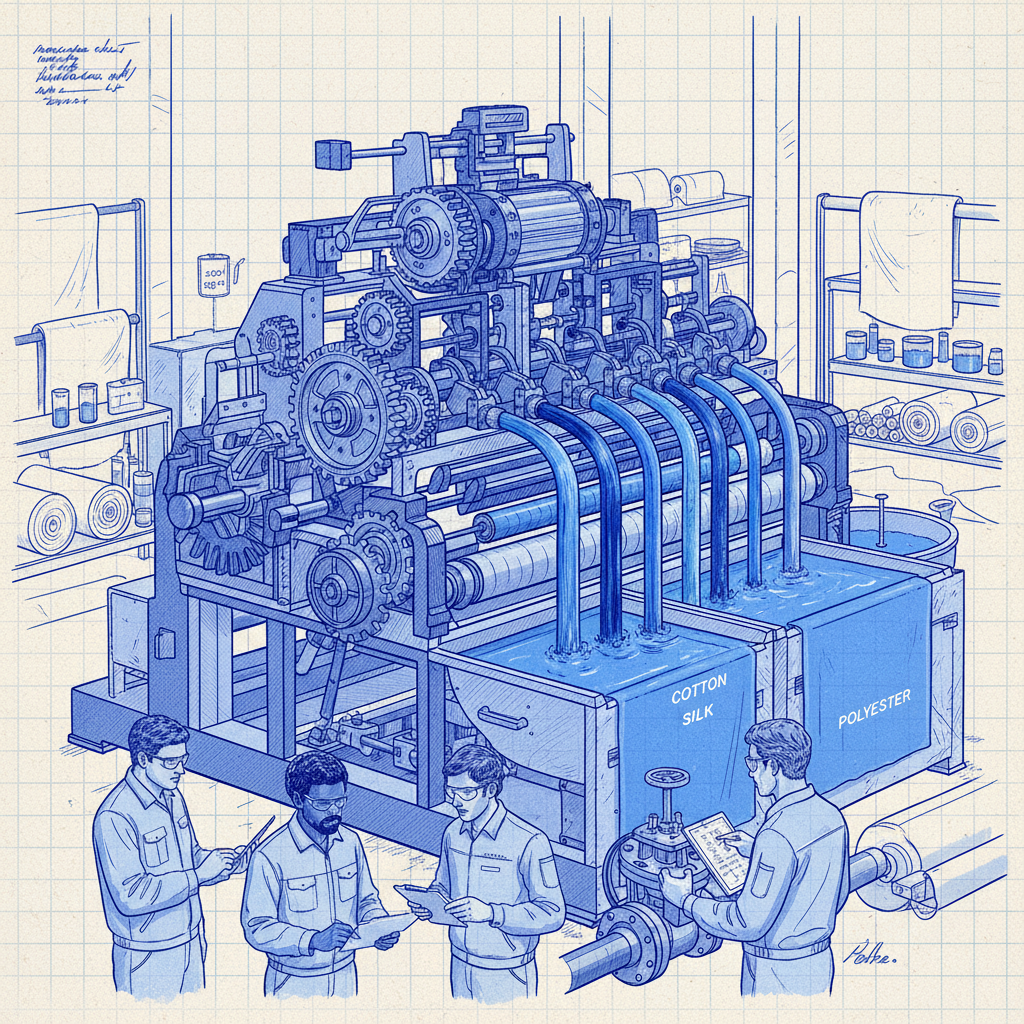
Pressure dyeing allows the bath to exceed the standard boiling point of water, which accelerates the opening of the fiber structure and the penetration of the dye. While this significantly increases production speed, it requires dyes that remain stable at higher temperatures and pressures without decomposing or causing irregular coloration, which is where high-performance cationic series excel.
The evolution of cationic dyeing is moving toward a future where high-speed production no longer requires a sacrifice in quality or environmental responsibility. By focusing on the molecular compatibility between the dye and the fiber, manufacturers can achieve vivid, lasting colors that meet the stringent demands of automotive and home textile markets.
Ultimately, the selection of a dye partner depends on the ability to provide consistent, high-uptake solutions that simplify the dyeing process while maximizing fastness. For those pursuing a balance of efficiency and sustainability, prioritizing technical parameters over initial cost is the only viable path toward long-term competitiveness in the global textile industry.