When procurement managers evaluate the fabric dye price, they are often balancing the immediate cost per kilogram against the long-term technical performance of the colorant. In the specialized field of acrylic fiber dyeing, the price is not merely a number but a reflection of the dye's affinity, leveling properties, and fastness. For industrial-scale textile production, selecting a dye based solely on the lowest quote often leads to higher waste rates and inconsistent batches, which ultimately increases the total cost of ownership.
The economic value of a dye is intrinsically linked to its efficiency in the dyeing vat. High-performance Cationic Dyestuff, such as those used for modified acrylics, must demonstrate a high dye uptake rate to minimize residue in wastewater. This efficiency directly impacts the operational cost by reducing the amount of chemical required to achieve a deep, vivid shade. When the dye provides superior light and wash resistance, it reduces the risk of product returns and enhances the brand value of the final textile product.
Understanding the variables that influence fabric dye price requires a deep dive into the chemical stability and process adaptability of the product. This analysis explores how technical specifications—such as those found in Cationic Blue X-BL—translate into commercial value. By examining the intersection of dyeing performance and environmental compliance, manufacturers can make informed decisions that optimize both their budget and their production quality.


Cationic dyes are specifically engineered for acrylic fibers and their modified versions, utilizing a positive charge to bind with the negative sites of the fiber. The pricing of these specialty chemicals is driven by the purity of the dye intermediates and the complexity of the synthesis process. Unlike basic dyes, high-performance cationic series require precise molecular weight control to ensure consistency across large-scale industrial batches.
From a procurement perspective, the "price" is a composite of raw material costs, R&D investment in color brilliance, and the stability of the supply chain. Companies like Xingtai Yanhong Chemical Technology Co., Ltd. leverage decades of experience to balance these costs, ensuring that the final product offers both competitive pricing and the technical reliability needed for high-frequency usage environments.
The actual cost of dyeing is heavily influenced by the dye's affinity and leveling property. A dye with strong affinity allows for faster dyeing cycles and lower temperatures, directly reducing energy consumption. Leveling properties are critical to prevent color streaks and differences, which can lead to expensive fabric rejects in large-scale industrial production.
High dye uptake rates are the primary driver of ROI in textile chemistry; by increasing the percentage of dye that successfully bonds to the fiber, manufacturers reduce the volume of expensive chemicals wasted in the effluent.
Furthermore, process adaptability allows a single dye to be used across various methods—from high-temperature, high-pressure dyeing to rapid and continuous processes. This flexibility reduces the need for multiple product SKUs, simplifying inventory management and lowering the overhead costs associated with chemical storage and handling.
Comparing different grades of cationic dyes reveals a clear correlation between purity and the resulting wastewater residue. Lower-cost alternatives often suffer from poor solubility, leading to higher concentrations of dye residue in the wastewater, which increases the cost of environmental treatment and risks non-compliance with green production standards.
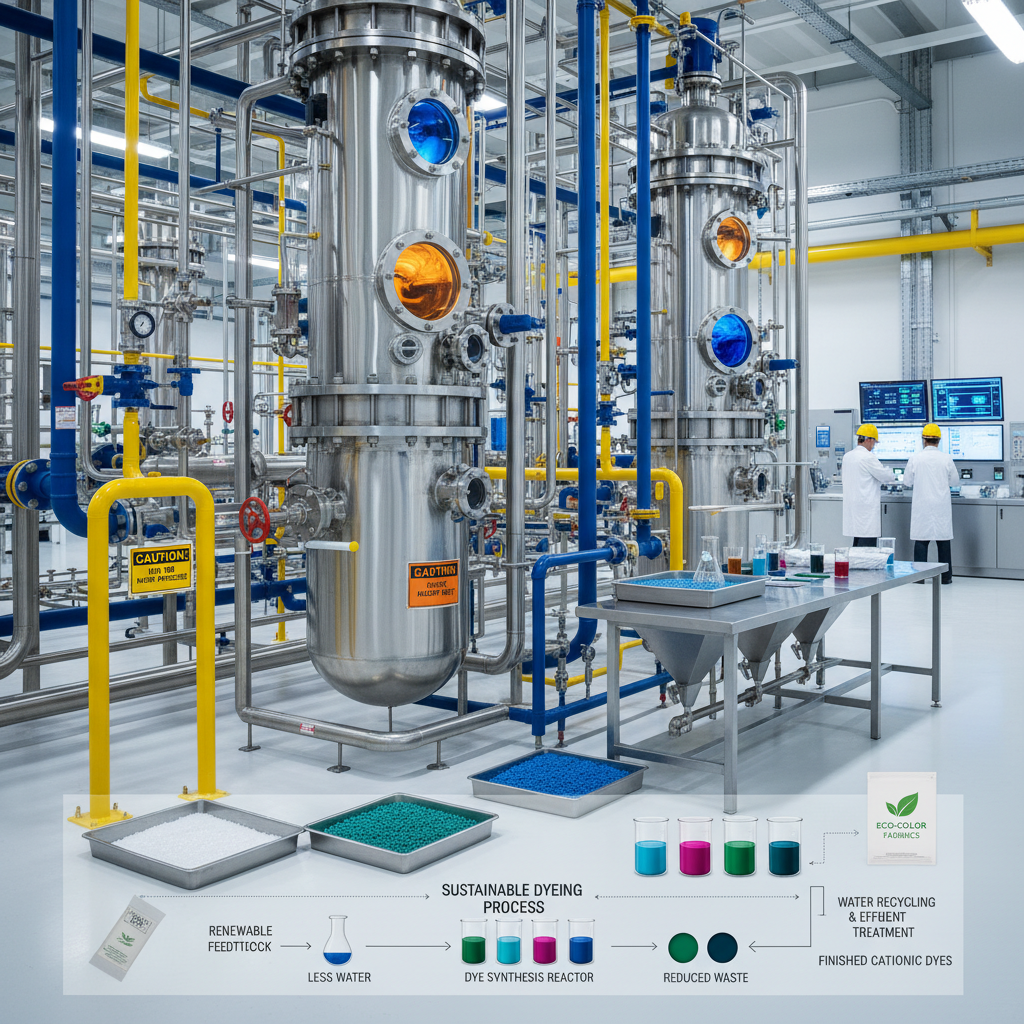
In contrast, high-performance dyes like Cationic Blue X-BL are designed for maximum efficiency. By optimizing the solubility and compatibility with other cationic dyes, these products ensure a uniform distribution of color while keeping the environmental footprint low. The following data illustrates the relative efficiency of dye uptake across different product grades.
The application of high-fastness cationic dyes is most critical in sectors where fabrics are exposed to extreme conditions. In automotive interiors, dyes must withstand constant UV exposure and temperature fluctuations without fading. Similarly, outdoor fabrics and sportswear require exceptional perspiration and wash resistance to maintain their aesthetic appeal over years of high-frequency use.
For these applications, the selection of a dye like Cationic Blue X-GB or Cationic Red X-5GN is based on the requirement for saturated, stable tones. When a dye can guarantee lightfastness and sweat resistance, the end-user perceives a higher product quality, allowing the fabric manufacturer to position their textiles in the high-end market segment.
The global textile industry is shifting toward "green" chemistry. This means that the fabric dye price is increasingly influenced by the dye's environmental attributes. Low-residue dyes that meet sustainable production requirements are becoming the industry standard, as regulatory pressure on wastewater treatment increases worldwide.
Future developments in cationic dyestuffs are likely to focus on even higher solubility and reduced toxicity. Manufacturers who integrate R&D for eco-friendly intermediates will be better positioned to serve markets in Europe and North America, where environmental certifications are a prerequisite for market entry.
Moreover, the integration of digital dyeing processes may require dyes with specific solubility profiles. This evolution suggests that the value proposition of a dye will move from "cost per kg" to "cost per sustainable liter of water used," emphasizing the importance of high-uptake chemicals.
Procuring dyes based solely on a low quote introduces significant risks, including color instability, batch-to-batch variation, and poor fastness performance. These technical failures can lead to massive financial losses if a finished shipment of textiles is rejected by the client due to fading or streaking.
To mitigate these risks, buyers should evaluate suppliers based on their production capacity, testing equipment, and R&D capabilities. A professional production testing team ensures that every batch of dye meets strict specifications for affinity and color expression, providing the stability required for large-scale industrial dyeing.
The following table summarizes the key selection criteria for industrial cationic dye procurement to ensure a balance between cost and quality.
| Evaluation Factor | Low-Cost Grade | High-Performance Grade | Impact on ROI |
|---|---|---|---|
| Dye Uptake Rate | Moderate | Excellent | Lower Chemical Waste |
| Leveling Property | Variable | Highly Stable | Fewer Fabric Rejects |
| Light Fastness | Standard | Superior | Longer Product Life |
| Process Speed | Slower | Rapid | Higher Machine Output |
| Waste Residue | High | Low | Lower Treatment Cost |
| Batch Stability | Low | High | Consistent Color Tone |
The price is primarily determined by the purity of the chemical intermediates, the complexity of the synthesis process to ensure high affinity, and the dye's performance metrics such as light and wash fastness. High-performance dyes require more rigorous R&D and quality control, which is reflected in a higher unit price but lower overall production cost due to increased efficiency.
Dye uptake refers to the percentage of the dye that actually binds to the fiber. A high uptake rate means less dye is wasted in the wastewater, reducing the volume of chemicals needed per batch and significantly lowering the cost of wastewater treatment. This makes high-uptake dyes more economical in the long run despite a potentially higher initial purchase price.
Cationic dyes are specifically designed for acrylic fibers and modified acrylic fibers. Because these fibers possess negative anionic groups, the positively charged cationic dyes form strong ionic bonds, resulting in the deep, vivid, and long-lasting colors characteristic of high-quality acrylic textiles used in apparel and home furnishings.
Leveling property is the ability of the dye to migrate and distribute evenly across the fabric. Poor leveling results in "color streaks" or uneven patches, which are considered critical defects in industrial textiles. High-leveling dyes ensure a uniform color throughout the fabric, reducing waste and ensuring a professional finish for high-end products.
Evaluate the supplier's technical infrastructure, including their R&D team and the sophistication of their testing equipment. A reliable supplier should provide detailed technical data sheets and samples that demonstrate consistent performance across different dyeing processes (e.g., high-temperature vs. rapid dyeing). Check for long-term industry presence and global sales network coverage.
Yes, provided they are engineered for high uptake. By reducing the amount of unreacted dye residue left in the effluent, high-performance dyes directly support green and sustainable production goals. Many modern cationic dyes are developed to meet strict environmental standards, reducing the chemical load on textile treatment plants.
Evaluating fabric dye price requires a shift from focusing on unit cost to analyzing total operational efficiency. The technical superiority of a dye—characterized by high affinity, excellent leveling, and superior fastness—directly translates into lower waste, higher production speeds, and a more durable end product. For manufacturers of acrylic and modified fibers, the investment in high-performance cationic dyes is a strategic decision that protects against quality failures and environmental penalties.
By partnering with experienced manufacturers who prioritize R&D and quality control, textile producers can optimize their color schemes while maintaining strict cost controls. To explore high-performance dyeing solutions tailored to your specific industrial requirements, you can find more detailed technical specifications and product options at https://www.yanhongchem.com.