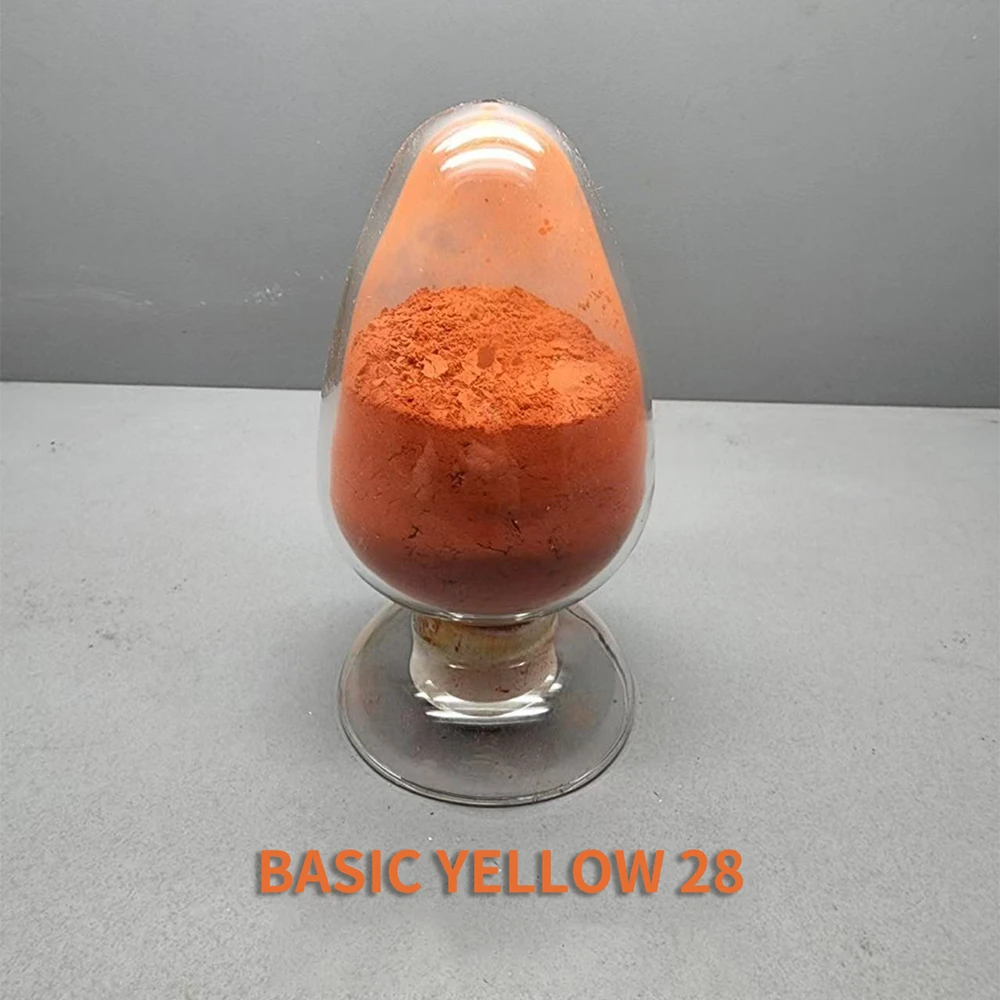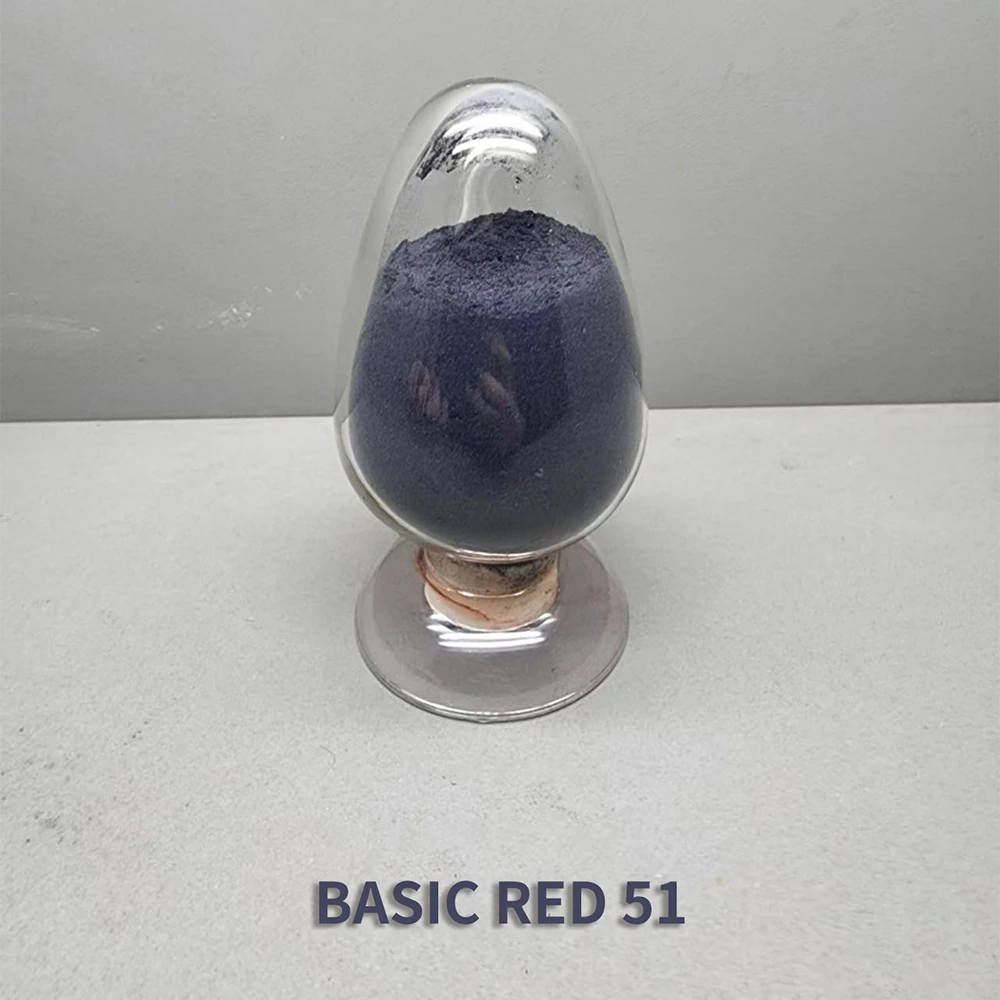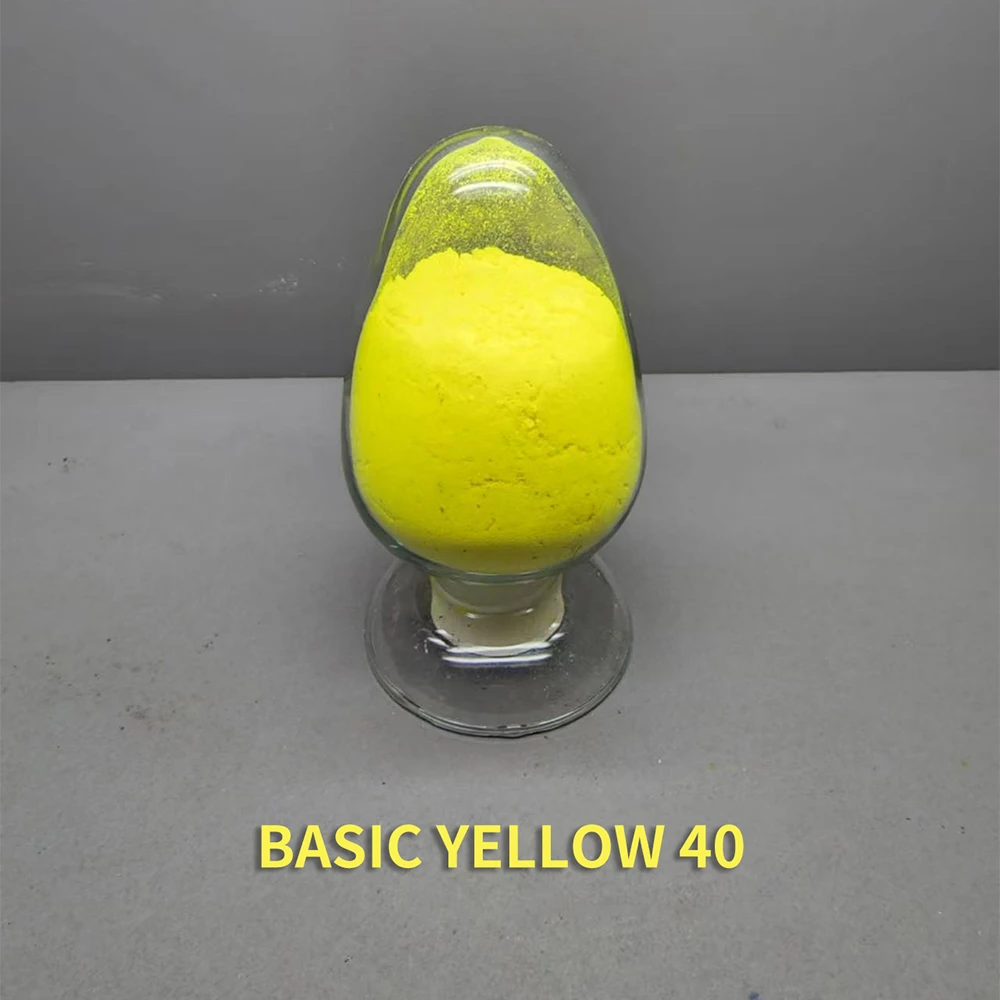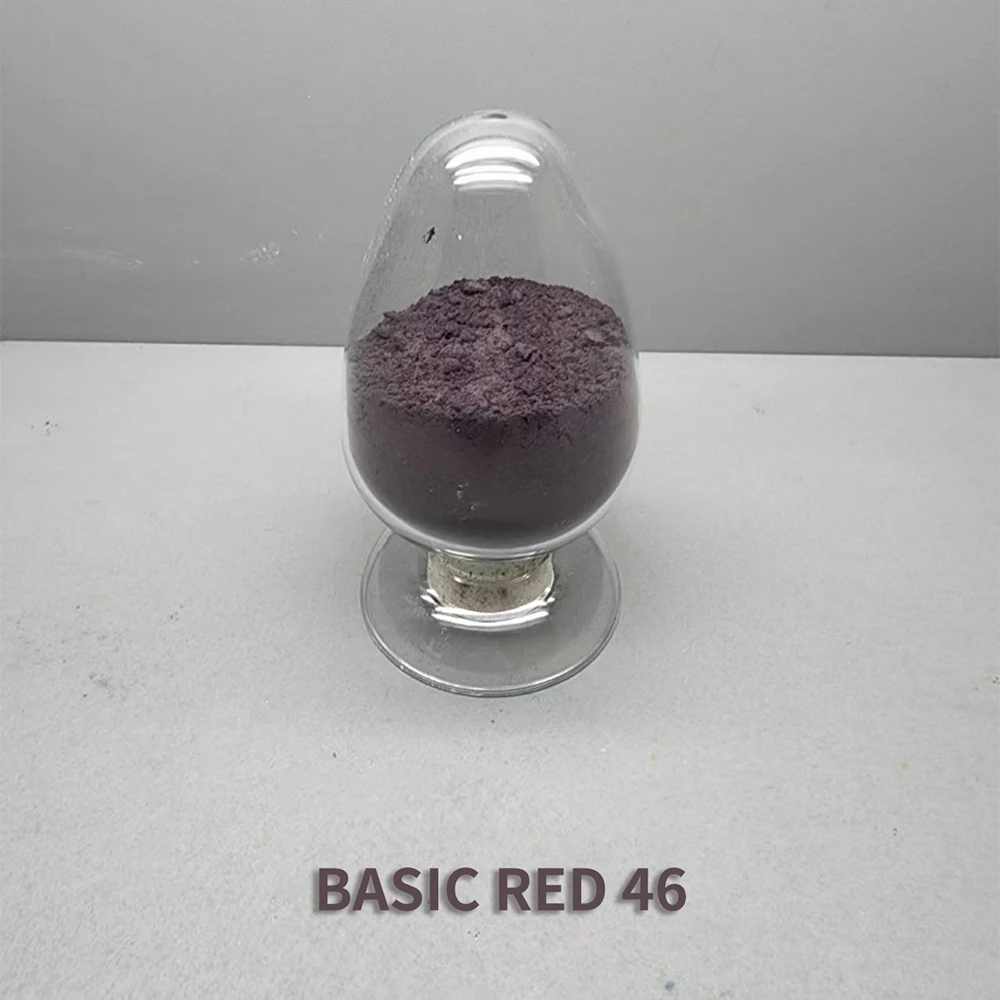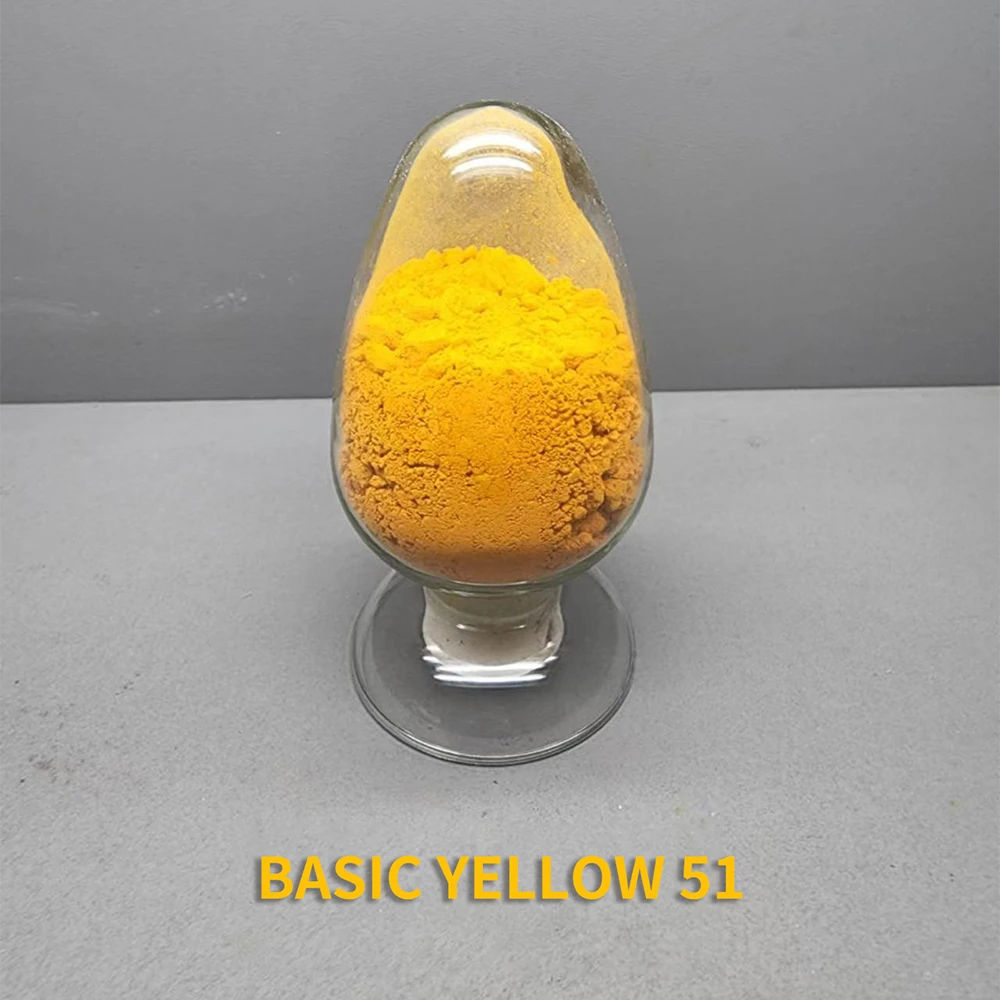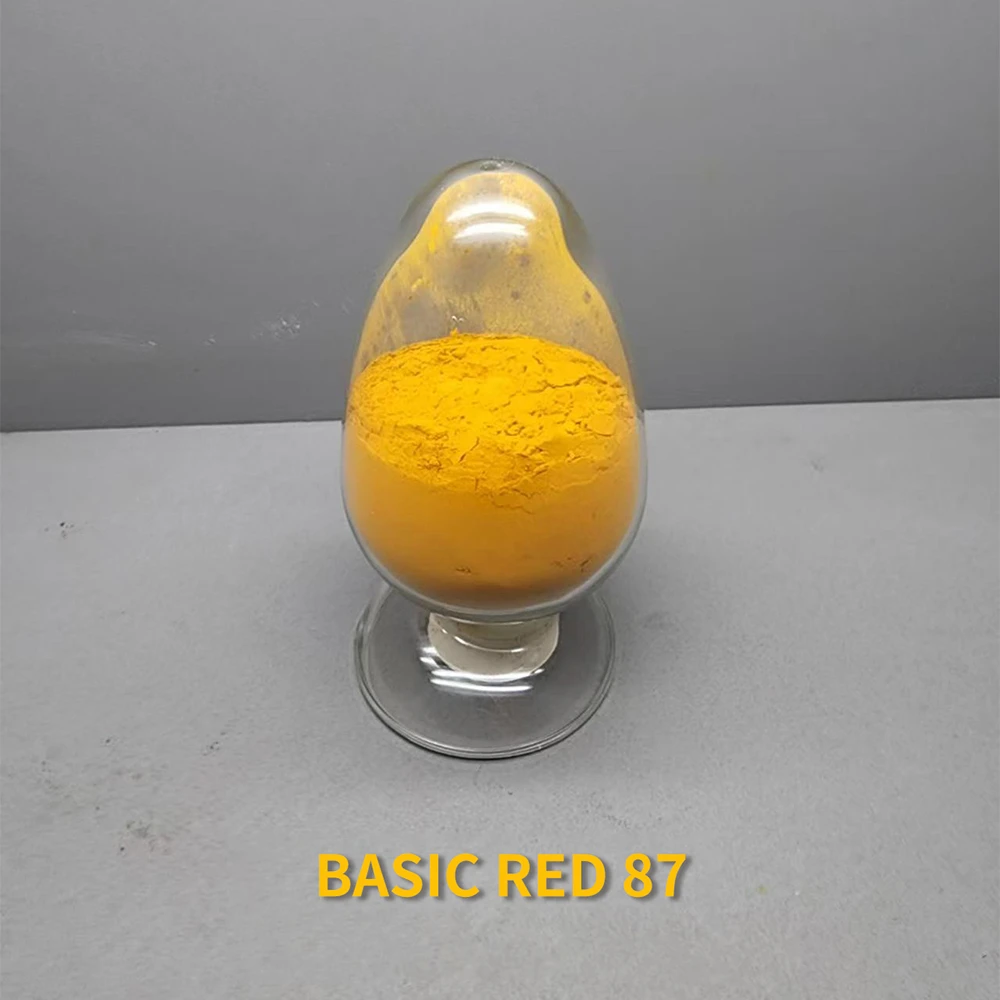
High-Quality Orange Fabric Dye for Sustainable & Durable Textiles
Orange Fabric Dye: Why It’s More Than Just Color
If you've ever wondered why orange fabric dye matters beyond just giving clothes and textiles their signature hue, you're in for a bit of a story. This vibrant, almost sunny pigment isn't just a fashion statement or a crafting staple; it’s deeply intertwined with industries worldwide, humanitarian efforts, and even sustainability movements. Understanding orange fabric dye opens doors into manufacturing efficiencies, global supply chain challenges, and the subtle art of colorfastness that many end users take for granted.
Introduction: The Global Relevance of Orange Fabric Dye
Globally, the textile dyeing sector is worth billions, with estimates by the International Organization for Standardization (ISO) suggesting that nearly 10% of world industrial water pollution comes from textile dyeing and treatment. Within that, orange dyes — often used in safety garments, traditional clothing, and industrial uniforms — hold a special place, thanks to their high visibility and cultural significance.
But there’s a problem: many traditional orange dyes rely on synthetic chemicals that could be harmful to local ecosystems, especially in developing countries where regulations are less strict. The challenge is balancing vibrant, durable color with minimal environmental impact. Frankly, many manufacturers are now looking for innovative orange fabric dyes that promise sustainability without losing the eye-catching intensity.
What Exactly Is Orange Fabric Dye?
At its core, orange fabric dye refers to pigments or chemical compounds specifically formulated to impart an orange hue to textiles. These can be synthetic or natural. Traditionally, synthetic azo dyes have dominated the market for their brightness and durability, but natural options like annatto extract or turmeric are growing in demand—mostly because of eco-friendly trends.
These dyes are more than just pretty colors; they’re fundamental to fields like safety (think life jackets and construction vests), fashion, and even humanitarian aid (tents, blankets, and gear need colors that stand out for quick identification).
Key Aspects of Orange Fabric Dye
1. Durability
Orange fabric dye must resist fading — whether exposed to harsh sunlight, repeated washing, or chemical cleaners. Many engineers say that the balance between brightness and durability often comes down to the dye type and fabric compatibility. For instance, polyester requires different dyestuffs than cotton for long-lasting results.
2. Colorfastness
Practically, a dye's “colorfastness” measures how well it maintains color under conditions like light exposure, rubbing, and perspiration. This is crucial in industries such as outdoor gear manufacturing or uniforms, where faded colors could be not just ugly but dangerous.
3. Environmental Impact
Here is where things get tricky. Dye wastewater often contains harmful chemicals that damage aquatic life if untreated. As a result, sustainable orange fabric dyes aim to minimize toxic byproducts and sometimes harness bio-based pigments.
4. Cost Efficiency
In real terms, manufacturers must juggle cost and quality. While natural dyes are great for the environment, they can be more expensive or less vibrant, affecting production viability. Synthetic orange dyes generally offer lower cost but come with an environmental price tag.
5. Scalability
Whether you’re producing a thousand safety vests or millions of mass-market fabrics, your orange dye solution has to scale up. This touches on sourcing raw chemicals or natural pigments and processing them consistently.
Mini takeaway: Choosing the right orange fabric dye is a balancing act involving durability, environmental responsibility, and cost. Not one size fits all.
Global Use Cases: From Fashion to Emergency Relief
Orange fabric dye finds itself woven into many an unexpected place. In Asia and Africa, vibrant orange garments are woven into cultural identity and ceremonial textiles — a blend of aesthetic and tradition. Meanwhile, in industrial settings across Europe and North America, orange safety gear is a staple, ensuring workers are seen near highways, construction sites, or even airports.
Oddly enough, humanitarian agencies in disaster zones also lean on orange fabric dye. Why? Because bright orange tents and blankets can be spotted quickly from the air or in crowded spaces. The United Nations High Commissioner for Refugees often stocks relief kits with highly visible orange fabric parts to boost safety and aid distribution efficiency.
Where Are These Dyes Most Critical?
- Industrial protective clothing: Fire-resistant and high-visibility gear often incorporates fast-setting orange dyes.
- Outdoor recreation: Orange is a signal color for hunting and kayaking apparel.
- Traditional textiles: Cultural use in festival wear across South Asia and Latin America.
- Humanitarian response gear: Tents, tarps, and blankets that must be easily location-identifiable.
Mini takeaway: Beyond aesthetics, orange fabric dye plays a key role in safety, culture, and crisis response worldwide.
Orange Fabric Dye Specifications and Comparison
| Property | Typical Range | Notes |
|---|---|---|
| Color Intensity (E%1cm) | 150 – 250 | Higher means deeper color |
| Light Fastness (1-8 scale) | 5 – 7 | Good resistance to sunlight |
| Washing Fastness (1-5 scale) | 3 – 5 | Depends on dye type & fabric |
| pH Range for Application | 4.0 – 9.0 | Most dyes work within mild acidity to neutral |
| Environmental Compliance | OEKO-TEX, REACH | Mandatory for EU and global export markets |
| Vendor | Type of Orange Dye | Eco-Friendly Options | Global Reach | Typical Use Cases |
|---|---|---|---|---|
| YanHong Chemical | Azo & Reactive Dyes | Yes, bio-based variants available | Asia, Europe, Americas | Textile manufacturing, safety gear |
| EcoDyes Ltd. | Natural Plant-Based | Fully organic certified | Europe, North America | Fashion, crafts, traditional textiles |
| SynthColor | Synthetic Azo Dyes | Limited eco lines | Global | Mass production textiles |
Advantages and Long-Term Benefits of Orange Fabric Dye
Orange fabric dye, when properly selected and applied, offers a mix of benefits that often go unnoticed but are pretty impactful.
- Cost Effective: Synthetic variants offer inexpensive coloring for huge-scale production.
- Sustainability: Emerging bio-dyes reduce chemical footprints, aligning with global climate goals.
- Safety & Visibility: Orange’s high-visibility literally saves lives on work sites and disaster zones.
- Cultural Integrity: Maintaining bold hues allows for heritage fabrics to retain their identity and pride.
- Innovation Catalyst: The push for greener dyes inspires new chemistry and manufacturing advances.
Looking Ahead: Future Trends in Orange Fabric Dye
Several exciting trends are shaping the future. Digital textile printing is becoming more widespread, allowing bespoke orange patterns with less waste. Meanwhile, the move toward sustainable fashion is pushing industries to explore natural pigments more rigorously. Automated quality control systems now rapidly analyze colorfastness, reducing batch errors.
Plus, I’ve noticed a growing interest in UV-reflective orange dyes, particularly for outdoor gear that needs extra night-time visibility. Combine that with green energy-driven factories, and you get a picture where orange fabric dye isn’t just about aesthetics anymore, but environmental stewardship and smart manufacturing.
Common Challenges & How Industry Experts Are Tackling Them
Despite the great strides, issues remain. Wastewater treatment is a big headache for many producers, as dye effluents contain stubborn pollutants.
Also, natural orange dyes often suffer from inconsistent hues and limited shade range — a killer for fashion brands demanding precision. Some firms combat this with hybrid approaches, blending natural and synthetic dyes to “have the best of both worlds.”
In terms of supply, sourcing natural materials like annatto seeds at scale can be tricky, leading to price volatility. Forward contracts and agricultural partnerships are part of the solution.
FAQ: Your Questions About Orange Fabric Dye
- What makes orange fabric dye suitable for safety clothing?
- Orange dye offers high visibility in various lighting conditions, enhancing wearer safety. Many orange dyes used in safety gear have excellent colorfastness to UV rays and washing, maintaining brightness over time.
- Can natural orange dyes match the durability of synthetic ones?
- Natural dyes typically have lower fastness levels, meaning they may fade faster. However, advances in mordants and dyeing techniques are closing this gap, making natural orange dyes more viable for some applications.
- Is orange fabric dye environmentally friendly?
- It depends on the dye’s chemical composition. Synthetic azo dyes often generate harmful effluents, whereas bio-based orange dyes are less toxic. Certifications like OEKO-TEX and REACH compliance ensure safer dyes.
- How do manufacturers ensure color consistency with orange dyes?
- Standardized processes, quality control technologies, and strict batch testing help maintain consistent shade and intensity across production runs.
Conclusion
Orange fabric dye is far more than a mere pigment — it’s a crossroads where tradition, industry, sustainability, and safety converge. In a world increasingly conscious of environmental impact, the evolution from synthetic to bio-based dyes reveals both challenges and immense promise. Whether you’re manufacturing uniforms, fashioning cultural textiles, or supporting humanitarian missions, today’s orange dyes have been finely tuned to meet those exacting demands.
Curious to see what state-of-the-art orange fabric dye solutions look like? Visit YanHong Chemical for a closer look at how science meets color.
Mini takeaway: Harnessing the power of orange fabric dye means balancing color brilliance with planet-friendly practices—a tiny color with huge implications.
References
- International Organization for Standardization (ISO). "Textile Dyeing and Its Environmental Impact." (iso.org)
- United Nations High Commissioner for Refugees (UNHCR). "Emergency Relief and Tent Colors." (unhcr.org)
- OEKO-TEX Association. "Certification of Textile Chemicals." (oekotex.com)
-
Light Blue Fabric Dye: Industrial Guide & Vendor InsightsNewsDec. 12, 2025
-
Comprehensive Guide to Choosing the Best Dye for Clothes Black and Achieving Optimal ResultsNewsMar. 14, 2026
-
Cream Fabric Dye Solutions for Industrial Textile Applications | YanHong ChemNewsDec. 08, 2025
-
Explore Cationic Dyes Names: Chemistry, Applications & Global InsightsNewsDec. 03, 2025
-
Comprehensive Guide to Khaki Green Dye for Clothes and Textile ApplicationsNewsMar. 17, 2026
-
Neon Pink Fabric Dye – Vibrant, Durable, and Sustainable Textile Solutions | YanhongChemNewsDec. 12, 2025