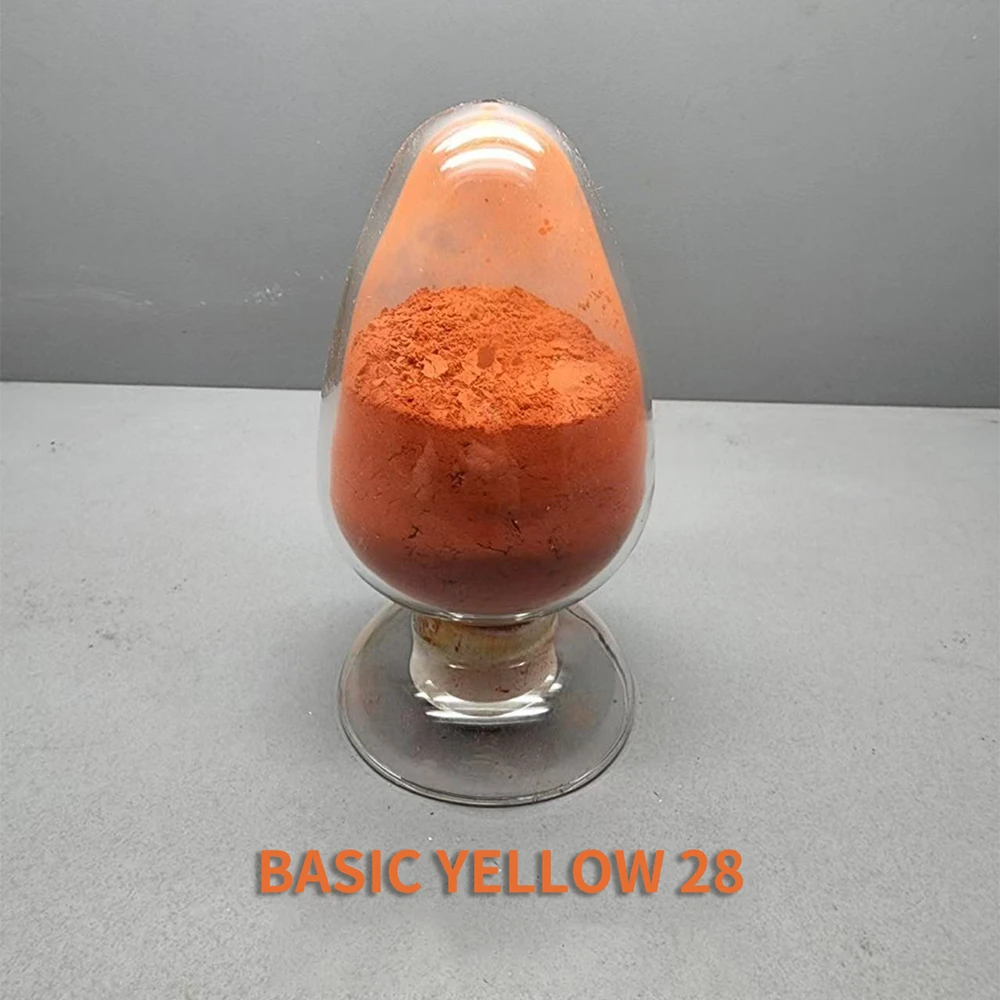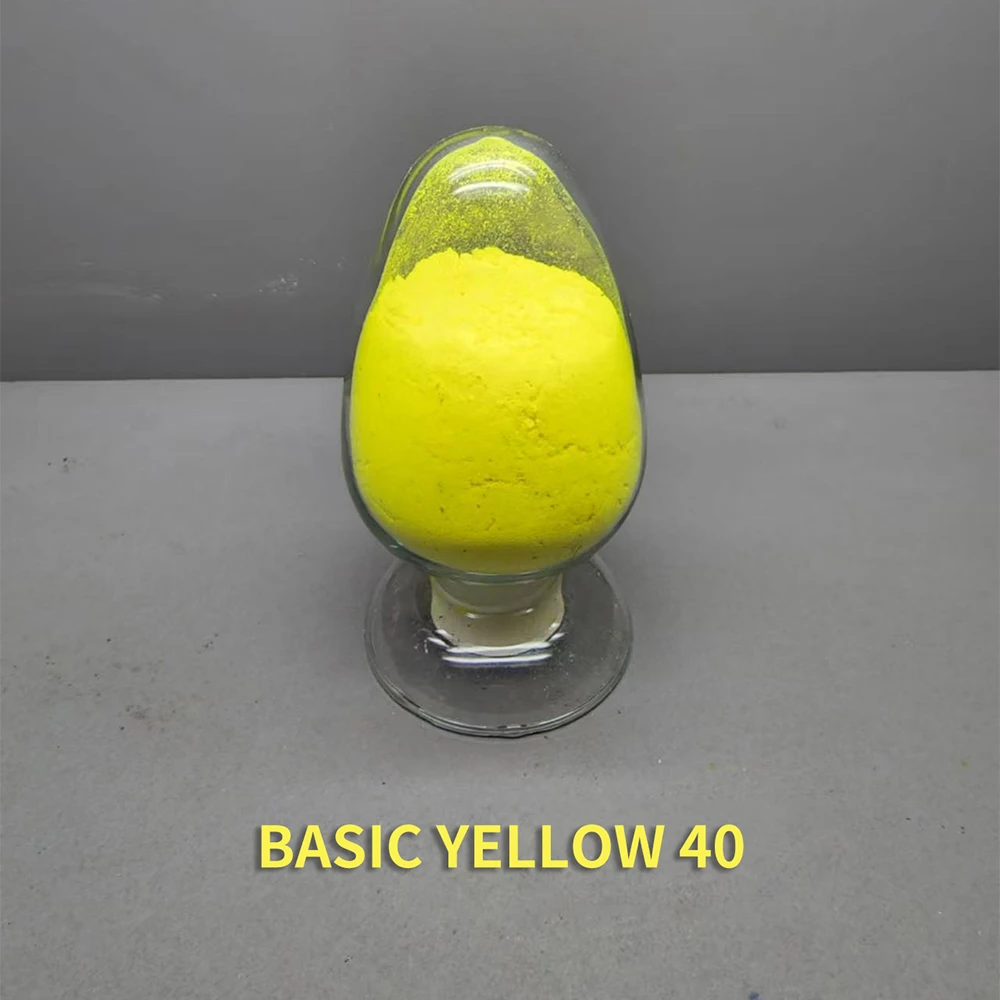
Durable & Cost-Efficient Sulfur Dyes for Textile Industry Applications
Understanding Sulfur Dyes for Textile: What Makes Them Vital in Today's Industry?
Sulfur dyes for textile remain one of those fascinating staples in fabric coloration that rarely get talked about outside industry circles — but they play a huge role worldwide. Why should you care? Well, beyond just coloring clothes, these dyes strike a delicate balance between cost, durability, and environmental impact, affecting everything from fast fashion to workers' safety across continents.
Globally, the textile industry accounts for roughly 2% of the world’s GDP and employs over 60 million people (World Bank Data). Coloration methods that are affordable and reliable like sulfur dyes help keep this enormous supply chain moving. Plus, they offer sustainability advantages compared to many synthetic dye families, which is becoming more critical as regulations tighten and consumers demand transparency.
Mini takeaway: Sulfur dyes aren’t just about pretty colors—they’re an underpinning of global textile production, especially where durability and cost-efficiency matter.
Why Sulfur Dyes Matter Globally: The Industry Context
Imagine a world where your everyday cotton t-shirts fade the minute you wash them or where large-scale fabric producers shut down because dyes are too pricey or toxic. That’s part of the challenge sulfur dyes address. These dyes have been essential for decades, especially in cotton-heavy markets in Asia, Africa, and Latin America.
According to ISO reports, the textile dyeing segment contributes significantly to industrial water pollution — but sulfur dyes tend to require fewer harmful chemicals during processing compared to azo or reactive dyes. They also tend to be more colorfast, which means less re-dyeing and less waste in the long haul.
That said, their adoption has complexities—balancing environmental concerns with cost remains an ongoing struggle in developing economies. The growing fashion industry's hunger for fast production cycles presses companies to pick dye solutions that can keep pace without sacrificing quality.
Mini takeaway: Sulfur dyes balance durability and environmental considerations, vital for textile economies reliant on affordable, lasting fabric coloration.
Defining Sulfur Dyes for Textile: What Are They Exactly?
So, what exactly are sulfur dyes? Simply put, they're a class of synthetic dyes primarily used to color cellulose fibers like cotton. Characterized by their chemical composition involving sulfur atoms bonded to aromatic compounds, these dyes undergo a unique dyeing process using a reducing agent, which makes them soluble and able to penetrate the fibers. Once back in the oxidizing environment (usually after washing), the sulfide bonds reform, locking the color inside the fabric.
In real industry terms, this means you get vibrant, rich colors that are highly resistant to washing and light exposure—perfect for workwear, denim, and everyday fabrics. Because of their deep shade range and cost efficiency, sulfur dyes remain a preferred choice for many manufacturers needing reliability without overspending.
Interestingly, sulfur dyes also fulfill humanitarian needs — think uniforms or protective garments distributed in relief operations where lasting and low-cost coloration is necessary to maintain dignity and function simultaneously.
Mini takeaway: Sulfur dyes chemically 'lock in' their color with a special process, providing durability and value across broad textile uses.
Key Features of Sulfur Dyes
Durability and Colorfastness
One of the standout strengths of sulfur dyes is how colorfast the results are. Fabrics dyed with sulfur compounds resist fading from sunlight, washing, and even harsh detergents quite well. This longevity translates to fewer replacements and lower environmental impact over the garment's life.
Cost Efficiency
In an industry where pennies matter, sulfur dyes are remarkably budget-friendly compared to some modern dye alternatives. They require relatively inexpensive chemicals and processes, even if the dyeing stage is somewhat more involved (we’ll get to that). This makes them popular in bulk textile manufacturing.
Scalability and Production Volume
The dyeing process using sulfur dyes is reasonably scalable for large production runs, perfect for industrial operations producing tons of textiles weekly. But, controlling the reducing and oxidizing steps precisely is a technical skill that experienced dye houses value highly.
Environmental Impact
Sulfur dyes generate less hazardous chemicals than their azo counterparts during application. However, the reducing agents used—typically sodium sulfide—do raise concerns if not managed properly. There's a push to optimize and sanitize wastewater to minimize the ecological footprint.
Limitations in Shade and Texture
One caveat is that sulfur dyes excel in darker colors like black, brown, or navy blue but tend to struggle with bright, vibrant hues. That can limit their use for fashion forward brands focusing on pastel or neon palettes.
Mini takeaway: Sulfur dyes offer durable, cost-effective color solutions perfect for industrial-scale use—though close attention to ecological safeguards is essential.
Global Applications and Real-World Uses
Regions where sustainability meets economy make sulfur dyes the go-to choice—particularly South Asia's cotton hubs, parts of Africa’s garment manufacturing plants, and emerging markets in Latin America. In these contexts, sulfur dyes support:
- Workwear & Uniforms: Industries requiring long-lasting dark-colored attire, such as mining, logistics, or emergency services.
- Denim Fabrication: Denim heavily relies on sulfur dyes for deep indigo and black shades that maintain wear resistance.
- Disaster Relief Operations: Durable clothing and linens colored with sulfur dyes get shipped for refugee camps or aid distribution.
- Mass-Produced Fashion: Brands targeting affordable, washable cotton basics.
Take, for example, a recent case in Bangladesh’s garment district where sulfur-dyed uniforms increased durability and reduced reorders by 20%, saving factories crucial downtime and material waste.
Mini takeaway: Sulfur dyes fuel many practical textile sectors worldwide, from denim fashions to humanitarian relief gear, thanks to their resilience and economy.
Advantages and Long-Term Benefits
- Financial Savings: Lower dye costs plus less fabric replacement equal real bottom-line improvements.
- Sustainability: Reduced chemical toxins with better color retention supports greener textile manufacturing goals.
- Social Impact: Workers and end-users enjoy safer, longer-lasting garments, contributing to dignity and trust in the product.
- Reliability: Known manufacturing protocols and abundant supply chains make sulfur dyes accessible for many scales.
Emotionally, wearing well-colored, lasting clothes feels better—it’s confidence in quality. Companies that choose sulfur dyes often get loyalty for delivering on that promise, which isn’t trivial. People notice fading fast, and frankly, nobody likes that.
Mini takeaway: The best sulfur dyes aren’t just about color—they weave cost, ethics, and user experience into one package.
Emerging Trends and Innovations
While sulfur dyes conserve their classic appeal, the dyeing world is incorporating green tech and digital automation to refine them. Some innovations include:
- Eco-friendly Reducing Agents: Alternatives to sodium sulfide that lower wastewater toxicity.
- Digital Dyeing Automation: Precision dye monitoring to optimize chemical usage and reduce waste.
- Hybrid Dye Packages: Combining sulfur dyes with newer reactive components to expand color ranges.
- Biodegradable Fixatives: New compounds that lock colors but degrade harmlessly after service life.
These efforts signal a future where sulfur dyes remain relevant but greener and more versatile.
Mini takeaway: The industry isn’t standing still—technology and sustainability push sulfur dyes towards a cleaner, smarter future.
Common Challenges and Practical Solutions
Sulfur dyeing processes, while effective, can pose some headaches. Wastewater treatment is a big one—discharging untreated sulfides can harm ecosystems. Skilled operators are also necessary to manage the reductive step carefully. Shades are somewhat limited, as mentioned, and quicker washout-resistant methods can be trickier compared to reactive dyes.
However, solutions include:
- Advanced Effluent Treatment Plants: Many factories invest in real-time monitoring and biological treatment to neutralize sulfide waste.
- Operator Training Programs: Ensuring technicians master the nuances of sulfur dye chemistry.
- Blending Dye Strategies: Pairing sulfur with other dye types to widen color gamut.
Ultimately, it boils down to a well-managed dyeing workflow coupled with environmental responsibility.
Mini takeaway: Like any industrial process, sulfur dyeing has quirks—but human expertise and tech upgrades keep them well in check.
Quick FAQ About Sulfur Dyes for Textile
- How long do sulfur dyes typically last in cotton fabrics?
- Sulfur-dyed textiles generally maintain colorfastness for several years under regular use, thanks to their unique bonding process with fibers. However, longevity depends on fabric care and exposure to harsh chemicals.
- Are sulfur dyes safe for the environment compared to other dyes?
- They are safer during coloration than some azo dyes but require careful wastewater management due to their sulfide content. When properly treated, their environmental footprint is comparatively lower.
- Can sulfur dyes produce vibrant colors, or are they limited only to dark hues?
- Primarily, sulfur dyes excel in producing dark shades such as blacks, browns, and navies. Vibrant or pastel colors are not well suited to sulfur dyes and require alternative dye classes.
- Is there an easy way for small textile producers to start using sulfur dyes?
- While the process is technically demanding, smaller producers can adopt sulfur dyes through partnerships with specialist dye houses or training programs to master the two-step reduction/oxidation dyeing method.
Technical Snapshot: Sulfur Dyes for Textile
| Property | Details |
|---|---|
| Primary Fibers | Cotton, Viscose |
| Typical Colors | Black, Brown, Dark Blue, Olive |
| Durability | High wash & light fastness |
| Environmental Considerations | Requires treatment of sulfide-containing effluents |
| Cost | Low, suitable for mass production |
| Application Method | Two-step (Reduction & Oxidation) dyeing process |
Supplier Comparison: Key Vendors of Sulfur Dyes
| Vendor | Product Range | Sustainability Initiatives | Global Reach | Technical Support |
|---|---|---|---|---|
| Yanhong Chemical | Wide range of sulfur dyes for textile & blends | Ongoing wastewater treatment R&D | Asia, Africa, South America | Strong on-site & online support |
| TexDye Solutions | Specializes in high fastness and custom blends | Bio-based reductants under development | Europe, North America | Comprehensive training packages |
| Global Dye Corp. | Mass production focus; standard shade ranges | Certification for ISO environmental standards | Worldwide presence | Technical hotline |
Wrapping Up: Why Sulfur Dyes Still Hold Their Ground
After all that, you might be wondering: are sulfur dyes destined to keep shaping the textile world? Absolutely. Their unique balance of durability, cost, and environmental adaptability keeps them relevant, particularly for essential areas like workwear, humanitarian aid textiles, and budget apparel. It’s worth noting though, the future belongs to firms that innovate responsibly — embracing cleaner processes and digital precision.
If you want to explore high-quality sulfur dyes, or are considering updating your product range with sustainable, proven dye technologies, visit Yanhong Chemical — a trusted supplier committed to blending tradition with modern eco-friendly manufacturing.
References:
-
Factors Affecting The Coloring Of Cationic DyesNewsAug. 05, 2025
-
Neon Pink Fabric Dye – Vibrant, Durable, and Sustainable Textile Solutions | YanhongChemNewsDec. 12, 2025
-
Magenta Fabric Dye for Industrial Textile Solutions | YanhongChemNewsJan. 02, 2026
-
A Comprehensive Guide to Choosing the Best Pastel Fabric Dye for Your ProjectsNewsJan. 27, 2026
-
Comprehensive Guide to Grey Fabric Dye: Industry Insights & SustainabilityNewsDec. 04, 2025
-
Understanding Synthetic Dye Black Applications Sourcing and Emerging TrendsNewsMar. 10, 2026