Comprehensive Guide to Basic Red 5: Properties, Uses & Future Trends
Understanding Basic Red 5: A Global Look at a Versatile Industrial Dye
Basic Red 5, often overlooked outside manufacturing circles, actually plays a fascinating role globally — from coloring textiles to serving as a chemical intermediate. Its vibrant crimson hue and reliable chemical properties make it a staple in industries ranging from textiles to plastics. But why does it matter so much, worldwide? Frankly, without such dyes, the colorful fabric of global trade would look quite dull (literally). Understanding Basic Red 5 isn’t just for chemists; it’s key to appreciating how everyday products get their color and durability, enhancing everything from fashion to safety materials.
The Global Context of Basic Red 5
Colors aren’t just aesthetic; they’re cultural, economic, even political. According to ISO color standards, the demand for colorants like Basic Red 5 has surged, driven by rising textile production in Asia, Africa, and Latin America. For instance, the global dye market is projected to grow steadily, reflecting increased industrial activity. However, environmental concerns about dye pollution also challenge producers. Basic Red 5’s chemical stability and relatively easier processing help mitigate some concerns, making it a popular choice amid tightening environmental regulations.
Think about the clothes worn by millions across India and Bangladesh or the plastics used in automotive parts in Europe — Basic Red 5 quietly supports these global manufacturing chains. Not to mention its role in humanitarian relief supplies, like marking equipment or fabrics for identification in challenging environments.
Mini Takeaway:
- Basic Red 5 is globally relevant, especially in growing textile and manufacturing sectors.
- Its stability aids compliance with rising eco-standards.
- It’s a behind-the-scenes hero in many products worldwide.
What Exactly Is Basic Red 5?
Simply put, Basic Red 5 is a synthetic dye—a cationic (positively charged) dye known for producing bright red colors on various materials. It’s water-soluble and commonly applied to acrylic fibers and sometimes paper or leather. In industrial terms, it’s a staple in the “basic dye” family, which means it binds well to negatively charged surfaces. This results in brilliant, vivid coloration that is resistant to fading under normal use.
The name “Basic Red 5” might sound technical, but it’s just a code for one of many synthetic dyes introduced in the early 20th century to replace natural dyes that were less consistent or harder to produce at scale.
Mini Takeaway:
- Basic Red 5 is a synthetic, water-soluble, cationic dye.
- Its vivid color and chemical traits make it valuable for textiles and more.
- It’s part of a broader industrial evolution replacing natural dyes.
Key Properties and Practical Aspects of Basic Red 5
1. Color Intensity & Fastness
The hallmark of Basic Red 5 is its brilliant crimson shade that remains vibrant over time. It exhibits moderate to good wash fastness, meaning garments dyed with it keep their hue even after repeated laundering. It’s best suited for acrylic fibers but can be adapted for others with appropriate treatments.
2. Solubility and Application
Thanks to its water solubility, Basic Red 5 can be conveniently applied using standard dyeing equipment. This eases manufacturing processes, especially in regions where advanced machinery might be unavailable.
3. Safety and Environmental Profile
While classified as a synthetic dye, Basic Red 5 requires proper wastewater treatment post-dyeing to prevent aquatic toxicity. However, compared to some other dyes, it’s regarded as having a manageable environmental footprint, which is why many manufacturers favor it amid tightening regulations.
4. Compatibility & Versatility
Basic Red 5 is broadly compatible with acrylic and other synthetic fibers and is also used in inks, paper, and plastic coloration. This versatility makes it a cost-effective choice across industries.
Basic Red 5 Specifications at a Glance
| Property | Specification |
|---|---|
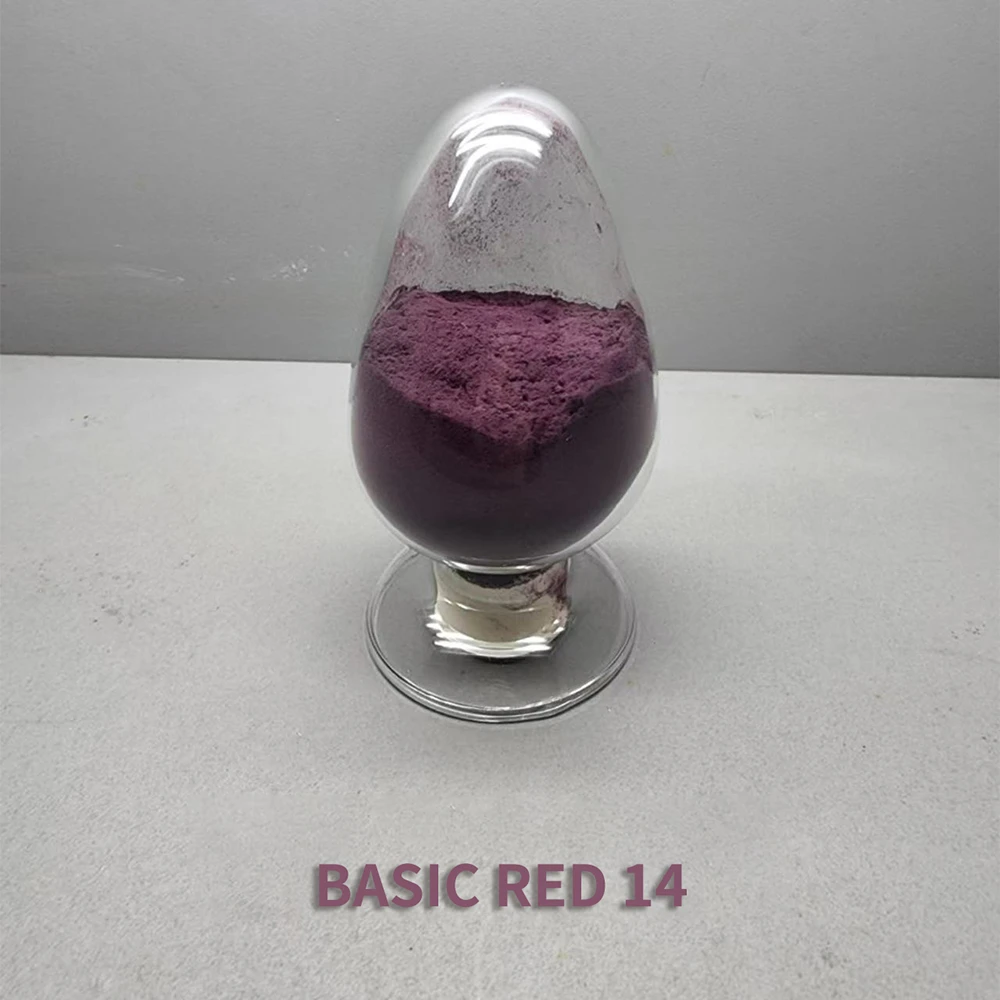
| Appearance | Deep Crimson Powder |
| Chemical Family | Basic (Cationic) Dye |
| Solubility | Water Soluble |
| Primary Use | Textiles (Acrylic), Paper, Plastics |
| Fastness (Wash) | Moderate to Good |
| Environmental Notes | Requires Wastewater Treatment |
How Basic Red 5 Is Used Around the World
Across continents, Basic Red 5 shows up in the most unexpected places — from African textile hubs to European automotive factories. In textile manufacturing, countries like China, India, and Pakistan use it to color acrylic sweaters and scarves that keep millions cozy. Meanwhile, it’s utilized in plastics factories in Germany and Japan to tint components visibly without sacrificing material integrity.
In humanitarian logistics, bright dyes including Basic Red 5 help mark supplies for rapid identification during disasters. Imagine red stripes on tents or equipment that need quick visual verification amid chaos — this dye lends itself well thanks to its visibility and durability.
Mini Takeaway:
- Basic Red 5’s global footprint spans textiles, plastics, and humanitarian applications.
- Its versatility supports manufacturing from developing to developed nations.
- Color-coded identification in disaster response is a surprisingly vital use.
Advantages & Long-Term Value of Choosing Basic Red 5
When companies pick Basic Red 5, they’re often after a balance of vibrant color and process reliability. The dye’s consistency helps reduce waste and reworks, saving money and raw materials. There’s also a clear environmental advantage in choosing dyes that support efficient wastewater treatment systems.
On an emotional level, I’ve noticed that brands using high-quality dyes like Basic Red 5 can build better customer trust—because colorful, fade-resistant garments just feel more premium. That subtle layer of confidence isn’t easy to quantify but is definitely there.
Looking Ahead: Trends Influencing Basic Red 5 and its Market
The dye industry is no stranger to change. There’s a marked push towards “greener” dyeing processes, with more companies investing in low-impact, biodegradable dyes or closed-loop water systems to reduce effluent. Basic Red 5 manufacturers are experimenting with formulations that maintain brightness but degrade more cleanly in nature.
Automation and digital monitoring are also becoming critical, ensuring optimal dye usage and cutting waste. Plus, as the cosmetic and plastics industries grow, Basic Red 5 applications could shift or expand — possibly even into digital printing inks or smart textiles.
Challenges and How the Industry Addresses Them
Despite its benefits, Basic Red 5, like many synthetic dyes, faces hurdles. Wastewater treatment remains a sensitive topic — failing to manage dye effluents properly can cause significant ecological damage. Also, sensitivities to synthetic dyes among consumers push some producers towards natural alternatives, challenging market demand.
Innovative solutions, like integrating nanofiltration and bio-treatment methods, are helping plants reduce environmental impact. Furthermore, education initiatives encourage manufacturers to adopt best practices worldwide — especially in emerging markets where environmental regulations may be less stringent.
Vendor Comparison: Popular Basic Red 5 Suppliers
| Vendor | Purity (%) | Price per kg (USD) | Lead Time (days) | Eco-Certifications |
|---|---|---|---|---|
| Yanhong Chemicals | ≥ 98 | 4.50 | 10–15 | ISO 14001 |
| Global Dyes Co. | ≥ 96 | 4.80 | 12–18 | None |
| EcoDye Solutions | ≥ 95 | 5.10 | 8–12 | OEKO-TEX, ISO 14001 |
FAQ: Your Basic Red 5 Questions Answered
Q1: What fabrics work best with Basic Red 5?
Basic Red 5 is especially effective on acrylic fibers because the dye's cationic nature bonds well with the negatively charged acrylic surface. However, it can also be used on paper and some plastics. Cotton or wool generally require different dye types.
Q2: Is Basic Red 5 safe for the environment?
While Basic Red 5 is easier to treat in wastewater compared to some dyes, it still requires responsible handling. Effective effluent treatment plants and adherence to environmental regulations ensure minimal ecological impact.
Q3: How vibrant is Basic Red 5 compared to other red dyes?
Basic Red 5 offers bright, consistent crimson shades with good longevity in terms of colorfastness. It may not match some reactive dyes on cotton for wash fastness, but its vividness on acrylics is highly regarded.
Q4: Can I order Basic Red 5 in bulk internationally?
Yes, many suppliers including Yanhong Chemicals offer international shipping with compliance documents to facilitate customs clearance.
Q5: Are there eco-friendly alternatives to Basic Red 5?
Yes, the market is exploring natural and biodegradable dyes, but they often lack the brightness or cost efficiency of Basic Red 5. It’s a balance between sustainability and industrial needs.
Wrapping Up: Why Basic Red 5 Remains Relevant
Basic Red 5 might not be the star of the show, but imagining our modern world without it is tough. Its combination of vivid color, efficiency, and moderate eco-profile keeps it in demand globally. Whether you’re a manufacturer seeking consistent quality or a consumer unknowingly benefiting from colorful fabrics, this dye quietly shapes many facets of life.
Curious to explore more about Basic Red 5 and related chemical solutions? Visit Yanhong Chemicals for up-to-date info, product specs, and expert consultation.
Final thought:
In trade and industry, a color isn’t “just a color.” It has science, regulations, supply chains, and stories woven into it — and Basic Red 5 is one striking example of that.
References:
-
What Is Basic Blue? Understanding Its Industrial ImportanceNewsDec. 13, 2025
-
Peach Fabric Dye – Reliable Industrial Textile Color SolutionsNewsJan. 03, 2026
-
Photochromic Fabric Dye: Innovative Textile Solutions for B2B Professionals | YanHongChemNewsJan. 06, 2026
-
Premium Blue Fabric Dye Insights for Industrial Textile UseNewsDec. 04, 2025
-
Comprehensive Guide to China Basic Dye Manufacturer: Quality, Innovation & SustainabilityNewsDec. 03, 2025
-
What Are Basic Dyes? A Quick Look at Their Industrial UseNewsDec. 13, 2025