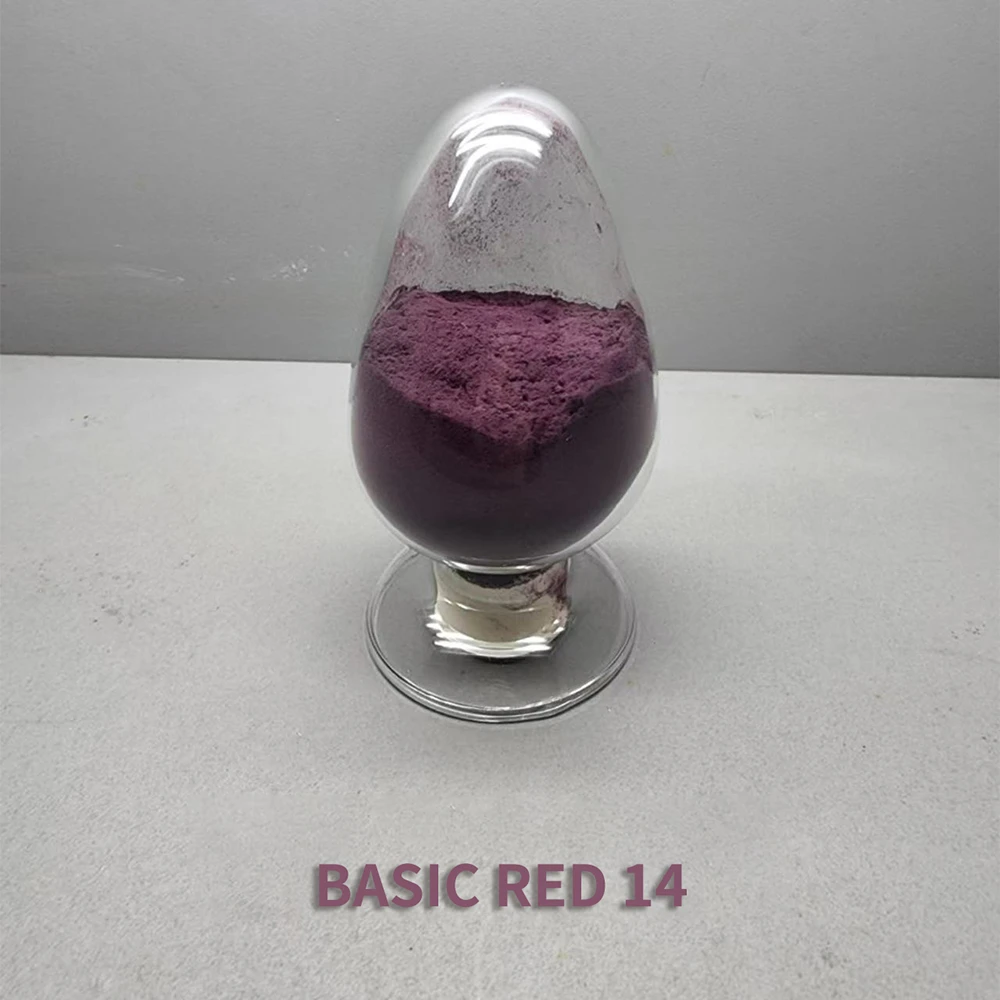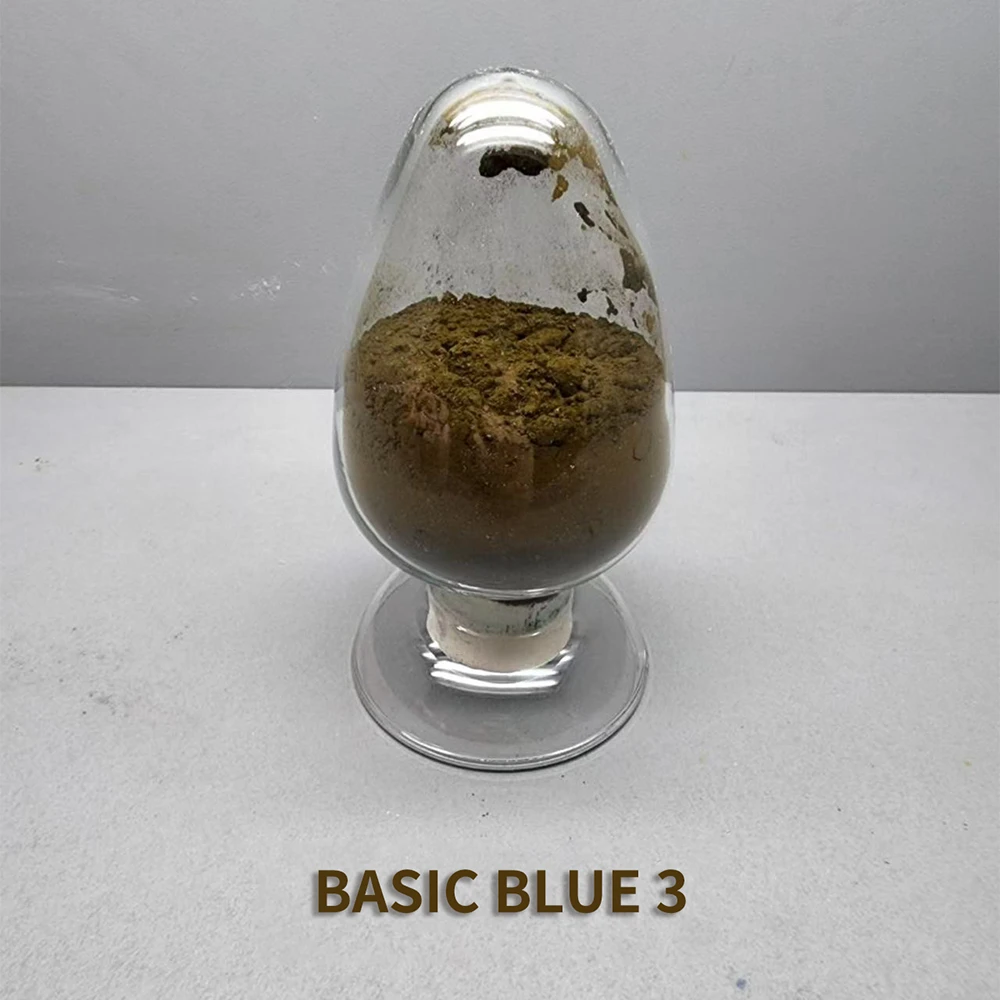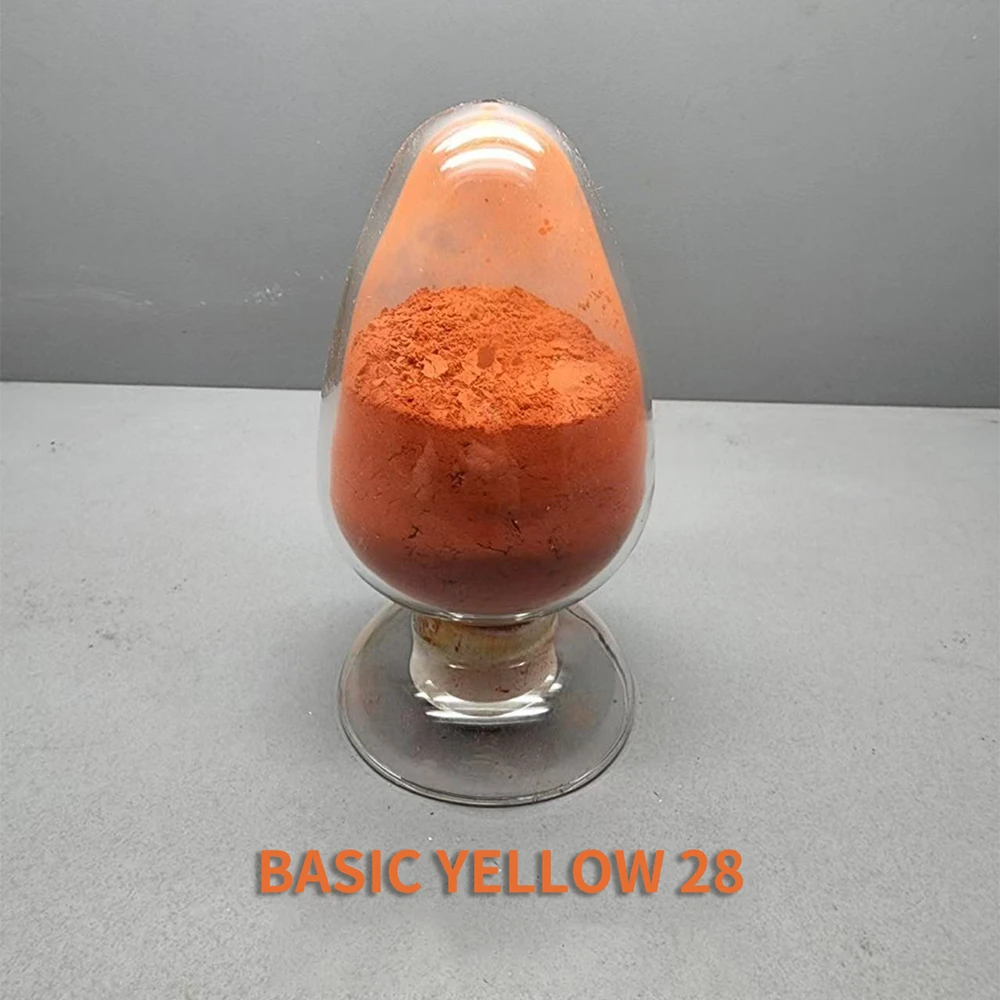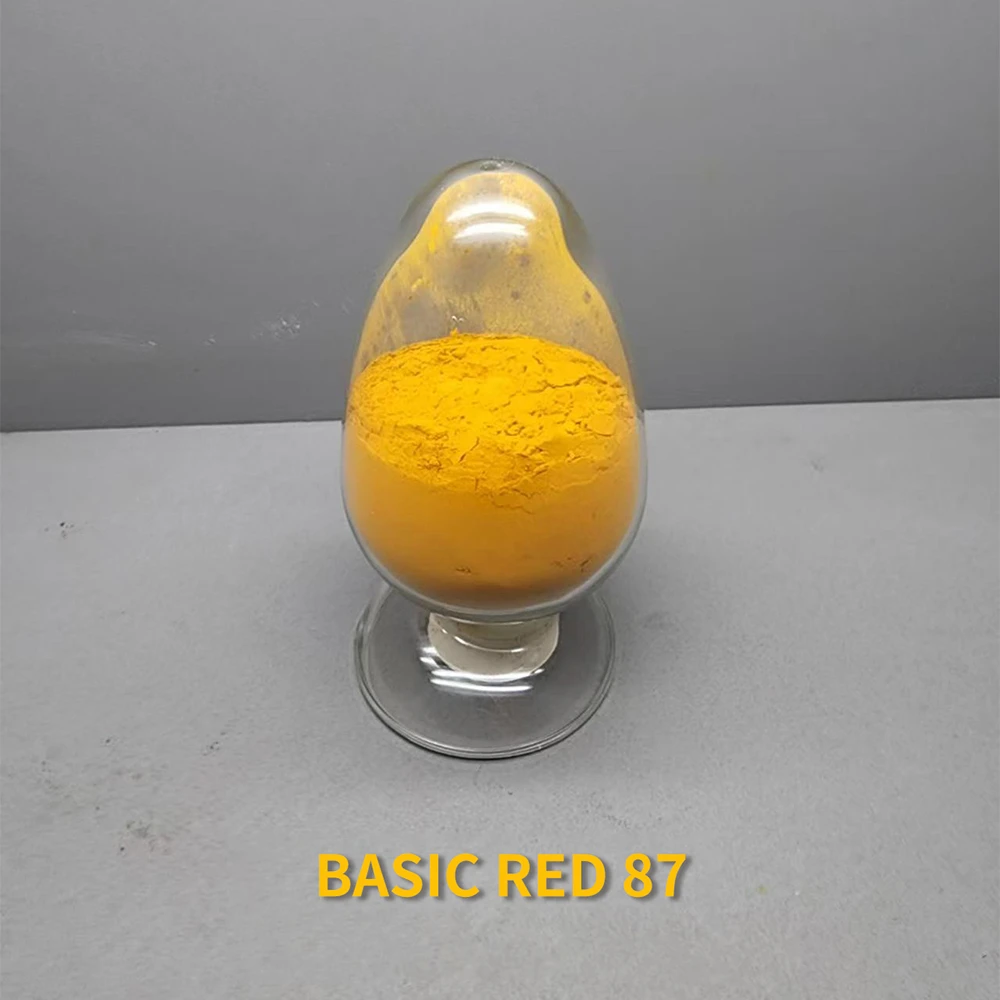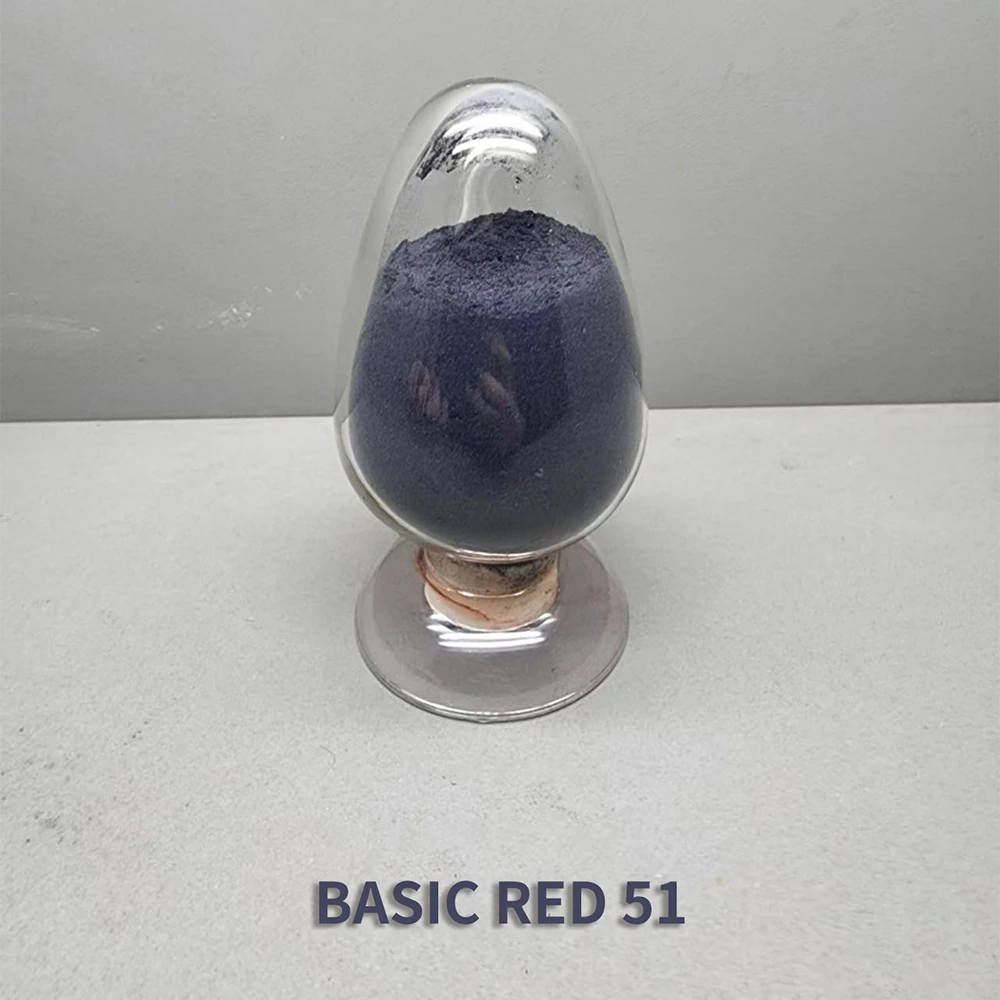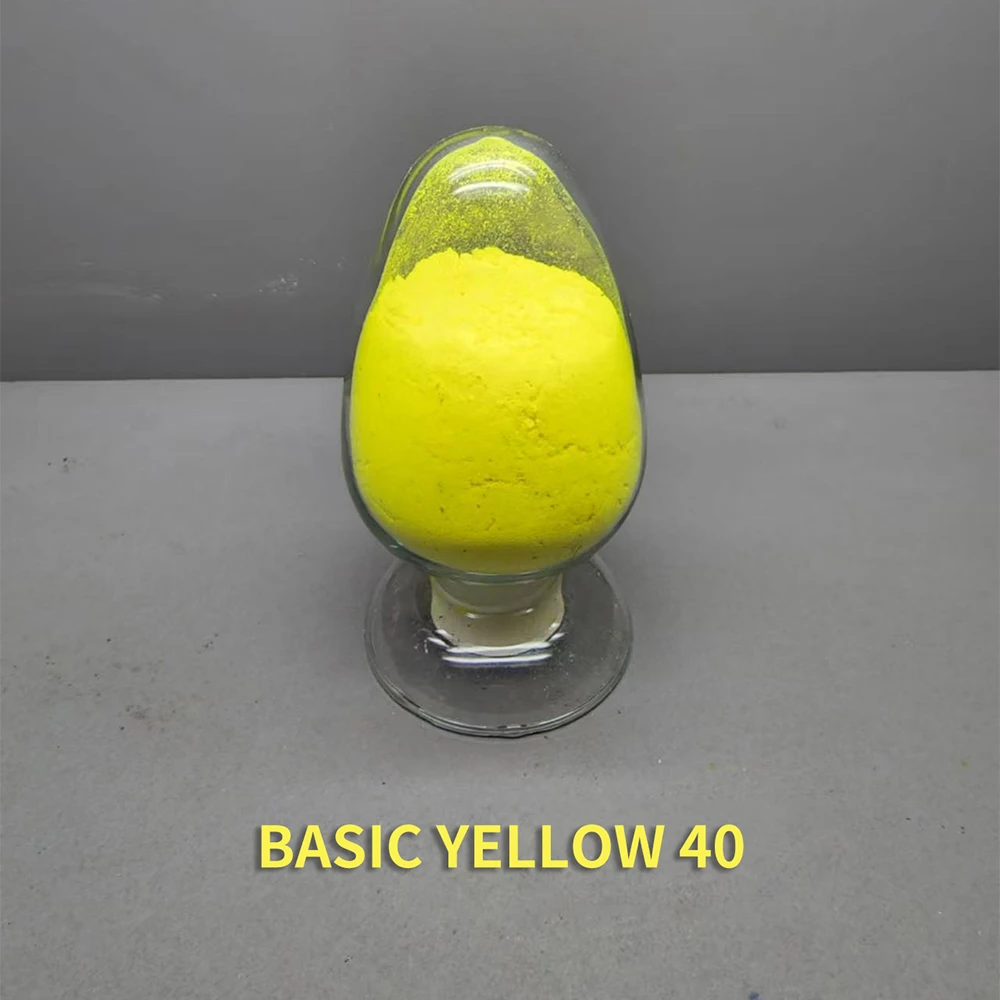
Comprehensive Guide to Basic Blue 26 – Uses, Benefits & Suppliers
Basic Blue 26: A Closer Look at This Versatile Industrial Dye
If you've ever peeked into the chemistry behind bright, vivid textiles or the manufacturing of colored papers, you might have encountered basic blue 26. It’s not just one of those chemical names you forget after reading. Instead, it’s a cornerstone in industries ranging from textile dyeing to biological staining, impacting global manufacturing and research sectors. Understanding basic blue 26 better means appreciating subtle yet critical roles it plays worldwide — whether in ensuring product quality or even aiding considerable humanitarian efforts through its applications.
Why Does Basic Blue 26 Matter Globally?
Globally, the textile and chemical industries rely heavily on dyes like basic blue 26 to maintain vibrant product lines — and the scale is mind-boggling. According to the United Nations Industrial Development Organization (UNIDO), the textile dyeing sector is one of the largest worldwide employers, with millions depending on materials colored with substances such as basic blue 26. However, environmental and safety challenges have pressured manufacturers to improve dye usage and handling. This aligns with ISO’s sustainable chemical manufacturing standards, pushing for safer, more efficient dye processes worldwide.
Mini takeaway: Understanding basic blue 26 isn’t just about color — it’s about connecting sustainability, industry, and global commerce in a single molecule.
What Exactly is Basic Blue 26?
Simply put, basic blue 26 is a synthetic cationic (positively charged) dye. Chemically termed Methylene Blue or by its CAS number 7220-79-3, it’s famous for its intense blue color and affinity for negatively charged materials — like certain fabrics or biological tissues. Beyond aesthetics, it’s used extensively in laboratory staining, helping scientists visualize cellular components under a microscope. Its role extends beyond mere looks; it’s a bridge between industrial needs and modern science.
In humanitarian sectors, especially in medical diagnostics, it’s indispensable for rapid tests, proving its versatility well outside factories.
Key Features of Basic Blue 26
1. Color Intensity & Fast Absorption
Basic blue 26 exhibits a rich color even in low concentrations. This means industries can use less dye per unit, reducing waste and production costs while achieving vivid results.
2. Chemical Stability
Unlike some dyes that fade quickly, basic blue 26 maintains color integrity under a broad range of temperatures and pH, making it reliable for both industrial and lab purposes.
3. Water Solubility
It dissolves readily in water, which is a double-edged sword: excellent for easy application but also demanding careful effluent treatment to prevent environmental harm.
4. Compatibility with Various Substrates
From cotton to paper and even some plastics, this dye binds effectively, expanding its use cases across sectors.
5. Toxicological Profile
While generally considered safe in controlled doses, manufacturers and users must be mindful of exposure limits, adhering to ISO environmental health standards.
Mini takeaway: Its unique chemical traits explain why basic blue 26 enjoys longstanding, widespread industrial favor.
Global Applications & Real-World Use Cases of Basic Blue 26
The versatility of basic blue 26 is almost like that dependable friend who fits in anywhere. All over Asia, Europe, and the Americas, you’ll find it coloring textiles like denim and nylon, giving medical labs a powerful staining tool, and even appearing in water treatment facilities as an oxidation-reduction indicator.
- Textile Manufacturing: Factories in China and India use it to achieve consistent royal blues with minimal processing time.
- Biological Labs: European research facilities often rely on it for staining bacteria or cell structures.
- Water Quality Testing: Environmental agencies apply it as a tracer dye to assess water contamination.
- Paper Production: In North America, paper mills use it to impart vibrant blue shades to specialty papers.
During a recent supply chain review, I found a case where a textile mill in Bangladesh cut dye wastage by 15% by switching to optimized basic blue 26 formulations, which says a lot about its practical adaptability.
Advantages & Long-Term Value of Basic Blue 26
When considering the long haul, basic blue 26 scores high on cost efficiency, sustainability potential, and reliability. Because of its strong color yield and chemical robustness, industries save on repeat processing and costly color correction. It supports environmental goals by enabling lower quantities of dye use per product. Socially, the clarity it brings to diagnostic tests helps improve healthcare outcomes, adding an unexpected human dimension.
Emotionally, it builds trust: consumers expect rich, consistent colors, medical staff rely on its staining accuracy. The innovation ongoing around it—modified dyes, lower-impact processes—affirms it’s here to stay.
Looking Ahead: Future Trends & Innovations
Interestingly, research is ongoing into greener synthesis methods for basic blue 26, aiming to reduce reliance on harsh solvents or energy-intensive processes. Plus, nano-encapsulation techniques are being trialed to improve dye adhesion, reduce environmental release, and enhance fabric longevity. Digital textile printing is adding a new frontier, using advanced formulations of basic blue 26 to achieve sharper, more sustainable coloration on demand.
Automation in dye application and effluent management also promises to address pollution concerns, all while keeping production nimble. It’s a small world of color shifting under big forces—the green transition, smart manufacturing, and global quality standards.
The Challenges Around Basic Blue 26 and How We Solve Them
Of course, it’s not all smooth sailing. Disposal and water pollution remain stubborn issues, as the dye’s solubility means it can easily leach into waterways if not managed correctly. Regulatory pressures from bodies like the EPA and EU REACH directives demand stricter controls on emissions and by-products.
Innovative approaches include enhanced wastewater treatment technologies, such as activated carbon filtration and enzymatic breakdown, lowering environmental risks. Some suppliers introduce pre-treated or formulated versions that minimize hazards at the source—kind of like having safety nets woven right into the dye itself.
Product Specifications of Basic Blue 26
| Property | Specification | Notes |
|---|---|---|
| Chemical Name | Methylene Blue (Basic Blue 26) | CAS 7220-79-3 |
| Appearance | Dark Greenish-Blue powder | Crystalline form |
| Solubility | Water: 43.8 g/L at 25°C | Highly soluble |
| pH Stability Range | 4 to 10 | Maintains color |
| Melting Point | 100 °C (decomposes) | Thermally stable before decomposition |
| Usage Concentration | 0.1–1% wt. by substrate | Industry dependent |
Vendor Comparison: Sourcing Basic Blue 26
| Supplier | Country | Purity (%) | Price Range (USD/kg) | Lead Time | Sustainability Claims |
|---|---|---|---|---|---|
| Yanhong Chemicals | China | >98% | 15–18 | 7–10 days | ISO 14001 certified, waste minimized |
| Sigma-Aldrich | USA | 99.5% | 35–40 | 5–7 days | Good Manufacturing Practices (GMP) |
| BASF | Germany | 98% | 20–25 | 10–14 days | Strong focus on green chemistry |
Frequently Asked Questions About Basic Blue 26
- What industries primarily use basic blue 26?
- Basic blue 26 is mainly used in textile dyeing, biological staining, water tracing, and paper manufacturing. Its versatility across industries is due to its strong color and chemical stability.
- Is basic blue 26 environmentally safe?
- While effective, basic blue 26 must be handled carefully to prevent water contamination. Eco-friendly treatment methods and regulations are essential to minimize its ecological footprint.
- How long does the dye last on fabrics?
- Basic blue 26 exhibits excellent colorfastness under normal conditions, with resistance to fading from light and washing when applied and fixed properly.
- Can basic blue 26 be customized for different applications?
- Yes, many suppliers offer modified versions tailored for specific fabric types or industrial processes, improving performance or environmental characteristics.
- Where can I source reliable basic blue 26 supplies?
- Trusted vendors include Yanhong Chemicals, Sigma-Aldrich, and BASF. Evaluate purity, lead times, and sustainability credentials before purchase.
Wrapping Up: Why Basic Blue 26 Still Holds Its Place
All things considered, basic blue 26 isn't just a dusty chemical name from a textbook. It's a living part of numerous industries, quietly coloring our world—sometimes literally. The dye balances potency, ease of use, and reliability while moving toward greener, smarter production methods. So, whether you're in manufacturing, scientific research, or environmental management, knowing your basic blue 26 can pay real dividends. For the curious, head over to https://www.yanhongchem.com to explore product details or contact experts who understand these nuances.
And if you’re thinking, can color be this technical? Turns out, it absolutely can.
References
-
Achieving Vibrant Color with Mint Green Dye for Clothes A Comprehensive GuideNewsMar. 31, 2026
-
Dye Sublimation Fabric: Durable & High-Performance Fabrics for Industry | YanhongchemNewsJan. 02, 2026
-
Jacquard Basic Dye: Durable, Vibrant Textile Solutions from Yanhong ChemicalsNewsDec. 03, 2025
-
Explore Cationic Dyes Names: Chemistry, Applications & Global InsightsNewsDec. 03, 2025
-
Pink Fabric Dye - Durable, Eco-Friendly Textile Solutions for Industry | YanhongchemNewsDec. 04, 2025
-
Durable Car Fabric Dye Solutions for Automotive Industry | YanhongchemNewsJan. 04, 2026