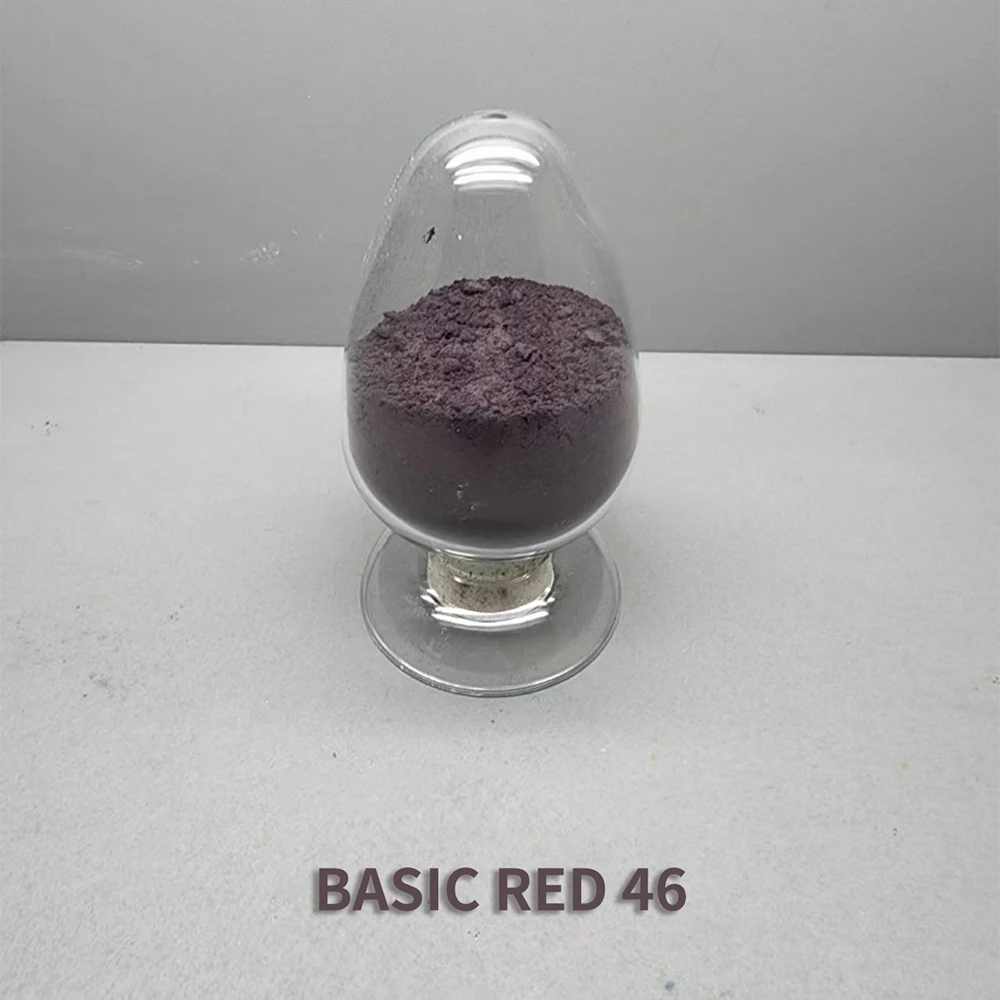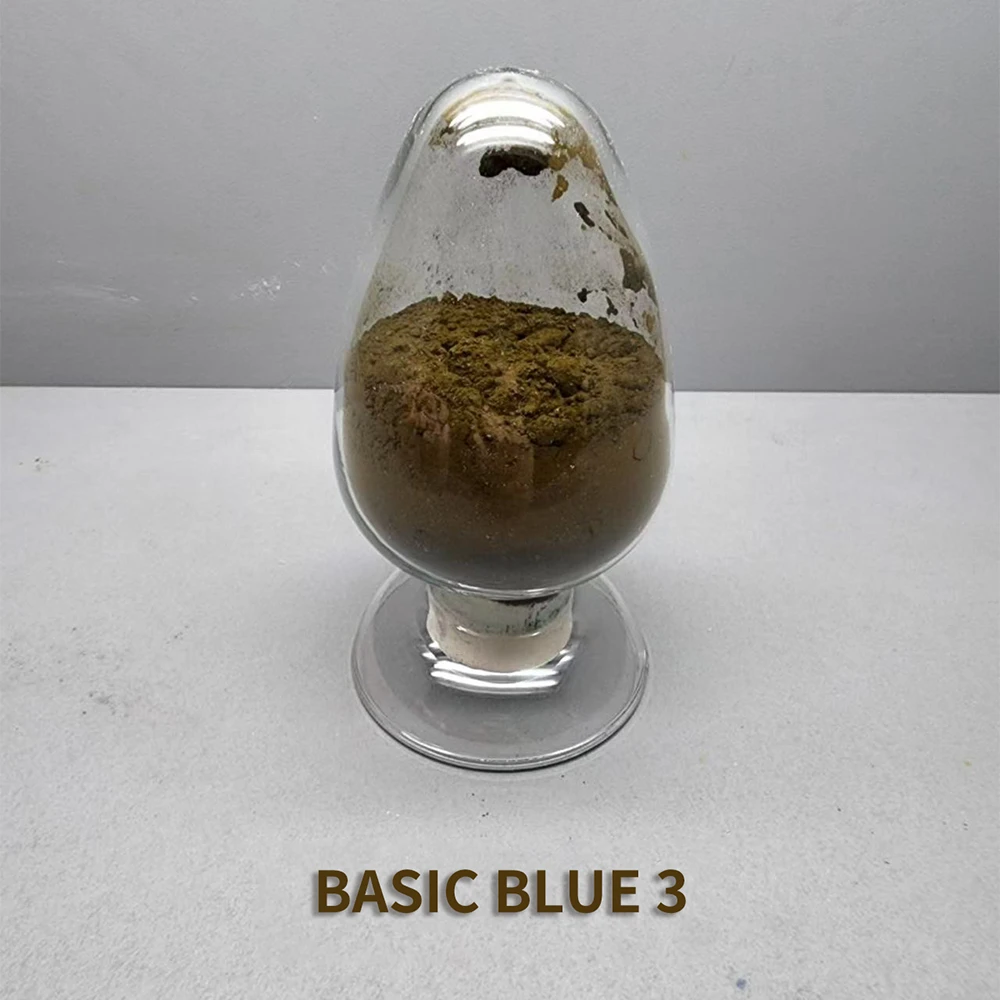
Blue Fabric Dye: Durable, Sustainable Textile Color Solutions Worldwide
Blue Fabric Dye: A Key Ingredient in Color and Culture Worldwide
If you’ve ever wondered what gives your favorite denim that unmistakable shade of blue or what turns ordinary fabric into vibrant textiles, you’re looking at blue fabric dye in action. This unsung hero in the coloring world is more than a mere pigment. It plays a significant role in global industries, cultural traditions, and even humanitarian efforts. Understanding its science and applications sheds light on how we wear, work, and express identity, quite literally, through color.
Setting the Scene: Why Blue Fabric Dye Matters Globally
The global textile dye market is expected to grow steadily, hitting billions of dollars in the next few years, according to market reports. Blue fabric dye, in particular, steers a huge slice of this market due to the popularity of blue tones in everything from fashion to home furnishings. The exact global demand may surprise you — roughly 30% of all textile dyes sold internationally are blue hues, notably indigo and reactive blues.
Yet, the industry wrestling with challenges related to environmental safety, dyefastness, and scalability. Wastewater from fabric dyeing is among the top water pollutants worldwide, per environmental studies. This background makes improving blue fabric dyes not just a business matter, but an ecological and social responsibility. It’s a niche where chemistry meets conservation—a tricky balance as industries upscale amid rising consumer consciousness.
What Exactly Is Blue Fabric Dye?
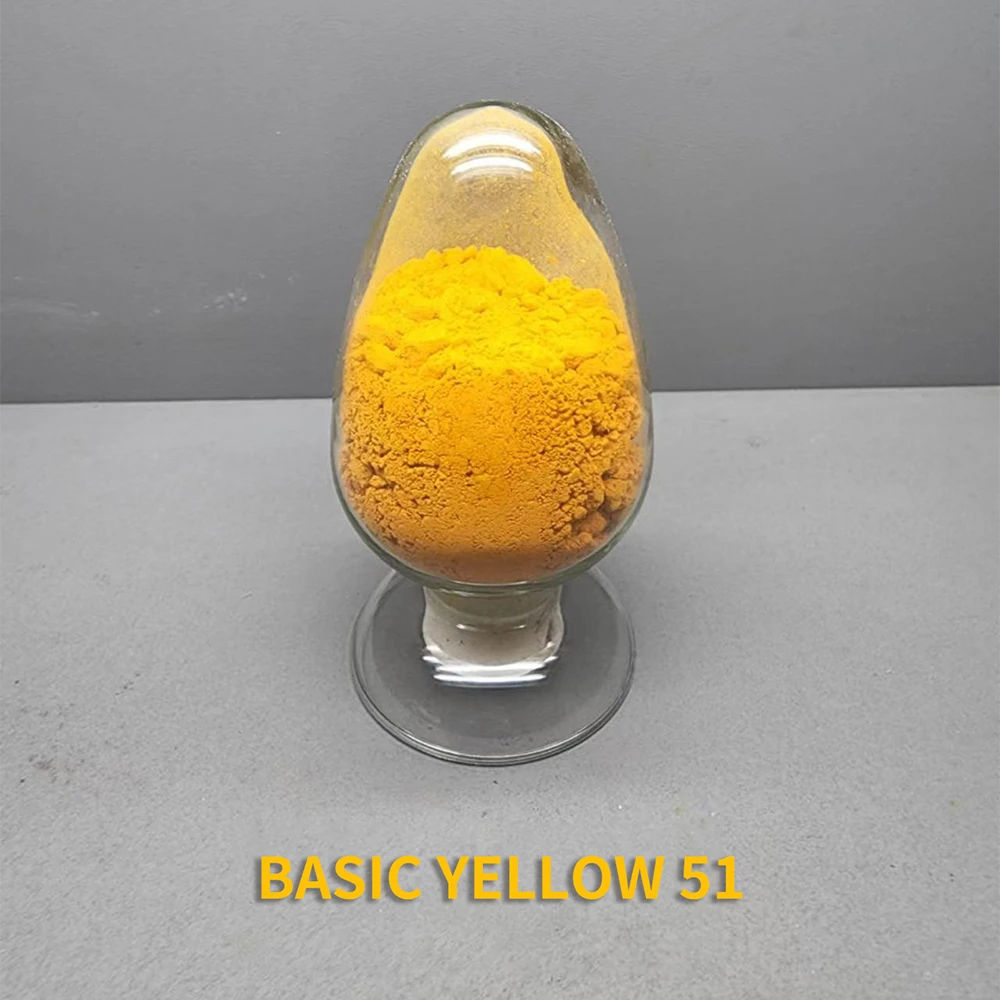
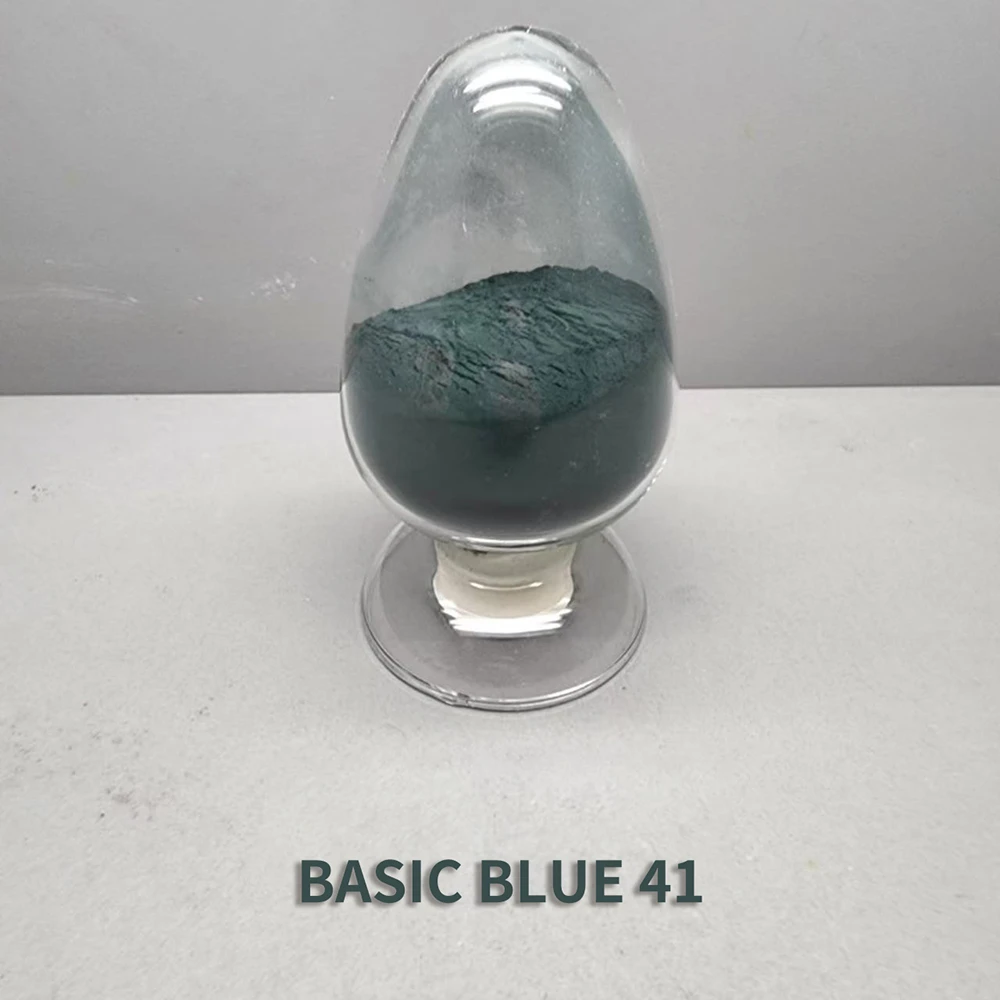
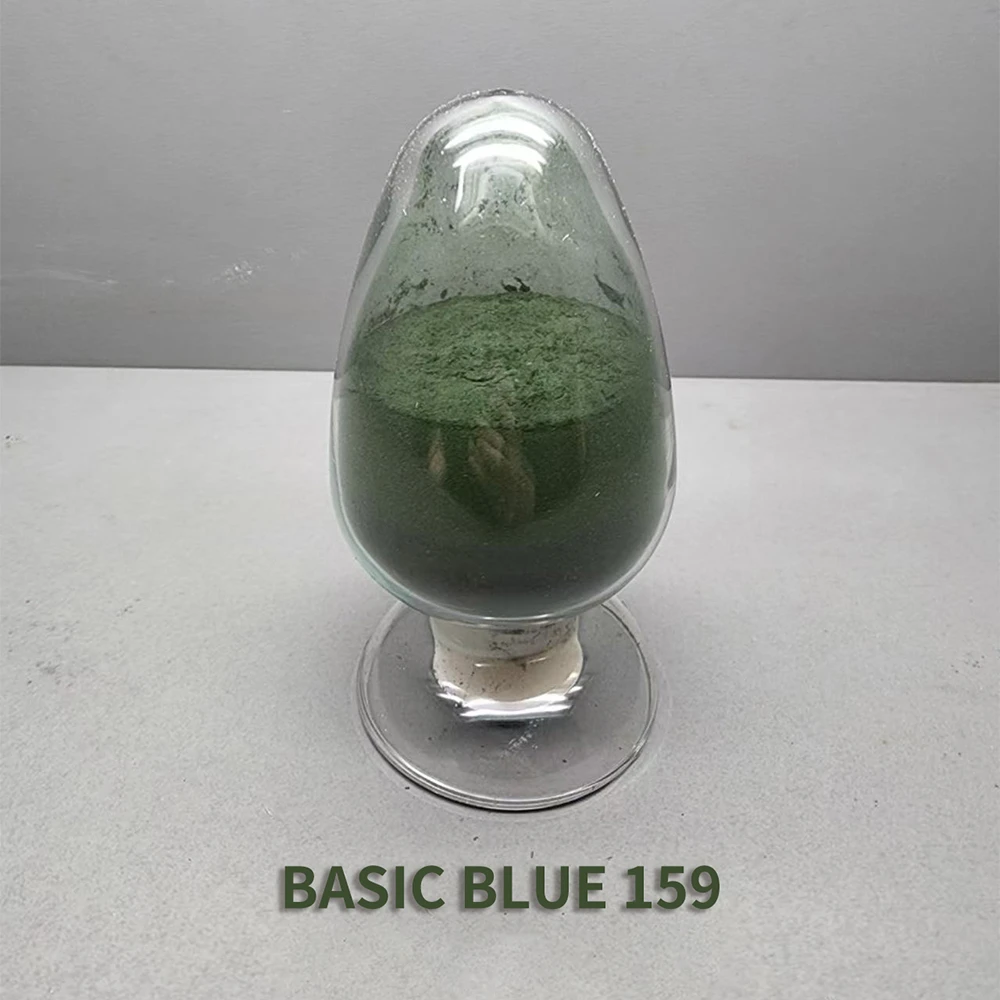
At its core, blue fabric dye refers to the chemical compounds used to impart blue color into textiles. These compounds vary widely — indigo being the oldest and most iconic, followed by synthetic options like reactive, acid, and direct dyes geared for specific fabric types like cotton, wool, and synthetics. Their relevance stretches beyond aesthetics; where fabric is used for uniforms, branding, or cultural garb, the choice of blue dye ensures consistency, durability, and vibrancy.
Interestingly, blue fabric dye also connects to humanitarian aid. In refugee camps or post-disaster zones, durable blue textiles that last under harsh conditions can mean the difference between comfort and hardship. So it’s a functional asset as much as a decorative one.
Key Factors Behind Blue Fabric Dye Performance
1. Durability and Colorfastness
No one wants their favorite blue shirt to look washed out after the first wear. Durability measures how well a dye resists fading from sunlight, washing, or abrasion. Many engineers say reactive blue dyes outperform others here, especially on cellulose fibers like cotton.
2. Environmental Impact
The water-intensive dyeing process has sparked innovation. Advances such as low-water reactive dyes and biodegradable pigments are shaking up the game. This means greener fabrics and less strain on local water supplies—a crucial factor for textile hubs in countries like India and Bangladesh.
3. Scalability and Consistency
Large textile manufacturers demand a dye that can be scaled up while maintaining consistent color batches. Variability can kill brands fast. Proven synthetic blue dyes are tailored for this, often supported by digital color matching technologies.
4. Cost Efficiency
It’s a fine balance between quality and price. While premium indigo dyes are cherished for authenticity, synthetic dyes often offer cost savings, enabling mass production without sacrificing too much on appearance.
5. Versatility
Different fabrics react differently to dyes. Blue fabric dyes that can efficiently bond with multiple fibers—cotton, nylon, polyester—are in high demand, giving brand owners more flexibility.
Mini takeaway: Blue fabric dye might sound straightforward, but its success rests on chemistry, environment, and economics all working in harmony.
Where Blue Fabric Dye Makes a Difference
Its applications stretch far and wide:
- Fashion industry: Denim jeans, blue dresses, and uniforms rely heavily on indigo and synthetic reactive blues.
- Homemaking: Curtains, upholstery, and bedding often use blue shades for their calming effect.
- Industrial uniforms: Supporting brand identity and workplace safety.
- Relief efforts: High-durability blue fabrics are chosen by NGOs for tents and tarps in disaster zones, thanks to their weather-resistant dyes.
- Traditional textiles: Indigo dyeing, especially in parts of Africa and Asia, is a cultural craft with centuries of history.
For instance, recent post-flood operations in Southeast Asia have successfully deployed indigo-dyed tents due to the dye’s UV resistance and color stability, ensuring both comfort and durability for displaced populations.
Advantages & Long-Term Value of Using Quality Blue Fabric Dye
Beyond aesthetics, good blue fabric dye offers:
- Cost savings: Less frequent replacement needed due to fade resistance.
- Sustainability: New eco-friendly dyeing methods reduce pollution drastically.
- Social impact: Durable attire protects workers; vibrant uniforms foster pride and inclusion.
- Reliability: Trusted dyes maintain brand integrity over time.
- Emotional value: Blue hues evoke calm, confidence, and creativity.
Product Specification Table: Popular Blue Fabric Dye Options
| Dye Type | Fiber Compatibility | Colorfastness (1-5) | Environmental Impact | Typical Use |
|---|---|---|---|---|
| Indigo | Cotton, Linen | 4.5 | Moderate (Traditional process) | Denim, Traditional Textiles |
| Reactive Blue | Cotton, Rayon | 5 | Low (Water-saving methods) | Apparel, Home Textiles |
| Acid Blue | Wool, Silk | 4 | Moderate (Chemical usage) | Luxury Apparel |
| Direct Blue | Cotton, Paper | 3.5 | High (Wastewater concerns) | Industrial Textiles |
Vendor Comparison Table: Leading Blue Fabric Dye Providers
| Vendor | Product Range | Sustainability Focus | Global Reach | Sample Pricing |
|---|---|---|---|---|
| Yanhong Chemicals | Indigo, Reactive Blue Series | Strong – Low water & Wastewater tech | Asia, Europe, South America | Competitive bulk pricing |
| BASF | Wide blue pigment portfolio | Growing investment in green chemistry | Global | Premium pricing tier |
| Archroma | Sustainable Blues & Dyes | Leader in ecological solutions | Europe, Asia | Mid-range pricing |
Emerging Trends and Innovations in Blue Fabric Dye
Frankly, the future looks pretty blue and bright. Recent breakthroughs in sustainable dye synthesis promise to drastically reduce chemical waste—some labs working on natural dye extraction from botanical sources are particularly exciting. Digital printing and automation in dyeing processes also boost precision and cut resource consumption. Furthermore, policies from environmental bodies (ISO standards) are steadily pushing manufacturers towards circular economy models, where dye effluents are recycled or neutralized.
Common Challenges and Expert Approaches to Blue Fabric Dyeing
Of course, working with blue dyes isn’t without hurdles. One ongoing issue is the delicate chemistry required to bind dyes evenly without weakening fabric structure. Some colors can fade quickly in sunlight or bleed during washing. Experts now recommend advanced finishing treatments and blending dye types to counterbalance these effects.
Also, scaling eco-friendly dyes without ballooning costs remains tricky but not impossible. Innovations like enzyme-assisted dye fixation and wastewater biotreatment are steadily helping manufacturers mitigate these.
FAQ: Your Practical Questions About Blue Fabric Dye
Q1: What makes reactive blue dye better for cotton than other dyes?
A: Reactive blue dyes form a strong covalent bond with cotton fibers, resulting in superior colorfastness and resistance to washing out compared to direct or acid dyes. This means your garments retain vivid blue shades longer.
Q2: Can blue fabric dye cause environmental pollution?
A: Yes, traditional dyeing processes often involve chemicals that pollute water bodies if untreated. However, many modern blue fabric dye producers focus on low-impact methods, reduced water usage, and biodegradable chemicals to minimize environmental harm.
Q3: How long do indigo-dyed textiles last compared to synthetic dyes?
A: Indigo dyes can last decades if properly cared for, with a distinctive aging pattern valued in fashion. Synthetic dyes usually offer greater initial colorfastness and uniformity but may fade faster under intense sunlight or harsh washing.
Q4: Is it easy to source eco-friendly blue fabric dye in bulk?
A: Increasingly so, yes. Vendors like Yanhong Chemicals specialize in sustainable, high-quality blue dyes available at scale, balancing eco-conscious production with commercial needs.
Q5: How do industries ensure consistent blue shade across large fabric batches?
A: They use precise digital color matching tools combined with standardized recipes and strict quality control during dyeing. This reduces shade variation and maintains brand colors across different product runs.
Conclusion: The Long-Term Hue of Blue Fabric Dye
Blue fabric dye isn’t just about color—it’s about culture, industry, sustainability, and identity wrapped in threads. Knowing how these dyes impact products and communities allows manufacturers, designers, and consumers to make informed, responsible choices. Whether it’s protecting our planet with greener chemistry or ensuring the resilience of aid textiles in tough environments, blue fabric dye holds a quietly powerful place in our world.
Interested in how these dyes can enhance your products sustainably? Visit our website: https://www.yanhongchem.com for more insights and solutions.
References
-
Understanding Synthetic Dye Black Applications Sourcing and Emerging TrendsNewsMar. 10, 2026
-
China Basic Dye Factory: High-Purity Dyes, Fast DeliveryNewsDec. 13, 2025
-
Comprehensive Guide to Synthetic Fiber Dye Selection and ApplicationNewsMar. 11, 2026
-
Comprehensive Guide to Orange Fabric Dye for Industrial Use | YanhongchemNewsDec. 05, 2025
-
Burgundy Fabric Dye – Durable, Vibrant Solutions for Textile Industry | YanhongchemNewsDec. 11, 2025
-
Ivory Fabric Dye - Durable, Eco-Friendly Textile Solutions | YanhongchemNewsDec. 10, 2025