
Basic Blue Dye – High-Purity, Fast Coloration for Textiles
Basic Blue is a key solution in the chemical colorants industry, specifically within textile dyeing and paper & ink formulation. This article explores how Basic Blue supports professionals with durable, high-performance products, and explains why this product is an ideal choice for businesses in these sectors.
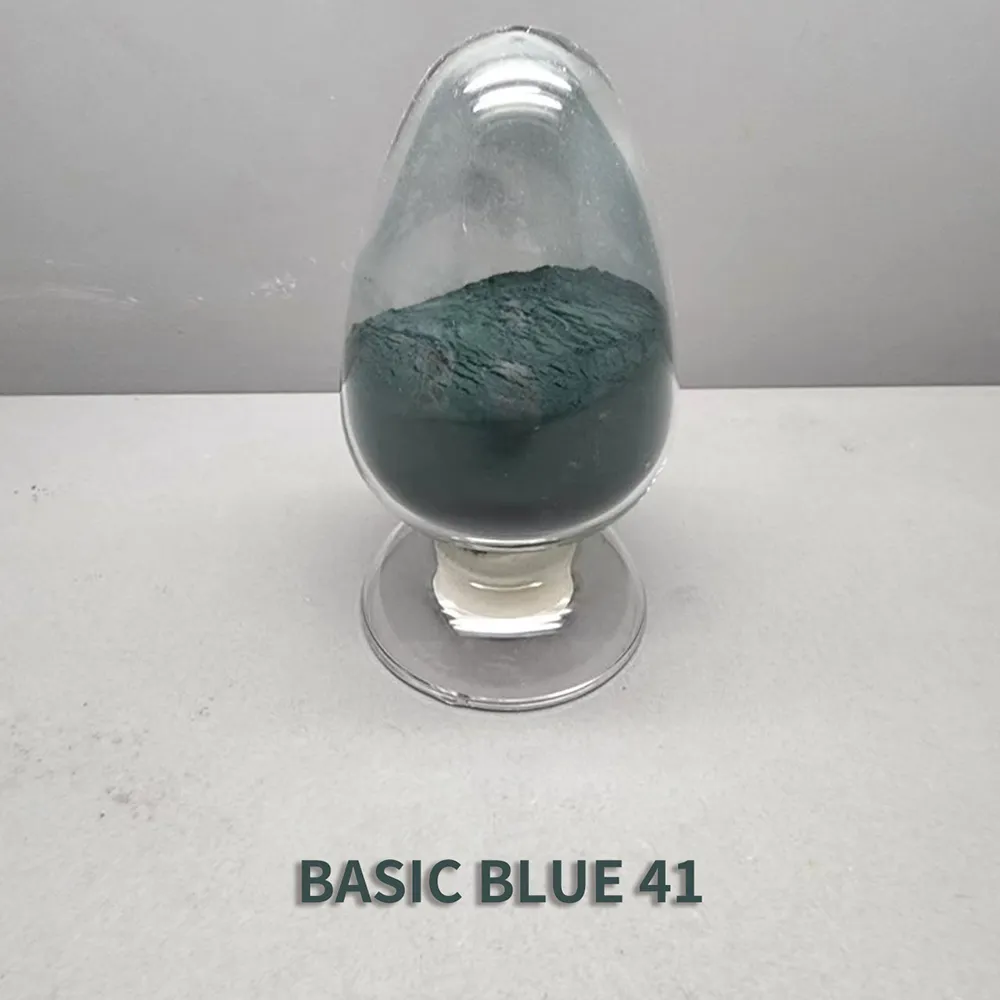
Table of Contents
- Basic Blue Overview
- Benefits & Use Cases of Basic Blue in Textiles and Paper & Inks
- Cost, Maintenance & User Experience
- Sustainability & Market Trends in Colorants
- Conclusion on Basic Blue from Yanhong Chem
Basic Blue Overview
Basic Blue is a high-tinctorial-strength cationic (basic) dye engineered for strong affinity to substrates with anionic sites—most notably acrylic fibers and certain paper grades. As a basic blue dye, it delivers brilliant shades, excellent build-up, and dependable wet fastness on acrylics. In controlled dyeing systems (typically pH 3.5–5.5 with acetic/acetate buffer and suitable retarders), it provides level shades and migration control at boil or near-boil temperatures. For paper, its cationic character supports efficient retention and uniform coloration. While methylene blue is a cationic dye often cited in laboratory contexts, production environments rely on purpose-formulated Basic Blue grades tailored for industrial performance and consistency.
- Relevance: textiles (acrylic fiber dyeing), paper coloration, and specialty inks that require cationic dye systems.
- Technical notes: high exhaustion on acrylics, bright shade profile, and stable performance under acidic conditions with standard auxiliaries.
- Supplier credibility: Yanhong Chem manufactures and supplies consistent, application-ready Basic Blue grades, including Cationic Blue X-GRRL, for global B2B buyers.
Benefits & Use Cases of Basic Blue in Textiles and Paper & Inks
In textiles, Basic Blue excels for acrylic fiber dyeing due to its cationic charge: it directly bonds to anionic sites on the polymer, enabling deep, vivid shades with high yield. Mills appreciate predictable leveling, short cycle times, and compatibility with commonly used retarders and leveling agents. In paper and specialty inks, its cationic nature enhances retention and shade uniformity, supporting consistent print performance. Compared with alternatives, a well-formulated basic blue dye can reduce rework and improve lot-to-lot reliability—key advantages for high-throughput operations.
- Applications: acrylic sweaters and blankets, acrylic blends, paper tinting and shading, water-based ink systems where cationic dyes are preferred.
- Competitive advantages: fast strike-on with controlled leveling, bright chroma, strong build-up on acrylics, and efficient use in cationic retention systems for paper.
- Expertise: Yanhong Chem supports custom shade matching, process optimization, and documentation for regulated markets. For reference, methylene blue basic dye is commonly discussed in academic contexts; however, industrial users typically select engineered Basic Blue systems like Cationic Blue X-GRRL for superior consistency. Put simply: methylene blue is a cationic dye, but production environments benefit from dedicated textile/paper-grade Basic Blue solutions.
Cost, Maintenance & User Experience
For B2B decision-makers, total cost of ownership hinges on shade yield, cycle time, and re-dye rates. Basic Blue’s strong affinity to acrylic fibers drives high exhaustion and reduced effluent color load, supporting lower auxiliary consumption and fewer corrections. In paper, effective retention means less dye loss and improved color efficiency. Routine “maintenance” is primarily process stewardship—keeping pH, temperature ramp, and retarder dosage in spec to prevent barre and ensure levelness. Many customers report that switching to a robust Basic Blue grade cuts shade adjustment time and improves first-pass quality, translating to measurable ROI in energy, labor, and wastewater management.
- TCO drivers: high tinctorial strength, reduced rework, less variability across lots, and optimized auxiliary packages.
- User feedback: textile mills and paper converters highlight consistent lot-to-lot performance, reliable brightness, and streamlined SOPs after adopting Yanhong Chem’s Basic Blue portfolio.
Sustainability & Market Trends in Colorants
Colorants markets are moving toward lower-impact chemistries, better wastewater outcomes, and traceable supply chains. For cationic systems, high dye exhaustion on acrylics and improved retention in paper help reduce color in effluents and overall chemical demand. Many buyers now require transparency on regulatory frameworks—such as REACH readiness, adherence to ZDHC MRSL expectations, and comprehensive SDS/GHS documentation—alongside product stewardship support. Yanhong Chem positions its Basic Blue range to align with these priorities by focusing on consistent quality, process efficiency, and data-driven guidance for EHS compliance without compromising performance.
- Industry growth: ongoing demand for acrylic textiles and value-added paper/ink applications supports stable Basic Blue consumption.
- Eco-conscious stance: Yanhong Chem collaborates with customers to optimize recipes for higher exhaustion, reduced chemical load, and improved wastewater profiles—key levers in sustainability roadmaps.
Conclusion on Basic Blue from Yanhong Chem
Basic Blue remains a proven, high-performance choice for acrylic textiles and paper & ink applications—combining brilliant shades, efficient exhaustion/retention, and reliable reproducibility. Yanhong Chem’s expertise, technical service, and consistent manufacturing help B2B teams shorten production cycles and support sustainability goals. Ready to evaluate a production-grade cationic blue dye solution? Visit our website: www.yanhongchem.com
-
Comprehensive Guide to Synthetic Fiber Dye Selection and ApplicationNewsMar. 11, 2026
-
Achieving Vibrant Color with Mint Green Dye for Clothes A Comprehensive GuideNewsMar. 31, 2026
-
Basic Principles And Production Process Parameters Of Cationic DyesNewsAug. 05, 2025
-
Understanding Cationic Dyes in Textile Industry: Applications, Benefits & Future TrendsNewsDec. 03, 2025
-
High-Performance Yellow Fabric Dye Solutions for Industrial Textiles | YanhongchemNewsDec. 08, 2025
-
Velvet Fabric Dye for Durable & Vibrant Velvet Textiles | Yanhong ChemNewsJan. 01, 2026












