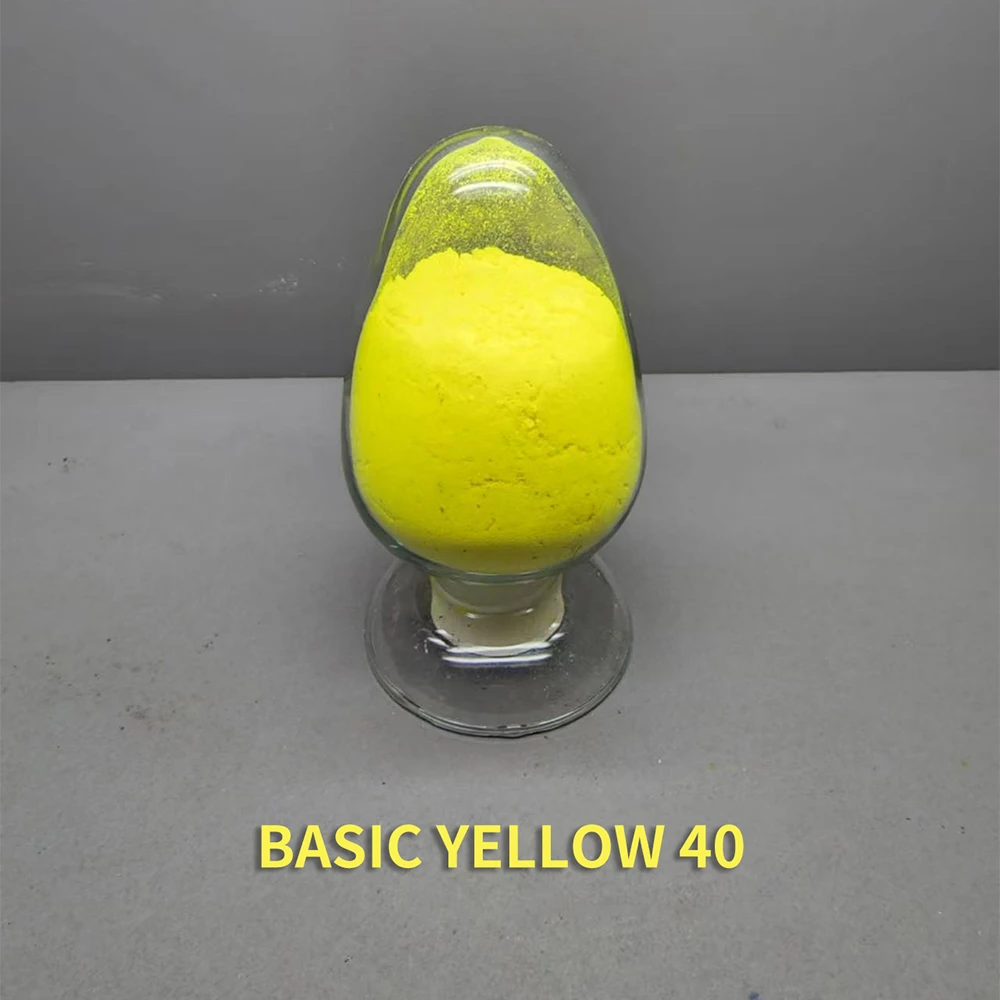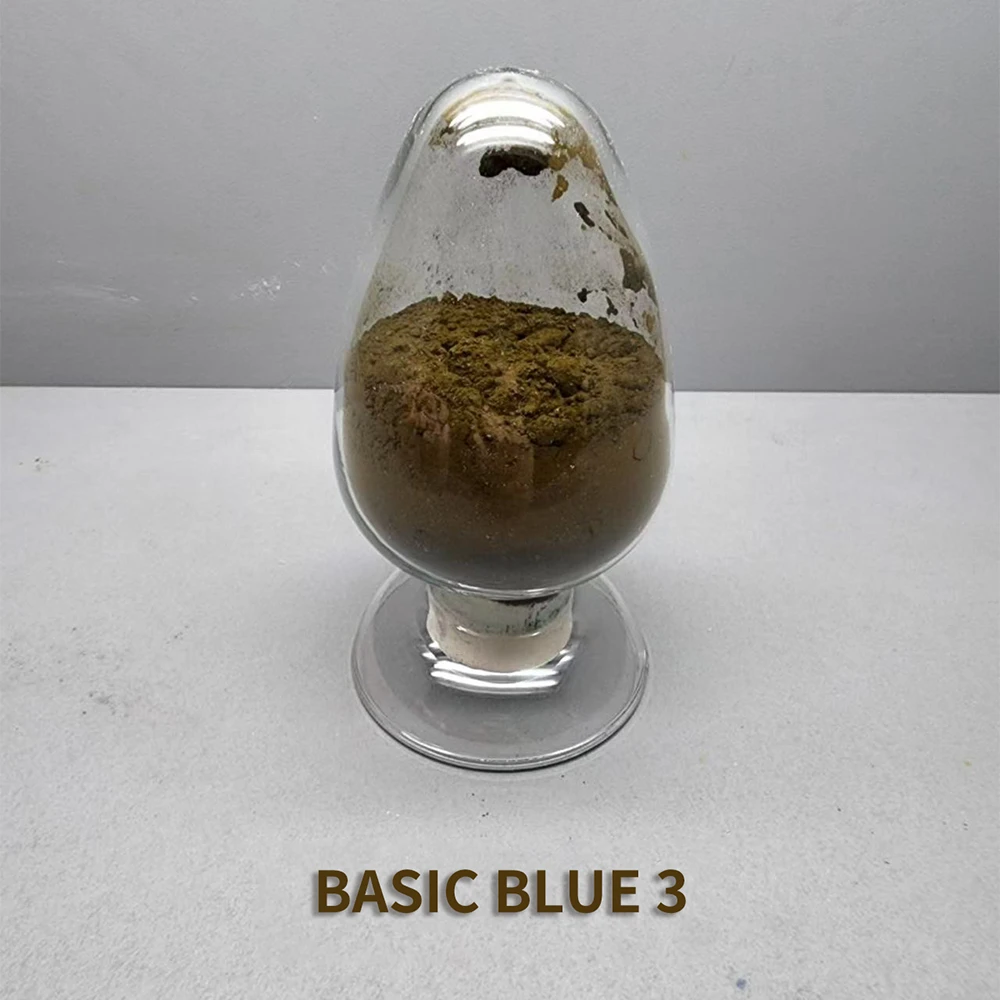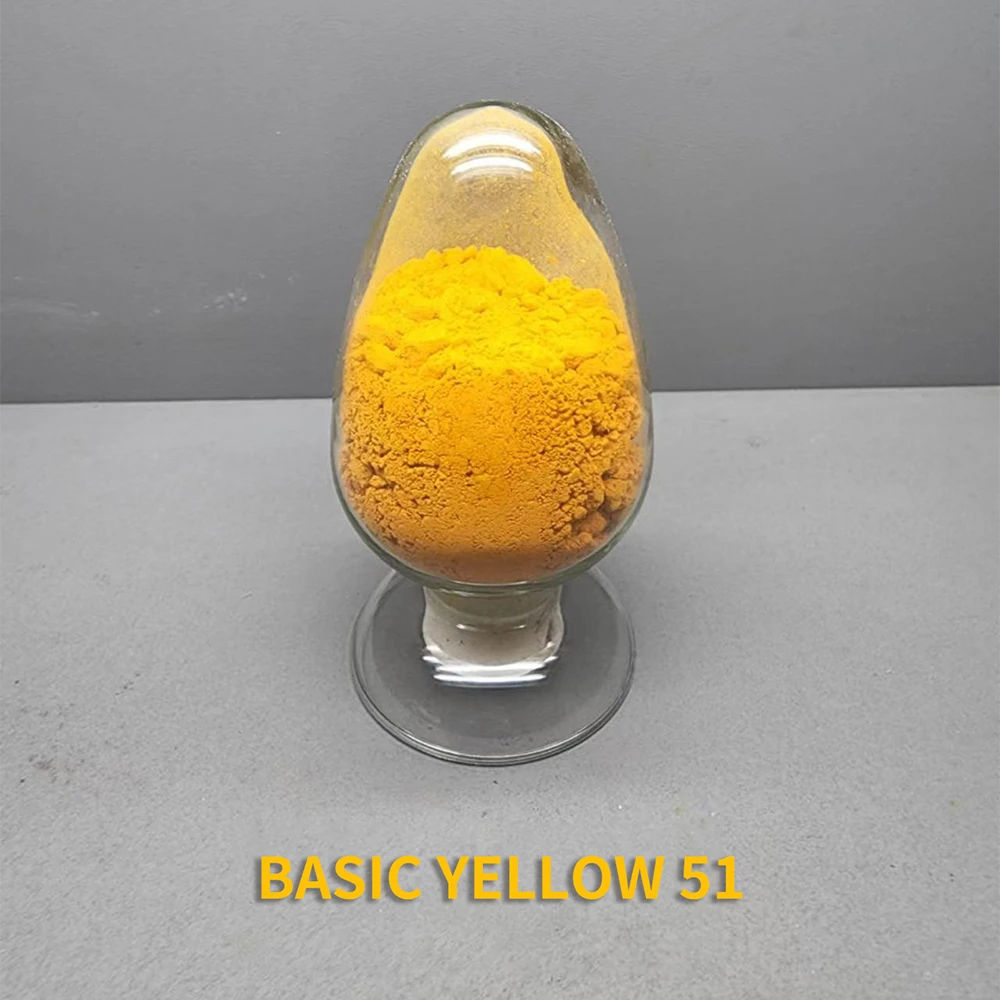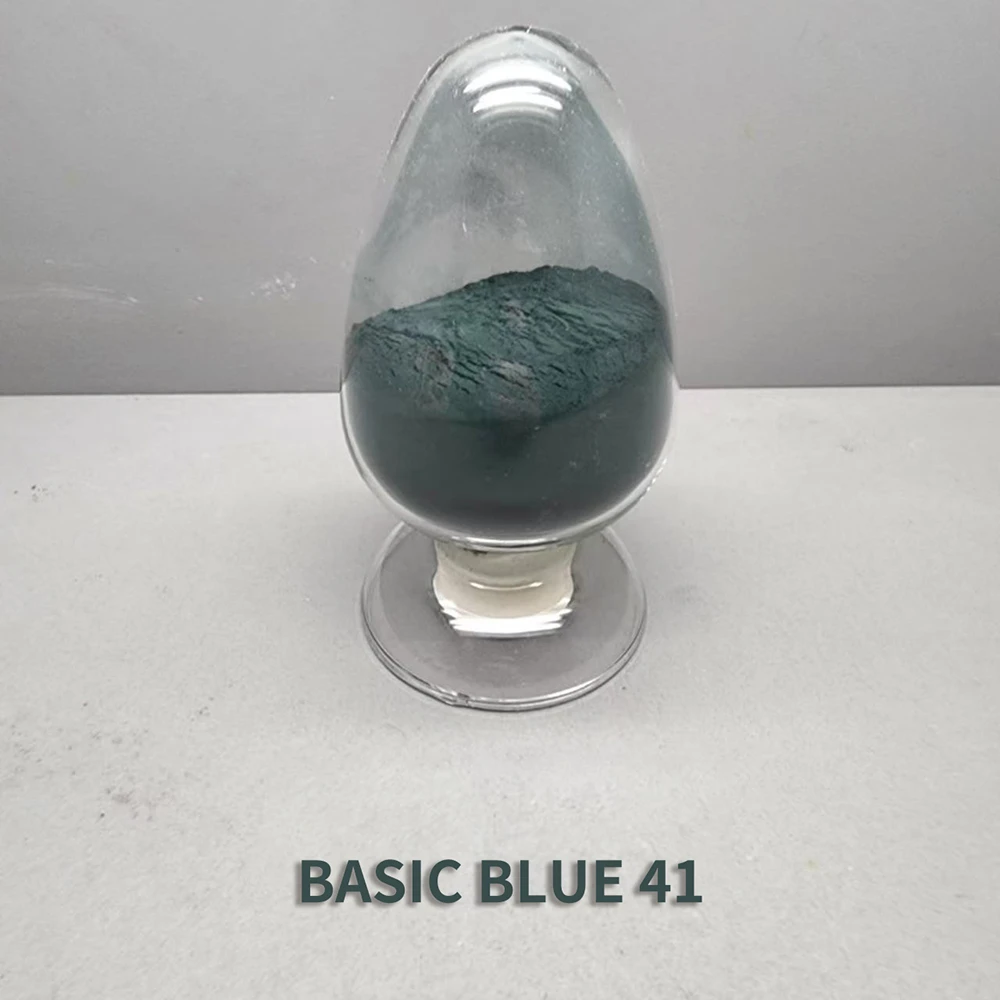
Top Fabric Dye Manufacturers: Sustainable & Innovative Textile Solutions
Why Fabric Dye Manufacturers Matter Today More Than Ever
You might not think about fabric dye manufacturers much—after all, dyes are mostly behind-the-scenes players in the textile story. But these manufacturers hold the keys to how colors breathe life into fabrics worldwide, impacting everything from fashion trends to industrial uses, and even humanitarian aid. With a growing global population and ever-evolving sustainability standards, understanding fabric dye manufacturing is not just a niche concern — it’s a bridge between style, supply-chain resilience, and environmental responsibility.
The Global Context: A Colorful Yet Complex Industry
According to recent UN trade data, the global textile market is expected to reach over $1.2 trillion by 2028, with dyes being an essential component that touches every fabric produced. In fact, roughly 15% of the raw materials cost in textiles relates to dyes and pigments, making fabric dye manufacturers crucial cogs in a massive economic machine.
However, there’s a catch. The industry faces significant environmental challenges—textile dye effluents rank among the top polluting wastewaters worldwide (source: UNEP). Plus, supply disruptions during the pandemic revealed the fragility in sourcing reliable, sustainable fabrics. So manufacturers aren’t just working with colors — they’re tackling a global puzzle of efficiency, environmental safety, and scale.
What Exactly Do Fabric Dye Manufacturers Do?
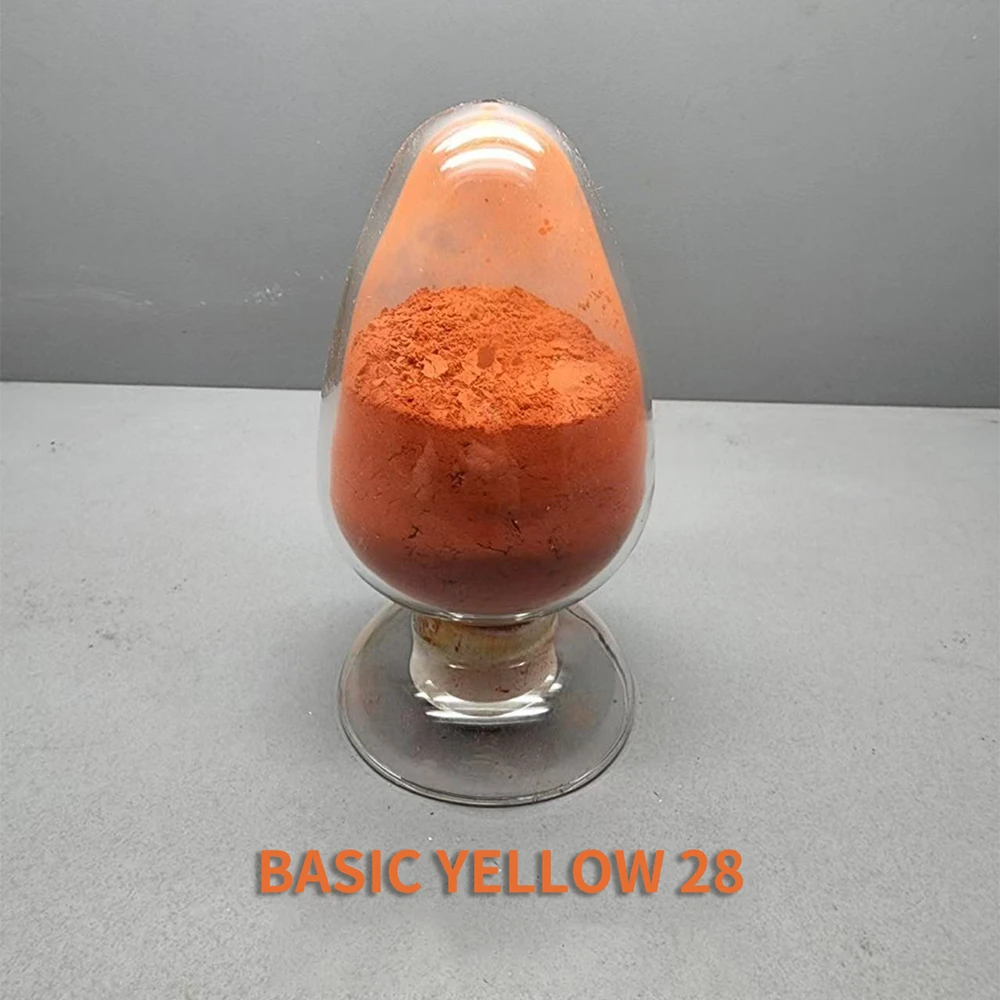
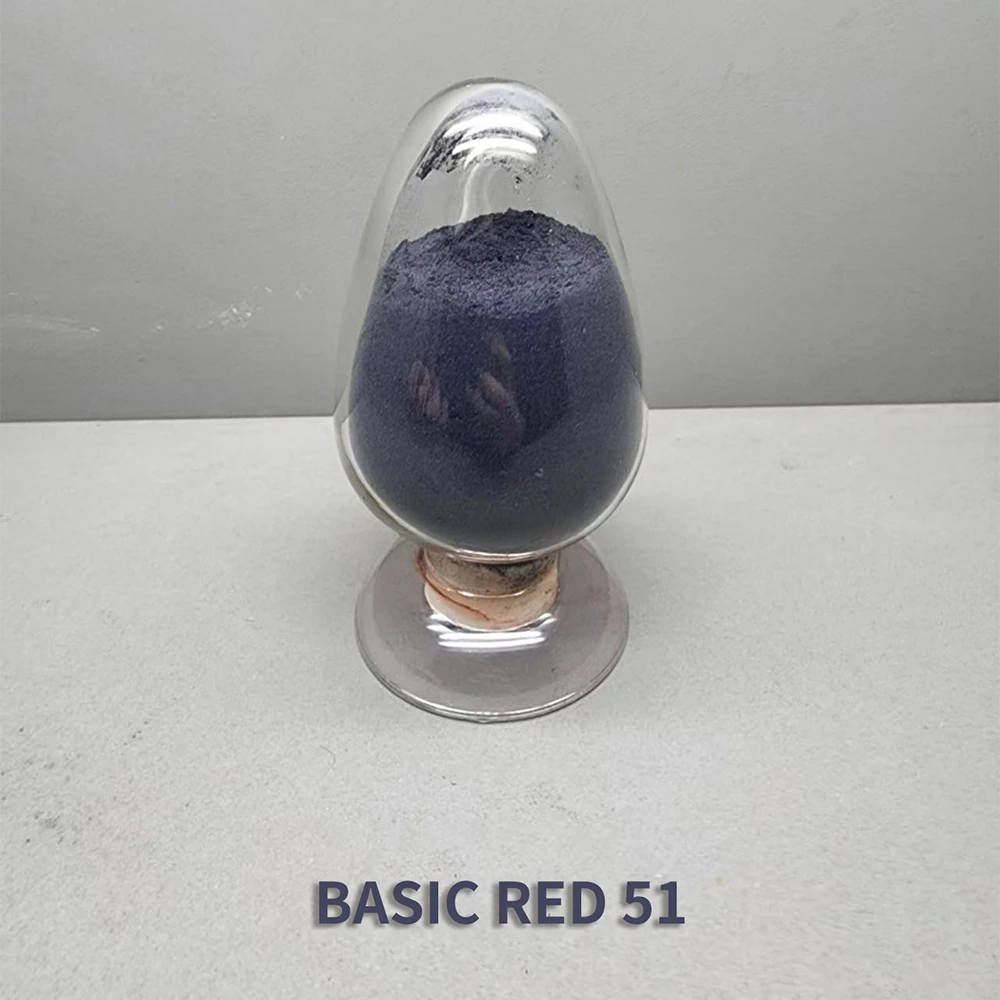
At its simplest, a fabric dye manufacturer formulates and produces dyes—coloring agents that attach to fibers, changing their appearance and sometimes even enhancing performance. These manufacturers must balance chemistry, material science, and increasingly, ecological considerations to deliver products that meet the diverse needs of apparel, upholstery, technical textiles, and more.
They’re not just “color-makers.” Their work connects deeply with industries such as fast fashion, automotive interiors, geo-textiles for construction, and even medical fabrics that demand exacting standards for safety and durability.
Core Components Influencing Fabric Dye Manufacturing
1. Durability & Wash Fastness
No one wants a shirt that fades after one wash. Manufacturers focus heavily on how dyes bind with fibers — cotton, polyester, nylon — to ensure colors withstand washing, sunlight, and abrasion. This longevity directly impacts customer satisfaction and sustainable use.
2. Scalability & Production Capacity
Fabrics require massive quantities of dye agents. From boutique designers to global apparel giants, fabric dye manufacturers must flex production capabilities to meet sudden surges without compromising quality. Oddly enough, the ability to scale quickly often separates reliable suppliers from the rest.
3. Cost Efficiency
Dye production is resource-intensive: raw materials, energy, water — all come at a price. Competitive pricing without sacrificing safety or quality is a tightrope walk. Smart manufacturers innovate with cost-saving chemical processes or waste recycling to keep dye affordable for all sectors.
4. Sustainability & Eco-Friendly Composition
This one’s growing from a “nice-to-have” to a “must-have.” Environmentally-friendly dyes avoid heavy metals and toxic chemicals, utilize renewable inputs, and produce less wastewater. Customers and regulators alike increasingly demand these green credentials.
5. Innovation & Customization Options
Clients often need specific shades, quick turnaround, or performance features like UV resistance or antibacterial effects. Manufacturers that offer tailored solutions tend to build stronger partnerships with brands across industries.
Real-World Applications of Fabric Dye Manufacturing
From the bustling garment factories of Southeast Asia to remote industrial hubs in Africa, fabric dye manufacturers pepper industries with their colorful contributions:
- Fashion & Apparel: Designers rely on fast, vibrant, consistent dyes for ready-to-wear collections.
- Technical & Industrial Textiles: Construction fabrics, automotive seat covers, and filtration materials all need specialized dyes that meet durability and safety standards.
- Humanitarian Aid & Relief: Post-disaster shelters and uniforms require dyes that don’t fade under rough conditions, ensuring dignity and visibility.
(Helpful note: such NGO projects often inquire specifically about hypoallergenic, non-toxic dyes.) - Home Furnishings: Upholstery fabrics and curtains rely on colorfastness to maintain aesthetic appeal for years.
For example, in the aftermath of recent natural disasters, NGOs working on emergency shelters have sourced fabrics from manufacturers emphasizing sustainable dyes that resist fading even under harsh sun exposure — combining utility with environmental care.
Advantages and Long-Term Value of Quality Fabric Dye Manufacturing
Why does it matter, aside from aesthetics? Here’s what makes smart dye choices a real game-changer:
- Cost Savings: Durable dye means less replacement or rework, saving money over time.
- Environmental Benefits: Sustainable dyes reduce pollution and waste impact, complying with global regulations (ISO Environmental Standards).
- Social Responsibility: Using safe, non-toxic dyes protects workers and end consumers alike.
- Innovation Trust: Reliable, customizable dyes build brand loyalty among manufacturers and retailers.
Looking Ahead: Trends Shaping the Future for Fabric Dye Manufacturers
The future? It’s bright—and green. Industry leaders are leveraging digital design tools for precise color matching, automating production lines for efficiency, and experimenting with bio-based dyes that come from algae or fruit extracts rather than petrochemicals. Some manufacturers are partnering with eco-certification initiates, tapping into growing consumer demand for transparency.
Plus, emerging regulations are pushing toward zero-discharge in wastewater, meaning dye manufacturers are investing in closed-loop water systems and on-site treatment plants.
Challenges in Fabric Dye Manufacturing: Realities and Solutions
Of course, the path isn’t smooth. Supply chain volatility often drives up raw material costs or disrupts availability. Strict environmental controls require costly upgrades. Sometimes, achieving scalability without sacrificing bespoke solutions feels like a puzzle.
That’s why top fabric dye manufacturers increasingly adopt agile management practices and invest in R&D to create multi-functional dyes — combining color, UV protection, and antimicrobial properties in one go — thus streamlining production while satisfying diverse demands.
Fabric Dye Manufacturing FAQ
- Q: How do fabric dye manufacturers ensure color consistency at scale?
- A: They use precision formulation controls and digital spectrophotometers to match colors batch-to-batch, supported by strict quality processes throughout production.
- Q: What environmental regulations impact fabric dye manufacturers?
- A: Regulations often focus on wastewater discharge limits, banning certain hazardous chemicals. Compliance with regional and international standards (e.g., REACH in Europe) is essential for market access.
- Q: Can fabric dyes be customized for specific industrial needs?
- A: Absolutely. Manufacturers offer custom color matching, chemical treatments for durability or antimicrobial properties, and formulations safe for sensitive applications like medical textiles.
- Q: Are there sustainable alternatives to traditional synthetic dyes?
- A: Yes. Bio-based dyes derived from plants, bacteria, or even waste products are gaining traction, although commercial scale and cost competitiveness are still factors to watch.
- Q: How do manufacturers support clients during supply chain disruptions?
- A: Many maintain safety stock, diversify raw material sources, and work closely with clients to adjust delivery schedules or offer alternative formulations temporarily.
Product Specification Overview: Typical Fabric Dye Characteristics
| Specification | Typical Range | Notes |
|---|---|---|
| Colorfastness to Washing | 4 to 5 (Scale 1-5) | High durability preferred |
| pH Range | 4 - 9 | Adapted to fiber type |
| Heavy Metal Content | Ensures environmental safety | |
| Water Usage per kg Dye | ~50 Liters | Targeting reduction with innovations |
| Typical Lead Time | 2-6 weeks | Depends on customization |
Comparing Leading Fabric Dye Manufacturers
| Vendor | Sustainability Focus | Customization Options | Production Capacity (MT/month) | Global Reach |
|---|---|---|---|---|
| Yanhong Chemical Ltd. | High (ISO 14001 certified) | Extensive – Tailor-made formulas | 500+ MT | Asia, EU, Americas |
| Chromatic Dyes Inc. | Medium (Focused on water reduction) | Moderate – Standard color ranges | 300 MT | North America, Europe |
| EcoBlend Solutions | Very High (Bio-based dyes) | High – Innovative bio-formulas | 150 MT | Global (specialty markets) |
I guess the big takeaway here is that fabric dye manufacturers are evolving with the times — blending tradition with tech and ecological thinking. It feels less like a secretive art and more like a global imperative weaving through every thread we touch.
For those scouting reliable, innovative partners in this domain, companies like fabric dye manufacturers offer vast expertise and adherence to high environmental standards — a must in today’s conscientious market.
In real terms, aligning with the right supplier can cascade into faster production, stronger sustainability stories, and ultimately, happier customers who look good and feel good in their garments.
References & Further Reading
-
Industrial Dark Red Fabric Dye: Durable & High-Quality Textile ColorNewsDec. 31, 2025
-
Comprehensive Guide to CI Basic Violet 3 – Uses, Properties & Industry InsightsNewsDec. 03, 2025
-
Guide to Choosing the Best black color dye for clothesNewsApr. 09, 2026
-
Teal Fabric Dye: Durable Industrial Solutions for Textile ApplicationsNewsDec. 07, 2025
-
Light Pink Fabric Dye – Precision & Quality from Yanhong ChemicalNewsJan. 05, 2026
-
Fabric Dye For Curtains – High-Performance Solutions for Textile Manufacturers | YanhongchemNewsJan. 05, 2026