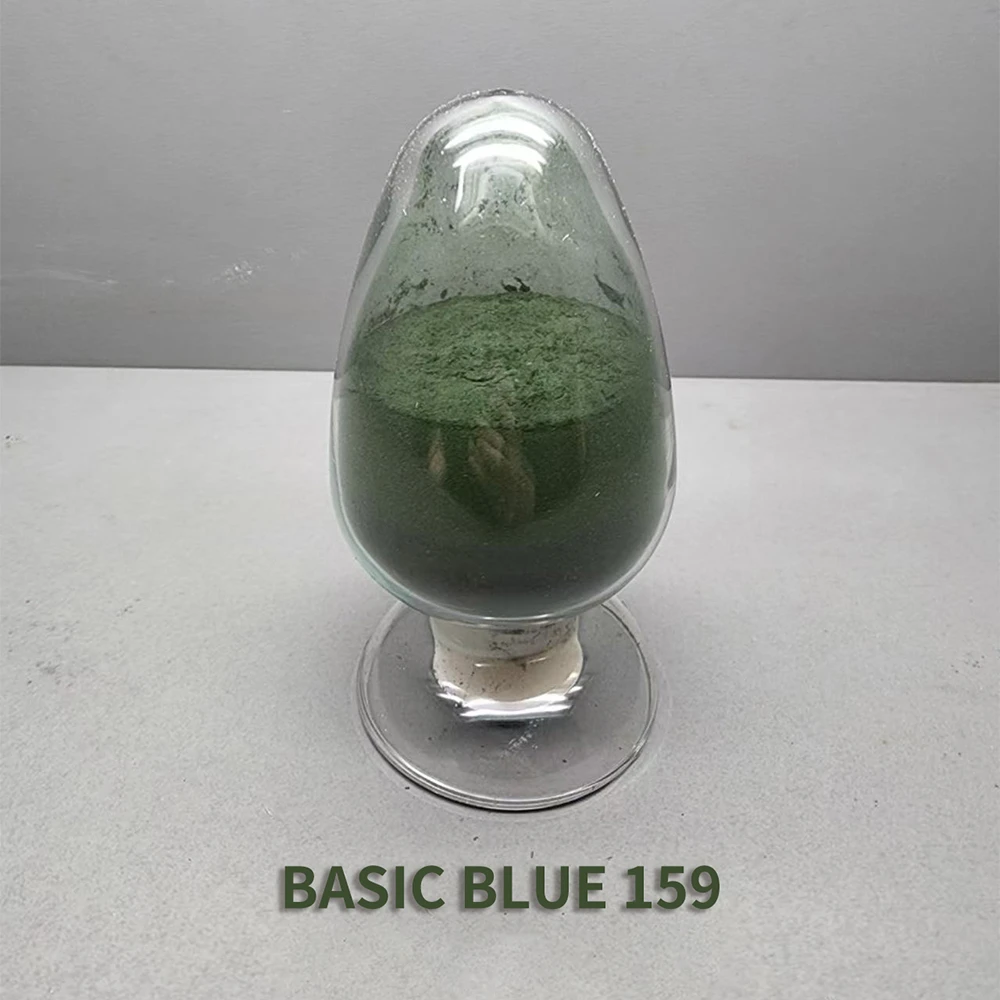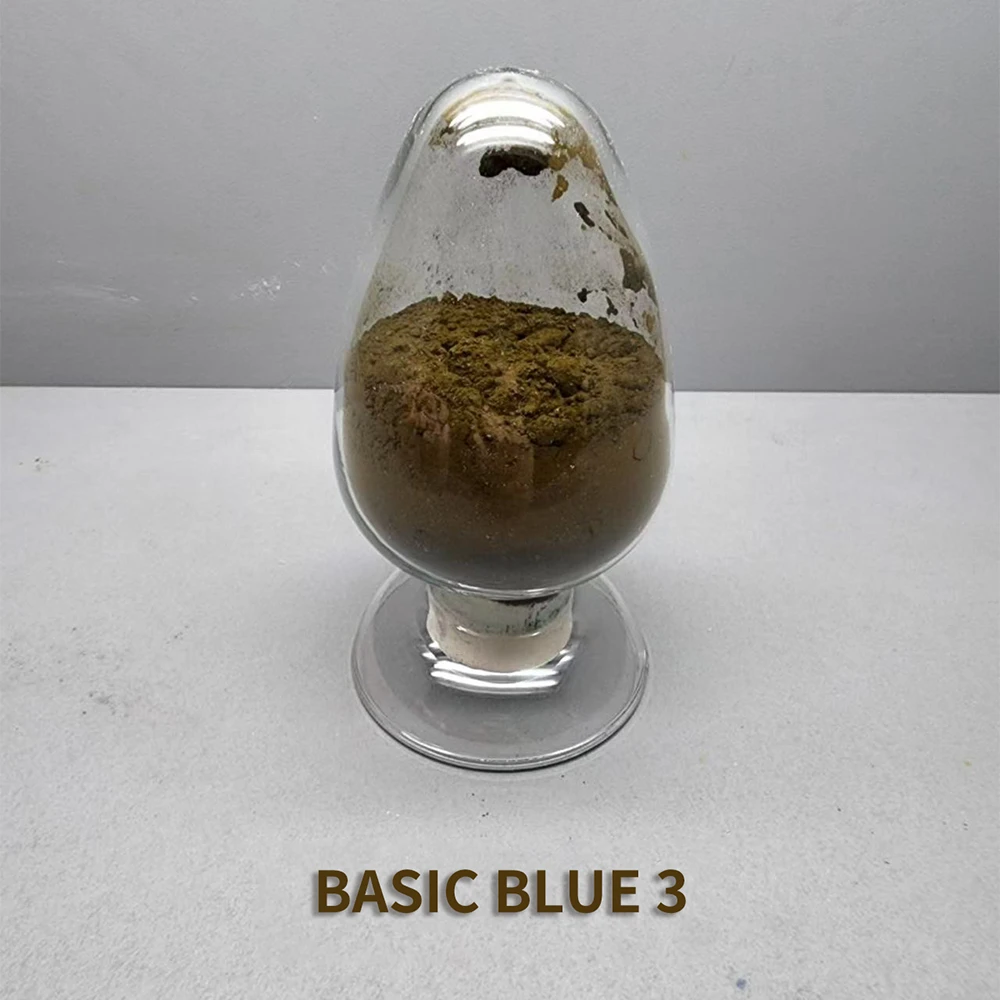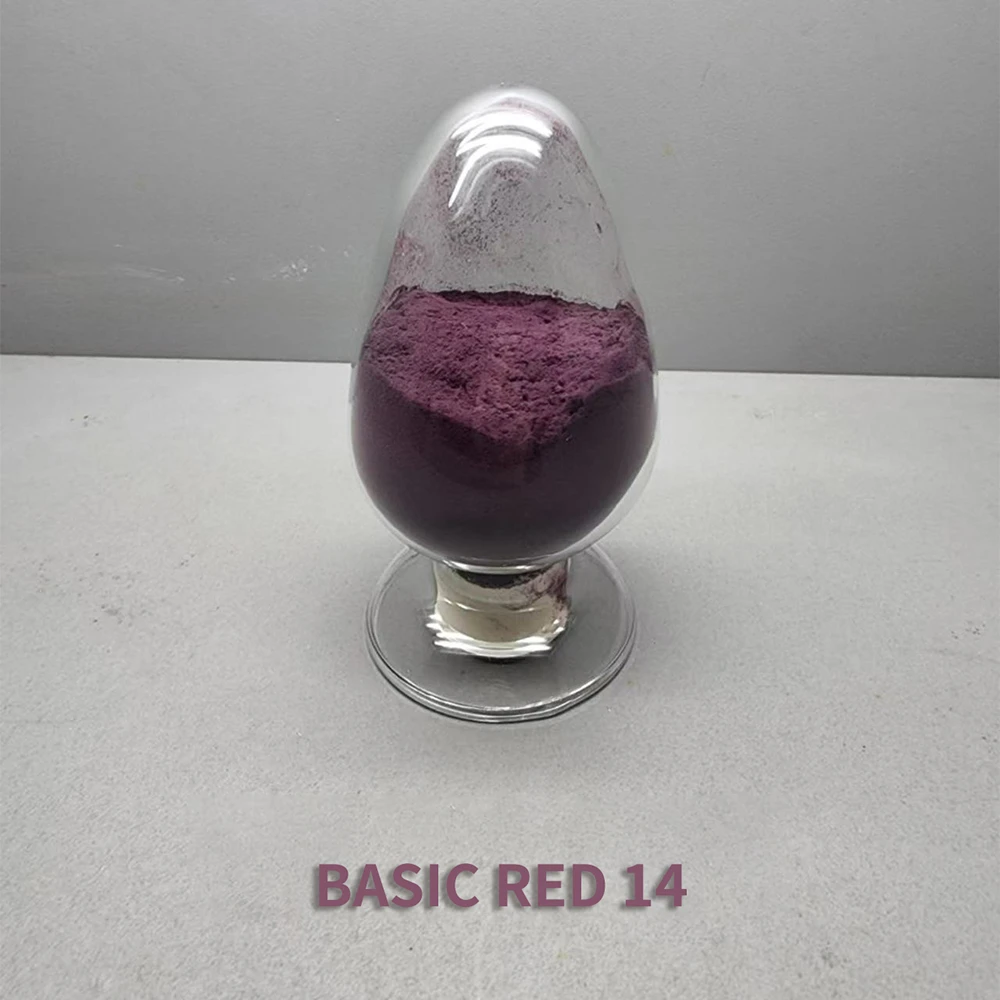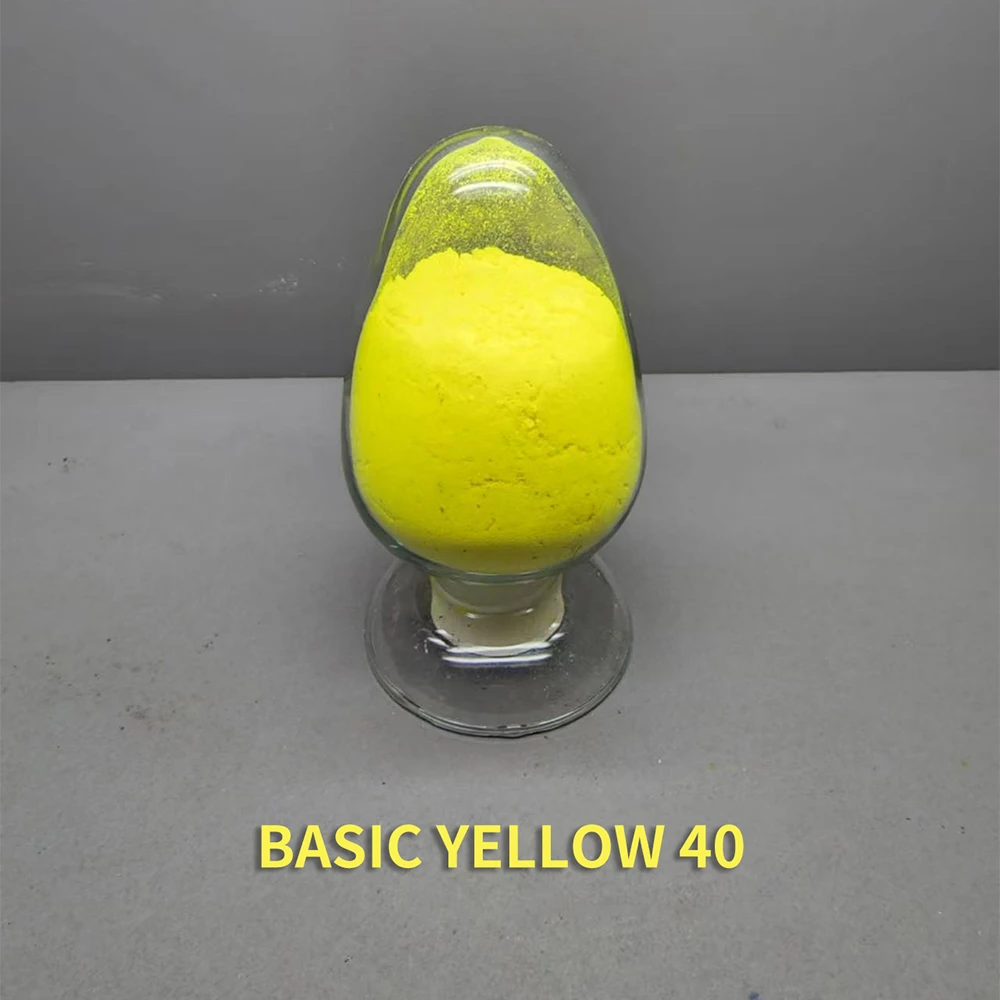
Tan Fabric Dye: Sustainable, Durable, and Versatile Textile Solutions
Understanding Tan Fabric Dye: A Global Perspective
Tan fabric dye may sound niche, but it’s anything but trivial in the global textile industry and beyond. If you’ve ever noticed the subtle, earthy hues in military uniforms, outdoor gear, or even casual apparel, that’s tan dye quietly doing its job. The significance of this dye stretches far beyond aesthetics—it intersects with sustainability, industrial innovation, and even humanitarian initiatives worldwide. Knowing about tan fabric dye and how it’s evolving helps manufacturers, designers, and consumers make smarter, more eco-conscious choices.
Globally, the textile industry consumes millions of tons of dye annually, with environmental stakes worsening each year (according to the UN Environment Programme). Trends now lean heavily toward dyes that are not only colorfast but also eco-friendly, cost-effective, and scalable. Tan fabric dye fits many of these criteria, offering a widely used neutral tone that blends well in many applications. But what exactly is it, and why all the fuss? Let’s dig a bit deeper.
Why Tan Fabric Dye Matters Globally
Roughly 60% of the world’s population wears some form of dyed fabric daily, with the global textile dye market hitting nearly $10 billion USD in recent years (Statista). Tan shades dominate in sectors like outdoor recreation, military uniforms, and fast fashion staples, largely because the hue is versatile, hides stains fairly well, and blends into many environments.
However, the challenge lies in producing tan dyes without harmful chemicals that pollute water sources or introduce toxins into supply chains. The World Bank estimates textile dyeing and finishing as responsible for up to 20% of global industrial water pollution. This forces the industry and innovators to rethink traditional dyes and switch to more sustainable options, many of which include advances in tan fabric dyes.
Defining Tan Fabric Dye and Its Industrial Role
Put simply, tan fabric dye refers to the chemical formulations used to imbue fabrics with a dry, warm shade of brownish-beige, reminiscent of tanned leather or desert sands. This color results from combinations of various dye types like reactive, acid, or disperse dyes depending on the fiber type—cotton, polyester, or nylon.
Its uses aren’t just fashion-oriented. Militaries use tan-dyed textiles for camouflage, humanitarian agencies rely on tan tarps and tents to blend into natural environments subtly, and environmentally conscious brands turn to naturally derived tan dyes to minimize ecological footprints.
Core Aspects of Tan Fabric Dye You Should Know
Durability and Colorfastness
Few things are as frustrating as seeing your favorite shirt fade to a dull version of itself. Tan fabric dyes are formulated for high color retention, even after repeated washing or UV exposure, which is crucial for outdoor and uniform applications.
Eco-Friendliness
A growing number of tan dyes come from natural sources or use low-impact chemical processes that significantly reduce water and energy consumption. For example, plant-based tan dyes from materials like walnuts or tea offer biodegradable options without sacrificing performance.
Cost Efficiency
Despite rising raw material costs, tan fabric dyes remain competitively priced in the market, mainly because their production often involves simpler chemical blends than brighter or more complex colors.
Scalability for Mass Production
Because tan is a widely desired neutral tone, the manufacturing processes are often optimized for high-volume output, making it a practical choice for large apparel brands or industrial fabric suppliers.
Fiber Compatibility
Versatility is key—tan fabric dyes work well across different textile fibers, an important factor for industries mixing cotton, synthetics, or blends.
Safety & Regulatory Compliance
With increasing legislation around chemical safety in textiles (think REACH in Europe or OEKO-TEX standards), tan fabric dyes are formulated to meet stringent guidelines and reduce human and environmental toxicity.
Mini takeaway: The perfect tan dye balances durability, sustainability, cost, and compatibility, making it indispensable across numerous industries worldwide.
Real-World Applications of Tan Fabric Dye
So where does it all come together in practice? Many use cases reveal the breadth of tan fabric dye applications:
- Military and tactical gear: Camouflage uniforms and gear need the subtle tan shade for effective concealment in arid and desert regions.
- Outdoor recreation: Hiking apparel, tents, and backpacks frequently feature tan fabrics to appeal to consumers who want neutral, durable gear.
- Fast fashion and lifestyle brands: Tan clothing lines reflect current trends favoring earth tones and minimalist design.
- Humanitarian aid: Disasters often require tan-colored temporary shelters or tarpaulins that blend with environments for privacy and low visibility.
- Interior design textiles: Upholstery and draperies use tan fabric dye to bring warmth without overwhelming bright colors.
For instance, in post-disaster relief operations in semi-arid zones, tan-colored facilitation tents are preferred since they are less visible from a distance, helping protect displaced families’ privacy and dignity. In industrial zones in Australia or the Middle East, tan fabric dyed uniforms withstand harsh sunlight and bleaching.
Advantages and Long-Term Value of Using Tan Fabric Dye
The appeal of tan fabric dyes extends beyond simple color preference. For manufacturers and end-users alike, the practical benefits pile up quickly:
- Cost Savings: Efficient dyeing processes and competitive pricing reduce production overhead.
- Sustainability: Reduced chemical waste and natural alternatives align with global eco-goals.
- Social Impact: Products reinforced with safe dyes build consumer trust and support fair labor standards.
- Reliability: Consistent color quality means less waste and returns—a basic but crucial benefit in manufacturing.
There’s also the emotional dimension — tan’s earthy tones evoke feelings of stability and warmth, making apparel or gear feel trustworthy and lived-in, much like a favorite pair of worn-in boots.
Key Specifications of Typical Tan Fabric Dye
| Specification | Typical Value | Remarks |
|---|---|---|
| Color Shade | Tan / Light Brown | Standard, earth tone |
| Dye Type | Reactive / Acid / Disperse | Based on fiber |
| Colorfastness (Wash) | Grade 4–5 (ISO 105-C06) | Excellent color retention |
| Environmental Compliance | REACH, Oeko-Tex Standard 100 | Meets strict safety guidelines |
| Application | Batch / Continuous | Flexible for different fab types |
Mini takeaway: In real terms, the precise specs make tan fabric dye a staple that’s as reliable as it is versatile.
Vendor Comparison: Leading Tan Fabric Dye Suppliers
| Vendor | Eco-Certification | Color Variety | Price Per Kg | Lead Time (Days) |
|---|---|---|---|---|
| Yanhong Chemicals | GOTS, OEKO-TEX | 350+ shades | $12 | 14 |
| Global Dye Co. | OEKO-TEX | 280 shades | $14 | 21 |
| EcoDye Naturals | GOTS | 100 shades | $16 | 18 |
Innovations and Future Trends in Tan Fabric Dye
It’s kind of exciting to witness how the humble tan fabric dye is evolving. There’s a strong push toward biodegradable dyes derived from agricultural waste or fungal pigments, which could revolutionize how we color fabrics sustainably. Companies are also experimenting with nanotechnology to enhance colorfastness while using less dye — a win-win for manufacturers and the environment.
Digital textile printing is another frontier allowing on-demand custom tan hues without the waste and water use typical in traditional dye baths. Interestingly, automation and AI are now optimizing dye formulation in real time for consistent output quality. All this points toward a future where tan fabric dye is not just earth-toned but deeply “green” in impact.
Common Challenges and How They’re Being Tackled
Of course, there are hurdles. Achieving perfect uniformity on large batches is tricky, especially with natural or mixed-fiber fabrics. Environmental regulations are tightening, forcing companies to innovate quickly, or else risk fines or reputational damage.
But here’s the good bit — breakthrough fiber-reactive agents and closed-loop water systems have improved dye uptake and reduced effluent drastically. That means less pollution and more savings on water treatment. I chatted with a chemist recently who said it feels like the dye industry is on the cusp of a big leap forward, especially for neutral earth tones like tan.
FAQ: Frequently Asked Questions About Tan Fabric Dye
- What fabrics can be dyed tan using these dyes?
- Tan fabric dyes are versatile and can be applied to natural fibers like cotton and wool, as well as synthetics such as polyester and nylon, thanks to different dye types like reactive, acid, and disperse dyes suited for each fiber.
- How does tan fabric dye impact environmental sustainability?
- Modern tan fabric dyes increasingly use low-impact chemicals and natural sources, resulting in reduced water pollution and energy consumption in production, aligning with international sustainability goals like the UN’s SDGs.
- Are there certifications to look for when choosing a tan fabric dye?
- Yes, certifications such as OEKO-TEX Standard 100, GOTS (Global Organic Textile Standard), and REACH compliance indicate that the dyes meet strict safety and environmental criteria, offering peace of mind to manufacturers and consumers alike.
- Can tan fabric dyes be used for digital textile printing?
- Absolutely. Advances in digital printing technologies have made applying tan shades more efficient and less wasteful, ideal for on-demand and customized products requiring subtle neutral colors.
Wrapping It Up: Why Tan Fabric Dye Will Keep Making Waves
So why does a simple thing like tan fabric dye deserve your attention? Because it represents a crossroads where tradition meets innovation. Its proven track record in durability and style, combined with ongoing eco-friendly advances, means it’s integral to fashion, industry, and humanitarian aid alike. Next time you pull on a tan jacket or see a desert camo tent, you’re literally wearing or witnessing a complex tale of chemistry, sustainability, and care.
Curious to explore what modern tan fabric dyes can do for your products? Visit Yanhong Chemicals — pioneers in eco-conscious textile dyes and solutions.
Mini takeaway: Tan fabric dye isn’t just color. It’s a smart, sustainable choice carrying textile innovation forward.
References / Further Reading
-
Durable Navy Blue Fabric Dye for Industrial Use | Trusted QualityNewsDec. 05, 2025
-
China Basic Dye Factory: High-Purity Dyes, Fast DeliveryNewsDec. 13, 2025
-
China Basic Dye Factory | Colorfast, Eco-Friendly, OEMNewsDec. 13, 2025
-
Durable Fabric Dye for Chairs | Industry-Leading Chemical SolutionsNewsJan. 06, 2026
-
Mauve Fabric Dye: Durable, Sustainable Textile Solutions | YanhongchemNewsJan. 04, 2026
-
High-Quality Synthetic Fabric Dye for Industrial Applications | Yanhong ChemNewsDec. 03, 2025