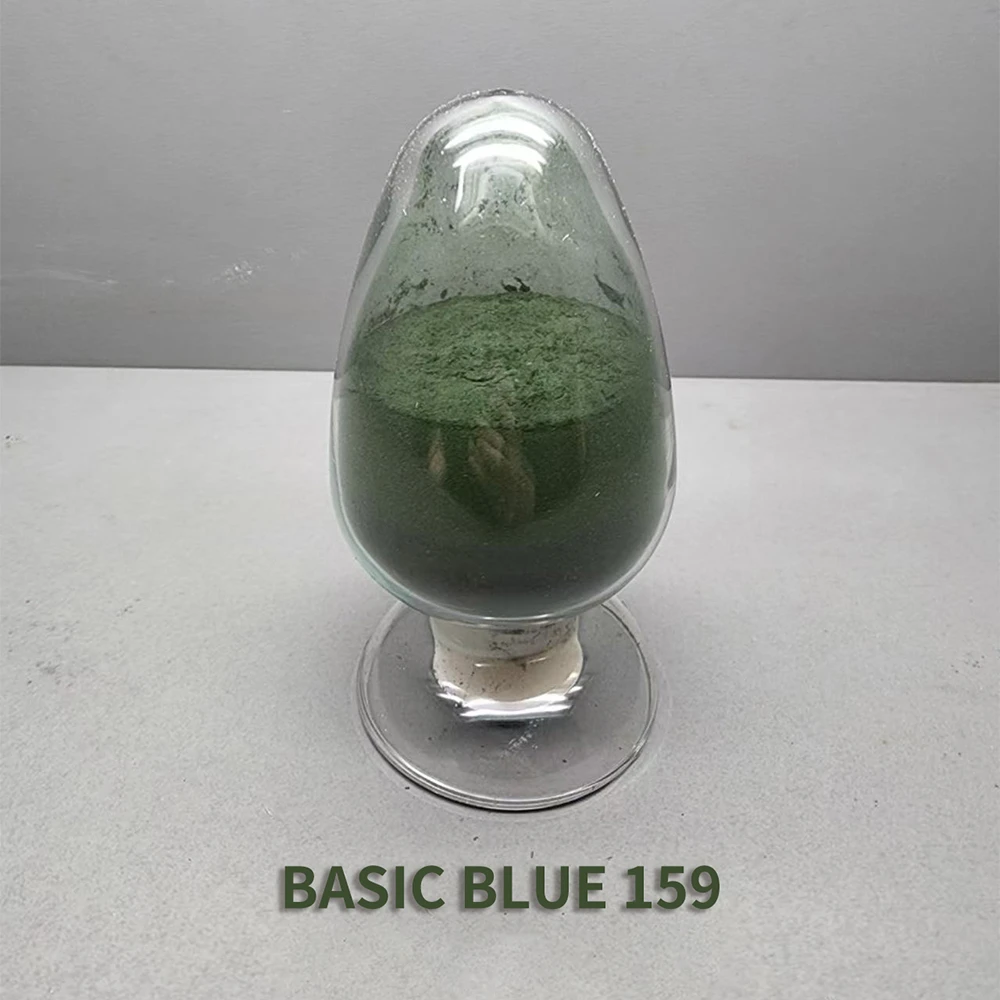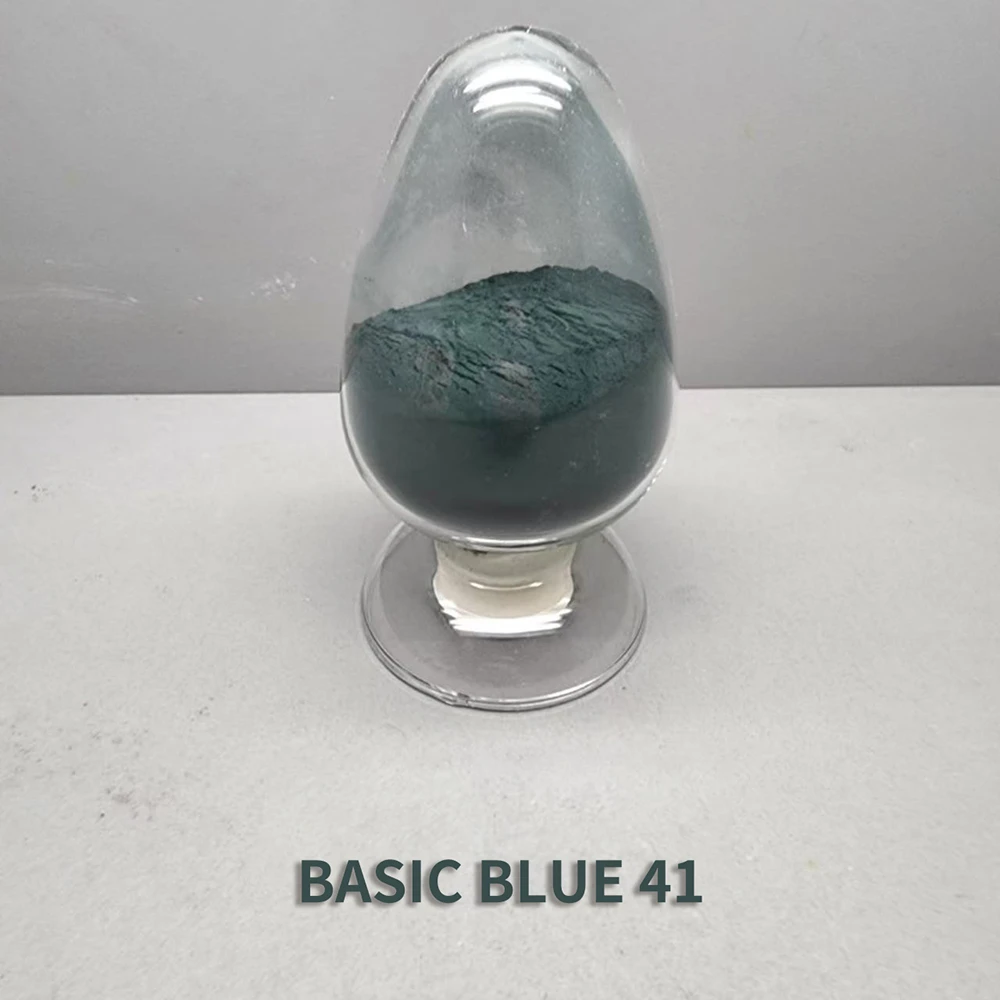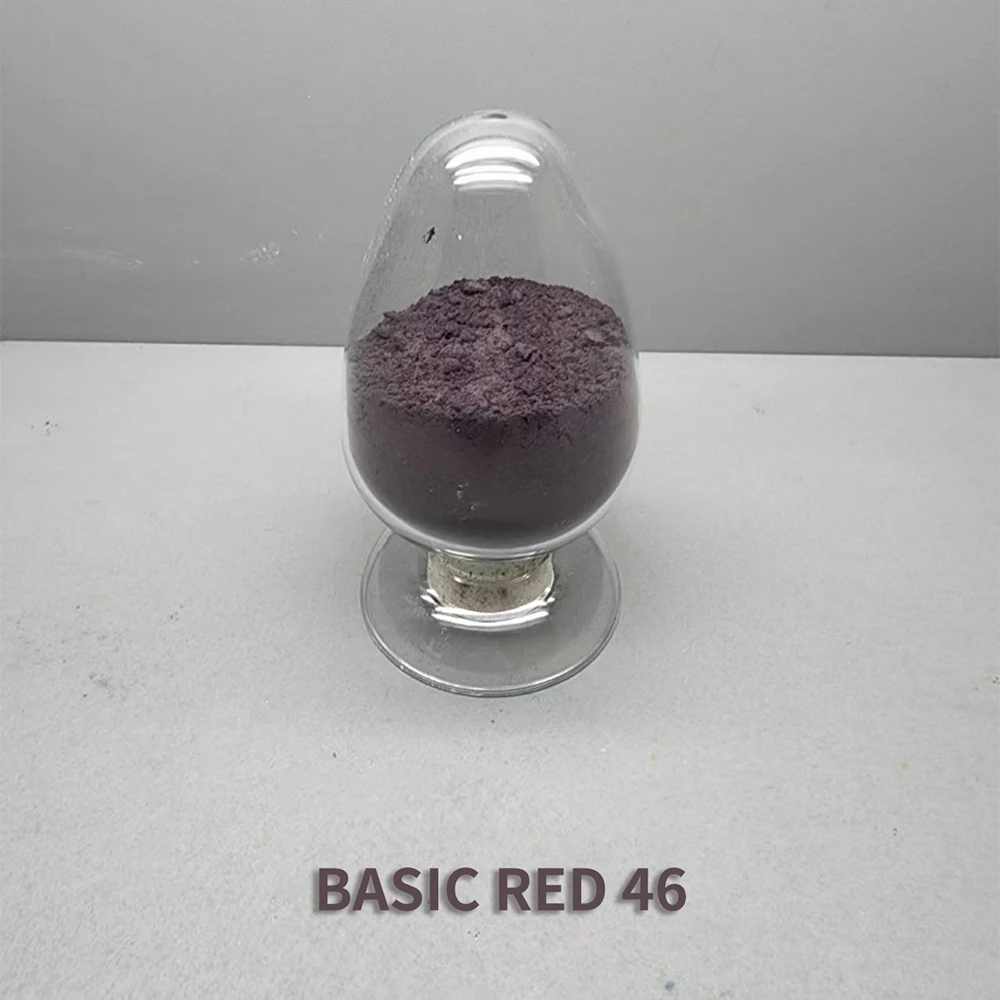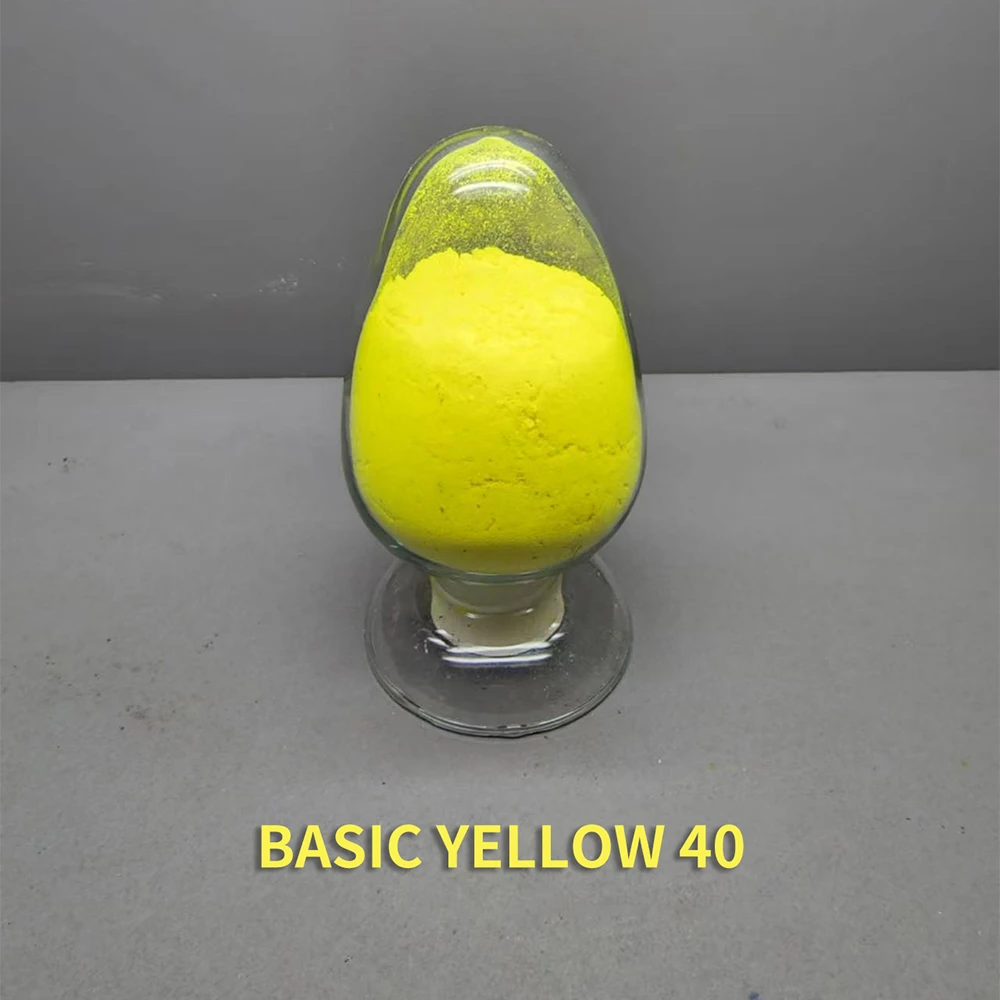
Sky Blue Fabric Dye: Durable, Eco-Friendly Textile Solutions Globally
Understanding Sky Blue Fabric Dye: Its Global Importance and Benefits
At first glance, sky blue fabric dye might seem like just a pretty color choice for textiles. But if you dig a little deeper, you'll find it’s wrapped up in much bigger things — from cultural symbolism to industrial demands, and even sustainability goals worldwide. The sky blue shade, often associated with calmness, clarity, and trust, plays a remarkable role beyond aesthetics. Understanding this dye, its applications, and challenges offers not just better textile production but eco-friendly progress and humanitarian aid support. In other words, appreciating sky blue fabric dye isn’t just about color; it’s about a small but significant thread woven into global textile manufacturing and societal impact.
Why Sky Blue Fabric Dye Matters Globally
The global textile dye market reached an estimated $8.5 billion by 2023, with a steady growth trajectory fueled by fashion and industrial demands. According to ISO reports and UN environmental data, the dye industry is also under the microscope for pollution concerns and sustainability challenges. Sky blue fabric dye specifically, due to its widespread use in uniforms, home textiles, and outdoor gear, is a focal point for combining vibrant color with environmental responsibility.
One challenge it tackles head-on is balancing high-quality colorfastness with less environmental impact—an issue many manufacturers wrestle with, especially as regulations tighten across Europe and Asia. The use of sky blue fabric dye in disaster relief tents and hospital uniforms also underlines its humanitarian significance. In these scenarios, durability and non-toxic formulation aren’t just nice-to-haves — they’re essentials.
What Exactly Is Sky Blue Fabric Dye?
Simply put, sky blue fabric dye refers to any textile dye that produces a clear, bright blue hue reminiscent of a clear daytime sky. It can be derived from pigment dyes, reactive dyes, or vat dyes, each with distinctive chemical properties shaping how they bond with fabric fibres. These dyes serve industries from fashion and home décor to technical textiles for safety and medical use.
The dye's brightness and calm hue make it appealing not only for aesthetics but also for its symbolic meanings: trust, serenity, and cleanliness—qualities valued in uniforms and institutional fabrics. Its manufacture and adoption often mirror modern needs for fast, scalable, and sustainable fabric color solutions.
Core Factors Defining Sky Blue Fabric Dye
1. Durability and Colorfastness
Perhaps the top priority, durability ensures items dyed sky blue remain vibrant through washing, sunlight exposure, and wear. Reactive and vat dyes offer superior colorfastness but vary in environmental impact.
2. Environmental Impact
It’s not enough to just look good—modern textile dyeing must minimize water pollution and chemical waste. Many companies now prefer low-impact or natural dyes to address this.
3. Scalability
From small artisanal batches to mass industrial runs, the dye needs to perform consistently. This is crucial for brands and relief agencies alike, where uniform shade and quality matter.
4. Cost Efficiency
Despite the push for sustainability, manufacturers have to balance expenses. Sky blue fabric dyes that offer longevity reduce total lifecycle costs.
5. Safety and Non-toxicity
Especially in medical and children’s products, the dye’s chemical composition must comply with strict safety norms to avoid allergic or toxic reactions.
Global Applications and Real-World Use Cases
Sky blue fabric dye pops up in some surprising places worldwide:
- Disaster Relief Tents: In areas hit by natural calamities—think typhoons in Southeast Asia or earthquakes in South America—sky blue fabric dye colors high-visibility tents and tarpaulins, offering both practical durability and psychological calm for displaced families.
- Healthcare Uniforms: Hospitals across Europe and North America rely on sky blue scrubs for its calming effect on patients and clear stain indication for hygiene.
- Fashion Industry: Fast fashion brands and outdoor gear firms use this shade to convey freshness and reliability, from shirts to backpacks.
- Industrial Workwear: Factories in regions like India and China specify sky blue fabric dyes for worker uniforms to standardize appearance and improve visibility.
Mini takeaway: Sky blue fabric dye isn’t just about looks; it’s a subtle hero underlining many practical, safety, and emotional contexts worldwide.
Product Specification: Typical Sky Blue Fabric Dye Features
| Feature | Specification |
|---|---|
| Type | Reactive / Vat / Pigment Dye |
| Colorfastness (wash) | Grade 4–5 (ISO 105-C06) |
| Eco Certification | OEKO-TEX Standard 100 |
| Toxicity | Non-Azo, Nickel-free |
| Application | Cotton, Polyester, Blends |
| Usage Temperature | 60–90°C |
Comparing Top Sky Blue Fabric Dye Vendors
| Vendor | Price (per kg) | Eco-friendly Credentials | Lead Time | Typical MOQ |
|---|---|---|---|---|
| Yanhong Chemicals | $12.50 | OEKO-TEX, REACH Compliant | 2 weeks | 100 kg |
| BlueSun Pigments | $14.00 | ISO 14001 Certified | 3 weeks | 200 kg |
| EcoDyed Solutions | $13.75 | GOTS Certified Organic | 4 weeks | 150 kg |
Advantages and Lasting Value of Sky Blue Fabric Dye
Sky blue fabric dye doesn’t just color fabric—it brings a palette of advantages:
- Cost-effective longevity: Durable dyes mean products look fresh longer, reducing replacement frequency.
- Sustainability: New formulas lower water and chemical footprints, aligning with global eco goals.
- Social impact: The shade’s calming influence helps frontline workers and displaced people regain comfort.
- Reliability: Consistent dye quality builds brand trust and simplifies supply chain management.
In short, it feels like the dye bridges beauty and responsibility—exactly what the modern textile sector needs.
Emerging Trends and Innovations
Look out for some really cool shifts here:
- Digital Dyeing: Reduces water and time, delivering vibrant sky blue shades with less waste.
- Bio-based Dyes: Using algae or bacteria, these dyes challenge traditional chemical routes.
- Automation: Ensures uniform color and fast turnaround, crucial for mass production.
- Regulatory Push: Tighter rules push vendors to innovate eco-friendlier dye chemistries.
So the future looks a bit brighter (and bluer), with technology and sustainability walking hand in hand.
Addressing Common Challenges
Still, sky blue fabric dyes face hurdles:
- Water Pollution: Some dyes still generate toxic effluents unless carefully managed.
- Cost vs. Quality: Balancing green credentials with affordable prices isn’t trivial.
- Color Variability: Ensuring shade consistency across batches can get tricky.
Fortunately, solutions exist: advanced filtration tech, more precise digital systems, and tighter quality controls all mitigate these issues. Many experts recommend integrating circular economy principles—where leftover dyes get reused—cutting waste and cost simultaneously.
FAQ: Frequently Asked Questions About Sky Blue Fabric Dye
Q1: How long does sky blue fabric dye typically last on cotton fabrics?
A1: With proper dye selection and finishing (such as reactive dyes combined with appropriate washing care), sky blue fabric dye can maintain vibrancy for 30+ washes, roughly 1–2 years of regular garment use. Durability depends on dye type, fabric, and care routines.
Q2: Are sky blue fabric dyes safe for sensitive skin?
A2: Many modern sky blue dyes comply with OEKO-TEX and are free from common allergens like azo compounds and heavy metals, making them suitable for children’s and medical garments. Always check certifications for peace of mind.
Q3: Can sky blue fabric dye be used on polyester?
A3: Yes, but dye chemistry differs. Disperse dyes are commonly used for polyester to ensure deep, lasting colors. Manufacturers select the dye type based on fiber compatibility.
Q4: How does the environmental footprint of sky blue fabric dye compare to other colors?
A4: While the footprint depends on dye chemistry more than color, some blue dyes, especially vat types, can require more complex processing. Advances in eco-friendly formulations are bridging these gaps, reducing impact regardless of shade.
Q5: Where can we source sustainable sky blue fabric dyes internationally?
A5: Leading suppliers like Yanhong Chemicals specialize in eco-friendly dyes with global shipping and certifications. It’s important to verify compliance with local import regulations to ensure smooth delivery.
Wrapping Up: Why Sky Blue Fabric Dye Deserves More Attention
In the grand scheme, sky blue fabric dye is not just paint for clothes but a subtle ambassador of trust, sustainability, and innovation. Its application ranges from humble cotton shirts to life-saving relief shelters, making its role both industry-critical and socially meaningful.
If you’re exploring textile solutions that combine aesthetics with responsibility, keeping an eye on this dye and its evolving technology makes solid sense. For more technical insight or sourcing information, visit our website and dive deeper into how sky blue fabric dye can brighten your product line while staying green.
Mini takeaway: the right shade of blue might just be the spark your supply chain and brand need to align beauty, durability, and eco-consciousness for years to come.
References
-
Basic Yellow 2 Dye - High Purity, Bright Shade, FastnessNewsDec. 13, 2025
-
Exploring the World of Space Dye Fabric A Comprehensive GuideNewsMar. 04, 2026
-
Rhodamine B Cationic Dye - Industrial Grade & Reliable SuppliersNewsDec. 03, 2025
-
Fabric Dye On Human Hair | Durable, High-Performance Dye Solutions from Yanhong ChemNewsDec. 03, 2025
-
What Is Basic Blue? Understanding Its Industrial ImportanceNewsDec. 13, 2025
-
Explore Cationic Dyes Names: Chemistry, Applications & Global InsightsNewsDec. 03, 2025