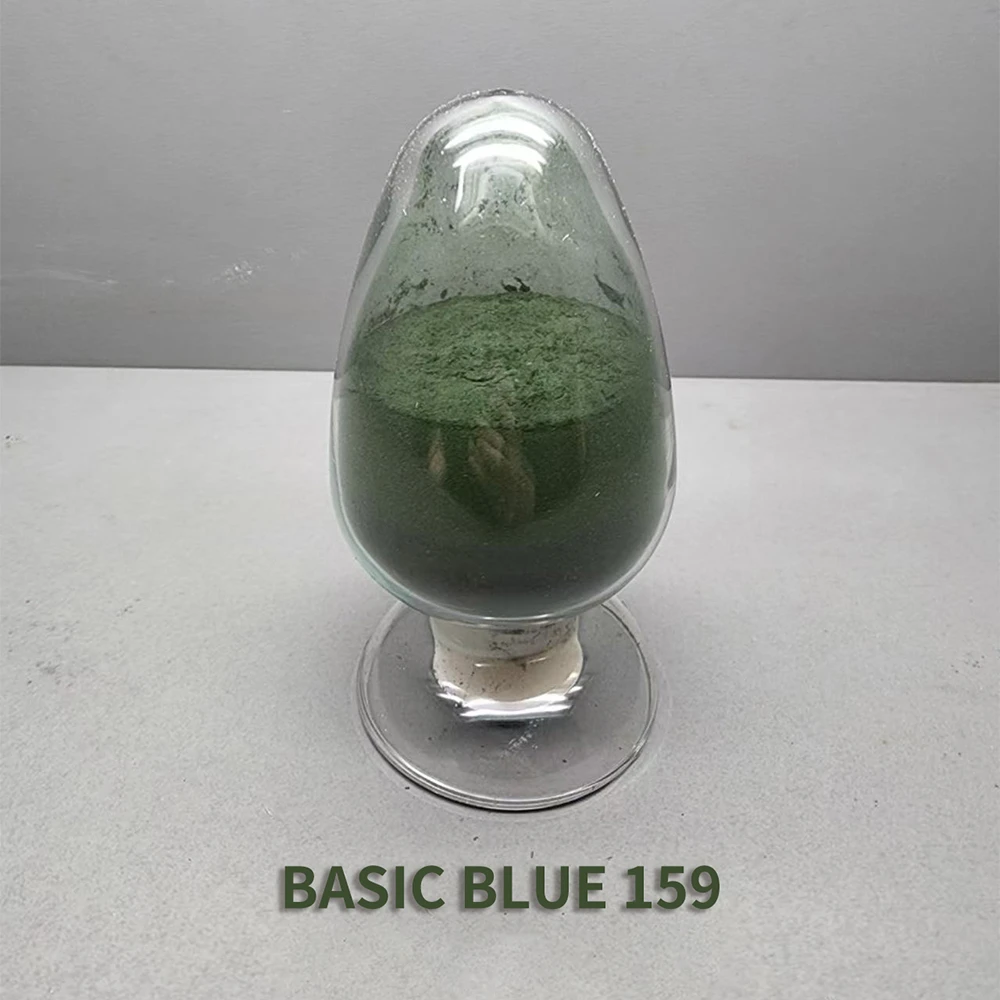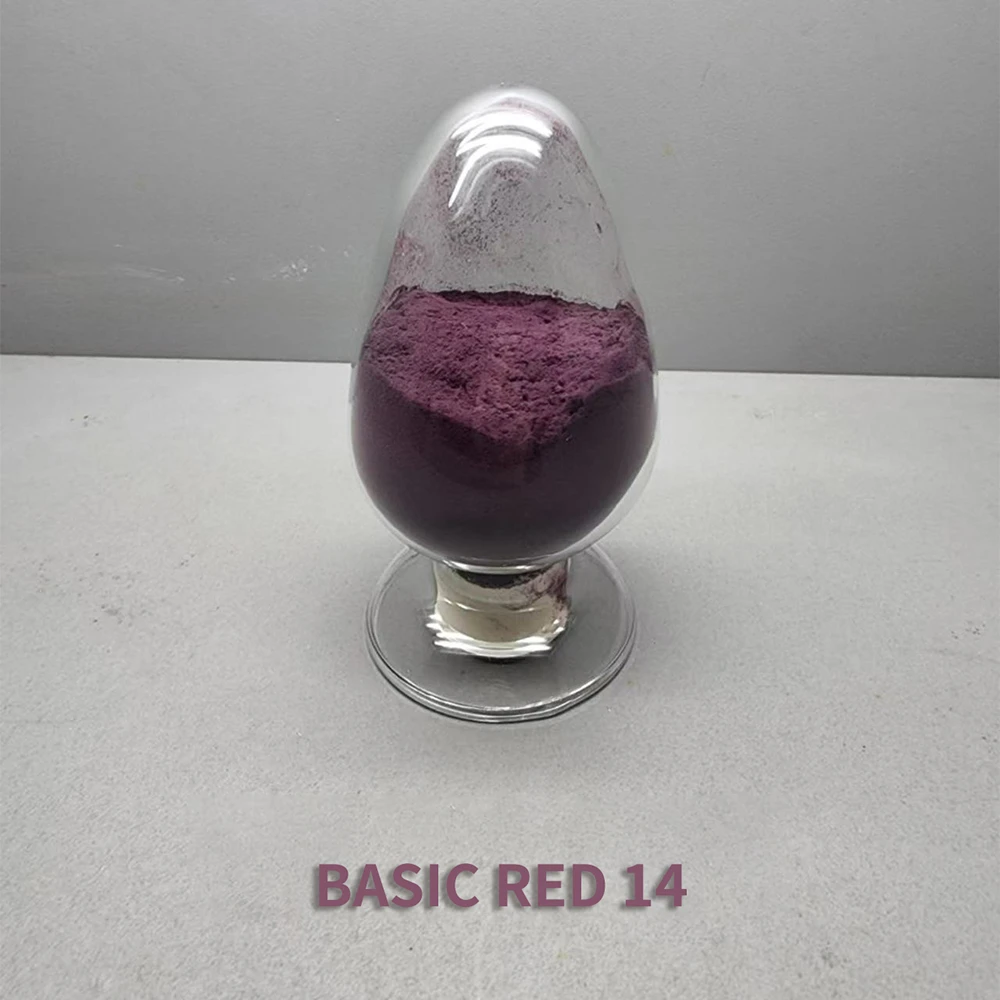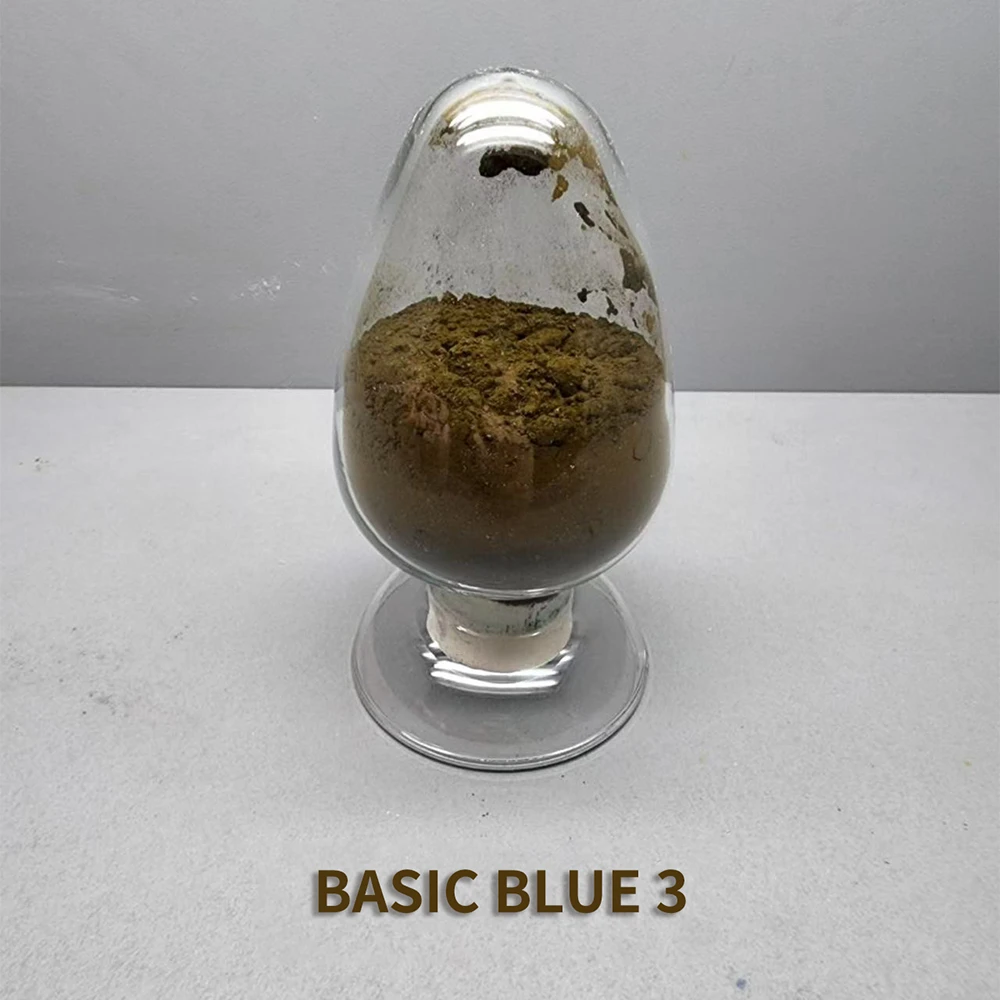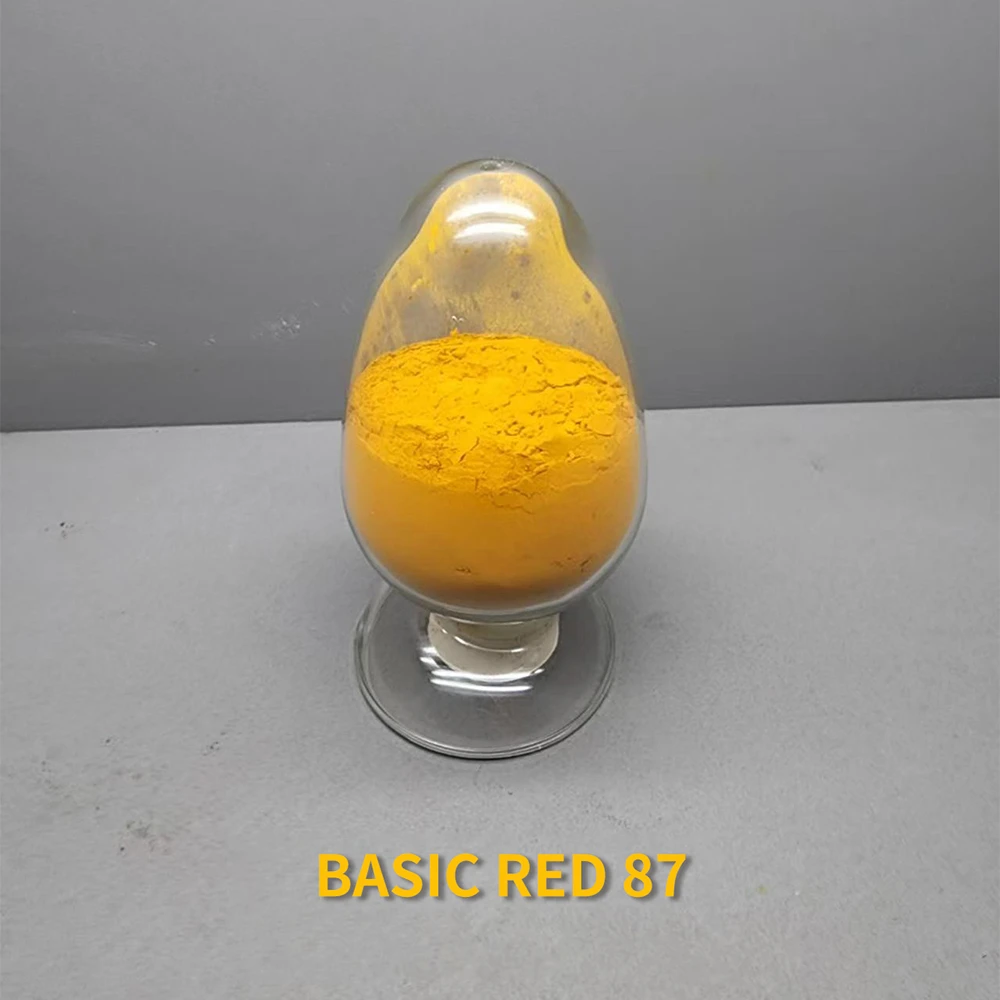
Setting Dye in Fabric – Enhance Color Durability & Eco-Friendly Textile Solutions
Setting Dye in Fabric: Why It Matters More Than You Think
When you think about clothing or home textiles, color is often the first thing that stands out. But have you ever wondered what keeps those colors vibrant wash after wash? That’s where setting dye in fabric comes in. It's not just a neat chemical trick; it's a global game-changer for industries ranging from fashion to humanitarian aid.
Globally, billions of garments are produced every year, and fixing the dye correctly in each fabric reduces waste, ensures quality, and even helps in sustainability. Oddly enough, the art and science of setting dye impacts everything from our favorite T-shirt to satellite insulation fabrics.
Understanding the Global Need for Setting Dye in Fabric
The textile industry accounts for nearly 10% of global carbon emissions and uses vast amounts of water according to the United Nations Environment Programme (UNEP). Poor dye fixation leads to excessive water pollution because unfixed dyes wash out during laundering or production stages. Setting dye in fabric properly can cut down this dye runoff dramatically — and that’s only the start.
In the current landscape of fast fashion, where millions of tonnes of clothes end up discarded annually, ensuring durable coloration is crucial to extending a garment’s life. Plus, industries in developing regions depend on good dye setting techniques to maintain export standards without expensive reprocessing.
So, yes — this isn’t just a niche technical step tucked away in factories; it’s a major doorway to economic, environmental, and social improvement worldwide.
What Exactly Is Setting Dye in Fabric?
Simply put, setting dye in fabric is the process of making the applied color “stick” firmly to the textile fibers. This means the colors won’t fade quickly, bleed, or wash away. While it sounds straightforward, it involves a ballet of chemistry, temperature control, and timing to ensure dyes aren’t just sitting on the fabric’s surface but are bonded properly.
From cotton T-shirts to performance wear made of synthetic fibers, each fabric type demands a tailored dye-setting method. It touches everything from industrial manufacturing lines to the humanitarian relief efforts—where durable, clear-colored fabrics can mean the difference in shelter quality or medical uniform reliability.
Main Factors That Affect Setting Dye in Fabric
1. Durability
How well does the dye hold up during washing, sunlight exposure, or rubbing? Durable dye-setting methods ensure that colors don’t fade or migrate, which helps products last longer and look better. Many engineers say that durability is the first hurdle in delivering quality textiles that consumers trust.
2. Compatibility with Different Fibers
Now, cotton, polyester, nylon, and blends all react differently to dyes and fixation methods. Achieving a perfect “set” dye depends on matching chemistry and temperature to the specific fiber’s molecular makeup.
3. Environmental Impact
The dye-setting step can generate wastewater with leftover chemicals. Sustainable methods minimize pollutants and water use, gaining traction among ISO-certified manufacturers aiming for greener operations.
4. Cost Efficiency
With global supply chains relying on tight margins, the dye-setting process must be both effective and economical. Timing, energy usage, and chemical consumption all factor in.
5. Scalability
From boutique fabric producers to massive industrial mills, methods for setting dye vary in scale. A good technique can scale smoothly without significant quality loss, meaning global players can maintain consistent color standards.
Real-World Applications of Setting Dye in Fabric
The impact of setting dye is everywhere. In Southeast Asia, where textile production is a massive economic driver, improved dye fixation technologies have notably decreased wastewater toxicity levels (ISO 14001 certification references this trend). Meanwhile, in the humanitarian sector, organizations rely on specially dyed fabrics for tents and medical garments that withstand harsh conditions without color degradation — crucial in places like refugee camps or disaster zones.
Another interesting example lies in sports apparel. Athletes require comfortable, long-lasting colors that survive repeated wear and intense washing cycles. Without proper fixation, colors fade fast — a frustration both for brands and customers alike.
If you’re curious about how dyes take to fabric during production, check out this detailed setting dye in fabric resource for advanced techniques and product options.
Advantages and Lasting Benefits of Proper Dye Setting
- Cost Savings: Reduced re-dyeing and fabric rejection means manufacturers save money.
- Environmental Sustainability: Less dye chemical runoff means cleaner water systems and lower ecological footprints.
- Improved Product Quality: Consumers enjoy vibrant, long-lasting colors — boosting brand loyalty.
- Social Equity: Safer working conditions and less pollution benefit factory workers and neighboring communities.
Beyond numbers, it’s about trust. After all, no one wants their favorite shirt to fade after one wash—it feels like a betrayal, right?
Looking Ahead: Innovations Shaping the Future of Dye Setting
Several emerging trends are reshaping the industry:
- Eco-friendly Chemicals: Natural dyes and bio-based fixatives reduce toxic waste.
- Digital Dyeing & Automation: Precise, AI-driven dye-setting techniques minimize errors and chemical use.
- Energy-Efficient Fixation Processes: Innovations in low-temperature heat fixation dramatically cut power costs.
- Recycling & Waste Reduction Programs: Circular textile systems reuse residual dyes and fabrics.
It’s a fast-moving field. I’ve noticed that manufacturers embracing these innovations gain a solid edge globally — both commercially and eco-consciously.
Common Challenges & Expert Solutions
Even with advances, challenges remain. For example:
- Inconsistent Fabric Quality: Variability in raw textiles affects dye absorption.
- High Energy Consumption: Heat-based fixation processes are costly.
- Environmental Regulations: Stricter rules demand cleaner waste management.
To tackle these, experts suggest:
- Investing in fabric pre-treatment to normalize fibers.
- Adopting steam or infrared fixation technologies to reduce energy usage.
- Implementing ISO 14001 environmental standards for wastewater control.
Product Specifications: Typical Dye Fixation Setup
| Specification | Value / Range |
|---|---|
| Fixation Temperature | 130°C – 180°C (heat application) |
| Fixation Time | 30 seconds – 5 minutes |
| Typical Chemical Fixatives | Fixing agents (e.g., cationic resins, urea) |
| Energy Consumption | 1.5 – 4 kWh per kg fabric |
| Environmental Compliance | ISO 14001, REACH certified chemicals |
Vendor Comparison: Popular Dye Setting Solutions
| Vendor | Technology Type | Eco-Friendly Features | Typical Client | Price Range |
|---|---|---|---|---|
| DyeTech Solutions | Infrared Heat Fixation | Low energy, no wastewater | Mid to Large Textile Mills | $$$ |
| EcoFix Chem | Bio-based Fixatives | Biodegradable chemicals | Sustainable Fashion Brands | $$$$ |
| FastSet Systems | Steam Fixation | Water recycling included | Bulk Industrial Use | $$ |
FAQ: Common Questions About Setting Dye in Fabric
- Q: How does setting dye improve fabric longevity?
- A: By chemically bonding the dye to fibers during fixation, setting dye prevents fading and color bleeding during washing or exposure, significantly extending fabric life.
- Q: Are eco-friendly dye setting methods as effective as traditional ones?
- A: Many modern eco-friendly techniques, like bio-fixatives and low-temperature fixation, offer comparable durability while reducing environmental harm—a big win for sustainable production.
- Q: Can all types of fabric undergo the same dye setting process?
- A: No, fibers like cotton, polyester, and nylon have different chemical structures requiring customized dye-setting methods to optimize colorfastness and quality.
- Q: What are the main environmental benefits of proper dye fixation?
- A: Correct setting dye procedures reduce dye runoff and chemical wastewater, lowering water pollution and associated treatment costs in textile manufacturing.
- Q: How can small textile producers implement better dye setting?
- A: Starting with improving fabric pre-treatment, using recommended fixatives, and optimizing temperature and time controls can help small producers achieve better color durability affordably.
Wrapping Up: Why Setting Dye in Fabric Is a Must-Know
It’s easy to overlook the technical steps behind the brilliant colors we love, but setting dye in fabric is where chemistry meets artistry and sustainability. With serious environmental stakes and growing consumer demand for durable, responsibly made textiles, understanding and improving dye fixation isn’t just good business—it’s essential to the future of textiles worldwide.
If you want to explore more on this topic and discover advanced setting dye technologies, I highly recommend visiting setting dye in fabric for detailed insights and product offers.
Mini takeaway: Properly set dyes mean happier customers, cleaner water, and a textiles industry that's more respectful to our planet. Kind of a triple win!
References:
-
Comprehensive Guide to Brown Fabric Dye – Industry Insights, Applications & SustainabilityNewsDec. 04, 2025
-
Comprehensive Guide to Achieving Brilliant White Colour Dye for ClothesNewsMar. 26, 2026
-
Sage Green Fabric Dye: Durable and Eco-Friendly Textile ColoringNewsDec. 05, 2025
-
Black Basic in Industrial Equipment: Essentials and InsightsNewsDec. 13, 2025
-
Comprehensive Guide to Orange Fabric Dye for Industrial Use | YanhongchemNewsDec. 05, 2025
-
Understanding Dye Fabric Colour for Optimal Textile Production and QualityNewsFeb. 24, 2026