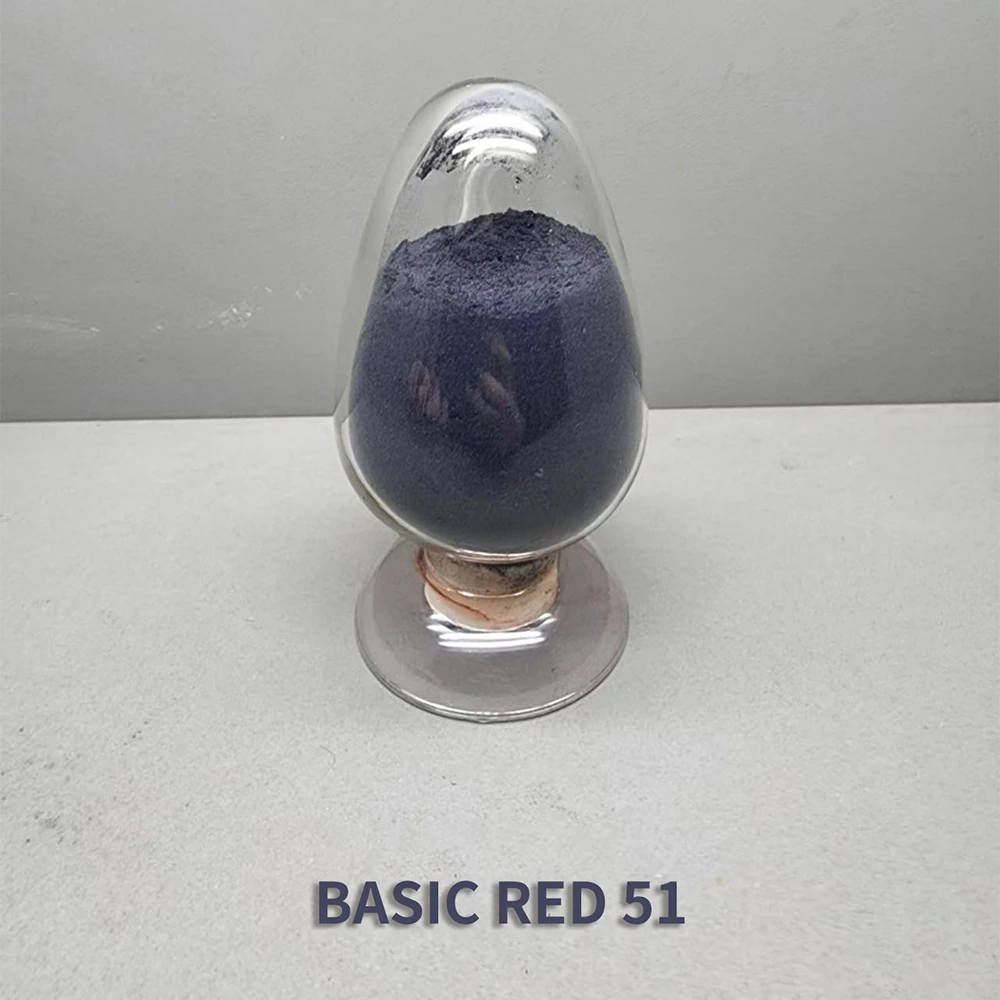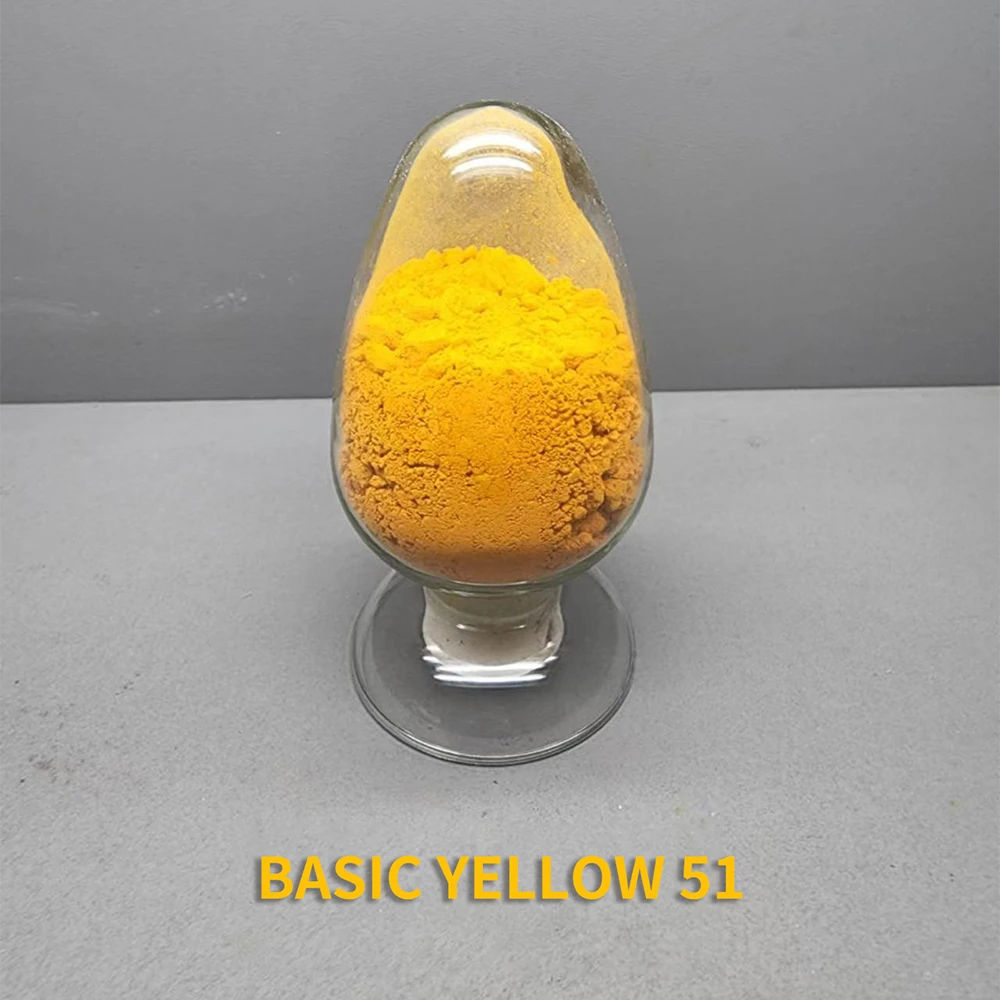
Red Cloth Dye: Sustainable, Durable, and Vibrant Textile Solutions
Understanding Red Cloth Dye: More Than Just a Color
When you think about the humble red cloth dye, you might just imagine a simple pigment that colors fabric—but it’s far more than that. Globally, the demand for red dyes weaves itself into everything from fashion and textiles to crucial humanitarian efforts. This vibrant shade, seemingly straightforward, carries rich layers of cultural symbolism and practical benefits. Understanding red cloth dye means appreciating its role in industry, sustainability, and even in crises relief around the world.
The Global Pulse of Red Cloth Dye
Red dye isn’t just a niche market product; it’s a fundamental part of the billion-dollar textile industry. According to the UN’s 2023 report on sustainable fibers, over 80 billion garments are produced annually worldwide. A significant chunk of these incorporates colorants — including red. The "red cloth dye" segment, encompassing natural and synthetic varieties, is integral for manufacturers aiming to meet both aesthetic desires and regulatory standards.
Yet, there are challenges. From environmental concerns about dye runoff polluting water systems to supply chain inconsistencies caused by geopolitical factors, the red cloth dye industry is at a crossroad. For instance, many dye substances still rely on petrochemical derivatives, adding carbon footprint and toxic residues — an issue industry leaders are actively tackling.
Mini Takeaway:
- Red dyes are globally vital to textiles and culture.
- Environmental and supply challenges call for innovation.
What Exactly Is Red Cloth Dye?
Simply put, red cloth dye refers to chemical compounds used to color fabrics shades of red. This can range from traditional plant-based dyes like madder root to advanced synthetic dyes made in labs. The red dye binds to the textile fibers, imparting durability and vibrancy. It’s fascinating how this ancient craft has evolved — modern industry uses red dyes not just for beauty, but for fast production, colorfastness, and regulatory compliance.
Moreover, red dyes serve humanitarian needs too — in making visible, durable tarps and fabrics for relief tents or medical garments, where visibility and identification are key.
Core Aspects of Red Cloth Dye
Durability
Many engineers say the best red cloth dyes resist washing, sunlight, and abrasion, making them indispensable for both fashion and functional textiles. For outdoor gear or uniforms, durability means the color stays vivid through rough use.
Scalability
In real terms, the ability to produce red dye in large quantities without sacrificing quality is critical. Factories need consistent pigment strength and batch-to-batch uniformity to keep thousands of garments looking identical.
Cost Efficiency
It feels like a balancing act — cheaper dyes might sacrifice vibrancy or environmental standards, while premium dyes might price out mass market producers. Innovative processes are striving to optimize costs without cutting corners on quality or sustainability.
Environmental Impact
Oddly enough, the push toward eco-friendly red dyes is reshaping the industry. Biodegradable dyes, low-impact mordants, and wastewater treatment systems are emerging solutions to mitigate pollution linked with dyeing processes.
Compatibility
Whether it’s cotton, polyester, wool, or silk, red dyes must be compatible with diverse fabrics. This adaptability means manufacturers have more design freedom and fewer technical headaches.
Global Applications & Use Cases
Across continents, red cloth dye takes on many roles:
- Fashion hubs like Italy and Japan rely on high-grade red dyes for luxury textiles.
- Industrial wear producers in Germany and the US seek durable red for safety uniforms.
- Humanitarian aid organizations purchase bright red cloth for easy-to-identify tents and tarps, vital in disaster zones such as the aftermath of typhoons in Southeast Asia.
- Traditional artisans in India and Africa still use natural red dyes with cultural significance, supporting eco-tourism and indigenous economies.
In fact, when Typhoon Haiyan struck the Philippines, relief groups used brightly dyed red tarps for quick shelter identification, blending both practicality and safety.
Mini Takeaway:
- Red cloth dye spans industries from haute couture to disaster relief.
- Its versatility supports global culture and practical needs alike.
The Advantages & Long-Term Value of Red Cloth Dye
Sure, vibrant color is a given, but the benefits go deeper. For manufacturers, red dye offers cost efficiencies through scalability and durability, lowering long-term replacement costs. Socially, it enhances safety and dignity — something as simple as a bright red tent or a medical gown can convey hope, visibility, and professionalism in crisis zones.
Environmentally, embracing sustainable red dyes fosters trust between brands and conscientious consumers. Frankly, this trust feeds innovation, as customers demand transparency and green credentials.
Looking Ahead: Trends and Innovations
The future of red cloth dye is bright and decidedly green. Leading R&D labs are working on biomimetic dyes inspired by beetles and cochineal insects, offering strong red hues without harmful chemicals. Digital textile printing technologies allow precise application of red dyes, reducing waste dramatically.
There’s also a growing push for circular dyeing processes where water is recycled, and pigments are recoverable, aligning with the ISO’s guidelines on sustainable textile manufacturing. Automation is speeding up dye application, ensuring uniformity even for complex patterns.
Challenges & Solutions in Red Cloth Dye
Challenges persist: environmental disposal, high energy costs, supply chain disruptions, and maintaining colorfastness across fabric types. Industry experts suggest adopting closed-loop water systems in factories and investing in natural dye R&D to replace hazardous chemicals.
Additionally, digital supply chain tracking and blockchain certifications are helping ensure product authenticity and regulatory compliance. It’s not foolproof yet, but the momentum is promising.
Frequently Asked Questions About Red Cloth Dye
- What makes natural red cloth dyes preferable to synthetic ones?
- Natural red dyes, derived from plants or insects, are often biodegradable and less toxic. However, they can lack the colorfastness and vibrancy of synthetic dyes, which are preferred in large-scale industrial applications but may have higher environmental impacts.
- How long does red cloth dye typically last on garments?
- With high-quality dye and fabric, red cloth dye can last several years under normal wear and washing conditions. Colorfastness depends on the dye’s chemistry and fixation method during manufacturing.
- Are eco-friendly red dyes more expensive?
- Initially, yes, eco-friendly dyes and processes may cost more due to new technologies and materials. However, over time, savings from reduced water use, waste treatment, and enhanced brand value often offset upfront costs.
- Can red cloth dyed fabrics be recycled effectively?
- Textiles dyed with certain synthetic dyes can be harder to recycle due to chemical treatments. Advances in dye chemistry and recycling processes are improving this, especially when manufacturers use standardized, less harmful dyes.
Full Product Specification Table
| Specification | Natural Dye | Synthetic Dye |
|---|---|---|
| Source | Madder root, Cochineal insect | Petrochemical derivatives |
| Colorfastness | Moderate, fades with sunlight | High, resists washing and UV |
| Environmental Impact | Low, biodegradable | Higher, potential toxins in runoff |
| Cost | Higher (limited supply) | Lower, mass-produced |
| Typical Use Case | Artisanal clothing, eco-brands | Mass market apparel, industrial fabrics |
Vendor Comparison Table
| Vendor | Product Range | Sustainability | Price (per kg) | Lead Time |
|---|---|---|---|---|
| Yanhong Chemicals | Natural & Synthetic Reds | Eco-certified, low waste | $25 - $38 | 2-3 weeks |
| Global Dye Supplies | Synthetic Reds only | Standard industry practices | $20 - $30 | 1-2 weeks |
| EcoColor Solutions | Plant-Based Reds | Certified organic, zero waste | $40 - $55 | 3-4 weeks |
Wrapping Up: Why Red Cloth Dye Matters
Red cloth dye is more than pigment — it’s a lifeline connecting culture, industry, and sustainability. Whether it’s a luxury gown or shelter in a typhoon’s aftermath, the right red dye tells a story of innovation, care, and deep-rooted tradition. For forward-thinking manufacturers and humanitarian agencies alike, embracing new dye technologies is about protecting the environment and honoring the fabric of humanity.
If you want to dive deeper or explore cutting-edge red cloth dye solutions crafted with sustainability in mind, I highly recommend checking out Yanhong Chemicals. Their blend of quality and eco-conscious production pretty much sets the pace.
Mini Takeaway:
- Red dyes fuse art, science, and ethics.
- Ongoing innovation keeps the industry vibrant and responsible.
References
-
Comprehensive Guide to Choosing the Best White Dye for ClothesNewsMar. 28, 2026
-
Ivory Fabric Dye - Durable, Eco-Friendly Textile Solutions | YanhongchemNewsDec. 10, 2025
-
China Fabric Dye Manufacturers: Eco, High-Fastness, OEMNewsDec. 13, 2025
-
Comprehensive Guide to Synthetic Fiber Dye Selection and ApplicationNewsMar. 11, 2026
-
Comprehensive Guide to White Fabric Dye: Technology, Applications & SustainabilityNewsDec. 03, 2025
-
Understanding Synthetic Dye Black Applications Sourcing and Emerging TrendsNewsMar. 10, 2026