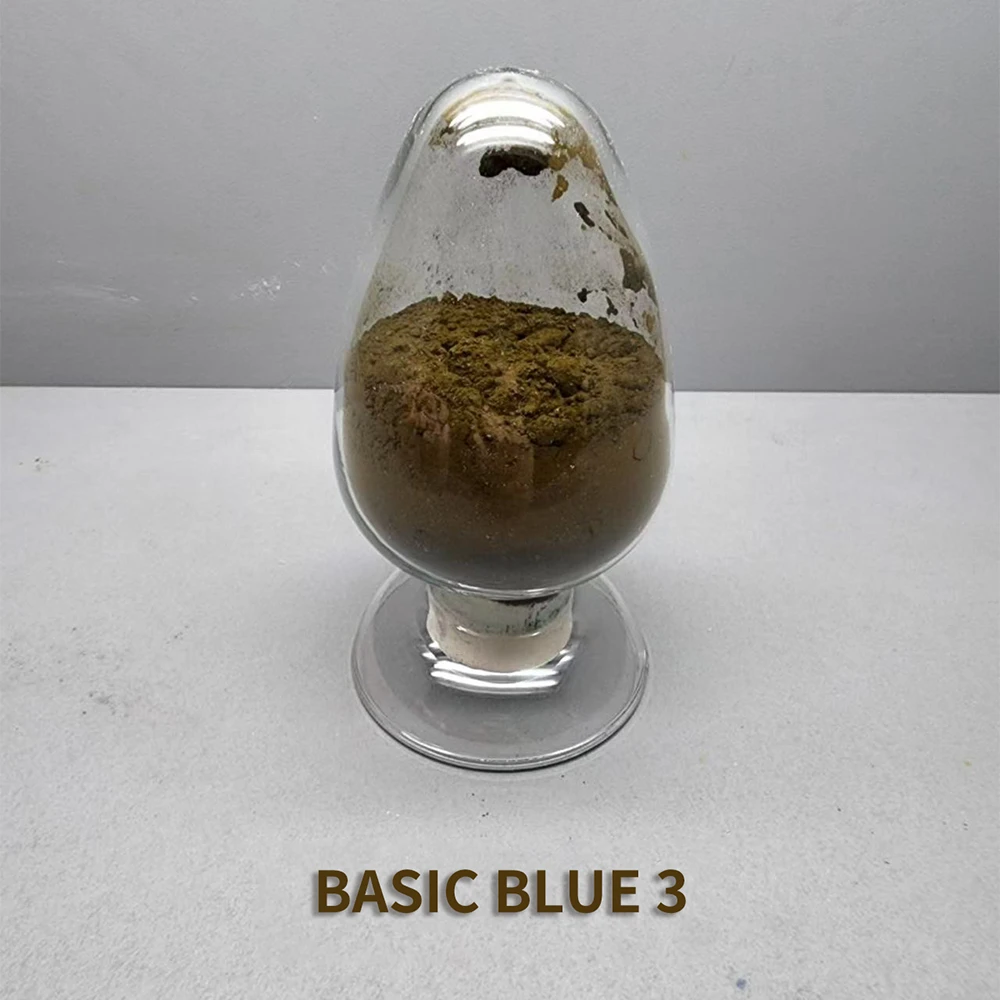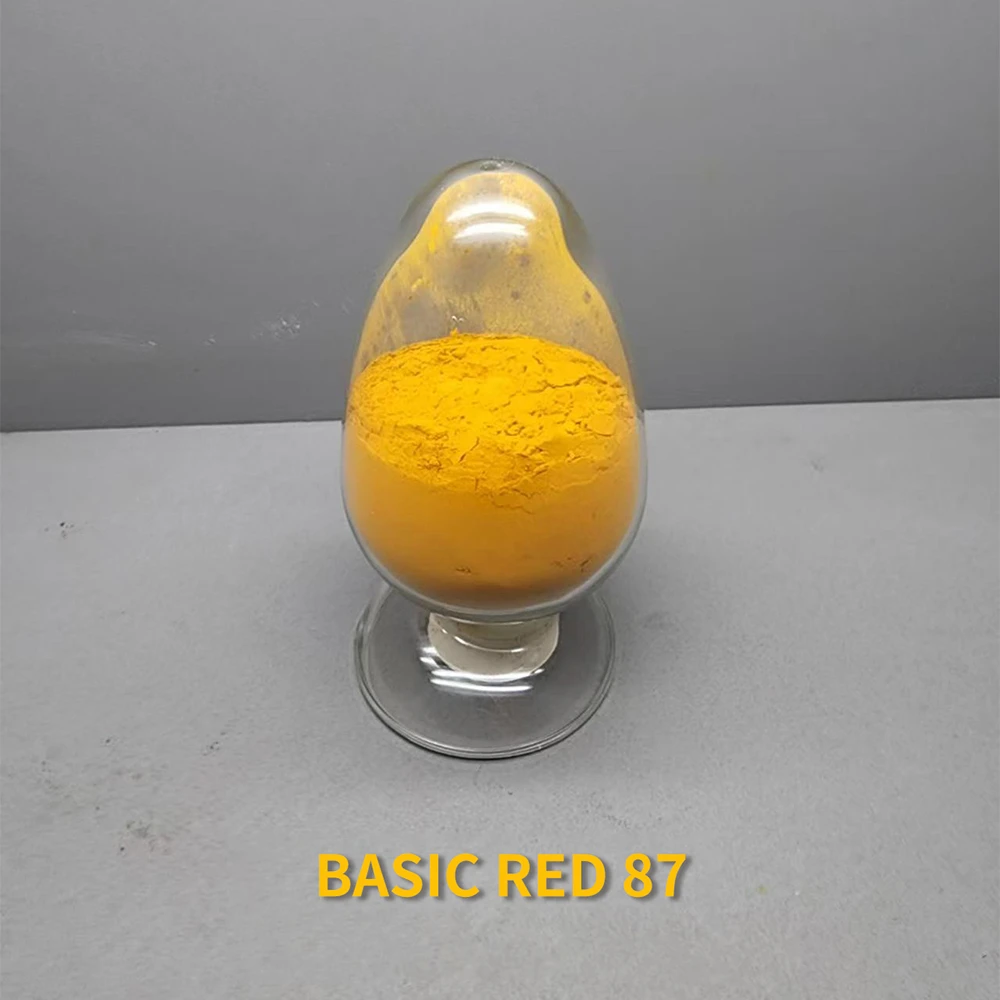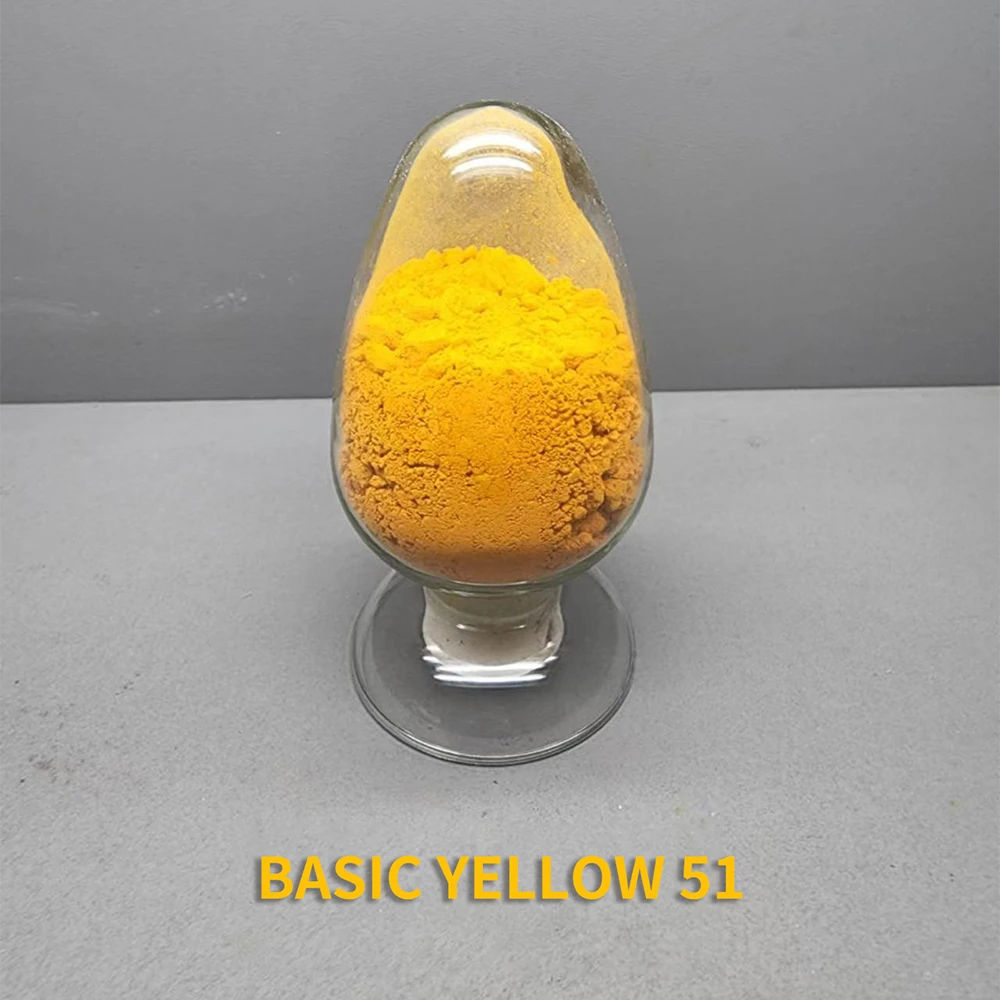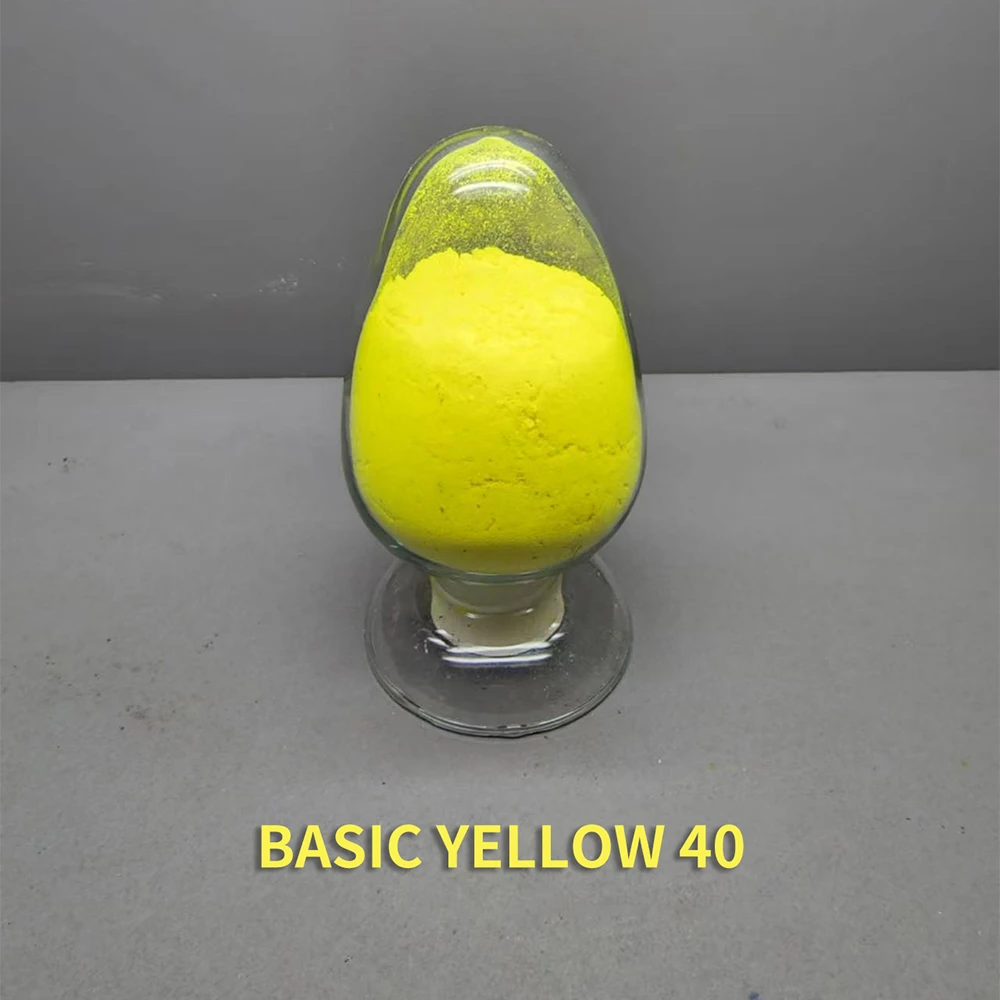
Premium Tan Clothing Dye Solutions | Durable & Eco-Friendly Textile Dyeing
What Is Tan Clothing Dye and Why It Matters Globally
To start simply: tan clothing dye is exactly what it sounds like — a dyeing solution that imparts a warm, earthy tan hue to fabrics and garments. But beyond that straightforward definition, this dye plays a surprisingly key role in multiple industries worldwide. From the rugged apparel worn by humanitarian teams in disaster zones to the fashion lines seeking that perfect neutral tone, understanding tan clothing dye is both a practical and economic matter. Globally, it ties into sustainability efforts, supply chain agility, and even national manufacturing strategies — factors that often fly under the radar but impact how clothing reaches everyday consumers.
Mini takeaway: Tan clothing dye may seem niche, but it's intertwined with global trade, sustainability, and humanitarian supply needs.
Global Context: Why Tan Clothing Dye Is More Relevant Than Ever
In today's global textile market, color consistency and fast turnover times are king. In fact, the global textile dyes market is projected to exceed $12 billion by 2027 according to Statista data. Among these dyes, earth-tone shades like tan dominate for their versatility and durability. The United Nations' sustainable development goals push for eco-friendly dyes that reduce freshwater pollution. This is where modern tan clothing dyes are innovating — combining tradition with greener chemistries.
Yet the challenge remains: how to produce consistent tan dyes without heavy environmental costs, while keeping prices reasonable especially for mass-scale humanitarian and industrial uses? Many aid organizations, for instance, rely on neutral-tone clothing that is both practical and blends well in diverse climates. Fast, efficient coloring using tan dyes supports these logistical needs.
Defining Tan Clothing Dye
Simply put, tan clothing dye is a pigment or chemical solution used to color textiles a range of warm beige to light brown hues. It's often derived from natural or synthetic sources, tailored for reliability under varying wash conditions and sunlight exposure. The “tan” aspect is popular because it’s unobtrusive, practical, and works well with natural fabrics like cotton, linen, or blends. It’s found in tactical uniforms, casual wear, and even upholstery on occasion.
In modern industry parlance, tan clothing dye bridges pure aesthetics with function — think camouflage gear that’s subtly colored yet robust, or durable coveralls that don’t show dirt easily. On another note, humanitarian suppliers appreciate the neutral colors for their cultural sensitivities and unoffensive look.
Key Features of Tan Clothing Dye
1. Durability
A good tan dye must stand up to repeated washing and sunlight without fading badly. For industrial and relief applications, longevity is paramount — no one wants their gear looking worn out after a month in the field. Many manufacturers test colorfastness rigorously to certify quality.
2. Scalability
From boutique artisans to giant textile mills, tan dye formulas have to be scalable. The ability to maintain shade consistency across batches is a perpetual challenge. Oddly enough, many producers say it takes several tries to “lock in” a tan shade at large scale — it’s not just mixing brown pigments.
3. Cost Efficiency
Because tan dye finds heavy use in uniforms, fast-fashion, and mass-market clothing, the cost per treated kilogram of fabric is crucial. Suppliers often optimize dyes to maximize coverage while minimizing chemical inputs. It's a balancing act between performance and cost.
4. Eco-Friendliness
With stricter environmental standards worldwide, many tan clothing dyes now aim for low toxicity and biodegradability. Some use plant-based ingredients or waterless dyeing technologies to reduce water waste. This trend is only growing in importance.
5. Compatibility
Versatility across fabric types — cotton, polyester, nylon blends — is key. Tan dyes that can bond with diverse fibers without treatment differences are preferred, especially in fast supply chains requiring rapid turnaround.
6. Color Uniformity
Finally, uniform shade throughout a roll of fabric or between batches impacts downstream quality. Subtle hue shifts in tan can confuse brands or end users; so quality control involves precise color metrics.
Typical Specs for a Standard Tan Clothing Dye
| Property | Specification | Notes |
|---|---|---|
| Color Shade | Tan (Hex: #d2b48c) | Standard warm beige tone |
| Type | Reactive/Synthetic | For cotton/polyester blends |
| Colorfastness (Wash) | 4-5 (ISO 105-C06) | Good resistance to fading |
| Environmental Compliance | OEKO-TEX Certified | Non-toxic, eco-safe |
| Application Method | Pad-Dry-Cure | Standard industrial dyeing process |
Comparing Top Vendors of Tan Clothing Dye
| Vendor | Eco Certifications | Price per kg (USD) | Batch Consistency | Lead Time |
|---|---|---|---|---|
| Yanhong Chem | OEKO-TEX, REACH | $4.20 | Excellent | 2 weeks |
| ColorMix Corp. | GOTS | $4.75 | Good | 3 weeks |
| EcoDye Solutions | OEKO-TEX, Bluesign | $5.10 | Excellent | 4 weeks |
Global Applications and Real-World Use Cases
Tan clothing dye finds itself everywhere — from military fatigues in arid regions of the Middle East, to field uniforms distributed by NGOs in sub-Saharan Africa, and even into high-fashion collections aiming for understated tones. Take, for example, relief operations after earthquakes in Southeast Asia — tan-colored gear reportedly helps workers blend unobtrusively into dusty, sun-baked surroundings, providing practical camouflage without the expense of complex camouflage prints.
Industrial sectors such as construction or mining also prefer tan uniforms for their dirt-masking qualities and durability. Because tan clothing dye is so reliable under tough conditions, it’s become a staple in apparel for workforces operating in harsh environments globally.
Mini takeaway: The humble tan dye is a behind-the-scenes hero in multiple sectors requiring reliable, practical clothing solutions.
Advantages and the Long-Term Value of Tan Clothing Dye
- Cost-Effective: Mass-production friendly formulas keep costs manageable.
- Sustainability: Increasingly eco-aware production methods help reduce pollution.
- Social Impact: Supports aid organizations and industries valuing practical, durable clothing.
- Reliability: High colorfastness means clothing lasts longer, less replacement.
- Emotional Value: Neutral tan tones evoke a subtle connection to nature, earth, and warmth.
- Trust & Innovation: The dye market pushes tech progress toward greener chemistries.
Future Trends: What's Next for Tan Clothing Dye?
Frankly, the dye industry is undergoing some fascinating transformations. Innovations like digital inkjet textile printing allow for on-demand custom colors, including tans with more depth and hue variations than ever before. Meanwhile, green chemistry initiatives seek to replace harsh synthetic components with biodegradable, plant-based ones.
Automation in dye mixing and quality control is also on the rise, reducing human error and improving batch consistency, which matters enormously for enterprise-scale apparel brands. Also, expect more integration of tan clothing dye manufacturing with circular economy practices — think water recycling and chemical reuse.
Challenges and How Industry Experts Overcome Them
Of course, challenges persist. Inconsistent raw material quality sometimes affects color uniformity. Some processes are still water- and energy-intensive, despite advances. A common issue is meeting both colorfastness and eco-compliance simultaneously — improvements on one front often affect the other.
Industry experts recommend tighter supplier vetting and ongoing R&D investments. For instance, Yanhong Chem has pioneered better wastewater treatments and rapid batch-testing techniques to solve these. Partnerships with major clothing brands also help align product specs early in development stages, reducing costly reworks.
Frequently Asked Questions About Tan Clothing Dye
Q1: What fabrics work best with tan clothing dye?
Tan clothing dyes are formulated mainly for natural fibers like cotton and linen but can be adapted for blends including polyester and nylon. Reactive dyes suit cotton best, while disperse dyes target synthetics. Compatibility depends on the dye type and the fabric's fiber content.
Q2: Is tan clothing dye safe for sensitive skin?
High-quality tan clothing dyes, especially those OEKO-TEX certified, are tested to avoid allergens and toxins, making them generally safe for sensitive skin. However, always check product certifications for reassurance, especially if garments will be worn close to the skin for prolonged periods.
Q3: How durable is tan clothing dye under repeated washing?
Most commercial-grade tan clothing dyes offer excellent colorfastness, retaining vibrancy after many cycles. ISO standard tests usually score these dyes 4 or 5 out of 5 for wash durability, meaning garments maintain their hue and don’t fade noticeably under standard laundering conditions.
Q4: Can tan clothing dye be customized to different shades?
Absolutely. Manufacturers can tweak formulations to create lighter or darker tans, even incorporating subtle undertones (yellow, red, grey). Customization depends on client needs and batch size but is common, especially for fashion applications.
Q5: How do NGOs source eco-friendly tan clothing dye for field uniforms?
NGOs typically partner with certified vendors like Yanhong Chem that meet environmental and safety standards. Sourcing involves verifying certifications (OEKO-TEX, REACH) and ensuring dyes are scalable for large orders, often negotiated through suppliers familiar with humanitarian logistics.
In Conclusion: Why Tan Clothing Dye Deserves More Attention
Looking back, it’s easy to overlook something as seemingly simple as the color used to dye clothing. Yet tan clothing dye plays vital roles from enabling the dignity of disaster relief workers to advancing eco-friendly manufacturing goals. Its versatility, cost efficiency, and evolving green credentials suggest its significance will only grow. Interested in sourcing or learning more? Visit Yanhong Chem’s website to explore innovative options and sustainable solutions tailored for today’s textile challenges.
References
-
Reliable Navy Fabric Dye for Industrial Textile Applications | YanhongNewsDec. 07, 2025
-
Durable Taupe Fabric Dye for Industrial Use | Expert InsightsNewsJan. 01, 2026
-
Sage Green Fabric Dye: Durable and Eco-Friendly Textile ColoringNewsDec. 05, 2025
-
Photochromic Fabric Dye: Innovative Textile Solutions for B2B Professionals | YanHongChemNewsJan. 06, 2026
-
Comprehensive Guide to Fabric Dye Price Factors and Optimization StrategiesNewsFeb. 27, 2026
-
Choosing the Optimal Outdoor Waterproof Fabric Dye for Enhanced DurabilityNewsJan. 27, 2026