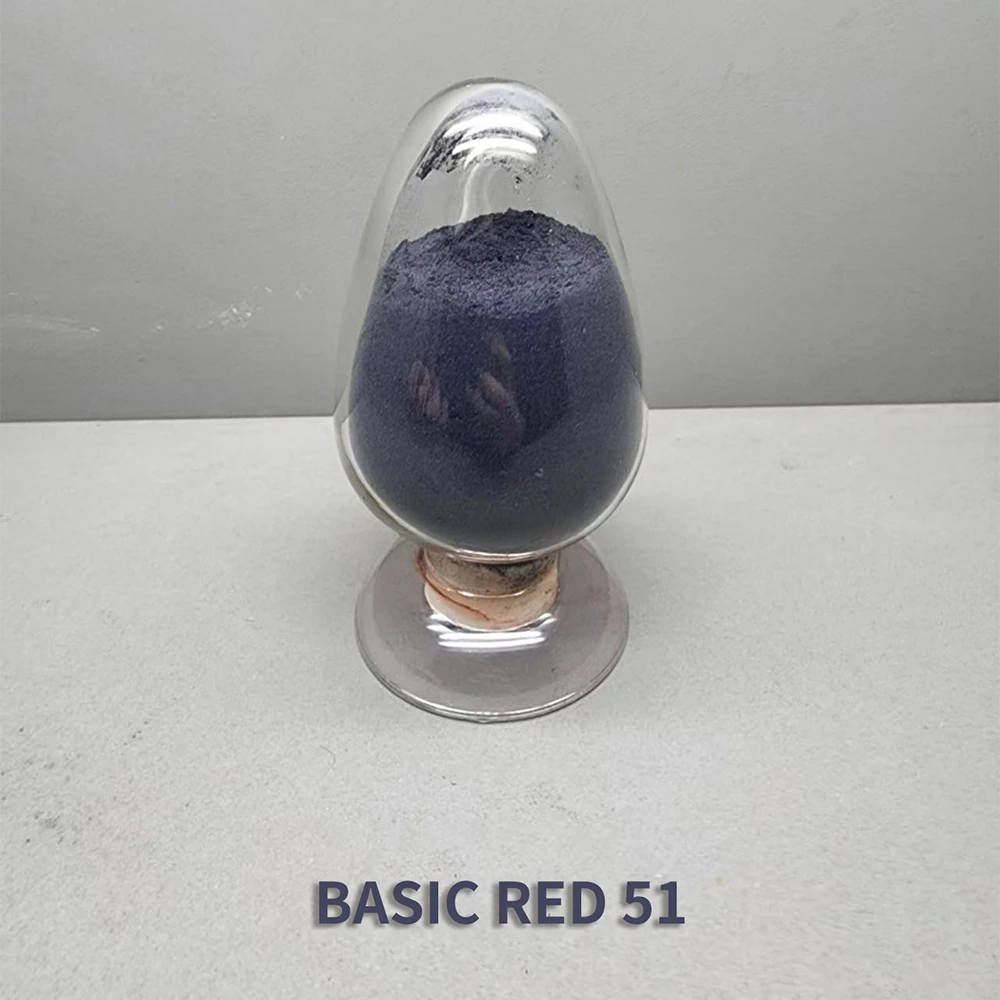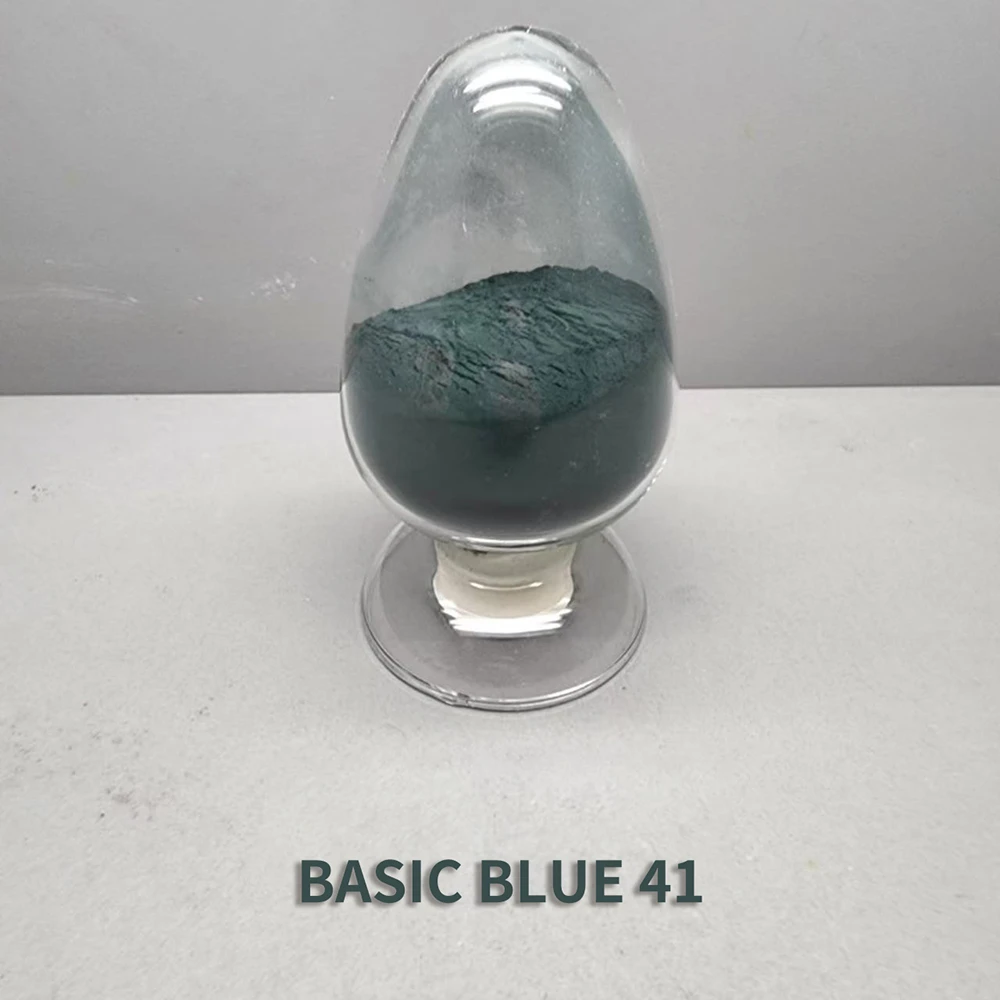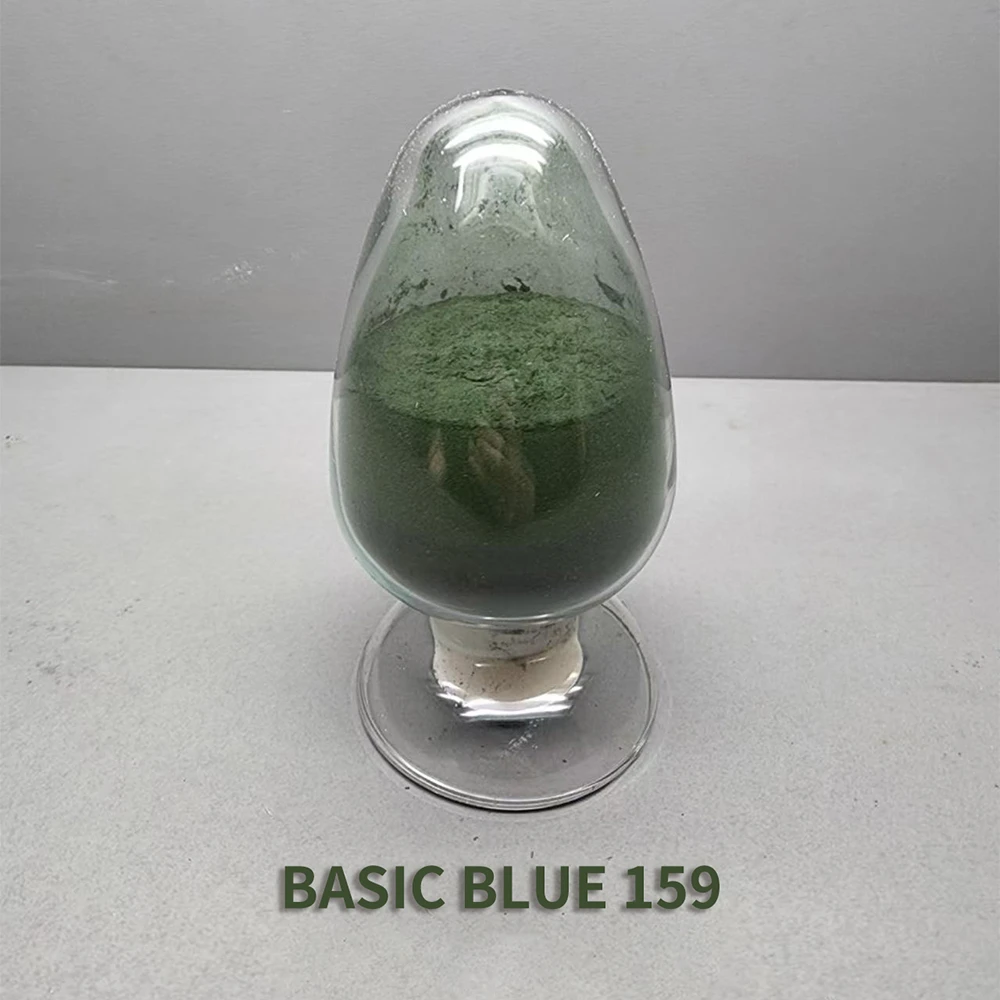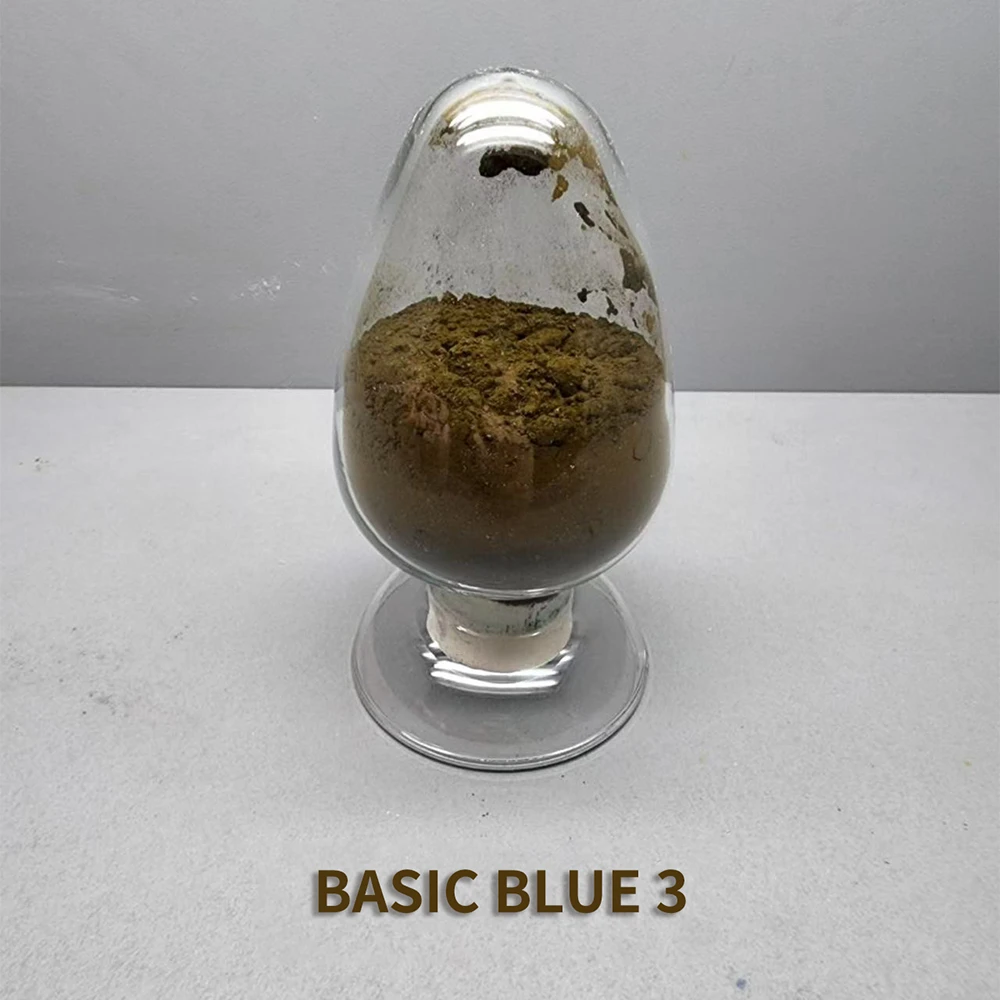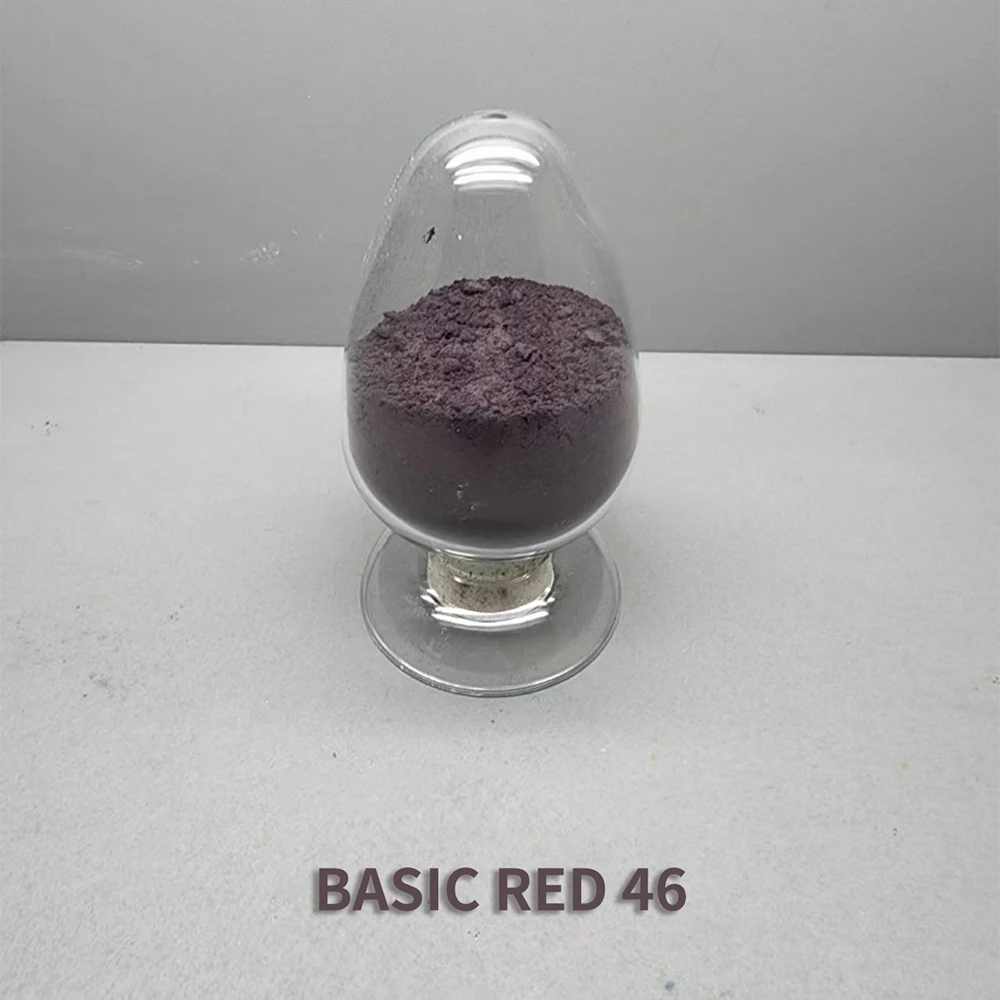
Premium Burgundy Fabric Dye for Fashion and Industry | Sustainable Color Solutions
Understanding Burgundy Fabric Dye: Why Color Matters Globally
When you think about dyeing fabrics, “burgundy fabric dye” might sound niche, but it plays a surprisingly broad role in fashion, manufacturing, and even humanitarian aid around the world. Burgundy, with its deep reddish-purple hue, carries rich cultural and aesthetic meanings — it's bold but elegant, traditional yet modern. Knowing how burgundy fabric dye works, why it matters, and how it's made is a solid starting point if you’re in textiles, design, or just curious about sustainable dyes.
Globally, fabric dyeing is a massive industry tied to everything from workwear to luxury garments. Burgundy’s popularity means manufacturers constantly seek dyes that balance vibrancy, durability, and environmental compliance. It’s a challenge since deep colors like burgundy can sometimes require harsh chemicals — so learning about better, greener burgundy dyes is not just trendy but essential.
The Global Context: Color’s Place in Industry and Sustainability
At the intersection of global manufacturing and sustainable development, burgundy fabric dye sits surprisingly high on the agenda. According to the United Nations Environment Programme, textile dyeing and finishing contribute roughly 17–20% of industrial water pollution worldwide — a massive environmental hurdle. The demand for vibrant hues like burgundy complicates this since deeper, richer shades often mean heavier chemical use.
ISO standards on textile coloration have pushed industries to innovate safer dyeing processes, but not all factories keep pace. In developing economies — think Bangladesh or Vietnam — where huge textile industries fuel export economies, balancing color quality with sustainability sometimes feels like a tightrope walk. The problem is clear: can manufacturers deliver the stunning, durable burgundy fabric dye that markets want, while also protecting workers and ecosystems?
Oddly enough, this challenge also links with humanitarian needs. For example, in disaster relief or refugee camps, burgundy-dyed fabrics are often used in durable clothing or shelters, where colorfastness can symbolize dignity and resilience amid chaos.
What Exactly Is Burgundy Fabric Dye?
Simply put, burgundy fabric dye is a type of dye formulated to impart a deep, reddish-purple hue onto textiles. The dye molecules bond with fiber materials—like cotton, polyester, or silk—to produce that unmistakable shade. What sets burgundy apart from other reds is its slightly muted, subtle undertone, achieved through a precise blend of dyes or pigments.
This dye’s relevance extends beyond aesthetics. It ties into technical industries requiring color consistency, fastness, and environmental compliance. Burgundy fabric dyes can be synthetic or natural, with the latter gaining traction as eco-consciousness grows.
Mini takeaway:
In a nutshell, burgundy fabric dye isn’t just a pretty color—it’s a technical challenge and a global environmental factor rolled into one.
Core Aspects of Burgundy Fabric Dye
Durability and Fastness
When fabrics are dyed burgundy, the longevity of that rich color depends on the dye’s resistance to washing, sunlight, and abrasion. High-quality burgundy dyes are engineered for excellent colorfastness, crucial for uniforms, fashion, or outdoor gear.
Environmental Impact
As mentioned, traditional synthetic dyes can threaten water systems if poorly managed. Advances in natural dye extraction and enzyme-assisted dyeing reduce toxic effluents. Burgundy dyes from cochineal or madder roots exemplify this green shift, although scalability remains a hurdle.
Scalability and Customization
Fast fashion demands large dye orders, but luxury brands want bespoke shades. Burgundy fabric dye manufacturers balance mass production with customized blends to meet diverse client needs. Digital color matching technologies have improved this greatly in recent years.
Cost Efficiency
Deep colors often cost more due to chemical complexity. However, energy-efficient dyeing processes and recycling water loops help reduce overall expenses—making burgundy fabric dye less a luxury and more accessible.
Compatibility with Fibers
Not all burgundy dyes behave the same across fibers. Reactive dyes work well on cotton, but disperse dyes suit polyester better. Understanding these chemical compatibilities is key in textile production.
Mini takeaway:
To get that perfect burgundy shade, manufacturers juggle durability, environmental care, and cost while keeping fiber compatibility top of mind.
Global Applications of Burgundy Fabric Dye
Burgundy-dyed fabrics can be found worldwide:
- Fashion & Apparel: From high-end evening gowns to everyday wear, burgundy’s depth adds sophistication and warmth to garments.
- Home Textiles: Drapes, upholstery, and bedding benefit from burgundy’s richness, creating cozy atmospheres.
- Workwear & Uniforms: Firefighters, hospitality staff, and schools sometimes select burgundy fabrics for uniforms due to the color’s formality and stain-hiding properties.
- Humanitarian Aid: Durable, burgundy-dyed tarps and tents used in refugee camps carry meaning beyond utility, symbolizing resilience.
- Sportswear: Athletic teams worldwide choose burgundy to represent spirit and tradition.
Regions actively cultivating burgundy dye innovations include Europe, where strict environmental laws push greener tech, and Asia, where manufacturing volumes keep costs competitive.
Advantages and Long-Term Value of Burgundy Dye
Burgundy fabric dye offers more than aesthetics:
- Emotional Impact: The richness evokes sophistication; it conveys warmth and confidence.
- Sustainability: New natural and low-impact dyes lower pollution footprints, aligning with eco-conscious consumers.
- Economic Value: Resistant colors reduce need for frequent replacement, saving brands and customers money.
- Trust & Innovation: Brands investing in eco-friendly dyes build credibility with modern shoppers.
Frankly, it feels like burgundy fabric dye is not just a pigment; it’s part of a narrative—about quality, identity, and shared responsibility.
Emerging Trends & Innovations Shaping the Future
Sustainability is the big buzzword. Researchers develop enzyme-based dye treatments that speed uptake and reduce water waste. Digital printing expands options — allowing designers to prototype burgundy shades digitally before full-scale dyeing.
Green chemistry principles foster synthetic burgundy dyes with biodegradable leftovers and no heavy metals. AI is increasingly employed to optimize dye recipes dynamically for different fibers, ensuring precise color matches with minimal waste.
On policy fronts, stricter ISO environmental certifications push global manufacturers to adopt these innovations, reshaping supply chains for the better.
Challenges in Burgundy Fabric Dye Production & How We Can Fix Them
Despite advances, issues remain:
- Water Pollution: Many plants still rely on water-intensive methods.
- Cost-Intensity: Eco-friendly dyes sometimes cost more upfront, deterring smaller producers.
- Color Consistency: Achieving exact burgundy tones across batches can be tricky.
To tackle these, some innovators use closed-loop water systems, invest in bio-based dye compounds, and integrate AI-driven quality assurance to keep colors stable. Collaboration between governments, companies, and NGOs can accelerate adoption of these methods.
Product Specification Table: Typical Burgundy Fabric Dye Characteristics
| Property | Details |
|---|---|
| Color Shade | Deep reddish-purple, hue angle ~345° |
| pH Range | 4.5 - 7.5 (optimal for fiber bonding) |
| Fiber Compatibility | Cotton, silk, polyester, nylon |
| Wash Fastness | 4-5 (ISO rating scale) |
| Light Fastness | 4 (Good resistance to fading) |
| Eco Certification | OEKO-TEX Standard 100, GOTS (select |
Vendor Comparison: Burgundy Fabric Dye Suppliers
| Supplier | Eco-Friendliness | Color Consistency | Price Range | Region |
|---|---|---|---|---|
| Yanhong Chemicals | High (OEKO-TEX, GOTS) | Excellent (digital-matched) | Moderate | China |
| EcoDye Co. | Very High (100% natural dyes) | Good (batch variation noted) | High | Germany |
| ColorFast Corp. | Moderate (Chemically treated) | Excellent | Low | USA |
FAQ: Your Burgundy Fabric Dye Questions Answered
What makes burgundy fabric dye more challenging to produce than other colors?
Because burgundy blends red and purple hues, it requires precise chemical balances or pigment mixing. Maintaining consistency and depth without excess chemical use is tricky, especially across different fiber types.
Is natural burgundy fabric dye as durable as synthetic alternatives?
Natural dyes have improved in durability but generally lag behind synthetic dyes in wash and light fastness. Combining natural dyes with modern fixatives bridges this gap, though synthetic remains popular for industrial use.
Can burgundy fabric dye be applied to synthetic fabrics like polyester?
Yes, but it requires disperse dyes specially formulated for synthetic fibers. Reactive or vat dyes effective on cotton won’t work well on polyester, so manufacturers choose dye types carefully.
How does environmentally friendly burgundy fabric dye impact manufacturing costs?
Eco-friendly dyes often carry initial price premiums due to raw materials or processes. However, savings in waste treatment, water, and consumer perception often balance or outweigh those costs long term.
Where can I source reliable burgundy fabric dye suppliers?
Leading suppliers include Yanhong Chemicals, EcoDye Co., and ColorFast Corp. Consider their eco-certifications, price, and color reliability when choosing.
Wrapping It Up: Burgundy Fabric Dye’s Enduring Appeal
Burgundy fabric dye is more than a shade; it’s a story of craftsmanship, sustainability, and global collaboration. Whether you’re sourcing dyes for fashion, industrial design, or humanitarian textiles, understanding its nuances brings richer value—and hopefully a bit of pride.
Curious to explore quality, eco-conscious burgundy fabric dyes? Visit our website and see how we blend tradition with innovation.
Final thoughts:
This reddish-purple dye is a small world in itself, full of chemistry, culture, and ongoing evolution. Keep an eye out—you might just find a splash of burgundy changing the fabric of tomorrow.
References
-
Rhodamine B Cationic Dye - Industrial Grade & Reliable SuppliersNewsDec. 03, 2025
-
Pink Fabric Dye - Durable, Eco-Friendly Textile Solutions for Industry | YanhongchemNewsDec. 04, 2025
-
Exploring the Creative World of Fabric Dye on Wood for Stunning FinishesNewsFeb. 26, 2026
-
Durable Terracotta Fabric Dye for Industrial Use | Yanhong ChemicalNewsDec. 11, 2025
-
Reliable Navy Fabric Dye for Industrial Textile Applications | YanhongNewsDec. 07, 2025
-
Peach Fabric Dye – Reliable Industrial Textile Color SolutionsNewsJan. 03, 2026