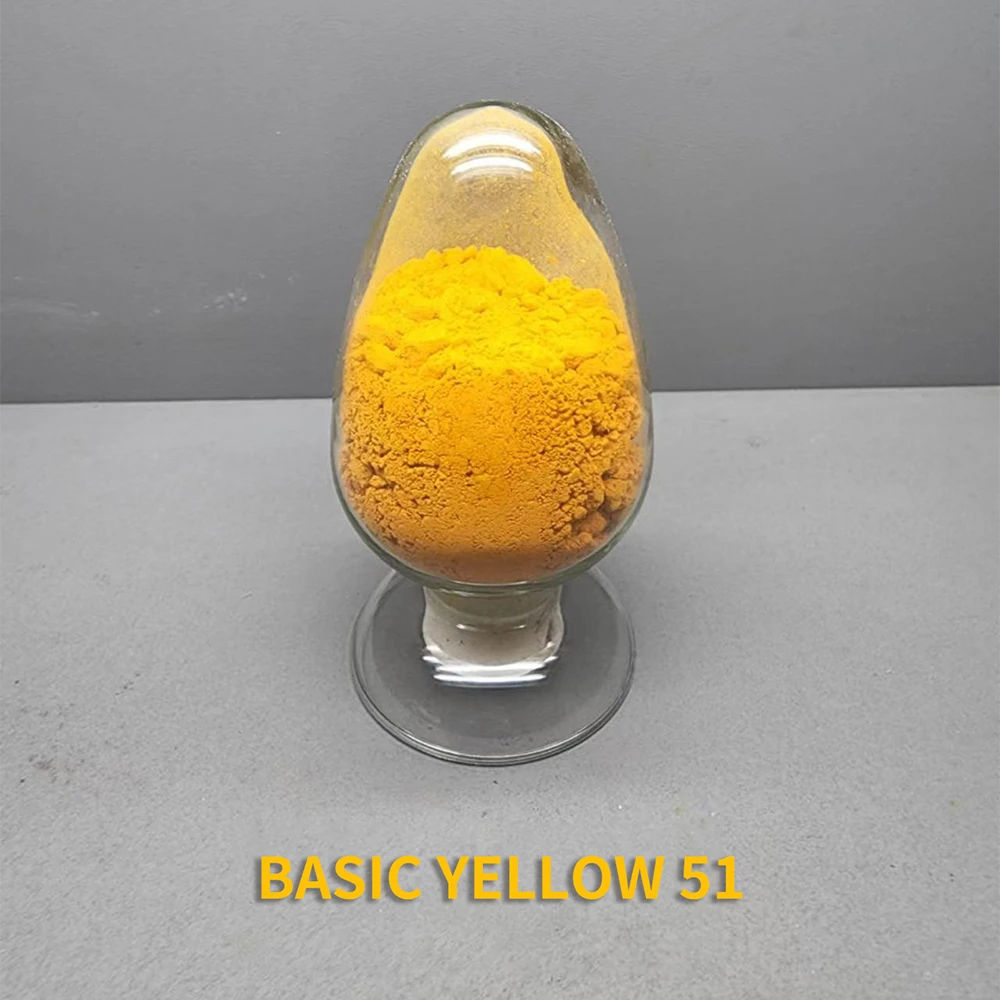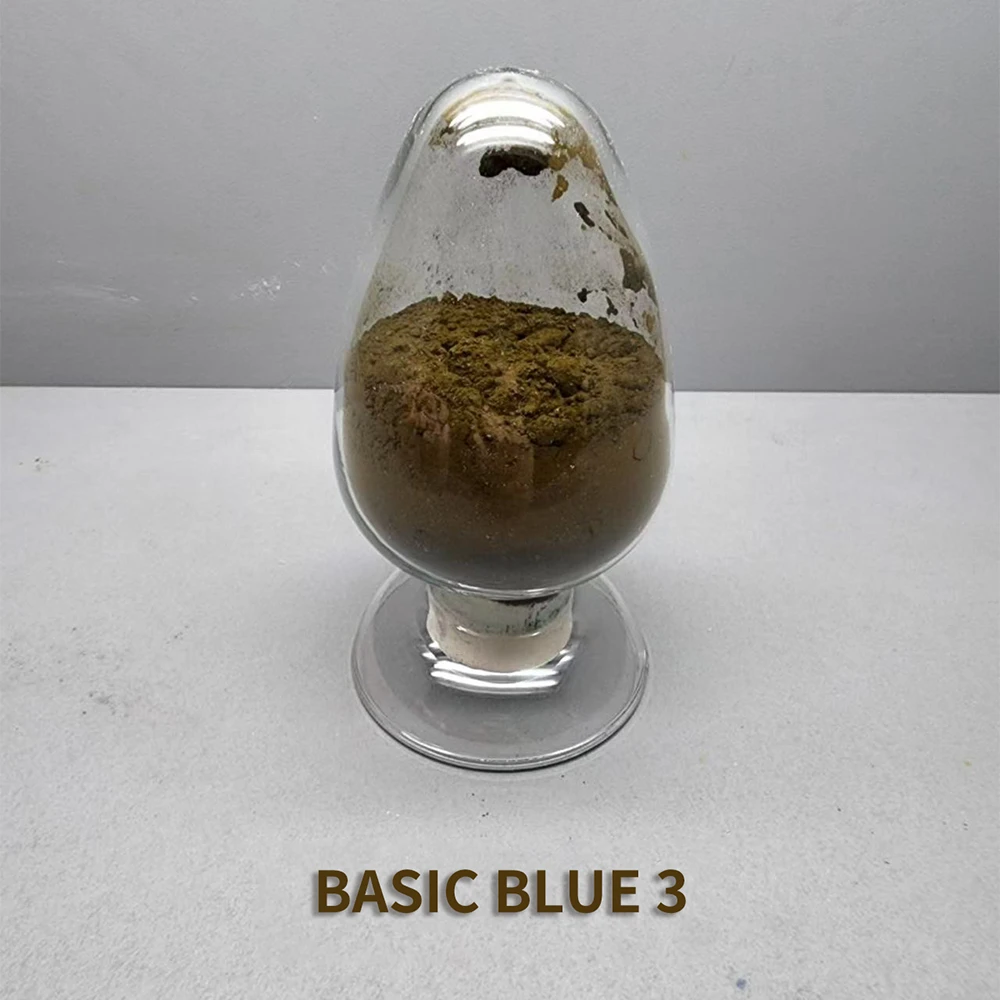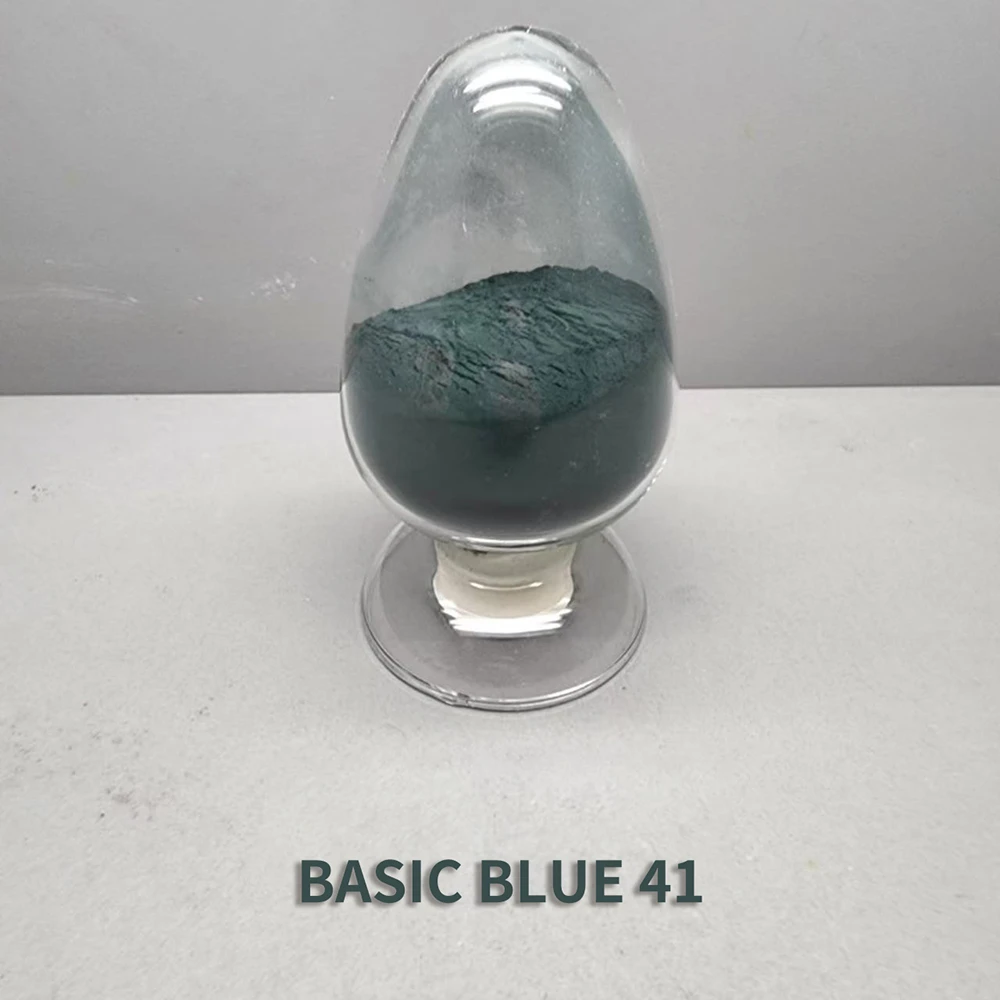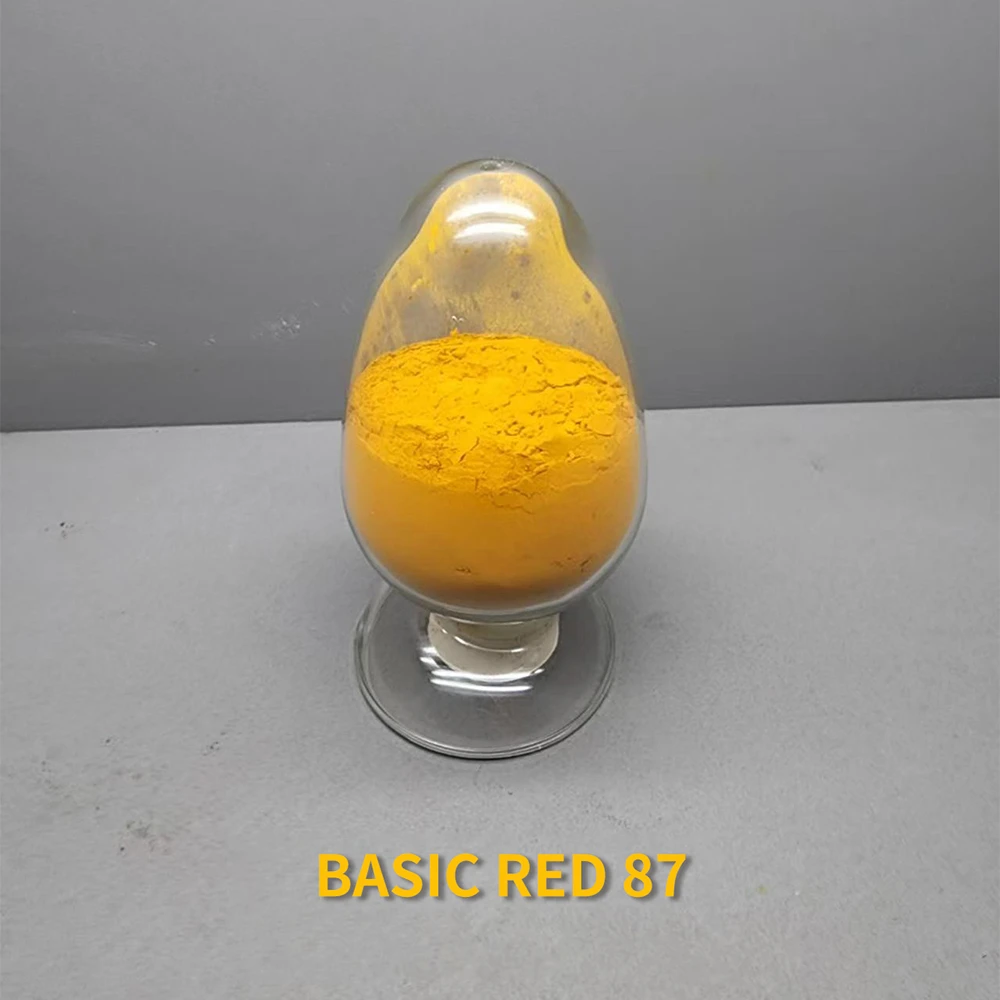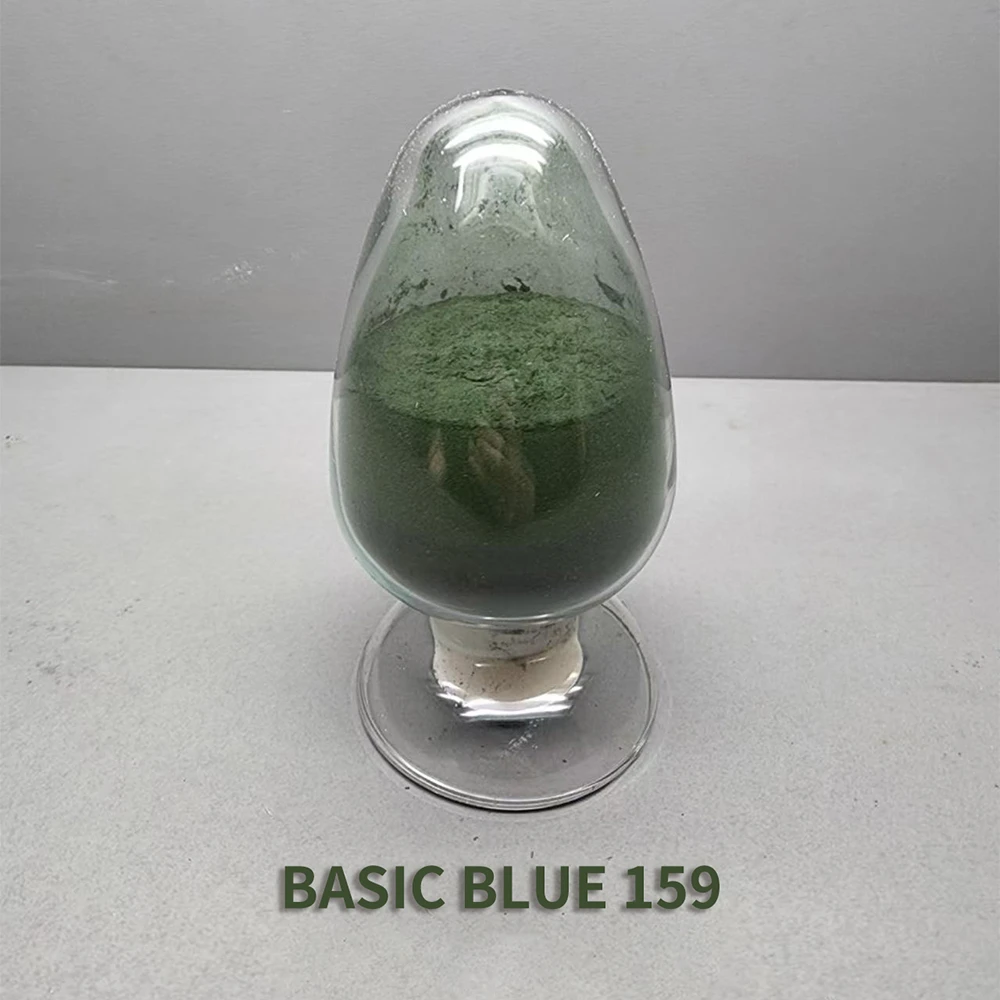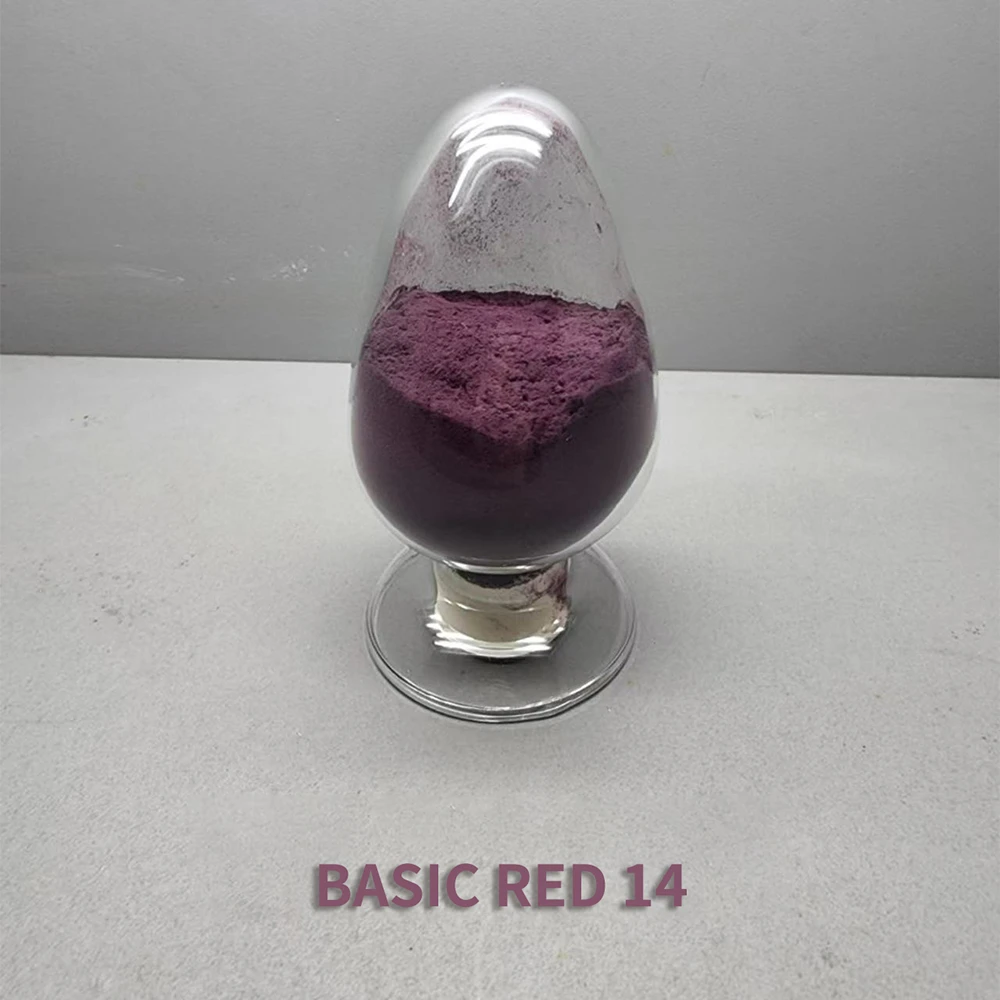
Upholstery Fabric Dye: Durable, Eco-Friendly, and Industry-Ready Solutions
Upholstery Fabric Dye: More Than Just a Splash of Color
Upholstery fabric dye might sound like something limited to boutique interior projects or quick DIY fixes, but its reach is far wider — and crucial — than most realize. Across continents, industries, and even humanitarian relief zones, how we color fabric can impact everything from sustainability to cost efficiency, and ultimately, the longevity of the products we use daily.
Understanding upholstery fabric dye is more than knowing how to make fabrics look nice. It’s about grasping a process vital to global manufacturing, environmental stewardship, and even social dignity. Once you realize how much effort goes into picking the right dye and method, it feels almost like a secret ingredient for quality.
The Global Stage: Why Upholstery Fabric Dye Matters
The textile and upholstery industry represents a multi-billion-dollar slice of the global economy. According to the United Nations Industrial Development Organization (UNIDO), textile production accounts for roughly 2% of global GDP and employs hundreds of millions worldwide. Within this, upholstery fabric dye — the process of applying color specifically to materials used in furniture and automotive seating — is a subtle but significant part of the supply chain.
But it’s not just economics. Environmental concerns about textile dyeing’s water usage and chemical waste are pushing innovation to reduce the harm caused by traditional dyes. Without improvements here, the industry could intensify pollution problems, especially in developing countries where regulations are looser.
Meanwhile, consumers increasingly demand durability and colorfastness — fabrics that last longer without fading or staining. This tension between sustainability, cost, and performance leads manufacturers to lean on smarter, more efficient upholstery fabric dyes.
Takeaway: Upholstery fabric dye sits at the crossroads of economy, environment, and quality, making its evolution critical for global sustainability.
Defining Upholstery Fabric Dye: What Is It Really?
Simply put, upholstery fabric dye refers to the specialized dyes and application techniques used to color fabrics destined for furniture, automotive seats, office partitions, and more. Unlike general textile dyeing, upholstery dyes must account for heavier wear, long-term exposure to sunlight, cleaning chemicals, and sometimes fire retardants.
To add a little flavor to this, these dyes connect modern industry to social needs: whether it’s refurbishing hospital chairs in remote regions or providing color-matched fabrics for disaster relief temporary shelters, upholstery dyes have to be tough, reliable, and often eco-friendly.
Core Factors Behind Upholstery Fabric Dye Selection
Durability
Upholstery fabric dye isn’t like dye for a summer dress. It must stand up to friction, UV rays, fading, and cleaning routines. Many manufacturers use reactive and sulfur dyes that chemically bond with fibers for longer life.
Colorfastness
This ensures your sofa stays vibrant — or at least doesn’t turn a dull shade after a couple of months. Colorfastness testing usually involves rubbing, washing, and exposing the fabric to light sources.
Environmental Impact
The dyeing industry traditionally guzzles water and produces challenging effluents. Emerging plant-based or low-impact synthetic dyes are a response. The ISO 14024 eco-labels can help signal greener dye processes.
Cost Efficiency
Balancing quality with cost is a bit of an art. Labor and materials cost pressure manufacturers, yet cutting corners risks poor dye uptake or fading, ultimately costing more in returns and reorders.
Compatibility with Fabric Types
Different fibers react uniquely to dye types. Polyester, cotton, leather, and blends all require specific dyes and techniques — sometimes even multiple dye baths — to achieve the desired hues.
Safety Regulations
Upholstery fabrics often have to meet fire retardancy and toxicity standards—especially in transport or hospitality sectors. Some dyes incorporate flame retardants or must not interfere with these properties.
Mini Summary:
- Durability and colorfastness are key for longevity.
- Environmental impact is reshaping dye choices.
- Fabric compatibility ensures consistent color.
- Safety and cost are always in the mix.
Where Upholstery Fabric Dye Makes a Real Difference
Upholstery fabric dye plays an unspoken role in homes, offices, cars, and even in urgent relief settings. For example:
- Automotive Industry: Seats undergo rigorous wear and thus need color stability against perspiration and sunlight.
- Furniture Manufacturing: Ensures that sofas, chairs, and office panels maintain aesthetic appeal over years.
- Disaster Relief: Organizations sourcing upholstery fabric dye to refurbish donated furnishings or create durable tent furnishings for displaced people.
- Hospitality Sector: Hotels demand stain-resistant, vibrant colors for upholstery fabrics that survive heavy footfall and professional cleaning.
- Emerging Markets: In industrial zones of Asia and Africa, dye technology advances help local producers meet export standards.
Oddly enough, quality upholstery dye is often the quiet backbone of both luxury and humanitarian operations.
Mini Takeaway: Upholstery fabric dye quietly supports industries and causes worldwide — from comfort to crisis.
Product Specification: Typical Upholstery Fabric Dye Characteristics
| Property | Typical Range/Value | Notes |
|---|---|---|
| Colorfastness to Light | 6 - 8 hours (xenon arc lamp) | ISO 105-B02 standard compliance |
| Wash Fastness | 4 - 5 (Grey scale) | Resistant to domestic cleaning |
| Water Usage | 50 - 70 liters/kg fabric | Varies with dye method |
| VOC Content | Low-odor, safer air quality | |
| Durability | 5+ years typical | Under normal usage conditions |
Comparing Top Upholstery Fabric Dye Vendors
Several companies specialize in upholstery fabric dyes. Here’s a rough take comparing three leaders:
| Vendor | Eco-Friendly Options | Price Range (per liter) | Color Range | Delivery Lead Time |
|---|---|---|---|---|
| Yanhong Chem | Yes, plant-based dyes included | $12 - $20 | Over 150 shades | 7-10 days |
| Global Dyes Co. | Limited eco lines | $10 - $18 | 100+ shades | 10-14 days |
| EcoTextile Solutions | 100% biodegradable dyes | $15 - $25 | 75 shades | 5-7 days |
Why Choose Upholstery Fabric Dye? Advantages & Long-Term Value
The benefits are a mixed bag of technical and emotional. Cost savings come from using dyes that last longer, reducing the need for reupholstery or replacement. There’s also a growing respect for eco-conscious dye choices that can minimize water waste and toxic runoff.
On a more human level, beautiful, comfortable upholstery provides a sense of dignity and care, especially in sensitive environments like hospitals, schools, or disaster shelters. Innovation in dye technology adds an element of trust — customers know their furniture won’t just look good today but will age gracefully.
The Future of Upholstery Fabric Dye: Trends to Watch
Frankly, I’m excited about the rise of digital dyeing, which uses less water and chemicals by applying colors more precisely. Nanotechnology is also on the horizon, promising fabrics that repel stains and self-clean. Sustainability will only grow, pushing manufacturers to seek certifications like OEKO-TEX and Bluesign.
Automation, combined with AI-driven color matching, means fewer errors and faster production times. Some companies are even beginning to incorporate recycled fibers that accept dye differently, hinting at a more circular textile economy.
Common Challenges & How Experts Tackle Them
Despite progress, challenges persist. Inconsistent dye uptake on blended fabrics sometimes leads to patchy colors. Water consumption is still high in conventional dye baths. Moreover, balancing safety standards (such as fire retardancy) with vibrant colors is tricky.
Solutions include pre-treatment methods to prepare fabric surfaces, low-water digital printing techniques, and developing dyes free of hazardous compounds. For instance, upholstery fabric dye companies increasingly collaborate with research institutes to validate safer formulas.
FAQs: What People Commonly Ask About Upholstery Fabric Dye
- Q1: How can I ensure upholstery fabric dye won’t fade quickly?
- Choose dyes with high colorfastness ratings like reactive or sulfur dyes. Also, ensure fabrics are tested against UV exposure and wash resistance standards.
- Q2: Are eco-friendly upholstery fabric dyes as durable as traditional ones?
- Many plant-based and low-impact synthetic dyes now match or even exceed traditional dyes’ durability. However, specifics depend on the fabric type and finishing processes.
- Q3: Can I use upholstery fabric dyes on mixed fabrics?
- Yes, but it requires selecting dyes suited for all fiber types involved or employing multiple dyeing stages to get uniform results.
- Q4: What should I consider when ordering upholstery fabric dye in bulk?
- Look at color consistency guarantees, environmental certifications, lead times, and compatibility with your fabric supplier’s materials.
Final Thoughts: Why Upholstery Fabric Dye Deserves Your Attention
It’s fascinating to realize how something as straightforward as fabric dyeing hides layers of complexity and importance. From protecting our environment to elevating everyday comfort, upholstery fabric dye quietly supports a better quality of life. So the next time you sink into a sofa or catch a flight, spare a thought for the chemistry and care behind that color.
Curious to learn more or source quality upholstery fabric dye? Visit our website: https://www.yanhongchem.com for detailed product info and expert advice.
References
-
Reliable Powdered Fabric Dye for Industrial Textile ApplicationsNewsJan. 04, 2026
-
Comprehensive Guide to Choosing the Right Fabric Leather Dye for Optimal ResultsNewsFeb. 28, 2026
-
Cold Water Fabric Dye: Sustainable & Efficient Textile SolutionsNewsDec. 13, 2025
-
Comprehensive Guide to Polyester Fabric Dye: Global Trends, Applications & InnovationsNewsDec. 03, 2025
-
Reliable Navy Fabric Dye for Industrial Textile Applications | YanhongNewsDec. 07, 2025
-
Fabric Dye for Bleach Stains – Restore and Recolor Textiles EasilyNewsJan. 06, 2026