Pigment Dyes for Textile Printing: Durable, Sustainable & Versatile Solutions
Why Pigment Dyes for Textile Printing Matter Globally
So, pigment dyes for textile printing — ever wondered why they’re suddenly everywhere in the fashion, home textiles, and industrial fabric world? The thing is, they’re at the crossroads of innovation, sustainability, and cost efficiency. Worldwide, the textile sector consumes billions in dyes annually, which, according to ISO estimates, accounts for a large environmental footprint due to water pollution and chemical waste. Pigment dyes represent a way forward, helping industries produce vibrant colors without heavy chemical usage, lasting durability, and less ecological impact. Given the global apparel market was valued at $1.4 trillion in 2023 (World Bank), it’s no surprise understanding these dyes is crucial for manufacturers, designers, and finally us consumers.
The Global Context: Why Innovation in Textile Dyes Has to Keep Up
The World Bank and UN environmental agencies have consistently flagged textile waste and toxic dye runoff as key pollution sources, especially in wide-scale manufacturing hubs like Bangladesh, India, and China. A challenge has been finding colorants that meet both vibrant aesthetics and environmental safety. Traditional reactive or acid dyes, despite their brilliant colors, often leach toxic residues into rivers. Pigment dyes for textile printing step into this gap, offering a relatively waterless, safer alternative with impressive durability. Plus, as global consumers demand more sustainable products, companies who don’t adapt quickly face not just eco-backlash but real economic risks. It’s pretty much the classic “adapt or lose” scenario — demanding smarter chemistry on an industrial scale.
What Exactly Are Pigment Dyes for Textile Printing?
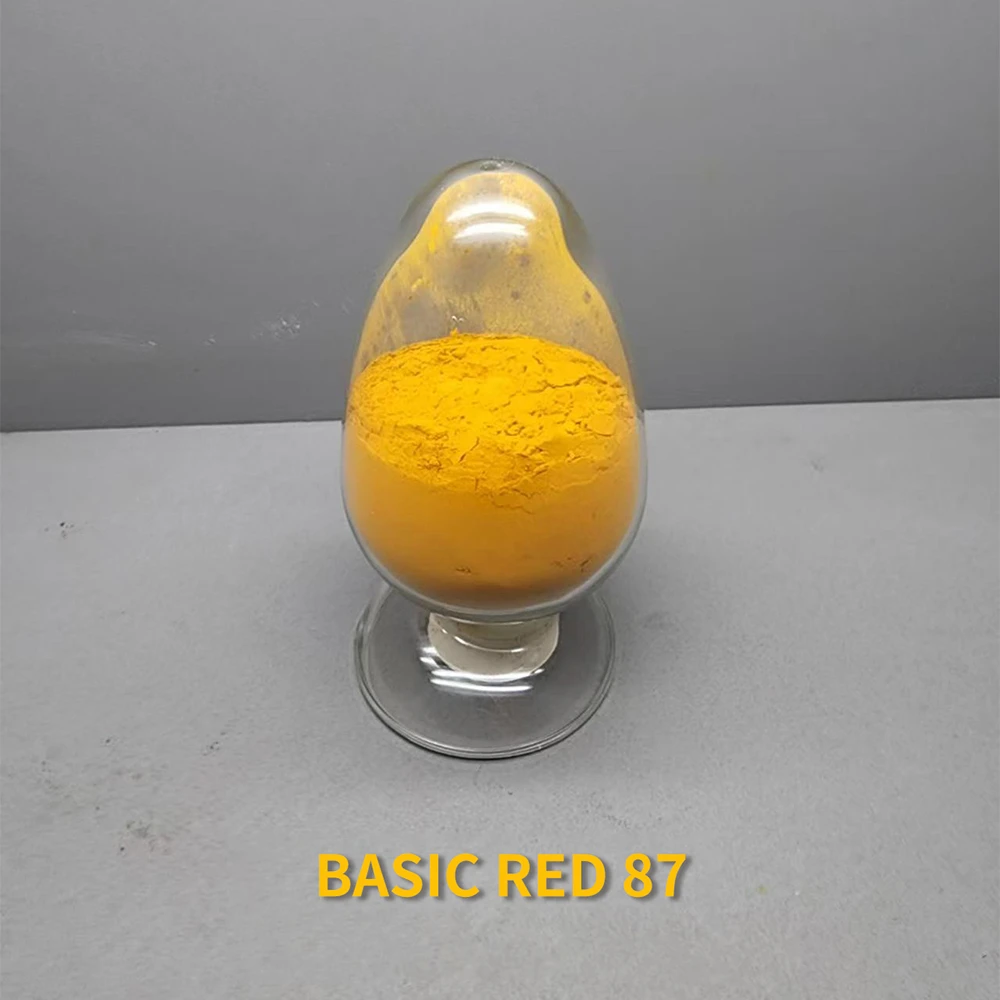
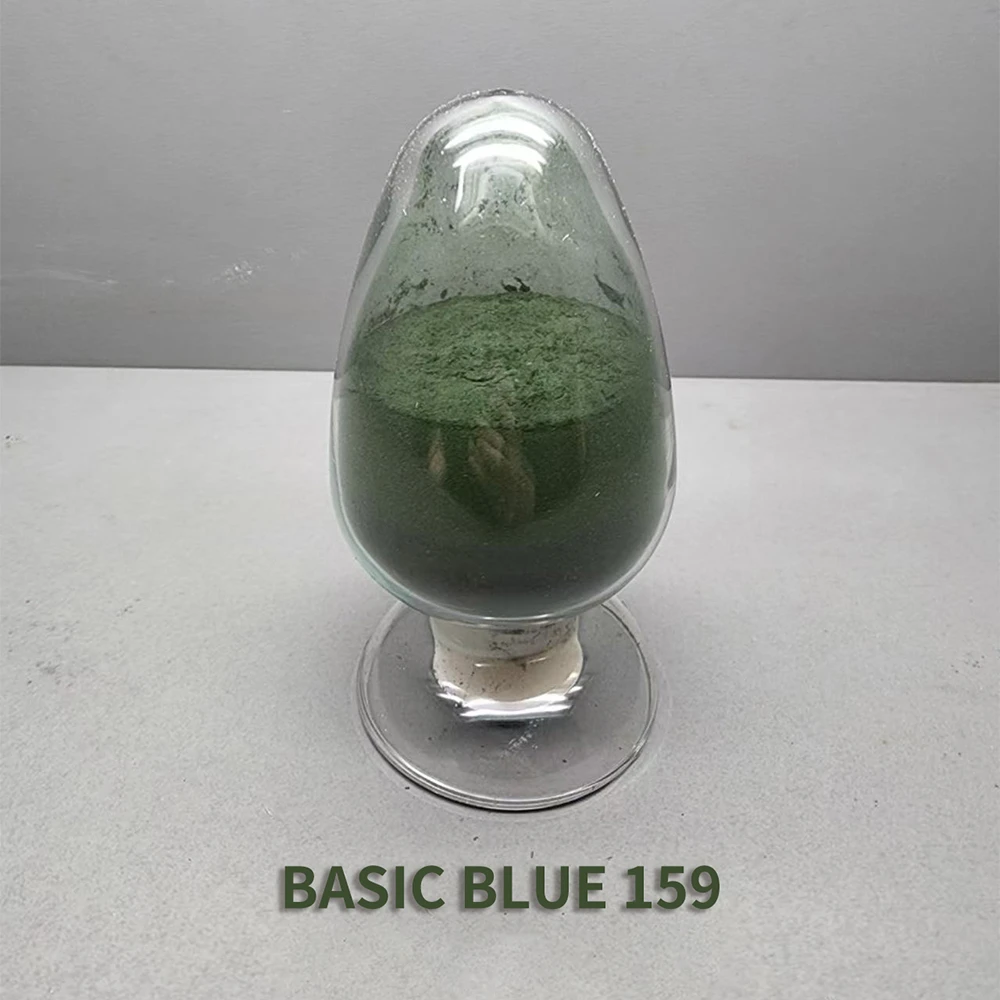
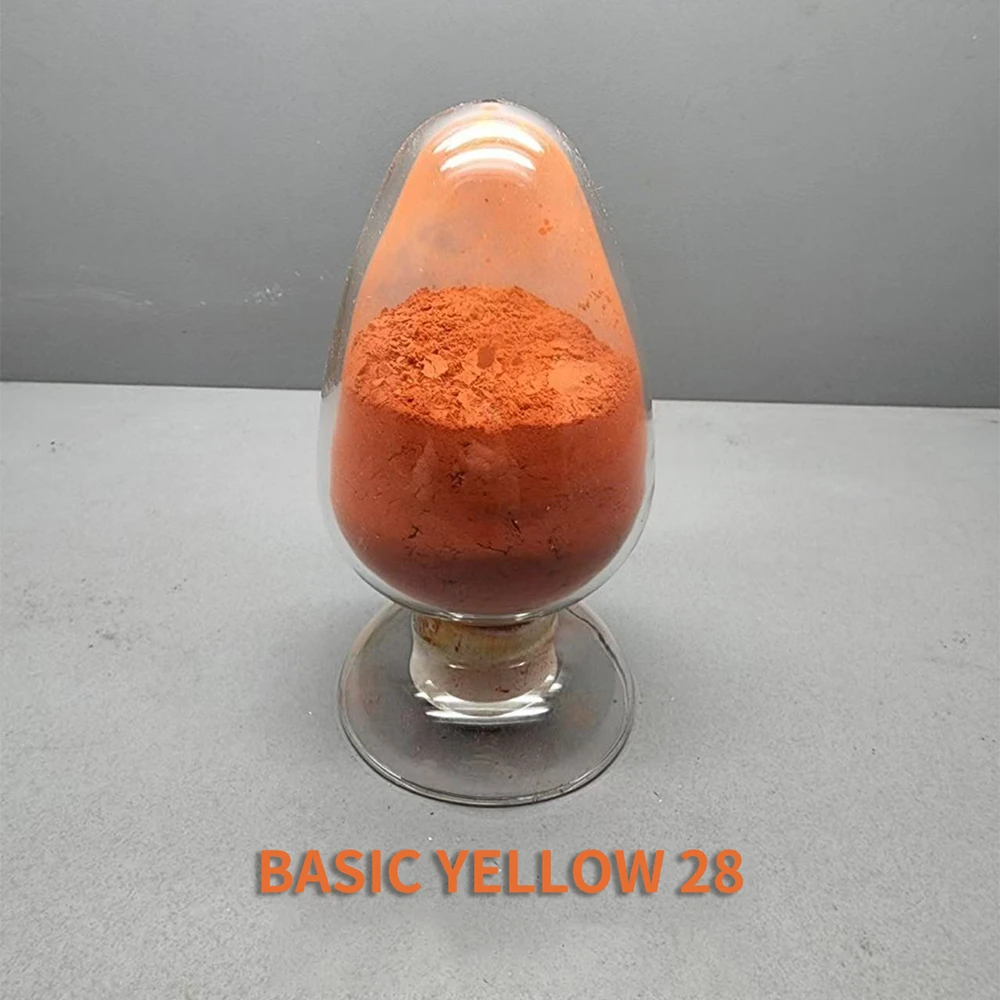
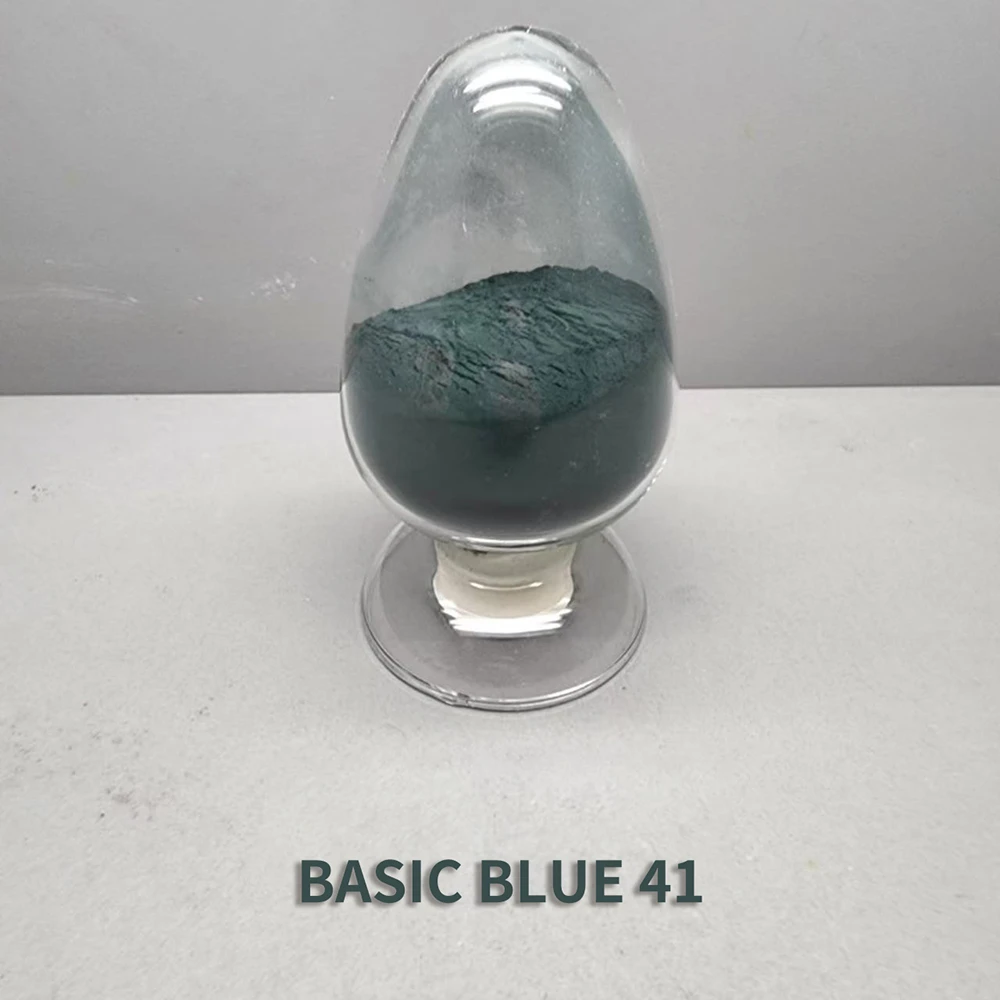
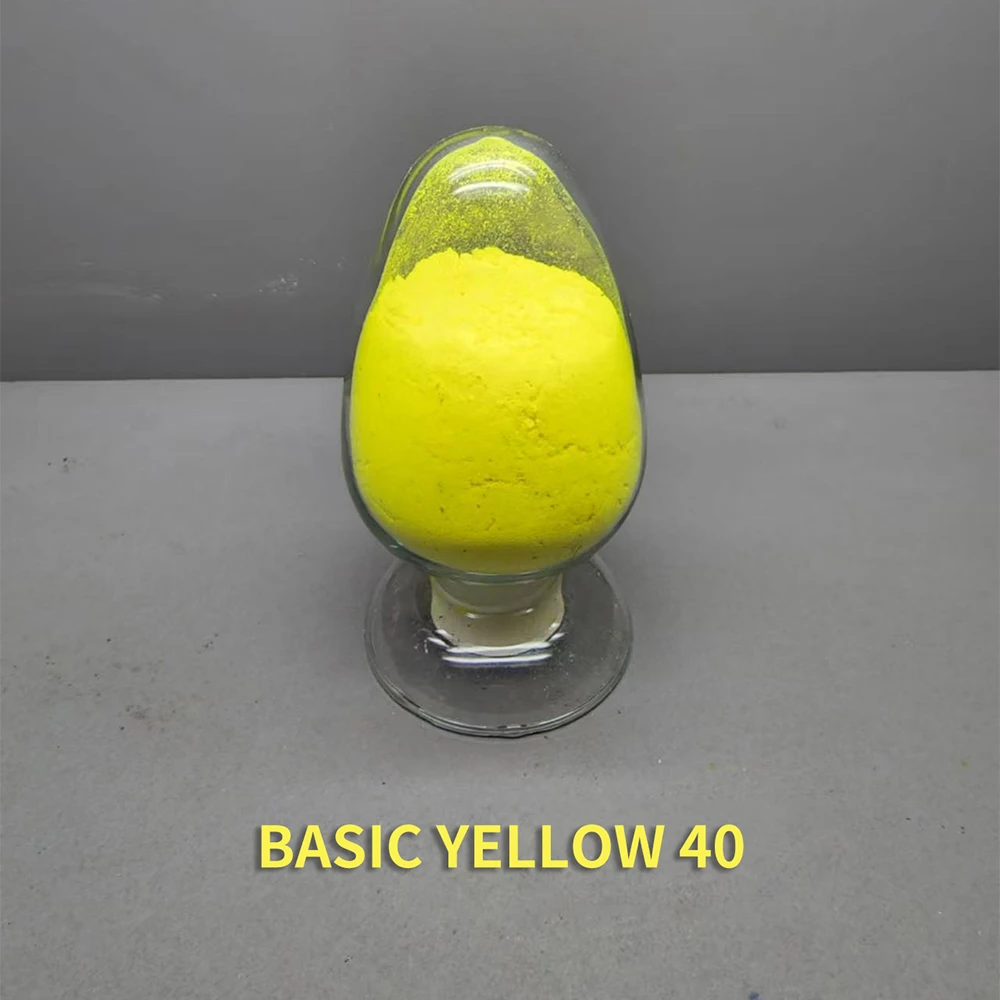
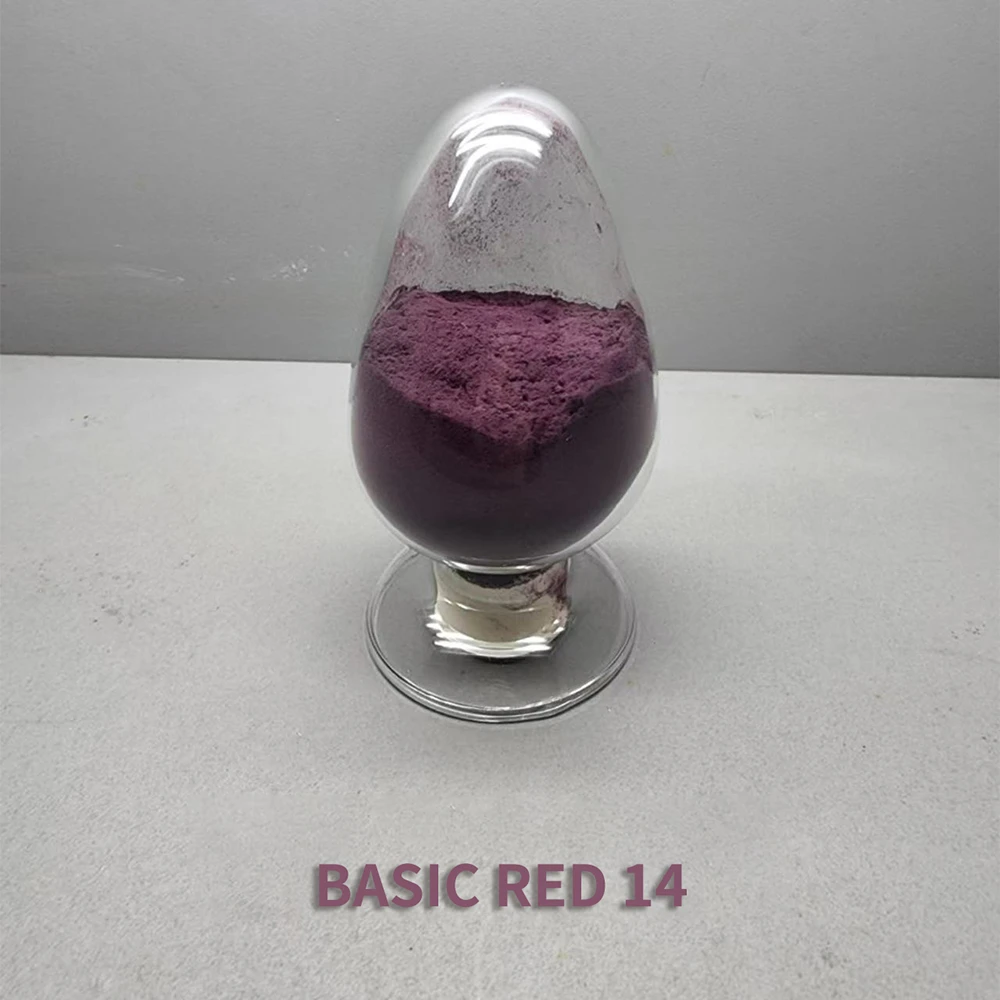
Simply put, pigment dyes aren’t dyes in the traditional sense — they’re tiny colored particles that sit on the fabric surface rather than soaking into fibers. Imagine a fine powder or paste that, when suitably fixed with binders or adhesives, stays put and resists washing and sunlight fading. This makes them somewhat similar to paints, just ultra-fine and specifically formulated for textiles. Their main charm? They can be printed on virtually any material, synthetic or natural, offering designers incredible flexibility. In an industry obsessed with mass customization and quick turnaround, pigment dyes enable brilliant, high-detail prints without the water-heavy, pollution-heavy processes of old-school dyeing.
Mini takeaway:
Pigment dyes are like a modern brushstroke on textiles — versatile, vibrant, and kinder to the planet, meeting the needs of a fast-moving, eco-conscious world.
Core Elements Driving the Use of Pigment Dyes
Durability and Colorfastness
One of the main reasons pigment dyes shine is their impressive resistance to fading and washing. Because pigments don’t penetrate fibers but adhere firmly, the colors tend to last longer under sunlight and frequent wash cycles. This durability is essential for everything from outdoor gear to commercial upholstery.
Material Compatibility
Unlike traditional dyeing processes that might only work on cottons, silks, or polyesters specifically, pigment dyes can cling to almost any fabric. This universal compatibility opens doors for innovative composite materials, blends, and even recycled fabrics.
Environmental Impact
Here’s the kicker: because pigment dyes require considerably less water and fewer harsh chemicals, they generate much less wastewater pollution — a game changer, especially for factories in regions struggling with water scarcity or lax environmental regulation.
Cost Efficiency
At first glance, pigment printing can seem pricier due to the binders and specialized equipment needed. But in real terms, savings come from reduced water usage, lower energy consumption, and faster processing times — all translating to a trimmer environmental wallet.
Scalability and Customization
For brands chasing unique designs and smaller production runs, pigment dyes allow rapid changes without massive retooling. Digital pigment printers, in particular, have pushed this flexibility into hyperdrive — print what you want, when you want it.
| Spec | Value / Range | Notes |
|---|---|---|
| Particle Size | ≤ 5 microns | Ensures smooth fabric feel |
| Binder Content | 5-15% | Helps pigment adhesion |
| pH Range | 6-8 | Optimizes fabric compatibility |
| Wash Fastness | Grade 4-5 | Measured on ISO wash fastness scale |
| Lightfastness | Grade 6-7 | Excellent resistance to UV fading |
Real-World Applications and Industry Use Cases
In industry terms, pigment dyes show up everywhere — from flagship fashion collections in Milan to robust outdoor fabrics used by aid organizations in harsh climates. Think about post-disaster tents needing vibrant but fading-resistant prints, or automotive upholstery that has to stand sun exposure for years. The pigment dyes for textile printing used by NGOs working on emergency relief clothes are prized because they offer both durability and quicker turnaround times compared to conventional dyeing. In regions like Southeast Asia, companies are switching to pigment printing to cut water usage by up to 70%, an impressive environmental win in areas heavily reliant on freshwater.
Mini takeaway:
These dyes aren’t just pretty colors. Their practical role touches sustainability, emergency response, and fashion innovation all at once.
Advantages & Long-Term Value You Can Count On
When it comes to measuring value, pigment dyes tick a surprising number of boxes. Cost benefits are obvious when factoring in reduced water, energy, and chemical disposal. But there’s more subtle upside: these pigments help retailers meet increasing consumer demand for eco-friendly products — which translates into brand loyalty and trust. On a social level, safer dyeing processes mean fewer health risks for factory workers in developing nations, a critical improvement. Lastly, the sheer reliability of colors that don’t dull after a few washes nurtures an emotional connection to products — they keep looking fresh, enhancing customer satisfaction.
Looking Ahead: Future Trends and Innovations in Pigment Dye Technology
Technology is never static here. I’ve noticed that advances in binder chemistry are improving pigment flexibility and hand feel, making prints softer and less “paint-like.” Digital textile printers increasingly use water-based pigment inks, marrying sustainability with precision. Green energy-powered production facilities are starting to pop up, promising further drops in greenhouse gas emissions. Meanwhile, regulatory pressure (ISO environmental guidelines, for instance) nudges the market toward closed-loop pigment printing, recycling wash water while maintaining impeccable quality. I suppose we’re headed into an era where pigment dyes do not just color textiles but also protect the planet in a broader sense.
Challenges in Pigment Dye Use — And How to Overcome Them
No tech is without its quirks. Pigment dyes can sometimes feel stiffer on fabrics if not formulated correctly, and their reliance on binders can complicate washing or recycling at garment end-of-life. Some manufacturers wrestle with achieving sufficient color depth compared to reactive dyes, especially on light fabrics. However, experts recommend a combination of optimized binder formulations and finishing techniques to address these. Also, combining pigment dyeing with digital color management systems helps keep the process consistent and scalable. In short, while challenges exist, innovative R&D and smarter process control keep pushing pigment printing forward.
| Vendor | Eco Certifications | Binders Type | Price per kg (USD) | Regional Availability |
|---|---|---|---|---|
| Yanhong Chemical | OEKO-TEX, GOTS | Acrylic-based | 12.50 | Global |
| ColorTec Solutions | Bluesign | Polyurethane-based | 14.00 | Americas, Europe |
| EcoPigment Corp | Global Recycled Standard | Silicone-based | 15.75 | Asia, Europe |
Frequently Asked Questions About Pigment Dyes for Textile Printing
Q1: How do pigment dyes compare to reactive dyes in terms of environmental impact?
Pigment dyes generally have a lower environmental footprint because their application requires less water and fewer chemicals. Unlike reactive dyes, which bond chemically with fibers and often need extensive rinsing, pigment dyes stick on the surface with binders, minimizing wastewater and reducing pollution.
Q2: Can pigment dyes be used on all types of fabrics?
Yes, one of the biggest perks is their versatility. Pigment dyes can be applied to natural fibers like cotton or wool, synthetics such as polyester, or blends. The binders allow pigments to adhere regardless of fiber type, greatly expanding fabric choices and design possibilities.
Q3: Are pigment-dyed textiles durable enough for outdoor use?
Absolutely. Pigment dyes offer high lightfastness and wash fastness, which means colors remain vibrant even after long exposure to sunlight and repeated washing. That’s why many outdoor gear and upholstery manufacturers rely on them.
Q4: Is the hand feel of fabrics affected by pigment dyes?
Sometimes. Pigment printing can make fabrics feel stiffer if binders aren’t optimized, but with technological advances and careful formulations, this stiffness is becoming less noticeable, producing soft and comfortable textiles.
Q5: How can I source eco-friendly pigment dyes for my textile business?
Look for suppliers with certifications like OEKO-TEX, GOTS, or Bluesign. Companies like Yanhong Chemical specialize in sustainable pigment dyes with global availability and robust technical support.
Wrapping It Up: Why Pigment Dyes Are More Than Just a Trend
In the long view, pigment dyes for textile printing represent smart evolution — balancing vibrant design freedom with an undeniable nod to sustainability and practicality. For manufacturers aiming to reduce environmental impact while staying competitive, pigment dyes offer a solid path. And for consumers, they mean clothes and textiles that not only look good but last, making every wash a little less wasteful. Curious to explore how this technology might fit your needs? Feel free to dive deeper at our website, where innovation meets responsibility in every pigment.
Quick Reflections and References
-
Explore Cationic Dyes Names: Chemistry, Applications & Global InsightsNewsDec. 03, 2025
-
Gray Fabric Dye Solutions | Durable & Sustainable Textiles by YanhongChemNewsDec. 10, 2025
-
Fabric Dye Company: Durable, Sustainable Solutions for B2B Textile NeedsNewsDec. 03, 2025
-
Fabric Dyeing: Sustainable Techniques and Trends Transforming the Textile IndustryNewsDec. 03, 2025
-
What Is Basic Blue? Understanding Its Industrial ImportanceNewsDec. 13, 2025
-
Comprehensive Guide to Orange Fabric Dye for Industrial Use | YanhongchemNewsDec. 05, 2025