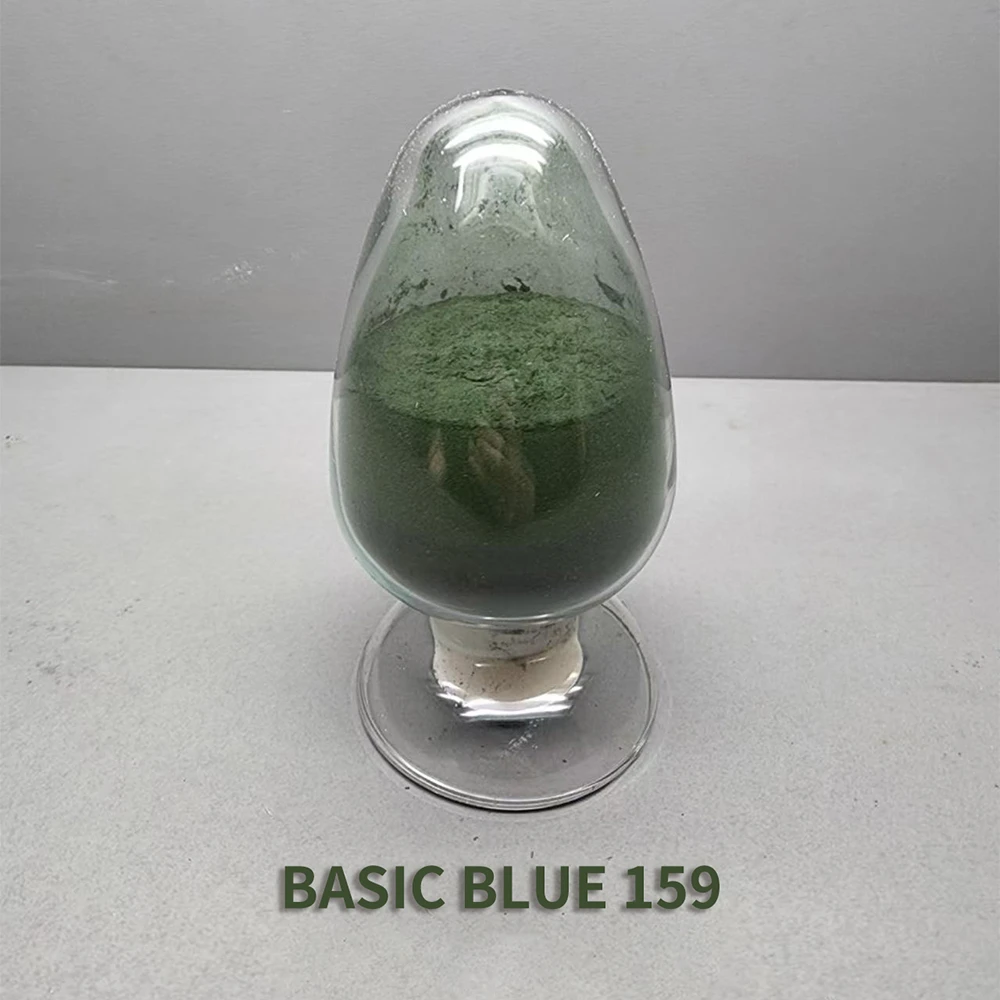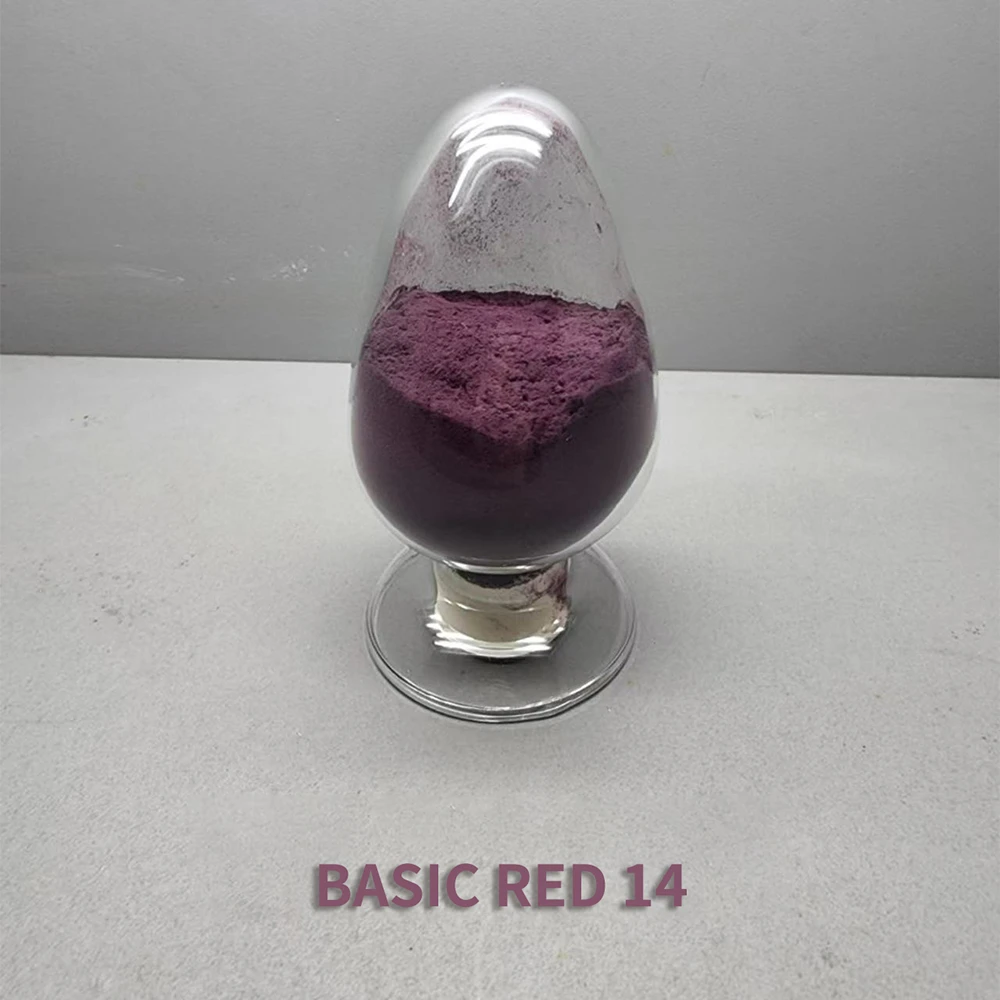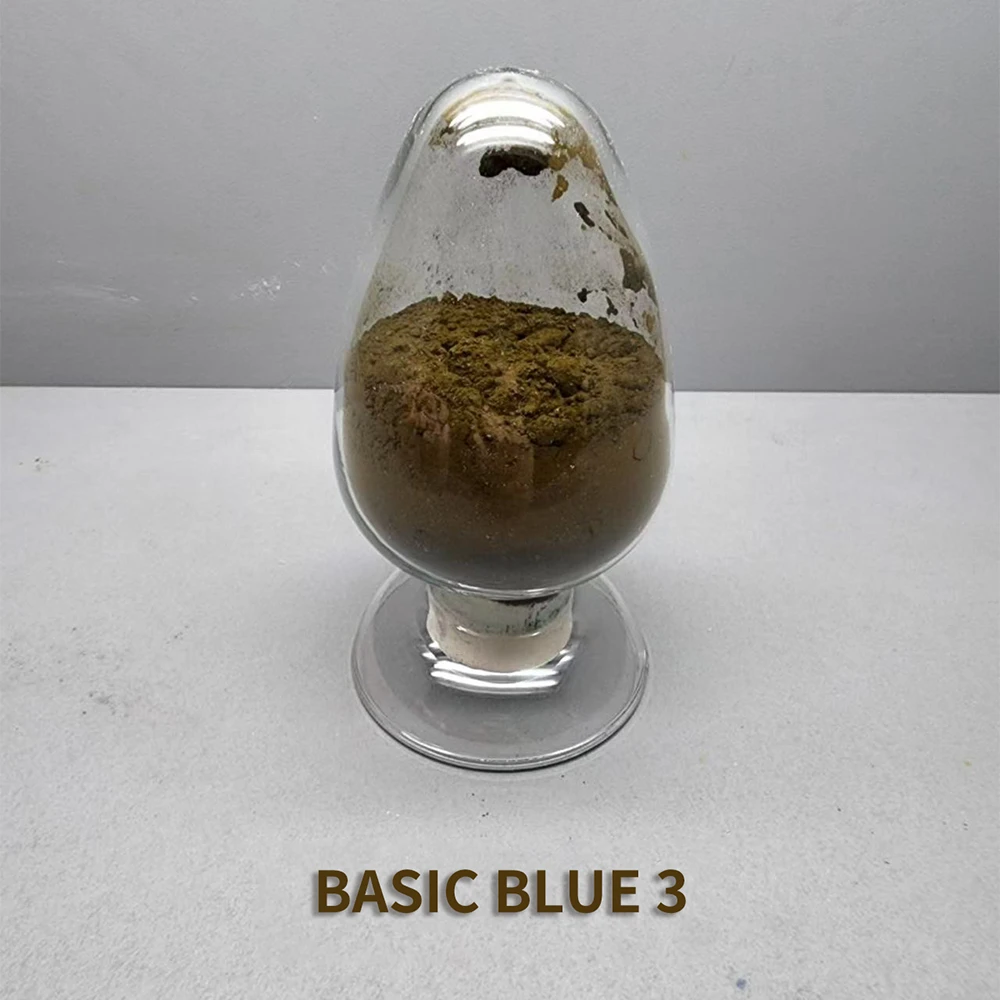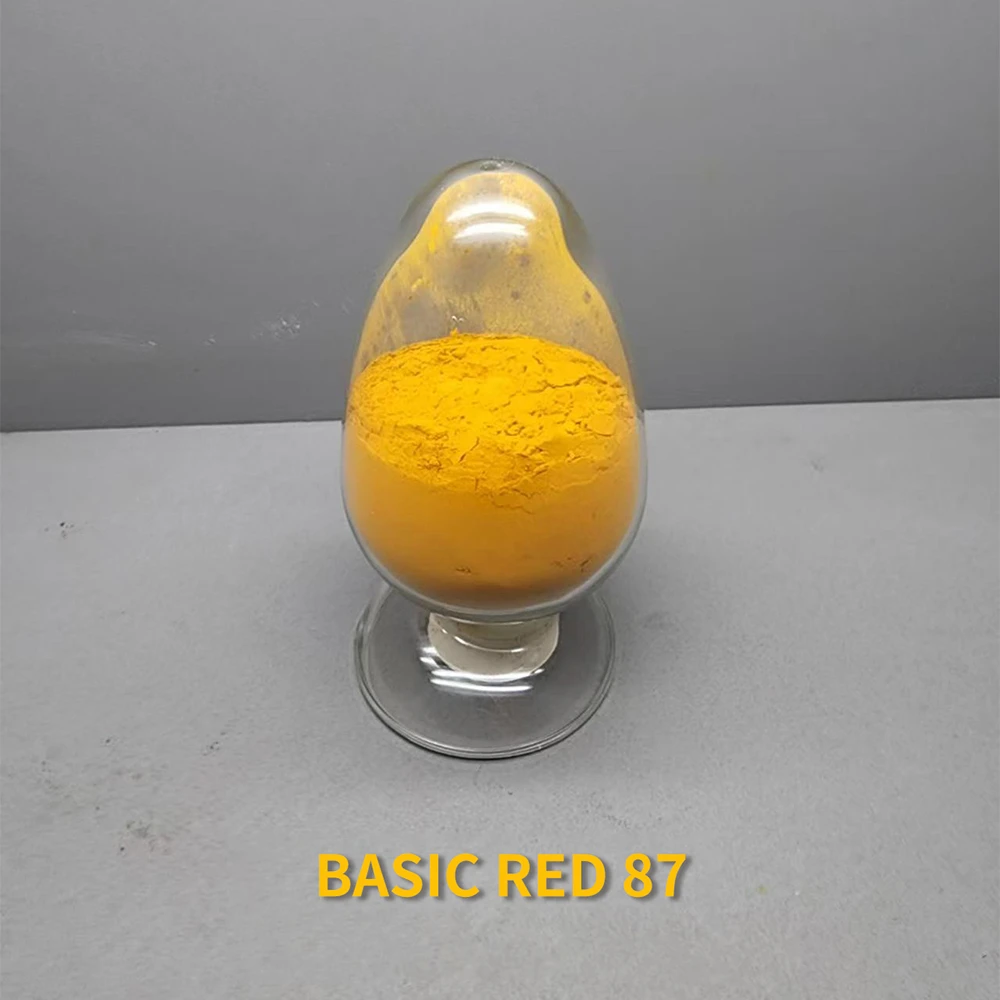
Leading China Fabric Dye Manufacturers: Quality, Innovation & Sustainability
Why China Fabric Dye Manufacturers Matter in Today's Textile World
When you think about the vibrant colors that bring life to clothing, furnishings, or even technical textiles, it’s hard to ignore the vital role fabric dyes play—especially those coming from the powerhouse of manufacturing: China. China fabric dye manufacturers are more than just suppliers; they’re key influencers in the global textile economy, affecting everything from fashion trends to industrial fabrics. Understanding how this sector operates offers insights into cost dynamics, sustainability efforts, and innovation pushing the textile industry forward worldwide.
After all, nearly 60% of global fabric dye supply chains have some link back to manufacturing hubs in China, according to recent ISO trade data.1 That’s quite a footprint. But it also spotlights challenges, including environmental concerns and evolving standards in safety and quality.
So, why should anyone beyond textile professionals care? Because behind every dyed thread, there’s a story about chemical engineering, international trade, and efforts to marry beauty with responsibility—and we all wear or use those results somehow.
The Global Stage: China's Role in Fabric Dye Manufacturing
Globally, the textile industry is a massive economic driver, valued at over $1.2 trillion as of 2023.2 Within this ecosystem, fabric dyes stand out as specialty chemicals that determine fabric quality, longevity, and environmental footprint.
Of course, this comes with notable issues. For example, dye processes traditionally consume a lot of water and generate wastewater rich in chemical residues. That’s a problem many fabric dye manufacturers in China have started tackling by adopting newer technologies and green protocols—though unevenly across the board.
China, by virtue of its scale and infrastructure, has managed to supply a hefty chunk of dyes — ranging from reactive, direct, disperse to vat dyes — catering both to domestic textile mills and exports.china fabric dye manufacturers have found ways to remain competitive on pricing while inching closer to international environmental standards, such as those set by ISO and the UN’s Sustainable Development Goals (SDGs).
So, What Exactly Are China Fabric Dye Manufacturers?
Simply put, these manufacturers produce chemical compounds that impart color to textiles. But it’s not just about “coloring stuff.” The dye molecules must bind to various fibers (cotton, polyester, nylon) with precision, withstand washing, light exposure, and wear without fading or damaging the fabric.
China fabric dye manufacturers comprise plants and companies specialized in creating these dyes at industrial scales. They employ advanced chemistry, mixing raw materials mostly sourced both locally and internationally, and run thorough quality testing to meet customer demands—whether that’s for fashion brands, industrial workwear, or medical textiles.
It’s a complex dance of chemistry and industry. Dragon dyes, acid dyes, or azo dyes—they’re all part of the arsenal. What connects all these manufacturers is a focus on cost-effective, scalable solutions with an increasing nod toward eco-friendliness.
Key Factors That Define China Fabric Dye Manufacturers
1. Durability and Colorfastness
No one wants clothes that bleed colors at the first wash or fade after a sunny weekend. China’s fabric dye firms know this well and engineer dyes to resist various stressors, ensuring fabrics stay vibrant.
2. Scalability and Production Capacity
The sheer volume demanded worldwide means manufacturers in China operate massive facilities capable of churning out tons of dyes monthly. This scalability often translates to better pricing, benefiting global buyers.
3. Cost Efficiency
China’s competitive labor costs and raw material sourcing leverage allow fabric dye producers to keep prices relatively low without compromising basic quality levels—though this is evolving with stricter environmental policies.
4. Environmental Compliance
There’s a growing push toward greener dyes and cleaner production techniques. Some manufacturers now treat wastewater rigorously to minimize pollution, aligning with international norms and buyer expectations.
5. Innovation in Customized Dye Formulations
Clients increasingly request tailored dye properties—like specific fastness ratings or special effects. Leading Chinese manufacturers often collaborate closely with buyers to develop these unique solutions.
Product Specification Comparison: Typical China Fabric Dye Manufacturers
| Specification | Reactive Dye | Disperse Dye | Vat Dye |
|---|---|---|---|
| Fiber Type | Cotton/Linen | Polyester | Cotton, Rayon |
| Colorfastness | High to washing & light | Moderate to good | Excellent |
| Environmental Impact | Medium | Low to medium | Higher unless treated |
| Common Industries | Apparel, Home Textiles | Sportswear, Industrial | Workwear, Denim |
How These Manufacturers Impact Different Global Sectors
In real-world applications, China fabric dye manufacturers fuel everything from high-end fashion, sportswear, to technical materials for industries like automotive and healthcare.
- Asia-Pacific: Large textile clusters in Bangladesh, Vietnam, and India heavily depend on affordable, reliable dye supplies from China to serve export markets.
- Europe: Manufacturers sourcing green-compliant dyes increasingly turn to select Chinese producers with environmental certifications.
- North America: Specialized dye types for synthetic fibers come mostly from China’s growing high-tech dye sectors.
- Disaster Relief: Fast production of colorful, durable fabrics for tents and medical use is possible partly thanks to rapid dye supplies from China.
One interesting anecdote: In a recent project supplying textiles for remote cold regions in Siberia, manufacturers requested highly durable disperse dyes that could withstand extreme temperature variances. Chinese fabric dye companies responded with customized batches, proving their growing agility beyond mass production.
Mini Takeaway
The vast reach of Chinese fabric dye manufacturers means they influence textile quality and sustainability across continents, adapting to diverse needs from fashion to humanitarian efforts.
Advantages and Long-Term Value of Choosing China Fabric Dye Manufacturers
Frankly, working with top-tier Chinese fabric dye producers offers multiple benefits:
- Competitive Pricing: Extensive supply chains and economies of scale often equate to cost savings.
- Reliability & Volume: Large-scale production means timely deliveries and consistent availability.
- Innovation Potential: R&D investments in eco-friendly and specialty dyes continue to rise.
- Sustainability Moves: While not perfect, many firms now prioritize wastewater treatment and cleaner chemistry.
- Customization Options: Collaborations yield dyes tailored exactly to fabric and performance needs.
From a social perspective, ensuring textiles are dyed safely and sustainably helps uphold brand values and consumer trust, which is kind of priceless in today's market.
Looking Ahead: Future Trends in Fabric Dye Manufacturing
What excites me is how automation, AI, and green technology are reshaping fabric dye production. Expect more low-water, low-energy dye methods (like digital inkjet printing for textiles), and novel bio-based dyes that reduce chemical footprints.
Chinese manufacturers are often at the forefront here, investing heavily in greener chemistry and factory digitization, driven in part by government policies encouraging sustainability and innovation.
Common Challenges Faced and Smart Workarounds
Of course, it’s never all smooth sailing. Issues like:
- Environmental Pollution: Traditional dye processes risk contaminating local water supplies.
- Quality Variability: Not all manufacturers maintain consistent standards, posing supply risks.
- Regulatory Compliance: International buyers often require certifications that can be expensive to obtain.
But solutions appear as well: wastewater treatment tech, ISO certifications, supplier audits, and more transparent supply chains are becoming commonplace. Buyers and manufacturers are collaborating more closely than ever to solve these.
FAQ: Your Essential Questions About China Fabric Dye Manufacturers
Q: How can I verify the environmental compliance of a Chinese fabric dye manufacturer?
A: Look for certifications like ISO 14001 or Bluesign approval, and request recent wastewater testing reports. Working with third-party auditors is also common.
Q: Are dyes from China suitable for sensitive applications like medical textiles?
A: Yes, many manufacturers produce specialized, low-toxicity dyes designed for healthcare fabrics. Confirm the dye meets relevant safety standards before purchase.
Q: How do turnaround times compare for custom dye formulations?
A: It varies, but most manufacturers can develop and deliver customized dye batches within 2 to 6 weeks, depending on complexity and order size.
Q: Can I order small batch quantities, or do I need large volumes?
A: While many factories prefer bulk orders for cost efficiency, some offer minimum order quantities friendly to smaller SMEs or samples.
Q: What trends should buyers watch for when sourcing from Chinese fabric dye manufacturers?
A: Sustainability-driven innovations, digital factory integration, and increased transparency in supply chains are key trends to monitor.
Conclusion: The Colorful Horizon of China Fabric Dye Manufacturing
In short, China fabric dye manufacturers are critical pillars supporting worldwide textile production — from the clothes we wear to the tech fabrics enabling innovation. Their influence spans scale, cost, and environmental responsibility. While challenges persist, progress toward greener, smarter manufacturing is real.
For businesses aiming to stay ahead in textile sourcing, understanding these manufacturers’ strengths and hurdles offers a competitive edge. If you want to explore reliable, innovative suppliers that blend tradition with modernity, I highly recommend checking out china fabric dye manufacturers—they’re a perfect starting point.
References
- ISO Trade Statistics, 2023 — https://www.iso.org
- World Bank Textile Industry Report, 2023 — https://data.worldbank.org
- United Nations Sustainable Development Goals — https://sdgs.un.org/goals
| Vendor | Annual Production (tons) | Environmental Certification | Customization Services | Lead Time | Typical Clients |
|---|---|---|---|---|---|
| Yanhong Chemical | 10,000+ | ISO 14001, Bluesign | Yes, full R&D support | 3-6 weeks | Apparel, Technical Textiles |
| Jilin Dye Tech | 7,500 | ISO 9001, Partial Green Certificates | Limited | 4-8 weeks | Home Textiles, Industrial |
| Huakang Dyeing | 5,200 | In Process (Expected 2025) | Moderate | 5-7 weeks | Sportswear, Fashion Brands |
It feels like fabric dye manufacturing in China is always balancing tradition with tech, economy with ecology—a colorful challenge indeed.
-
Basic Black in Industrial Equipment: Timeless and ToughNewsDec. 13, 2025
-
Peach Fabric Dye – Reliable Industrial Textile Color SolutionsNewsJan. 03, 2026
-
What Is Basic Green Color? Properties, Applications & Vendor GuideNewsDec. 03, 2025
-
Choosing the Optimal Outdoor Waterproof Fabric Dye for Enhanced DurabilityNewsJan. 27, 2026
-
White Fabric Dye for Clothes: Industrial Insights & Best ChoicesNewsJan. 03, 2026
-
Neon Fabric Dye: Industrial-Grade Bright Textile Solutions | YanhongNewsDec. 09, 2025