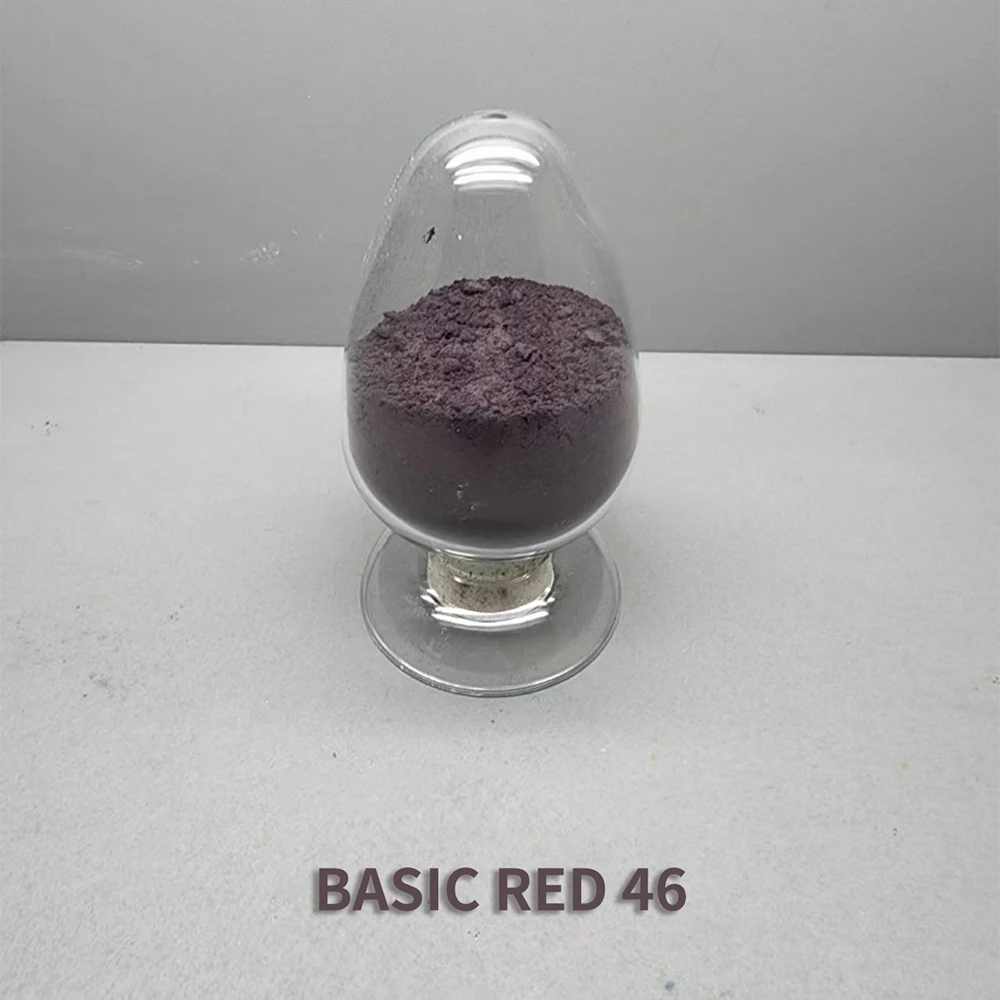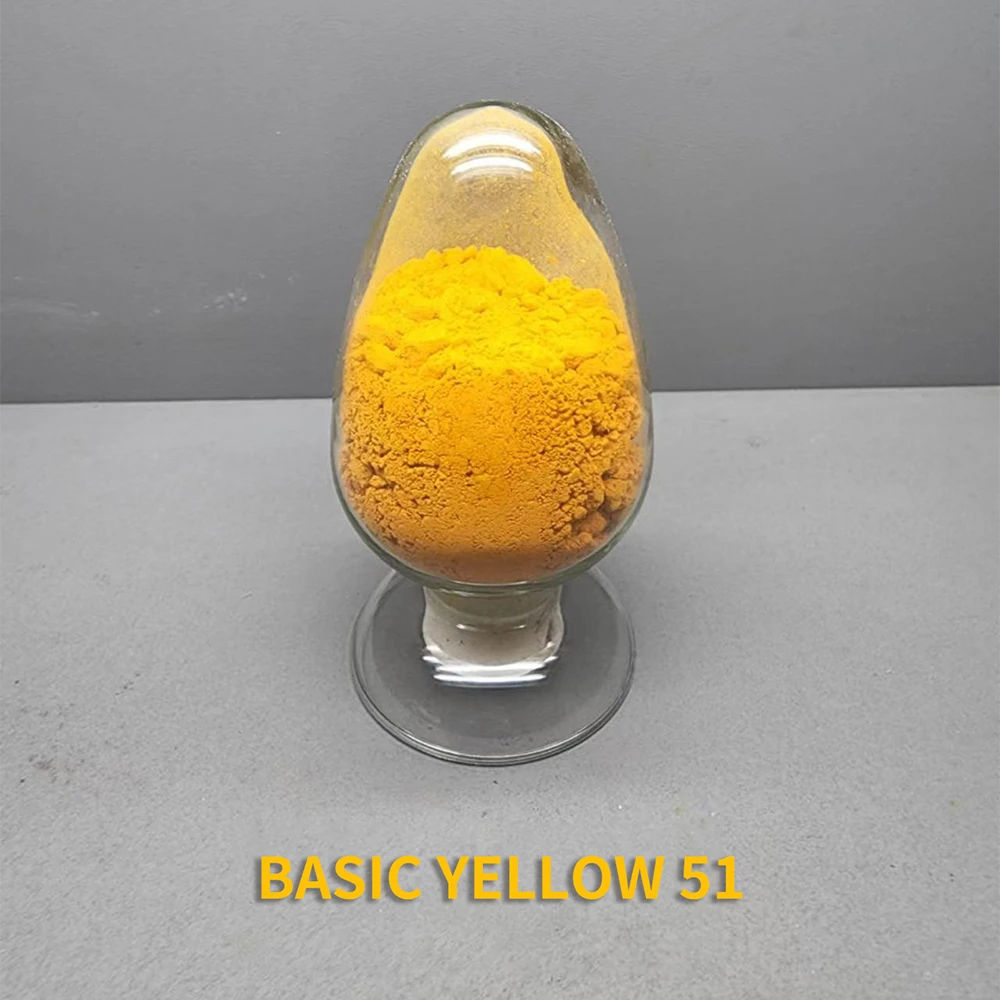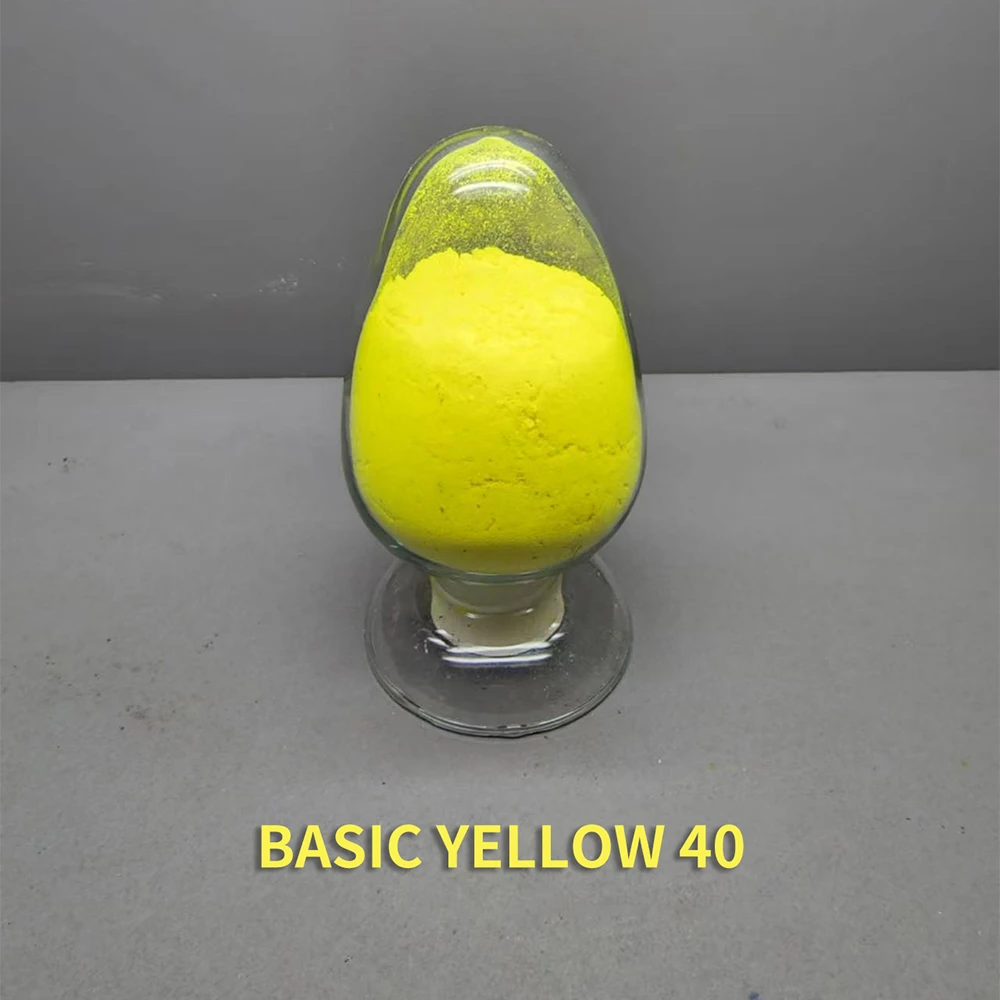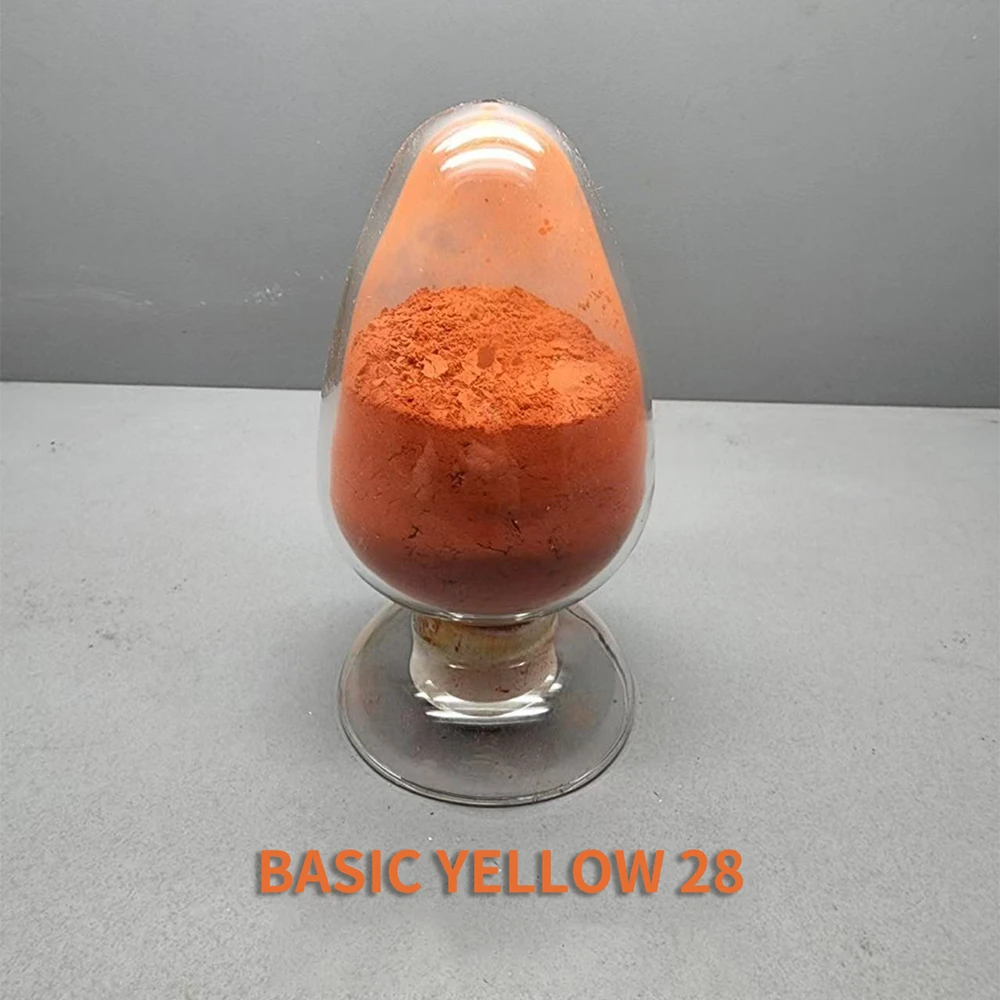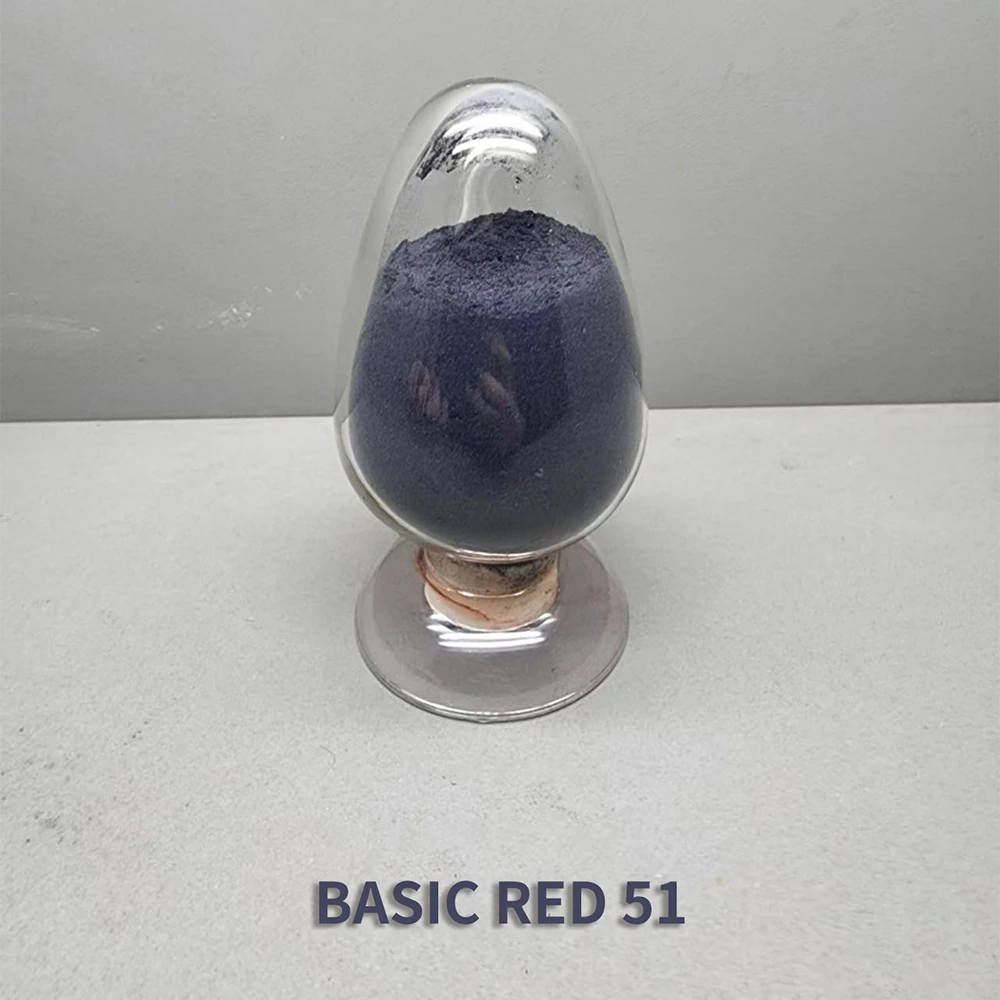
High-Quality Red Clothes Dye for Durable & Sustainable Textiles
Understanding Red Clothes Dye: More Than Just Color
Red clothes dye might sound straightforward—a simple pigment that gives fabric that fiery flap in the wind we all recognize—but its global significance is surprisingly vast. From fashion houses in Milan to humanitarian relief organizations in remote regions, the right red hue can be a symbol of culture, identity, and even hope. Knowing about red clothes dye, its properties, and applications isn’t just for chemists or textile manufacturers anymore. It matters globally, economically, and socially, especially as industries push for sustainable and durable coloring solutions.
Why Red Clothes Dye Matters Globally
Did you know the global textile market is projected to reach a staggering $1.23 trillion by 2027? (Source: Statista). Within this, red clothes dye occupies a special role—both because red is one of the most popular colors worldwide and because the dyeing process affects environmental footprints. The International Organization for Standardization (ISO) has taken steps to regulate and standardize textile dyes, including those for red because of their chemical complexity.
However, it’s not without challenges. Traditional azo dyes—commonly used for red—carry environmental concerns: they’re often difficult to break down and can be toxic to aquatic life. So industries and NGOs alike grapple with finding red clothes dye solutions that balance vibrancy with sustainability.
Mini takeaway:
Red clothes dye is more than pigment; it’s a vital part of a booming global industry that must reconcile beauty with ecological responsibility.
What Exactly Is Red Clothes Dye?
At its core, red clothes dye refers to the pigments or chemicals applied to textiles to impart various shades of red. These dyes come in several types—acid, reactive, direct, and natural dyes—each interacting differently with fibers. For example, reactive dyes form a chemical bond with cotton, producing bright, long-lasting reds, while acid dyes are typically used for protein fibers like wool or silk.
Beyond mere aesthetics, red dye holds symbolic importance in many cultures and industries. In modern humanitarian needs—think disaster relief clothing or safety uniforms—high-visibility red hues can aid quick identification, increasing safety and coordination.
Mini takeaway:
Simply put: red clothes dye defines color and meaning in textiles, linking chemistry with culture and function.
Core Components in Selecting the Right Red Clothes Dye
1. Color Fastness and Durability
The last thing anyone wants is their brilliant red shirt turning into a dull pink after a couple of washes. Durability—how well a dye holds up over time, exposure to sunlight, and washing—is crucial. Many engineers focus on how dyes penetrate fiber versus just coating fabric to maximize this.
2. Environmental Impact
Fast fashion has shifted consumer consciousness—we now expect greener dyes. Compostable fibers combined with natural red dyes extracted from madder root or cochineal insects are gaining momentum. But synthetic dyes still dominate because they’re cheaper and brighter. Finding the middle ground remains a hot topic.
3. Cost Efficiency
Red colors tend to be more expensive due to complex chemistry and the quality of dye intermediates. Producers constantly balance dye concentration, yield, and waste reduction. Oddly enough, cheaper dyes sometimes lead to more fabric wastage—costing more in the long run.
4. Scalability
For fashion brands or uniform suppliers ordering millions of garments, the dye process needs to scale without color inconsistency or chemical hazards. This often means investing in industrial dyeing machines and quality controls.
5. Safety and Regulations
Global regulations (such as the EU’s REACH law) strictly control red dyes that contain carcinogenic azo compounds. Compliance is non-negotiable, especially in apparel destined for children or sensitive users.
Mini takeaway:
Durability, environment, cost, scale, and safety—these five pillars nearly always guide red clothes dye decisions.
Red Clothes Dye in Action: Real World Applications
Industries from sportswear to emergency services use red clothes dye critically. For example, fire departments demand high-visibility and flame-retardant red uniforms. In disaster relief, NGOs rely on remotely produced red garments to mark teams and improve safety coordination in crowded camps.
A striking case is the rise of sustainable fashion brands in Southeast Asia, who use locally sourced natural red dyes to tap into cultural heritage while lowering environmental harm.
| Specification | Range / Value |
|---|---|
| Color Shades | Crimson, Scarlet, Burgundy, Vermilion |
| Dye Types | Reactive, Acid, Direct, Natural |
| Application Methods | Batch dyeing, Continuous dyeing, Digital printing |
| Fastness Ratings | 4–5 (wash, light, rubbing) |
| Environmental Certifications | OEKO-TEX, GOTS, Bluesign |
Why Investing in Quality Red Clothes Dye Pays Off
There’s a reason many industry veterans won’t compromise on red dye quality. It’s about trust—trust that colors won’t fade during high-profile events, that garments won’t trigger allergic reactions, and that supply chains stay environmentally compliant. The social value of this trust cannot be overstated; consumers today want transparency and sustainability.
Emotionally, a well-chosen vibrant red garment can evoke dignity and confidence—think of uniforms worn by healthcare workers or social activists.
Upcoming Trends in Red Clothes Dye Technology
Looking ahead, the future seems bright and, surprisingly, quite green. Innovations in digital textile printing allow much more precise application of red dyes, reducing waste dramatically. Meanwhile, biotechnology is enabling labs to “grow” natural red pigments—bypassing traditional farming.
Automation in dye houses promises faster turnaround times and consistent shade matching. Policies worldwide (UN SDGs, EU Green Deal) increasingly encourage manufacturers to adopt such innovations—not just for profit, but planetary health.
Obstacles in Today's Dye Industry and How Experts Are Tackling Them
Yet, it’s not all rosy. Even the best red clothes dye technologies face problems, like:
- Water consumption and toxic effluents.
- Inconsistent supply of natural dye materials.
- High initial investment costs for green dyeing plants.
Innovative solutions include closed-loop water systems that recycle dye baths, government subsidies for sustainable production, and cross-industry collaborations to scale supply chains — slowly but surely reducing these hurdles.
Vendor Comparison: Red Clothes Dye Suppliers
| Vendor | Dye Types Offered | Eco-Certifications | Typical Lead Times | Price Range |
|---|---|---|---|---|
| Yanhong Chemical | Reactive, Acid, Natural | OEKO-TEX, GOTS | 2-3 weeks | $$$ |
| RedFab Dyes | Direct, Reactive | Bluesign | 1-2 weeks | $$ |
| EcoDyes Intl. | Natural Only | GOTS, USDA Organic | 3-4 weeks | $$$$ |
Frequently Asked Questions About Red Clothes Dye
Q1: What makes red clothes dye different from other color dyes?
A: Red dyes often require more complex chemical processes to achieve vibrant, fast colors. They include specialized pigments or intermediates and must balance brightness with durability, which sets them apart from other colors like blue or green.
Q2: Are natural red dyes as effective as synthetic ones for clothing?
A: Natural red dyes, such as those from madder root or cochineal, provide beautiful hues but often have lower color fastness and a narrower color range. Advances in mordanting and fixing techniques have improved their performance but they’re generally less scalable than synthetics.
Q3: How does climate regulation affect the production of red clothes dye?
A: Many countries have tough regulations restricting carcinogenic azo compounds often used in red dyes, forcing manufacturers to switch to eco-friendlier alternatives. This increases costs but improves safety and environmental compliance.
Q4: What industries benefit the most from high-quality red clothes dye?
A: Fashion, emergency services, sportswear, and humanitarian aid groups rely heavily on reliable red dye for uniforms, gear, and branding. Consistency and compliance are key factors in these sectors.
Q5: How can I ensure sustainability when purchasing red clothes dye?
A: Look for vendors with certifications like OEKO-TEX or GOTS, inquire about their water use and waste treatment protocols, and consider natural or biotech-derived red dyes for lower environmental footprint.
Conclusion: The Enduring Appeal of Red Clothes Dye
Red clothes dye is a fascinating mix of chemistry, culture, and conscience. Getting it right touches everything from aesthetics to safety, sustainability, and social dignity. As the industry evolves, embracing greener technologies and stricter standards, the future promises redder, brighter, yet kinder hues for the world’s textiles. If you’re keen on exploring quality red dye solutions or suppliers who balance innovation and responsibility, do visit us at Yanhong Chemical.
Quick reflections:
Choosing the best red dye isn’t just about visual punch—it’s about lasting impact, ethical sourcing, and trust. And that’s a story well worth telling.
References
-
Fabric Dye For Furniture: Durable, Sustainable Solutions for B2B ManufacturersNewsDec. 08, 2025
-
Reliable Navy Fabric Dye for Industrial Textile Applications | YanhongNewsDec. 07, 2025
-
Durable Car Fabric Dye Solutions for Automotive Industry | YanhongchemNewsJan. 04, 2026
-
Buy Dye for Clothes – Expert Tips & Reliable ProductsNewsDec. 03, 2025
-
Clothes Dye: Global Industry Insights, Sustainability & InnovationNewsDec. 03, 2025
-
Comprehensive Guide to Choosing the Best Dye for Clothes Black and Achieving Optimal ResultsNewsMar. 14, 2026