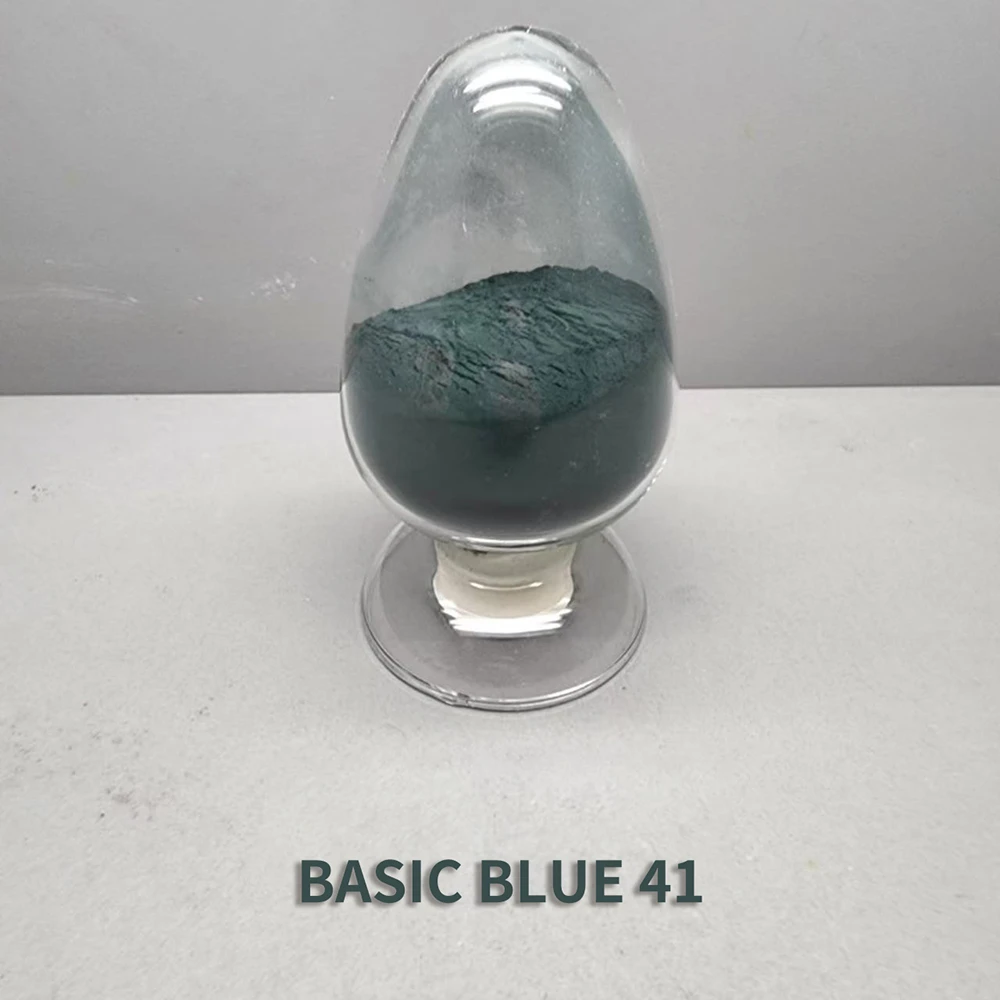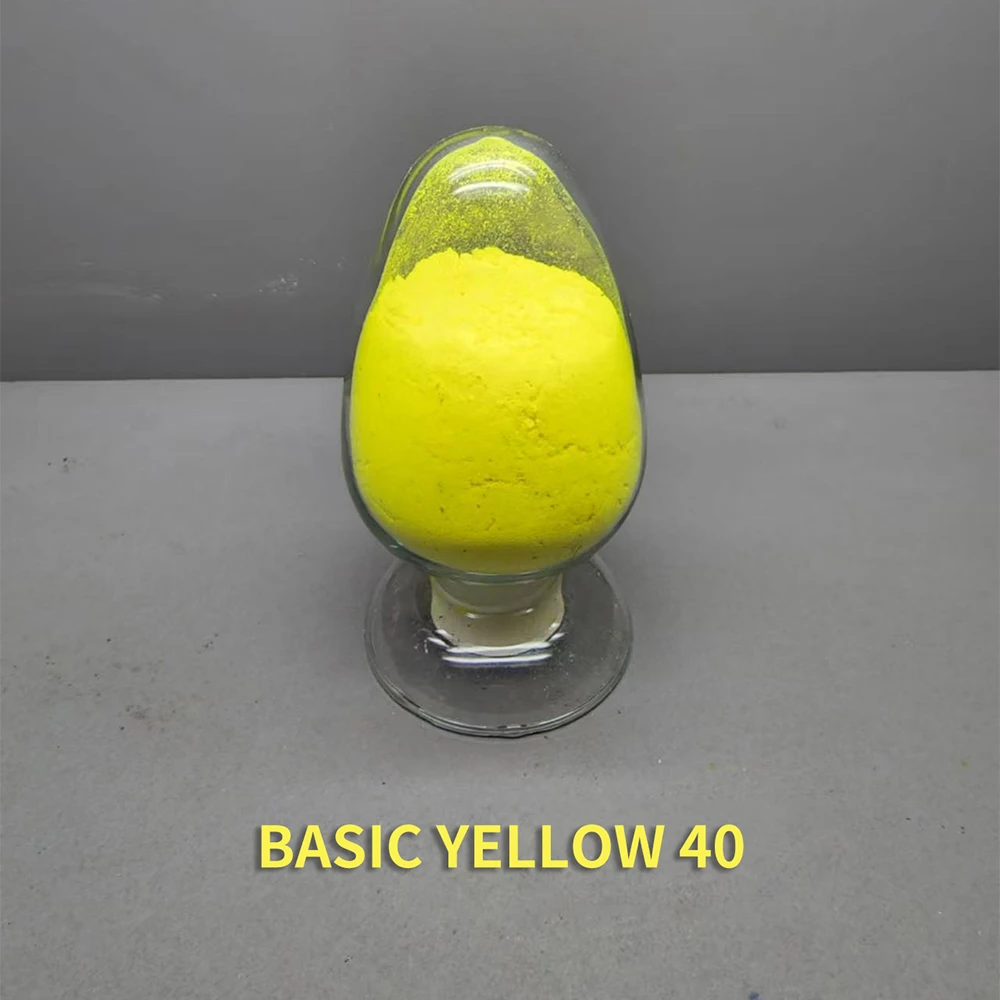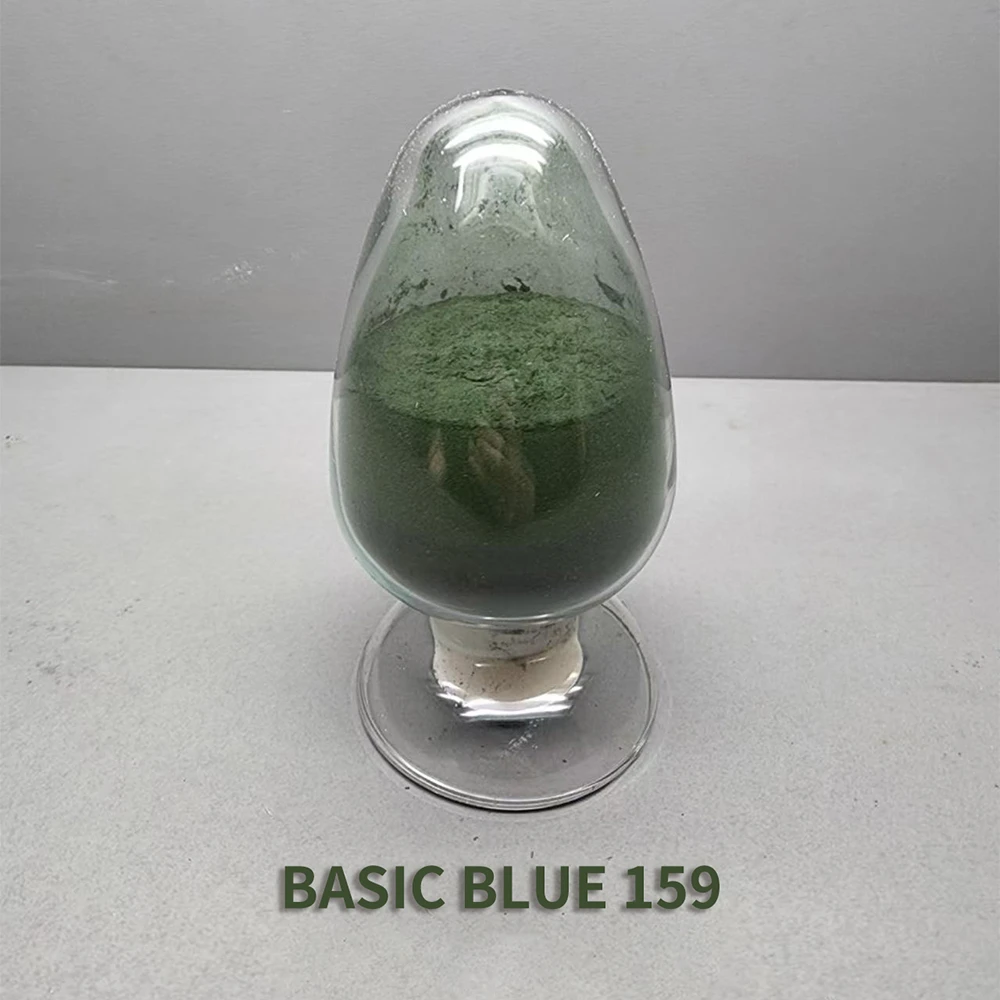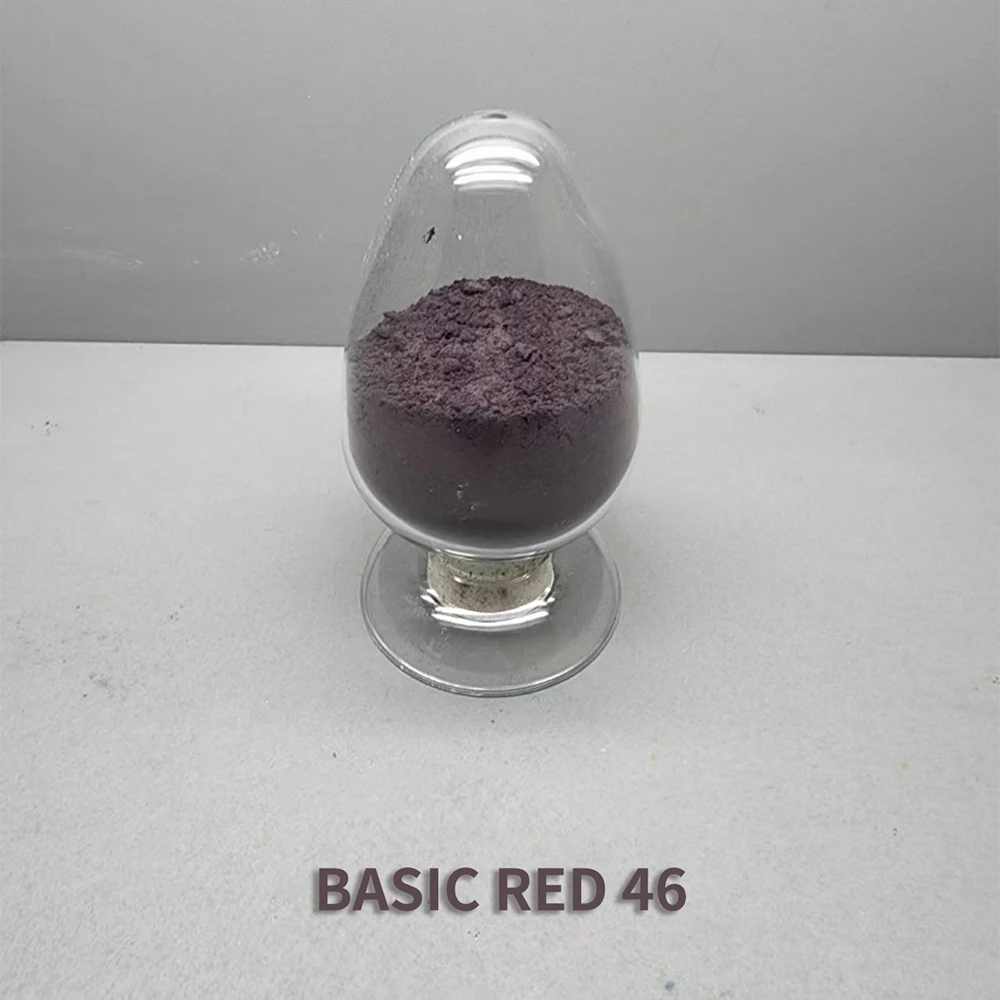
Blue Clothes Dye Innovations: Sustainable & Durable Textile Solutions
The Unexpected Power of Blue Clothes Dye in Today's World
When you stop to think about it, dyes occupy this curious niche in our lives—we hardly notice them, yet they color our whole culture. Specifically, blue clothes dye plays a surprisingly pivotal role, stretching far beyond fashion or mere aesthetics. From uniforms that symbolize social identity to sustainable textile production shaping global trade, understanding blue dyes unveils a world painted with science, economics, and even humanitarian efforts.
So why should we care? Well, globally, textile industries consume countless tons of dye per year—many of which are blue shades. That implies environmental, financial, and social ripples that can't be ignored. Besides, the pursuit of better, safer, and longer-lasting blue clothes dye reveals exciting innovations and solves challenges relevant to everything from refugee aid to eco-friendly apparel.
Painting the World: The Global Context of Blue Clothes Dye
Did you know that the global textile dye market is projected to pass $6 billion by 2026? According to the United Nations Statistics, over 60 million tons of synthetic dyes are produced annually worldwide, with blue shades among the most popular. The vast presence of blue dye in uniforms, jeans, and protective gear speaks volumes about its industrial significance.
However, this ubiquity comes with headaches. Traditional blue dyes have often been linked with water pollution and toxic waste, challenges identified in ISO environmental standards. The question of how to maintain vibrant, durable blue textiles while reducing environmental harm is an ongoing global struggle—a challenge that innovations in blue clothes dye are trying hard to fix.
Mini takeaway: Blue clothes dye isn’t just about color—it sits at the crossroads of sustainability, industry scale, and social impact worldwide.
What Exactly Is Blue Clothes Dye?
In simplest terms, blue clothes dye is a group of coloring agents specially formulated to impart blue shades onto fabrics. These dyes can be natural, like indigo derived from plants, or synthetic, such as reactive or vat dyes designed with chemical precision. Their purpose is not only to color but also to bond with fibers in a way that withstands washing, sunlight, and wear.
Its connection reaches beyond mere textiles: blue clothes dye supports fashion trends, uniforms in education and emergency services, and even symbolic garments used in cultural rituals. Additionally, NGOs and disaster relief agencies rely on durable blue-dyed clothes to provide a sense of normalcy and dignity to displaced communities.
Four Key Factors That Make Blue Clothes Dye so Vital
1. Durability and Wash Fastness
One of the biggest technical demands for blue clothes dye is durability. No one wants their beloved blue garment fading after a single wash, right? In industrial terms, this means the dye’s molecules should firmly bind to cotton, polyester, or wool without bleeding. Vat dyes, like indigo, are known for unmatched wash fastness, making them favorites for jeans and workwear.
2. Scalability and Cost Efficiency
Big leagues call for big production. Synthetic blue dyes can be mass-produced in factories worldwide, offering affordable prices and consistency. While natural dyes boast eco-attractiveness, they can’t yet compete when it comes to volume or cost, meaning large manufacturers often lean synthetic despite ecological debates.
3. Environmental Impact & Sustainability
Blue clothes dye historically ranks high in environmental scrutiny. Conventional disposal techniques shipped harmful residues into rivers, posing threats to aquatic ecosystems. Luckily, technological leaps now allow for waterless dyeing or improved wastewater treatments, lessening pollution and aligning production with global Sustainable Development Goals.
4. Versatility Across Fabric Types
Nowadays, clothes are made from a cocktail of fibers—natural, synthetic, blends—and blue clothes dye must adapt. Reactive dyes work well on cotton, disperse dyes better for polyester, and acid dyes for nylon. This versatility ensures that "blue" can mean many different shades and styles across the fashion and industrial spectrum.
Mini takeaway: The magic of blue clothes dye depends on how it balances durability, cost, environment, and fabric compatibility.
Where Does Blue Clothes Dye Shine Globally?
Industry insiders say blue clothes dye finds special meaning in multiple arenas:
- In fashion hubs of Asia and Europe: Denim jeans dominate markets, and of course, millions of meters of blue-dyed fabric are churned out daily.
- Humanitarian missions in Africa and the Middle East: Blue uniforms and clothes symbolize safety and aid, providing psychological stability in crisis zones.
- Corporate and governmental sectors worldwide: From police to airline staff, blue uniforms foster trust and professionalism.
For example, during the 2022 floods in South Asia, relief agencies distributed blue-dyed garments that resisted fading despite harsh washing conditions, effectively preserving dignity for displaced families longing for normalcy.
Advantages and the Long-Term Value of Choosing Blue Clothes Dye
On a practical level, blue clothes dye offers longevity that means fewer replacements and less fabric waste. Economically, efficient dyes lower production costs affecting retail prices positively. Environmentally, newer eco-friendly blue dyes reduce toxic effluents, benefiting water quality and biodiversity.
But beyond numbers lies a human angle. Blue-clothed workforces often feel a stronger sense of identity and safety—tiny threads weaving into major societal fabrics. Innovation in blue dye chemistry also reflects a broader drive toward trustworthiness in supply chains and corporate responsibility.
Looking Ahead: The Future of Blue Clothes Dye
Digital textile printing, automation, and bioengineered dyes paint an optimistic picture. Some companies now explore bacterial and plant-based alternatives engineered for better vibrancy with negligible pollution. AI-driven color matching optimizes dye usage, minimizing waste. The push for green chemistry aligns with international climate goals (UNFCCC), indicating that blue dye won’t just stay pretty—it might turn regenerative.
Tackling Challenges & Innovating Solutions
Frankly, no dye is perfect. Colorfastness vs. environmental safety often pull in opposite directions. Turns out, balancing those demands takes more than chemistry—it requires system-wide rethinking of water usage, chemical recycling, and fabric treatments. Industry leaders advocate for collaborative testing standards and circular production chains, which could revolutionize blue clothes dye practices.
Frequently Asked Questions About Blue Clothes Dye
- Q: What makes blue clothes dye more sustainable than other colors?
- A: While sustainability depends on the specific dye chemistry and process, blue dyes like indigo have a long-standing natural origin and high colorfastness, which means less frequent replacement. Advances in eco-friendly synthetic blue dyes also reduce harmful runoff compared to older practices.
- Q: Can blue clothes dyes be safely used on sensitive skin fabrics?
- Yes, especially reactive and natural dyes are often dermatologically tested for skin contact fabrics. However, sensitive individuals should check product certifications or ask manufacturers about dye compositions.
- Q: How do manufacturers ensure consistent shade with large volumes of blue dye?
- Quality control involves spectrophotometry and tightly controlled dye batching in factories. Automated color matching technologies reduce human error, ensuring millions of garments share the same iconic blue.
- Q: Are there innovations making blue dyeing less water-intensive?
- Definitely. Techniques like air dyeing, digital printing, and improved dye baths recycling cut water use drastically. Some emerging bio-dye processes also generate minimal wastewater.
- Q: Where can I find reliable suppliers of blue clothes dye?
- Leading suppliers often abide by ISO environmental standards and provide detailed product specs. For a smart comparison, check out sections below or visit blue clothes dye manufacturer platforms.
Product Specification Table for Typical Blue Clothes Dye
| Specification | Description |
|---|---|
| Type | Reactive / Vat / Natural Indigo |
| Colorfastness (Wash) | Grade 4-5 (ISO 105-C06) |
| Fiber Compatibility | Cotton, Polyester, Wool blends |
| Environmental Profile | Low toxicity, biodegradable (for natural types) |
| Application Methods | Pad dyeing, Jet dyeing, Digital printing |
| Typical Cost | $10-$15 per kg (varies by grade and scale) |
Comparison of Leading Blue Clothes Dye Vendors
| Vendor | Dye Types Offered | Environmental Certifications | Price Range (per kg) | Global Reach |
|---|---|---|---|---|
| Yanhong Chemical | Reactive, Vat, Natural Indigo | ISO 14001, OEKO-TEX Standard 100 | $12 - $14 | Asia, Europe, America |
| BlueTex Corp | Reactive, Disperse | GOTS, Bluesign | $10 - $15 | Global |
| EcoDyes Ltd. | Natural Indigo, Plant-Based Dyes | Fair Trade, ISO 9001 | $13 - $18 | Europe, North America |
Wrapping Up: Why Blue Clothes Dye Still Matters
Honestly, blue clothes dye feels a bit like the unsung hero of the textile world. Its science and artistry wind through fashion, industry, and humanitarian aid alike. Choosing the right blue dye touches everything from the environmental footprint of a single shirt to the morale of a rescue worker wearing a blue uniform halfway around the world.
If you’re curious to explore top-quality and eco-conscious options, or simply want to stay ahead with innovations in blue dye chemistry, feel free to visit our trusted platform at blue clothes dye. After all, how often do we get to learn about the colors shaping our world?
References
- United Nations Statistics Division – Textile and Dye Production Data, https://unstats.un.org
- ISO Environmental Standards for Dye Manufacturing, https://www.iso.org
- United Nations Sustainable Development Goals, https://sustainabledevelopment.un.org
-
Organic Fabric Dye: Durable, Eco-Friendly Solutions for IndustryNewsDec. 31, 2025
-
Comprehensive Guide to Black Textile Dye Selection and ApplicationsNewsMar. 12, 2026
-
White Fabric Dye for Clothes: Industrial Insights & Best ChoicesNewsJan. 03, 2026
-
Comprehensive Guide to Polyester Fabric Dye: Global Trends, Applications & InnovationsNewsDec. 03, 2025
-
China Basic Dye Factory Insights & Product Comparison | Industrial Dye GuideNewsDec. 03, 2025
-
Fabric Dye Solutions for B2B Textile Industry | YanhongChemNewsDec. 03, 2025