Fluorescent Fabric Dye: High Visibility and Sustainability for Modern Textiles
Fluorescent Fabric Dye: A Bright Solution for Modern Textiles
Fluorescent fabric dye might sound niche, or maybe even a bit gimmicky, but the truth is it’s quietly transforming industries globally. Whether for safety wear, fashion, or industrial signaling, understanding how and why these dyes work is not just for chemists or designers but anyone interested in sustainability, innovation, and practical utility. Why does this matter? Because fluorescent dyes not only brighten fabrics — they boost visibility, reduce accidents, and even have implications in humanitarian efforts where safety and durability are paramount.
Introduction: Why Fluorescent Fabric Dyes Matter on a Global Scale
Globally, the textile industry represents a multi-billion-dollar market, with fluorescent fabric dye applications steadily gaining traction. According to ISO standards on textile color fastness and safety, these dyes enhance visibility in low-light environments, a must for nighttime workers, emergency responders, and even everyday commuters. The World Bank highlights that workplace accidents cause nearly 2.8 million fatalities annually worldwide, many preventable with better personal protective equipment — bright, fluorescent materials included.
So, if you think about it, fluorescent dyes aren’t just about aesthetics or flashing colors. They’re quite literally saving lives and opening doors to innovative solutions across sectors.
What Exactly Is Fluorescent Fabric Dye?
In simple terms, fluorescent fabric dyes are chemical compounds that absorb UV or visible light and emit it back at longer wavelengths, creating a vivid glow that’s impossible to miss. These dyes embed themselves into fibers rather than just surface application, meaning the color lasts longer and remains bright under different lighting conditions.
Industrially, these dyes have become essential for creating fabrics that meet strict safety standards, especially in construction, traffic management, and outdoor sports. Oddly enough, they also assist humanitarian agencies by making relief tents and uniforms easy to spot in chaotic environments.
Core Components of Fluorescent Fabric Dye
1. Durability
Many engineers stress that dye longevity under stress is crucial — think washing, sunlight exposure, and abrasion. A good fluorescent fabric dye resists fading so the glow is constant over time.
2. Scalability
Manufacturers want dyes that can be produced and applied on a massive scale without losing quality. Scalability is about matching volume to market demand while keeping costs reasonable.
3. Cost Efficiency
While fluorescent dyes tend to be pricier than regular colors, the safety and durability gains mean they offer real value over the garment lifespan. Few companies want to sacrifice user safety, even if that means a slightly bigger upfront investment.
4. Environmental Impact
Many modern dyes are moving toward eco-friendliness — water-based systems, reduced toxins, and biodegradable formulas. This is a big deal in textile production, which has faced criticism for pollution and waste.
5. Color Range & Brightness
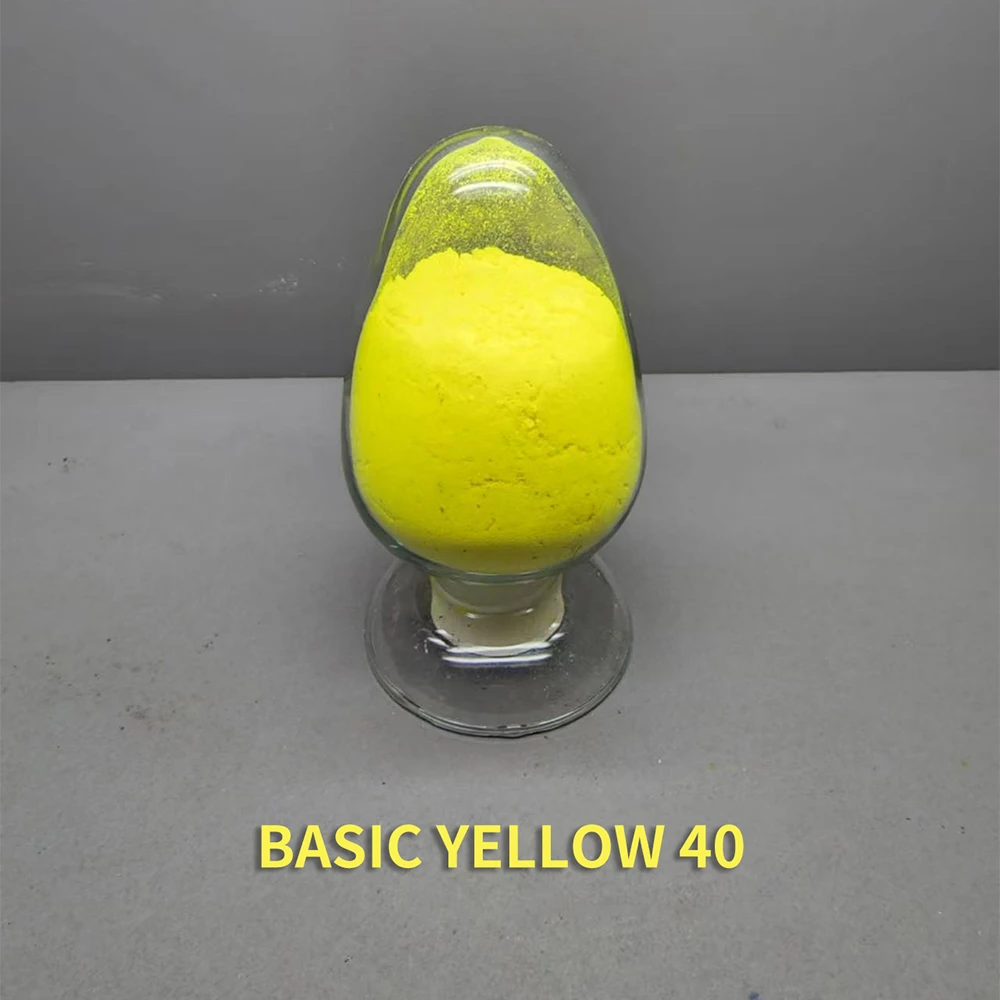
The best fluorescent dyes cover a spectrum of bright, eye-catching hues — neon yellows, greens, oranges — that are critical for different industry needs.
Global Applications: Where Fluorescent Fabric Dye Really Shines
Fluorescent fabrics aren't just a trendy thing for high-vis jackets. Extensively used in:
- Construction and Road Safety: Warning vests and workwear that dramatically reduce night accidents.
- Emergency Services: Uniforms that can be spotted easily in chaotic, low-visibility scenarios.
- Sportswear and Outdoor Gear: For runners and cyclists who want style and safety after dark.
- Humanitarian Aid: Tents, flags, and gear for post-disaster operations where rapid identification is critical.
For example, in South Asia’s monsoon flood relief efforts, brightly dyed tents helped teams locate shelter points even miles apart, avoiding confusion and chaos.
Advantages and Long-Term Value of Fluorescent Fabric Dyes
Aside from obvious visual benefits, these dyes contribute to:
- Safety: Reducing workplace injuries by enhancing visibility.
- Sustainability: New formulations minimize environmental footprint and promote safer chemical usage.
- Cost Savings: Longer lifespan of fabric means fewer replacements.
- Social Impact: Supporting dignified and effective aid in vulnerable communities.
You know, there’s an undeniable psychological boost when you wear something that stands out safely — confidence mixed with a sense of care for yourself and others.
Specification Table: Typical Fluorescent Fabric Dye Features
| Specification | Details |
|---|---|
| Color Range | Yellow, Green, Orange, Pink, Blue |
| Fabric Compatibility | Cotton, Polyester, Nylon, Blends |
| Light Source Activation | UV and natural sunlight |
| Wash Fastness | Grade 4-5 (ISO 105-C06) |
| Environmental Profile | Low-VOC, water-based options |
Vendor Comparison: Leading Fluorescent Fabric Dye Suppliers (Estimated Data)
| Feature | Yanhong Chem | BrightHue Corp | FluoDye Ltd |
|---|---|---|---|
| Color Variety | 10+ shades | 8 shades | 6 shades |
| Eco-Friendly Options | Yes, water-based | Limited | No |
| Average Cost per Kg | $20 | $18 | $15 |
| Fast Delivery | 2-3 weeks | 3-5 weeks | 4-6 weeks |
| Customer Support | 24/7 multilingual | Business hours, English only | Limited |
Future Trends & Innovations
Looking ahead, fluorescent dye technology is intersecting with sustainable chemistry, digital printing, and smart textiles. Companies are experimenting with biodegradable fluorescent dyes that break down safely after fabric disposal. Plus, advances in digital printing mean custom, on-demand fluorescent fabrics are becoming practical — no more mass production waste.
Automation in dye application improves precision and reduces environmental waste, making the whole lifecycle greener. Combine all this with growing regulations on workplace safety and environmental standards from ISO and UN bodies, and you have a potent recipe for continued growth.
Challenges & Solutions in Fluorescent Dye Usage
Despite promising benefits, some challenges persist. Dye fading remains an issue in harsh sun or heavy washing — though manufacturers are improving compounds. Cost is another barrier: while prices are coming down, budget-conscious buyers often hesitate to switch from traditional options.
Innovative approaches include hybrid dyeing methods (combining fluorescent and reactive dyes) and enhanced polymer carriers to trap dye molecules better. Plus, growing pressure for sustainability forces labs to innovate greener, less toxic chemicals that still pack a punch in brightness.
FAQ: Common Questions About Fluorescent Fabric Dye
Q1: How long does fluorescent fabric dye typically last on clothing after many washes?
A1: Most high-quality fluorescent dyes maintain their brightness for at least 30-50 washes under normal conditions. This depends on the fabric type and washing methods; gentle cycles help extend vibrancy.
Q2: Are fluorescent dyes safe for skin contact on everyday wear?
A2: Yes, the best fluorescent fabric dyes undergo rigorous testing for skin safety and comply with ISO and EU regulations for textiles. However, sensitive individuals should check product certifications.
Q3: Can fluorescent dyes be used on all types of fabrics?
A3: Fluorescent dyes work best on cotton, polyester, nylon, and blends. Some natural fibers like silk or wool may require special treatment to hold the color effectively.
Q4: How environmentally friendly are fluorescent fabric dyes?
A4: New generations of fluorescent dyes use water-based, low-VOC ingredients, significantly reducing environmental impact compared to older chemical dyes, though full biodegradability varies by product.
Q5: Where can I source reliable fluorescent fabric dye products?
A5: Vendors like Yanhong Chem offer scalable, eco-friendly fluorescent dye options with certified quality. It’s best to request samples and certifications before large orders.
Conclusion: Why Brightening Fabrics Means Better Futures
Fluorescent fabric dyes do more than just add a pop of color—they enhance safety, promote sustainability, and enable innovation on a global scale. Whether you’re outfitting a construction team, designing cycling gear, or aiding disaster zones, choosing the right fluorescent dye is a smart investment in longevity and impact.
Curious to explore how fluorescent fabric dye can brighten your products and practices? Visit our website for more insights and offers.
-
Black Fabric Dye For Bleach Stains – Durable Solutions from YanhongchemNewsJan. 02, 2026
-
Dark Brown Fabric Dye – Industrial Quality and Supplier ComparisonNewsDec. 12, 2025
-
Durable Fabric Dye for Chairs | Industry-Leading Chemical SolutionsNewsJan. 06, 2026
-
Neon Pink Fabric Dye – Vibrant, Durable, and Sustainable Textile Solutions | YanhongChemNewsDec. 12, 2025
-
Clothes Dye: Global Industry Insights, Sustainability & InnovationNewsDec. 03, 2025
-
Achieving the Perfect Pastel Shade with Light Pink Dye for ClothesNewsApr. 04, 2026