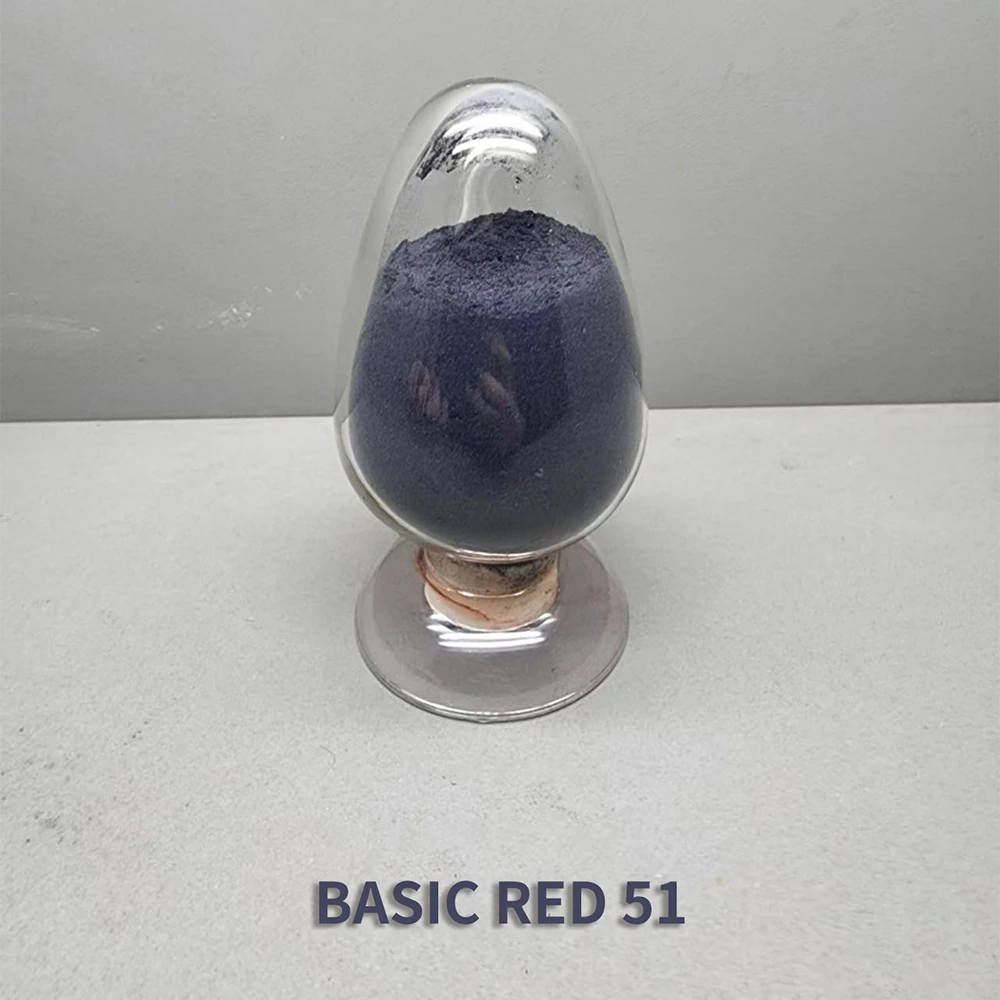
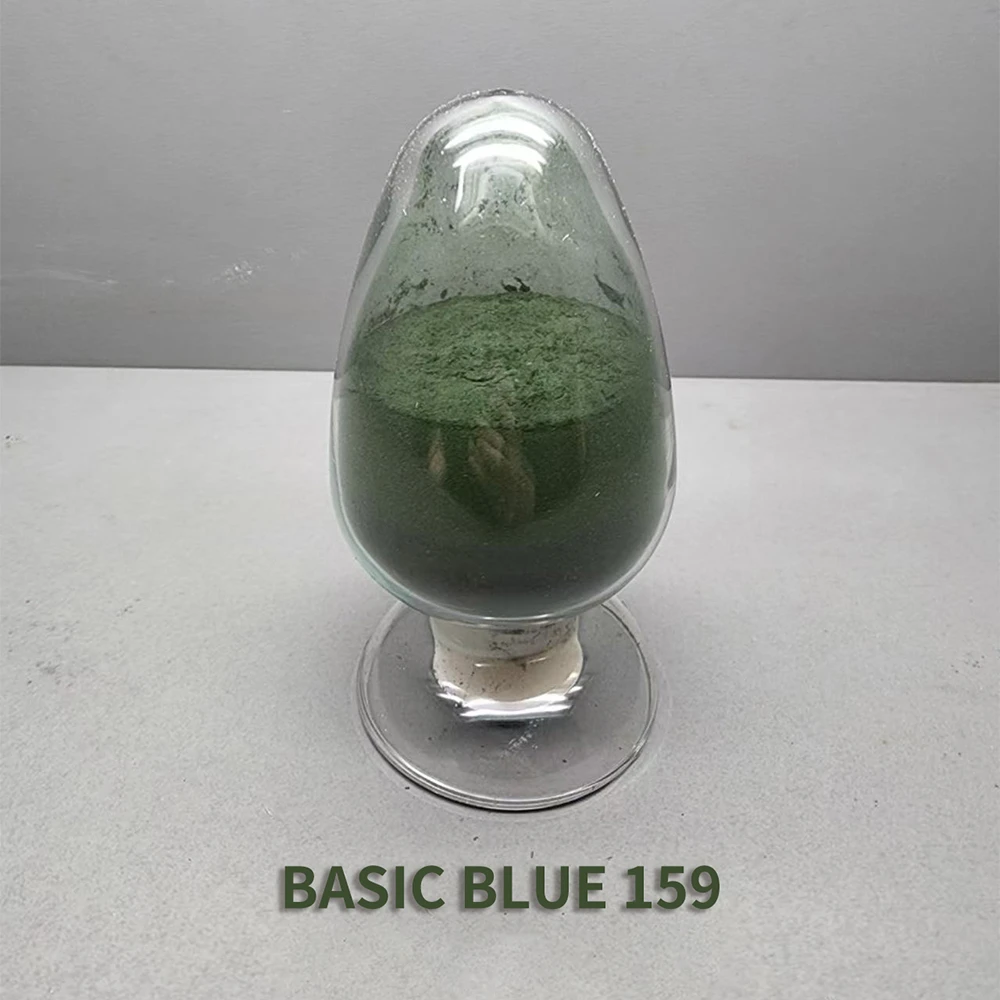
Fabric Dye for Carpet: Durable, Sustainable, and Innovative Solutions
Understanding Fabric Dye for Carpet: A Global Perspective
When you think of a carpet, what probably comes to mind first is comfort, style, and that unmistakable pop of color underfoot. But behind those vibrant hues lies an often overlooked hero: fabric dye for carpet. This topic might sound niche, but it’s absolutely essential worldwide, touching everything from industrial production to sustainable practices and even disaster relief efforts.
Globally, the fabric dye sector impacts millions — from manufacturers aiming to create durable, eye-catching carpets, to consumers and businesses who rely on consistent quality and eco-friendly options. With textile production a significant contributor to global trade (the World Bank noted textiles and apparel generated over $760 billion in exports in 2022), understanding the nuances of carpet dyeing is more than just decorative. It’s about cost efficiency, environmental sustainability, and innovation that can ripple across industries and borders.
So what makes fabric dye for carpet such a hot topic? Well, carpets are everywhere — homes, offices, airports, and public spaces. Their colors need to last, resist wear, and often meet stringent environmental standards. Getting the fabric dye right is where the magic happens.
Setting the Scene: Why Fabric Dyes for Carpets Matter Globally
Before we dive into the technicalities, here’s a reality check: The textile industry is one of the world’s largest polluters, accounting for about 20% of industrial water pollution according to the United Nations Environment Programme. Carpet dyeing, specifically, contributes to this environmental footprint. It’s a challenging space — meeting growing demand while managing waste, water usage, and chemical safety.
But it’s not all grim. Advances in fabric dyes for carpets are addressing these issues head-on with eco-friendly dyes, better fixation processes, and recycling breakthroughs. The ISO standards for textile testing (ISO 105 series) ensure color fastness and quality, pushing manufacturers to innovate continually.
Still, the problem of balancing vibrant, durable carpets that are also sustainable remains. It’s why it’s important to understand what fabric dye for carpet means today — both as a science and an industry.
What Is Fabric Dye for Carpet?
In its simplest form, fabric dye for carpet refers to a variety of chemical substances and processes used to impart color to carpet fibers. These dyes must bond effectively with different materials — from wool to synthetic blends — and withstand foot traffic, cleaning, and sunlight.
Traditionally, fabric dyes have included reactive, acid, and disperse types, each suited to particular fibers. In modern scenarios, manufacturers must consider not just color richness, but environmental impact, scalability, and performance under diverse conditions. So, fabric dyeing isn’t just about aesthetics; it’s about delivering a durable product aligned with contemporary consumer and industrial demands.
Oddly enough, the need goes beyond aesthetics. For instance, humanitarian organizations needing durable, long-lasting carpets and mats for temporary shelters rely heavily on the quality and safety of these dyes to provide comfort and dignity to displaced people.
Key Components of Fabric Dye for Carpet
Durability
Durability is king in carpet dyeing. Foot traffic, vacuuming, accidental spills, and sunlight all threaten a carpet’s vibrancy. High-quality fabric dyes are formulated to resist fading and staining, extending the carpet’s useful life and maintaining appearance.
Scalability
Manufacturers need dyes that perform consistently whether producing a small batch or millions of square meters of carpet. Scalability also refers to the ability to adapt dye formulations to different fiber types and weaves without compromising quality.
Environmental Impact
Environmental concerns have taken center stage. Modern dyes are expected to meet strict regulations about chemical safety, biodegradability, and water usage. Many companies now prefer low-impact dyes or natural dye alternatives to reduce their footprint.
Cost Efficiency
Dyes must be affordable without sacrificing quality. This balance is crucial — especially when carpets are used in large-scale commercial or institutional projects where budgets are tight.
Colorfastness and Consistency
Repeatedly mentioned in textile standards, colorfastness ensures the dye doesn’t run or fade easily — very important in carpets exposed to stains or sunlight. Consistency in shade across batches guarantees client satisfaction and brand reliability.
How Fabric Dye for Carpet Finds Its Place Globally
Look around the world and you’ll see fabric dyeing at work in diverse ways:
- Residential and Commercial Carpets: Cities in Europe and North America demand high-quality carpets for residential and corporate interiors, often emphasizing eco-label certifications.
- Emerging Markets: Growing middle classes in Asia and Africa are driving demand for affordable, durable carpets, putting focus on scalable dyeing technologies.
- Disaster Relief and Humanitarian Aid: Organizations providing temporary flooring in refugee camps or disaster zones value fabric dyes that ensure hygiene and durability under harsh conditions.
For example, in disaster relief camps in Southeast Asia, quick-to-produce yet durable carpet mats dyed with eco-safe colorants help create safer, more comfortable environments for displaced families.
Mini takeaway:
Fabric dye for carpet is not just an industrial process; it’s woven into the fabric of human comfort, sustainability goals, and economic realities worldwide.
Real-World Specifications: What to Look For
| Specification | Typical Range / Value | Importance |
|---|---|---|
| Colorfastness (ISO 105-B02 rating) | 4–5 (scale 1–5) | Ensures resistance to washing and rubbing |
| pH Range | 4.5–7 (neutral to slightly acidic) | Maintains fabric integrity and dye fixation |
| Environmental Compliance | OEKO-TEX, REACH certified | Reduces toxic chemical impact |
| Fastness to Light (ISO 105-B02) | 3–4 (scale 1–8) | Protects against sunlight fading |
| Cost per kg | $5–15 (depending on quality and volume) | Affects final carpet pricing |
Top Vendors Compared: What You Get
| Vendor | Eco Certification | Range of Dyes | Typical Lead Time | Average Price/kg |
|---|---|---|---|---|
| Yanhong Chemicals | OEKO-TEX, REACH | Reactive, Acid, Disperse Dyes | 2–3 weeks | $7–12 |
| Dye Masters Ltd. | OEKO-TEX | Acid and Fiber Reactive Dyes | 3–4 weeks | $8–15 |
| GreenTint Chemicals | REACH & Bluesign | Natural & Low-Impact Dyes | 4+ weeks | $10–18 |
Advantages and Long-Term Value: Why It’s Worth It
Looking beyond the obvious, the benefits of high-quality fabric dyes for carpets ripple in many directions:
- Cost Savings: A durable color means less frequent replacement or refurbishment.
- Sustainability: Eco-safe dyes reduce pollution and ensure compliance with global standards.
- Social Impact: Better dyes provide safer indoor environments, with fewer chemicals and odors — improving occupant well-being.
- Innovation Edge: Businesses using cutting-edge dyes can access new markets requiring green certifications.
In short, the right fabric dye ensures trust — between manufacturer and customer, buyer and environment.
Emerging Trends and Innovations in Carpet Dyeing
The future looks particularly bright — and green. Here are some trends shaping the fabric dye for carpet sector:
- Bio-Based Dyes: Derived from plants or microbes, reducing reliance on petrochemical sources.
- Digital Textile Printing: Safer, more precise, and waste-cutting methods that allow customization at scale.
- Automation & AI: Optimizing dye processes to save energy and water, while improving color matching.
- Waterless Dye Technologies: Innovating to drastically reduce water consumption in dyeing operations.
Many of these align with the UN Sustainable Development Goals (SDGs), especially around responsible production and water stewardship.
Challenges and Practical Solutions
Despite these advances, challenges remain:
- Color Matching Complexity: Matching colors consistently across fiber types is tricky — often requiring multiple dye formulations.
- Wastewater Treatment: Not all plants have access to advanced treatment tech, risking environmental damage.
- Cost Pressure: Low-cost competitors sometimes undercut sustainable options.
Experts recommend partnerships with experienced suppliers (like Yanhong Chemicals), investment in closed-loop systems, and continuous R&D.
FAQ: Your Questions About Fabric Dye for Carpet
Q1: What types of fabric dyes are best for synthetic carpet fibers?
A1: Disperse dyes are generally ideal for synthetic fibers like nylon or polyester because they penetrate the fabric well and offer excellent colorfastness. Acid dyes can work too but are mostly for wool or silk blends. In real terms, choosing a dye depends on the fiber composition and end-use conditions.
Q2: How do eco-friendly carpet dyes impact carpet durability?
A2: Eco-friendly dyes, especially those certified under standards like OEKO-TEX, aim to minimize harmful chemicals while maintaining quality. While they may initially seem less vibrant, technological advances have closed the gap significantly. Many are now comparable or superior in durability and color retention.
Q3: Can fabric dyes for carpet resist UV fading effectively?
A3: Yes, many high-quality dyes meet ISO standards for lightfastness, rating 3–5 on a scale of 8, meaning they resist fading reasonably well under normal sunlight exposure — crucial for areas with lots of natural light.
Q4: Is it possible to recycle dyed carpets, considering the pigments used?
A4: Recycling dyed carpets is complex because dyes can interfere with fiber processing. However, advances in chemical recycling and depolymerization are making it increasingly viable. Choosing dyes compatible with recycling can improve environmental outcomes.
Wrapping Up: Why Understanding Fabric Dye for Carpet Still Matters
So, at the end of the day, fabric dye for carpet is much more than a splash of color — it’s an intersection of chemistry, industry, ecology, and human comfort. From the floors of your home to refugee shelters halfway across the world, these dyes quietly ensure durability, safety, and sustainability.
If you’re serious about carpets that last and meet modern standards, keep an eye on innovations in fabric dye formulations and standards compliance. For cutting-edge, reliable, and environmentally conscious solutions, visit our website to explore products tailored for today's demands.
In real terms? It’s about doing more with less — less waste, less impact, and more color that truly lasts.
References
- United Nations Environment Programme (UNEP), Sustainable Textile Production Report, 2023
- World Bank, Textile & Apparel Industry Overview, 2022
- ISO 105 Textile Color Fastness Standards
-
Comprehensive Guide to Orange Fabric Dye for Industrial Use | YanhongchemNewsDec. 05, 2025
-
Factors Affecting The Coloring Of Cationic DyesNewsAug. 05, 2025
-
Explore Cationic Dyes Names: Chemistry, Applications & Global InsightsNewsDec. 03, 2025
-
Purple Fabric Dye: Durable, Sustainable, and Vibrant Textile SolutionsNewsDec. 05, 2025
-
Periwinkle Fabric Dye for B2B ApplicationsNewsJan. 24, 2026
-
Comprehensive Guide to Choosing the Best White Dye for ClothesNewsMar. 28, 2026