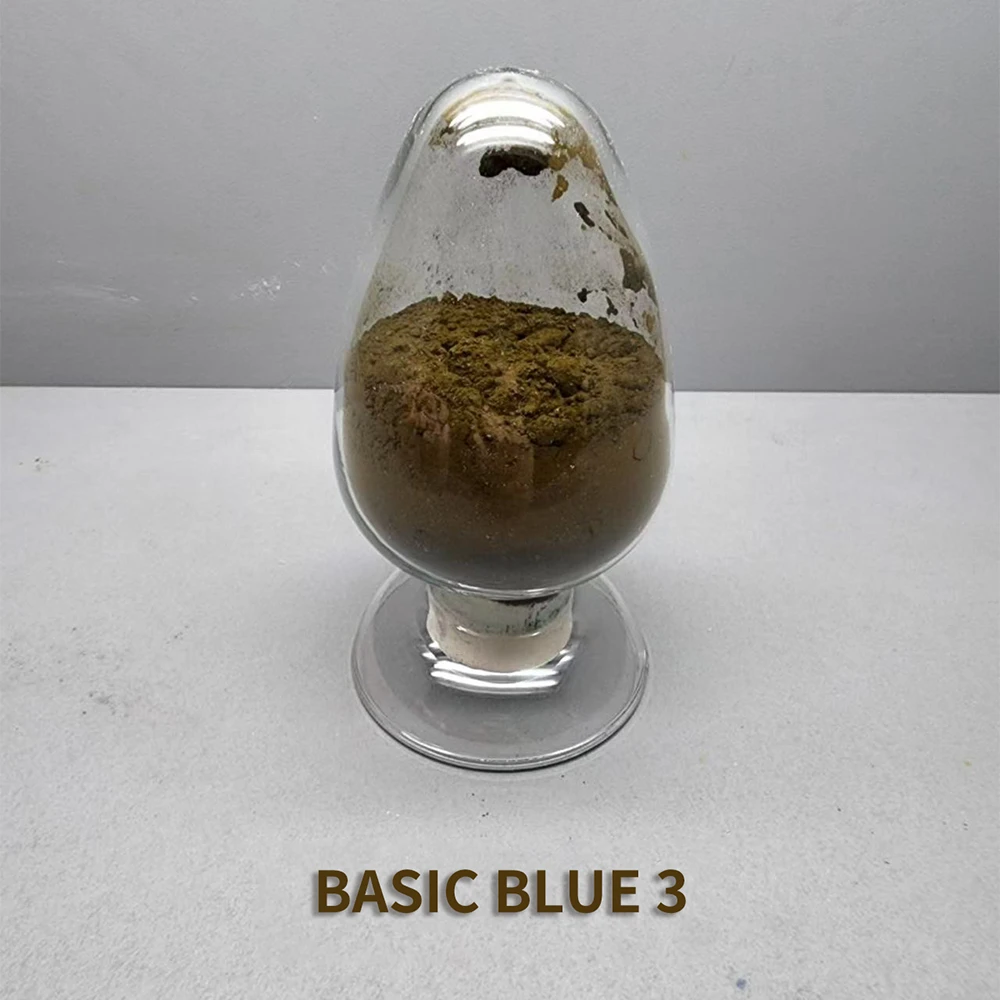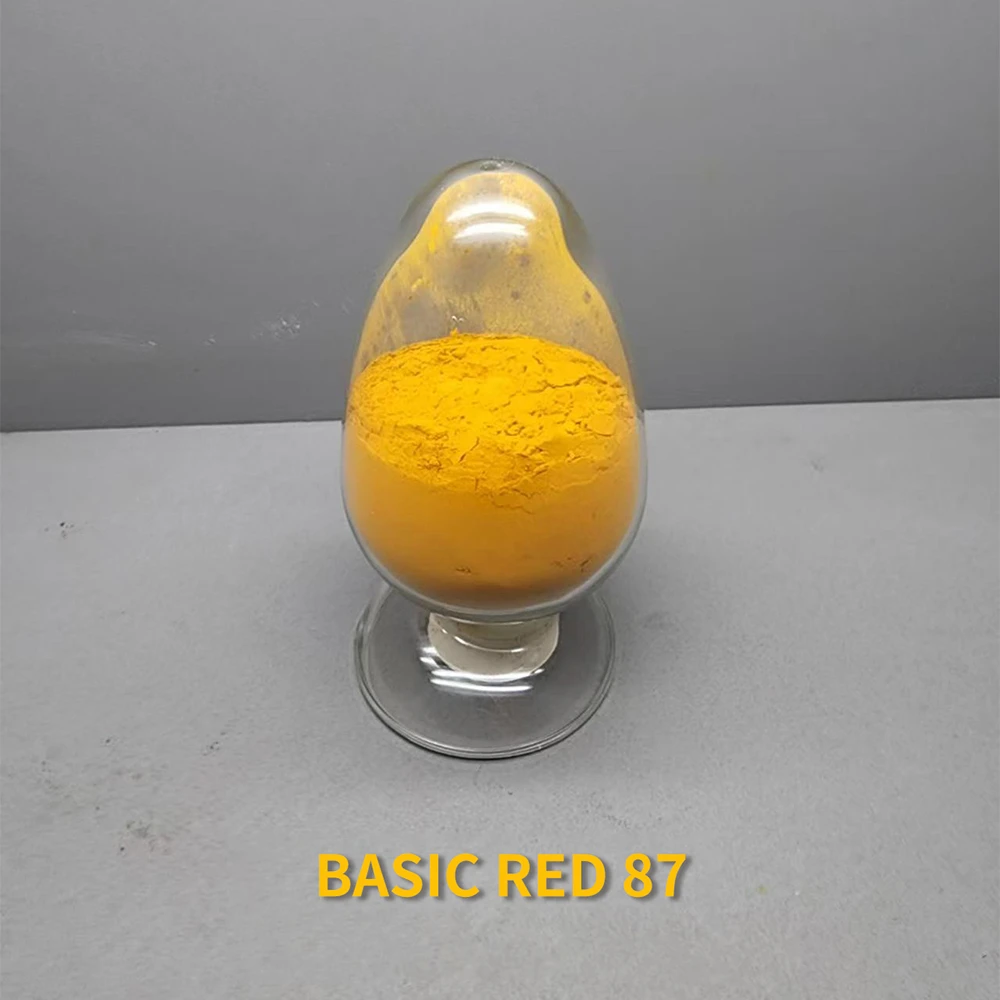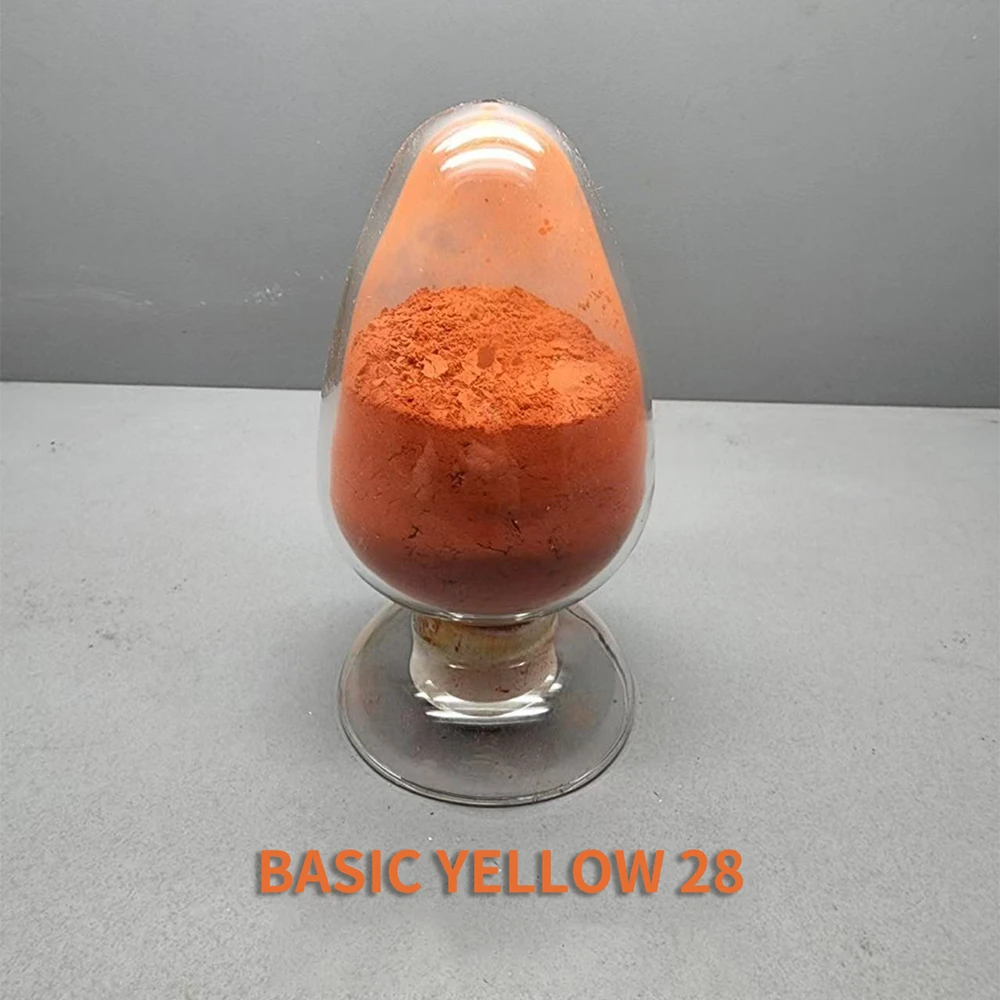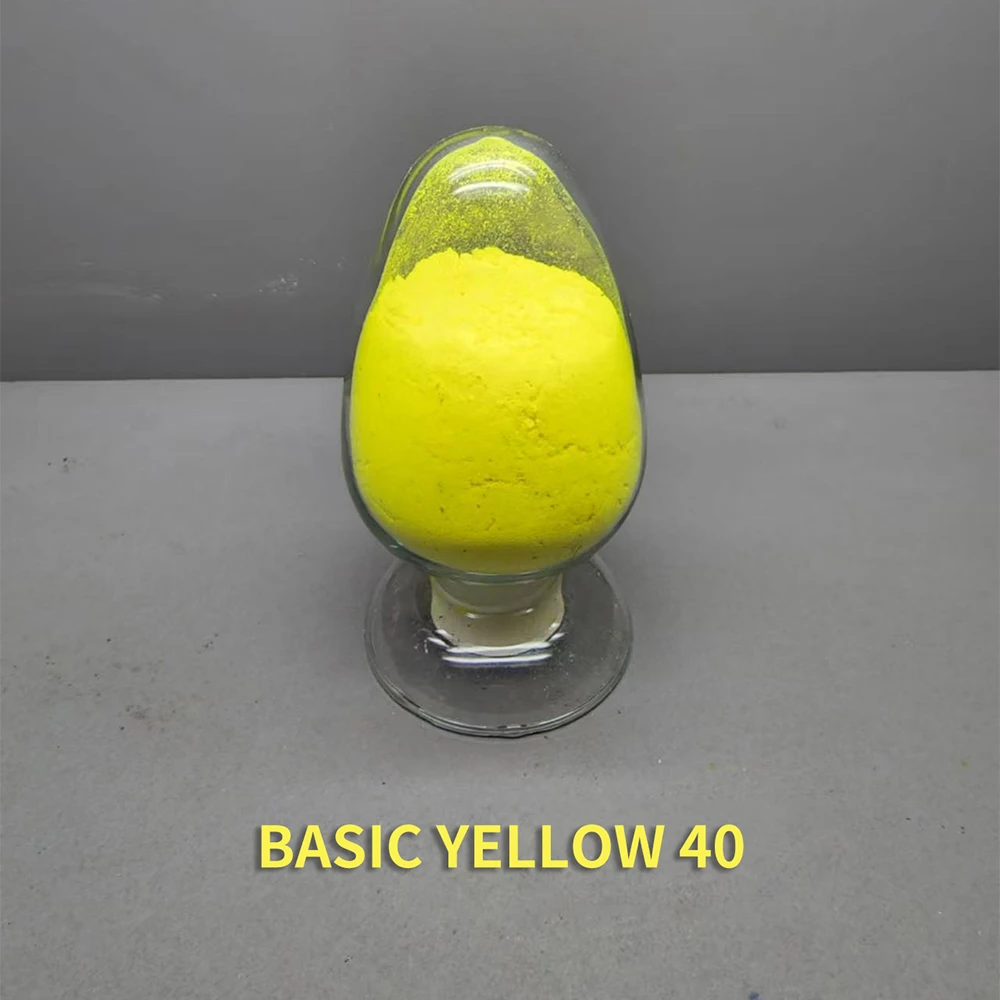
Fabric Dye Company Overview: Global Trends, Sustainability & Innovation
Understanding Fabric Dye Company: Why It Matters Today
If you've ever admired a vividly colored garment or wondered how fabrics maintain their hue wash after wash, you’ve indirectly experienced the work of a fabric dye company. These companies play an essential role in the textile ecosystem — their expertise and innovation shape everything from fashion trends to sustainable industrial practices across the globe.
Why dive into this topic? Globally, textile manufacturing is a $1 trillion industry (according to the World Bank, 2022), and coloration is a massive part of that equation. From environmental impacts to supply chain innovations, understanding fabric dye companies helps businesses and consumers alike make informed choices — choices that ripple far beyond aesthetics.
Mini takeaway: At its core, fabric dye companies marry chemistry with creativity to paint the world—literally—to meet global demand with growing sustainability demands.
The Global Picture: Why Fabric Dye Companies Are More Relevant Than Ever
It’s no secret: the global textile dye market is booming. The UN Environmental Programme estimates that traditional dyeing techniques consume up to 20% of industrial water pollution worldwide. So, the role of fabric dye companies isn’t just stitching colors onto cloth; it’s confronting one of the planet’s most urgent environmental challenges.
Emerging economies in Asia and Africa rely heavily on textile production, but they also face mounting pressure to comply with international sustainability standards like ISO 14001. Fabric dye companies operating here (and elsewhere) must reconcile cost, scale, and eco-friendliness — an intricate balancing act few industries can rival.
Challenges like chemical effluent treatment, resource efficiency, and worker safety shape the future of the sector. And frankly, no company can just look pretty on the outside (read: vibrant fabrics) without being responsible on the inside.
Mini takeaway: The fabric dye industry stands at a crossroads—balancing economic growth with urgent environmental stewardship worldwide.
What Exactly Is a Fabric Dye Company?
Simply put, a fabric dye company is a business specializing in adding color to textiles. But it’s more nuanced than dumping pigment on a roll of fabric. These companies engineer specific dyes and processes — reactive, disperse, acid dyes — tailored to the fiber type: cotton, polyester, silk, nylon, you name it.
Beyond commercial apparel, fabric dye companies contribute to sectors like automotive interiors, home furnishings, and even medical textiles, where color can denote critical functionality. They're essential cogs in textile supply chains, ensuring consistency, quality, and often regulatory compliance.
In a humanitarian context, certain fabric dye firms supply durable fabrics for use in post-disaster shelters, refugee camps, or protective clothing—highlighting their role beyond consumer fashion.
Mini takeaway: Fabric dye companies are chemical and textile experts who bring utility and beauty to materials used globally across industries.
Core Components Behind High-Quality Fabric Dyeing
1. Color Fastness and Durability
How long your favorite T-shirt stays vibrant depends on this. Fabric dye companies must balance chemistry that bonds well to fibers while resisting fading from sunlight, washing, or friction. This calls for rigorous testing and formulation — it's more science than art.
2. Scalability of Dyeing Processes
One fancy dyed shirt is stunning; a million, economically dyed shirts—that's the true challenge. Modern fabric dye companies invest heavily in automation and process control to scale production without compromising quality.
3. Cost Efficiency
Competitive pricing means sourcing dyes wisely, minimizing waste, and optimizing energy and water use. If you think of dyeing as a tall pyramid, cost control forms the base that supports innovation upwards.
4. Environmental Compliance and Sustainability
Water consumption, chemical runoff, and carbon footprints are serious concerns. Progressive companies integrate wastewater treatment systems, recycle dye baths, or even explore natural and biodegradable dyes to reduce their ecological impact.
5. Customization and Innovation
Printing intricate patterns, special finishes like wrinkle resistance, or UV protection—all these rely on flexible yet precise dyeing capabilities tailored to client needs.
Mini takeaway: Behind every vibrant fabric lies a blend of chemistry, engineering, process control, and thoughtful innovation.
Real-World Applications: Where Fabric Dye Companies Make a Difference
Look around: the vivid colors on your sportswear, upholstery in cars, or even safety gear—fabric dye companies are everywhere.
- Asia and South Asia: Industrial-scale textile plants dye millions of tons annually, supplying global fast fashion brands.
- Europe & North America: Focus on sustainable processes and specialty textiles like performance fabrics or medical textiles.
- Humanitarian Efforts: Durable, colorfast fabrics supply shelters in disaster recovery zones, ensuring functional and identifiable coverings.
- Automotive & Interior Design: Chemical and color stability are paramount, and fabric dye specialists partner closely with designers.
Oddly enough, many emerging markets benefit from small or medium dye houses that blend traditional techniques with modern standards — providing employment, sustaining culture, and meeting international demand.
| Specification | Value/Range | Notes |
|---|---|---|
| Dye Types | Reactive, Vat, Disperse, Acid | Fiber dependent |
| Water Usage | 50-150 liters per kg fabric | Reduced with modern recycling |
| Color Fastness Grade | 4-5 (ISO 105 standards) | Resistant to washing & light |
| Turnaround Time | 3-10 days | Depends on order volume |
| Eco Certifications | OEKO-TEX, GOTS, Bluesign | Increasingly standard |
Advantages and Long-Term Benefits of Choosing the Right Fabric Dye Company
When you pick a fabric dye company, you’re not just buying color. You’re opting for years—if not decades—of durability, environmental responsibility, reliable supply chains, and a dash of innovation. A dependable fabric dye partner can cut costs by reducing waste, prevent returns and complaints due to fading, and even enhance brand reputation by producing sustainably.
On a more human level, a vibrant, safe, and ethically made fabric can boost consumer confidence and even empower workers involved in production by assuring safer chemical handling and fair labor practices.
Mini takeaway: The right fabric dye company offers financial, environmental, and relational value that pays dividends over time.
Looking Ahead: Innovations and Trends in Fabric Dyeing
Technology marches on, and the fabric dye industry is no exception. Digital printing, for instance, allows incredibly precise and low-waste coloration—great for custom or limited runs. On a more macro level, companies are adopting waterless dyeing methods like supercritical CO2 dyeing, which virtually eliminates wastewater.
Another fascinating trend? Biotech-derived dyes from microbial fermentation that could replace harsh chemicals. Plus, AI-driven process optimization is helping plants reduce energy consumption and improve consistency.
And let's not forget sustainability — green certifications and circular economy practices are fast becoming non-negotiable in global markets.
Common Challenges and Smart Solutions in Today's Fabric Dye Industry
Not all is rosy. High water and energy use, toxic chemical discharge, and inconsistent quality often plague the sector. But solutions are evolving:
- Effluent Treatment: Using membrane filtration and bio-treatment to reduce pollution.
- Resource Recycling: Dye bath reuse and closed-loop water systems.
- Process Automation: Minimizes human error and improves batch consistency.
- Natural Dyes: Integrating low-impact plant or insect-based colorants to cut toxicity.
Ultimately, collaboration across supply chains and with regulators is key — fabric dye companies that innovate and commit to sustainability will thrive.
Frequently Asked Questions About Fabric Dye Companies
Q1: How do fabric dye companies ensure color consistency in large production runs?
A1: Companies rely on strict process controls, including automated dosing systems, real-time quality monitoring, and detailed batch records. Advanced spectrophotometers measure color precisely, ensuring each batch matches the standards before shipment.
Q2: Are eco-friendly dyes as durable as traditional synthetic dyes?
A2: Many natural or bio-derived dyes have improved dramatically but may still lag behind synthetic dyes in fastness under harsh conditions. However, ongoing research and hybrid formulations are closing that gap rapidly.
Q3: What certifications should I look for when choosing a fabric dye company?
A3: Look for OEKO-TEX Standard 100, Global Organic Textile Standard (GOTS), and Bluesign certifications to ensure the company adheres to environmental and safety standards.
Q4: Can fabric dye companies accommodate custom color requests for small batches?
A4: Many modern fabric dye suppliers offer digital or small-batch dyeing options tailored for clients requiring limited runs or rapidly changing color palettes, enabling quick market adaptability.
Q5: How do fabric dye companies help reduce environmental impact?
A5: Through innovations in water recycling, use of less toxic chemicals, energy-efficient machinery, and moving toward zero-liquid discharge practices, they significantly minimize environmental footprints.
Wrapping Up: Why Choosing the Right Fabric Dye Company Matters Long-Term
In a world increasingly conscious of sustainability and quality, fabric dye companies are more than just color suppliers — they’re partners in innovation, environmental responsibility, and economic viability. Whether you're a manufacturer looking for reliability or a brand wanting to lower your footprint, understanding what fabric dye companies do and how they operate can guide smarter decisions.
Interested in learning more? Discover detailed insights, sustainable solutions, and industry updates by visiting our website: fabric dye company.
| Company | Specialization | Eco Certifications | Turnaround Time | Global Reach |
|---|---|---|---|---|
| Yanhong Chemical | Reactive & Digital Dyes | OEKO-TEX, GOTS | 5-7 days | Asia, Europe, Americas |
| EcoHue Ltd. | Natural & Bio-based Dyes | Bluesign, GOTS | 7-10 days | Europe, North America |
| Global Textile Color | Disperse & Vat Dyes | OEKO-TEX | 3-5 days | Worldwide |
Reflection: It feels like fabric dye companies are quietly reshaping not just how textiles look, but how industry and environment interplay. As sustainability becomes a global language, these unsung heroes decipher that language into color, chemistry, and ultimately, the future of fabric.
References
-
Achieving the Perfect Pastel Shade with Light Pink Dye for ClothesNewsApr. 04, 2026
-
Off White Fabric Dye – Industry-Trusted Quality and DurabilityNewsDec. 30, 2025
-
Dark Blue Fabric Dye | Expert Guide & Vendor ComparisonNewsDec. 11, 2025
-
China Basic Dye Factory - Eco-Friendly, OEM & Fast DeliveryNewsNov. 13, 2025
-
High-Performance Yellow Fabric Dye Solutions for Industrial Textiles | YanhongchemNewsDec. 08, 2025
-
Color Changing Dye for Fabric – Innovative Textile SolutionsNewsJan. 01, 2026