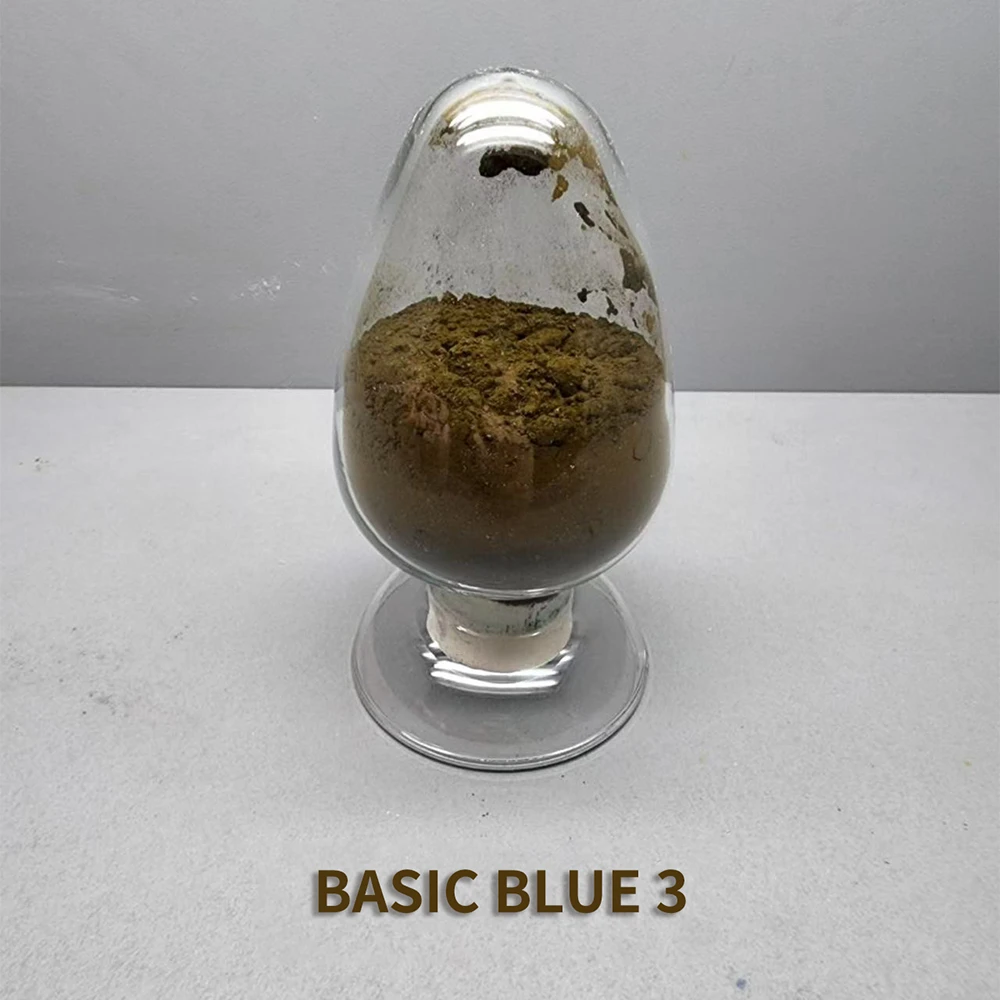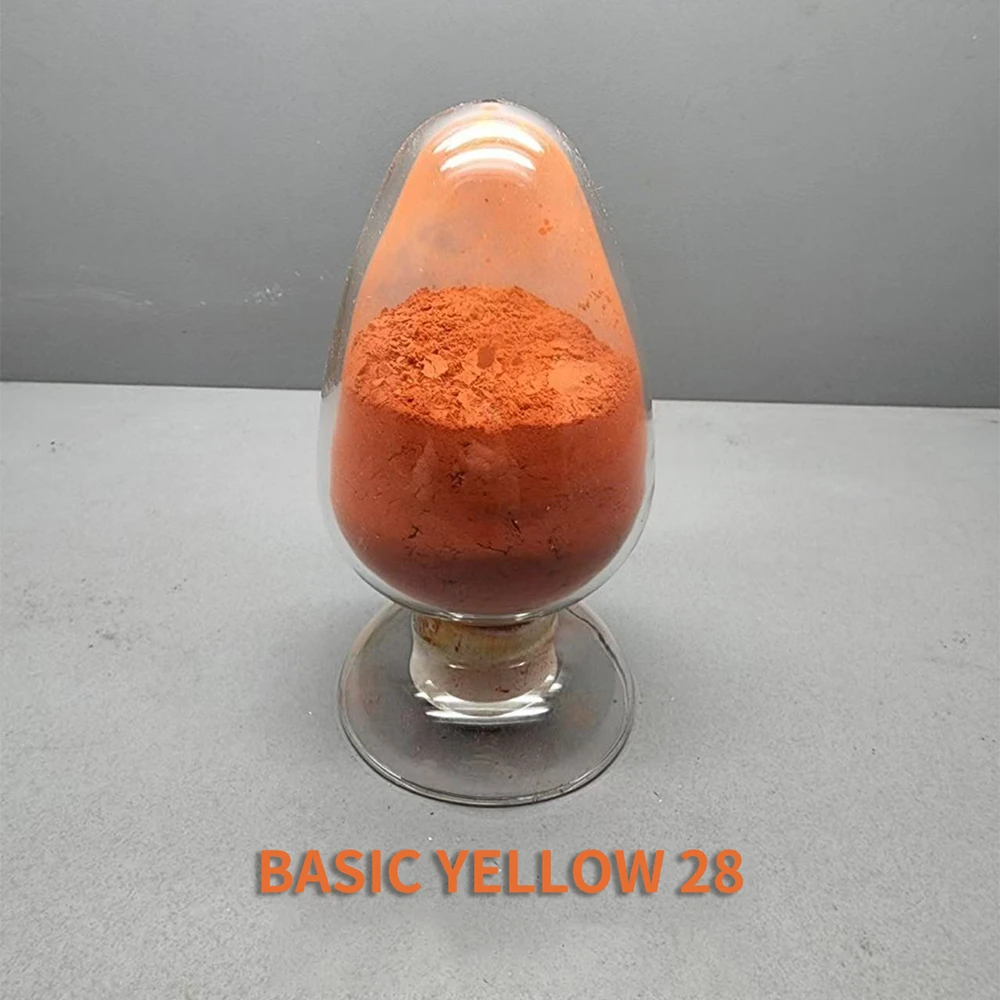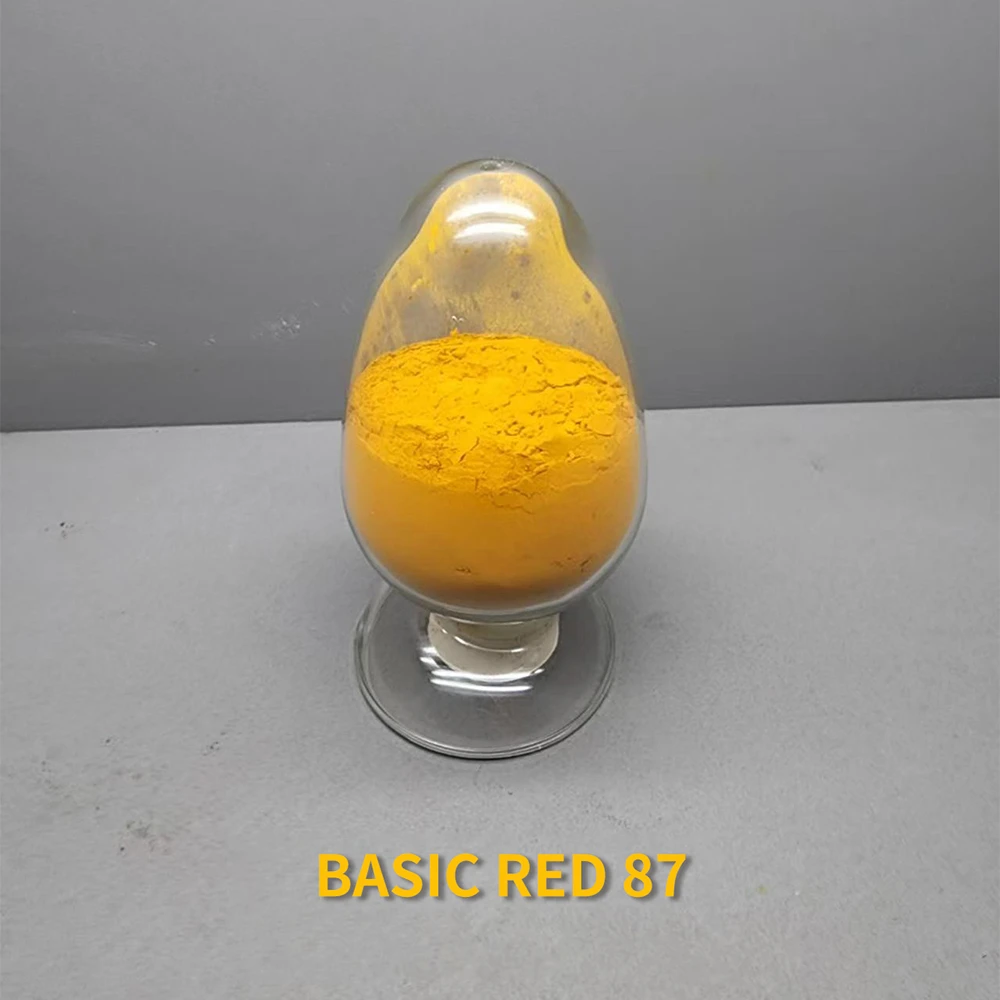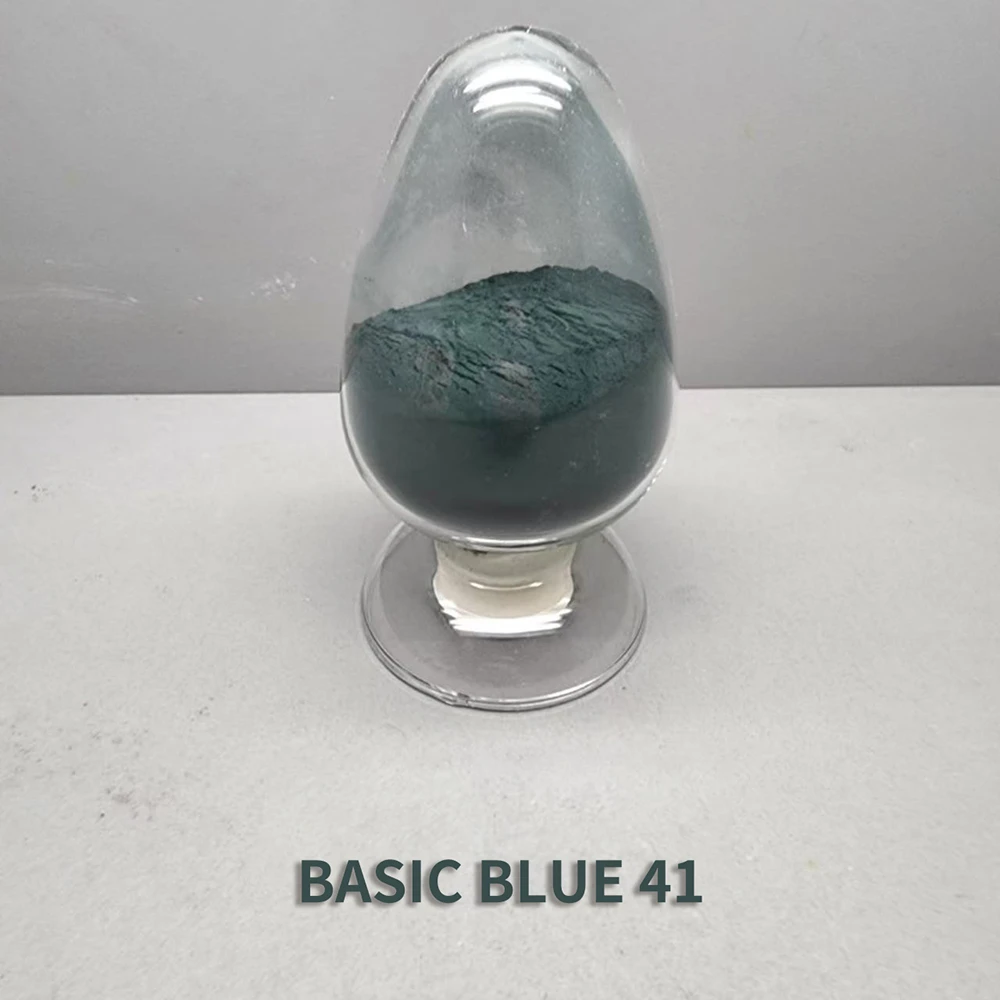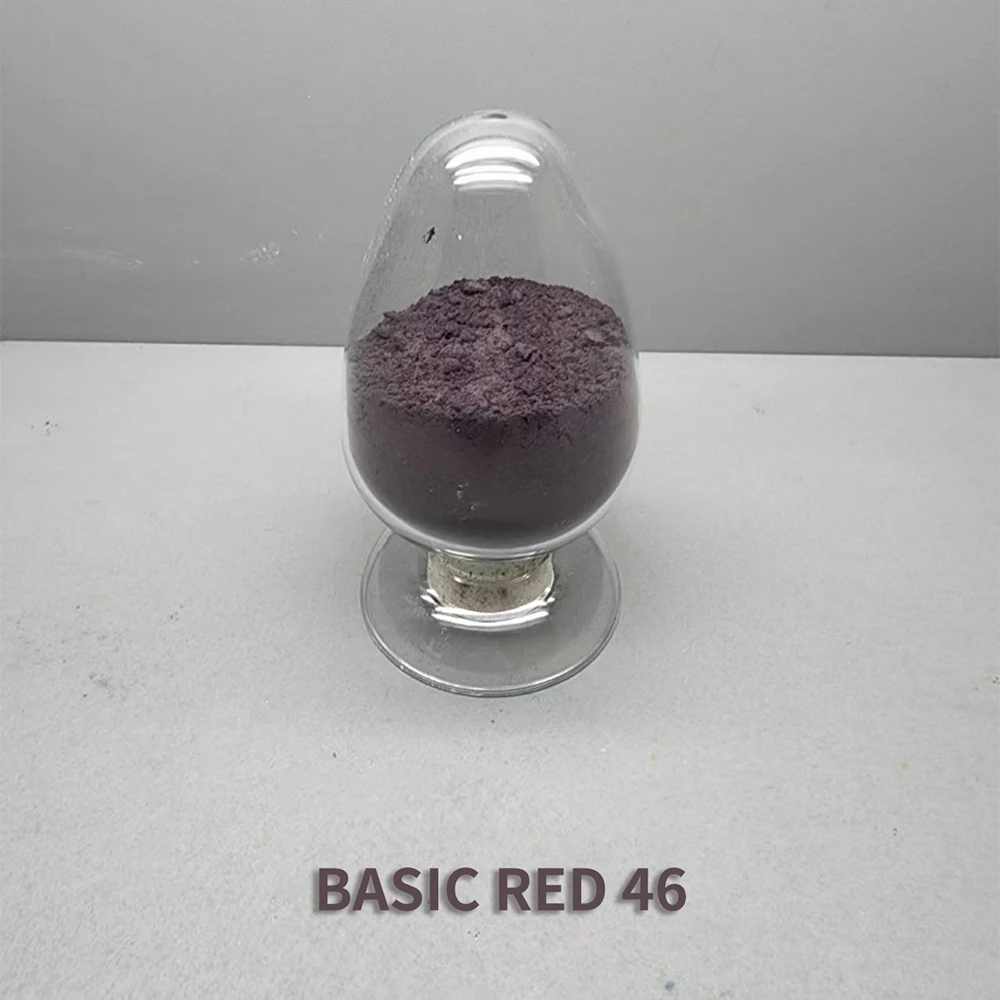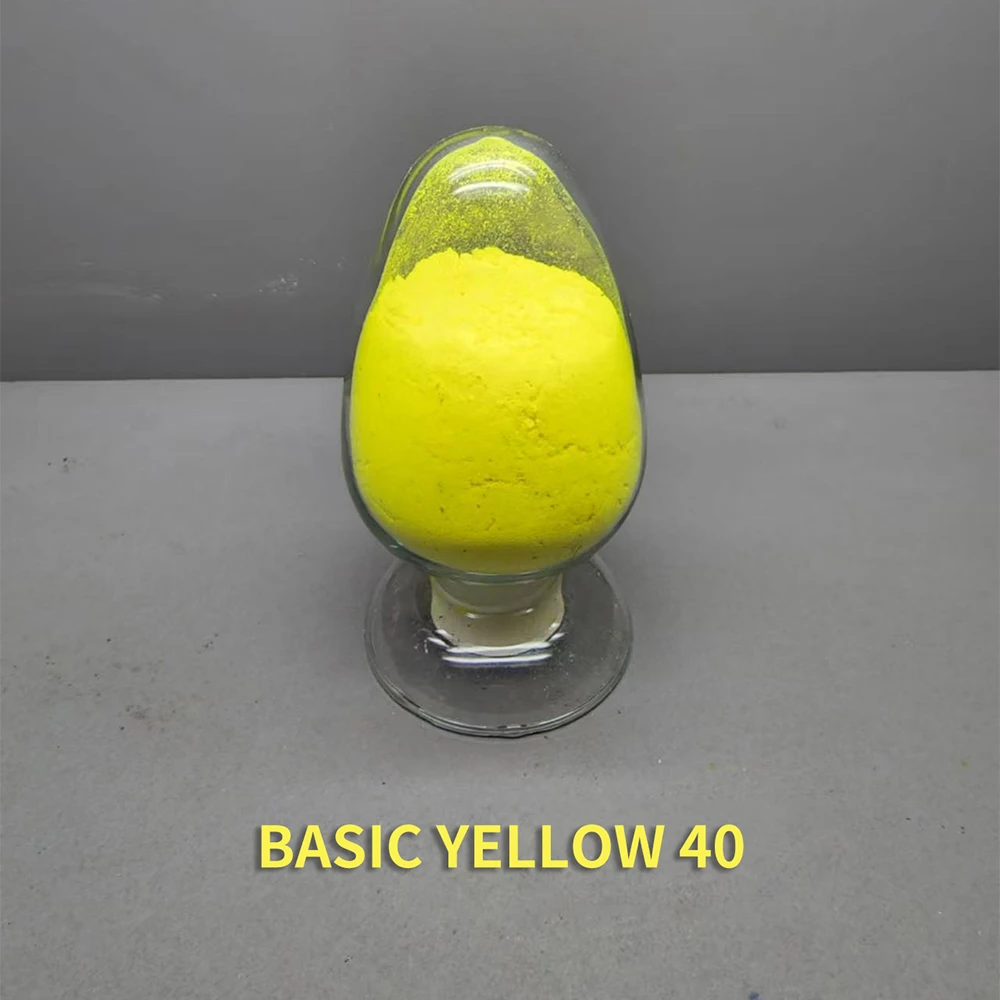
Synthetic Fabric Dye: Durable, Sustainable, and Cost-Effective Solutions
The Rising Importance of Synthetic Fabric Dye in Today’s Textile World
Imagine a world where the fabrics around us — from our clothes to industrial textiles — maintain vibrant, lasting colors despite wear, washing, and sunlight. That’s essentially the promise of synthetic fabric dye. It’s a crucial part of the textile industry, one that’s woven into the global economy and impacts millions.
Understanding synthetic fabric dyes isn’t just about fashion trends or color palettes. The stakes run deeper: sustainable production, cost efficiency, and even humanitarian aid logistics depend on advanced dyes. Yet, the concept is oddly under-discussed outside industry circles, which feels like a missed opportunity.
Introduction: Why Synthetic Fabric Dyes Matter Globally
Textiles make up one of the largest industries worldwide, valued at over $1.2 trillion as of recent World Bank data. Within this massive landscape, synthetic fabric dyes play a pivotal role in coloring about 80% of the synthetic fiber production, according to the International Organization for Standardization (ISO).
But here’s the catch: traditional dyeing methods contribute heavily to water pollution and chemical waste. So synthetic dyes today aren’t just judged on how well they color; they are measured for environmental impact too.
Furthermore, with global supply chains stretched and rising demand from emerging markets, industries seek dyes that combine commercial viability with environmental and social responsibility. So synthetic fabric dye technology is a fine balance of aesthetics, function, and ethics.
What Exactly Is Synthetic Fabric Dye?
Simply put, synthetic fabric dye is a chemical compound crafted to deposit color onto man-made fibers such as polyester, nylon, and acrylic. These dyes are formulated in labs, unlike natural dyes derived from plants or minerals.
Their role is essential not only to fashion brands striving for consistency but also to sectors producing uniforms, industrial textiles, and even medical fabrics that require precise, lasting coloration for identification or functional reasons.
On a humanitarian note, synthetic dyed fabrics are used in emergency shelters and relief goods, where durability and color retention translate directly to safety and security.
Core Components That Define Quality Synthetic Fabric Dye
1. Durability
The first obvious factor is how well a dye holds up over time. Many synthetic dyes are engineered to resist fading from sunlight, washing, and abrasion — qualities critical in activewear and outdoor materials.
2. Scalability
Industries demand dyes that scale efficiently. This means being able to produce consistent batches at industrial volumes without losing quality — a challenge with natural dyes, but largely conquered by synthetics.
3. Cost Efficiency
Frankly, cost is always at the heart of any manufacturing decision. Synthetic fabric dyes generally offer lower cost per unit of color, thanks to chemical synthesis routes that avoid complex extraction or season-dependent sources.
4. Environmental Impact
This one’s a hot topic. Modern production focuses on reducing toxic waste, conserving water, and enhancing biodegradability of dyes or their precursors. Innovations in non-azo dyes and waterless dyeing technologies are advancing rapidly.
5. Color Consistency
Especially for large-scale apparel brands, consistent coloring from batch to batch is non-negotiable. Synthetic fabric dyes offer unmatched precision, allowing designers to confidently plan entire clothing lines.
6. Chemical Compatibility
Since synthetic dyes bind with specific fibers, their chemical compatibility - whether disperse dyes for polyester or acid dyes for nylon - defines their application range and longevity.
Mini takeaway: A synthetic fabric dye’s value rests on balancing durability, environment, cost, and compatibility — an evolving equation as technologies improve.
Practical Applications of Synthetic Fabric Dyes Worldwide
Where do these dyes really shine? Literally and figuratively, all over.
- Apparel Manufacturing: From fast fashion to high-performance sportswear, synthetic dyes color everything.
- Industrial Textile Production: Conveyor belts, filters, and upholstery often rely on reliably dyed synthetic fabrics.
- Medical and Safety Gear: Uniforms with color-coded identifiers use long-lasting dyes to maintain clarity and trust.
- Humanitarian Relief: Emergency tents and tarps made with synthetic dyes maintain visibility and durability during crises.
Regions benefiting most include Asia’s manufacturing hubs, Europe’s high-tech textile sectors, and increasingly Africa’s growing garment industries.
Specifications at a Glance: Example Synthetic Fabric Dye Product
| Feature | Specification |
|---|---|
| Type | Disperse Dye (For polyester) |
| Color Fastness | 7 (ISO 105-B02) |
| Solvent Resistance | High |
| pH Range | 5–9 |
| Environmental Profile | Low heavy metal content, biodegradable |
Mini takeaway: Choosing the right synthetic fabric dye means matching specs to fiber and use-case. So check those fastness ratings and environmental credentials carefully.
Vendor Showdown: Leading Synthetic Fabric Dye Suppliers Compared
| Supplier | Range | Sustainability Focus | Price Level | Lead Times |
|---|---|---|---|---|
| DyeCo International | Wide (Disperse, Acid, Reactive) | High; waterless processes | Premium | 2-4 weeks |
| ColorPlus Chemicals | Focused on polyester dyes | Medium; low heavy metals | Mid-range | 1-2 weeks |
| EcoDye Solutions | Niche eco dyes | Very high; biodegradable focus | Premium | 3-5 weeks |
The Long-Term Benefits & Social Impact
Beyond just aesthetics, synthetic fabric dyes offer real long-term value:
- Cost Savings: Durable dyes reduce need for replacement garments, lowering total lifecycle costs.
- Sustainability: Modern innovations reduce water and chemical use, aligning with global eco goals.
- Safety and Trust: For uniforms and safety gear, reliable coloration is literally a lifeline.
- Innovation: Advanced dyes open doors for smart textiles (think color-changing or UV-protective fabrics).
It’s often overlooked how something as simple as dye color can translate to emotional confidence — from a factory worker’s pride in the uniform to a disaster survivor’s feeling of dignity in relief tents.
Emerging Trends & Innovations to Watch
There’s exciting stuff brewing on the horizon:
- Eco-friendly Molecular Structures: Breakthroughs in dyes that break down harmlessly after use.
- Digital Matching and Automation: AI-powered color formulation and robotic dye machines improve precision and reduce waste.
- Waterless Dye Technologies: Cutting water use by up to 90%, solving one of the industry’s biggest problems.
- Hybrid Fibers and Responsive Dyes: Fabrics with built-in sensors or color adaptation.
Common Challenges & How Industry Tackles Them
Of course, not all is perfect. Major challenges include:
- Environmental Concerns: Legacy synthetic dyes can contaminate waterways if improperly managed.
- Health and Safety: Workers in dyeing plants face exposure risks without proper safeguards.
- Consumer Awareness: Many buyers don’t know to ask about dye sustainability, limiting demand for greener options.
Leading companies are tackling these head-on by investing in closed-loop water systems, publishing transparency reports, and training labor forces extensively.
FAQ: Synthetic Fabric Dye Uncovered
Q1: How do synthetic fabric dyes differ from natural dyes?
While natural dyes come from plants or animals, synthetic fabric dyes are chemically engineered for consistency, durability, and mass production. They typically provide brighter and more colorfast results on man-made fibers.
Q2: Are synthetic fabric dyes eco-friendly?
Traditional synthetic dyes can harm the environment, but newer formulations emphasize biodegradability and reduced toxic byproducts. Many brands now use eco-certified dyes that minimize pollution.
Q3: Can synthetic fabric dye be used on all fibers?
Nope. Different dyes suit different fibers. For example, disperse dyes work best on polyester, acid dyes on nylon. Matching dye type to fabric is crucial for quality.
Q4: How long do colors from synthetic fabric dyes last?
Depending on quality and conditions, synthetic dyes can retain color vibrancy for years, resisting fade from washing and sunlight much better than many natural dyes.
Q5: Where can I find reliable synthetic fabric dye suppliers?
Major textile chemical firms and specialized eco-dye companies supply these dyes globally. You can explore options on industry websites or your textile solution providers. For a start, visit synthetic fabric dye.
Conclusion: Why Synthetic Fabric Dye Still Holds the Thread
For anyone involved with fabrics — designers, manufacturers, or even consumers — synthetic fabric dyes are quietly shaping the future of textiles. Their cost-effectiveness, scalability, and adaptability make them indispensable.
As environmental standards climb and consumers become more conscious, the dyes themselves are evolving. It feels like the industry is on the brink of a greener, smarter era — one where color doesn’t come at the planet’s expense.
Intrigued to learn more or source cutting-edge dyes? Visit our site at synthetic fabric dye and join a community that blends innovation with responsibility.
References
-
Off White Fabric Dye – Industry-Trusted Quality and DurabilityNewsDec. 30, 2025
-
Upholstery Fabric Dye: Durable, Customizable, and Environmentally CompliantNewsDec. 11, 2025
-
Fabric Dye For Curtains – High-Performance Solutions for Textile Manufacturers | YanhongchemNewsJan. 05, 2026
-
China Fabric Dye Manufacturers: Sustainable & High-FastnessNewsDec. 12, 2025
-
Mauve Fabric Dye: Durable, Sustainable Textile Solutions | YanhongchemNewsJan. 04, 2026
-
High-Quality Synthetic Fabric Dye for Industrial Applications | Yanhong ChemNewsDec. 03, 2025